Remote managed IT services are transforming how organizations operate in 2025, providing unmatched flexibility, security, and efficiency. As businesses adapt to more remote and hybrid workforces, the need for resilient IT support has never been greater. This guide will break down what remote managed IT services entail, how they work, and why they are essential for your business. Explore the latest trends, discover key benefits, and learn how to choose the right provider to future-proof your operations and stay ahead in a rapidly evolving digital landscape.
What Are Remote Managed IT Services?
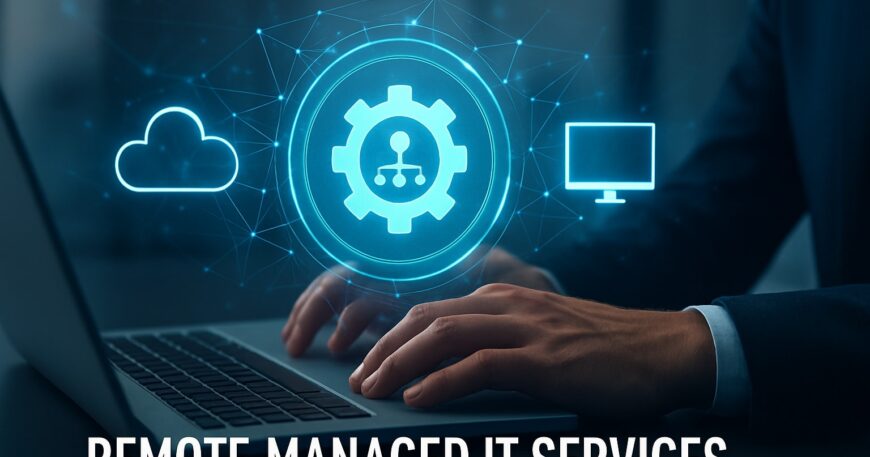
Remote managed IT services represent a modern approach to business technology support. Instead of relying solely on in-house staff or traditional on-site technicians, organizations outsource IT management and support to specialized providers who operate remotely. This model leverages cloud-based tools and secure connections, enabling seamless oversight of your digital environment from anywhere.
Defining Remote Managed IT Services
Remote managed IT services are outsourced solutions where experts manage, monitor, and maintain your company's IT infrastructure from off-site locations. Unlike the old break/fix approach, which reacts only when problems arise, these services focus on continuous monitoring and proactive maintenance.
Key activities include:
- 24/7 system monitoring for performance and security
- Automated updates and patch management
- Cybersecurity protections like firewalls and endpoint security
- Help desk support for users
- Strategic IT planning and consulting
For example, a small business might hire a managed service provider (MSP) to ensure their systems are always up, secure, and compliant, freeing staff to focus on core business priorities. This proactive model sets remote managed IT services apart from traditional, reactive IT support.
Why Remote Management Is Essential in 2025
The shift towards remote and hybrid work models has made remote managed IT services critical for businesses aiming to stay agile and secure. Modern IT environments have grown more complex, with cloud applications, mobile devices, and a rising tide of cyber threats.
The need for continuous protection is underscored by the global cybersecurity workforce gap. According to recent statistics, millions of cybersecurity roles remain unfilled, putting pressure on organizations to find alternatives for robust security. As highlighted in the Cybersecurity Skills Gap: 4.8M Roles Unfilled, Costs Surge, this shortage drives up costs and increases risk.
Predictable IT expenses through subscription models, along with growing regulatory demands like HIPAA and GDPR, also make remote managed IT services a strategic choice for 2025. Businesses can ensure compliance, maintain uptime, and control costs with the right provider.
Types of Businesses That Benefit Most
Remote managed IT services deliver the greatest value to small and midsize businesses that lack dedicated internal IT teams. These organizations often need expert support but cannot justify the expense of full-time staff.
Industries with strict compliance requirements, such as healthcare, finance, and legal, also turn to remote managed IT services for robust security and regulatory alignment. Law firms, for example, benefit from continuous monitoring and data protection, while non-profits appreciate cost-effective access to advanced technology.
Any company with distributed or remote teams gains from centralized oversight and rapid support. This flexibility enables organizations to scale efficiently and maintain high productivity, regardless of where their workforce operates.
Key Components of Remote Managed IT Services
Modern businesses rely on remote managed IT services to keep their technology secure, efficient, and aligned with organizational goals. Understanding the essential components of these services helps leaders make strategic decisions and maximize value for their operations.
24/7 Remote Monitoring and Proactive Maintenance
A core benefit of remote managed IT services is around-the-clock monitoring. Using advanced RMM tools, providers keep a constant watch over servers, workstations, and networks.
- Automated patch management ensures systems remain up to date and secure.
- Scheduled maintenance reduces the risk of unexpected downtime.
- Weekly or monthly performance reports provide transparency.
For example, automated patching protects businesses from cyberattacks that exploit unpatched software. This proactive approach helps organizations avoid costly disruptions and ensures continuous uptime.
Cybersecurity and Threat Protection
Cybersecurity is at the heart of remote managed IT services. Providers deploy layered defenses to protect endpoints, networks, and sensitive data.
- Endpoint protection covers laptops, smartphones, and tablets.
- Firewalls and intrusion detection systems block unauthorized access.
- Real-time threat response and email security defend against phishing.
With the global cybersecurity workforce gap growing by 19 percent, many organizations turn to managed services for protection. As highlighted in the Cybersecurity Workforce Gap Rises by 19% Amid Budget Pressures report, outsourcing security expertise helps businesses stay ahead of evolving threats despite staffing challenges.
Help Desk and User Support
Remote managed IT services offer robust help desk support, resolving technical issues quickly and efficiently.
- Multi-channel support includes phone, chat, and ticketing systems.
- Common requests like password resets and VPN setup are handled remotely.
- Live troubleshooting minimizes downtime for remote and hybrid teams.
By offloading routine IT support to managed providers, internal teams can focus on strategic projects. This results in faster resolutions and a better user experience.
Cloud Services and Network Optimization
Managing cloud applications and optimizing network performance are vital aspects of remote managed IT services.
- Providers handle cloud platforms like Microsoft 365, Google Workspace, and Salesforce.
- Automated backups and disaster recovery plans safeguard business data.
- Network monitoring ensures reliable, high-speed connectivity.
Secure access controls support remote collaboration, allowing distributed teams to work efficiently. Seamless cloud management helps businesses scale and adapt in a dynamic environment.
Compliance and IT Asset Management
Regulatory compliance and efficient IT asset management are essential for risk mitigation.
- Regular audits help organizations meet HIPAA, GDPR, and other requirements.
- Providers track IT assets, from inventory to warranty management.
- Automated compliance reports simplify documentation and reduce penalty risks.
For example, healthcare and finance sectors benefit from automated compliance checks, ensuring ongoing adherence to industry standards. This comprehensive oversight supports both security and operational goals.
How Remote Managed IT Services Work: Step-by-Step in 2025
Adopting remote managed IT services in 2025 is a structured process, designed to deliver seamless, secure, and proactive technology support. The following step-by-step approach provides clarity on what businesses can expect when engaging with a managed service provider. Each phase is tailored to ensure ongoing alignment with business goals, regulatory requirements, and the evolving digital landscape.

Step 1: Initial Assessment and Onboarding
The journey with remote managed IT services begins with a comprehensive assessment. Providers evaluate your current IT infrastructure, identifying vulnerabilities, gaps, and specific business needs. This initial review includes hardware, software, network stability, and security posture.
Next, remote monitoring and management (RMM) tools are deployed across devices, facilitating secure, off-site access. Service level agreements (SLAs) are defined, clarifying response times, escalation paths, and roles. Providers often create a tailored onboarding roadmap, ensuring every step aligns with your industry and business size.
Clear communication during onboarding helps minimize disruption. With remote managed IT services, businesses quickly gain visibility and control, setting the foundation for proactive support and long-term IT health.
Step 2: Implementation of Monitoring and Maintenance
Once onboarded, continuous monitoring becomes the backbone of remote managed IT services. Providers install agents on endpoints and network devices, enabling real-time oversight of system health, performance, and security.
Automated alerts flag issues before they escalate. Maintenance tasks, such as patch management and system updates, are scheduled to minimize downtime. Regular reporting keeps stakeholders informed about system status and any resolved incidents.
For example, immediate detection of hardware errors or unusual activity allows rapid intervention, protecting business continuity. By leveraging remote managed IT services, organizations ensure that potential problems are addressed before they impact daily operations.
Step 3: Ongoing Security Management
Security is a central pillar of remote managed IT services. Providers conduct continuous threat monitoring, leveraging advanced tools to detect and respond to incidents in real time. Regular vulnerability scans and penetration testing help identify new risks.
Endpoint protection is maintained through automated updates and strict policy enforcement. Integration with Security Information and Event Management (SIEM) tools enables centralized analysis and rapid threat response. With the cybersecurity skills shortage making in-house security difficult to sustain, many organizations turn to managed services for expertise and coverage. Recent Cybersecurity Workforce Trends for 2025 highlight the persistent gap in skilled professionals, driving the need for outsourced solutions.
Remote managed IT services ensure regulatory compliance and help businesses stay ahead of evolving threats, providing peace of mind in a complex digital environment.
Step 4: User Support and Help Desk Operations
User support is a critical component of remote managed IT services. Providers offer multi-channel help desks, accessible via phone, chat, and ticketing systems, ensuring that employees receive timely assistance wherever they work.
Common support tasks include troubleshooting software and hardware issues, password resets, VPN configuration, and device connectivity. Many providers maintain a knowledge base, empowering users to resolve simple problems independently.
For distributed or hybrid teams, rapid support reduces downtime and frustration. By offloading routine support to experts, internal IT staff can focus on strategic projects, maximizing the value of remote managed IT services.
Step 5: Cloud and Collaboration Management
In 2025, cloud integration is essential for business agility. Remote managed IT services include migration and management of cloud applications, such as Microsoft 365, Google Workspace, and Salesforce. Providers schedule backups, plan disaster recovery, and oversee data restoration.
Network optimization ensures high-speed, stable connectivity for all users. Access controls and secure sharing tools enable safe remote collaboration. Seamless onboarding of new employees to cloud platforms is streamlined, ensuring quick productivity.
With remote managed IT services, businesses can confidently embrace cloud solutions, knowing their data and applications are managed efficiently and securely.
Step 6: IT Strategy, Reporting, and Future Planning
The final step in the remote managed IT services process is ongoing IT strategy and planning. Providers conduct regular reviews to assess technology needs, recommend upgrades, and align IT with business goals.
Comprehensive reporting covers system performance, security incidents, and compliance audits. Cost analysis helps identify opportunities for efficiency, such as automation or cloud migration. Strategic roadmaps guide future investments and scaling.
Proactive planning with remote managed IT services prevents technology obsolescence and supports business continuity. By staying ahead of industry trends and regulatory changes, organizations ensure their IT remains an asset, not a liability.
Benefits of Remote Managed IT Services
Adopting remote managed IT services brings measurable advantages to organizations of all sizes. Whether you are a growing startup or an established enterprise, these solutions help streamline operations, cut costs, and ensure your technology supports business goals efficiently.
Cost Savings and Predictable Budgeting
Remote managed IT services offer a subscription-based model that replaces unpredictable IT expenses with a flat monthly fee. This approach reduces the need for costly on-premises infrastructure and minimizes emergency repair bills.
- No large upfront investments in hardware
- Lower operational costs compared to hiring a full in-house IT team
- Transparent pricing enables accurate financial planning
For many businesses, switching to remote managed IT services results in more effective budgeting and frees up capital for growth initiatives.
Enhanced Security and Compliance
With cyber threats increasing yearly, remote managed IT services deliver around-the-clock monitoring and rapid response capabilities. Providers use advanced tools such as firewalls, multi-factor authentication, and endpoint protection to safeguard your data.
- Regular vulnerability assessments and patch management
- Automated compliance reporting for regulations like HIPAA and GDPR
- Real-time alerts to prevent breaches
As cybersecurity demands rise, so do job postings for skilled professionals, as highlighted in Cybersecurity jobs on the rise as US industries navigate economic uncertainty. Leveraging remote managed IT services ensures your business remains protected and compliant, even as threats evolve.
Scalability and Flexibility
One of the standout advantages of remote managed IT services is the ability to scale support as business needs change. Whether your organization is onboarding seasonal employees or opening new locations, these services adjust quickly.
- Rapid deployment of devices and user accounts
- Flexible service tiers to match current demands
- Seamless integration for distributed or hybrid workforces
Remote managed IT services empower businesses to expand or contract IT resources without lengthy delays or additional hiring.
Increased Productivity and Focus
By outsourcing routine IT tasks, your internal staff can concentrate on strategic projects and core business functions. Remote managed IT services provide proactive maintenance, reducing system downtime and minimizing disruptions.
- Dedicated help desk for fast problem resolution
- Automated updates and patches for uninterrupted workflows
- Improved employee satisfaction with responsive support
This enhanced focus drives higher productivity and allows teams to deliver better results without being sidetracked by technical issues.
Business Continuity and Disaster Recovery
Remote managed IT services include comprehensive backup and disaster recovery solutions to keep your operations resilient. Automated backups and tested recovery plans ensure that, even in the event of hardware failure or a ransomware attack, your business can recover quickly.
- Frequent, secure cloud backups
- Detailed recovery protocols tailored to your industry
- Minimal downtime after incidents
With remote managed IT services, you gain peace of mind knowing critical data is protected and business continuity is prioritized at all times.
Trends and Innovations in Remote Managed IT Services for 2025
Staying competitive in 2025 requires businesses to embrace the latest advancements in remote managed it services. These innovations are not only reshaping IT but also setting new standards for security, efficiency, and flexibility.
AI and Automation in IT Management
Artificial intelligence is now at the heart of remote managed it services. Providers are leveraging AI to predict hardware failures, automate patch management, and detect threats before they escalate.
For example, automation tools handle routine maintenance, freeing IT staff for strategic work. Chatbots deliver instant help desk support, resolving common issues quickly. This proactive approach reduces downtime and improves user experience.
- Predictive maintenance
- Automated incident response
- Chatbot-assisted support
Automation enhances reliability and keeps businesses ahead of potential disruptions.
Zero Trust Security and Advanced Compliance
Security frameworks are evolving rapidly. Remote managed it services increasingly adopt zero trust models, which require continuous authentication and strict access controls for all users and devices.
Advanced compliance tools are now integrated, simplifying regulatory reporting for standards like GDPR and CMMC. MSPs offer remote compliance audits, ensuring clients meet industry mandates without extra burden.
- Continuous verification of identity
- Automated compliance reporting
- Role-based access enforcement
This approach strengthens defenses against modern cyber threats and supports regulatory readiness.
Hybrid and Multi-Cloud Management
Many organizations use multiple cloud providers to optimize costs and performance. Remote managed it services now offer seamless management for hybrid and multi-cloud environments.
Providers handle workload migration, unified monitoring, and integration across platforms such as Microsoft Azure, AWS, and Google Cloud. This flexibility allows businesses to scale quickly and maintain high availability.
| Cloud Providers | Key Features | Benefit |
|---|---|---|
| Microsoft Azure | Integration, Security | High scalability |
| AWS | Flexibility, Backup | Cost optimization |
| Google Cloud | Collaboration, AI | Enhanced productivity |
Multi-cloud support maximizes efficiency and business agility.
Remote Collaboration and Productivity Tools
Empowering remote teams is a top priority. Remote managed it services now include unified communications platforms, secure device provisioning, and remote onboarding solutions.
MSPs streamline deployment of tools like Microsoft Teams and Slack, ensuring secure, seamless collaboration. High-speed connectivity and robust support enable distributed teams to excel without technical barriers.
- Unified communications
- Device management
- Secure file sharing
These innovations transform remote work into a productive, connected experience.
Industry-Specific Solutions
Different industries face unique IT challenges. Remote managed it services address these with tailored solutions for healthcare, finance, legal, and more.
Healthcare MSPs, for instance, ensure HIPAA compliance for remote clinics. Legal and finance firms benefit from enhanced data protection and audit-ready reporting. This customization helps organizations meet their sector’s demands with confidence.
Industry-focused services deliver peace of mind and regulatory alignment.
Choosing the Right Remote Managed IT Services Provider
Selecting the right remote managed IT services provider is crucial for your business’s long-term success. The right partner can strengthen your IT environment, ensure compliance, and keep your operations running smoothly, even as technology evolves.
Key Evaluation Criteria
When evaluating remote managed IT services providers, consider their experience within your industry and their ability to deliver comprehensive solutions. Look for providers offering a wide range of services, including cybersecurity, cloud management, help desk support, and compliance expertise.
Other essential criteria include:
- Proven track record with businesses similar to yours
- Clearly defined Service Level Agreements (SLAs) with guaranteed response times
- Strong partnerships with technology leaders such as Microsoft or Bitdefender
- Transparent pricing with no hidden fees
By focusing on these criteria, you can better compare remote managed IT services options and find a provider aligned with your business goals.
Questions to Ask Potential Providers
To ensure you select the best remote managed IT services partner, ask targeted questions during your evaluation process. These questions help clarify their capabilities and approach to your unique needs.
Consider asking:
- How do you secure data for remote and hybrid teams?
- What is your incident response process for cybersecurity threats?
- How do you manage compliance and provide regular reporting?
- Can you share references from businesses in our industry?
These questions will help you gauge whether a provider’s remote managed IT services are robust, responsive, and tailored to your organization.
Red Flags and Common Pitfalls
Avoiding mistakes when choosing remote managed IT services is essential for your business’s security and efficiency. Watch for warning signs that may indicate a poor fit or potential issues down the road.
Common red flags include:
- Lack of transparency in pricing or service descriptions
- Slow communication or inconsistent support
- Limited scalability or use of outdated technology
If you notice these pitfalls, consider exploring other remote managed IT services providers to ensure your business receives the support it needs.
The Importance of Local Expertise and Personalized Service
While many remote managed IT services providers offer national or global coverage, local expertise can make a significant difference. Providers with a deep understanding of your regional business environment are often more responsive and can deliver personalized solutions.
Testimonials from local clients often highlight the value of tailored support and fast response times. Choosing a provider that prioritizes your unique needs will help you maximize the benefits of remote managed IT services.
Delphi Systems Inc.: Local Expertise for Lethbridge Businesses
Delphi Systems Inc. specializes in managed IT services for small businesses in Lethbridge and surrounding areas. With flat-rate pricing, proactive maintenance, and comprehensive support—including cloud, cybersecurity, backup, and network monitoring—Delphi Systems helps local organizations focus on core activities while ensuring secure, efficient IT operations. Their local expertise and client-centric approach make them a trusted partner for businesses seeking reliable, responsive IT management in 2025.
Now that you understand how remote managed IT services can boost security, efficiency, and scalability for your business in 2025, it’s time to think about your next step. If you’re ready to focus on what you do best—while enjoying peace of mind knowing your IT infrastructure is protected and expertly managed—let’s connect. At Delphi Systems Inc., we’re dedicated to helping businesses in Lethbridge thrive with reliable support, fixed-rate pricing, and local expertise you can trust. Have questions or want to discuss your unique needs? Call us now and start building a secure, productive future for your business.

