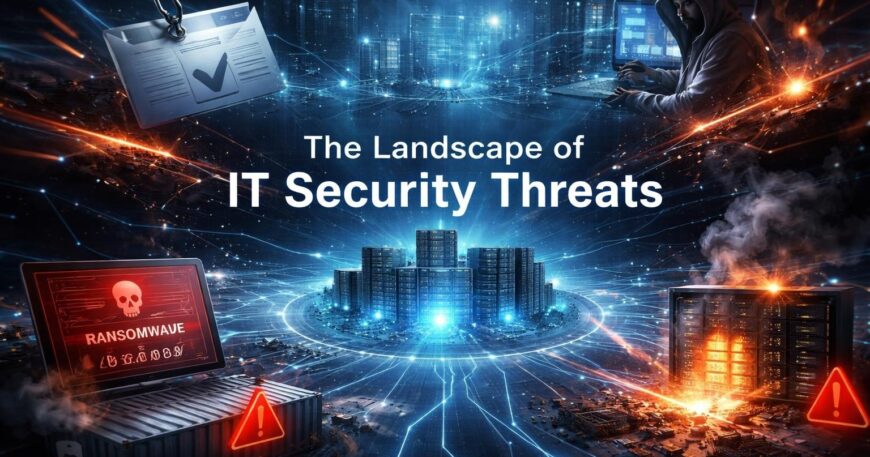
Modern businesses face an unprecedented array of digital dangers that can disrupt operations, compromise sensitive data, and threaten their very survival. Understanding threats to IT systems has become essential for small business owners who rely on technology to serve customers, manage operations, and drive growth. From sophisticated cyberattacks to seemingly mundane hardware failures, these vulnerabilities demand constant vigilance and proactive protection strategies.
Understanding the Threat Landscape in 2026
The digital threat environment continues to evolve at an alarming pace. Small businesses in Lethbridge and across North America now confront the same sophisticated attacks previously reserved for large enterprises. Cybercriminals have democratized their tactics, recognizing that smaller organizations often lack robust security measures yet maintain valuable data and financial assets.
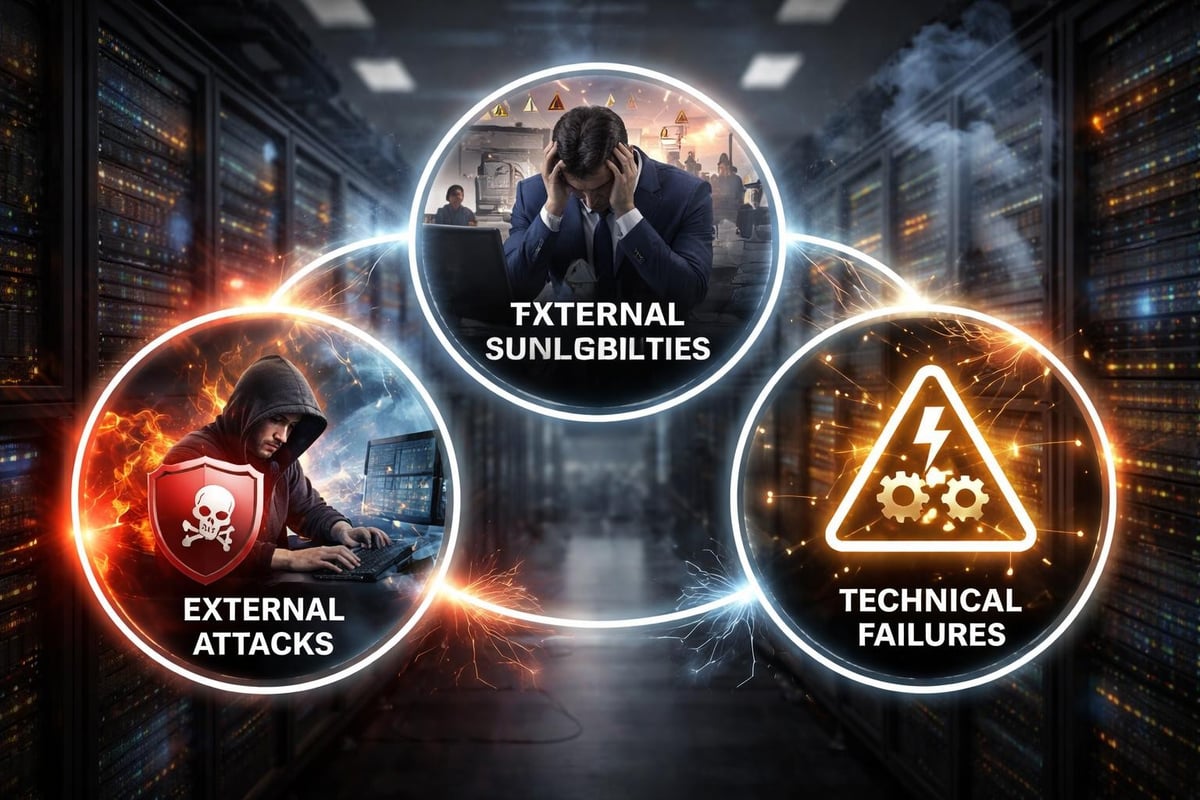
Three primary categories define the current threat landscape:
- External malicious attacks from cybercriminals, nation-state actors, and hacktivists
- Internal vulnerabilities stemming from human error, disgruntled employees, or inadequate processes
- Environmental and technical failures including hardware malfunctions and natural disasters
According to recent industry research, various types of cyberattacks have increased by 38% since 2024, with small businesses experiencing the steepest rise. The financial impact extends beyond immediate remediation costs to include lost productivity, damaged reputation, and potential regulatory penalties.
Cyber Threats Targeting Business Networks
Ransomware remains the most financially devastating threat to IT systems for small businesses. These attacks encrypt critical files and demand payment for restoration, often crippling operations for days or weeks. Modern ransomware variants employ double-extortion tactics, threatening to publish stolen data even if the ransom is paid.
Phishing and Social Engineering
Human psychology represents the weakest link in most security chains. Phishing campaigns have grown increasingly sophisticated, using artificial intelligence to craft convincing messages that bypass traditional email filters. Employees receive messages appearing to originate from trusted sources, requesting credentials, payment information, or malware downloads disguised as legitimate attachments.
Common social engineering techniques include:
- Spear phishing targeting specific individuals with personalized information
- Business email compromise mimicking executive communications
- Vishing (voice phishing) through fraudulent phone calls
- SMS phishing delivering malicious links via text messages
Advanced Persistent Threats
These coordinated, long-term attacks infiltrate networks and remain undetected while gathering intelligence or establishing footholds for future exploitation. Unlike opportunistic attacks, advanced persistent threats target specific organizations with clear objectives, often involving data theft or espionage.
The STRIDE model provides a comprehensive framework for identifying security vulnerabilities across six categories: spoofing, tampering, repudiation, information disclosure, denial of service, and elevation of privilege.
Supply Chain and Third-Party Vulnerabilities
Modern business operations depend on interconnected networks of vendors, service providers, and software suppliers. This connectivity creates vulnerabilities that extend far beyond organizational boundaries. A supply chain attack occurs when attackers compromise a trusted third party to gain access to their customers' systems.
| Vulnerability Type | Risk Level | Common Examples |
|---|---|---|
| Software vendors | High | Compromised updates, malicious code injection |
| Cloud service providers | Medium-High | Misconfigured access, data breaches |
| Hardware suppliers | Medium | Firmware backdoors, counterfeit components |
| Managed service providers | High | Credential theft, lateral network movement |
The SolarWinds incident of 2020 demonstrated how a single compromised software update could affect thousands of organizations simultaneously. Small businesses must carefully evaluate their vendor relationships and implement robust third-party risk management protocols.
Evaluating Third-Party Security
Before entrusting critical operations to external providers, businesses should conduct thorough due diligence. Request security certifications, review audit reports, and establish clear contractual obligations regarding data protection and incident response. The risks inherent in different types of IT risk require comprehensive assessment strategies.
Internal Threats and Human Factors
Not all threats to IT systems originate from external actors. Internal risks pose equally significant dangers, whether through malicious intent or simple negligence. Employees with legitimate access credentials can cause catastrophic damage, either deliberately or accidentally.
Insider threat categories include:
- Malicious insiders intentionally stealing data or sabotaging systems
- Negligent users failing to follow security protocols
- Compromised credentials when employee accounts fall under attacker control
- Shadow IT when staff deploy unauthorized applications or devices
Research indicates that insider incidents account for approximately 34% of data breaches in small to medium-sized businesses. The average detection time for insider threats exceeds 85 days, providing ample opportunity for significant damage.
Addressing the Human Element
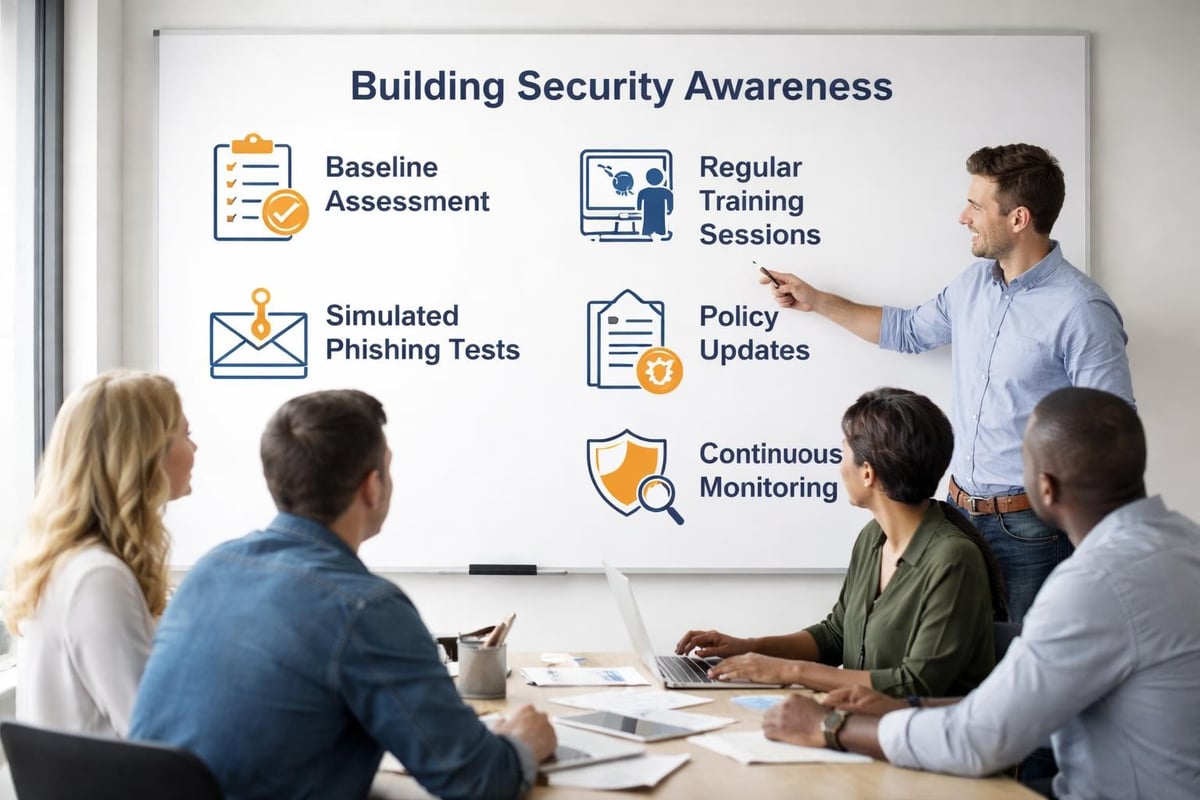
Comprehensive security awareness training transforms employees from vulnerabilities into assets. Regular sessions covering password management, phishing recognition, and proper data handling significantly reduce risk exposure. Many organizations now conduct quarterly simulated phishing campaigns to measure improvement and identify individuals requiring additional support.
Implementing the principle of least privilege ensures employees access only the systems and data necessary for their specific roles. This containment strategy limits potential damage from both compromised credentials and insider threats.
Infrastructure and Hardware Vulnerabilities
Physical and technical failures represent often-overlooked threats to IT systems that can prove equally devastating as cyberattacks. Hardware components inevitably fail, networks experience outages, and physical disasters can destroy entire data centers.
Equipment Failures and Aging Infrastructure
Server hardware, network switches, and storage devices all possess finite lifespans. Aging equipment increases failure rates exponentially, while outdated systems lack security patches for newly discovered vulnerabilities. The dangers of outdated software extend beyond compatibility issues to create exploitable security gaps.
| System Component | Average Lifespan | Failure Indicators |
|---|---|---|
| Servers | 3-5 years | Performance degradation, unexpected reboots |
| Network switches | 5-7 years | Packet loss, connectivity issues |
| Hard drives | 3-4 years | Slow read/write speeds, unusual noises |
| Backup systems | 4-6 years | Failed backup jobs, verification errors |
Environmental and Physical Threats
Natural disasters, power fluctuations, and environmental factors pose serious risks to IT infrastructure. Flooding, fires, extreme temperatures, and power surges can destroy hardware within seconds. Businesses operating in areas prone to severe weather face elevated risks requiring specialized protection measures.
Physical security breaches allow unauthorized individuals to access servers, steal equipment, or tamper with network infrastructure. Proper facility security, including access controls, surveillance systems, and environmental monitoring, provides essential protection layers.
Emerging Threats in Operational Technology
The convergence of information technology with operational technology (OT) introduces new vulnerabilities for businesses utilizing industrial control systems, building automation, or manufacturing equipment. These environments previously operated in isolation but now connect to corporate networks and the internet, exposing them to cyber threats.
Cyber-kinetic attacks represent particularly dangerous threats where digital intrusions cause physical damage to equipment, facilities, or infrastructure. Academic research on vulnerabilities in industrial control systems highlights growing concerns about critical infrastructure protection.
Small manufacturers, healthcare facilities, and building management operations must recognize these evolving threats to IT systems and implement appropriate security controls. Air-gapping critical systems, network segmentation, and specialized OT security monitoring provide necessary protections.
Mobile and Remote Work Vulnerabilities
The proliferation of remote work has expanded attack surfaces exponentially. Employees accessing corporate resources from home networks, coffee shops, and public Wi-Fi hotspots introduce security challenges that traditional perimeter defenses cannot address.
Remote work security considerations include:
- Unsecured home networks lacking enterprise-grade firewalls
- Personal devices mixing business and personal data
- Shared computers used by multiple family members
- Weak or reused passwords across multiple services
- Unpatched operating systems and applications
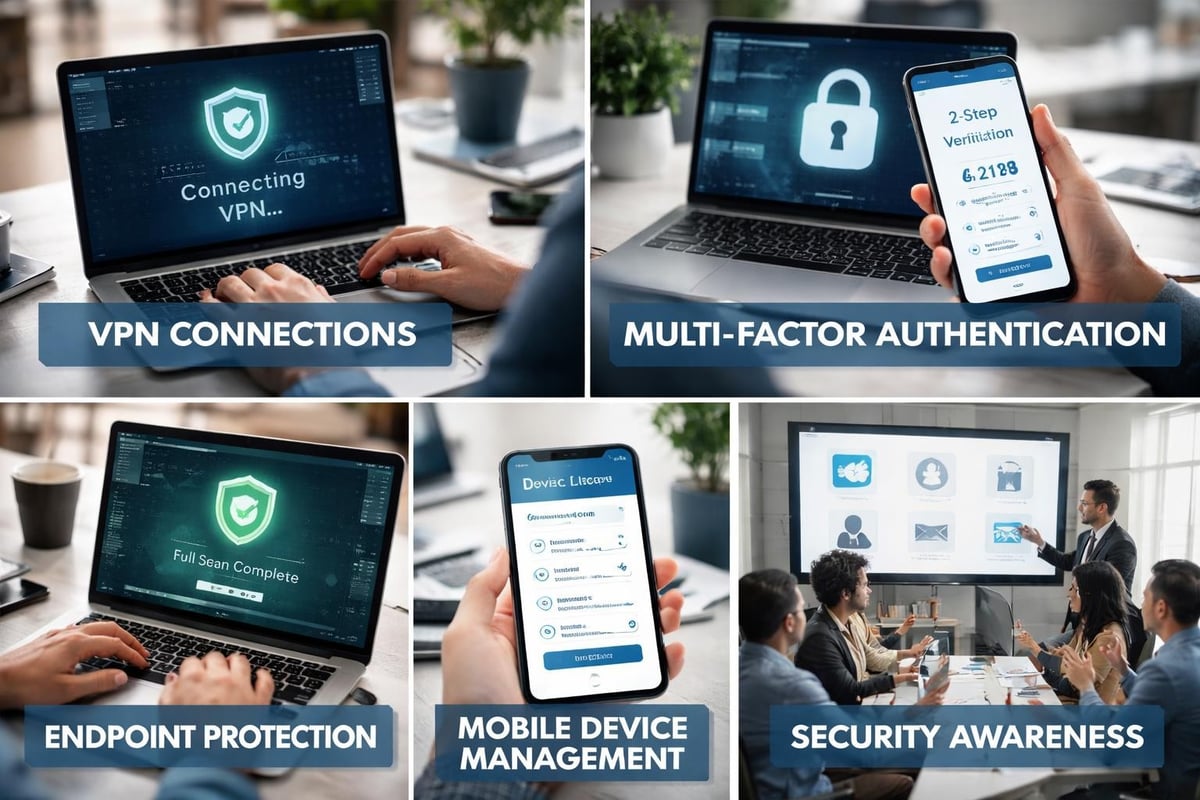
Virtual private networks (VPNs) provide encrypted tunnels for remote connections, but misconfigured VPN servers themselves become attractive targets. Multi-factor authentication adds critical protection layers, requiring multiple verification methods beyond simple passwords.
Mobile Device Management
Smartphones and tablets accessing corporate email, documents, and applications require specialized security controls. Mobile device management platforms enforce security policies, enable remote data wiping for lost devices, and ensure proper encryption. The lessons from past cyberattacks on critical infrastructure emphasize the importance of comprehensive endpoint protection strategies.
Cloud Security Challenges
Cloud computing delivers tremendous benefits for small businesses but introduces unique threats to IT systems. Misconfigured cloud storage buckets have exposed millions of sensitive records, while shared responsibility models create confusion about security obligations.
| Security Aspect | Provider Responsibility | Customer Responsibility |
|---|---|---|
| Physical infrastructure | ✓ | |
| Network infrastructure | ✓ | |
| Application security | ✓ | |
| Data encryption | Partial | ✓ |
| Access management | ✓ | |
| Compliance | Partial | ✓ |
Understanding the shared responsibility model prevents dangerous gaps in cloud security posture. While cloud providers secure the underlying infrastructure, customers must properly configure services, manage access credentials, and protect their data. Delphi Systems Inc. helps Lethbridge businesses navigate cloud security complexities while maintaining compliance requirements.
Data Sovereignty and Compliance
Regulatory requirements add complexity to cloud deployments. Data residency laws may restrict where information can be stored geographically, while industry-specific regulations impose stringent security controls. Healthcare organizations must comply with HIPAA, financial services face PCI DSS requirements, and Canadian businesses must address PIPEDA obligations.
Mitigation Strategies and Best Practices
Addressing threats to IT systems requires layered defense strategies combining technical controls, procedural safeguards, and human awareness. No single solution provides complete protection, but comprehensive approaches significantly reduce risk exposure.
Essential security controls include:
- Regular software updates and patch management eliminating known vulnerabilities
- Network segmentation limiting lateral movement during breaches
- Robust backup and disaster recovery enabling rapid restoration
- Endpoint detection and response identifying suspicious activities
- Email filtering and web protection blocking malicious content
Implementing these controls demands expertise, resources, and constant vigilance. Many small businesses lack dedicated IT security personnel, making managed security services attractive alternatives to building internal capabilities.
Continuous Monitoring and Incident Response
Threats evolve continuously, requiring ongoing monitoring to detect new attack patterns. Security information and event management systems aggregate logs from multiple sources, applying analytics to identify anomalies indicating potential breaches.
Preparing incident response plans before attacks occur enables faster, more effective reactions during crises. These plans should define roles and responsibilities, communication protocols, containment procedures, and recovery steps. Regular tabletop exercises test plan effectiveness and identify improvement opportunities.
Risk Assessment and Security Audits
Systematic evaluation of threats to IT systems provides the foundation for effective security programs. Risk assessments identify critical assets, evaluate vulnerabilities, and prioritize remediation efforts based on potential impact and likelihood.
Comprehensive risk assessment components:
- Asset inventory cataloging all systems, applications, and data
- Threat identification mapping potential attack vectors
- Vulnerability scanning detecting technical weaknesses
- Impact analysis evaluating potential consequences
- Risk prioritization focusing resources on highest dangers
Annual security audits by independent experts provide objective evaluations of security posture. These assessments often reveal blind spots internal teams overlook and validate the effectiveness of existing controls. Penetration testing simulates real-world attacks to identify exploitable vulnerabilities before malicious actors discover them.
Understanding and addressing threats to IT systems requires ongoing commitment, specialized expertise, and comprehensive protection strategies. Small businesses in Lethbridge face the same sophisticated attacks targeting enterprises but often lack equivalent resources and security infrastructure. Partnering with experienced managed IT service providers transforms security from a burden into a strategic advantage. Delphi Systems Inc. delivers comprehensive cybersecurity, network monitoring, and IT support services that protect your business while allowing you to focus on core operations and growth.

