Small businesses face mounting cybersecurity challenges as threat actors become increasingly sophisticated. An effective it security system serves as the foundation for protecting sensitive data, maintaining operational continuity, and preserving customer trust. For businesses in Lethbridge and surrounding areas, implementing comprehensive security measures has shifted from optional to essential. This guide explores the critical components, frameworks, and strategies that create robust protection for your organization's digital assets.
Understanding the Components of an IT Security System
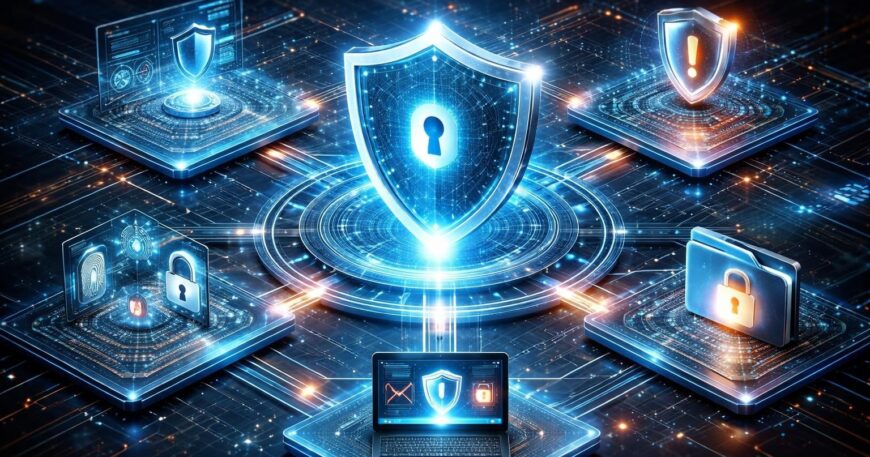
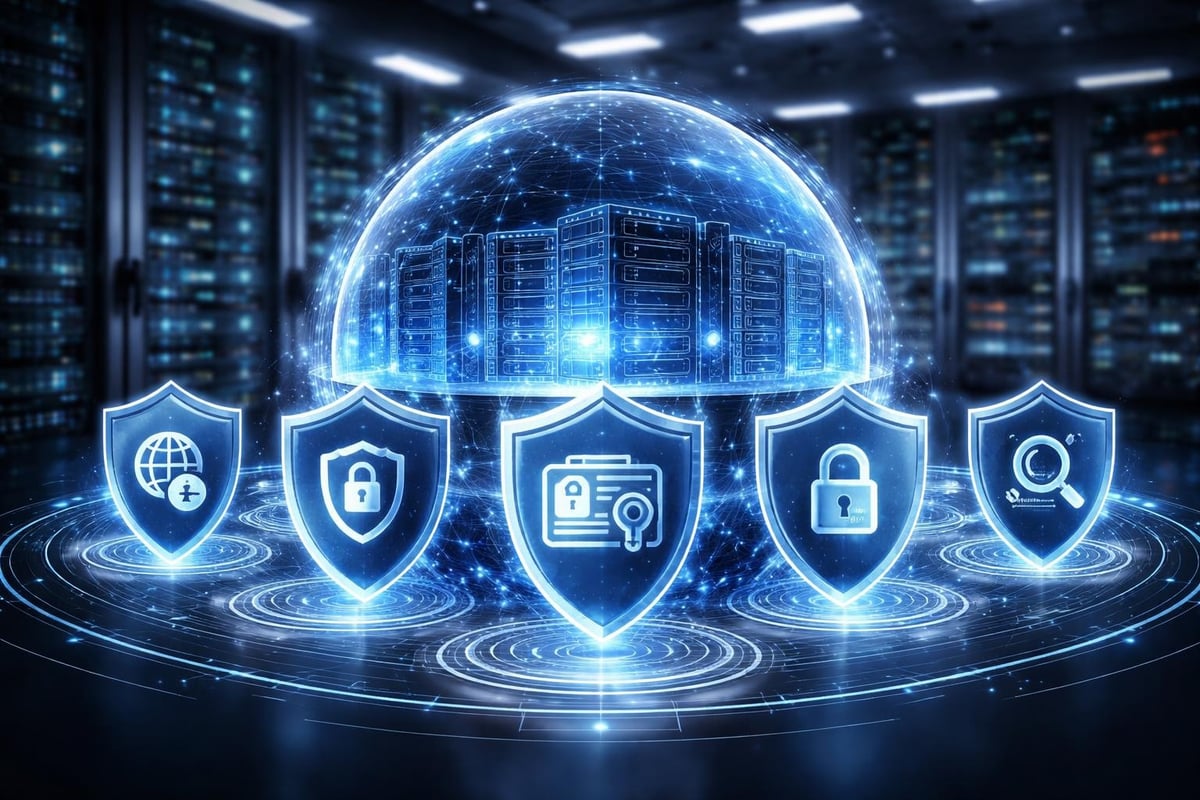
A comprehensive it security system encompasses multiple layers of protection working in concert. Rather than relying on a single solution, modern security architectures integrate various technologies and processes to create defense in depth.
Core Security Infrastructure Elements
Network security forms the perimeter defense, controlling what traffic enters and exits your systems. Firewalls, intrusion detection systems, and intrusion prevention systems monitor data flows constantly, identifying and blocking suspicious activity before it reaches critical assets.
Endpoint protection extends security to every device connecting to your network. This includes:
- Antivirus and anti-malware software
- Device encryption capabilities
- Mobile device management solutions
- Application whitelisting controls
- Regular security patch deployment
Access control mechanisms ensure only authorized personnel can reach specific resources. Multi-factor authentication, role-based permissions, and privileged access management create barriers against unauthorized access attempts.
Data Protection and Recovery Systems
Data backup and recovery solutions protect against ransomware, hardware failures, and accidental deletions. An effective it security system maintains both onsite and cloud-based backups, tested regularly to ensure restoration capabilities when needed.
Encryption technologies safeguard information both in transit and at rest. Whether data moves across the internet or sits on storage devices, encryption renders it unreadable to unauthorized parties.
| Security Layer | Primary Function | Key Technologies |
|---|---|---|
| Network Security | Perimeter defense | Firewalls, IDS/IPS, VPN |
| Endpoint Protection | Device-level security | Antivirus, EDR, encryption |
| Access Control | Identity verification | MFA, SSO, PAM |
| Data Protection | Information safeguarding | Encryption, DLP, backups |
| Security Monitoring | Threat detection | SIEM, log analysis, alerts |
Implementing Security Frameworks and Standards
Organizations benefit from structured approaches to building their it security system. Several internationally recognized frameworks provide blueprints for comprehensive security programs.
Industry-Standard Security Frameworks
The NIST Cybersecurity Framework offers a flexible, risk-based approach organized around five core functions: Identify, Protect, Detect, Respond, and Recover. Small businesses appreciate its scalability, allowing implementation at appropriate maturity levels.
ISO/IEC 27001 provides requirements for establishing, implementing, maintaining, and continually improving an information security management system. This standard emphasizes systematic risk assessment and treatment processes.
For organizations requiring specific control catalogs, NIST SP 800-53 details privacy and security controls applicable across various threat scenarios. While comprehensive, smaller organizations typically select relevant controls matching their risk profiles.
Risk Assessment Methodologies
Effective security begins with understanding what you're protecting and from whom. Risk assessment processes identify assets, evaluate threats and vulnerabilities, determine potential impacts, and prioritize mitigation efforts.
ISO/IEC 27005 specifically addresses information security risk management, providing systematic guidelines for:
- Establishing context and defining scope
- Identifying information security risks
- Analyzing and evaluating risk severity
- Selecting appropriate treatment options
- Monitoring and reviewing risk status continuously
Small businesses should conduct risk assessments annually at minimum, or whenever significant infrastructure changes occur.
Best Practices for IT Security System Management
Beyond technology deployment, operational practices determine security effectiveness. The human element remains both the greatest vulnerability and strongest defense in any it security system.
Security Policy Development
Written policies establish expectations and procedures for information security. Acceptable use policies, password requirements, incident response plans, and data classification standards create consistent security behaviors across your organization.
Policies should address:
- Remote work security requirements
- Bring-your-own-device protocols
- Social media usage guidelines
- Email and communication security
- Third-party vendor management
- Physical security measures
Review and update policies annually, ensuring they reflect current threats and business operations.
Employee Training and Awareness
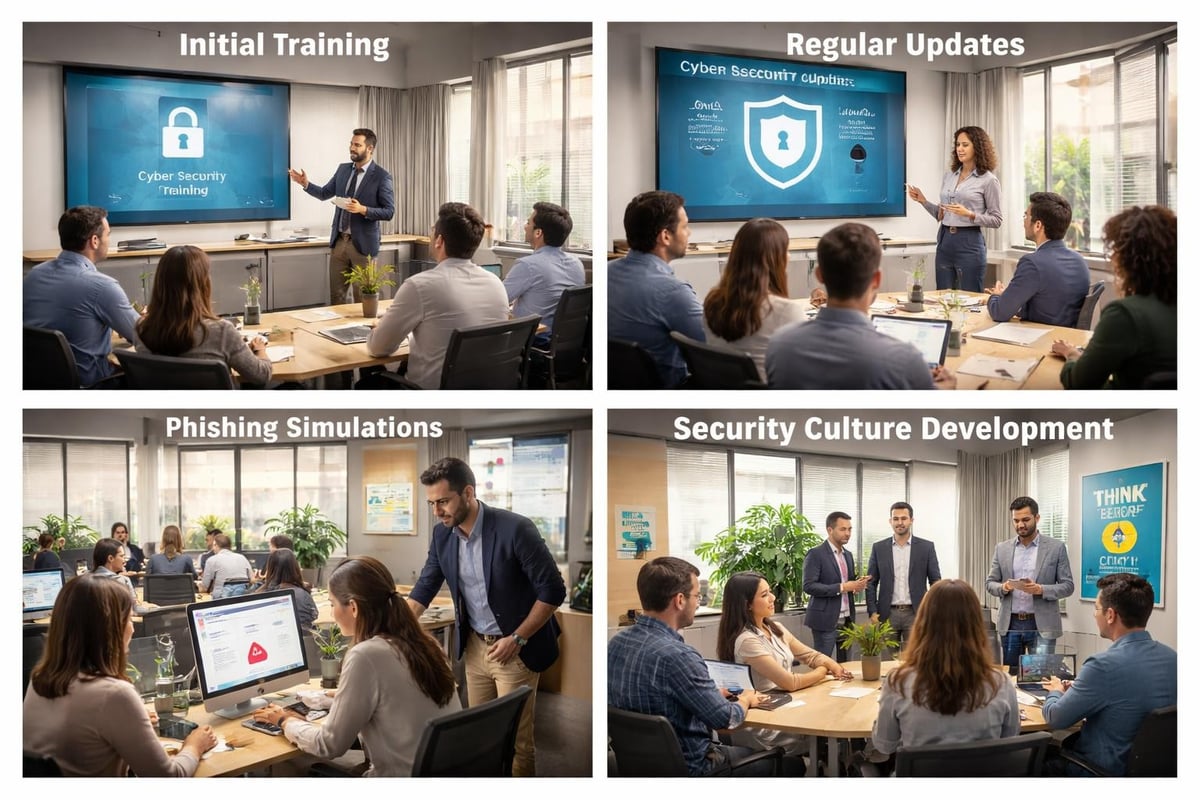
Technology alone cannot prevent security breaches when employees fall victim to social engineering. Regular security awareness training transforms staff from potential weak points into active defenders.
Phishing simulation exercises test employee vigilance while providing learning opportunities. Monthly security tips, quarterly training sessions, and immediate feedback on suspicious activity reports reinforce secure behaviors.
Training topics should include password hygiene, recognizing phishing attempts, secure file sharing, mobile device security, and proper handling of sensitive information.
Continuous Monitoring and Threat Detection
An effective it security system operates proactively rather than reactively. Continuous monitoring identifies anomalies before they escalate into full breaches.
Security Information and Event Management
SIEM platforms aggregate logs from across your infrastructure, correlating events to identify potential security incidents. These systems detect patterns invisible when examining individual systems in isolation.
Key monitoring capabilities include:
- Failed login attempt tracking
- Unusual network traffic patterns
- Unauthorized configuration changes
- Malware signature detection
- Data exfiltration attempts
- Privilege escalation activities
Alert tuning ensures security teams focus on genuine threats rather than drowning in false positives.
Vulnerability Management Programs
Regular vulnerability scanning identifies security weaknesses before attackers exploit them. According to cybersecurity best practices, continuous vulnerability scanning combined with prompt patch management significantly reduces attack surfaces.
| Vulnerability Severity | Response Timeframe | Action Required |
|---|---|---|
| Critical | 24-48 hours | Immediate patching or mitigation |
| High | 7 days | Scheduled patching during maintenance windows |
| Medium | 30 days | Include in regular patch cycles |
| Low | 90 days | Address during system upgrades |
Penetration testing supplements automated scanning by simulating real-world attack scenarios, revealing vulnerabilities that automated tools might miss.
Network Security Architecture Design
Proper network segmentation limits breach impact by containing threats within isolated zones. An optimally designed it security system prevents lateral movement that allows attackers to access everything once they breach perimeter defenses.
Segmentation and Access Control
Divide your network into security zones based on function and sensitivity. Guest networks, employee workstations, servers, and IoT devices should occupy separate segments with restricted communication between zones.
Zero-trust architecture assumes breach is inevitable, requiring verification for every access request regardless of source location. This approach eliminates implicit trust based solely on network position.
Virtual LANs, firewalls, and access control lists enforce segmentation policies. Critical systems receive additional protection through air-gapping or dedicated security zones with stringent access requirements.
Secure Remote Access Solutions
Remote work necessitates secure connections between external locations and corporate resources. Virtual Private Networks encrypt communications, extending your secure network perimeter to remote workers.
Cloud-based security solutions provide consistent protection regardless of employee location. Secure web gateways, cloud access security brokers, and endpoint detection and response tools maintain security standards for distributed workforces.
Multi-factor authentication becomes non-negotiable for remote access, adding verification layers beyond passwords alone.
Incident Response and Business Continuity
Even robust it security systems experience incidents. Preparation determines whether incidents become minor disruptions or catastrophic failures.
Incident Response Planning
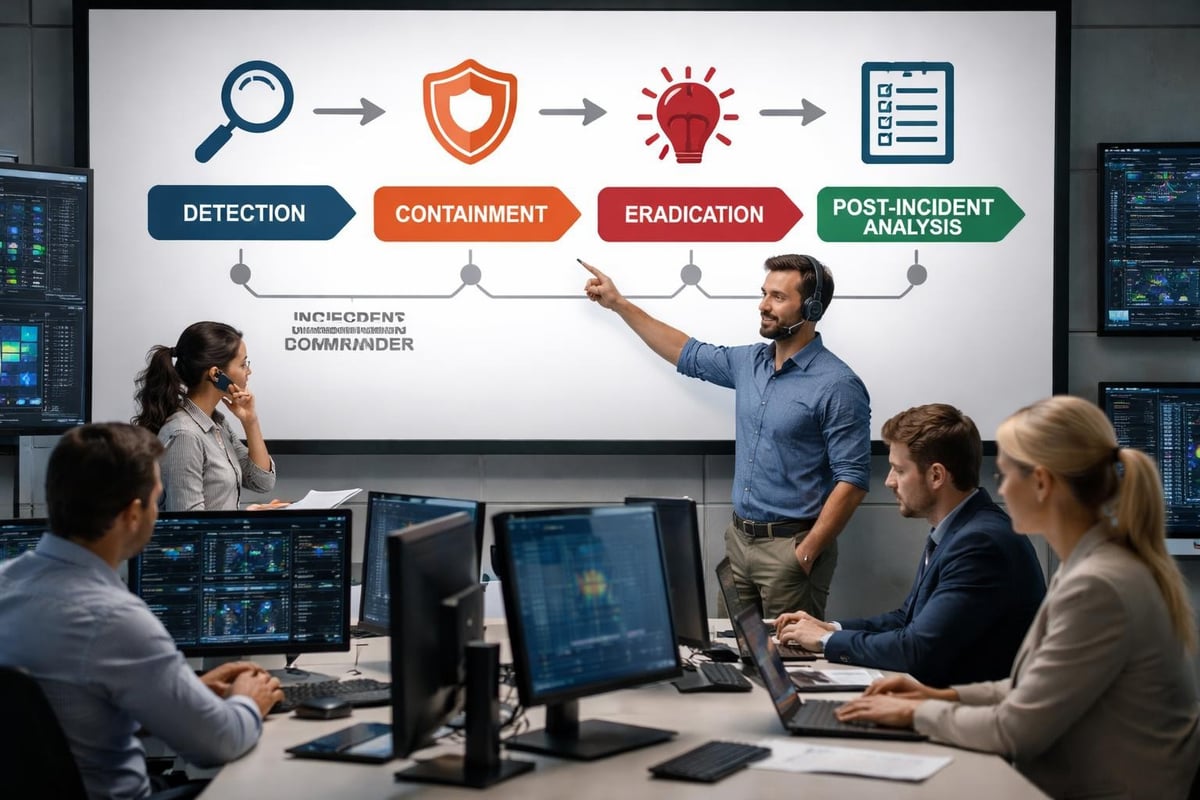
Documented incident response plans outline specific actions during security events. Teams need clear understanding of:
- Incident detection and reporting procedures
- Initial response and containment strategies
- Investigation and evidence collection methods
- Communication protocols for stakeholders
- Recovery and restoration processes
- Post-incident review and improvement cycles
Tabletop exercises test plans without actual incidents, identifying gaps and improving team coordination. Annual testing ensures readiness when real incidents occur.
Business Continuity and Disaster Recovery
Business continuity planning extends beyond cybersecurity to address all potential disruptions. Your it security system should support rapid recovery from various scenarios including natural disasters, hardware failures, and cyberattacks.
Recovery Time Objectives and Recovery Point Objectives define acceptable downtime and data loss tolerances for different systems. Mission-critical applications demand faster recovery than less essential services.
Regular backup testing verifies restoration capabilities. Discovering backup failures during actual emergencies creates devastating consequences that testing would have prevented.
Cloud Security Considerations
Cloud computing introduces unique security challenges and opportunities. Whether using infrastructure, platform, or software as a service, understanding the shared responsibility model proves essential.
Shared Responsibility Model
Cloud providers secure the underlying infrastructure while customers secure their data and applications. An effective it security system clearly defines where provider responsibility ends and organizational responsibility begins.
For infrastructure as a service, you manage most security controls including operating systems, applications, and data. Platform as a service shifts more responsibility to providers. Software as a service leaves you primarily responsible for access control and data protection.
Configuration management prevents security gaps from default settings. Cloud security posture management tools continuously assess configurations against security benchmarks, identifying misconfigurations before exploitation.
Data Protection in Cloud Environments
Encryption keys should remain under your control even when data resides in provider infrastructure. Customer-managed encryption ensures providers cannot access your sensitive information.
Data loss prevention policies prevent accidental or intentional exposure of confidential information through cloud applications. Classification-based controls automatically apply appropriate protections based on information sensitivity.
Regular audits of cloud service provider security practices, certifications, and compliance reports verify they maintain adequate security standards. Third-party attestations provide independent validation of security claims.
Compliance and Regulatory Requirements
Various regulations mandate specific security controls depending on your industry and data types. An appropriately designed it security system addresses applicable compliance requirements while supporting business objectives.
Common Compliance Frameworks
Healthcare organizations must comply with HIPAA requirements protecting patient information. Financial services face PCI DSS standards for payment card data. Many businesses handle personal information subject to privacy laws.
Compliance frameworks often overlap with security best practices. Meeting regulatory requirements typically strengthens your overall security posture rather than creating unnecessary burdens.
Documentation becomes crucial for demonstrating compliance. Policies, procedures, training records, audit logs, and risk assessments provide evidence during compliance assessments.
Third-Party Risk Management
Your it security system extends to vendors and partners accessing your systems or data. Third-party risk management programs assess supplier security practices before engagement and monitor them throughout relationships.
Contractual agreements should specify security requirements, breach notification timelines, audit rights, and liability allocation. Regular vendor security assessments identify emerging risks requiring remediation.
Supply chain attacks targeting less-secure partners provide backdoors into better-protected organizations. Best practices for IoT security emphasize evaluating security across interconnected systems including third-party components.
Measuring Security Effectiveness
Metrics demonstrate whether your it security system achieves intended results. Key performance indicators guide improvement efforts and justify security investments.
Security Metrics and Reporting
Meaningful metrics track both technical performance and business impact. Technical metrics include:
- Mean time to detect incidents
- Mean time to respond and contain
- Percentage of systems with current patches
- Failed login attempts blocked
- Phishing simulation click rates
- Vulnerability remediation timelines
Business-focused metrics translate technical performance into organizational impact, such as avoided downtime costs, protected customer records, and maintained compliance status.
Dashboard reporting provides stakeholders with appropriate detail levels. Executive summaries highlight trends and significant incidents while technical teams need granular data for operational decisions.
Continuous Improvement Processes
Security effectiveness requires ongoing adaptation to evolving threats. Post-incident reviews identify improvement opportunities following security events.
Lessons learned sessions conducted without blame encourage honest assessment of what worked and what needs enhancement. Implement identified improvements promptly to prevent similar incidents.
Threat intelligence feeds inform proactive adaptations to emerging attack techniques. Understanding adversary tactics allows defensive adjustments before threats materialize in your environment.
Building and maintaining an effective it security system requires comprehensive planning, consistent implementation, and continuous improvement. Small businesses in Lethbridge need security solutions that protect critical assets without overwhelming limited IT resources. Delphi Systems Inc. provides managed IT services including cybersecurity, network monitoring, and data backup designed specifically for small business needs. With fixed-rate pricing and expert support, we help you focus on your core business while ensuring your IT infrastructure remains secure and efficiently managed.

