



In 2025, digital threats are advancing faster than ever, creating new risks for every organization. The need of network security has become a critical priority, not just a technical concern. This guide will help you understand what is at stake, highlight the most pressing dangers, and offer practical steps to protect your business. We will explore the current threat landscape, explain why robust defenses matter, break down essential security components, and share future trends you cannot afford to ignore. By the end, you will be equipped to safeguard your operations and reputation in an unpredictable digital world.
Understanding the 2025 Threat Landscape
Digital threats are evolving faster than ever, making the need of network security crucial for every organization in 2025. Businesses now face a diverse threat landscape, with attackers leveraging advanced tactics and technologies. Understanding what you are up against is the first step to effective defense.

The Rise of Sophisticated Cyber Attacks
In 2025, the need of network security is underscored by the sharp rise in ransomware, phishing, and zero-day exploits. Cybercriminals now use AI and automation to launch attacks that are not only frequent but also highly targeted. Notable incidents in 2024 and 2025 have affected global enterprises, causing major financial losses, operational downtime, and data leaks.
For example, attackers have used AI-powered phishing schemes to bypass traditional defenses. The top cybersecurity trends in 2025 show that organizations must remain vigilant, as the threat landscape continues to diversify and escalate.
The Expanding Attack Surface
The need of network security is magnified as organizations expand their digital footprint. The proliferation of IoT devices in both business and home networks means more endpoints for attackers to exploit. Remote and hybrid work environments have increased vulnerabilities, especially as employees connect from less secure locations.
Cloud adoption brings flexibility but also introduces new risks, requiring robust security measures. According to Cybersecurity Ventures, over 60 percent of organizations report an increased attack surface, highlighting the urgency for comprehensive protection strategies.
Regulatory and Compliance Pressures
With evolving data protection laws, the need of network security is not only a technical concern but also a legal one. Regulations like GDPR and CCPA, along with industry-specific rules such as HIPAA and PCI DSS, set high standards for data security. Companies that fail to comply face steep fines and legal challenges.
In 2024, several organizations were fined millions for compliance failures, underscoring the importance of meeting regulatory requirements. Staying ahead of these pressures demands a proactive and well-documented approach to security.
Human Factor in Network Security
Despite advanced technology, the need of network security remains closely tied to human behavior. Social engineering and insider threats continue to be leading causes of breaches. Employee mistakes, whether from lack of awareness or poor judgment, often open the door to attackers.
Security awareness training is essential, as 82 percent of breaches involve a human element, according to the Verizon DBIR 2024. Investing in people and processes is as critical as deploying technical safeguards.
Economic and Reputational Risks
The financial and reputational stakes highlight the need of network security for organizations of all sizes. The average cost of a data breach reached 4.45 million dollars in 2023, per IBM. Beyond direct losses, companies risk losing customer trust and suffering long-term brand damage.
High-profile breaches have led to significant customer churn and years-long recovery efforts. Protecting your network is not just about preventing loss, but also about safeguarding your reputation and ongoing business viability.
Why Network Security is a Business Imperative in 2025
In 2025, the need of network security has become a cornerstone for organizations aiming to thrive in a digital-first world. With cyber threats escalating and regulations tightening, businesses must prioritize network safeguards to protect their data, operations, and reputation. Let us examine why network security is non-negotiable for modern enterprises.

Protecting Sensitive Data and Intellectual Property
The need of network security is most evident when considering the types of sensitive data organizations handle daily. Customer records, financial information, and proprietary designs are prime targets for cybercriminals. Data breaches can result in espionage, lost revenue, and irreparable competitive disadvantage.
For example, healthcare and financial sectors have experienced devastating leaks, exposing confidential information and intellectual property. Every business, regardless of size, must recognize the need of network security to prevent these costly incidents and protect what matters most.
Ensuring Business Continuity and Uptime
Network disruptions can halt business operations, leading to significant financial loss and operational chaos. The need of network security extends to ensuring reliable uptime and seamless business continuity. Cyber incidents like ransomware or DDoS attacks can cripple systems, resulting in downtime costs that average $5,600 per minute.
Investing in disaster recovery and robust backup solutions is critical. With the need of network security, organizations can minimize service interruptions and maintain productivity, even in the face of sophisticated attacks.
Safeguarding Customer Trust and Brand Reputation
Consumers expect their data to be handled with care and integrity. A single breach can erode hard-earned trust, causing customers to take their business elsewhere. The need of network security is vital for preserving brand reputation and customer loyalty.
High-profile breaches in recent years have shown how quickly public perception can shift, leading to lost market share and negative press. By prioritizing the need of network security, companies demonstrate their commitment to customer protection and long-term success.
Meeting Legal and Regulatory Obligations
Global and industry-specific regulations require organizations to implement stringent security measures. The need of network security is underscored by the legal consequences of non-compliance, including hefty fines and mandatory breach notifications. Keeping up with evolving laws is a significant challenge.
According to the Cisco Cybersecurity Readiness Index 2025, many companies still have gaps in their compliance efforts, highlighting the urgent need of network security as a competitive differentiator and legal safeguard.
Supporting Digital Transformation and Innovation
Organizations are racing to adopt cloud, IoT, and AI technologies to stay competitive. The need of network security grows as these innovations introduce new risks and expand the attack surface. Balancing agility with robust risk management is essential.
Security is not a barrier but an enabler for growth. By embedding the need of network security into digital transformation strategies, businesses can innovate with confidence, knowing their assets and operations are protected against emerging threats.
Core Components of Effective Network Security
In 2025, the need of network security is more pressing than ever. Organizations must deploy a blend of technologies and processes to defend against evolving threats. Each component plays a crucial role in building a resilient security posture, ensuring data integrity, and maintaining operational continuity.
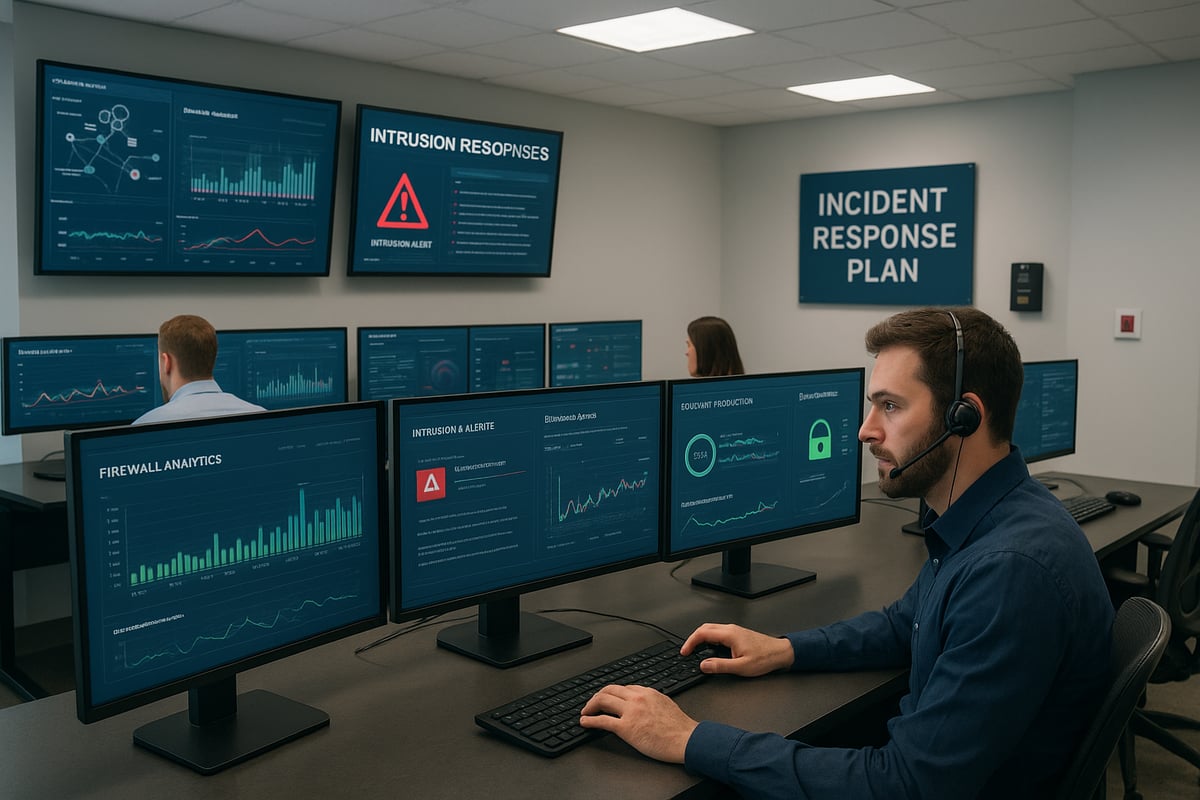
Firewalls and Intrusion Detection/Prevention Systems (IDS/IPS)
Firewalls are the first line of defense, filtering traffic between trusted and untrusted networks. They block unauthorized access and enforce security policies. IDS and IPS add an extra layer by monitoring network activity for signs of threats or suspicious behavior.
Modern solutions combine traditional defenses with artificial intelligence for real-time analysis. For example, an AI-driven intrusion detection framework can quickly identify and respond to unusual patterns, reducing the risk of breaches. Investing in these technologies addresses the need of network security by catching threats before they cause harm.
Endpoint Protection and Antivirus Solutions
Endpoints, including laptops, smartphones, and IoT devices, are common targets for attackers. Comprehensive endpoint protection is essential for the need of network security, as every device can be an entry point.
Modern antivirus tools leverage behavioral analysis and machine learning to detect malware, ransomware, and zero-day exploits. By continuously updating threat databases and scanning for anomalies, these solutions prevent malicious code from spreading within the network. Effective endpoint protection ensures that vulnerabilities are minimized across all devices.
Encryption and Secure Communication Protocols
Encryption is vital for safeguarding sensitive information, both in transit and at rest. Implementing secure protocols such as VPNs and SSL/TLS helps satisfy the need of network security by making intercepted data unreadable to unauthorized parties.
Organizations use encryption to protect transactions, emails, and stored files. Secure communication channels not only defend against eavesdropping but also support compliance with privacy regulations. Prioritizing encryption is a fundamental step in protecting digital assets from exposure.
Access Control and Identity Management
Controlling who can access resources is a cornerstone of the need of network security. Role-based access, multi-factor authentication, and the principle of least privilege prevent unauthorized users from reaching sensitive data.
Identity management systems ensure that only verified individuals can perform specific actions. For example, limiting access to critical databases reduces the risk of insider threats. Strong access controls help organizations maintain accountability and traceability across their networks.
Continuous Monitoring and Incident Response
A proactive approach to the need of network security requires continuous monitoring for suspicious activity. Real-time alerts allow IT teams to detect anomalies and respond swiftly to incidents.
Automated response tools can isolate affected systems and initiate remediation steps. Regular testing, such as penetration tests and simulated attacks, strengthens the incident response process. By integrating monitoring and response, businesses can minimize downtime and recover quickly from security events, further highlighting the ongoing need of network security.
Building a Robust Network Security Strategy: Step-by-Step
In 2025, the need of network security is greater than ever. A solid, step-by-step approach ensures organizations stay ahead of evolving cyber threats. By following these six essential steps, businesses can construct a resilient defense that protects their assets, data, and reputation.
Step 1: Conduct a Comprehensive Risk Assessment
Start by identifying all critical assets, potential threats, and existing vulnerabilities. This process establishes the foundation for addressing the need of network security within your organization.
Use frameworks like NIST, ISO 27001, or CIS Controls to guide your assessment. List each asset, evaluate its risk level, and prioritize based on potential impact. Tools such as vulnerability scanners and threat modeling software can streamline this step.
By understanding where your greatest exposures lie, you can focus resources where they matter most. Regular assessments keep your strategy aligned with shifting risks and business goals.
Step 2: Develop and Enforce Security Policies
Clear, enforceable policies are vital to meeting the need of network security. Define acceptable use, remote work rules, and BYOD guidelines tailored to your environment.
Essential policies include:
- Acceptable Use Policy (AUP)
- Password Management Policy
- Remote Access Policy
- Incident Response Policy
Communicate policies to all staff and ensure easy access to documentation. Regularly review and update policies as business needs or regulations change. Enforcing these policies creates a culture of security and accountability across the organization.
Step 3: Implement Layered Security Controls
A defense-in-depth strategy addresses the need of network security by deploying multiple, overlapping safeguards. Integrate firewalls, IDS/IPS, endpoint security, and encryption.
Modern strategies often incorporate Zero Trust Architecture adoption in 2025, which means verifying every user and device at every stage, minimizing trust, and reducing attack surfaces.
Layered controls increase resilience, making it difficult for attackers to exploit any single weakness. Test these controls regularly to ensure they remain effective against current threats.
Step 4: Educate and Train Employees
Human error remains a leading cause of breaches, highlighting the ongoing need of network security education. Launch comprehensive training programs covering phishing, password hygiene, and safe data handling.
Effective activities include:
- Interactive workshops
- Simulated phishing campaigns
- Regular security quizzes
Measure participation and improvement over time. By empowering employees with knowledge, you transform them into a critical line of defense. Ongoing education builds a security-aware culture and reduces risk.
Step 5: Monitor, Test, and Respond
Continuous monitoring is essential to uphold the need of network security. Deploy network monitoring tools to detect anomalies and suspicious activities in real time.
Schedule regular penetration testing and vulnerability scans to uncover weaknesses before attackers do. Develop a detailed incident response plan, and conduct tabletop exercises to ensure readiness.
Swift response limits damage and downtime during incidents. By practicing and refining procedures, your team stays prepared for the unexpected.
Step 6: Review and Adapt to Emerging Threats
Cyber threats evolve, so regularly reviewing and updating your strategy is crucial to address the ongoing need of network security. Stay informed through threat intelligence feeds, security bulletins, and industry news.
Adapt by:
- Updating controls for new vulnerabilities
- Adjusting policies for regulatory changes
- Responding to trends like AI-driven attacks
Frequent adaptation ensures your defenses keep pace with the ever-changing threat landscape. Continuous improvement turns security into a business enabler, not just a cost center.
The Role of Managed IT Services in Network Security
As the need of network security becomes more urgent in 2025, many organizations are turning to managed IT services for expertise and support. Managed IT partners play a vital role in helping businesses address complex security challenges, streamline operations, and reduce risk.
How Managed IT Services Enhance Security Posture
Managed IT services offer continuous protection and rapid response, which are essential given the increasing need of network security. These providers monitor systems around the clock, using advanced tools to detect threats early.
They manage software updates, apply security patches, and close vulnerabilities before attackers can exploit them. By leveraging the expertise of managed IT professionals, businesses gain access to the latest security intelligence and proactive defense strategies.
In this way, managed IT services help organizations stay resilient and prepared, ensuring the need of network security is met amid evolving risks.
Benefits for Small and Medium Businesses
Small and medium businesses often lack the resources for a full in-house security team, making the need of network security even more critical. Managed IT services offer affordable solutions tailored to SMB requirements.
Key benefits include:
- Cost-effective security packages
- Scalable services that grow with your business
- Access to specialized security tools and experts
With managed IT support, SMBs can focus on their core operations while knowing the need of network security is being professionally managed.
Delphi Systems Inc.: Local Expertise in Managed Network Security
Delphi Systems Inc. provides tailored managed network security for small businesses in Lethbridge. Their team emphasizes proactive monitoring, advanced cybersecurity solutions, and reliable disaster recovery services.
Clients benefit from predictable flat-rate pricing and responsive local support. Delphi’s approach ensures the need of network security is addressed with a combination of cutting-edge technology and personal service.
To learn more about their services and how they help protect businesses, visit Delphi Systems Inc..
Choosing the Right Managed IT Partner
Selecting the right partner is crucial to meet the need of network security for your business. Consider these criteria:
- Proven experience and industry certifications
- Range of security and IT service offerings
- Local knowledge and understanding of your industry
- Positive client testimonials and case studies
A trusted managed IT provider will understand your unique risks and deliver solutions that align with your business goals. Investing time in this choice ensures your network security is strong and future-ready.
Future Trends and Innovations in Network Security
Staying ahead of cyber threats requires understanding the future trends shaping the need of network security. As 2025 approaches, organizations must adapt to emerging technologies and evolving risk landscapes. Let us explore how innovation is transforming security strategies for tomorrow.
Artificial Intelligence and Machine Learning in Defense
Artificial intelligence (AI) and machine learning (ML) are revolutionizing the need of network security by enabling faster, more accurate threat detection. These technologies analyze vast amounts of data to identify anomalies that traditional systems might miss.
- AI-driven systems can detect zero-day exploits in real time.
- Automated responses reduce the window for attackers.
- Predictive analytics help organizations anticipate new threats.
For example, AI tools stopped several zero-day attacks in 2024 before they caused widespread damage. As cybercriminals also adopt AI, investing in these defenses becomes a core part of the need of network security.
Zero Trust Architecture
Zero Trust Architecture is gaining momentum as organizations realize the need of network security in a perimeterless environment. This model operates under the principle of never trust, always verify, requiring continuous authentication and strict access controls.
- Micro-segmentation limits movement within networks.
- Multi-factor authentication protects sensitive assets.
- Continuous monitoring ensures rapid response to suspicious activity.
Many enterprises in 2025 are adopting Zero Trust to counter sophisticated attacks. Its emphasis on verification and minimal privilege reinforces the need of network security at every layer.
Quantum Computing and Cryptography
Quantum computing presents both opportunities and risks for the need of network security. While quantum technology promises breakthroughs in processing power, it also threatens current encryption standards.
- Quantum computers could break widely used encryption algorithms.
- Researchers are developing quantum-resistant cryptographic methods.
- Organizations are beginning to plan for post-quantum security.
Preparing for quantum threats is now part of the need of network security, ensuring that sensitive data remains protected in the years ahead.
The Evolving Role of Security Awareness and Culture
A strong security culture is vital to the need of network security in 2025. As technology advances, human factors remain a primary vulnerability. Building awareness across all levels of an organization is essential.
- Regular training sessions keep staff updated on new threats.
- Leadership involvement drives a security-first mindset.
- Measuring cultural change helps reduce overall risk.
Security is no longer just an IT concern. Organizations that prioritize education and culture are better equipped to meet the need of network security in a rapidly changing world.
As we’ve explored, the evolving threat landscape in 2025 makes proactive network security more than just a technical necessity—it’s key to protecting your business, your clients, and your reputation. At Delphi Systems Inc., I understand the unique challenges that small businesses in Lethbridge face, from compliance pressures to the need for reliable IT support. If you’re ready to secure your operations, boost productivity, and gain peace of mind with expert-managed IT services, let’s have a conversation about the best solutions for your business. Call us now and take the first step toward a safer, more resilient network.

