
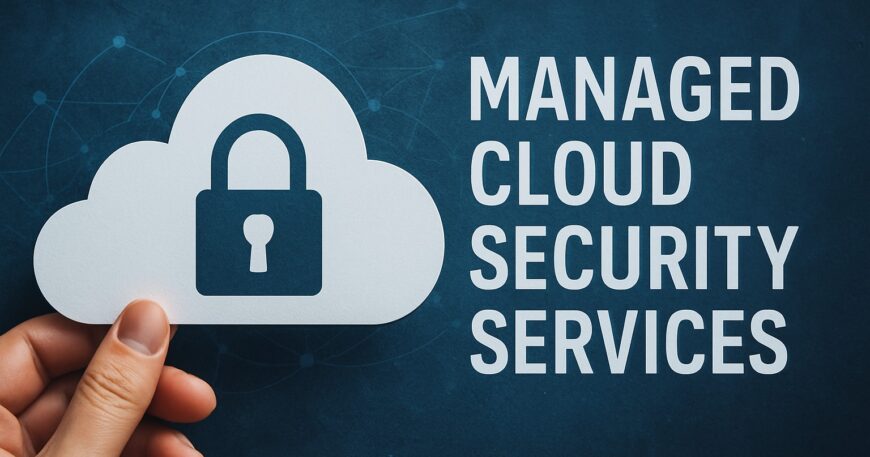
In 2026, organizations are embracing the cloud more than ever, but cyber threats targeting business data are also reaching new heights. As cloud infrastructure rapidly evolves, companies of every size must navigate increasingly complex security challenges.
Managed cloud security services have become indispensable for protecting sensitive information, maintaining compliance, and supporting business growth in this dynamic digital landscape. With the right strategy, businesses can stay ahead of threats and focus on innovation.
This guide will walk you through the trends, risks, benefits, and practical steps needed to secure your organization’s data in the cloud. Discover how managed cloud security services can provide proactive defense, ensure regulatory compliance, and offer peace of mind as you move forward in 2026.
Understanding Managed Cloud Security Services
Managed cloud security services are expert-driven, outsourced solutions designed to protect cloud environments. Unlike traditional IT security, which often focuses on on-premises assets, these services specialize in safeguarding data, applications, and workloads in public, private, and hybrid clouds. Providers deliver continuous monitoring, real-time threat detection, incident response, and compliance support. Popular vendors include SentinelOne and Clearwater, who offer tailored solutions for various industries. As cloud adoption accelerates, 69% of companies report breaches tied to misconfigurations, highlighting the need for constant vigilance. With 24/7 monitoring and rapid issue resolution, managed cloud security services adapt to organizations of all sizes, offering flexible options to suit unique business requirements.

Defining Managed Cloud Security Services
Managed cloud security services provide organizations with comprehensive, outsourced protection for their cloud infrastructure. These services differ from legacy security models by focusing on the unique risks and requirements of cloud platforms. Core functions include proactive threat monitoring, advanced detection, rapid incident response, and ongoing compliance management. Leading providers act as trusted partners, offering expertise that internal teams may lack. With the majority of breaches stemming from misconfigurations, having managed cloud security services ensures continuous oversight. Customization is a key advantage, allowing businesses to choose solutions tailored to their size, industry, and compliance needs. This approach delivers peace of mind and enables secure cloud growth.
Key Components of Managed Cloud Security
Managed cloud security services encompass a suite of essential features designed to protect cloud resources. Continuous security monitoring and real-time alerting form the foundation, enabling quick detection of suspicious activity. Intrusion detection, firewall management, and automated patching reduce vulnerabilities. Data encryption, access control, and seamless IAM integration safeguard sensitive information. Automated compliance reporting simplifies audits and ensures regulatory alignment. These services also integrate smoothly with existing IT environments, whether on-premises, hybrid, or multi-cloud. By leveraging these key components, managed cloud security services deliver robust, scalable protection, helping businesses stay ahead of evolving threats.
Managed Cloud Security vs. In-House Security
Choosing between managed cloud security services and in-house security teams involves evaluating resources, expertise, and scalability. Managed solutions offer predictable costs, expert support, and rapid adaptation to new threats, while in-house teams may struggle to keep pace with cloud technology changes. The table below summarizes key differences:
| Aspect | Managed Services | In-House Security |
|---|---|---|
| Cost | Predictable, scalable | High, variable |
| Expertise | Specialized, up-to-date | Limited, requires training |
| Scalability | High, flexible | Limited by resources |
| Response Time | Fast, 24/7 monitoring | Variable, business hours |
Small businesses often use managed cloud security services to maintain compliance and uptime. With the average breach costing $4.35 million, expert protection is a strategic investment.
Types of Managed Cloud Security Services
A wide range of managed cloud security services address modern cloud risks. Cloud Security Posture Management (CSPM) tools identify misconfigurations and enforce best practices. Cloud Workload Protection Platforms (CWPP) secure virtual machines and containers. Identity and Access Management (IAM) services strengthen user authentication and permissions. Managed Detection and Response (MDR) provides advanced threat hunting and rapid response. Security Information and Event Management (SIEM) tools centralize logs and enable real-time analysis. Disaster recovery and business continuity planning ensure resilience. Notable vendors include SentinelOne and Clearwater, each offering specialized managed cloud security services for diverse cloud environments.
The Role of Managed Cloud Security in 2026
In 2026, managed cloud security services are vital as organizations face new challenges such as AI-powered attacks, ransomware, and complex supply chain risks. The growing adoption of multi-cloud and hybrid strategies adds layers of complexity, while stricter regulations like GDPR, HIPAA, PCI DSS, and CMMC increase compliance demands. Businesses require unified visibility and centralized control to stay secure. Automation and hyperautomation streamline security operations, making them more efficient and effective. According to Gartner, public cloud spending is projected to grow by 20.7%. For a deeper look at how trends like AI and Zero Trust are shaping the future, explore the Top 8 cloud security trends in 2026. Robust managed cloud security services directly enhance reputation, consumer trust, and long-term business success.
The 2026 Cloud Threat Landscape: Risks and Challenges
In 2026, the cloud threat landscape is more complex than ever. Organizations leveraging managed cloud security services must be prepared for evolving risks that go beyond traditional cyber threats. Businesses face new challenges as attackers become more sophisticated and the cloud ecosystem expands.

Evolving Cyber Threats in the Cloud
Cloud environments in 2026 are prime targets for a surge of advanced cyberattacks. Zero-day exploits, ransomware, and supply chain breaches continue to escalate. Attackers now harness artificial intelligence to automate malware and launch highly targeted campaigns. Industries such as healthcare, finance, and SMBs face increased risks due to the sensitivity of their data and regulatory demands. Cloud-specific threats, including API abuse and container vulnerabilities, require constant vigilance. Insights from Cloud CISO Perspectives: 2026 Cybersecurity Forecast emphasize the necessity of strong identity management and proactive threat intelligence. Managed cloud security services help organizations stay ahead of these threats with real-time monitoring and expert response.
Common Cloud Security Vulnerabilities
Despite advancements in managed cloud security services, common vulnerabilities persist. Misconfigurations such as open storage buckets or unencrypted databases are frequent entry points for attackers. Overly permissive IAM roles, shadow admin accounts, and weak security group rules further expose environments. Organizations often struggle with incomplete audit logging, unpatched systems, and outdated software. Human error remains a leading cause of breaches, with studies showing that 69% of incidents stem from simple misconfigurations. Managed cloud security services address these risks by automating configuration checks and enforcing security best practices, reducing the likelihood of successful attacks.
Regulatory and Compliance Pressures
The regulatory environment for cloud security grows more demanding each year. Frameworks like HIPAA, HITRUST, PCI DSS, NIST 800-53, and CMMC introduce complex compliance requirements that organizations must meet. The shared responsibility model between cloud providers and customers often leads to confusion and gaps in coverage. Continuous compliance monitoring and automated reporting are now essential. Managed cloud security services simplify compliance by providing real-time alerts, supporting audit preparation, and ensuring quick validation for standards such as NIST CSF and HITRUST. This proactive approach reduces the risk of penalties and reputational damage from non-compliance.
Business Impact of Cloud Security Incidents
Cloud security breaches can have devastating consequences for businesses. The average cost of a data breach is now $4.35 million, encompassing financial losses, operational downtime, and loss of sensitive data. Disruption to business operations and reputational harm often follow, along with potential legal liabilities and regulatory penalties. Companies that experience significant cloud incidents may spend months rebuilding trust and restoring operations. Managed cloud security services provide robust incident response and recovery plans, helping organizations minimize damage, restore systems quickly, and maintain customer confidence.
Why Businesses Struggle with Cloud Security
Many businesses continue to struggle with cloud security due to a lack of in-house expertise and resources. The rapid pace of cloud adoption often outpaces an organization’s ability to implement comprehensive protection. Fragmented security tools and the complexity of managing hybrid or multi-cloud environments create visibility gaps. Budget constraints and overreliance on default provider controls add further risk. Managed cloud security services offer a practical solution by bridging expertise gaps, delivering unified visibility, and enabling businesses to keep pace with evolving threats while focusing on growth.
Core Features and Benefits of Managed Cloud Security Services
Organizations are increasingly turning to managed cloud security services to protect their growing cloud environments. These services deliver robust protection, advanced automation, and compliance support, all while optimizing resources for business growth.

Essential Features of Managed Cloud Security Providers
The foundation of managed cloud security services lies in their comprehensive feature set. Providers offer 24/7 security monitoring, ensuring continuous surveillance of cloud environments. Real-time threat detection identifies suspicious activity before it escalates. Automated vulnerability scanning and timely patch management help close security gaps quickly.
Incident response and digital forensics capabilities enable swift investigation and containment of breaches. Data encryption, both at rest and in transit, safeguards sensitive information. Seamless integration with identity and access management systems ensures only authorized users access critical resources. Providers also supply compliance reporting tools and centralized dashboards, giving organizations unified visibility into their security posture.
Advanced Security Technologies and Automation
Managed cloud security services leverage cutting-edge technologies to stay ahead of evolving threats. AI-powered threat detection systems analyze vast amounts of data to uncover anomalies and potential attacks. Hyperautomation streamlines routine security tasks, reducing manual intervention and response times.
Integration with DevOps pipelines allows for secure code deployment and continuous security throughout the development lifecycle. Providers deploy cloud-native tools such as CNAPP, CSPM, and CWPP to address workload protection needs. Zero Trust architectures and micro-segmentation further limit attack surfaces. Advanced backup and disaster recovery automation ensures rapid restoration in case of incidents.
Business Continuity and Disaster Recovery
Ensuring business continuity is a critical benefit of managed cloud security services. Providers help organizations prepare for service outages and cyber incidents through proactive planning. Automated backup solutions capture essential data, while rapid restoration capabilities minimize disruption.
Disaster recovery is delivered as a managed service, guaranteeing high availability and system uptime. Regular testing and validation of recovery plans are standard practices, ensuring readiness for real-world events. For sectors like healthcare and finance, these services are invaluable in restoring lost data and maintaining regulatory compliance. Organizations can operate with confidence, knowing their operations are resilient.
Cost Efficiency and Scalability
Managed cloud security services offer predictable pricing models, enabling accurate budgeting and cost control. Many providers support pay-as-you-use options, allowing organizations to scale security resources in line with business demand. This flexibility is essential for companies experiencing growth or seasonal spikes.
By outsourcing security, organizations reduce the need for in-house staff and ongoing training. The result is a faster time-to-value and lower total cost of ownership. According to the Managed Security Services Market Growth 2024-2028, the market for these solutions is expanding rapidly as cloud adoption surges. Managed cloud security services help centralize management, decrease operational overhead, and support long-term business scalability.
Compliance Management and Reporting
Navigating complex regulatory landscapes is simplified with managed cloud security services. Providers deliver continuous compliance monitoring and automated alerts for policy violations. Support for frameworks such as HIPAA, PCI DSS, GDPR, and CMMC is built-in, streamlining audit preparation.
Policy management and enforcement tools ensure that security standards are consistently applied. Comprehensive documentation and evidence collection reduce the risk of fines and penalties. Providers enable organizations to validate compliance with standards like HITRUST and NIST CSF, while automated reporting shortens audit cycles and supports ongoing regulatory readiness.
Enhanced Visibility and Centralized Control
Unified dashboards are a hallmark of managed cloud security services. These dashboards provide real-time visibility across multi-cloud and hybrid environments, allowing IT teams to identify misconfigurations and policy violations promptly. Centralized logging and SIEM integration facilitate rapid incident detection and forensic analysis.
Role-based access controls and user activity monitoring strengthen internal security. Providers enable organizations to monitor environments such as Azure, AWS, and Google Cloud from a single pane of glass. Enhanced collaboration between IT, security, and compliance teams leads to faster vulnerability remediation and a stronger overall security posture.
How to Choose the Right Managed Cloud Security Provider
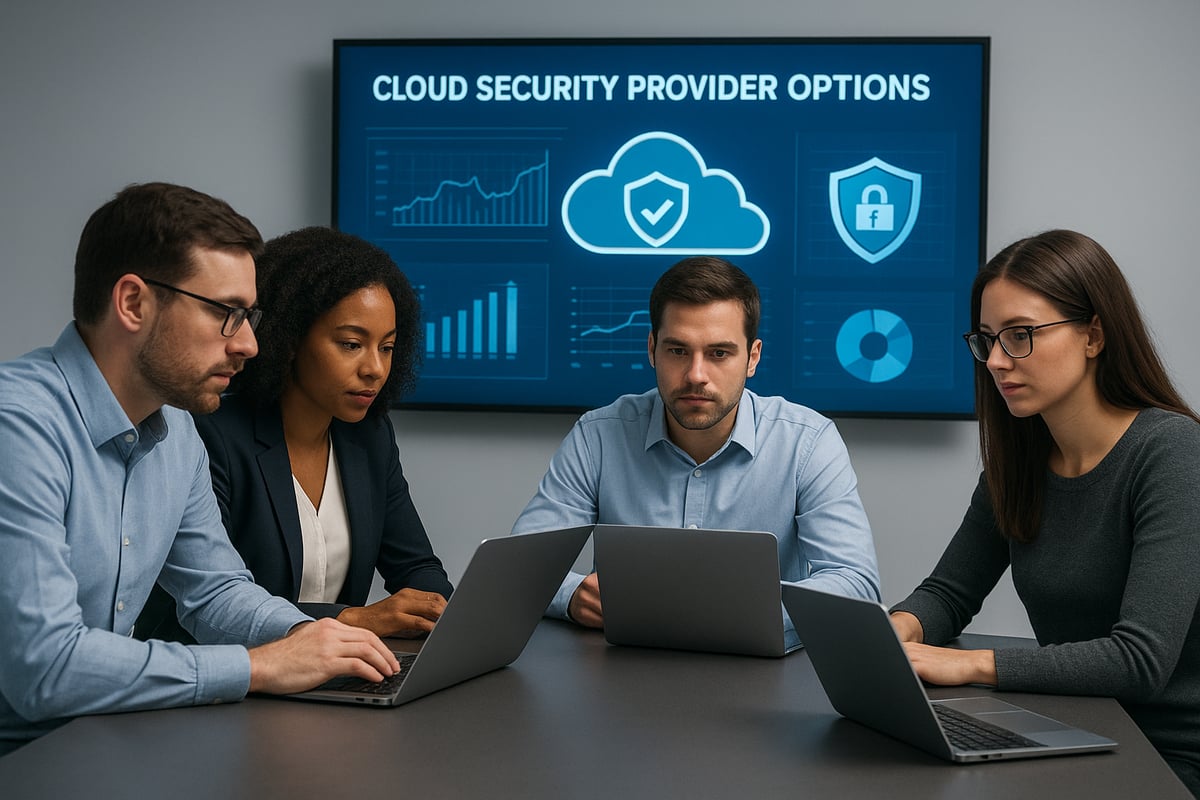
Selecting the best managed cloud security services provider is a pivotal decision for your organization’s cybersecurity and compliance success. The right partner equips you with expert protection, proactive monitoring, and peace of mind as cloud risks evolve. Careful evaluation of core criteria, advanced technologies, compliance support, SLAs, and real-world case studies will help you make an informed choice that aligns with your business goals.
Key Criteria for Provider Selection
When choosing managed cloud security services, start by assessing the provider’s expertise, certifications, and track record. Look for industry partnerships, such as those with Microsoft, AWS, or SentinelOne, as well as successful client deployments. Transparency in pricing and clearly defined SLAs are essential for trust and budgeting. Consider whether you need local or global support, and always check references and case studies to validate claims.
| Criteria | Why It Matters |
|---|---|
| Cloud Security Expertise | Ensures up-to-date protection |
| Certifications & Partnerships | Validates provider reliability |
| Service Coverage | Supports all cloud platforms |
| Transparent Pricing & SLAs | Predictable costs, clear guarantees |
| Support Availability | Timely help when you need it |
For more insights on what to prioritize, see 6 Cloud Security Trends Reshaping Risk Strategies.
Evaluating Security Capabilities and Technologies
A top-tier managed cloud security services provider offers advanced threat detection, real-time response, and seamless integration with your existing IT environment. Assess the provider’s ability to support hybrid and multi-cloud infrastructures. Look for features like automation, orchestration, and AI-powered analytics. Compatibility with DevOps and CI/CD pipelines ensures security does not hinder innovation.
- AI and machine learning for threat analysis
- Behavioral analytics and anomaly detection
- Integration with SIEM and DevOps tools
Choose a provider that delivers both robust protection and flexibility.
Assessing Compliance and Regulatory Support
Managed cloud security services must help you navigate complex regulatory requirements. Evaluate the provider’s experience with frameworks such as HIPAA, PCI DSS, HITRUST, and CMMC. Automated compliance monitoring, real-time reporting, and audit assistance are critical. Ensure the provider has policy management tools and understands data residency and sovereignty needs.
- Continuous compliance monitoring
- Automated evidence collection for audits
- Support for multiple regulatory frameworks
Ongoing compliance support reduces the risk of penalties and streamlines audit processes.
Service Level Agreements (SLAs) and Support
Service Level Agreements are the backbone of managed cloud security services. Review guaranteed response times, uptime commitments, and escalation procedures. 24/7/365 support is vital for handling incidents at any hour. Ask about regular service reviews, reporting, and the flexibility to scale as your business grows.
- Guaranteed incident response times
- Multiple support channels (phone, email, portal)
- Customizable service levels for evolving needs
A responsive support team ensures your organization stays resilient and protected.
Case Studies and Real-World Examples
Finally, examine case studies and client testimonials to gauge the real impact of managed cloud security services. Look for stories from organizations similar to yours in size or industry. Quantifiable improvements in security posture, compliance achievement, and operational efficiency are key indicators. Lessons learned from past incidents show the provider’s ability to adapt and improve.
- Success stories in healthcare, finance, and SMB sectors
- Rapid threat detection and resolution examples
- Demonstrated cost savings and enhanced compliance
Real-world results offer confidence that your chosen provider can meet your needs.
Implementing Managed Cloud Security: Step-by-Step Guide for 2026
Implementing managed cloud security services is a strategic process that requires careful planning and execution. By following a structured approach, organizations can protect their cloud assets, meet compliance requirements, and support business growth in 2026.
Step 1: Assess Your Current Cloud Security Posture
Begin by creating a comprehensive inventory of all cloud assets, workloads, and data flows. This assessment helps you understand what needs protection and where vulnerabilities may exist.
Identify existing security controls, such as firewalls, encryption, and monitoring tools. Document any gaps or weaknesses that could expose sensitive data.
Conduct a risk assessment for critical systems and sensitive information. Review compliance requirements relevant to your industry, such as HIPAA or PCI DSS.
Engage stakeholders across IT, security, compliance, and business units. Use automated tools like CSPM to streamline your assessment. This foundational step ensures managed cloud security services can address real risks.
Step 2: Define Security and Compliance Objectives
Align your cloud security goals with your overall business strategy. Decide what you need to protect and the level of risk your organization can tolerate.
Prioritize objectives such as data protection, threat prevention, and regulatory compliance. Select relevant frameworks—HIPAA, PCI DSS, or others—to guide your efforts.
Establish clear key performance indicators (KPIs) and metrics to measure progress. Gaining buy-in from leadership and stakeholders ensures everyone supports your strategy.
Adopting managed cloud security services enables continuous improvement as your business and regulatory landscape evolve.
Step 3: Select and Onboard a Managed Cloud Security Provider
Evaluate potential providers based on expertise, certifications, and their track record. Request detailed proposals and review service agreements to ensure transparency.
Check references and case studies from organizations with similar needs. Consider starting with a proof-of-concept or pilot project to validate capabilities.
The onboarding process includes setting up accounts, configuring access controls, and integrating with your IT environment. Define roles, responsibilities, and communication channels early.
Training your internal team on managed cloud security services ensures a smooth transition and maximizes value from the partnership.
Step 4: Integrate Managed Security Services with Cloud Environments
Deploy security agents and monitoring tools across your cloud infrastructure. Configure automated alerts, security policies, and compliance checks tailored to your needs.
Integrate with existing IT systems, whether on-premises, hybrid, or multi-cloud. Customize dashboards and reporting for unified visibility.
Test incident response procedures and escalation paths to ensure readiness. Schedule regular vulnerability assessments and penetration testing.
Ongoing optimization and tuning are essential, allowing managed cloud security services to adapt as your environment changes.
Step 5: Monitor, Respond, and Continuously Improve
With managed cloud security services in place, maintain 24/7 monitoring for threats and anomalies. Automated remediation tools address misconfigurations and vulnerabilities quickly.
Incident response and digital forensics support help contain and investigate security events. Schedule regular compliance audits and generate detailed reports.
Continuously train staff on emerging threats and best practices. Establish feedback loops with your provider to refine services and processes.
Staying proactive with managed cloud security services helps your organization stay ahead of evolving risks.
Step 6: Review and Optimize Security Posture Regularly
Schedule periodic reviews of security policies, controls, and overall performance. Analyze incident trends and root causes to identify areas for improvement.
Update security strategies in response to business growth or regulatory changes. Benchmark your posture against industry standards and similar organizations.
Collaborate with your provider to plan enhancements and prepare for upcoming compliance audits. Ensure your managed cloud security services can scale as needs evolve.
Regular optimization is key to maintaining a strong, future-ready cloud security posture.
Future Trends in Managed Cloud Security Services
As organizations look ahead to 2026, managed cloud security services are evolving rapidly to address new challenges. Businesses must stay alert as technology, threats, and compliance requirements shift. Understanding future trends in managed cloud security services helps leaders plan for resilient, secure cloud operations.
AI and Automation in Cloud Security
Artificial intelligence is transforming how managed cloud security services detect and respond to threats. Automated systems now analyze massive data streams, identifying risks in real time.
AI technologies, such as predictive analytics and behavioral analysis, reduce false positives and accelerate incident response. Hyperautomation streamlines routine security tasks, like patch management and access reviews. For example, SentinelOne’s eBPF-based protection enables advanced runtime defense.
Automation also supports integration with DevOps workflows, allowing security to keep pace with rapid software deployment. As managed cloud security services embrace AI, organizations benefit from proactive risk management and more efficient use of internal resources.
Security for Multi-Cloud and Hybrid Environments
The adoption of multi-cloud and hybrid architectures continues to rise. Managed cloud security services are adapting by offering unified visibility and control across diverse platforms, including Azure, AWS, and Google Cloud.
Organizations face challenges enforcing consistent security policies when workloads span multiple environments. Tools that manage cloud sprawl, shadow IT, and interoperability are vital. Managed cloud security services offer seamless migration support and workload portability, reducing complexity.
Centralized dashboards and API integrations help teams monitor security events everywhere. By leveraging managed cloud security services, businesses can ensure continuous protection regardless of their cloud strategy.
Zero Trust and Identity-Centric Security
Zero Trust is becoming a fundamental approach in managed cloud security services. This strategy assumes no user or device is trusted by default, even inside the network.
Identity and Access Management (IAM), multi-factor authentication (MFA), and role-based access controls are key components. Managed cloud security services now provide continuous authentication and user activity monitoring to block lateral movement and insider threats.
Continuous verification ensures only authorized users access sensitive data. Managed services for directory and identity management simplify this process. Aligning with regulatory requirements, Zero Trust strengthens security posture and supports compliance initiatives.
Compliance-Driven Security and Continuous Assurance
Compliance requirements are evolving quickly, making continuous assurance critical. Managed cloud security services now deliver real-time alerts for compliance drift, automated evidence collection, and ongoing support for emerging regulations such as GDPR and CMMC.
Automated compliance monitoring helps organizations reduce audit preparation time and costs. Integration with platforms for HITRUST and HIPAA validation enables faster, more accurate reporting.
Continuous assurance through managed cloud security services minimizes the risk of fines and reputational damage. Businesses gain peace of mind knowing their cloud environments remain compliant as rules and standards change.
The Evolving Role of Managed Service Providers
Managed service providers are expanding their roles beyond traditional security. Today’s managed cloud security services act as strategic partners, guiding digital transformation and business continuity planning.
Providers now offer industry-specific solutions for healthcare, finance, and SMBs. Enhanced analytics, reporting, and business intelligence help organizations make informed decisions. Local expertise and sector specialization are increasingly important.
As technology advances, managed cloud security services will help future-proof organizations against new threats. By integrating security with risk management and operational resilience, providers empower businesses to grow with confidence.
As you’ve seen throughout this guide, securing your business data in the cloud is only getting more important as technology and threats evolve. Managed cloud security services give you the peace of mind to focus on growing your business, knowing your IT infrastructure is protected and compliant. If you want to ensure your cloud environment is resilient, efficient, and ready for the challenges of 2026, we’re here to help you every step of the way. Let’s start a conversation about your goals and how you can safeguard your business for the future—Call us now.

