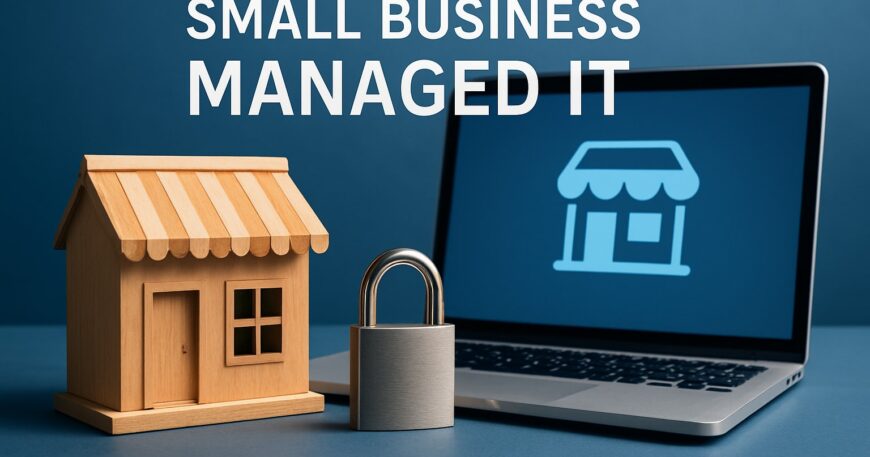
In 2025, the digital landscape is evolving rapidly, and small businesses face more technology threats and opportunities than ever before. With nearly half of all cyberattacks targeting small businesses, the stakes for security and efficiency are higher than ever. This guide to small business managed it provides proven strategies and actionable tips to help your company stay secure, productive, and ahead of the competition. Discover why managed IT matters, explore essential services for the year ahead, learn how to choose the right provider, and get practical steps for successful implementation. Start strengthening your IT foundation now to thrive in a changing world.
Why Managed IT Is Critical for Small Businesses in 2025
Staying ahead in 2025 requires more than just basic IT support. The landscape for small business managed it is rapidly shifting, with new threats and operational demands emerging at every turn. Let's explore why managed IT has become a necessity, not a luxury, for small businesses this year.

The Growing Threat Landscape
Nearly half of all cyberattacks now target small businesses, making them prime targets for hackers. The rise in sophisticated ransomware, phishing campaigns, and data breaches means threats are no longer limited to large enterprises. With remote and hybrid work becoming standard, the attack surface expands, exposing more vulnerabilities.
Recent cyberattack statistics for small businesses reveal not only an increase in frequency but also the severity of incidents. For small business managed it, this reality underscores the need for robust, proactive cybersecurity defenses.
Rising Complexity of IT Environments
Modern small businesses rely on a mix of cloud platforms, mobile devices, and SaaS tools. This ecosystem makes in-house IT management more complex and increases the risk of misconfiguration. Integrating collaboration tools like Microsoft 365, Teams, or Webex is essential for productivity but adds another layer of technical challenge.
Shadow IT—employees using unapproved apps—further complicates oversight. The right small business managed it strategy ensures seamless integration, visibility, and control over all digital assets.
Cost and Resource Pressures
Small businesses often operate with limited budgets and a lean IT staff. Managing technology in-house can quickly become unsustainable, both financially and operationally. Predictable monthly fees offered by small business managed it providers help with budgeting and eliminate surprise expenses.
Outsourcing IT also reduces the need for continuous training and investment in specialized staff. This approach allows business owners to focus resources on growth and customer service rather than technical headaches.
Regulatory and Compliance Demands
New privacy regulations and data protection laws are reshaping how businesses handle information. Sectors like healthcare, finance, and legal face especially strict mandates. Failing to comply can result in hefty penalties and loss of trust.
Small business managed it providers play a crucial role in maintaining compliance. They help implement controls, conduct regular audits, and ensure documentation meets the latest standards, reducing the risk of costly mistakes.
Business Continuity and Disaster Recovery
A staggering 60 percent of small businesses close within six months following a major data loss event. Managed backup solutions and disaster recovery planning are essential parts of small business managed it. They minimize downtime by enabling rapid response and restoration after incidents.
With these measures in place, businesses can continue operating even in the face of unexpected disruptions. This preparation provides peace of mind for owners and staff alike.
Enhanced Productivity and Morale
Reliable IT systems mean employees face less technostress and fewer interruptions. Proactive support from a small business managed it provider keeps systems running smoothly, allowing teams to focus on their core responsibilities.
When technology works seamlessly, staff morale improves. Productivity rises, and employees can channel their energy into serving customers or innovating, not troubleshooting.
Customer Trust and Reputation
Customers expect their data to be handled securely. A well-managed IT infrastructure demonstrates professionalism and builds confidence. Conversely, data breaches can erode loyalty and damage a company's reputation, sometimes irreparably.
Investing in small business managed it is an investment in customer trust. Secure systems and prompt incident response show clients that their information is a top priority.
Essential Managed IT Services Every Small Business Needs in 2025
As technology reshapes the business landscape, the right small business managed IT services are essential for resilience and growth. In 2025, small businesses must rely on a comprehensive suite of managed IT solutions to stay secure, productive, and competitive. Let’s break down the key services every small business should prioritize.

Proactive Network Monitoring and Maintenance
Continuous network monitoring forms the backbone of any effective small business managed IT strategy. By tracking network performance 24/7, businesses can detect outages and security threats before they escalate.
Regular patch management is vital for closing vulnerabilities, ensuring all systems stay up to date. Automated alerts enable rapid response to issues, reducing downtime. Proactive maintenance not only prevents disruptions but also extends the lifespan of IT infrastructure.
With proactive support, small businesses can focus on core activities while their technology remains reliable and optimized.
Cybersecurity Solutions
Cyber threats are evolving rapidly, making cybersecurity a non-negotiable component of small business managed IT. Managed firewalls, endpoint protection, and advanced antivirus solutions are foundational for defense.
Multi-factor authentication (MFA) mitigates risks from weak passwords. Dark web monitoring helps uncover compromised credentials before damage occurs. Security awareness training is essential, as human error remains a leading cause of breaches.
According to the Cisco’s 2025 Cybersecurity Readiness Index, many small businesses still have critical gaps in their security posture, highlighting the importance of managed cybersecurity services.
Cloud Computing and Collaboration Tools
Adopting cloud computing is now standard for small business managed IT. Managed services for Microsoft 365, Teams, and Webex streamline communication and collaboration.
Cloud-based storage provides scalable, secure access to data from anywhere. Backup solutions integrated with the cloud ensure business continuity for remote or hybrid teams. Seamless integration of these platforms boosts productivity and supports flexible work models.
Managed IT providers handle setup, security, and ongoing maintenance, letting businesses harness the full power of cloud collaboration tools.
Data Backup and Disaster Recovery
A robust data backup and disaster recovery plan is essential for every small business managed IT approach. Automated, hybrid backups protect critical data both onsite and in the cloud.
Rapid restoration capabilities minimize downtime after incidents like hardware failure or cyberattacks. Disaster recovery planning ensures operations can resume quickly, reducing financial and reputational risks.
Regular testing and updates to backup strategies keep businesses prepared for the unexpected, providing peace of mind.
Helpdesk and Technical Support
Reliable helpdesk and technical support are crucial pillars of small business managed IT. A 24/7 service desk provides immediate assistance for hardware, software, and network issues.
Remote and onsite troubleshooting ensures problems are resolved efficiently. Timely support reduces employee frustration and keeps operations running smoothly.
With a dedicated team handling technical challenges, staff can concentrate on delivering value to customers instead of IT headaches.
IT Strategy and Consulting
Strategic planning is a key advantage of partnering with a small business managed IT provider. Experts help develop a technology roadmap aligned with business goals.
Consultants guide vendor selection, procurement, and deployment of best-fit solutions. Ongoing reviews and optimization keep IT aligned with evolving needs.
A proactive IT strategy supports growth, innovation, and long-term competitiveness for small businesses.
Compliance and Regulatory Support
Navigating compliance requirements is increasingly complex for small business managed IT environments. Providers offer guidance on standards such as HIPAA, PCI-DSS, and PIPEDA.
Regular audits, documentation, and policy updates help maintain compliance and avoid costly penalties. Managed IT teams stay current with regulatory changes, reducing the burden on internal staff.
By ensuring data privacy and regulatory alignment, small businesses can build trust with customers and partners.
Choosing the Right Managed IT Provider: What to Look For in 2025
Selecting the best partner for your small business managed it needs is critical. The right provider will help you stay secure, efficient, and competitive in 2025’s fast-changing environment.

Experience and Industry Expertise
When evaluating small business managed it providers, prioritize experience in your industry. Look for proven track records in sectors like healthcare, finance, or legal. Certified partnerships (Microsoft, Dell, Bitdefender) demonstrate advanced knowledge and access to premium solutions. Stay informed about evolving trends, such as AI and cybersecurity, by reviewing resources like Managed IT services trends in 2025.
- Industry-specific expertise
- Recognized certifications
- Case studies from similar businesses
Service Offerings and Flexibility
Your small business managed it requirements will change as your company grows. Assess whether the provider offers all-inclusive packages or à la carte options. Flexibility to scale services up or down ensures you only pay for what you need, supporting both current demands and future expansion.
- Modular service plans
- Easy scalability
- Support for hybrid and remote work
Security and Compliance Capabilities
Security is non-negotiable for any small business managed it solution. The provider should offer advanced threat detection, rapid response protocols, and deep compliance expertise. They must support regulatory needs such as HIPAA, PCI-DSS, or PIPEDA, helping you avoid costly penalties.
- Proactive cybersecurity tools
- Regular compliance audits
- Incident response planning
Local Presence and Support
A local small business managed it provider can deliver rapid onsite support and understands the unique needs of your area. Local expertise often means faster resolution times and a more personalized approach, leading to higher satisfaction.
- Onsite troubleshooting availability
- Knowledge of local regulations
- Testimonials from local clients
Transparent Pricing and Contracts
Clear, predictable pricing is essential. Compare fixed-rate monthly fees against potential hidden charges. Ensure all service level agreements (SLAs) are documented, covering response times and support scope.
| Pricing Model | Pros | Cons |
|---|---|---|
| Fixed Monthly Fee | Predictable, easy to budget | May include unused services |
| Pay-as-you-go | Pay only for what you use | Costs can fluctuate |
Technology Partnerships and Vendor Management
Strong vendor relationships allow a provider to offer best-in-class small business managed it solutions. They should handle licensing, procurement, and updates, reducing your administrative burden and ensuring you always use the latest technology.
- Access to top vendors
- Streamlined procurement process
- Regular tech updates
Customer Support and Responsiveness
Exceptional support distinguishes a great small business managed it partner. Look for 24/7 availability, rapid escalation procedures, and high client satisfaction scores. Reliable support means less downtime and more productivity for your business.
- Round-the-clock helpdesk
- Fast response and resolution
- Positive client references
Step-by-Step: Implementing Managed IT in Your Small Business
Embarking on a small business managed IT journey requires a clear, methodical approach. By following these structured steps, you can ensure a smooth transition, reduce risks, and maximize the benefits of managed IT services for your organization.
Assessing Your Current IT Environment
Start by taking inventory of your hardware, software, and network assets. This step is crucial for any small business managed IT project. Identify outdated systems, unsupported devices, and any shadow IT in use.
List common vulnerabilities and gaps:
- Unpatched operating systems
- Unsupported software
- Weak access controls
Use this assessment to highlight areas where security or performance may be lacking. For additional guidance, consider referencing NIST’s resources for small business cybersecurity to benchmark your practices.
Defining Business Goals and IT Requirements
Align your small business managed IT strategy with overall business objectives. Start by answering key questions: What are your top priorities—security, productivity, compliance, or scalability?
Clarify your IT requirements:
- Level of protection needed for sensitive data
- Collaboration needs for remote or hybrid teams
- Regulatory compliance obligations
Document these goals to establish a clear foundation for managed IT decisions. This clarity will streamline future steps and provider selection.
Selecting and Onboarding a Managed IT Provider
Initiate a formal RFP process to compare managed IT providers. Evaluate proposals based on service offerings, experience, and fit for your small business managed IT needs.
Key onboarding actions:
- Review provider credentials and references
- Establish a transition timeline
- Define clear communication protocols
A strong onboarding plan minimizes disruptions and sets expectations for ongoing collaboration. Make sure all stakeholders are informed and ready for the transition.
Migration and Integration
Plan data migration and integration of new platforms carefully. This includes moving to secure cloud environments and connecting collaboration tools like Teams or Microsoft 365.
Best practices for migration:
- Back up all data before transfer
- Test integrations for compatibility
- Implement security measures throughout
A small business managed IT provider should ensure data integrity and system security during this process. Address any compatibility issues early to avoid delays.
Training and Change Management
Prepare your team for new technologies and processes. Effective training reduces technostress and helps staff adapt to the small business managed IT environment.
Focus on:
- Security awareness programs
- Hands-on training for new tools
- Communication strategies to address concerns
Empower employees to ask questions and provide feedback. Change management fosters a positive culture and boosts adoption rates.
Ongoing Monitoring, Maintenance, and Optimization
Continuous monitoring is essential for proactive issue resolution. Your small business managed IT partner should provide regular system checks and performance reviews.
Key maintenance tasks:
- Apply security patches promptly
- Monitor for suspicious activity
- Schedule routine backups
Regular optimization ensures technology evolves with your business needs, maintaining security and productivity.
Measuring Success and ROI
Track the impact of your small business managed IT investment with clear metrics. Establish KPIs such as downtime reduction, faster incident response, and user satisfaction.
Consider using a table for KPI tracking:
| KPI | Before Managed IT | After Managed IT |
|---|---|---|
| Downtime (hours/month) | 8 | 1 |
| Incident Response (mins) | 120 | 30 |
| User Satisfaction (%) | 70 | 95 |
Assess cost savings and productivity gains to demonstrate ROI. Use these insights to refine your IT strategy and drive ongoing improvement.
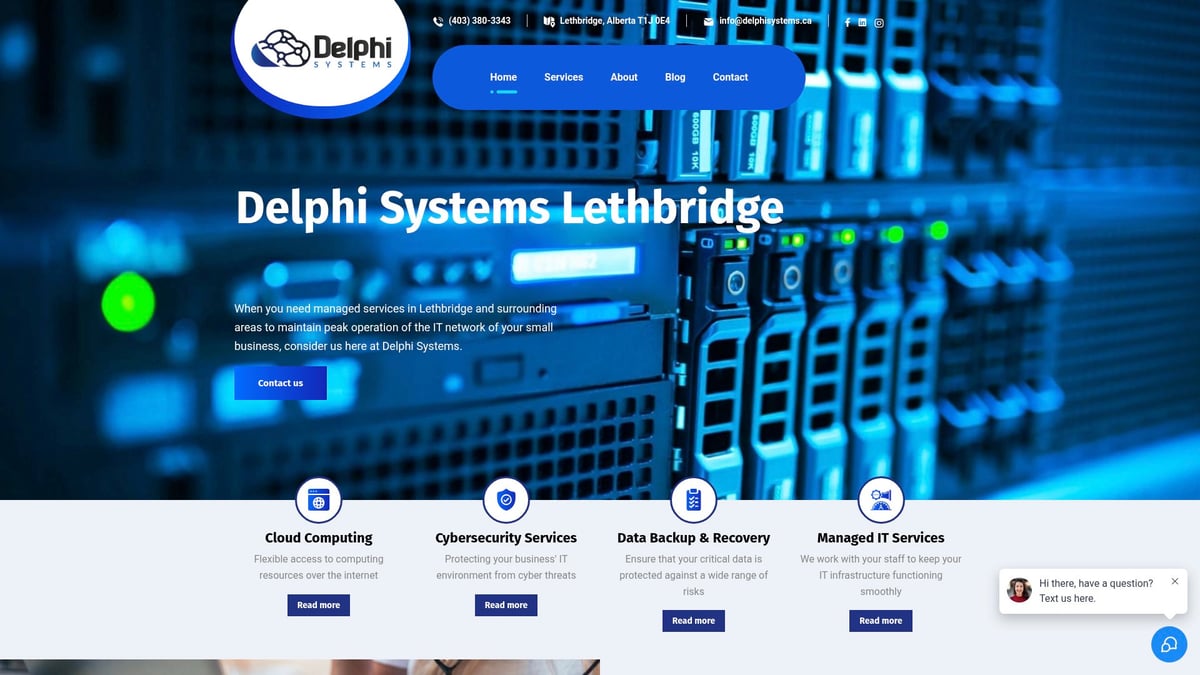
Delphi Systems Inc.: Local Managed IT Expertise for Lethbridge Small Businesses
For small business managed it solutions in Lethbridge, Delphi Systems Inc. stands out as a trusted local partner. Their focus is on providing reliable technology support that empowers small businesses to operate securely and efficiently in today's digital environment.
Core Services Offered:
- Proactive network monitoring and maintenance
- Robust cybersecurity protection
- Managed cloud computing and backup
- Data backup and disaster recovery planning
Delphi Systems Inc. offers fixed-rate pricing, which helps clients manage their budgets and control costs. This approach makes small business managed it accessible and predictable for organizations with limited resources.
The company’s certified partnerships with leading vendors like Microsoft, Dell, and Bitdefender ensure clients receive top-tier solutions. Their local team provides fast, personalized support, including on-site assistance when needed.
Delphi Systems Inc. emphasizes proactive management, security, and business continuity to let business owners focus on growth. Client testimonials consistently highlight their responsiveness, reliability, and the peace of mind they deliver through small business managed it services.
Future Trends in Managed IT for Small Businesses (2025 and Beyond)
The world of small business managed it is rapidly transforming as technology and business needs evolve. Staying ahead of these changes is crucial for ongoing security, efficiency, and growth. The trends shaping the future will redefine how small businesses approach IT management and strategy.
AI and Automation in IT Management
Artificial intelligence is becoming a cornerstone of small business managed it. AI-powered tools can detect threats in real time, automate routine maintenance, and predict potential system failures before they occur. Machine learning analytics help businesses resolve issues proactively, reducing downtime and improving system reliability.
Businesses leveraging these capabilities can focus more on growth and less on technical troubleshooting. Automated responses to incidents also mean less manual intervention, freeing up valuable staff time.
Evolving Cybersecurity Threats
Cyber threats are growing more sophisticated every year. Small businesses face targeted phishing attacks, ransomware, and supply chain vulnerabilities. Zero Trust security models are rising in popularity, requiring strict verification for every user and device.
Multi-layered defense strategies are essential, including continuous monitoring, endpoint protection, and employee security education. Staying updated on new threats is critical for maintaining a strong security posture.
Remote and Hybrid Work Evolution
The shift to remote and hybrid work models has reshaped small business managed it priorities. Secure remote access, robust virtual collaboration tools, and cloud-first strategies are now vital. Supporting distributed teams means ensuring seamless connectivity and consistent security, no matter where employees are located.
Businesses must also manage device diversity and provide flexible support to maintain productivity across various work environments.
Compliance and Data Privacy Changes
Regulatory requirements are changing quickly. New provincial, federal, and industry-specific laws demand greater attention to data privacy and compliance. Small business managed it solutions now include automated compliance tools that simplify reporting and help avoid costly penalties.
Regular audits and real-time monitoring ensure that businesses remain compliant as regulations evolve. This proactive approach builds trust with customers and partners.
Integration of IoT and Smart Devices
The number of connected devices in the workplace is growing. Managing and securing Internet of Things (IoT) devices is becoming a priority for small business managed it providers. These devices can improve efficiency but also introduce new vulnerabilities.
Effective strategies include network segmentation, device inventory management, and continuous security updates. Businesses adopting IoT must balance innovation with risk management.
Sustainability and Green IT
Sustainability is now a key consideration for small business managed it planning. Energy-efficient infrastructure, cloud solutions, and green technology initiatives reduce environmental impact and operating costs. Many providers are investing in eco-friendly data centers and hardware recycling programs.
Embracing sustainable practices can enhance a business’s reputation and appeal to environmentally conscious customers.
The Role of Managed IT as a Strategic Business Partner
Managed IT is evolving from a support function to a strategic partner for small businesses. Providers now offer technology consulting, helping companies align IT investments with long-term goals. This shift allows small business managed it to drive innovation and create a lasting competitive advantage.
By choosing a partner focused on both technology and business outcomes, organizations can unlock new opportunities for growth and efficiency.
As you look ahead to 2025, it's clear that navigating technology challenges is crucial for your small business's growth and security. By taking proactive steps—whether it's strengthening cybersecurity, streamlining remote work, or ensuring reliable data backup—you can focus on what you do best while your IT runs smoothly in the background. If you're ready to explore how managed IT can help you stay competitive and confident in an ever-changing landscape, let's connect and discuss your unique needs. Reach out today and Call us now to get started with expert local support.

