Nonprofits in 2025 encounter unique IT hurdles, from tight budgets to rising cybersecurity threats and the constant need for dependable technology to support their missions. As digital demands grow, addressing these challenges becomes critical for organizational success.
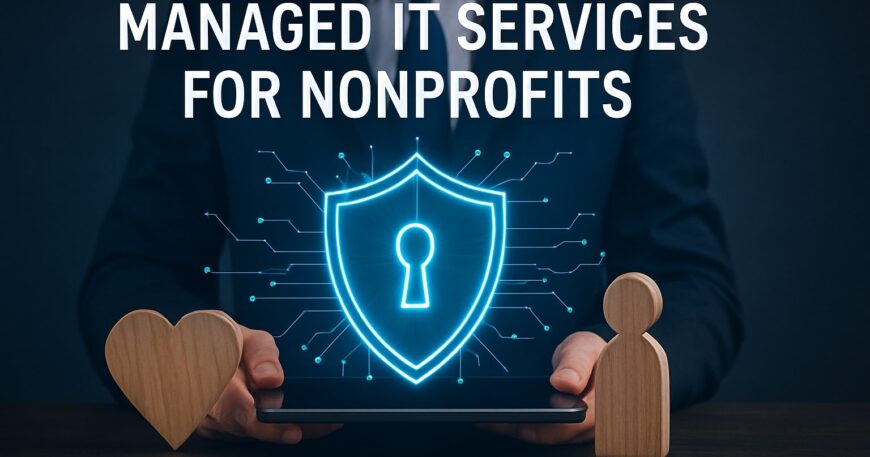
This guide offers a comprehensive look at managed it services for nonprofits, showing how the right strategies can help organizations maximize their impact. You will learn what managed IT services are, why they matter, core offerings, how to choose a provider, implementation steps, and what trends to watch.
Gain actionable insights and a clear roadmap to strengthen your nonprofit’s technology foundation.
Understanding Managed IT Services for Nonprofits
Nonprofits today depend on technology to reach their goals, but managing IT can be complex. Understanding managed IT services for nonprofits is essential for organizations seeking to operate efficiently and securely. This section explores what these services are, why nonprofits need them, the benefits they offer, and the risks of going without professional IT management.

What Are Managed IT Services?
Managed IT services for nonprofits refer to a partnership where a third-party provider, often called a Managed Service Provider (MSP), oversees an organization’s technology needs. Unlike traditional break/fix IT support, MSPs work proactively to monitor systems, prevent issues, and provide continuous support.
A typical managed IT services for nonprofits plan includes proactive network monitoring, a responsive helpdesk, cybersecurity, and cloud management. For example, MSPs handle patch updates, monitor for unusual activity, and ensure critical data is secure. This proactive approach reduces downtime and helps nonprofits make the most of their technology investments.
Why Nonprofits Need Managed IT Services
The increasing reliance on digital tools for fundraising, outreach, and daily operations means technology is mission-critical. However, many nonprofits face budget constraints and have limited in-house IT expertise, making it difficult to keep up with technology demands.
Managed IT services for nonprofits address these challenges by providing cost-effective, expert support. Rising cyber threats are a serious concern, with attacks on nonprofits increasing by 25% in 2024, according to TechSoup. Outsourcing IT management allows organizations to access skilled professionals and advanced security tools without hiring a full-time team.
Key Benefits for Nonprofits
By investing in managed IT services for nonprofits, organizations gain predictable monthly costs, enhanced data security, and improved operational efficiency. MSPs help nonprofits comply with regulations such as HIPAA or GDPR, reducing the risk of costly penalties and breaches.
These services also improve uptime, allowing staff and volunteers to focus on mission-critical work rather than troubleshooting tech issues. To learn more about how these solutions help nonprofits overcome budget and cybersecurity challenges, see Managed IT services benefits for nonprofits.
Common Challenges Nonprofits Face Without IT Management
Without managed IT services for nonprofits, organizations risk frequent downtime, which disrupts services and fundraising. Data breaches can compromise donor trust and put compliance at risk. Staff may experience burnout from handling tech issues on their own.
For example, Nonprofit X suffered a ransomware attack and lost critical donor data, affecting both reputation and operations. These challenges highlight the importance of professional IT management to safeguard data and support nonprofit missions.
Core Managed IT Services for Nonprofits
Nonprofits in 2025 face a rapidly changing technology landscape, making it essential to leverage managed it services for nonprofits to stay efficient, secure, and mission-focused. The right managed IT partner can transform how your organization operates, from day-to-day support to long-term strategic planning. Below, we explore the core managed IT services for nonprofits that drive impact and resilience.

Network Monitoring and Maintenance
Continuous network monitoring is a fundamental aspect of managed it services for nonprofits. Proactive monitoring helps prevent outages and identifies vulnerabilities before they impact operations. Regular updates and patch management ensure that all systems remain secure and up to date.
For example, a food bank using managed IT services for nonprofits experienced a significant reduction in downtime for its online donation portal. This not only increased donor trust but also improved fundraising efficiency.
Key benefits include:
- Early detection of network issues
- Scheduled maintenance to reduce disruptions
- Enhanced reliability for critical applications
Cybersecurity Solutions
With cyber threats on the rise, cybersecurity is a top priority within managed it services for nonprofits. Solutions include multi-layered defenses such as firewalls, endpoint protection, and phishing awareness training. Compliance with data privacy regulations is also a central focus.
Protecting donor and beneficiary information is non-negotiable. In 2024, cyberattacks targeting nonprofits increased by 25 percent, underscoring the need for robust defense strategies. Managed IT services for nonprofits offer customized security frameworks to meet these evolving challenges.
Cloud Computing and Data Storage
Cloud solutions are transforming managed it services for nonprofits by enabling secure, scalable, and cost-effective operations. Migrating to platforms like Microsoft 365 or Google Workspace streamlines collaboration and file sharing, making it easier for teams to work from anywhere.
Managed IT services for nonprofits help organizations scale operations efficiently without significant cost increases, as highlighted in Scaling nonprofit operations with managed IT. This allows nonprofits to adapt quickly to changing demands while maintaining data security and accessibility.
Data Backup and Disaster Recovery
Data loss can cripple a nonprofit’s ability to deliver on its mission. Managed it services for nonprofits provide automated backups and comprehensive disaster recovery planning. These services ensure that critical data is protected and can be quickly restored in case of natural disasters, cyber incidents, or accidental deletions.
For instance, after a severe storm, one nonprofit was able to restore its entire donor database in hours, minimizing disruption and safeguarding relationships with supporters.
Key components:
- Scheduled, encrypted backups
- Tested disaster recovery protocols
- Rapid restoration of essential systems
IT Support and Helpdesk Services
Responsive support is at the heart of managed it services for nonprofits. A dedicated helpdesk assists staff and volunteers with troubleshooting, remote support, and onsite assistance when needed. Reliable IT support ensures that technology disruptions do not derail fundraising campaigns or service delivery.
During a recent fundraising event, a nonprofit leveraging managed IT services for nonprofits saw technical issues resolved in minutes, allowing staff to stay focused on their mission.
Core features:
- 24/7 helpdesk availability
- Fast response times
- Tailored support for nonprofit environments
How to Choose a Managed IT Service Provider for Your Nonprofit
Selecting the right partner for managed it services for nonprofits can have a significant impact on your mission and daily operations. By following a structured approach, nonprofits can ensure technology is an asset, not a liability. Let’s explore the critical steps in choosing a provider that fits your organization.

Assessing Your Nonprofit’s IT Needs
Begin by conducting a thorough technology audit. Identify current systems, software, and networks your team relies on. Map out mission-critical applications, such as donor databases and communication tools, and highlight any vulnerabilities or outdated platforms.
Align your IT goals with your strategic objectives. Are you planning to scale programs, increase fundraising, or expand remote work? Understanding these priorities ensures managed it services for nonprofits directly support your mission. For deeper insights, consider forecasting IT needs for nonprofits to anticipate future technology challenges.
This foundational step helps you communicate clear expectations to potential providers and sets the stage for success.
Evaluating MSP Experience with Nonprofits
Experience matters when selecting a provider for managed it services for nonprofits. Look for vendors with a proven track record in the nonprofit sector, as they understand unique challenges like restricted budgets and compliance requirements.
Request references and review case studies that demonstrate their impact on similar organizations. Ask about their familiarity with grants, donor management systems, and sector-specific regulations. An experienced partner will anticipate your needs and offer solutions tailored to your environment.
Choosing a provider with nonprofit experience ensures smoother collaboration and better outcomes.
Service Offerings and Customization
Every nonprofit has unique technology needs. When reviewing managed it services for nonprofits, ensure the provider offers a range of services that match your organization’s size, structure, and future plans.
Look for flexibility in service plans, such as the ability to scale up support during major events or downsize when necessary. Ask if services can be customized for hybrid teams or volunteers working remotely. Here’s a checklist to guide your evaluation:
- Is remote and onsite support available?
- Can services adapt as your nonprofit grows?
- Are specialized solutions offered for your industry?
A tailored approach guarantees your nonprofit receives the right level of support.
Pricing Models and Budget Considerations
Budget transparency is essential when considering managed it services for nonprofits. Compare fixed-rate (monthly) versus pay-as-you-go pricing, and ask for detailed breakdowns of what is included in each package.
Watch for hidden costs, such as after-hours support or emergency response fees. Inquire about nonprofit discounts, grants, or bundled services that can stretch your resources further. Use the table below to compare key pricing elements:
| Pricing Model | Predictability | Flexibility | Typical Add-ons |
|---|---|---|---|
| Fixed-Rate | High | Moderate | Included support hours |
| Pay-As-You-Go | Low | High | Per-call fees, extras |
Careful budgeting helps ensure technology investments are sustainable and mission-aligned.
Security, Compliance, and Data Privacy
Safeguarding sensitive information is a top priority for managed it services for nonprofits. Assess each provider’s security protocols, certifications, and experience with relevant regulations like HIPAA, GDPR, or PCI.
Ask specific questions about how they handle data, breach response, and incident reporting. Ensure regular security assessments and updates are part of their offering. Consider compliance with state and federal laws that affect your nonprofit’s operations.
A robust security strategy protects your organization, donors, and beneficiaries.
Local vs. National Providers
When choosing managed it services for nonprofits, decide whether to work with a local or national provider. Local MSPs may offer faster onsite support and have deeper knowledge of regional grant requirements. National providers, on the other hand, often deliver broader expertise and 24/7 support.
Consider the following comparison:
| Provider Type | Onsite Support | Regional Knowledge | Service Scale |
|---|---|---|---|
| Local | Faster | Strong | Limited |
| National | Slower | Variable | Extensive |
Evaluate which factors are most important for your nonprofit’s operations and culture. The right fit will help you build a lasting, productive partnership.
Steps to Implement Managed IT Services in Your Nonprofit
Transitioning to managed it services for nonprofits is a strategic journey. Each step helps your organization maximize technology’s benefits while minimizing disruption and risk. Here’s a practical roadmap for successful implementation.

Step 1: Internal Assessment and Stakeholder Buy-In
Start by evaluating your current technology environment and identifying gaps. Managed it services for nonprofits work best when leadership, board members, and staff are aligned.
Gather input from all departments about their IT challenges. List mission-critical systems, recurring pain points, and desired outcomes. Use a technology audit to highlight vulnerabilities.
Present findings to decision-makers to demonstrate how managed it services for nonprofits can address these needs. Building consensus early ensures smoother adoption and investment support.
Step 2: Selecting and Onboarding an MSP
Choosing the right partner is crucial. Begin by drafting a detailed Request for Proposal (RFP) that outlines your nonprofit’s needs. Managed it services for nonprofits should be evaluated based on expertise, service offerings, and cultural fit.
Interview multiple providers and request references. Once selected, the onboarding process includes documentation review, granting secure access, and conducting an initial IT audit. This step sets the foundation for a successful partnership.
Step 3: Migration and Integration
Smoothly transitioning to managed it services for nonprofits requires careful planning. Map out a migration timeline, prioritizing systems that impact daily operations.
Coordinate with your provider to move data, applications, and user accounts securely. Minimize downtime by scheduling migrations during off-peak hours. Test systems post-migration to ensure functionality and resolve issues quickly.
Step 4: Staff Training and Change Management
The effectiveness of managed it services for nonprofits depends on user adoption. Offer training sessions tailored to staff and volunteers, focusing on new tools, cybersecurity awareness, and support channels.
Anticipate resistance by communicating benefits and providing ongoing resources. Encourage feedback and adapt training as needs evolve. Ongoing support helps staff feel confident with new technology.
Step 5: Monitoring and Continuous Improvement
Continuous monitoring is essential for managed it services for nonprofits to deliver lasting value. Set clear KPIs for system uptime, helpdesk response, and user satisfaction.
Schedule regular review meetings with your MSP to discuss performance reports and gather feedback. Use this data to identify improvement areas and adapt services as your organization grows.
Step 6: Ensuring Security and Compliance
Security is a top concern for managed it services for nonprofits. Collaborate with your provider to establish robust security protocols and incident response plans.
Stay proactive by conducting regular security assessments and updating policies. The stakes are high: cybersecurity threats targeting nonprofits in 2024 have increased, making compliance and data privacy more critical than ever. Ask your MSP about their breach response and regulatory expertise.
Step 7: Measuring ROI and Impact on Mission
To demonstrate the value of managed it services for nonprofits, track both financial and operational metrics. Measure cost savings, reduced downtime, and productivity improvements.
Link these results to your nonprofit’s mission outcomes, such as increased donor engagement or streamlined service delivery. Share impact reports with stakeholders and funders to highlight technology’s role in advancing your mission.
Real-World Examples and Best Practices
Nonprofits are increasingly turning to managed it services for nonprofits to overcome technology barriers and enhance their missions. The following real-world examples and actionable best practices illustrate how the right IT support can make a measurable difference.
Case Study 1: Small Nonprofit Streamlines Operations
A small arts nonprofit faced challenges managing donor information and generating reports for stakeholders. By adopting managed it services for nonprofits, the organization automated its reporting processes and integrated donor management tools.
Staff could now access real-time data, reducing manual entry and errors. As a result, administrative workload dropped by 30 percent, freeing up time for program delivery and outreach.
This shift empowered the team to focus on mission-driven initiatives rather than troubleshooting tech issues. Improved data accuracy also led to more effective communication with supporters.
Case Study 2: Disaster Recovery in Action
In 2024, a regional education nonprofit experienced a ransomware attack that threatened vital donor and student records. Fortunately, their managed it services for nonprofits provider had implemented automated backups and proactive monitoring.
The organization worked with their provider to recover nearly all critical data within hours. Minimal data loss and rapid restoration meant programs continued with little interruption.
This experience highlighted the importance of having a disaster recovery plan and reinforced the nonprofit’s confidence in their technology partner.
Best Practices for Nonprofit IT Management
Effective nonprofit IT management relies on more than just technical solutions. Organizations using managed it services for nonprofits should:
- Schedule regular security awareness training for all staff and volunteers.
- Maintain up-to-date, documented IT policies and procedures.
- Conduct routine technology reviews and system updates.
- Foster open communication with their IT provider.
- Leverage available nonprofit discounts and resources, such as TechSoup.
These practices help ensure ongoing security, compliance, and efficiency.
Common Pitfalls to Avoid
Even with managed it services for nonprofits, some organizations encounter avoidable issues. Common pitfalls include:
| Pitfall | Impact |
|---|---|
| Underestimating cybersecurity | Increased risk of attacks |
| Neglecting staff training | Reduced adoption, increased errors |
| Choosing providers without experience | Poor service, compliance risks |
To avoid these challenges, prioritize cybersecurity, invest in continuous training, and select providers with proven nonprofit expertise. Taking these steps helps protect data and maximize mission impact.
Future Trends in Managed IT Services for Nonprofits
The landscape of managed it services for nonprofits is rapidly evolving. As organizations face new digital challenges, staying ahead means embracing the latest technology trends. Below, we explore the most significant shifts shaping nonprofit IT management in the coming years.
AI and Automation in Nonprofit IT
Artificial intelligence is transforming managed it services for nonprofits by automating routine tasks and enhancing security. AI-driven cybersecurity tools can detect threats in real time, reducing the risk of breaches. Automated workflows free up staff for mission-focused work, increasing overall efficiency.
For example, many nonprofits now use chatbots to handle donor inquiries, streamlining communication. These advancements allow organizations to provide faster responses without expanding their teams. As AI technologies mature, expect managed it services for nonprofits to become even more proactive and personalized.
Hybrid and Remote Work Support
The shift to hybrid and remote operations has changed how managed it services for nonprofits are delivered. Reliable, secure remote access is now essential for distributed teams. Providers must offer collaboration tools and cloud solutions that keep staff connected, no matter their location.
Nonprofits benefit from managed it services for nonprofits that include secure VPNs, encrypted file sharing, and device management. This support ensures data protection and operational continuity, even as work environments become more flexible. Prioritizing remote work readiness is now a core feature of effective IT management.
Evolving Cyber Threats and Compliance Needs
Cybersecurity threats continue to grow, making managed it services for nonprofits a critical defense line. Attackers are using more sophisticated phishing methods and ransomware, often targeting organizations with limited security resources. Nonprofits must also keep pace with stricter data privacy regulations and compliance requirements.
A trusted provider of managed it services for nonprofits will implement multi-layered security measures and conduct regular compliance checks. Staying current with evolving threats helps protect sensitive donor and beneficiary information. Ongoing education and technology updates are essential for resilience.
The Growing Importance of Data Analytics
Data analytics is becoming central to managed it services for nonprofits. By leveraging data, organizations can measure program impact, improve fundraising strategies, and report outcomes to stakeholders. Advanced analytics tools, often included in managed service packages, turn raw information into actionable insights.
For instance, using analytics platforms enables nonprofits to identify donor trends and target campaigns more effectively. As managed it services for nonprofits evolve, expect deeper integration of business intelligence tools, supporting smarter decision-making and greater transparency.
After exploring how the right managed IT services can help your nonprofit stay secure, efficient, and focused on making a difference, you might be wondering what your next step should be. If you want to spend less time worrying about your technology and more time driving your mission forward, I encourage you to reach out to someone who understands the unique needs of nonprofits. Whether you have questions about cybersecurity, cloud solutions, or building a reliable IT foundation, we’re here to help you find clarity and confidence. Let’s talk about how your organization can thrive—Call us now.

