


Small businesses face an increasingly hostile digital landscape in 2026, where cyber threats evolve faster than ever before. The challenge of maintaining secure IT infrastructure has become critical for organizations of all sizes, particularly those without dedicated security teams. Effective protection from cyber threats requires a multi-layered approach that combines technology, employee training, and proactive monitoring to create a resilient defense against sophisticated attacks targeting business networks and sensitive data.
Understanding the Modern Threat Landscape
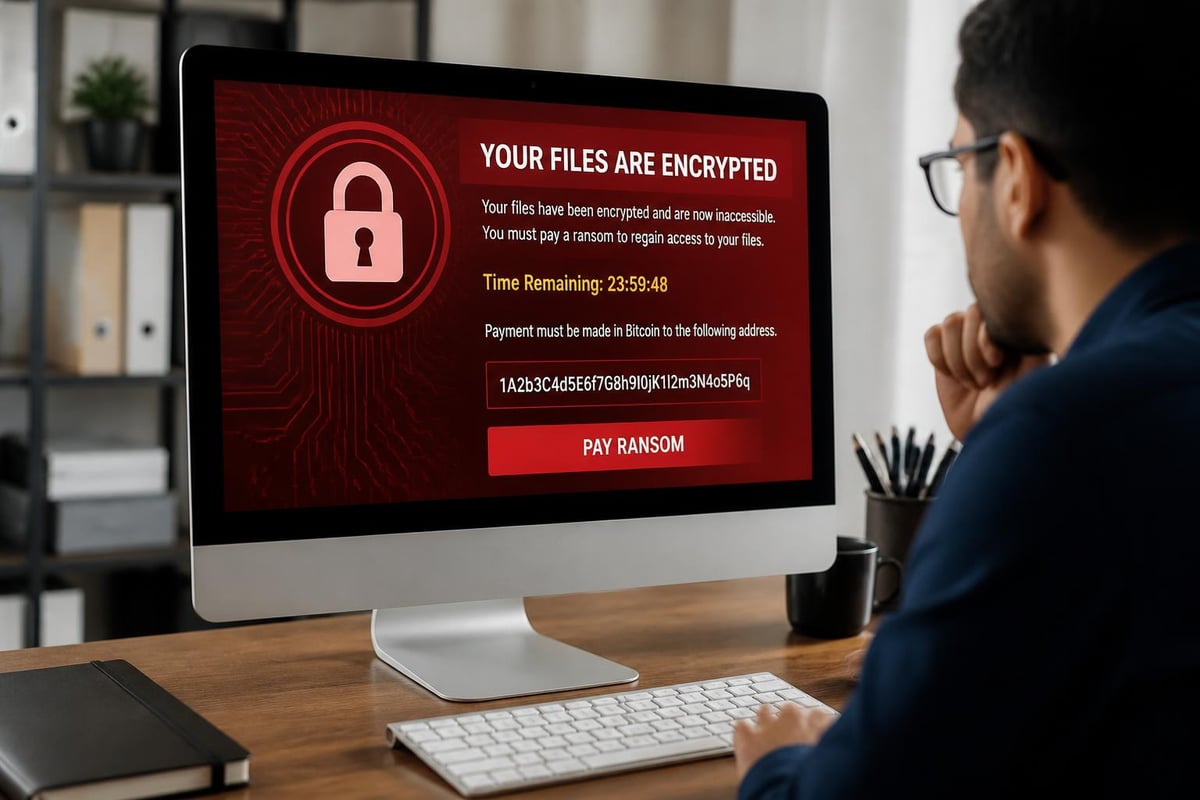
Cybercriminals have refined their tactics significantly, targeting small businesses with precision attacks designed to exploit common vulnerabilities. Ransomware attacks now account for more than 40% of all cyber incidents affecting businesses with fewer than 250 employees. These attacks encrypt critical files and demand payment for restoration, causing operational disruptions that can last weeks.
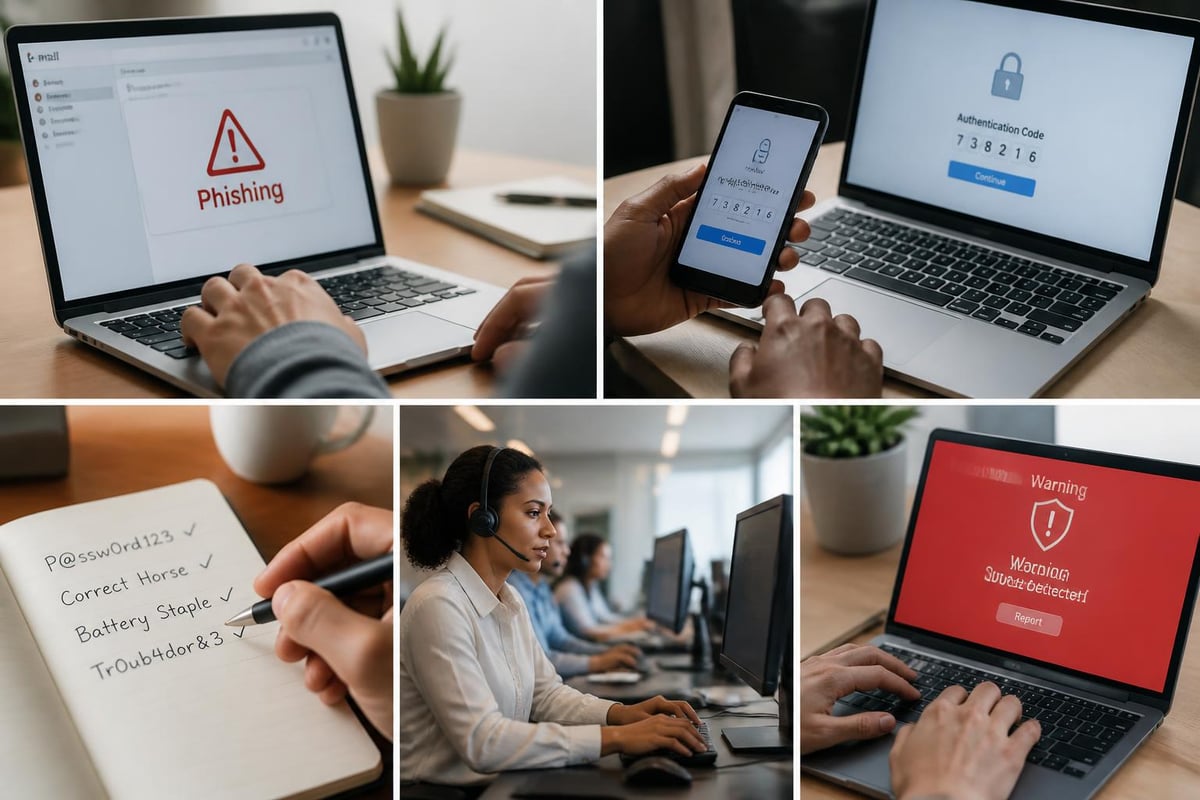
Phishing campaigns have become exceptionally convincing, using artificial intelligence to craft personalized messages that bypass traditional email filters. Attackers research their targets thoroughly, referencing real business relationships and ongoing projects to lower suspicion. Social engineering remains one of the most effective attack vectors because it exploits human psychology rather than technical vulnerabilities.
Why Small Businesses Are Prime Targets
Many business owners assume their organizations are too small to attract cybercriminal attention, but this assumption creates dangerous complacency. Small businesses often lack enterprise-level security infrastructure, making them easier targets for automated attacks that scan thousands of networks simultaneously.
The value proposition for attackers is straightforward:
- Lower security barriers compared to enterprise organizations
- Valuable customer data including payment information and personal details
- Supply chain access to larger companies through vendor relationships
- Limited incident response capabilities that increase ransom payment likelihood
- Inadequate backup systems that make data recovery more difficult
Additionally, small businesses often maintain relationships with larger enterprise clients, making them attractive entry points for supply chain attacks. Compromising a small vendor can provide backdoor access to more lucrative targets with sophisticated security measures that would otherwise prevent direct attacks.
Essential Components of Protection From Cyber Threats
Building effective protection from cyber threats requires implementing multiple defensive layers that work together to prevent, detect, and respond to security incidents. No single solution provides complete protection, which is why comprehensive strategies combine various security controls.
Network Security Fundamentals
Network perimeter security forms the first line of defense against external threats. Next-generation firewalls analyze traffic patterns and block suspicious connections before they reach internal systems. These advanced firewalls inspect encrypted traffic, identify application-level threats, and enforce granular access policies based on user identity and device security posture.
Intrusion detection and prevention systems continuously monitor network traffic for anomalous behavior patterns that indicate potential attacks. When suspicious activity is identified, these systems can automatically block connections, quarantine affected devices, and alert security teams for investigation. The threat prevention strategies from Cisco emphasize securing network perimeters through multi-layered approaches.
Virtual private networks (VPNs) encrypt data transmitted between remote workers and company networks, preventing interception by attackers monitoring public WiFi networks. With remote work becoming permanent for many organizations, VPN usage has evolved from an optional convenience to a critical security requirement.
Endpoint Protection and Management
Every device connected to your network represents a potential entry point for attackers. Comprehensive endpoint protection goes beyond traditional antivirus software to provide behavior-based threat detection, application whitelisting, and device encryption.
Modern endpoint detection and response (EDR) solutions monitor device activity continuously, identifying suspicious behaviors that may indicate compromise. These systems track process execution, file modifications, network connections, and registry changes to detect threats that evade signature-based detection methods.
| Security Layer | Primary Function | Key Benefit |
|---|---|---|
| Firewall | Traffic filtering | Blocks unauthorized access |
| EDR | Behavior monitoring | Detects zero-day threats |
| Email Security | Message filtering | Prevents phishing attacks |
| Patch Management | Software updates | Closes known vulnerabilities |
| Backup Systems | Data replication | Enables recovery from attacks |
Device management policies ensure consistent security configurations across all endpoints. Enforcing disk encryption, automatic screen locking, and requiring security updates prevents common attack vectors that exploit outdated software or unprotected devices.
Employee Training as a Security Control
Technology alone cannot provide complete protection from cyber threats when employees unknowingly introduce risks through unsafe behaviors. Security awareness training transforms your workforce from the weakest link into an active defense layer.
Creating a Security-Conscious Culture
Effective training programs go beyond annual compliance sessions to provide ongoing education that keeps security top-of-mind. Monthly phishing simulations test employee vigilance while providing immediate feedback that reinforces safe email practices. These simulations should gradually increase in sophistication to match evolving attacker tactics.
Real-world examples make abstract threats concrete and memorable. Discussing recent attacks affecting similar businesses helps employees understand that cyber threats are genuine risks rather than theoretical concerns. When staff members understand the business impact of security incidents, including potential job losses and customer trust damage, they become more invested in following security protocols.
Recognition programs that reward employees who report suspicious emails or identify potential security issues encourage proactive participation in organizational security. Positive reinforcement proves more effective than punitive measures in building long-term behavioral changes.
Practical Security Habits
Training should focus on actionable practices that employees can implement immediately:
- Verify unexpected requests by contacting senders through known channels rather than replying to suspicious emails
- Use unique passwords for each account, stored in approved password managers
- Enable multi-factor authentication on all business and personal accounts
- Report security concerns immediately without fear of blame or punishment
- Lock devices whenever leaving workstations unattended, even briefly
- Avoid public WiFi for business activities or use approved VPN connections
The cybersecurity basics from NIST provide foundational practices that should be incorporated into employee training programs.
Data Protection and Backup Strategies
Protection from cyber threats must include comprehensive data protection strategies that ensure business continuity even when preventive measures fail. The assumption that attacks are inevitable rather than merely possible drives more resilient security architectures.
Implementing the 3-2-1 Backup Rule
The 3-2-1 backup strategy maintains three copies of critical data on two different media types, with one copy stored offsite. This approach protects against various failure scenarios including ransomware attacks, hardware failures, natural disasters, and accidental deletions.
Immutable backups that cannot be modified or encrypted by attackers provide insurance against sophisticated ransomware variants that specifically target backup systems. By creating write-once, read-many storage copies, organizations ensure recovery options remain available even if primary networks are completely compromised.
Backup testing verifies that recovery procedures actually work when needed. Many organizations discover backup failures only during actual emergencies when time pressure and stress complicate troubleshooting. Quarterly restoration tests using realistic scenarios build confidence and identify configuration issues before they become critical problems.
Cloud-Based Protection Advantages
Cloud backup solutions offer several advantages for small businesses seeking robust protection from cyber threats without significant capital investments. Geographic redundancy stores data in multiple data centers, protecting against regional disasters that could affect local backup infrastructure.
Automated backup schedules eliminate the human error factor that undermines manual processes. Once configured, cloud systems continuously protect new and modified files without requiring ongoing attention from busy staff members. Data backup and recovery services from managed IT providers handle these critical functions while businesses focus on core operations.
Version retention policies preserve multiple historical copies of files, enabling recovery from corruption incidents that may not be immediately apparent. When ransomware encrypts files gradually over several days, accessing clean versions from before the infection began becomes essential for complete recovery.
Access Control and Authentication
Controlling who can access sensitive systems and data forms a critical component of protection from cyber threats. Zero-trust security models verify every access request regardless of network location, replacing outdated perimeter-based approaches that assumed internal users were trustworthy.
Multi-Factor Authentication Implementation
Multi-factor authentication (MFA) requires users to provide multiple forms of identification before accessing systems, dramatically reducing the effectiveness of stolen credentials. Even when attackers obtain passwords through phishing or data breaches, they cannot complete authentication without the additional factors.
Implementation should prioritize high-value systems first:
- Email accounts that could be used for password resets on other services
- Financial systems with access to banking and payment processing
- Customer databases containing sensitive personal information
- Administrative interfaces with elevated permissions
- Cloud storage holding confidential business documents
Authentication apps provide more security than SMS-based codes, which can be intercepted through SIM swapping attacks. Hardware security keys offer the strongest protection for users with access to particularly sensitive systems.
Role-Based Access Control
Granting minimum necessary permissions limits damage when accounts are compromised. Employees should only access systems and data required for their specific job functions, with additional permissions granted temporarily when legitimate needs arise.
Regular access reviews identify and remove unnecessary permissions that accumulate over time. When employees change roles or leave the organization, prompt deactivation of their accounts prevents unauthorized access through abandoned credentials. According to cybersecurity best practices from TechTarget, implementing multi-layered defenses including proper access controls is crucial for comprehensive protection.
Vulnerability Management and Patch Deployment
Unpatched software vulnerabilities provide easy entry points for attackers who scan for known weaknesses. Effective protection from cyber threats requires systematic processes for identifying, prioritizing, and remediating vulnerabilities before they can be exploited.
Automated Patch Management
Manual patching cannot keep pace with the volume of security updates released by software vendors. Automated patch management systems inventory all software across your network, identify available updates, test patches in controlled environments, and deploy them according to defined schedules.
Critical security patches addressing actively exploited vulnerabilities require emergency deployment outside normal maintenance windows. The risk of disruption from urgent patching is substantially lower than the risk of compromise through known vulnerabilities that attackers are actively targeting.
| Vulnerability Severity | Patch Timeline | Example Threats |
|---|---|---|
| Critical | Within 24 hours | Remote code execution, privilege escalation |
| High | Within 7 days | Authentication bypass, information disclosure |
| Medium | Within 30 days | Denial of service, minor information leaks |
| Low | Next maintenance window | Non-exploitable bugs, cosmetic issues |
Legacy systems that cannot receive security updates pose significant risks and should be isolated from production networks or replaced with supported alternatives. The preventable cyber risks that CISOs should prioritize include unpatched systems and weak passwords.
Vulnerability Scanning
Regular vulnerability assessments identify security weaknesses before attackers discover them. Automated scanning tools probe networks, applications, and configurations for known vulnerabilities, misconfigurations, and compliance violations.
External scans from an attacker's perspective reveal what malicious actors would discover when targeting your organization. Internal scans identify issues that could be exploited after initial compromise to move laterally through your network and access sensitive systems.

Incident Response Planning
Despite best efforts at prevention, protection from cyber threats must include preparation for security incidents. Organizations with documented response plans recover faster and experience less damage than those attempting to improvise during crisis situations.
Developing Response Procedures
Incident response plans define clear roles, responsibilities, and procedures for detecting, analyzing, containing, and recovering from security incidents. Documentation should cover common scenarios including ransomware infections, data breaches, denial-of-service attacks, and insider threats.
Response team composition typically includes:
- Incident coordinator who manages overall response and communications
- Technical investigators who analyze affected systems and determine scope
- Communications specialists who handle internal and external messaging
- Legal advisors who address regulatory and liability concerns
- Executive sponsors who authorize resource allocation and strategic decisions
Tabletop exercises test response procedures through realistic scenarios without actual incidents. These simulations identify gaps in documentation, unclear responsibilities, and missing tools before real emergencies create time pressure and stress.
Communication Protocols
Clear communication during incidents prevents confusion and ensures all stakeholders receive timely, accurate information. Internal communications keep employees informed about protective actions they should take, while external communications address customer, vendor, and regulatory requirements.
Pre-drafted templates for common scenarios enable rapid communications while ensuring consistent messaging. Contact lists for emergency responders, law enforcement, cyber insurance providers, and regulatory bodies should be maintained and verified quarterly. The importance of recovery strategies when cyberattacks are inevitable cannot be overstated.
Continuous Monitoring and Threat Intelligence
Proactive protection from cyber threats depends on continuous visibility into network activity and awareness of emerging attack techniques. Security information and event management (SIEM) systems aggregate logs from multiple sources, correlate events, and identify patterns indicating potential security incidents.
Real-Time Threat Detection
24/7 monitoring identifies security incidents in progress, enabling rapid response that limits damage. Many attacks occur outside business hours when monitoring gaps exist, giving attackers uninterrupted time to accomplish their objectives.
Behavioral analytics establish baselines for normal user and system activity, then flag deviations that may indicate compromise. When user accounts suddenly access unusual files, transfer large data volumes, or connect from unexpected locations, automated alerts trigger investigation.
Leveraging Threat Intelligence
Threat intelligence feeds provide information about emerging attack campaigns, newly discovered vulnerabilities, and indicators of compromise observed across multiple organizations. By incorporating this intelligence into security tools, businesses can proactively block threats before they affect operations.
Industry-specific intelligence proves particularly valuable because attackers often target similar organizations with comparable techniques. Sharing anonymized threat data through industry groups and information sharing organizations helps entire sectors improve collective defense.
Managed Security Services for Small Businesses
Many small businesses lack the resources to build comprehensive in-house security programs. Managed security service providers offer access to enterprise-grade protection from cyber threats through subscription-based models that align with small business budgets.
Benefits of Managed IT Security
Professional security management provides several advantages over attempting to handle cybersecurity internally. Specialized providers maintain current expertise across rapidly evolving threat landscapes, invest in advanced security tools that would be cost-prohibitive for individual small businesses, and offer 24/7 monitoring that extends protection beyond business hours.
Fixed-rate fee structures enable accurate budgeting without unexpected security expenses disrupting cash flow. Rather than reactive spending after incidents occur, predictable monthly costs support proactive security investments that prevent problems.
Compliance assistance helps businesses meet industry-specific regulatory requirements without dedicated compliance staff. Security providers familiar with frameworks like HIPAA, PCI-DSS, and GDPR can configure systems appropriately and generate required documentation.
Selecting the Right Security Partner
When evaluating managed security providers, consider their experience with businesses similar to yours in size and industry. Ask about their approach to implementing cybersecurity best practices including strong authentication and regular updates.
Service level agreements should clearly define response times, monitoring coverage, and escalation procedures. Understanding exactly what is included in base services versus optional add-ons prevents surprises and ensures adequate protection.
References from current clients provide insights into provider responsiveness, technical competence, and communication quality that marketing materials cannot convey. Speaking with businesses facing similar security challenges offers realistic expectations about partnership experiences.
Regulatory Compliance and Legal Considerations
Protection from cyber threats increasingly involves legal obligations as governments enact data protection regulations with significant penalties for non-compliance. Understanding applicable requirements helps avoid fines while improving overall security posture.
Common Compliance Frameworks
Different industries face varying regulatory requirements that mandate specific security controls. Healthcare organizations must comply with HIPAA privacy and security rules, while businesses processing credit card payments must meet PCI-DSS standards. Canadian privacy laws including PIPEDA establish requirements for protecting personal information.
Compliance should be viewed as a security baseline rather than a comprehensive protection strategy. Meeting minimum regulatory requirements does not guarantee adequate protection from sophisticated attacks, but failing to comply creates both legal exposure and security vulnerabilities.
Documentation requirements prove that appropriate security measures are implemented and maintained. Regular policy reviews, security awareness training records, access logs, and incident response documentation demonstrate due diligence in protecting sensitive data.
Cyber Insurance Considerations
Cyber insurance policies help manage financial risks from security incidents, covering costs including forensic investigation, legal fees, customer notification, credit monitoring, and business interruption. However, policies typically require implementing specific security controls as conditions of coverage.
Understanding policy requirements and exclusions prevents gaps that leave significant exposures uninsured. Some policies exclude coverage for attacks using known vulnerabilities that were not patched, emphasizing the importance of systematic vulnerability management.
The Role of AI in Modern Cybersecurity
Artificial intelligence transforms both attack and defense capabilities in 2026. While threat actors leverage AI to create more convincing phishing campaigns and identify vulnerabilities faster, defenders use AI to detect anomalies and respond to incidents at machine speed.
AI-Powered Defense Mechanisms
Machine learning algorithms analyze vast quantities of security data to identify subtle patterns that human analysts would miss. These systems continuously improve through experience, adapting to new attack techniques without requiring manual rule updates.
Behavioral analysis powered by AI establishes normal patterns for users, devices, and applications, then flags deviations indicating potential compromise. This approach detects novel attacks that evade signature-based detection by focusing on abnormal behavior rather than known threat indicators.
Automated response capabilities allow AI systems to contain threats immediately upon detection, isolating infected devices before malware spreads laterally through networks. While human oversight remains important for complex decisions, AI handles routine responses with speed impossible for manual processes. The evolving battle between good AI and bad AI shapes modern cybersecurity strategies.
Balancing Automation and Human Expertise
Despite AI capabilities, human expertise remains essential for strategic security decisions, policy development, and complex incident analysis. The most effective security programs combine AI automation for routine tasks with human judgment for nuanced situations requiring contextual understanding.
Security analysts freed from manual log review and basic alert triage can focus on threat hunting, security architecture improvements, and strategic planning that AI cannot perform. This division of labor maximizes both efficiency and effectiveness.
Implementing comprehensive protection from cyber threats requires combining technology, processes, and people into cohesive security programs that address multiple attack vectors simultaneously. Small businesses in Lethbridge and surrounding areas face the same sophisticated threats as larger enterprises but often lack dedicated security resources to manage complex defense requirements effectively. Delphi Systems Inc. provides managed IT services including cybersecurity, network monitoring, and data backup with fixed-rate pricing that makes enterprise-grade protection accessible for small businesses. Contact us today to discuss how we can help secure your IT infrastructure while you focus on growing your business.

