

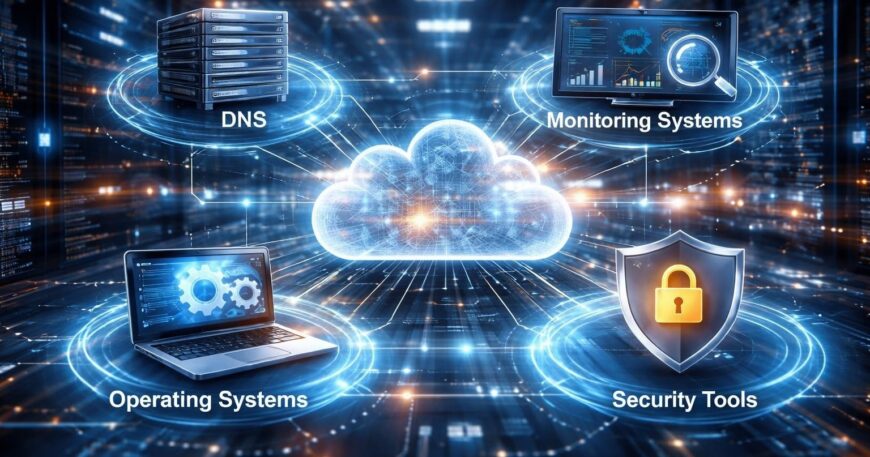
Modern business operations depend entirely on reliable IT infrastructure, and at the heart of that infrastructure lies network system software. These specialized programs manage, monitor, and maintain the connections between devices, servers, and users across your organization. For small businesses in communities like Lethbridge, understanding the role of network system software helps ensure your technology investments deliver maximum value while minimizing disruptions that can cost you time and revenue.
Understanding Network System Software Fundamentals
Network system software encompasses the applications, protocols, and operating systems that enable computers and devices to communicate effectively across networks. Unlike application software that end users interact with directly, this category of software operates behind the scenes to ensure data flows securely and efficiently between systems.
The primary categories include:
- Operating systems designed specifically for network equipment
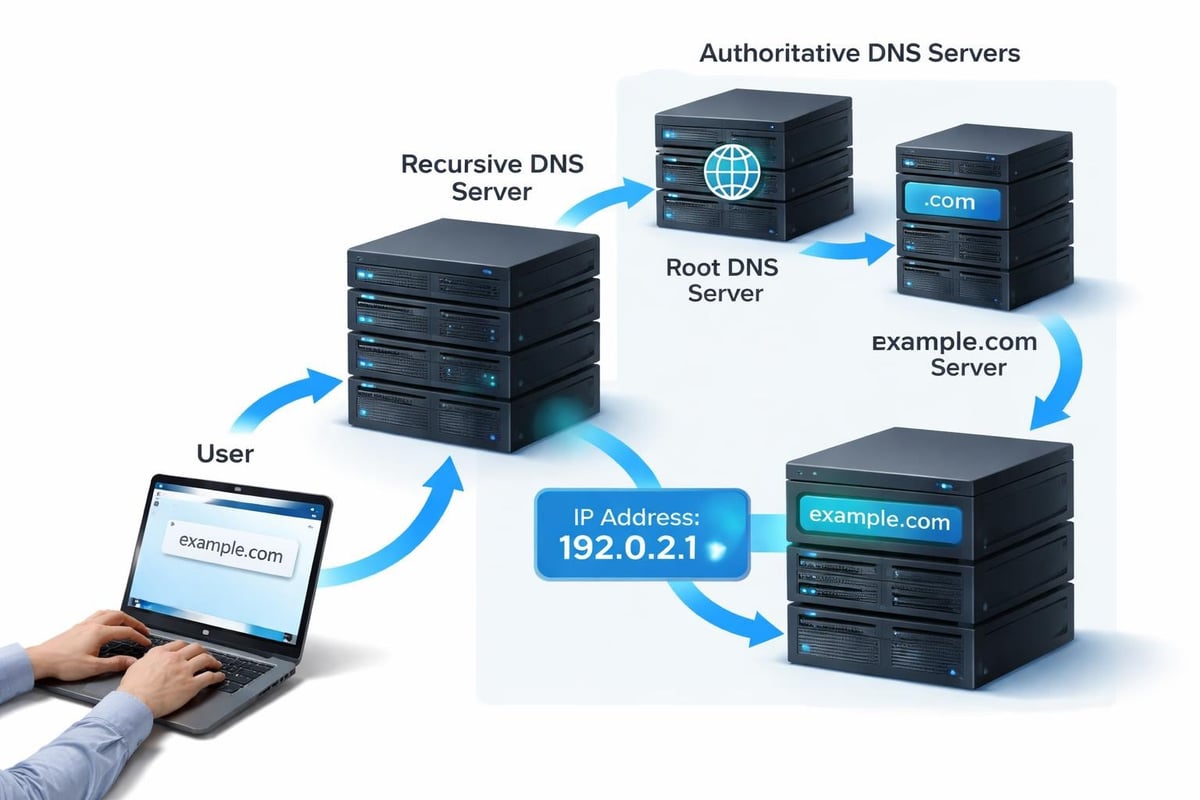
- DNS servers that translate domain names into IP addresses
- Network monitoring and management platforms
- Security software that protects data in transit
- Time synchronization services
- Authentication and directory services
These components work together to create a cohesive infrastructure that supports your business applications. When properly configured and maintained, network system software becomes virtually invisible to users, yet its absence or failure would bring operations to an immediate halt.
Core Functions in Business Environments
Network system software performs several critical functions that directly impact your daily operations. Name resolution stands as one of the most fundamental services, with systems like BIND handling the translation of human-readable domain names into machine-readable IP addresses. Without this capability, accessing websites, sending emails, or connecting to cloud services becomes impossible.
Traffic management represents another essential function, directing data packets along optimal paths through your network. Modern network system software analyzes bandwidth usage, prioritizes critical applications, and automatically reroutes traffic around failed connections or congested pathways.
Network Operating Systems and Infrastructure Software
Specialized operating systems power the routers, switches, and other equipment that form your network backbone. SONiC (Software for Open Networking in the Cloud) exemplifies the modern approach to network operating systems, offering an open-source platform that large enterprises and cloud providers deploy across their infrastructure.
| Feature | Traditional NOS | Modern Software-Defined NOS |
|---|---|---|
| Configuration | CLI-based, manual | API-driven, automated |
| Updates | Disruptive, scheduled | Rolling, zero-downtime |
| Customization | Vendor-limited | Open, extensible |
| Cost Model | Per-device licensing | Software subscription |
| Deployment Speed | Days to weeks | Hours to days |
Small businesses typically benefit from managed network equipment that runs this software transparently, allowing them to focus on business outcomes rather than technical implementation details.
DNS Server Software Selection
Every network requires DNS services, whether hosted internally or outsourced to managed providers. Knot DNS represents one option for organizations requiring authoritative DNS servers, offering high performance and security-focused features. The choice between running your own DNS infrastructure versus using cloud-based services depends on factors like company size, technical expertise, and specific compliance requirements.
For most small businesses, cloud-based DNS services integrated into managed IT packages provide the best balance of reliability, performance, and cost-effectiveness. These services eliminate the need for in-house expertise while delivering enterprise-grade capabilities.
Monitoring and Management Platforms
Network system software extends far beyond basic connectivity to include sophisticated monitoring tools that track performance, identify issues before they impact users, and generate insights for capacity planning. Tools like NetExpert demonstrate how advanced monitoring systems combine real-time data collection with intelligent analysis to maintain network health.
Key monitoring capabilities include:
- Real-time bandwidth utilization tracking
- Device availability and uptime measurement
- Security event detection and logging
- Performance baseline establishment
- Automated alerting for threshold violations
- Historical trend analysis for planning
These capabilities transform network management from reactive firefighting into proactive optimization. When your managed IT provider implements comprehensive monitoring, they can address developing issues during off-hours rather than dealing with crisis situations during your busiest business periods.
Time Synchronization Services
Accurate timekeeping across network devices matters more than many business owners realize. The NTP pool provides distributed time synchronization that ensures all systems maintain consistent clocks. This synchronization proves critical for security logging, financial transactions, scheduled backups, and troubleshooting efforts that require correlating events across multiple systems.
Network system software typically includes NTP client capabilities that automatically synchronize with authoritative time sources, maintaining accuracy within milliseconds. This behind-the-scenes function prevents subtle but serious issues like authentication failures, backup corruption, and audit trail gaps.
Security Integration Within Network Software
Modern network system software incorporates security as a fundamental design element rather than an afterthought. Firewall capabilities, intrusion detection, and encrypted communication protocols work together to protect data as it traverses your infrastructure.

The Name Service Switch functionality in Unix-like systems demonstrates how network system software handles authentication and authorization, connecting applications to various security databases and directory services. This integration ensures consistent security policy enforcement across your entire network.
| Security Layer | Software Component | Primary Function |
|---|---|---|
| Perimeter | Firewall software | Block unauthorized access |
| Detection | IDS/IPS systems | Identify threats |
| Encryption | SSL/TLS protocols | Protect data in transit |
| Authentication | RADIUS/LDAP | Verify user identity |
| Authorization | Policy engines | Control resource access |
For businesses in regulated industries or those handling sensitive customer data, these security features become non-negotiable requirements that network system software must fulfill reliably.
Cloud Integration and Hybrid Networks
The shift toward cloud computing has fundamentally changed how network system software operates. Modern solutions must seamlessly bridge on-premises infrastructure with cloud resources, creating hybrid environments that leverage the benefits of both deployment models.
Software-defined networking (SDN) capabilities allow network system software to dynamically provision connections, adjust security policies, and optimize traffic flow across cloud and local resources. This flexibility enables businesses to scale operations without major infrastructure overhauls.
Configuration Management and Automation
As networks grow more complex, manual configuration becomes impractical and error-prone. Advanced network system software includes automation capabilities that ensure consistent settings across devices, implement changes safely, and document all modifications for audit purposes.
Automation benefits include:
- Reduced human error in configuration
- Faster deployment of new services
- Consistent security policy application
- Simplified compliance documentation
- Rapid recovery from failures
When your managed IT services provider implements automation, they can maintain your network more efficiently while reducing the risk of configuration mistakes that could create security vulnerabilities or service disruptions.
Backup and Disaster Recovery Components
Network system software plays a crucial role in data protection strategies. Backup orchestration, replication scheduling, and recovery automation all depend on network services functioning correctly. The software coordinates backup windows, manages bandwidth allocation to prevent interference with production traffic, and verifies that protected data reaches secure storage locations.

Modern backup solutions integrate deeply with network system software to provide features like changed-block tracking, which minimizes backup windows by only transmitting modified data. This integration ensures your business can meet recovery time objectives without overwhelming network capacity during backup operations.
Performance Optimization Techniques
Network system software continually analyzes traffic patterns and adjusts operations to maintain optimal performance. Quality of Service (QoS) capabilities prioritize critical applications like VoIP phone systems or real-time collaboration tools over less time-sensitive traffic like software updates or email synchronization.
- Traffic analysis identifies bandwidth-hungry applications
- Policy enforcement applies business rules to network flows
- Load balancing distributes connections across available paths
- Compression reduces data volumes for faster transmission
- Caching stores frequently accessed content locally
These optimization techniques happen transparently, requiring no user intervention while delivering measurably better application performance.
Vendor Selection and Support Considerations
Choosing network system software involves evaluating both technical capabilities and the vendor ecosystem surrounding the products. Established platforms offer extensive documentation, community support, and third-party integrations that extend functionality. Research from sources like O’Reilly’s technical documentation provides valuable insights into how different systems operate and integrate.
For small businesses without dedicated IT staff, the software's manageability matters as much as its features. Solutions that provide intuitive interfaces, clear diagnostic information, and automated maintenance routines reduce the expertise required for day-to-day operations.
| Evaluation Criteria | Why It Matters | Questions to Ask |
|---|---|---|
| Scalability | Supports growth | What are capacity limits? |
| Vendor stability | Long-term viability | How long in business? |
| Integration options | Works with existing tools | Which platforms supported? |
| Update frequency | Security and features | What's the release schedule? |
| Support quality | Problem resolution | What support tiers available? |
Implementation Best Practices for Small Business
Deploying network system software requires careful planning to minimize disruption while ensuring reliability. Successful implementations follow structured approaches that include thorough testing, gradual rollout, and comprehensive documentation.
Critical implementation steps include:
- Assessing current network infrastructure and requirements
- Selecting software compatible with existing systems
- Testing configurations in isolated environments
- Creating detailed rollback procedures
- Scheduling changes during low-usage periods
- Monitoring closely after deployment
- Documenting all settings and changes
Working with experienced providers ensures these steps receive proper attention, reducing the risk of implementation failures that could impact business operations.
Ongoing Maintenance Requirements
Network system software requires regular maintenance to remain secure and performant. Software updates patch vulnerabilities, add features, and improve stability. Configuration reviews ensure settings remain aligned with business needs as your organization evolves.
Maintenance activities should follow a predictable schedule that balances security needs against operational stability. Critical security patches may require urgent deployment, while feature updates can wait for planned maintenance windows. Your IT provider should communicate upcoming changes and their expected impact clearly.
Cost Considerations and ROI
Investing in quality network system software delivers measurable returns through improved uptime, enhanced security, and reduced troubleshooting costs. While licensing fees and implementation costs represent obvious expenses, the total cost of ownership includes ongoing support, training, and periodic upgrades.
ROI factors to evaluate:
- Reduced downtime costs
- Lower support overhead
- Improved employee productivity
- Enhanced security posture
- Scalability for growth
- Compliance achievement
For small businesses, managed service models often provide the best value by bundling software licensing, implementation, monitoring, and support into predictable monthly fees that align costs with budget planning cycles.
Compliance and Regulatory Requirements
Many industries impose specific requirements on network infrastructure that network system software must support. HIPAA, PCI-DSS, and other regulatory frameworks mandate particular security controls, audit logging, and data protection measures that your software must enable.
Understanding how network system software facilitates compliance helps avoid costly violations and failed audits. Features like centralized logging, encrypted communications, and access controls directly support compliance objectives while also improving overall security.
Future Trends Shaping Network Software
The network system software landscape continues evolving rapidly as new technologies emerge. Artificial intelligence and machine learning increasingly enhance monitoring capabilities, enabling predictive maintenance that addresses issues before they cause service disruptions. Containerization and microservices architectures change how network services deploy and scale.
Zero-trust security models require network system software to assume no implicit trust, verifying every connection regardless of source. This approach demands more sophisticated authentication, authorization, and encryption capabilities than traditional perimeter-focused security models.
Edge computing pushes processing closer to data sources, requiring network system software that efficiently manages distributed resources. These trends shape product roadmaps and influence which solutions remain viable long-term investments.
Network system software forms the invisible foundation supporting all modern business technology operations, managing everything from basic connectivity to advanced security and optimization. Selecting and maintaining the right combination of operating systems, monitoring tools, security platforms, and management software requires expertise that most small businesses lack in-house. Delphi Systems Inc. specializes in managing these complex systems for Lethbridge area businesses, delivering enterprise-grade network reliability through proactive monitoring, expert support, and fixed-rate pricing that makes professional IT management accessible and predictable.

