
Cyber attacks are growing more sophisticated every year, with businesses facing mounting risks to their data, operations, and reputation. In 2024 alone, high-profile breaches have underscored the urgent need for robust cyber defense.
This guide offers a clear blueprint to help you select, implement, and get the most value from a managed security company in 2025. Our aim is to equip business leaders and IT decision-makers with the practical steps needed to safeguard their organizations.
Explore how these companies work, why they matter now more than ever, and how to measure success at every stage.
The Rising Need for Managed Security Companies in 2025
In 2025, the digital threat environment is more dynamic than ever. Businesses face a constant barrage of cyber attacks, and the stakes have never been higher. A managed security company is no longer just an option for enterprises, but a necessity for organizations of all sizes seeking resilience and peace of mind.
Evolving Threat Landscape
Cyber threats have grown in sophistication and scale. Attackers now leverage advanced ransomware, complex phishing campaigns, and zero-day exploits to bypass defenses. The massive increase in remote work and the proliferation of IoT devices have expanded the attack surface, giving cybercriminals more entry points.
Recent breaches in 2024 and 2025 have caused significant financial and reputational damage to major brands, and even smaller companies are not immune. For example, a mid-sized retailer suffered a multi-million dollar loss after a phishing attack compromised customer payment data. According to Gartner, 60% of organizations will rely on managed security company solutions by 2025, driven by this rising threat level. Compliance with regulations like GDPR and CCPA adds another layer of pressure, making robust security essential.
Limitations of In-House Security
Many organizations struggle to build an effective security operation in-house. The cybersecurity workforce gap has reached 3.4 million globally, making it increasingly difficult to find and retain skilled professionals. High costs for establishing 24/7 monitoring, purchasing advanced tools, and maintaining threat intelligence capabilities are often prohibitive.
According to Cybersecurity workforce gap statistics, this shortage affects businesses across sectors, leaving them vulnerable to attacks. Small and medium-sized businesses are disproportionately targeted due to weaker defenses and limited budgets. These constraints highlight why partnering with a managed security company is a strategic move for organizations aiming to close their security gaps.
Core Benefits of Managed Security Providers
A managed security company delivers several key advantages. First, organizations gain access to 24/7 monitoring and rapid incident response, reducing the risk of unnoticed threats. Providers bring specialized expertise and deploy the latest security technologies, which are often out of reach for in-house teams.
Cost predictability is another benefit, as managed services operate on a subscription model that can scale with business growth. Additionally, managed security companies offer robust compliance management and detailed reporting, helping clients meet regulatory obligations with less effort. These benefits collectively empower businesses to stay ahead of evolving cyber risks without straining their internal resources.
Key Market Trends and Statistics
The market for managed security company services is expanding rapidly. Global spending on managed security services is projected to surpass $70 billion by 2025, reflecting widespread demand for expert protection and advanced solutions. The rise of AI-driven security tools and automation is transforming how threats are detected and mitigated, enabling faster, more accurate responses.
Organizations increasingly seek hybrid cloud security management to protect assets across on-premises and cloud environments. Proactive threat hunting and incident response are now standard offerings, as companies recognize the need for continuous vigilance. These trends signal a shift toward comprehensive, intelligence-driven security strategies that only a managed security company can reliably provide.
How Managed Security Companies Work: Services, Processes, and Technologies
Understanding how a managed security company operates is essential for any business seeking to strengthen its cybersecurity. These companies deliver a range of services, leverage advanced technologies, and offer flexible engagement models to fit diverse organizational needs. Let’s break down how these providers function, what processes they use, and the tools that set them apart.
Core Service Offerings
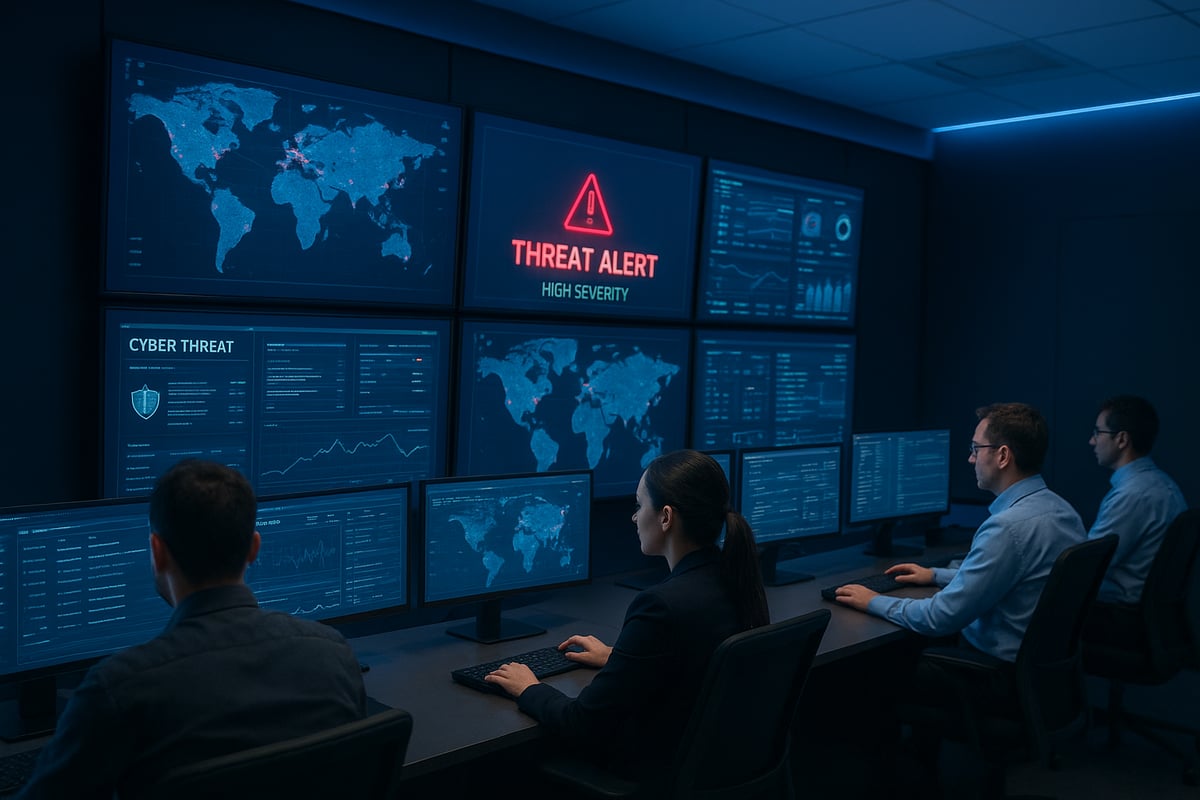
A managed security company delivers a suite of essential security services designed to protect organizations against evolving threats. Core offerings include 24/7 security monitoring using SIEM (Security Information and Event Management) platforms, SOC-as-a-service, rapid threat detection, and incident response. Vulnerability management and timely patching are also standard, ensuring systems remain secure. Compliance support is another critical service, helping businesses stay audit-ready for regulations like GDPR or HIPAA. As the managed security services market forecast shows, demand for these services is accelerating, driven by the increasing complexity of cyber threats and regulatory requirements. By partnering with a managed security company, organizations gain peace of mind knowing their defenses are managed by experts.
Advanced Technologies and Tools
Leading managed security company providers invest in cutting-edge technologies to stay ahead of attackers. Artificial intelligence and machine learning power modern threat detection, identifying patterns and anomalies in real time. Endpoint Detection & Response (EDR) solutions offer deep visibility into devices across the network, while advanced cloud security platforms ensure protection for hybrid and multi-cloud environments. Automated remediation tools enable quick action to contain and resolve incidents. Real-time analytics provide actionable insights for IT teams, allowing them to prioritize risks efficiently. By leveraging these technologies, a managed security company can rapidly adapt to new attack vectors and deliver superior protection compared to in-house solutions.
Typical Engagement Models
A managed security company offers flexible engagement models to meet the unique needs of each client. Options include fully managed services, where the provider takes end-to-end responsibility, and co-managed services, where internal IT teams collaborate closely with external experts. Service tiers can be customized, with specific Service Level Agreements (SLAs) dictating response times and coverage. Onboarding typically involves integration with the client’s existing IT infrastructure, ensuring seamless data flows and minimal disruption. This flexibility allows organizations to scale services up or down as business needs evolve. Choosing the right engagement model from a managed security company ensures alignment with organizational goals and resource levels.
Security Operations Center (SOC) Explained
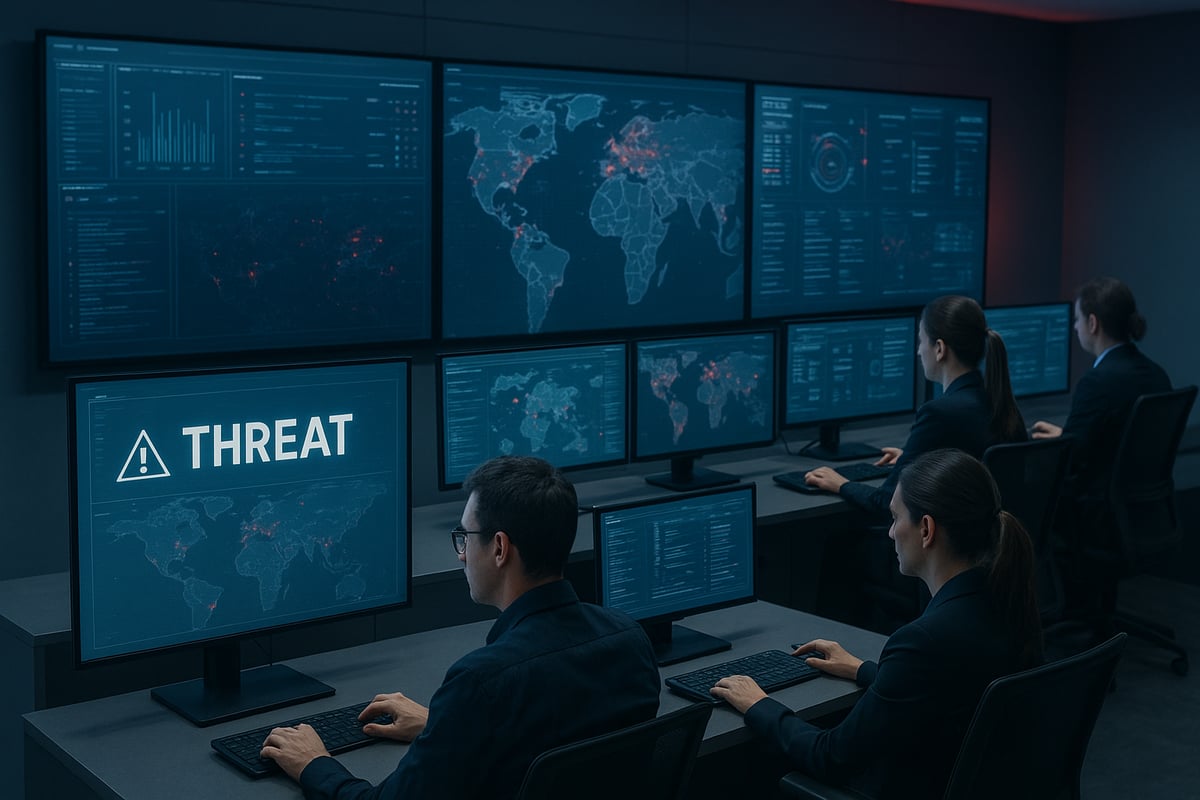
At the heart of every managed security company is the Security Operations Center, or SOC. This facility operates around the clock, monitoring networks, applications, and endpoints for suspicious activity. SOC analysts triage alerts, investigate incidents, and escalate threats according to predefined protocols. For example, when a critical alert is detected, it is quickly analyzed, verified, and, if necessary, escalated to incident response teams for containment and remediation. This structured workflow ensures threats are identified and neutralized before they cause significant damage. A managed security company’s SOC provides the vigilance and expertise organizations need to defend against relentless cyberattacks.
Reporting, Transparency, and Communication
Transparency is fundamental for any managed security company partnership. Providers deliver regular security reports and executive dashboards, offering clear insights into the threat landscape and the effectiveness of security measures. Incident reports are shared promptly, with detailed communication plans to keep all stakeholders informed. Collaboration between the provider and internal IT teams is prioritized to ensure seamless information sharing and coordinated responses. Ongoing reporting and open communication help organizations measure the value of their managed security company, adapt to new risks, and maintain regulatory compliance.
Step-by-Step Blueprint: Choosing the Right Managed Security Company
Selecting the right managed security company is a critical decision for every organization aiming to safeguard its digital assets in 2025. This blueprint breaks down the process into actionable steps, ensuring you make informed choices at every stage.
Step 1: Assess Your Security Needs and Risk Profile
Begin by conducting a comprehensive security audit of your organization. Identify your most valuable digital assets, such as customer data, intellectual property, and proprietary systems. Determine where vulnerabilities might exist, including outdated software, unpatched devices, or unsecured endpoints.
Map your compliance requirements, whether you need to meet PCI DSS, HIPAA, or other industry-specific regulations. This baseline assessment helps you clarify your risk tolerance and priorities, which will shape your search for a managed security company.
Collaborate with stakeholders in IT, compliance, and leadership to ensure a holistic view of your security posture. By understanding your unique risk landscape, you can better match your needs with the right provider.
Step 2: Define Selection Criteria and Budget
Establish clear criteria for evaluating potential partners. Focus on areas like technical expertise, relevant certifications, and experience within your industry. Transparent pricing models and contract flexibility are also essential, as they impact your long-term satisfaction and ability to scale.
Consider the reality of global talent shortages. According to the Global cybersecurity workforce distribution, finding in-house experts is increasingly challenging, making a managed security company with proven staff even more valuable.
Align your selection criteria with your business objectives. Define your budget early, factoring in both direct service costs and potential savings from improved security outcomes.
Step 3: Research and Shortlist Providers
Investigate the reputation and track record of each managed security company on your list. Use peer reviews, industry analyst reports, and customer case studies to gain insight into real-world performance. Look for evidence of long-term partnerships and measurable results.
Request references from clients in similar sectors or of similar size. Evaluate the responsiveness of each provider’s support team, as timely assistance can make a significant difference during a security incident.
Create a shortlist of providers who meet your technical, operational, and cultural requirements. This focused list streamlines the next phases of your selection process.
Step 4: Request Proposals and Conduct Demos
Issue detailed requests for proposals (RFPs) outlining your specific requirements. Ask each managed security company to demonstrate their approach to threat detection, incident response, and reporting.
During demos, pay close attention to how each provider’s technology stack integrates with your existing infrastructure. Test their response times and the clarity of their executive dashboards.
Compare the strengths and limitations of each solution. Use a simple table to evaluate criteria such as integration, scalability, and support:
| Criteria | Provider A | Provider B | Provider C |
|---|---|---|---|
| Integration Quality | Excellent | Good | Fair |
| Response Time | 15 min | 30 min | 20 min |
| Dashboard Usability | High | Medium | High |
This approach ensures you select a managed security company that fits both your technical and business needs.
Step 5: Evaluate Security, Compliance, and Cultural Fit
Verify each provider’s certifications, such as SOC 2 or ISO 27001. Ensure they have proven expertise in your regulatory landscape, whether that’s healthcare, finance, or retail. Ask about their compliance management processes and how they keep pace with evolving laws.
Assess cultural fit by observing communication style and collaboration approach. A managed security company should feel like an extension of your team, not just a vendor.
Schedule meetings with key personnel to gauge transparency and responsiveness. Strong alignment on values and expectations will set the stage for a productive partnership.
Step 6: Negotiate and Finalize the Agreement
Review service-level agreements (SLAs) closely. Confirm details like response times, uptime guarantees, and escalation paths. Clarify data ownership, privacy policies, and termination clauses to protect your organization’s interests.
Negotiate terms that reflect your operational realities and growth plans. Make sure the managed security company outlines clear onboarding processes and transition support.
Document all expectations and responsibilities in writing. This reduces misunderstandings and builds a foundation of trust and accountability from day one.
Step 7: Plan for a Seamless Transition
Develop a detailed roadmap for migration and onboarding. Work closely with your chosen managed security company to minimize business disruptions during the handover process.
Establish robust communication channels between internal teams and the provider. Define key success metrics for the transition, such as time to full operational capability or reduction in incident rates.
Train your staff on new procedures and security awareness. Continuous feedback and regular check-ins will help you adapt quickly, ensuring a smooth start to your new security partnership.
Best Practices for Implementation and Ongoing Management
Partnering with a managed security company is only the beginning. The real value emerges through effective implementation and ongoing management. By following proven best practices, organizations can turn this relationship into a security powerhouse that evolves with emerging threats.

Building a Collaborative Partnership
Successful outcomes depend on a close partnership between your team and the managed security company. Establish regular check-ins and detailed performance reviews to keep everyone aligned. Define clear roles and responsibilities so there is no confusion during incidents or escalations.
When public agencies face staffing reductions, as seen in recent CISA staffing reductions, the private sector’s role in cyber defense becomes even more critical. Collaborate on incident response protocols, ensuring both sides can act swiftly if threats emerge.
- Schedule monthly or quarterly meetings for performance updates.
- Assign clear contacts for daily operations and emergencies.
- Develop joint playbooks for incident escalation.
Open, ongoing communication keeps trust high and allows your managed security company to adapt to your business’s evolving needs.
Integration with Existing IT Infrastructure
A managed security company must integrate seamlessly with your current systems. Begin with a comprehensive assessment to ensure compatibility with legacy hardware, cloud platforms, and third party applications. Plan phased rollouts to minimize disruptions and allow for incremental improvements.
- Map all critical assets and their associated risks.
- Use APIs or middleware for smoother integration.
- Provide staff with training on new workflows and security tools.
Careful integration means your managed security company can deliver protection without hindering productivity. Ongoing training also boosts security awareness across your organization.
Continuous Monitoring and Threat Intelligence
Continuous monitoring is the backbone of any managed security company’s value proposition. Leverage real time threat feeds and advanced analytics to spot and stop threats before they escalate. Proactive threat hunting and regular vulnerability assessments help prevent breaches.
Automated alerting and response playbooks allow your managed security company to act quickly, reducing downtime and limiting business impact. Regularly update these playbooks to reflect the latest threat intelligence.
- Monitor endpoints, networks, and cloud environments 24/7.
- Review threat intelligence reports weekly.
- Test and refine response workflows routinely.
This proactive approach ensures your defenses evolve as cyber threats change.
Compliance Management and Reporting
A managed security company plays a vital role in streamlining compliance. They help you prepare for audits and maintain documentation in line with industry regulations. Custom compliance dashboards provide real time visibility for executives, auditors, and regulators.
Stay current with changing standards by working closely with your managed security company. Regular reviews and updates keep your compliance posture strong.
- Automate evidence collection for audits.
- Schedule quarterly compliance reviews.
- Adjust controls as regulations evolve.
Effective compliance management reduces risk and builds trust with customers and partners.
Measuring Success: KPIs and Metrics
Measuring the success of your managed security company engagement is essential. Track key performance indicators such as incident response times, false positive rates, and threat mitigation statistics. Use these metrics to assess both operational effectiveness and business impact.
User satisfaction surveys and regular business reviews provide valuable feedback. Revisit goals and metrics as your business grows or as the threat landscape shifts.
| KPI | Target Value |
|---|---|
| Incident Response Time | < 15 minutes |
| False Positive Rate | < 5% |
| Threats Mitigated per Month | 100+ |
| User Satisfaction Score | 90%+ |
By continuously measuring and refining these metrics, your managed security company partnership will stay aligned with your organizational goals.
Common Challenges and How to Overcome Them
Every business faces obstacles when partnering with a managed security company. Understanding these challenges early helps you avoid costly missteps and ensures a smoother security transformation.
Managing Change and Internal Buy-In
Transitioning to a managed security company often meets resistance from staff who fear job loss or loss of control. Leadership may also hesitate due to misconceptions about outsourcing critical functions.
To address this, communicate the benefits clearly and involve stakeholders early. Explain how a managed security company can enhance internal capabilities rather than replace them. Provide training and regular updates to foster trust and encourage collaboration.
List key steps:
- Host informational sessions to address concerns.
- Highlight success stories from similar organizations.
- Align security goals with business objectives.
By promoting transparency, you create an environment where staff feel empowered and invested in your security journey.
Data Privacy and Regulatory Concerns
Data privacy remains a top concern when engaging a managed security company. Compliance with laws like GDPR or CCPA is non-negotiable, especially when sensitive client data is involved.
Ensure your provider demonstrates alignment with relevant regulations and offers clear data handling policies. Ask about their approach to cross-border data transfer and third-party risk management. Reviewing real-world case studies of compliance breaches can provide valuable insights.
For further guidance, consider referencing the GDPR official website.
A robust managed security company will provide transparent documentation and help you navigate the complex regulatory landscape, minimizing risks and ensuring peace of mind.
Integration and Interoperability Issues
Integrating a managed security company with your existing systems can present technical challenges. Multi-vendor environments, legacy platforms, and cloud services often require careful planning to avoid security gaps.
Work closely with your provider to map out integration requirements and develop a phased rollout plan. Leverage APIs and middleware solutions to ensure seamless interoperability. Standardized protocols can streamline communication between tools and reduce friction.
Table: Common Integration Challenges & Solutions
| Challenge | Solution |
|---|---|
| Legacy system incompatibility | Use middleware or custom APIs |
| Overlapping toolsets | Consolidate and rationalize |
| Data silos | Centralize monitoring and logs |
A proactive managed security company will anticipate these hurdles and offer practical solutions, minimizing disruption to your daily operations.
Maintaining Agility in a Changing Threat Landscape
The threat landscape evolves rapidly, so your managed security company must help you stay agile. New cyber risks and shifting business priorities require continuous adaptation.
Leverage your provider’s research and development capabilities to stay informed about emerging threats. Encourage regular updates to security protocols and participate in ongoing improvement initiatives. Foster a culture where feedback and innovation are valued.
Checklist for agility:
- Schedule quarterly strategy reviews.
- Update incident response playbooks regularly.
- Invest in ongoing staff training.
With the right managed security company, you can remain resilient and responsive, no matter how the cybersecurity environment changes.
Future Trends: The Evolution of Managed Security Services Beyond 2025
Looking beyond 2025, the landscape for every managed security company is set to transform dramatically. Emerging technologies, regulatory shifts, and new cyber threats will redefine how organizations safeguard their data. Understanding these future trends is essential for making informed security decisions.
AI, Automation, and the Next Wave of Cyber Defense
Artificial intelligence is rapidly becoming the backbone of managed security company operations. Predictive analytics, powered by AI, now detect and counter threats before they escalate. Automated response systems are reducing incident response times and minimizing human error.
For example, machine learning algorithms sift through vast amounts of data, identifying suspicious patterns that would be impossible for analysts to catch manually. As these systems mature, every managed security company must continuously invest in AI-driven platforms to stay ahead of adversaries. Success stories are emerging, with businesses reporting improved threat detection rates and fewer breaches.
The Rise of Zero Trust Architectures
Zero trust is reshaping the way organizations approach security. Instead of assuming internal networks are safe, a managed security company now enforces strict identity verification and least-privilege access for every user and device.
This shift is crucial as remote work and cloud adoption grow. Managed security company experts design zero trust frameworks that scrutinize every access request, reducing the risk of lateral movement during a breach. As a result, clients gain greater control over sensitive data and can respond to threats with greater agility.
Industry-Specific Security Solutions
Every industry faces unique risks, prompting a managed security company to tailor its services accordingly. Healthcare organizations demand HIPAA-compliant monitoring, while finance requires advanced fraud detection and regulatory reporting.
Retailers, manufacturers, and critical infrastructure providers also benefit from specialized threat intelligence and mitigation strategies. By choosing a managed security company with deep industry expertise, organizations address sector-specific regulations and threats more effectively. This approach leads to faster compliance and more resilient business operations.
Preparing for Quantum-Resistant Security
Quantum computing poses a new risk to traditional encryption. Forward-thinking managed security company providers are already developing and testing post-quantum cryptography solutions. These next-generation protocols protect sensitive data from future quantum-enabled attacks.
To prepare, organizations should ask their managed security company about their quantum-readiness roadmap. Steps include inventorying cryptographic assets and piloting quantum-resistant algorithms. For more on this emerging topic, see NIST’s post-quantum cryptography project. Early adoption will ensure business continuity as quantum technology matures.
As you look ahead to 2025, protecting your business from evolving cyber risks is more critical than ever. We’ve explored how managed security companies can give you peace of mind, ensure compliance, and let you focus on what you do best—growing your business. If you’re ready to take the next step or just want to talk through your options, I’m here to help you find the right fit for your needs. Let’s start building your success blueprint today—Call us now to discuss how Delphi Systems Inc. can strengthen your IT security and support your business goals.

