In 2026, the digital landscape moves fast, and the risks are greater than ever. Cyber threats and the pressure for constant innovation mean businesses can no longer rely on outdated approaches.
Today, it services managed by expert providers have become a necessity for organizations seeking security, efficiency, and growth. Navigating complex technology environments now requires more than basic support—it demands proactive, strategic management.
This guide will reveal how managed IT is transforming organizations, what to expect in 2026, and how to choose the right solution. Discover the evolution, core services, benefits, trends, and actionable steps to future-proof your business.
The Evolution of Managed IT Services: Past to 2026
Managed IT services managed have evolved from basic technical support into essential business solutions. Traditionally, organizations relied on break/fix IT, only calling for help when something broke. Today, it services managed encompass proactive monitoring, ongoing support, and preventative maintenance, all delivered through predictable subscription models. This shift from reactive to proactive care is exemplified by the rise of flat-rate agreements, especially among regional providers. According to industry reports, over 60% of small and midsize businesses outsourced some IT functions by 2024, seeking stability and expertise.
The journey of it services managed traces several key milestones. In the 2010s, cloud computing and virtualization transformed how businesses accessed technology, enabling greater flexibility and reduced hardware costs. After 2020, as cyber threats grew more sophisticated, cybersecurity became a central offering, not just an add-on. By 2025, integration of AI-driven automation and analytics allowed providers to detect and resolve issues before users noticed a problem. For example, AI-powered monitoring tools now reduce downtime by up to 40%, underscoring the value of modern managed services.
Several factors are driving the evolution of it services managed as we approach 2026. The widespread adoption of remote and hybrid workforces has increased the demand for secure, accessible technology solutions. Regulatory compliance pressures, such as GDPR and HIPAA, require organizations to meet strict data protection standards. Additionally, the rising costs and complexity of maintaining in-house IT have pushed sectors like healthcare and finance to seek robust, outsourced alternatives. These drivers ensure that managed IT remains at the heart of business operations for years to come.
Looking ahead, it services managed in 2026 will cover the entire technology stack, from devices and networks to cloud, security, and compliance. Providers are expanding into vertical-specific solutions, tailoring services for sectors like healthcare, logistics, and legal. For instance, many now offer custom compliance packages designed to meet strict industry regulations. The managed services market is projected to reach $354.8 billion by 2026, reflecting this rapid growth and adoption (Managed IT services market to reach $354.8 billion by 2026). With SMB adoption expected to hit 75% and cyber attacks on businesses increasing by 30% from 2022 to 2025, the importance of managed IT has never been greater.

Core Components of IT Services Managed in 2026
Understanding the core components of it services managed is crucial for any business looking to enhance operations in 2026. These components work together to deliver reliability, security, and strategic value. Each plays a unique role in supporting business goals and minimizing risks.
Proactive Network Monitoring & Maintenance
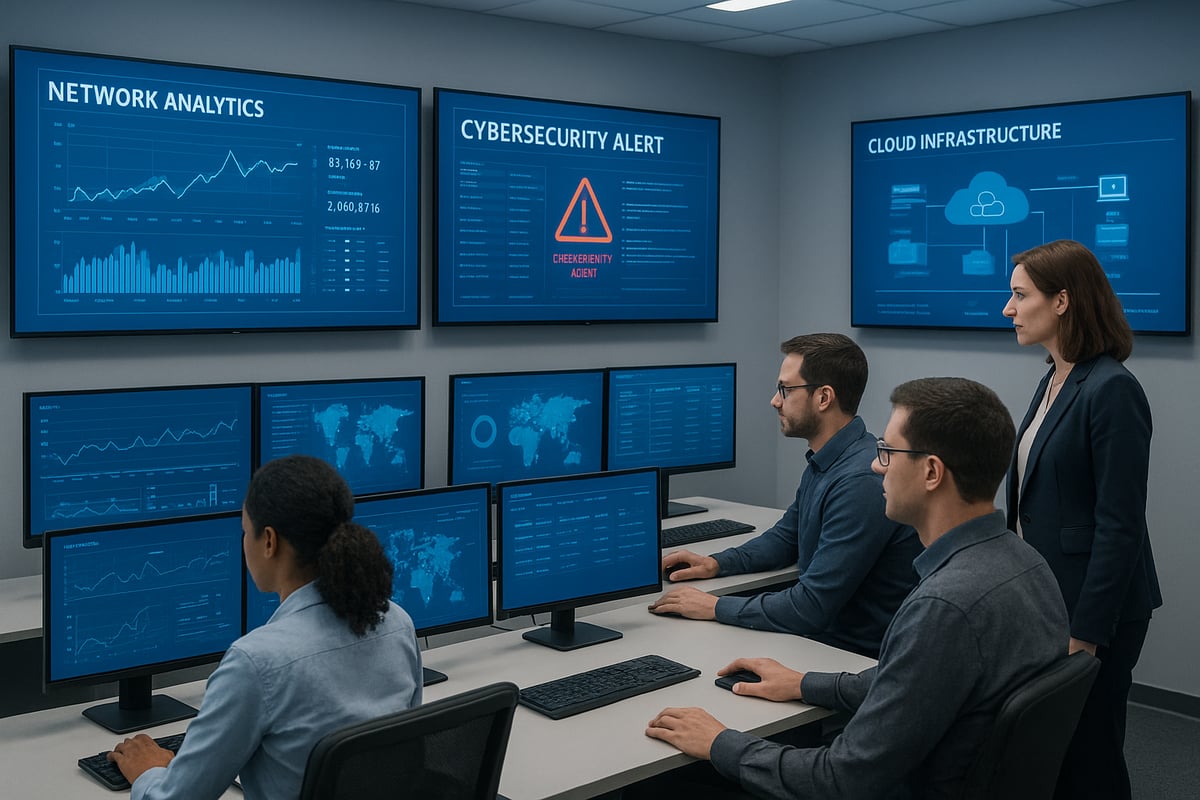
Proactive network monitoring is the backbone of it services managed. In 2026, businesses rely on real-time insights to track network health, performance, and security status. AI-driven automation allows systems to identify anomalies, trigger alerts, and even self-heal without human intervention.
For example, managed service providers (MSPs) deploy intelligent monitoring tools that can isolate and remediate threats before users notice any disruption. This approach drastically reduces downtime and helps maintain seamless operations. According to industry experts, AI-driven IT management becomes standard by 2026 as automation and predictive analytics enable faster, more accurate responses to network events.
Key features include:
- 24/7 monitoring of devices and applications
- Automated patch management and updates
- Predictive maintenance to prevent failures
These advancements ensure that it services managed deliver both stability and efficiency.
Cybersecurity Solutions
Cybersecurity is a non-negotiable element within it services managed. Modern MSPs offer multi-layered protection, combining endpoint security, firewalls, intrusion detection, and rapid incident response. With cyber threats evolving, businesses need defenses that adapt in real time.
A core component is the 24/7 Security Operations Center (SOC), now a standard offering. These centers monitor for suspicious activity and respond immediately to incidents. Security awareness training is also embedded, ensuring employees can recognize and react to threats.
Key elements:
- Advanced threat detection and response
- Regular vulnerability assessments and patching
- Employee security training
By integrating these solutions, it services managed help organizations reduce the risk of breaches and maintain compliance.
Cloud Computing & Hybrid Environments
Cloud computing is integral to it services managed in 2026. Businesses leverage managed cloud services for scalable storage, flexible applications, and seamless collaboration. Hybrid environments, combining on-premise and cloud infrastructure, offer the best of both worlds.
MSPs handle cloud migration, ongoing management, and optimization, freeing businesses from complex technical tasks. This enables organizations to scale resources up or down as needed, supporting dynamic growth and remote work.
Key benefits:
- Secure cloud migrations
- Hybrid infrastructure management
- Continuous performance optimization
It services managed ensure that cloud resources remain secure, efficient, and aligned with business objectives.
Data Backup & Disaster Recovery
Data backup and disaster recovery remain foundational to it services managed. Automated, encrypted backups protect critical information from loss, whether due to cyberattacks, hardware failure, or human error. Offsite and cloud replication add an extra layer of security.
Providers also develop and regularly test disaster recovery plans, guaranteeing business continuity. Many MSPs now promise recovery time objectives (RTO) under four hours, minimizing disruption.
Core features:
- Scheduled, encrypted backups
- Rapid data restoration
- Disaster recovery planning and testing
These safeguards ensure that it services managed deliver resilience in the face of unexpected events.
Helpdesk & User Support
Comprehensive helpdesk and user support are hallmarks of it services managed. In 2026, businesses access 24/7 assistance across multiple channels, including phone, chat, and email. Self-service portals and knowledge bases empower users to resolve common issues quickly.
Most support tickets are resolved remotely, reducing downtime and allowing employees to stay productive. This high level of service keeps workflows running smoothly.
Support highlights:
- Round-the-clock support availability
- Remote troubleshooting and resolution
- User-friendly self-service resources
With it services managed, businesses can address technical issues promptly and efficiently.
IT Strategy & Consulting
Strategic guidance is a vital part of it services managed. MSPs help organizations develop technology roadmaps that align with business goals. This includes budgeting, vendor management, and compliance advisory.
By partnering with experienced consultants, businesses can make informed technology investments, maximize ROI, and stay ahead of industry changes.
Consulting services include:
- IT infrastructure planning
- Technology budgeting and forecasting
- Regulatory compliance advisory
It services managed empower leaders to focus on growth rather than IT headaches.
Compliance & Industry-Specific Services
Compliance and industry-specific solutions are essential in regulated sectors. It services managed support frameworks such as HIPAA, PCI-DSS, and GDPR, ensuring that organizations meet all necessary requirements.
MSPs often provide tailored packages for industries like healthcare, finance, and logistics. Custom compliance reporting and audit readiness help businesses avoid penalties and maintain trust.
Key offerings:
- Regulatory compliance support
- Industry-specific workflow solutions
- Custom audit and reporting tools
By integrating compliance into their core service offerings, it services managed deliver peace of mind and operational integrity.
Benefits of Managed IT Services for Businesses in 2026
In 2026, the decision to adopt it services managed is no longer just a technology upgrade, but a strategic move that drives business success. Organizations are turning to these solutions for stability, security, and future-ready growth.

Cost Efficiency and Predictable Budgeting
Budget control is a top priority for businesses. With it services managed, companies transition from unpredictable expenditures to fixed monthly fees. This shift helps organizations avoid costly surprises and reallocates resources to core business functions.
| Metric | Traditional IT | IT Services Managed |
|---|---|---|
| Monthly Cost Variability | High | Low |
| In-house Staffing Needs | Extensive | Minimal |
| Annual Savings (avg.) | — | Up to 30% |
Global IT spending is set to surpass $6 trillion in 2026, highlighting the scale and necessity of managed solutions for cost control. Global IT spending projected to exceed $6 trillion in 2026
Enhanced Security and Risk Mitigation
Cyber threats continue to escalate, making proactive security essential. It services managed offer multi-layered protection, continuous monitoring, and rapid incident response. This approach reduces the risk of breaches and ensures compliance with evolving regulations.
Regular patching and vulnerability management minimize exposure. Companies with managed IT report up to 50 percent fewer breaches, creating peace of mind for leadership and stakeholders.
Increased Productivity and Uptime
Downtime can cripple business operations. With it services managed, proactive monitoring detects and resolves issues before they disrupt workflows. Fast user support ensures employees stay productive.
Businesses benefit from 99.9 percent uptime on managed networks. Automated tools and expert support minimize interruptions, allowing teams to focus on delivering value to clients.
Access to Latest Technology and Expertise
Staying ahead requires constant innovation. It services managed provide access to up-to-date solutions and skilled professionals without the need for ongoing recruitment or training.
MSPs invest in certifications and technology partnerships, ensuring clients benefit from enterprise-grade security and cloud capabilities. Small businesses gain the same advantages as larger competitors, leveling the playing field in a digital economy.
Scalability and Flexibility
Business needs evolve rapidly. It services managed allow organizations to scale resources up or down as demand shifts, supporting growth, seasonal changes, or remote workforce expansion.
MSPs enable seamless integration of new applications, devices, or cloud platforms. This flexibility ensures technology never becomes a bottleneck for innovation.
Focus on Core Business Objectives
Leaders want to spend less time troubleshooting technology and more time driving growth. With it services managed, IT distractions fade into the background, freeing management to focus on strategy and customer experience.
Case studies reveal that organizations partnering with MSPs see measurable improvements in service delivery, innovation, and customer satisfaction.
Compliance and Peace of Mind
Staying compliant with regulations is increasingly complex. It services managed support automated compliance reporting, regular audits, and industry-specific requirements.
- HIPAA, PCI-DSS, GDPR support
- Custom compliance reporting
- Ongoing advisory and audit readiness
Healthcare, finance, and logistics businesses maintain peace of mind knowing their data and processes meet all necessary standards.
How to Choose the Right Managed IT Services Provider in 2026
Selecting the right it services managed partner in 2026 is a strategic decision that impacts every aspect of your business. With technology evolving and security risks growing, organizations must take a systematic approach to provider selection. Below, we break down the critical steps to ensure your business makes an informed and future-ready choice.
Assessing Your Business Needs
Start by conducting a thorough inventory of your current systems, software, and processes. Identify pain points, frequent IT disruptions, and areas where efficiency could improve. Consider how your business plans to grow, as well as any industry-specific regulations you must follow.
For example, medical clinics need HIPAA-compliant solutions, while financial firms face their own unique standards. By clarifying these requirements, you ensure that the it services managed provider you choose can deliver services that align with your business goals and compliance needs.
Evaluating Provider Expertise and Offerings
Look for it services managed providers with deep experience in your industry and with businesses of similar size. Examine their technical certifications and partnerships with major vendors like Microsoft, Dell, or Bitdefender. Providers that stay ahead of the curve with innovations such as AI-driven support and analytics, as highlighted in AI’s impact on IT operations by 2030, bring added value and resilience.
Ask for examples of how they have helped clients overcome specific challenges. A provider’s ability to deliver tailored solutions and adapt to emerging technologies is essential for long-term success.
Service Level Agreements (SLAs) and Support Guarantees
A reliable it services managed provider will offer clear SLAs that define response times, uptime guarantees, and escalation procedures. Review these details to ensure they match your operational needs and risk tolerance.
Look for providers that offer 24/7 support and transparent escalation paths for urgent incidents. Leading managed service partners may even provide satisfaction guarantees, giving you confidence in their commitment to service quality.
Security and Compliance Capabilities
Security is non-negotiable in today’s environment. Ensure your it services managed partner has robust, multi-layered security offerings, including proactive threat detection and incident response. Ask about their approach to compliance with regulations like GDPR, HIPAA, or PCI-DSS.
Providers should offer regular vulnerability assessments and penetration testing. Their ability to support your industry’s unique compliance requirements is crucial for maintaining trust and avoiding costly penalties.
Pricing Models and Transparency
Understanding how it services managed providers structure their pricing is vital. Compare flat-rate versus tiered pricing models and examine what is included in each package. Make sure there are no hidden fees or long-term lock-in contracts that could limit your flexibility.
Most small and midsize businesses prefer all-inclusive monthly fees for predictable budgeting. This approach makes it easier to control costs and forecast IT spending as your needs evolve.
Local Presence and Support Availability
While many services can be delivered remotely, a local it services managed provider can offer faster onsite response when issues arise. Consider the value of working with a partner who understands your local business landscape and can deliver personalized support.
Regional providers often build stronger relationships and offer a higher level of accountability. This proximity can be especially important during critical incidents or complex projects.
Client References and Reviews
Request references from similar organizations and review third-party ratings to gauge client satisfaction. High retention rates and positive testimonials are strong indicators of a dependable it services managed provider.
Look for case studies that highlight measurable business outcomes, such as improved uptime or enhanced security. This evidence helps validate the provider’s claims and gives you confidence in their ability to deliver results.
Emerging Trends and Innovations in Managed IT Services for 2026
The landscape of it services managed is evolving faster than ever in 2026. Businesses are facing new challenges and opportunities as providers adopt advanced technologies and strategies. Staying updated on these emerging trends is crucial for organizations aiming to stay secure, efficient, and competitive.
AI-Driven Automation and Predictive Analytics
AI is at the core of many it services managed today. Providers use machine learning algorithms to automate routine tasks, monitor systems, and predict potential issues before they escalate.
For example, AI-powered monitoring tools can analyze network traffic patterns and detect anomalies in real time. This proactive approach helps reduce downtime and the number of support tickets.
Key benefits include:
- Automated patch management
- Intelligent alerting and self-healing systems
- Predictive maintenance for critical infrastructure
With these advancements, businesses relying on it services managed experience fewer disruptions and improved operational efficiency.
Zero Trust Security Architectures
Security is more complex in 2026, making zero trust models a standard for it services managed. Unlike traditional perimeter defenses, zero trust assumes no user or device is trustworthy by default.
Key elements include:
- Continuous authentication of users and devices
- Network segmentation for limiting lateral movement
- Real-time monitoring for suspicious activities
According to recent industry surveys, 80% of enterprises are moving toward zero trust. This shift in it services managed significantly reduces breach risks and strengthens compliance.
Edge Computing and IoT Management
The rise of IoT has transformed how it services managed support business operations. Edge computing enables data processing closer to the source, delivering faster insights and reducing latency.
Key features in this area:
- Real-time management of IoT sensors and devices
- Localized data analytics for rapid decision-making
- Centralized dashboards for visibility and control
Logistics companies, for example, use it services managed to oversee fleet sensors and optimize routes. The ability to manage edge and IoT environments is now a vital component for many industries.
Industry-Specific Managed Services
Tailored solutions are a defining trait of it services managed in 2026. Providers now offer vertical-focused services that address unique compliance, workflow, and technology needs.
Industries benefiting from these custom services include:
- Healthcare, with HIPAA-compliant data handling
- Finance, with PCI-DSS and advanced fraud detection
- Manufacturing, with real-time production analytics
The adaptability of it services managed allows organizations to maintain compliance and streamline operations within their specific sectors.
Enhanced Business Continuity and Disaster Recovery
Business continuity is a top priority for companies using it services managed. Providers deliver advanced backup solutions, rapid failover capabilities, and regular disaster recovery drills.
Key features:
- Immutable, encrypted backups
- Automated recovery testing
- Reduced recovery times, often to just minutes
These innovations ensure that businesses can restore operations quickly after incidents, minimizing financial and reputational impact.
Unified Communications and Collaboration Tools
Modern it services managed include unified communications platforms that integrate VoIP, video conferencing, messaging, and file sharing. These tools support productivity for remote and hybrid teams.
Benefits include:
- Centralized management of communication channels
- Enhanced collaboration with real-time document sharing
- Improved user experience with 24/7 support
Managed UCaaS (Unified Communications as a Service) adoption is rising as businesses seek streamlined, reliable communication solutions.
Sustainability and Green IT Initiatives
Sustainability is shaping the future of it services managed. Providers are investing in energy-efficient data centers and promoting cloud migrations to reduce carbon footprints.
Key environmental initiatives:
- Use of renewable energy in data centers
- Optimization of cloud resources to lower energy use
- E-waste recycling programs
A recent study showed that migrating to the cloud as part of it services managed can cut IT energy consumption by up to 40 percent.
The ongoing evolution of it services managed promises even more innovation and resilience for organizations in the years ahead.
Step-by-Step Guide: Implementing Managed IT Services in Your Business
Adopting it services managed in 2026 can transform your business, but a structured approach is essential for success. This step-by-step guide will help you navigate the process, minimize disruption, and maximize value. Follow these practical steps to ensure your transition to it services managed is smooth and effective.
Step 1: Assess Current IT Environment
Begin by conducting a thorough audit of your technology landscape. Review infrastructure, devices, applications, and network components. Identify any outdated hardware, unsupported software, and potential vulnerabilities.
Use automated tools to inventory assets and map out workflows. Document security gaps, compliance risks, and recurring issues. This baseline assessment is crucial for planning your it services managed implementation.
- List all endpoints and servers
- Evaluate current security protocols
- Identify compliance requirements
With a clear understanding of your environment, you can set priorities and avoid surprises during migration.
Step 2: Define Goals and Requirements
Next, clarify your objectives for adopting it services managed. Are you seeking to reduce downtime, boost security, or support remote teams? Align your technology strategy with broader business goals for growth and efficiency.
Establish measurable outcomes, such as improved uptime or faster ticket resolution. Involve department leaders to capture all operational needs. Outline regulatory or industry standards that must be met, such as HIPAA or GDPR.
By defining precise requirements, you ensure your provider can deliver tailored solutions that fit your business.
Step 3: Identify and Shortlist Providers
Research potential partners who specialize in it services managed. Look for providers with experience in your industry and positive client feedback. Consider their certifications, technology partnerships, and support offerings.
Create a shortlist by comparing service portfolios, responsiveness, and local presence. Evaluate their ability to deliver on your unique compliance and performance needs.
- Check for industry-specific expertise
- Review case studies and references
- Assess scalability of services
A well-vetted shortlist increases your chances of a successful long-term partnership.
Step 4: Request Proposals and Evaluate SLAs
Request detailed proposals from your shortlisted providers. These should outline service scope, costs, onboarding processes, and support guarantees. Pay close attention to Service Level Agreements (SLAs), which define response times, uptime, and escalation paths.
Compare proposals side by side in a table for easy analysis. Look for transparent pricing and clear deliverables. Ensure each provider addresses your it services managed objectives and compliance needs.
By scrutinizing SLAs, you protect your business interests and set expectations from the start.
Step 5: Plan Onboarding and Transition
Work with your chosen provider to design a detailed onboarding plan. Schedule data migration, user training, and system cutover to minimize business disruption. Prioritize critical applications and stagger transitions if necessary.
Assign roles and responsibilities for both your internal team and the provider. Communicate timelines and expectations clearly. A structured approach ensures a seamless adoption of it services managed, reducing risks and downtime.
Engage staff early to foster buy-in and smooth the learning curve.
Step 6: Monitor Performance and Build Partnership
After implementation, leverage dashboards and regular reports to track key metrics. Monitor response times, ticket resolution, and system uptime. Use these insights to hold quarterly strategy sessions with your provider.
Discuss evolving business needs and adjust services as required. Treat your provider as a strategic partner, not just a vendor. Continuous feedback and collaboration are vital for getting the most from your it services managed investment.
Strong partnerships drive innovation and long-term value.
Step 7: Continuously Optimize and Evolve
Stay proactive by reviewing the latest technology trends and security threats. Work with your provider to adopt new tools, automate routine tasks, and enhance efficiency. Schedule regular reviews to identify opportunities for improvement.
Implement changes incrementally, measuring impact on business outcomes. Regular optimization ensures your it services managed solution evolves with your organization.
By fostering a culture of ongoing improvement, your business remains agile and competitive.
As you’ve seen throughout this guide, managed IT services are transforming the way small businesses in Lethbridge and beyond approach technology, security, and growth. By partnering with local experts who truly understand your needs, you gain peace of mind, predictable costs, and more time to focus on what matters most—your business. If you’re ready to explore how proactive IT management, robust cybersecurity, and responsive support can drive your business forward in 2026, let’s connect. Reach out today and take the first step toward a more secure and efficient future—Call us now.

