

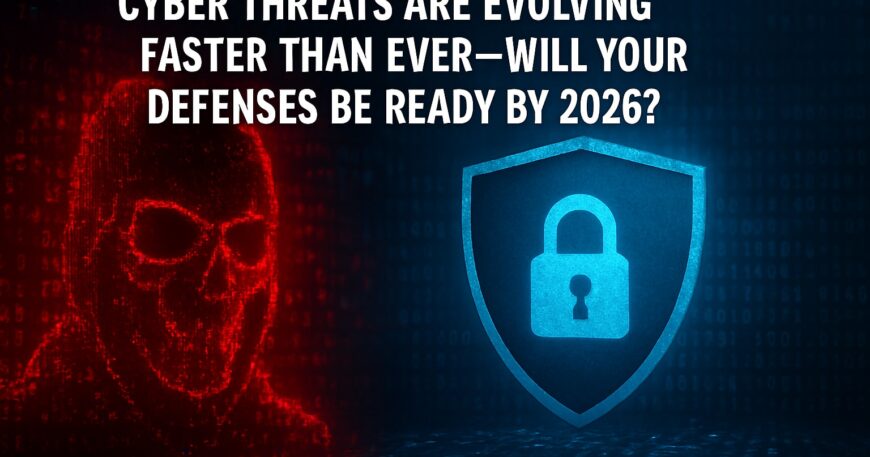
Cyber threats are evolving faster than ever—will your defenses be ready by 2026? As digital risks multiply, understanding cyber threats and protection has never been more critical. This guide equips you with the latest insights to navigate new attack vectors, recognize real-world examples, and avoid costly mistakes. You will discover practical steps for both individuals and businesses, explore essential technologies, and learn best practices designed to keep you secure in a rapidly changing landscape. Stay informed, stay protected, and take action with this comprehensive roadmap for cyber threats and protection.
The Evolving Landscape of Cyber Threats in 2026
The world of cyber threats and protection is transforming rapidly as we approach 2026. Businesses and individuals face new risks that demand constant vigilance and adaptation. Understanding these evolving threats is the first step in building effective defenses.
Major Cyber Threat Trends for 2026
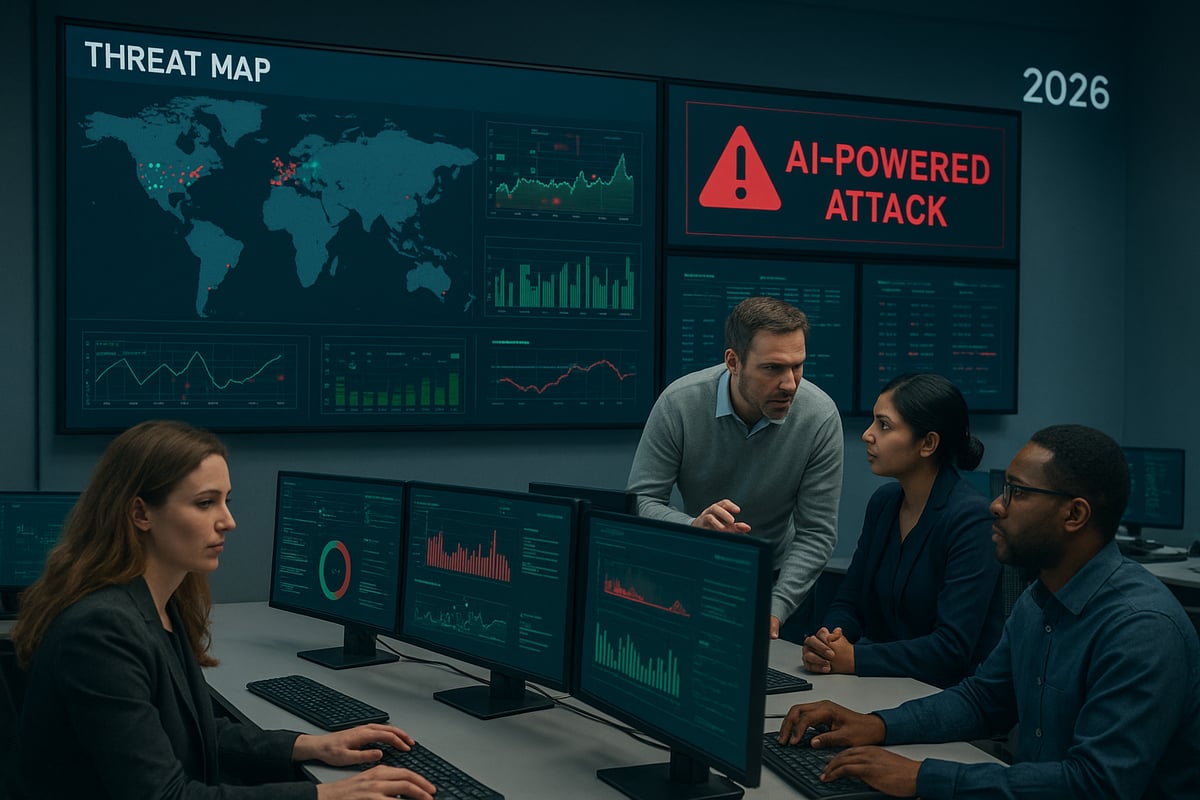
Cyber threats and protection strategies are deeply influenced by the trends shaping the digital landscape. In 2026, AI-powered cyber attacks and automated hacking tools are on the rise. Attackers use sophisticated algorithms to breach defenses faster than ever.
IoT and smart devices are now frequent targets, both at home and in business environments. Ransomware attacks have grown more advanced, with ransom demands climbing higher each year. Deepfake technology fuels new waves of social engineering, enabling more convincing fraud and manipulation.
Supply chain attacks are expanding, threatening critical infrastructure worldwide. According to the Global Cybersecurity Outlook 2026, ransomware incidents surged by 40% in 2025 alone.
A notable example is the high-profile 2025 breach of a major cloud service provider, which exposed sensitive data for millions of users. Staying ahead of these threats requires a proactive approach to cyber threats and protection.
New Attack Vectors and Vulnerabilities
The attack surface is widening with the adoption of 5G networks and edge computing. These technologies offer speed and flexibility but also introduce new vulnerabilities. Cybercriminals exploit zero-day flaws in popular SaaS platforms, targeting businesses that rely on cloud applications.
Quantum computing is beginning to impact encryption, creating risks for traditional security protocols. One alarming case involved the hijacking of IoT devices within the healthcare sector, compromising patient data and disrupting operations.
Organizations must regularly assess their exposure to emerging attack vectors as part of their cyber threats and protection plans. Adapting security measures to these evolving vulnerabilities is essential for resilience.
The Human Factor: Social Engineering and Insider Threats
Despite technological advances, human error remains a leading cause of breaches. Attackers use AI-generated phishing campaigns to craft highly personalized messages, making them harder to detect.
Employee negligence, such as credential reuse or weak passwords, can open doors to intruders. Insider threats, whether intentional or accidental, also pose significant risks. In 2025, a major Canadian bank suffered a breach when staff fell victim to a sophisticated phishing attack.
To bolster cyber threats and protection, organizations must prioritize employee education and foster a culture of security awareness. Regular training and simulated attacks can help reduce the risk of human-related incidents.
Regulatory Changes and Compliance Requirements
New data privacy laws in North America and Europe are reshaping the compliance landscape. Updates to the CCPA and enhanced GDPR regulations require stricter controls over personal data. Penalties for non-compliance are increasing, with mandatory breach reporting now standard in many regions.
Organizations must review and update their policies to ensure compliance, as these changes directly impact cyber threats and protection efforts. Failure to adapt can result in hefty fines and reputational damage.
By staying informed about regulatory shifts and embracing best practices, businesses can reduce risk and demonstrate a strong commitment to cybersecurity.
Step-by-Step Guide to Protecting Yourself and Your Business
A robust approach to cyber threats and protection is essential for anyone navigating the digital world in 2026. This guide breaks down actionable steps to help individuals and organizations build stronger cyber defenses, minimize risks, and ensure operational continuity.

Step 1: Assess Your Cyber Risk Profile
Begin your journey toward effective cyber threats and protection by identifying what needs safeguarding. Inventory all digital assets, including devices, applications, cloud accounts, and sensitive data.
Map out critical business processes and note where digital vulnerabilities might exist. Use established risk assessment frameworks like NIST or CIS for a structured approach.
| Framework | Focus Area | Strengths |
|---|---|---|
| NIST | Comprehensive | Widely recognized, adaptable |
| CIS | Actionable Steps | Prioritizes quick wins |
Regularly update your asset inventory to reflect changes in your environment. This foundational awareness sets the stage for all other protection measures.
Step 2: Implement Strong Access Controls
Controlling who can access your systems is a cornerstone of cyber threats and protection. Start by enforcing multi-factor authentication (MFA) for all accounts, ensuring even compromised credentials are insufficient for attackers.
Apply the principle of least privilege, granting users access only to what they require. Schedule regular audits and updates to permissions, especially as staff roles evolve.
- Enable MFA on all platforms.
- Review and minimize user permissions.
- Deactivate unused accounts promptly.
A disciplined access control strategy greatly reduces the risk of unauthorized intrusions.
Step 3: Secure Networks and Devices
Your networks and devices are prime targets for cyber threats and protection should be prioritized here. Deploy firewalls and intrusion detection/prevention systems to monitor traffic and identify anomalies.
Promptly patch and update all hardware and software to close vulnerabilities. Critical systems should be segmented from public networks to limit exposure.
- Use advanced firewalls and IDS/IPS.
- Schedule regular device updates.
- Segregate essential systems from open networks.
Consider solutions like Advanced Firewall Protection to further fortify your cyber defenses.
Step 4: Data Protection and Backup Strategies
Effective data management is essential for comprehensive cyber threats and protection. Encrypt sensitive data both at rest and during transmission to prevent unauthorized access.
Establish automated, frequent backup routines. Store backups in secure, offsite or cloud locations and test recovery processes regularly to ensure data integrity.
- Encrypt all critical data.
- Automate backups.
- Test disaster recovery plans.
These steps ensure that even if an attack occurs, your essential information remains safe and recoverable.
Step 5: Foster a Security-First Culture
Technology alone cannot guarantee cyber threats and protection; people play a crucial role. Conduct regular cybersecurity awareness training for all team members, emphasizing the latest phishing and social engineering tactics.
Simulate attacks to test readiness and encourage immediate reporting of suspicious activity. Make security a shared responsibility by rewarding proactive behavior.
- Schedule ongoing staff training.
- Run simulated phishing campaigns.
- Create clear reporting channels.
A vigilant, well-informed workforce is your first line of defense.
Step 6: Prepare Incident Response and Recovery Plans
Preparation is vital for managing cyber threats and protection incidents. Develop documented response procedures that outline every step to take during a breach.
Assign roles and responsibilities to ensure swift, coordinated action. Regularly review and update your plans in response to evolving threats and organizational changes.
- Create detailed incident response guides.
- Assign clear roles to team members.
- Update plans after every test or incident.
Preparedness minimizes downtime and limits damage when an attack occurs.
Step 7: Leverage Managed IT Services for Enhanced Security
For many, partnering with experts is the key to robust cyber threats and protection. Managed IT service providers offer advanced threat monitoring, rapid response, and ongoing system optimization.
Small businesses benefit from specialized expertise without the overhead of full-time staff. Providers handle proactive risk management, compliance, and security updates.
Consider exploring Managed IT Security Services to access tailored cybersecurity support that scales with your needs.
By following these seven steps, you build a resilient defense against the evolving threat landscape of 2026.
Essential Cybersecurity Technologies and Tools for 2026
Staying ahead of cyber threats and protection challenges in 2026 requires a robust technology stack. As attackers develop new strategies, organizations must adopt the latest solutions to maintain strong defenses. This section explores the most critical cybersecurity technologies and tools that can safeguard your digital assets now and in the future.
Next-Generation Endpoint Protection
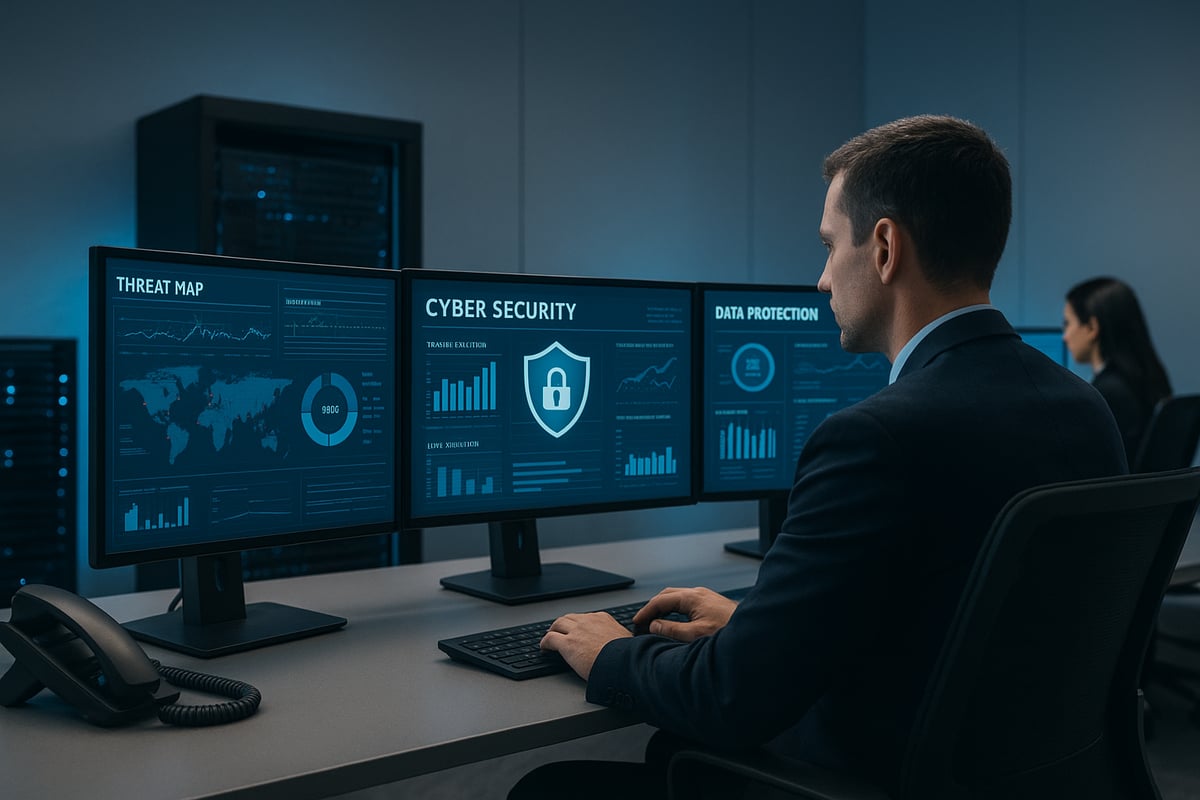
Endpoint protection remains foundational for cyber threats and protection. In 2026, legacy antivirus is no longer sufficient. AI-driven solutions now analyze behaviors in real time, detecting unknown threats and blocking sophisticated malware before it spreads.
Security teams rely on machine learning to identify anomalies that traditional tools miss. For example, in 2025, a major incident occurred when legacy antivirus failed to recognize AI-generated malware, resulting in a significant breach. Next-generation platforms adapt quickly, providing a proactive shield for every device.
Key features include:
- AI-powered threat detection
- Automated response to suspicious activities
- Centralized management for all endpoints
Advanced Threat Detection and Response
As cyber threats and protection requirements evolve, organizations need tools that monitor, analyze, and respond to incidents in real time. Security Information and Event Management (SIEM) platforms are essential for aggregating logs and providing actionable insights.
Automated incident response tools can isolate compromised systems instantly, reducing the impact of attacks. Integration with threat intelligence feeds ensures defenses stay updated against emerging risks.
Key elements:
- Real-time analytics for threat detection
- Automated workflows for rapid containment
- Continuous integration with external intelligence sources
Secure Cloud and Hybrid Environments
The shift to cloud has expanded the surface area for cyber threats and protection. In 2026, cloud-native security controls such as Cloud Security Posture Management (CSPM) and Cloud Workload Protection Platforms (CWPP) are vital.
Encryption and strict access management for SaaS applications prevent unauthorized access and data leaks. A recent example involved a misconfigured cloud storage bucket exposing sensitive records; tools that automatically detect and remediate misconfigurations are indispensable.
For businesses seeking comprehensive solutions, Cloud Security Services offer specialized tools to secure hybrid environments and manage compliance.
Network Security Enhancements
Network security is central to effective cyber threats and protection strategies. Zero Trust Network Architecture (ZTNA) has become the gold standard, eliminating implicit trust within internal networks.
Micro-segmentation divides networks into isolated segments, limiting lateral movement by attackers. Organizations are also shifting from traditional VPNs to modern alternatives like Software Defined Perimeter (SDP) and Secure Access Service Edge (SASE) for stronger remote access security.
Benefits include:
- Reduced attack surface
- Improved visibility and control
- Adaptive security for remote and on-premises users
Identity and Access Management Innovations
Managing identities and permissions is critical for cyber threats and protection. By 2026, passwordless authentication is widely adopted, using biometrics and behavioral signals for continuous verification.
Privileged access management ensures that only authorized users reach sensitive systems, minimizing insider risks. These advancements significantly reduce the likelihood of unauthorized access and credential-based attacks.
Key innovations:
- Biometric and behavioral authentication
- Automated provisioning and deprovisioning
- Granular control over user privileges
Data Loss Prevention and Backup Solutions
Protecting data against loss and theft is a core part of cyber threats and protection. Automated Data Loss Prevention (DLP) tools now monitor data flows, blocking unauthorized transfers in real time.
Immutable backups provide resilience against ransomware, ensuring that recovery is possible even if files are encrypted by attackers. In a notable 2025 case, a professional services firm avoided major losses thanks to DLP systems that stopped an accidental data leak.
Best practices:
- Encrypt data at rest and in transit
- Schedule frequent, automated backups
- Regularly test backup integrity and disaster recovery plans
By integrating these technologies, organizations can build a resilient defense against the ever-evolving landscape of cyber threats and protection.
Best Practices for Continuous Cyber Protection
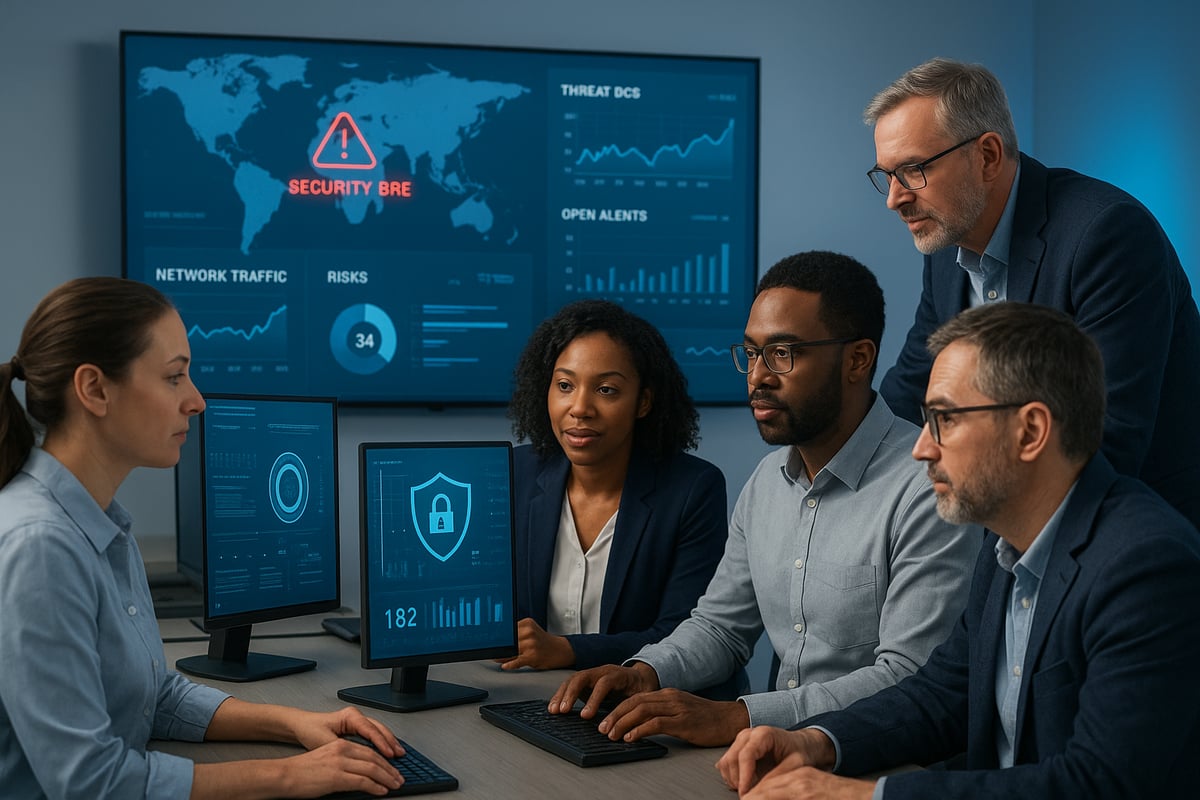
Continuous improvement is essential for staying secure in a rapidly changing digital landscape. As cyber threats and protection challenges evolve, adopting a proactive approach ensures your defenses remain resilient year-round. Let us explore the best practices that will help you maintain strong security in 2026 and beyond.
Staying Ahead of Emerging Threats
The cyber landscape is constantly shifting, so organizations must remain vigilant. Regularly updating your threat intelligence sources and security tools is crucial for effective cyber threats and protection strategies. Subscribe to reputable threat feeds, monitor global trends, and analyze recent attack patterns.
Participating in industry-specific information sharing forums can provide early warnings about emerging tactics. For in-depth insights, review Top Cybersecurity Trends for 2026 to anticipate what lies ahead and adjust your defenses accordingly.
Security Awareness and Training Programs
Human error remains a leading cause of breaches. Regular training empowers staff to recognize and respond to cyber threats and protection scenarios. Gamified learning modules keep employees engaged and reinforce key lessons.
Quarterly refreshers covering phishing, social engineering, and safe browsing help maintain a security-first mindset. Simulated attacks can highlight weaknesses and measure readiness, making awareness an ongoing part of your defense.
Routine Security Audits and Penetration Testing
Frequent security audits and penetration testing are vital components of robust cyber threats and protection protocols. Third-party assessments can uncover hidden vulnerabilities and ensure compliance with regulations.
Conduct simulated attacks to test your real-world defenses and identify gaps before attackers do. For a comprehensive overview of available solutions, consult the IT Security Solutions Portfolio to tailor your audit approach to your unique environment.
Vendor and Supply Chain Risk Management
Your organization’s risk extends to every partner in your supply chain. Before onboarding, assess each vendor’s cyber threats and protection posture. Require clear security standards and documentation.
Continuous monitoring of vendors helps detect changes in risk profiles. Maintain an up-to-date inventory of all third-party connections to ensure no weak links compromise your operations.
Secure Remote and Hybrid Work Practices
Remote and hybrid work environments introduce new vulnerabilities. Enforce strict remote access policies to support cyber threats and protection initiatives. Implement encrypted communications and strong authentication for all remote staff.
Device management tools should monitor compliance and automatically apply security updates. Educate employees on safe practices when working outside the office.
Policy Development and Enforcement
Well-crafted policies set the foundation for consistent cyber threats and protection efforts across your organization. Clearly outline acceptable use, data handling, and incident reporting procedures.
Regularly review and update policies to account for evolving threats and regulatory changes. Enforce compliance through audits and disciplinary measures when necessary.
Metrics and KPIs for Measuring Security Posture
Measuring your progress is key to continuous improvement. Track the following metrics to evaluate your cyber threats and protection effectiveness:
| Metric | What It Measures | Why It Matters |
|---|---|---|
| Incident response times | Speed of containment and recovery | Limits damage from breaches |
| Number of blocked threats | Effectiveness of security controls | Shows proactive defense success |
| User training completion | Staff engagement in security | Reduces risk from human error |
Use this data to guide your security investments and demonstrate ROI to stakeholders.
The Future of Cybersecurity: What to Expect Beyond 2026
The landscape of cyber threats and protection is rapidly evolving, bringing both unprecedented challenges and opportunities. As we move beyond 2026, organizations and individuals must anticipate what lies ahead and adapt their strategies accordingly. Understanding these future trends is critical to staying ahead of adversaries and ensuring robust cyber threats and protection in a constantly shifting digital world.
Anticipated Technological Advances
Quantum computing is poised to disrupt traditional encryption, potentially rendering many current security protocols obsolete. Organizations must prepare for this shift by exploring quantum-resistant algorithms and updating their infrastructure. AI will become even more integral, serving both as a tool for cybercriminals and as a defensive asset for security teams. The emergence of deepfake technology and autonomous malware will further complicate the landscape.
For a deeper analysis of these trends and their impact on cyber threats and protection, see the Cybersecurity Trends in 2026: Shadow AI, Quantum & Deepfakes video. Keeping pace with innovation will be essential for maintaining a strong security posture.
Evolving Regulatory and Legal Landscape
As cyber threats and protection concerns grow, global regulations will adapt accordingly. Data privacy laws in North America and Europe will likely become stricter, with increased penalties for breaches and non-compliance. Expect mandatory cybersecurity certifications for critical sectors and more rigorous cross-border data transfer requirements.
Businesses must stay informed about these evolving obligations and proactively adjust their policies to remain compliant. Regular reviews of regulatory updates and legal frameworks will be crucial in mitigating risk and avoiding costly penalties.
The Role of Automation and Machine Learning
Automation and machine learning are revolutionizing cyber threats and protection by enabling faster detection, response, and mitigation of attacks. Autonomous security operations centers (SOCs) will become more common, leveraging AI-driven threat hunting and real-time remediation. These advancements help organizations keep pace with attackers who also utilize sophisticated AI tools.
To explore the latest research in this area, review the AI-Driven Cybersecurity Threats Survey, which highlights both emerging risks and cutting-edge defensive strategies. Harnessing automation will be vital for organizations seeking to maintain resilience in the face of evolving threats.
Societal and Economic Impacts of Cyber Threats
The cost of cybercrime is projected to exceed $10 trillion by 2026, placing immense pressure on businesses, governments, and individuals. As attackers target critical infrastructure, financial systems, and personal data, the ripple effects can disrupt entire economies. The insurance industry is also adapting, introducing more comprehensive cyber policies and raising premiums in response to increased claims.
Understanding these broader impacts is essential for effective cyber threats and protection planning. Organizations must factor in both direct and indirect costs when building their security strategies.
Building Resilience: Proactive Steps for Individuals and Organizations
Building cyber resilience goes beyond technology. Continuous learning, regular training, and fostering a culture of security awareness at every level are essential. Organizations should implement robust incident response plans, conduct frequent simulations, and encourage knowledge sharing across teams.
Individuals can contribute by staying informed about the latest threats, using strong authentication, and reporting suspicious activities promptly. Together, these actions strengthen cyber threats and protection efforts across the board.
Real-World Examples and Case Studies
Major cyber incidents in 2025 and 2026 have demonstrated the necessity of proactive defense. For example, attacks exploiting quantum vulnerabilities forced several financial institutions to overhaul their encryption methods. In another case, an AI-powered phishing campaign targeted healthcare providers, exposing gaps in traditional training.
These examples underscore the importance of adapting cyber threats and protection strategies to address new risks. Learning from past incidents enables organizations to refine defenses and build greater resilience for the future.
Now that you understand the fast changing cyber threat landscape and the steps you can take to safeguard your business in 2026, it’s clear that proactive protection is essential. With new risks emerging daily and evolving regulations, you don’t have to navigate this alone. At Delphi Systems Inc., we help small businesses in Lethbridge stay secure by managing IT networks, monitoring for threats, and providing reliable support so you can focus on what matters most. If you’re ready to strengthen your defenses and gain peace of mind, Call us now to see how we can help.

