In 2026, digital threats are rising at an unprecedented rate, with global cyberattacks and data breaches making daily headlines. Organizations and individuals now face a rapidly changing landscape where sensitive data is a prime target.
Yet, many still confuse the terms cyber and information security, leading to gaps in protection and compliance. This confusion can expose businesses and personal data to unnecessary risks.
Understanding the real differences between these two fields is vital for building an effective defense. Knowing what sets them apart enables better strategies, smarter investments, and stronger compliance.
Ready to gain clarity and practical guidance? Read on to discover the evolving world of cyber and information security, and how you can protect what matters most.
Defining Cyber Security and Information Security in 2026
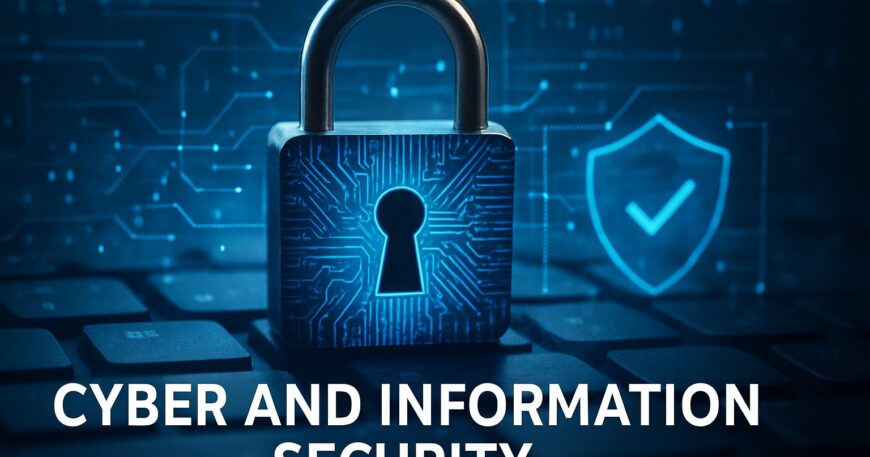
As we navigate 2026, the lines between cyber and information security continue to blur, yet their distinctions are more critical than ever. Understanding what sets these disciplines apart lays the groundwork for any effective security strategy.
What is Cyber Security?
Cyber security is the practice of safeguarding systems, networks, and programs from digital threats. In 2026, this field primarily targets online dangers such as malware, hacking, phishing, and ransomware. The rapid expansion of internet-connected devices, cloud infrastructure, and remote endpoints has widened the scope of cyber and information security.
Key areas of focus for cyber security include:
- Protecting internet-connected systems and IoT devices
- Securing cloud environments and remote work endpoints
- Monitoring for digital threats and responding to incidents
Organizations rely on technologies like firewalls, antivirus software, intrusion detection and prevention systems, and endpoint security solutions. For example, the surge in ransomware attacks in 2025 targeted cloud-based business operations, disrupting workflows and causing significant financial losses.
Success in cyber and information security demands a strong skill set, including:
- Networking and programming expertise
- Threat intelligence and incident response capabilities
Recent industry reports show a 38% increase in cyberattacks on cloud environments in 2025. This underscores the urgency for robust cyber and information security measures at every organizational level.
What is Information Security?
Information security casts a wider net, focused on protecting all forms of information—digital or physical—from unauthorized access, use, disclosure, disruption, modification, or destruction. The core principle of information security is the CIA Triad: confidentiality, integrity, and availability of data.
The scope of information security covers:
- Paper files and printed documents
- Verbal communications and intellectual property
- Digital records and databases
Key practices in information security include:
- Encryption for data in transit and at rest
- Access control, both digital and physical
- Physical security measures like secure storage and shredding
- Data classification based on sensitivity
For instance, protecting trade secrets requires safeguarding both digital files and printed documents. Professionals working in cyber and information security must excel in risk management, compliance, policy development, and technical controls.
A 2025 survey revealed that 70% of organizations experienced insider threats involving both digital and physical data. This statistic highlights the necessity for a holistic cyber and information security approach addressing all information assets.
Core Differences in Scope and Approach
While cyber security and information security are closely related, key differences define their scope and methods. Cyber security is a specialized subset focused on the protection of cyberspace—primarily digital assets and online threats. In contrast, information security is the broader umbrella, encompassing all information assets, whether digital, physical, or verbal.
Consider these examples:
- Cyber security: Responding to a network breach impacting cloud backups
- Information security: Preventing theft of confidential printed files
A quote from the SANS Institute aptly states, "Information security is broader, while cyber security is more specialized." Recognizing these distinctions is essential for building a comprehensive defense. For more on this topic, see this clear distinction between cybersecurity and information security.
Understanding the boundaries and overlaps of cyber and information security ensures organizations can develop targeted strategies that address the full spectrum of modern threats.
The CIA Triad: Foundation of Both Disciplines
Understanding the CIA Triad is essential for grasping the core of cyber and information security today. This foundational model guides every security strategy, ensuring that all forms of data remain protected against modern threats.

Confidentiality, Integrity, and Availability Explained
The CIA Triad stands at the heart of cyber and information security. Each pillar addresses a unique aspect of data protection:
| Element | Description | Example |
|---|---|---|
| Confidentiality | Only authorized users can access sensitive information. | Using encryption for patient medical records |
| Integrity | Data stays accurate and unaltered without permission. | Implementing digital signatures on files |
| Availability | Information remains accessible when needed. | Backing up servers to prevent downtime |
Confidentiality ensures information is not disclosed to unauthorized individuals. Methods like access controls and strong authentication help maintain this pillar.
Integrity protects data from being tampered with or corrupted. Organizations rely on checksums and version control to spot and prevent unauthorized changes.
Availability guarantees that information and systems are ready whenever required. Techniques such as redundancy and regular backups keep operations running, even if incidents occur.
In 2026, the CIA Triad remains a universal language for cyber and information security professionals, guiding both strategy and daily operations.
How Cyber Security Applies the CIA Triad
Cyber security puts the CIA Triad into action within digital environments. The primary focus is on safeguarding networked systems, online transactions, and cloud-based resources.
Confidentiality is enforced with encryption for data in transit and at rest. Multi-factor authentication adds another layer, confirming that only legitimate users gain access.
Integrity is maintained through hashing algorithms and digital signatures, which verify that files and transactions have not been altered during transfer or storage.
Availability is protected by deploying DDoS mitigation tools and ensuring system redundancy. This approach keeps services online, even during cyberattacks targeting critical infrastructure.
For example, online banking platforms depend on all three pillars. Cyber security teams use advanced monitoring and rapid incident response to keep customer data private, reliable, and accessible at all times.
The application of the CIA Triad in cyber and information security is constantly evolving, as new threats demand innovative defenses.
How Information Security Applies the CIA Triad
Information security takes the CIA Triad further, protecting not only digital assets but also physical documents and verbal communication. This holistic approach covers all information formats.
Confidentiality is achieved through strict access controls, both in IT systems and physical storage areas. Data classification policies help determine who can view or handle sensitive materials.
Integrity involves secure handling procedures, such as detailed audit trails and regular checks of both electronic records and paper files.
Availability is assured by storing backups offsite and having contingency plans for both digital and physical disruptions.
Compliance with regulations like GDPR and HIPAA underscores the importance of the CIA Triad for cyber and information security. Organizations must demonstrate robust controls for all types of data, not just those stored on computers.
A comprehensive approach, often supported by IT Security Services Overview, enables businesses to address emerging risks and regulatory requirements. This ensures their information assets remain secure, resilient, and compliant across every environment.
Key Differences: Cyber Security vs. Information Security
As organizations navigate an increasingly complex threat environment in 2026, understanding the key differences between cyber and information security has never been more important. These two disciplines share the common goal of protecting valuable assets, but their focus areas, tools, and approaches often diverge in critical ways.

Threat Landscape and Attack Vectors
The threat landscape for cyber and information security continues to evolve rapidly. Cyber security professionals primarily combat digital threats such as malware, phishing, zero-day exploits, distributed denial-of-service attacks, and advanced persistent threats. These attacks often target internet-connected systems, including cloud services and remote endpoints.
In contrast, information security encompasses a broader range of threats. It addresses not only digital risks but also physical theft, corporate espionage, social engineering tactics, and insider threats. For example, a phishing email is a cyber security concern, while a disgruntled employee stealing printed reports falls under information security. In 2025, 45% of reported breaches involved social engineering, demonstrating how intertwined these risks can be for cyber and information security strategies.
Assets and Data Types Protected
A fundamental difference between cyber and information security lies in the types of assets each discipline protects. Cyber security is focused on digital assets, such as databases, applications, and network traffic. These assets reside in cloud environments, on-premises servers, and endpoint devices.
Information security, however, covers a broader spectrum. It protects all forms of information, including digital records, paper files, verbal communications, and intellectual property. This means safeguarding both cloud backups and confidential meeting notes. The table below summarizes the asset types covered by each area:
| Asset Type | Cyber Security | Information Security |
|---|---|---|
| Digital Databases | ✔️ | ✔️ |
| Paper Documents | ✔️ | |
| Verbal Info | ✔️ | |
| Cloud Backups | ✔️ | ✔️ |
| Intellectual Prop. | ✔️ |
This broad coverage is why organizations must take a holistic approach to cyber and information security.
Tools, Technologies, and Controls
The tools and technologies used in cyber and information security reflect their different scopes. Cyber security relies on firewalls, intrusion detection and prevention systems, endpoint detection and response, security information and event management (SIEM), and virtual private networks. These solutions are designed to protect digital environments from external threats.
Information security, on the other hand, employs a mix of technical, administrative, and physical controls. Encryption, access control, data classification, physical locks, and document shredders are common. Some tools, like encryption and access controls, overlap in both domains. For example, biometric access may secure a server room, while network segmentation protects digital data.
For the latest best practices and emerging tools in both fields, organizations can stay informed through resources like the Latest Cybersecurity Insights Blog.
Regulatory and Compliance Considerations
Compliance is a major driver in both cyber and information security, but the focus areas differ. Information security is shaped by regulations such as GDPR, HIPAA, and SOX, which govern all forms of data, whether digital or physical. Cyber security compliance is centered on digital protections, following standards like PCI DSS and NIST frameworks.
For example, GDPR imposes fines for the loss of personal data, regardless of whether it is in electronic or paper form. This regulatory overlap means that organizations must address both cyber and information security requirements to avoid legal and financial penalties. A comprehensive compliance strategy is essential for effective risk management in 2026.
Professional Roles and Required Skills
The rise of cyber and information security has led to the emergence of distinct professional roles. In cyber security, common positions include analysts, penetration testers, security operations center (SOC) engineers, and threat hunters. These roles require technical skills in networking, programming, and incident response.
Information security roles span a wider range, from Chief Information Security Officers (CISOs) to compliance officers, risk managers, and security architects. These professionals must blend technical knowledge with policy development and regulatory expertise. Notably, 60% of job listings in 2025 required cross-disciplinary skills, reflecting the convergence of cyber and information security functions.
Evolving Organizational Structures
Organizational structures are adapting to the complexities of cyber and information security. There is a growing trend toward integrated security teams that blend expertise from both domains. Security Operations Centers (SOCs) now manage not only digital incidents but also policy enforcement and compliance across all information assets.
By fostering collaboration between cyber and information security professionals, organizations can respond more effectively to incidents that span both the digital and physical realms. This integrated approach is crucial for building resilient security programs that can adapt to emerging threats.
Overlap and Collaboration: Where the Lines Blur
Understanding where cyber and information security intersect is essential for building resilient organizations. In 2026, the boundaries between these two domains have become more fluid than ever, requiring a unified approach to protect valuable assets. Let us explore how these fields collaborate, overlap, and strengthen each other in practice.

Shared Goals and Strategies
Both cyber and information security share the fundamental goal of protecting data and ensuring business continuity. This unified mission drives organizations to adopt layered security strategies that blend technical, physical, and administrative controls.
For example, a coordinated approach might involve securing digital records with encryption while also locking away sensitive paper documents. Teams work together to identify risks across all information formats, ensuring nothing slips through the cracks.
A robust defense-in-depth strategy requires collaboration, regular communication, and shared incident response plans. By aligning objectives, organizations can better anticipate threats and respond effectively when incidents occur. This holistic mindset is the foundation of successful cyber and information security programs.
Governance, Policy, and Compliance Alignment
Effective governance in cyber and information security relies on unified policies and frameworks that address both digital and physical assets. Organizations often implement comprehensive security awareness training for all employees, covering topics from phishing prevention to safe document handling.
Compliance audits now assess both network security and physical safeguards, ensuring organizations meet regulatory requirements across all data types. Unified governance helps eliminate gaps that attackers might exploit and fosters a culture of shared responsibility.
For instance, when an organization updates its access control policy, it should apply to both IT systems and physical entry points. This alignment ensures that cyber and information security policies reinforce each other, reducing confusion and streamlining compliance efforts.
Incident Response and Crisis Management
Incident response is a critical area where the lines between cyber and information security blur. Joint response teams are now standard practice, bringing together IT, legal, and compliance professionals to address breaches from any entry point.
Consider a scenario where a cyberattack exposes sensitive data stored both digitally and in printed form. The response requires coordination across departments, with clear communication channels and shared playbooks.
Post-incident reviews are essential for continual improvement. By learning from each event, organizations can refine their cyber and information security strategies, close vulnerabilities, and prepare for future crises more effectively.
Emerging Technologies and Shared Challenges
The rapid adoption of cloud, artificial intelligence, and hybrid infrastructure has introduced new challenges for both cyber and information security. These technologies often blur traditional boundaries, requiring joint protection strategies for data stored across multiple environments.
For example, securing information in a hybrid environment demands expertise in both physical safeguards and advanced digital controls. Many organizations turn to specialized Cloud Security Solutions to address these evolving risks and ensure comprehensive protection.
According to industry surveys, 80 percent of organizations now use hybrid security strategies, reflecting the growing need for close collaboration. By staying agile and embracing new technologies together, cyber and information security teams can better defend against emerging threats.
Modern Risk Management: Choosing the Right Approach
Effective risk management in 2026 demands a clear understanding of how cyber and information security intersect with your organization's unique threats, assets, and business goals. By assessing needs, building comprehensive programs, and adapting to future risks, leaders can ensure long-term protection and resilience.
Assessing Organizational Needs and Threats
Every organization must start its risk management journey by identifying what needs protection. This means mapping out all assets, from digital infrastructure to physical records, and understanding how cyber and information security risks could impact operations.
Risk assessments should cover both external and internal threats. For example, a financial firm may face advanced persistent threats targeting its online platforms, while also dealing with insider risks involving confidential client files.
A simple table can summarize this process:
| Asset Type | Threat Example | Impact Level |
|---|---|---|
| Cloud databases | Malware, ransomware | High |
| Paper records | Physical theft | Medium |
| Intellectual property | Espionage, leaks | High |
Regularly reviewing these factors ensures your cyber and information security strategy remains relevant as threats evolve.
Building a Holistic Security Program
A robust security program integrates both cyber and information security into every layer of the organization. This means aligning technology, policies, and people to address risks across digital and physical domains.
Key components include:
- Multi-factor authentication and encryption for digital assets
- Secure storage and access logs for physical documents
- Cross-department collaboration between IT, HR, and compliance teams
Leaders often consult external experts to build a tailored approach. For a closer look at how services can support these efforts, see Comprehensive IT Services. A holistic program ensures that gaps between cyber and information security are bridged, creating a unified defense.
Balancing Technology and Human Factors
Technology alone cannot guarantee strong cyber and information security. Human error remains a leading cause of breaches, whether through weak passwords, misconfigured systems, or accidental data leaks.
Building a culture of security awareness is essential. Regular training, simulated phishing exercises, and clear reporting channels help employees recognize and respond to threats.
Consider these best practices:
- Conduct ongoing security awareness training
- Establish clear policies for device and data use
- Encourage prompt reporting of suspicious activities
By addressing both technological and human elements, organizations can strengthen their overall risk management posture.
Future-Proofing Security Strategies for 2026 and Beyond
The threat landscape is shifting rapidly, requiring organizations to future-proof their cyber and information security approaches. Adapting involves continuous improvement: regularly updating policies, investing in new technologies, and reviewing incident response plans.
Emerging risks like AI-driven attacks, quantum computing threats, and increased remote work demand flexible, scalable solutions. According to industry projections, 72% of CISOs plan to boost budgets for integrated security strategies.
By staying proactive and investing in skill development, organizations can ensure their cyber and information security measures remain effective, resilient, and ready for whatever comes next.
Trends and Predictions: The Evolving Landscape of Security in 2026
The world of cyber and information security is undergoing rapid transformation as new technologies, threats, and regulations emerge. Organizations must anticipate these shifts to remain resilient in 2026. Understanding how these trends shape both fields will be essential for anyone invested in robust protection strategies.
The Rise of AI and Automation in Security
Artificial intelligence is redefining the landscape of cyber and information security. AI-driven attacks are becoming more sophisticated, automating everything from phishing campaigns to vulnerability scanning. On the defense side, organizations deploy AI-powered systems for real-time threat detection and rapid incident response.
Security operations centers now leverage machine learning to analyze vast datasets, quickly identifying anomalies and reducing response times. This dual use of AI, both as a weapon and a shield, is forcing teams to adapt their strategies. According to Top Cybersecurity Trends for 2026, automated defenses are expected to outpace manual methods in efficiency, but human oversight remains critical.
Cloud, Hybrid, and Remote Work Security Challenges
The shift to cloud and hybrid environments is expanding the attack surface for cyber and information security professionals. With more data stored remotely and accessed from various endpoints, misconfigurations and unauthorized access incidents are on the rise.
Remote work adds layers of complexity. Employees now use personal devices and home networks, making endpoint security and authentication essential. Organizations are deploying zero-trust models, multi-factor authentication, and continuous monitoring to address these risks. Cloud misconfigurations, which increased by 30 percent in 2025, show how important it is to integrate cloud security practices into broader strategies.
Regulatory Changes and Global Compliance
The regulatory landscape for cyber and information security is evolving rapidly. New data privacy laws, such as the US Federal Data Protection Act coming into effect in 2026, are joining the ranks of global frameworks like GDPR. Industry-specific rules in healthcare, finance, and infrastructure are being updated to address emerging threats.
Compliance is no longer optional. Fines for violations are increasing, and audits are more rigorous. According to the Global Cybersecurity Outlook 2026, organizations must align their digital and physical security controls to meet new requirements. Staying ahead means developing adaptable policies that address both current and future regulations.
The Growing Importance of Insider Threat Management
Insider threats remain a top concern for cyber and information security teams in 2026. Employees, contractors, and third-party vendors can inadvertently or deliberately compromise sensitive assets. Recent data shows that 40 percent of breaches in 2025 were linked to insider actions.
To counter this, organizations are investing in behavior analytics, access controls, and ongoing employee monitoring. Security awareness training is also crucial, as social engineering tactics evolve. By focusing on both prevention and detection, security programs can reduce the impact of insider threats and maintain trust.
Skills Gaps and Workforce Evolution
The rapid evolution of cyber and information security has created a significant skills gap. The demand for professionals with expertise in AI, cloud security, compliance, and risk management is outpacing supply. Projections estimate 3.5 million unfilled cybersecurity jobs globally by 2026.
Organizations are responding by investing in upskilling, certifications, and cross-disciplinary training. Popular credentials include CISSP, CISM, and CEH. Building diverse teams with a mix of technical and policy skills is now essential for addressing complex security challenges and protecting all forms of information.
Strategic Integration: Security as a Business Enabler
Cyber and information security are no longer viewed as isolated IT concerns. Instead, they are recognized as critical business enablers. Mature security programs protect reputation, support innovation, and ensure organizational resilience.
CISOs are increasingly reporting directly to CEOs, highlighting the importance of security at the highest levels. Companies with integrated security strategies recover from breaches twice as fast as those with siloed approaches. In 2026, aligning security with business objectives will be key to sustaining growth and competitiveness in a dynamic threat landscape.
Case Studies: Real-World Applications and Lessons Learned
In 2026, organizations across sectors face evolving cyber and information security threats. These real-world case studies highlight how different industries apply best practices, adapt to challenges, and extract lessons to strengthen their defenses.
Case Study 1: Financial Sector – Integrated Security Response
A leading bank experienced a simultaneous cyberattack and insider data theft. The cyber threat involved ransomware targeting cloud systems, while a staff member attempted to exfiltrate sensitive printed reports. The response required seamless coordination between cyber and information security teams, combining digital forensics with physical access reviews.
Key lessons included the need for unified incident response plans and regular joint exercises. By leveraging insights from the Global Cybersecurity Outlook 2026, the organization improved its risk management and compliance posture. This case underlines the necessity to view cyber and information security as interconnected disciplines.
Case Study 2: Healthcare – Protecting Patient Data Across Formats
A hospital faced a ransomware attack that locked digital medical records, while printed patient files were stolen during the chaos. The incident exposed gaps in both digital and physical safeguards. Cyber and information security protocols were evaluated together, revealing the importance of layered controls.
Remediation steps included stronger encryption, restricted physical access, and ongoing employee training. Integrating cyber and information security strategies helped the hospital address HIPAA compliance and build resilience. This scenario demonstrates how threats often span both data formats, requiring holistic protection.
Case Study 3: Manufacturing – Intellectual Property Protection
A global manufacturer discovered espionage targeting trade secrets stored in both networked drives and paper archives. Attackers used phishing to breach IT systems and social engineering to gain unauthorized facility access. The company’s cyber and information security teams collaborated to detect, contain, and investigate the threats.
Layered controls, such as employee monitoring, secure storage, and rapid response protocols, proved vital. The incident reinforced the need for cross-functional expertise in cyber and information security. Early detection and a comprehensive approach prevented significant intellectual property losses.
Case Study 4: Small Business – Adopting Holistic Security on a Budget
A small business encountered a phishing campaign that compromised email accounts, followed by unauthorized access to client files stored in both cloud and printed formats. Limited resources required practical, integrated solutions. The company adopted affordable measures, including multi-factor authentication, regular staff training, and improved physical file controls.
By treating cyber and information security as a unified priority, the business maintained continuity and protected its reputation. This example shows that even smaller organizations can effectively manage risk with the right mindset and practices.
As we’ve explored, understanding the differences between cyber and information security is key to protecting your business in 2026. You don’t have to navigate these challenges alone—Delphi Systems Inc. specializes in helping small businesses in Lethbridge keep their IT systems safe, resilient, and running smoothly. If you’re ready to take the next step and want expert guidance on securing both your digital and physical information, we’re here to help you build a solid, worry free strategy. Let’s talk about how you can strengthen your business’s defenses—Call us now.

