Small businesses face unprecedented threats to their digital assets in 2026. As cyber criminals develop increasingly sophisticated attack methods, protecting sensitive information has become a critical priority for organizations of all sizes. Cyber data security represents the comprehensive approach businesses must take to safeguard their digital infrastructure, customer information, and proprietary data from unauthorized access, theft, and damage. For small businesses in particular, implementing robust security measures is no longer optional but essential for survival in an increasingly digital marketplace.
Understanding the Current Threat Landscape
The cyber threat environment has evolved dramatically over the past few years. Ransomware attacks have become more targeted, with criminals specifically focusing on small and medium-sized businesses that often lack enterprise-level security resources.
Common Attack Vectors in 2026
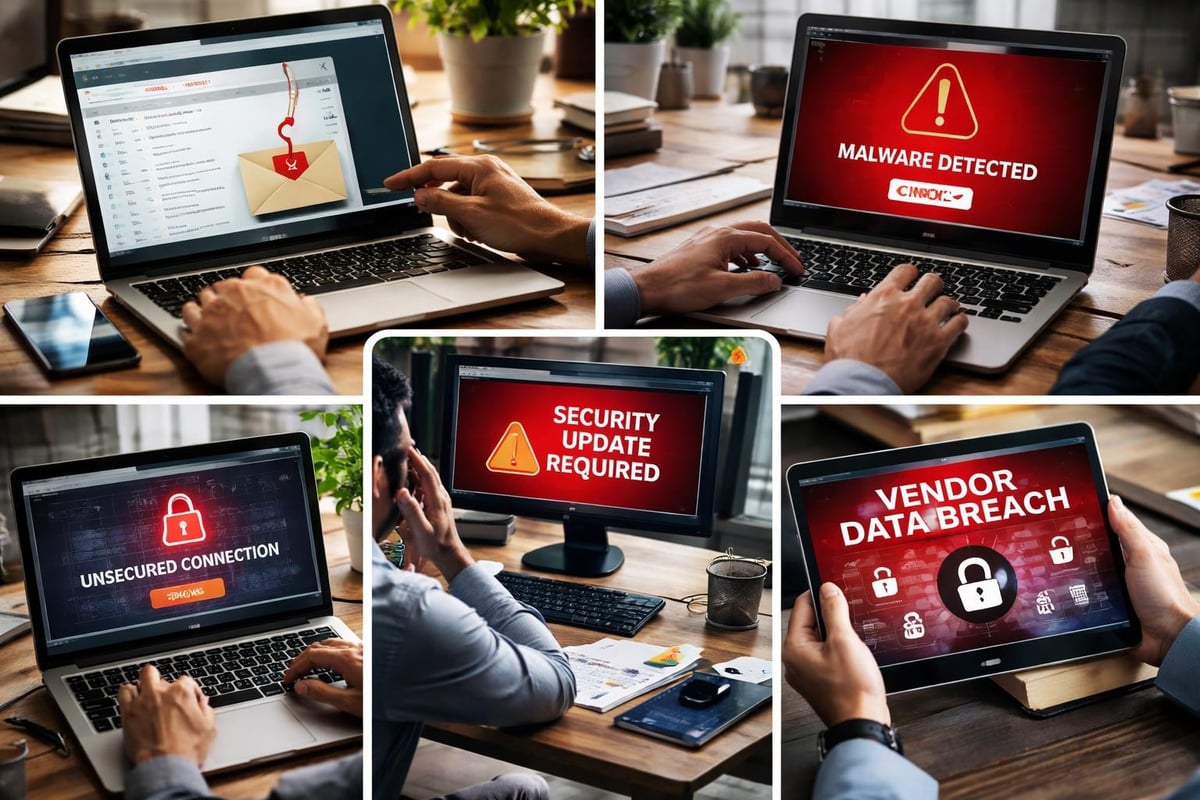
Today's cyber criminals exploit multiple entry points to compromise business networks. Understanding these vulnerabilities helps organizations build more effective defenses:
- Phishing and social engineering attacks that trick employees into revealing credentials
- Malware and ransomware designed to encrypt data and demand payment
- Unsecured remote access points created by hybrid work environments
- Third-party vendor vulnerabilities that provide backdoor access to networks
- Unpatched software containing known security flaws
The financial impact of these attacks extends far beyond immediate ransom payments. Businesses face operational downtime, customer trust erosion, regulatory penalties, and legal expenses that can threaten their very existence.
| Attack Type | Average Cost | Recovery Time | Prevention Difficulty |
|---|---|---|---|
| Ransomware | $150,000-$500,000 | 2-4 weeks | Moderate |
| Data Breach | $200,000-$800,000 | 4-8 weeks | High |
| Phishing Attack | $50,000-$150,000 | 1-2 weeks | Low |
| Insider Threat | $100,000-$400,000 | 3-6 weeks | High |
Building a Comprehensive Security Framework
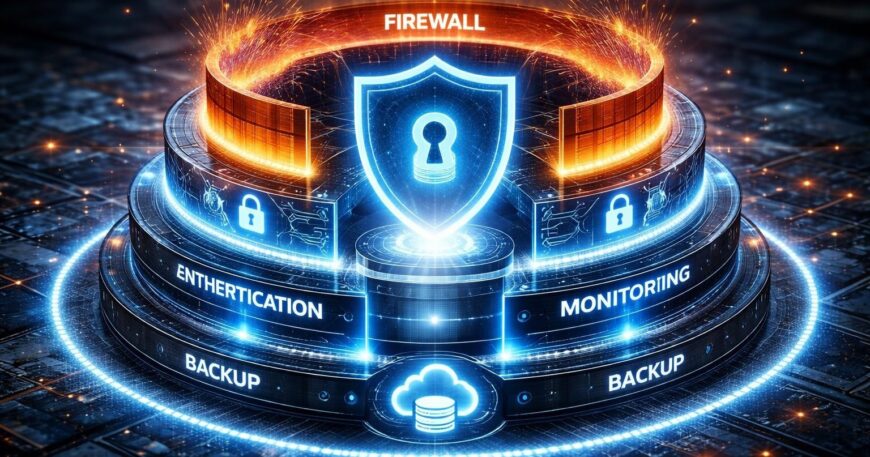
Effective cyber data security requires a multi-layered approach that addresses technology, processes, and people. No single solution can provide complete protection, which is why businesses must implement defense in depth strategies.
Network Security Fundamentals
Your network perimeter serves as the first line of defense against external threats. Modern firewall solutions go beyond simple packet filtering to include deep packet inspection, intrusion prevention, and application-level controls.
Next-generation firewalls analyze traffic patterns and can identify suspicious behavior that might indicate an attack in progress. These systems work continuously to monitor all data flowing in and out of your network, blocking unauthorized access attempts while allowing legitimate business traffic.
Network segmentation creates additional security by dividing your infrastructure into separate zones. This approach limits the potential damage from any single breach by preventing attackers from moving laterally across your entire network.
Data Protection and Encryption
Encryption transforms sensitive information into unreadable code that can only be decrypted with the proper key. This technology protects data both at rest (stored on servers or devices) and in transit (moving across networks).
For small businesses, encryption should cover:
- Email communications containing confidential business information
- Customer databases storing personal and payment details
- Financial records and proprietary business data
- Backup files stored both locally and in the cloud
- Mobile devices used by employees for business purposes
Modern encryption standards like AES-256 provide military-grade protection that remains practically unbreakable with current technology. Implementing encryption across your organization ensures that even if attackers gain access to your data, they cannot read or use it.
Access Control and Authentication
Controlling who can access what information represents a cornerstone of effective cyber data security. The principle of least privilege dictates that users should only have access to the specific resources they need to perform their jobs.
Multi-Factor Authentication Implementation
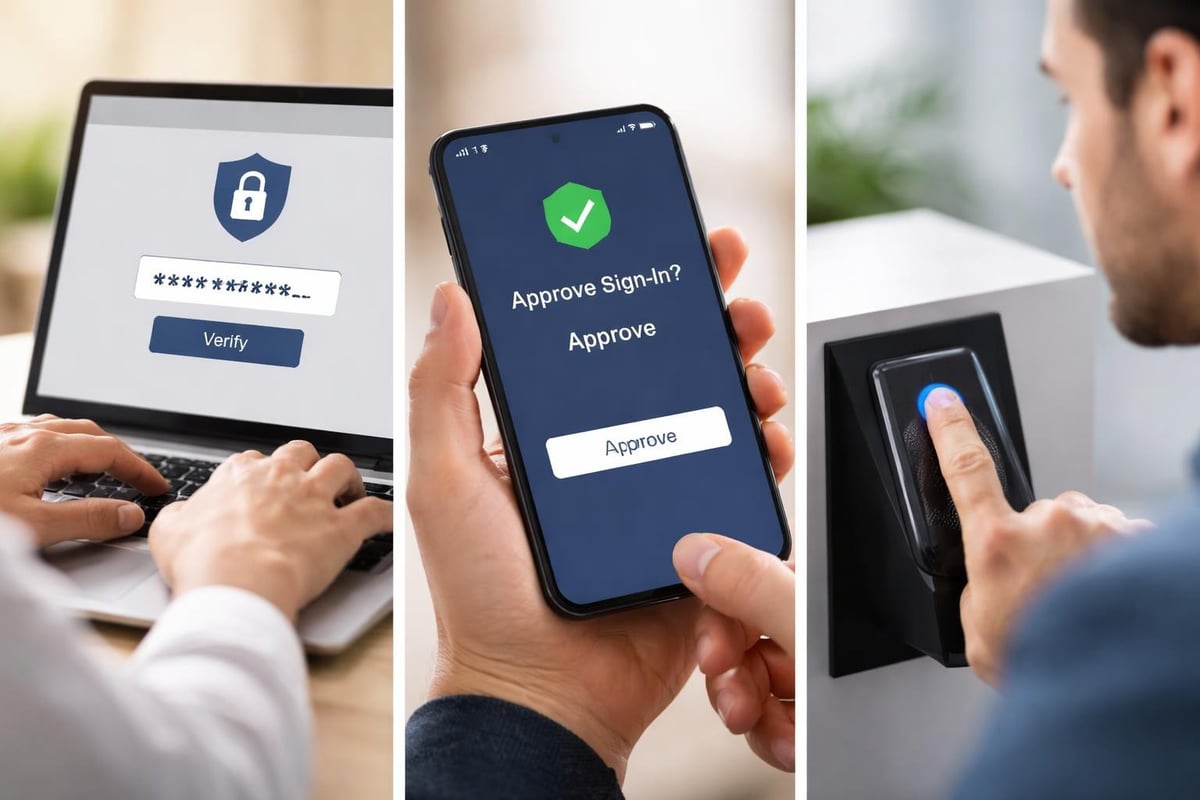
Single-factor authentication using only passwords has become dangerously inadequate. Multi-factor authentication (MFA) requires users to provide two or more verification factors to gain access, dramatically reducing the risk of unauthorized entry.
The three authentication factors include:
- Something you know (password or PIN)
- Something you have (smartphone, security token, or smart card)
- Something you are (fingerprint, facial recognition, or other biometric data)
Organizations implementing MFA across all critical systems can prevent up to 99.9% of automated attacks, even when passwords have been compromised.
Identity and Access Management
Centralized identity management systems provide visibility and control over user access across your entire IT environment. These platforms enable administrators to grant, modify, and revoke permissions from a single interface while maintaining detailed audit logs of all access attempts.
Regular access reviews ensure that permissions remain appropriate as employees change roles or leave the organization. Orphaned accounts belonging to former employees represent a significant security risk that many small businesses overlook.
Continuous Monitoring and Threat Detection
Cyber data security demands constant vigilance. Automated monitoring systems track network activity 24/7, analyzing patterns and flagging anomalies that might indicate security incidents.
Security Information and Event Management
SIEM platforms aggregate log data from across your IT infrastructure, correlating events to identify potential threats. These systems can detect suspicious activities like:
- Multiple failed login attempts indicating brute force attacks
- Unusual data transfers suggesting data exfiltration
- After-hours access from unexpected locations
- Privilege escalation attempts by unauthorized users
- Known malware signatures or command-and-control communications
Real-time alerting enables rapid response to security incidents, minimizing potential damage. The faster your team can identify and contain a breach, the lower the overall impact on your business operations.
| Monitoring Component | Purpose | Update Frequency | Critical Level |
|---|---|---|---|
| Firewall Logs | Block unauthorized access | Real-time | High |
| Antivirus Scans | Detect malware | Daily | High |
| User Activity | Identify insider threats | Real-time | Medium |
| Network Traffic | Spot anomalies | Real-time | High |
| Patch Status | Track vulnerabilities | Weekly | Medium |
Employee Training and Security Awareness
Technology alone cannot protect your business from cyber threats. Human error remains the leading cause of security breaches, making employee education a critical component of any cyber data security strategy.
Developing a Security-Conscious Culture
Regular training programs help employees recognize and respond appropriately to security threats. These sessions should cover practical topics including identifying phishing emails, creating strong passwords, securing mobile devices, and reporting suspicious activities.
Simulated phishing campaigns test employee awareness in real-world scenarios without actual risk. These exercises identify individuals who need additional training while reinforcing security best practices across your organization.
Security policies should be clear, accessible, and regularly updated to reflect evolving threats. Employees need to understand not just what the rules are, but why they matter and how following them protects both the business and their own jobs.
Data Backup and Disaster Recovery
Even with robust preventive measures, breaches can still occur. Comprehensive backup and recovery capabilities ensure business continuity when prevention fails.
The 3-2-1 Backup Strategy
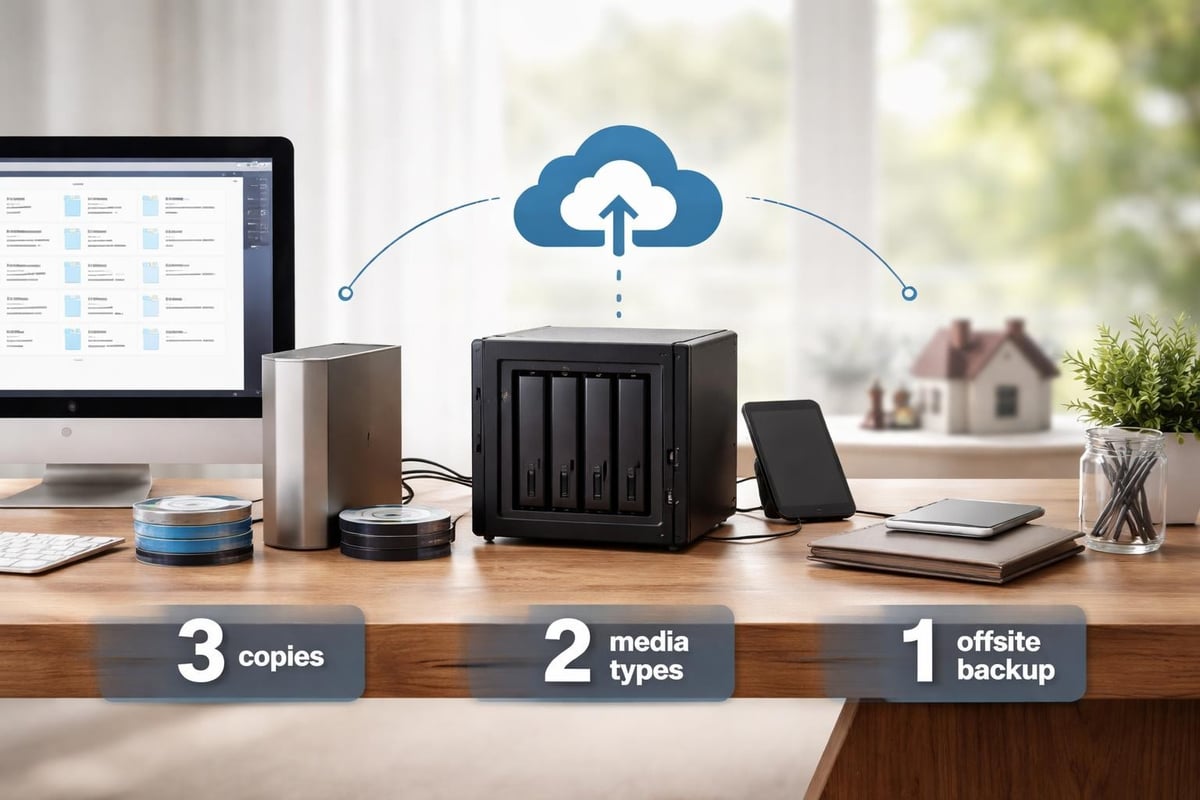
This industry-standard approach provides redundancy and reliability:
- Maintain three copies of your data (one primary, two backups)
- Store backups on two different types of media
- Keep one backup copy offsite or in the cloud
Regular testing of backup restoration procedures confirms that your recovery capabilities actually work when needed. Many businesses discover their backups are incomplete or corrupted only after a catastrophic event occurs.
Automated backup systems eliminate the risk of human error while ensuring consistent protection. These solutions can perform incremental backups throughout the day, minimizing potential data loss to just minutes rather than days.
Cloud Security Considerations
As businesses increasingly adopt cloud services, cyber data security extends beyond traditional network boundaries. Cloud platforms offer significant advantages but introduce new security challenges that require specific attention.
Shared Responsibility Model
Cloud providers secure the infrastructure, but customers remain responsible for protecting their data, managing access, and configuring security settings properly. Understanding this division of responsibility prevents dangerous security gaps.
Key cloud security measures include:
- Encryption of data before uploading to cloud storage
- Strong access controls using cloud-native identity management
- Regular security audits of cloud configurations
- Compliance monitoring to meet regulatory requirements
- Data loss prevention tools to prevent unauthorized sharing
Organizations working with Delphi Systems Inc. benefit from expert guidance on securing cloud deployments while maintaining the flexibility and cost advantages these platforms provide.
Compliance and Regulatory Requirements
Businesses must navigate an increasingly complex regulatory landscape governing data protection. Non-compliance can result in severe penalties, legal liability, and reputational damage.
Common Compliance Frameworks
Different industries face varying requirements, but several frameworks apply broadly:
| Framework | Scope | Key Requirements | Penalty Range |
|---|---|---|---|
| GDPR | EU customer data | Consent, breach notification, data protection | Up to 4% revenue |
| PIPEDA | Canadian personal info | Consent, safeguards, accountability | Up to $100,000 |
| PCI DSS | Payment card data | Encryption, access control, monitoring | $5,000-$100,000/month |
| HIPAA | Healthcare data | Privacy, security, breach notification | $100-$50,000/violation |
Maintaining compliance requires ongoing effort including regular risk assessments, policy updates, employee training, and documentation of security practices. Many small businesses find that partnering with experienced IT service providers helps ensure they meet all applicable requirements without diverting resources from core business activities.
Vendor and Third-Party Risk Management
Your cyber data security is only as strong as your weakest link. Third-party vendors, contractors, and service providers with access to your systems or data can introduce significant vulnerabilities.
Due Diligence and Ongoing Assessment
Before granting system access to any external party, conduct thorough security assessments. Review their security policies, certifications, and breach history. Require vendors to maintain minimum security standards and demonstrate compliance through regular audits.
Contractual agreements should clearly define security responsibilities, data handling procedures, breach notification requirements, and liability terms. These provisions provide legal protection while establishing clear expectations for all parties.
Continuous monitoring of vendor security posture helps identify emerging risks before they impact your business. Security ratings services provide ongoing assessments of third-party risk based on publicly observable security practices.
Incident Response Planning
Despite best efforts, security incidents will eventually occur. A well-documented incident response plan enables rapid, coordinated action that minimizes damage and accelerates recovery.
Essential Plan Components
Every incident response plan should address:
- Detection and analysis procedures to identify and assess incidents
- Containment strategies to limit damage and prevent spread
- Eradication steps to remove threats from your environment
- Recovery processes to restore normal operations
- Post-incident review to improve future responses
Designate specific team members for different roles during an incident, including technical response, executive decision-making, legal counsel, and external communications. Regular drills ensure everyone understands their responsibilities and can execute under pressure.
Maintaining relationships with cyber data security specialists, legal advisors, and law enforcement before incidents occur speeds response when every minute counts. These external resources provide specialized expertise that most small businesses cannot maintain in-house.
Emerging Technologies and Future Trends
The cyber data security landscape continues evolving rapidly. Staying informed about emerging technologies and threat trends helps businesses maintain effective defenses.
Artificial Intelligence in Security
AI-powered security tools analyze vast amounts of data to identify threats faster and more accurately than human analysts. Machine learning algorithms detect subtle patterns indicating sophisticated attacks that traditional rule-based systems might miss.
However, attackers also leverage AI to develop more convincing phishing campaigns, automate vulnerability discovery, and evade detection systems. This technological arms race demands continuous adaptation and investment in security capabilities.
Zero-trust architecture represents a fundamental shift from perimeter-based security to continuous verification of all users and devices. This approach assumes no one should be trusted by default, regardless of their location or previous access history.
Protecting your business data requires a comprehensive approach combining technology, processes, and trained personnel working together seamlessly. Small businesses face the same sophisticated threats as large enterprises but often lack dedicated security resources to address them effectively. Delphi Systems Inc. provides the expertise and ongoing support needed to maintain robust cyber data security without the overhead of building an internal security team, allowing you to focus on growing your business while we protect your digital assets.

