


The digital landscape continues to evolve at an unprecedented pace, bringing both remarkable opportunities and significant challenges for small businesses. As companies increasingly rely on cloud-based systems, remote workforces, and interconnected networks, understanding threats in internet security has never been more critical. Small businesses in particular face unique vulnerabilities, often lacking the extensive security infrastructure of larger enterprises while still maintaining valuable data and financial resources that attract cybercriminals. This comprehensive guide explores the most pressing security challenges facing businesses in 2026 and provides actionable strategies to protect your organization.
Understanding the Current Threat Landscape
The threat environment facing small businesses has fundamentally transformed over the past few years. What once consisted primarily of simple viruses and spam emails has evolved into a sophisticated ecosystem of AI-powered cyberattacks and coordinated campaigns designed to exploit every vulnerability in modern IT infrastructure.
The Industrialization of Cybercrime
Cybercriminal operations have become increasingly professionalized and organized. Threat actors now operate like legitimate businesses, with specialized roles, customer service departments, and even performance metrics. This industrialization means that threats in internet security are no longer the work of isolated hackers but rather coordinated enterprises with substantial resources.
The accessibility of attack tools has lowered the barrier to entry for cybercriminals. Ransomware-as-a-Service (RaaS) platforms allow even technically unsophisticated actors to launch devastating attacks. These platforms provide complete attack packages, including encryption tools, payment processing, and victim communication templates.
Key characteristics of modern cyber threats:
- Automated attack systems that scan for vulnerabilities 24/7
- Sophisticated social engineering techniques enhanced by artificial intelligence
- Multi-vector attacks that combine several methods simultaneously
- Supply chain targeting that compromises vendors to reach end targets
- Persistent threats that maintain long-term access to networks
Malware Evolution and Distribution Methods
Malware remains one of the most persistent threats in internet security, but its forms and distribution methods have evolved significantly. Traditional viruses, worms, and Trojans continue to pose risks, yet they now incorporate advanced evasion techniques that make detection increasingly difficult.
From Attachments to Malicious URLs
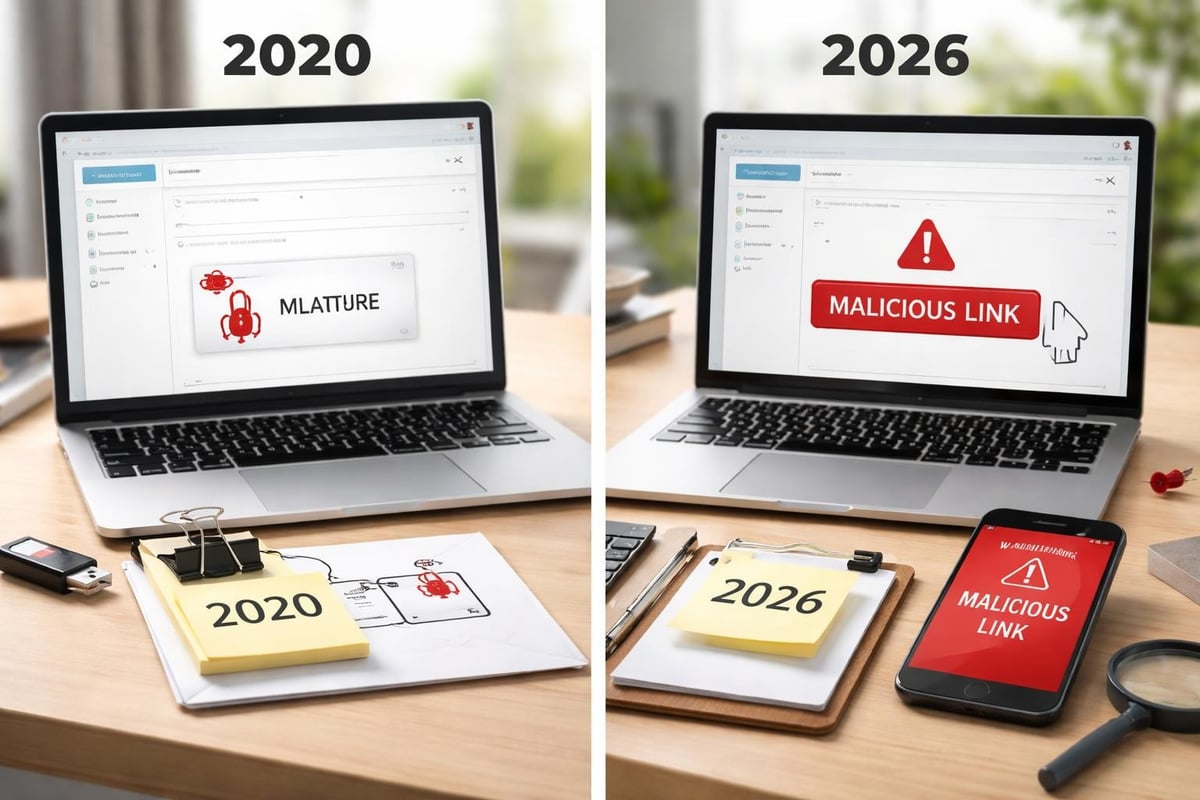
Recent research indicates that malicious URLs have overtaken email attachments as the primary malware distribution method. This shift reflects cybercriminals' adaptation to improved email security filters and increased user awareness about suspicious attachments.
Malicious links often disguise themselves as legitimate business communications, cloud storage sharing notifications, or software updates. They lead to credential harvesting pages, drive-by downloads, or phishing sites that appear identical to trusted services.
| Malware Type | Primary Damage | Business Impact | Detection Difficulty |
|---|---|---|---|
| Ransomware | Data encryption | Operational shutdown, financial loss | High |
| Spyware | Information theft | Data breach, competitive loss | Very High |
| Rootkits | System control | Persistent compromise | Extreme |
| Trojans | Backdoor access | Long-term surveillance | High |
Ransomware Targeting Small Businesses
Ransomware attacks have become particularly devastating for small businesses. Unlike large corporations with extensive backup systems and incident response teams, small organizations often lack the resources to quickly recover from an attack. Cybercriminals understand this vulnerability and increasingly target businesses with limited IT security infrastructure.
Modern ransomware variants employ double extortion tactics: encrypting data while simultaneously stealing it. Even if a business has backups, attackers threaten to publish sensitive information unless payment is made. This creates a dilemma that places enormous pressure on business owners.
AI-Powered Security Threats
Artificial intelligence has introduced an entirely new dimension to threats in internet security. While AI offers powerful defensive capabilities, cybercriminals have rapidly weaponized these same technologies to create more convincing and effective attacks.
Deepfakes and Voice Cloning
AI-driven scams have surged dramatically, with deepfake technology enabling unprecedented levels of impersonation. Voice cloning technology can now replicate someone's voice from just seconds of audio, allowing criminals to impersonate executives, vendors, or trusted partners.
These attacks exploit the human element of security. An employee receiving a phone call from what sounds exactly like their CEO requesting an urgent wire transfer may comply without following proper verification procedures. The emotional urgency combined with apparent authenticity makes these attacks remarkably effective.
Common AI-enabled attack scenarios:
- Executive impersonation for fraudulent financial transfers
- Customer service scams using cloned voices
- Video conference deepfakes during remote meetings
- Automated phishing campaigns with personalized content
- AI-generated malicious code that evades detection
Machine Learning in Attack Automation
Cybercriminals employ machine learning to optimize their attack strategies in real-time. These systems analyze which phishing email templates generate the highest click rates, which time of day yields the best results, and which employees are most likely to fall for specific tactics.
This data-driven approach to cybercrime means that threats in internet security are constantly evolving based on what works. Attack campaigns improve with each iteration, making them progressively more difficult to defend against using traditional security measures.
Social Engineering and Phishing Tactics
Despite technological advances in security, human psychology remains the weakest link in most security frameworks. Social engineering attacks manipulate people into divulging confidential information or performing actions that compromise security.
Advanced Phishing Techniques
Phishing has evolved far beyond the obvious spelling errors and generic greetings of early attempts. Modern phishing campaigns demonstrate impressive attention to detail, often incorporating legitimate branding, correct business context, and personalized information that makes them appear authentic.
Spear phishing targets specific individuals within an organization, often after extensive reconnaissance. Attackers research their targets through social media, company websites, and public records to craft highly convincing messages. These targeted approaches dramatically increase success rates compared to broad phishing campaigns.
Business Email Compromise
Business Email Compromise (BEC) represents one of the costliest threats in internet security. These attacks involve compromising or spoofing legitimate business email accounts to authorize fraudulent transactions or redirect payments. The FBI reports billions in annual losses from BEC schemes.
Typical BEC attack patterns:
- Invoice fraud where attackers impersonate vendors with altered payment details
- Executive impersonation requesting urgent wire transfers
- Account compromise where legitimate email accounts are hijacked
- Attorney impersonation claiming confidential urgent matters
- Data theft targeting HR departments for employee information
Network Vulnerabilities and Infrastructure Risks
Network security failures create pathways for multiple types of attacks. Small businesses often struggle with network security due to limited IT resources, outdated equipment, and the complexity of modern network environments.
Unsecured Remote Access Points
The widespread adoption of remote work has expanded the attack surface for most organizations. Each remote connection represents a potential entry point if not properly secured. Weak VPN configurations, unpatched home routers, and compromised personal devices can all provide access to corporate networks.
Many small businesses implemented remote access solutions rapidly during recent transitions to hybrid work without fully addressing security implications. These hasty implementations often lack proper multi-factor authentication, network segmentation, or monitoring capabilities.
| Vulnerability Type | Common Causes | Potential Consequences |
|---|---|---|
| Weak passwords | Lack of enforcement policies | Unauthorized access |
| Unpatched systems | Delayed update schedules | Malware infection |
| Open ports | Misconfiguration | Network intrusion |
| Unsecured WiFi | Default settings | Man-in-the-middle attacks |
| Shadow IT | Unapproved applications | Data leakage |
Internet of Things Security Gaps
The proliferation of IoT devices in business environments creates additional security challenges. Smart thermostats, security cameras, printers, and other connected devices often ship with default credentials and rarely receive security updates. These devices can serve as entry points into larger networks.
The Kaspersky resource center highlights how IoT devices are increasingly targeted in coordinated botnet attacks. Compromised devices can be weaponized for distributed denial-of-service attacks or used as staging points for deeper network penetration.
Cloud Security Challenges
Cloud computing offers tremendous benefits for small businesses, but it also introduces specific security considerations. Misconfigured cloud storage buckets, inadequate access controls, and shared responsibility misunderstandings create vulnerabilities that cybercriminals actively exploit.
Shared Responsibility Confusion
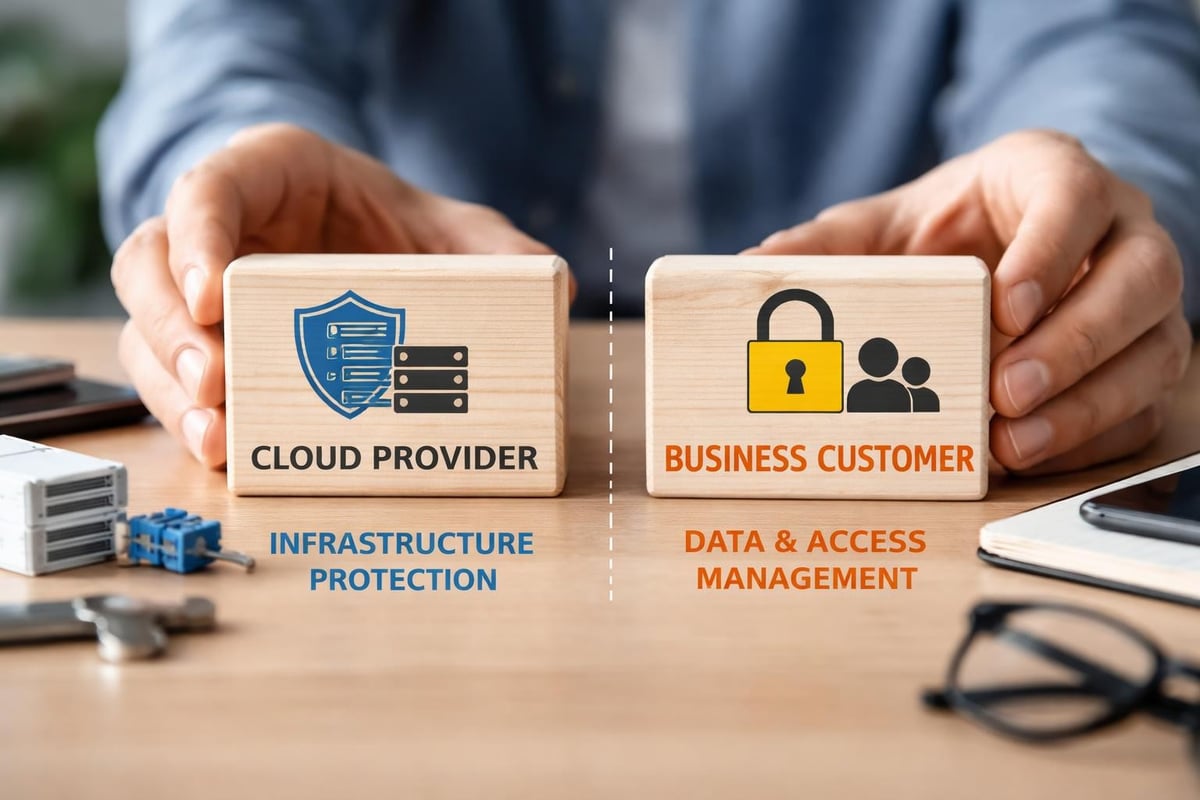
Many businesses misunderstand the shared responsibility model in cloud computing. While cloud providers secure the infrastructure, customers remain responsible for securing their data, applications, and access management. This confusion often leads to security gaps.
Improperly configured cloud resources have exposed millions of records. Simple mistakes like leaving storage buckets publicly accessible or failing to encrypt sensitive data can have catastrophic consequences. Regular security audits and proper configuration management are essential.
Account Takeover and Credential Stuffing
Cloud services are prime targets for credential-based attacks. Credential stuffing attacks leverage username-password pairs obtained from previous breaches to attempt access to cloud accounts. With many users recycling passwords across services, these attacks often succeed.
Once attackers gain access to cloud accounts, they can exfiltrate data, deploy ransomware, or use the account as a launching point for further attacks. The cloud's accessibility from anywhere becomes a vulnerability when authentication is compromised.
Mobile Device Threats
Mobile devices have become essential business tools, yet they introduce unique security challenges. Smartphones and tablets access corporate email, cloud services, and sensitive data while operating in diverse network environments with varying security levels.
Mobile Malware and Insecure Applications
Mobile malware has grown increasingly sophisticated, with malicious applications disguising themselves as legitimate productivity tools or games. These applications can steal credentials, intercept communications, or track device location without user knowledge.
Employees downloading applications from unofficial sources or clicking on mobile phishing links create significant risks. Mobile operating systems provide some protection, but social engineering tactics can convince users to grant permissions that compromise security.
Mobile security best practices:
- Implement mobile device management solutions
- Require encryption on all business devices
- Enforce strong authentication including biometrics
- Regularly update mobile operating systems and applications
- Restrict application installation to official app stores
Lost and Stolen Devices
Physical device loss represents a straightforward yet serious threat. A stolen smartphone or laptop can provide direct access to corporate networks, stored credentials, and sensitive business data. Without proper remote wipe capabilities and encryption, this access can be devastating.
Critical Infrastructure Vulnerabilities
While often associated with large-scale targets, threats to critical infrastructure can impact small businesses through supply chain effects and service disruptions. Understanding these broader ecosystem risks helps businesses prepare for indirect impacts.
Supply Chain Attacks
Supply chain compromises represent particularly insidious threats in internet security. Attackers target vendors, software providers, or service partners to gain access to ultimate targets. These attacks exploit trust relationships that businesses establish with their suppliers.
Small businesses often lack visibility into their vendors' security practices. A compromise at a managed service provider, software vendor, or cloud service can cascade to affect all customers. Due diligence in vendor selection and ongoing security assessments are essential.
Insider Threats and Data Protection
Not all security threats originate externally. Insider threats, whether malicious or accidental, account for a significant portion of security incidents. Employees with legitimate access can misuse privileges, accidentally expose data, or fall victim to social engineering.
Accidental Data Exposure
Most insider incidents result from mistakes rather than malicious intent. Employees might send sensitive information to incorrect recipients, misconfigure access permissions, or lose devices containing confidential data. These accidents can have serious consequences despite good intentions.
Comprehensive security awareness training helps employees recognize risks and follow proper procedures. However, training alone isn't sufficient. Technical controls that prevent or limit damage from human error provide essential safeguards.
Malicious Insiders
Disgruntled employees, contractors with divided loyalties, or individuals recruited by competitors represent malicious insider threats. These actors already possess system access and knowledge of security measures, making their activities particularly difficult to detect.
Insider threat indicators:
- Accessing information unrelated to job responsibilities
- Downloading unusually large amounts of data
- Working unusual hours without business justification
- Attempting to bypass security controls
- Displaying behavioral changes or dissatisfaction
Compliance and Regulatory Considerations
Businesses must navigate an increasingly complex regulatory landscape regarding data protection and cybersecurity. Failure to comply with regulations can result in substantial fines and legal liability beyond the immediate damage from security incidents.
Data Protection Requirements
Various regulations govern how businesses must protect customer information, employee data, and financial records. These requirements often mandate specific security controls, breach notification procedures, and data retention policies.
Small businesses sometimes mistakenly believe they're too small to fall under regulatory scrutiny. However, regulations like GDPR, PIPEDA, and industry-specific requirements apply regardless of organization size. Compliance requires ongoing attention and resources.
Proactive Defense Strategies
Addressing threats in internet security requires a multi-layered approach that combines technology, processes, and people. No single solution provides complete protection, but comprehensive strategies significantly reduce risk.
Essential Security Measures
Every small business should implement fundamental security controls as a baseline. These measures address the most common attack vectors and provide essential protection against the majority of threats.
- Multi-factor authentication on all critical systems and accounts
- Regular security updates for operating systems, applications, and firmware
- Data backup and recovery procedures with offline backup copies
- Email security including spam filtering and link protection
- Endpoint protection with modern anti-malware solutions
- Network monitoring to detect unusual activity patterns
- Access management following least-privilege principles
- Security awareness training for all employees
Advanced Protection Measures
Organizations seeking enhanced security should consider additional layers of protection. These measures provide defense in depth against sophisticated attacks and reduce the window of vulnerability.
| Security Layer | Purpose | Business Benefit |
|---|---|---|
| Network segmentation | Limit lateral movement | Contain breaches |
| Security information and event management | Centralized monitoring | Faster threat detection |
| Intrusion detection systems | Identify attack patterns | Proactive response |
| Data loss prevention | Monitor data movement | Prevent exfiltration |
| Vulnerability scanning | Identify weaknesses | Prioritize remediation |
The Delphi Systems blog provides additional insights into implementing these security measures effectively for small business environments.
Employee Training and Awareness
Technology alone cannot address all threats in internet security. Employees represent both a critical vulnerability and an essential defense layer. Comprehensive security awareness programs transform employees from targets into active participants in organizational security.
Ongoing Education Programs
Security training should not be a one-time event but rather an ongoing program that evolves with the threat landscape. Regular updates keep security awareness current and reinforce critical concepts through repetition.
Effective training programs use realistic scenarios, phishing simulations, and interactive content rather than passive presentations. Measuring training effectiveness through simulated attacks helps identify areas requiring additional focus.
Creating Security Culture
Beyond formal training, organizations should foster a security-conscious culture where employees feel comfortable reporting suspicious activities without fear of blame. Quick reporting of potential incidents enables faster response and limits damage.
Understanding threats in internet security represents only the first step toward protecting your business. Small businesses in Lethbridge and surrounding areas face the same sophisticated attacks as large enterprises but often lack dedicated security resources. Partnering with experienced IT professionals ensures your network receives continuous monitoring, regular updates, and proactive threat management. Delphi Systems Inc. offers comprehensive managed IT services with fixed-rate pricing, allowing you to focus on growing your business while expert teams maintain your security infrastructure and respond to emerging threats.

