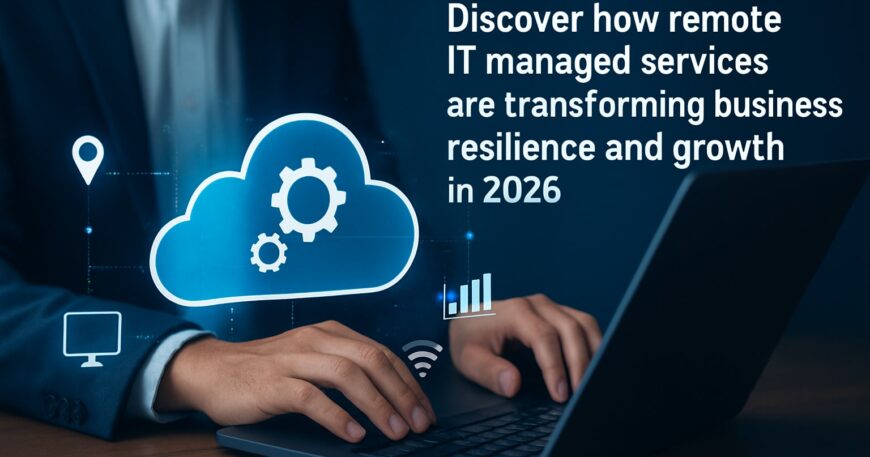
Business technology is evolving at lightning speed, and the complexity can feel overwhelming. In 2026, companies face new challenges and opportunities as digital transformation accelerates.
This guide is your trusted resource to navigate the world of remote IT managed services. You will discover how these services deliver resilience and fuel business growth, helping you stay ahead in a rapidly changing landscape.
We will break down what remote IT managed services mean, why they matter now, and how you can implement them for lasting success. Whether you are a business owner or IT leader, you will gain practical strategies, actionable steps, and essential insights to future-proof your operations.
Let this guide be your roadmap. Unlock cost savings, boost security, and maximize productivity as you explore every aspect of remote IT managed services for 2026 and beyond.
The 2026 Remote IT Managed Services Landscape
In 2026, technology is advancing at an unprecedented pace. Businesses must adapt rapidly to stay competitive. Understanding the landscape of remote it managed services is crucial for building a resilient, future-ready organization. This section explores what sets remote it managed services apart, the trends shaping the industry, and the benefits and challenges leaders need to know.

Defining Remote IT Managed Services
Remote it managed services provide proactive, off-site management of IT infrastructure, networks, and systems. Unlike traditional break-fix IT support, these services leverage cloud technology and always-on monitoring to keep operations running smoothly. With the widespread adoption of remote monitoring and management (RMM) tools, service providers can detect, troubleshoot, and resolve issues before they disrupt business. Today, 24/7 monitoring and maintenance have become standard features, ensuring businesses have constant support and peace of mind.
Key Trends Shaping Remote IT in 2026
The rise of hybrid and remote workforces is driving demand for flexible, secure IT solutions. Automation, AI, and machine learning now play a central role in IT management, enabling faster response times and reduced manual intervention. Compliance and data privacy regulations are growing more complex, requiring robust solutions. For example, automated patch management and security updates are now core features. For further insight, see AI and Automation in IT Management for how these technologies are reshaping remote it managed services.
Benefits of Remote IT Managed Services
Remote it managed services offer significant advantages. Businesses benefit from predictable budgeting with fixed-rate pricing, making IT expenses easier to manage. Proactive monitoring and rapid threat response enhance security and minimize risks. By outsourcing routine IT tasks, internal teams can focus on strategic projects, boosting overall productivity. Outsourcing IT functions can reduce operational costs by up to 40 percent, according to industry averages, making remote it managed services a smart investment for growth-focused organizations.
Challenges and Considerations
Adopting remote it managed services presents unique challenges. Building trust with external providers and ensuring seamless integration with existing systems can be obstacles. Vendor lock-in is a concern if contracts limit future flexibility. Reliable internet connectivity is essential for uninterrupted service, and robust cybersecurity measures are needed to protect sensitive data. Delayed software updates or unpatched vulnerabilities can introduce risks, so selecting a provider with proven, responsive support is vital.
The Evolving Role of the MSP
Managed service providers (MSPs) have evolved from simple IT fixers to strategic business partners. Today, leading MSPs offer comprehensive IT lifecycle management, compliance consulting, and ongoing technology strategy. Many now provide vCIO (virtual Chief Information Officer) services, advanced cybersecurity, and cloud migration support. This expanded role enables businesses to leverage remote it managed services for both day-to-day operations and long-term growth, helping organizations navigate the complexities of an ever-changing digital landscape.
Core Components of Remote IT Managed Services
To fully benefit from remote it managed services, it is crucial to understand the essential components that form the backbone of these solutions. Each core service works together to deliver a secure, resilient, and scalable IT environment for modern businesses. As Emerging Trends in Remote Managed IT Services highlight, staying current with these evolving components is key to maintaining a competitive edge.
Remote Monitoring and Management (RMM)
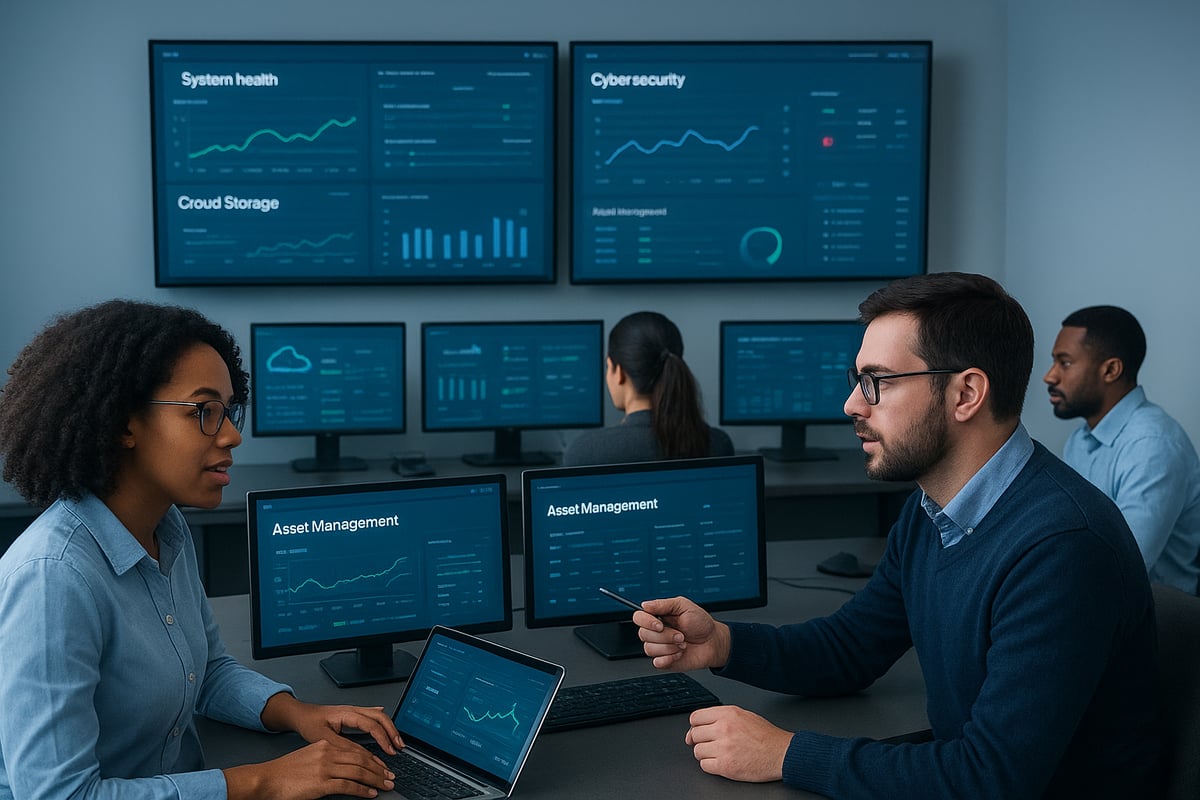
Remote monitoring and management is the foundation of remote it managed services. RMM tools provide continuous oversight of devices, servers, and network infrastructure. These solutions automate health checks, send alerts for anomalies, and resolve common issues before they can disrupt business operations.
For example, automated patch updates ensure all systems remain secure and up to date. Weekly monitoring reports keep stakeholders informed about performance and potential vulnerabilities. With remote it managed services, downtime is minimized, and issues are addressed proactively, supporting organizational productivity.
Cybersecurity Services
Cybersecurity is a non-negotiable component of effective remote it managed services. Providers implement multi-layered security, including endpoint protection, firewall management, and real-time threat detection. Regular security awareness training empowers employees to recognize and avoid threats.
Industry data shows that 60% of small businesses close within six months of a major cyberattack, underscoring the importance of robust security. By leveraging remote it managed services, organizations benefit from rapid threat response and continuous monitoring, significantly reducing risk exposure.
Data Backup and Disaster Recovery
Automated, remote data backup is at the heart of resilient remote it managed services. These systems ensure business data is consistently protected and quickly recoverable, even in the event of ransomware or hardware failure.
A comprehensive disaster recovery plan is essential for business continuity. Managed backup solutions guarantee that critical files and applications are always available, minimizing downtime. With remote it managed services, companies can restore operations swiftly after unexpected incidents, building trust with clients and stakeholders.
IT Asset and Lifecycle Management
Efficient IT asset and lifecycle management is a core benefit of remote it managed services. Providers track hardware, software, and device inventories, monitor warranty statuses, and plan for timely upgrades.
Monthly reporting on asset status helps prevent unexpected failures and costly downtime. Lifecycle planning ensures that resources are allocated effectively and obsolete equipment is replaced before it becomes a liability. Remote it managed services keep technology investments aligned with business goals and compliance requirements.
Cloud Services and Remote Access
Cloud services and secure remote access are essential for supporting distributed teams through remote it managed services. Providers facilitate migration to scalable cloud platforms, enabling seamless collaboration from any location.
Managed services include Office 365 deployments and cloud storage solutions tailored for business needs. Secure remote access protocols protect data while empowering employees to work efficiently. Remote it managed services make it possible for organizations to adapt quickly to changing work environments and scale as needed.
Step-by-Step: Implementing Remote IT Managed Services in 2026
Implementing remote it managed services in 2026 requires thoughtful planning and a systematic approach. Each step builds a foundation for a secure, efficient, and future-ready IT environment. Follow this guide to ensure your transition is smooth and your business reaps the full benefits.
Step 1: Assess Your Current IT Environment
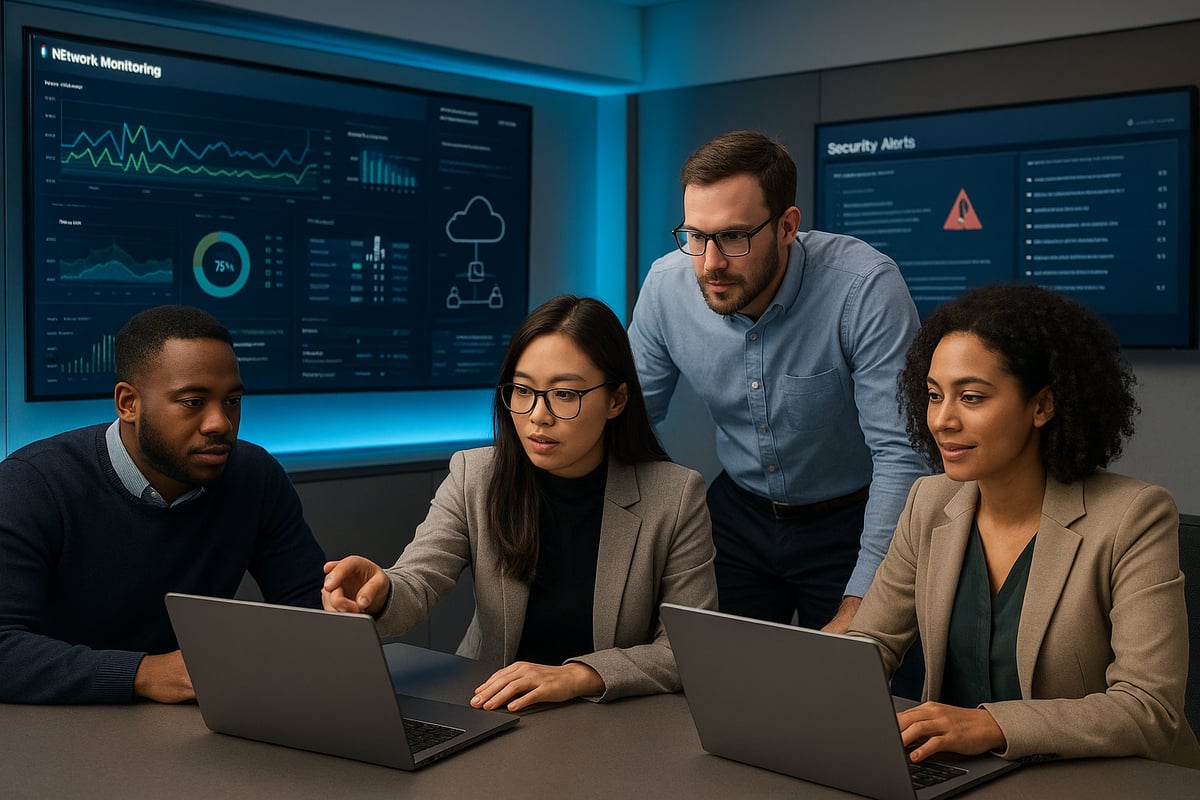
Begin your journey with remote it managed services by thoroughly evaluating your existing IT landscape. Document every device, server, software license, and network component used by your organization.
Use automated asset discovery tools to ensure nothing is missed. These tools help you identify shadow IT, outdated hardware, and unused applications. Create a detailed inventory, noting the status and location of each item.
Common categories to track include:
- Workstations and laptops
- Servers (on-premises and cloud)
- Network equipment (routers, switches, firewalls)
- Software licenses and versions
This assessment uncovers vulnerabilities and highlights areas where remote it managed services can deliver immediate value.
Step 2: Define Business Goals and IT Requirements
Align your IT strategy with your core business objectives for 2026. Remote it managed services should support your goals, not just maintain existing systems.
Consider your organization’s growth plans, regulatory requirements, and user experience expectations. Prioritize needs such as data security, scalability, compliance, and integration with new technologies.
For example, healthcare organizations may need HIPAA-compliant solutions, while retail businesses might focus on secure point-of-sale systems. Document these requirements to guide your service provider’s approach and ensure your remote it managed services are tailored to your needs.
Step 3: Select the Right Remote IT Managed Services Provider
Choosing a provider is a critical decision. Evaluate candidates based on technical expertise, service offerings, and their track record with similar industries. Prioritize those with transparent pricing and robust service level agreements.
Look for providers who offer proactive support, flexible packages, and clear communication channels. Responsiveness is key—89 percent of businesses rate it as a top selection criterion.
Stay updated with industry developments by reviewing resources like Top MSP Trends in 2026, which highlights the increasing adoption of AI, automation, and advanced security in remote it managed services.
Step 4: Plan the Transition and Onboarding Process
A smooth transition to remote it managed services starts with a clear roadmap. Collaborate with your provider to outline each phase, ensuring minimal disruption to daily operations.
Communicate the upcoming changes to your staff. Offer training sessions to familiarize employees with new tools and processes. Stagger the onboarding of different teams or departments if necessary for continuous service.
Key elements of a transition plan:
- Timeline with milestones
- Data migration procedures
- User access and permissions setup
- Contingency plans for unexpected issues
This structured approach ensures your remote it managed services deployment is efficient and well-received.
Step 5: Integrate Core Managed Services
Now, implement the essential components of remote it managed services. Deploy remote monitoring and management tools to oversee device health and network performance in real time.
Set up cybersecurity solutions, including firewalls, endpoint protection, and automated patch management. Establish backup systems for data protection and disaster recovery.
Typical integrations include:
- Automated patch updates and security alerts
- Cloud storage and collaboration platforms
- Performance monitoring dashboards
Immediate integration reduces vulnerabilities and positions your organization for ongoing success with remote it managed services.
Step 6: Establish Ongoing Support and Communication
Sustained success with remote it managed services depends on strong support structures. Define clear escalation paths for IT issues, ensuring staff know whom to contact for urgent matters.
Schedule regular check-ins with your provider. Monthly or quarterly meetings with a virtual CIO (vCIO) can help align IT strategies with business objectives and review service performance.
Effective communication includes:
- 24/7 helpdesk access
- Periodic performance reports
- Strategic planning sessions
These practices foster a collaborative relationship and keep your remote it managed services responsive to changing business needs.
Step 7: Monitor, Measure, and Optimize
Finally, establish a culture of continuous improvement. Use analytics to track key performance indicators such as uptime, incident response times, and user satisfaction. Automated reporting tools can help you spot trends and recurring issues.
A sample KPI tracking table:
| Metric | Target | Actual | Trend |
|---|---|---|---|
| System Uptime (%) | 99.9 | 99.95 | Upward |
| Incident Response (min) | <30 | 22 | Stable |
| User Satisfaction | >90% | 93% | Upward |
Review these metrics regularly with your provider. Adjust processes and solutions to address gaps, ensuring your remote it managed services continue to deliver value as your business evolves.
Security and Compliance in Remote IT Managed Services
Navigating security and compliance is fundamental to successful remote it managed services. As cyber threats grow and regulatory demands intensify, businesses must prioritize robust frameworks that protect data and ensure regulatory adherence. Let’s break down the essentials for a secure, compliant IT environment.
Building a Robust Cybersecurity Framework
A strong cybersecurity framework lies at the heart of remote it managed services. Multi-factor authentication, encryption, and advanced endpoint protection form the first line of defense against threats.
Regular vulnerability assessments and penetration testing are critical. These practices help identify weaknesses before attackers can exploit them. Automated threat detection tools allow for real-time monitoring and rapid response to incidents, minimizing the risk of data loss.
Consider implementing layered security to cover endpoints, networks, and cloud platforms. By combining proactive monitoring with swift remediation, businesses ensure a resilient IT environment that adapts to evolving threats.
Compliance and Regulatory Considerations
Compliance is a growing priority in remote it managed services, especially with evolving standards like GDPR, HIPAA, and industry-specific regulations. Maintaining audit trails, documenting data practices, and staying updated with changes are essential steps for every organization.
The rise in compliance requirements is not a passing trend. According to industry forecasts, the strategic scope of managed IT services is expanding to address these complex demands. For more insights, see the Managed IT Services Market Growth Forecast.
By aligning IT processes with regulatory expectations, organizations reduce their risk of costly penalties and reputational damage. Effective compliance strategies also streamline audits and build client trust.
Incident Response and Business Continuity
A comprehensive incident response plan is indispensable for remote it managed services. Developing and testing these plans ensures your team is prepared for any breach or outage.
Rapid data recovery protocols and disaster recovery solutions are vital. Managed disaster recovery services provide guaranteed recovery time objectives (RTO) and recovery point objectives (RPO), minimizing downtime and data loss.
Table: Key Elements of Incident Response
| Element | Purpose |
|---|---|
| Detection | Identify threats quickly |
| Containment | Limit impact on operations |
| Eradication | Remove threats from systems |
| Recovery | Restore data and functionality |
| Review | Analyze and improve procedures |
By following a structured approach, businesses maintain operational continuity and customer confidence even during critical events.
Employee Security Training and Awareness
Human error remains a top vulnerability in remote it managed services. Regular phishing simulations and security workshops train staff to recognize and respond to threats.
Security awareness training builds a culture of vigilance across all levels. Organizations that invest in ongoing education see a significant drop in successful phishing attacks.
Encourage employees to report suspicious activity and provide clear guidelines for safe data handling. Continuous feedback and updated training materials help reinforce best practices, making your workforce a strong line of defense.
Choosing the Right Remote IT Managed Services Partner
Selecting the right partner for remote it managed services is a decision that shapes your business's future. The ideal provider not only secures your technology investment but also aligns with your long-term goals.
Key Criteria for Evaluation
When evaluating remote it managed services partners, focus on expertise and reputation. Look for providers with relevant certifications and strong industry partnerships.
Consider these factors:
- Technical skill sets and years of experience
- Proven track record with clients in your industry
- Ability to support both local and distributed teams
Compare local versus national or global providers. Local teams may offer faster onsite support, while larger firms might provide broader resources. Use the table below to summarize:
| Criteria | Local Provider | National/Global Provider |
|---|---|---|
| Response Time | Fast | Variable |
| Scalability | Moderate | High |
| Personalization | High | Moderate |
Choose a remote it managed services partner that matches your operational needs and business culture.
Service Level Agreements (SLAs) and Support Models
Clear service level agreements are essential for any remote it managed services relationship. SLAs should outline uptime guarantees, response times, and resolution commitments.
Look for providers that offer:
- 24/7 helpdesk and technical support
- Transparent escalation procedures
- Regular performance and incident reporting
According to CMIT Solutions, 95% of top-rated MSPs deliver round-the-clock support. This ensures issues are addressed promptly, reducing downtime and risk.
Before signing, review support models carefully. A strong remote it managed services provider will be proactive and responsive, providing assurance that your IT environment is always protected.
Customization and Scalability
Your business is unique, so your remote it managed services must be adaptable. Evaluate each provider’s ability to tailor solutions to your specific industry, compliance requirements, and growth plans.
Key features to assess:
- Flexible service packages
- Scalable cloud resources for fluctuating demand
- Integration with existing business tools
Scalable remote it managed services allow your technology to grow in step with your business. This adaptability ensures seamless transitions during expansion, mergers, or seasonal peaks.
Delphi Systems Inc.: Local Expertise for Lethbridge Businesses
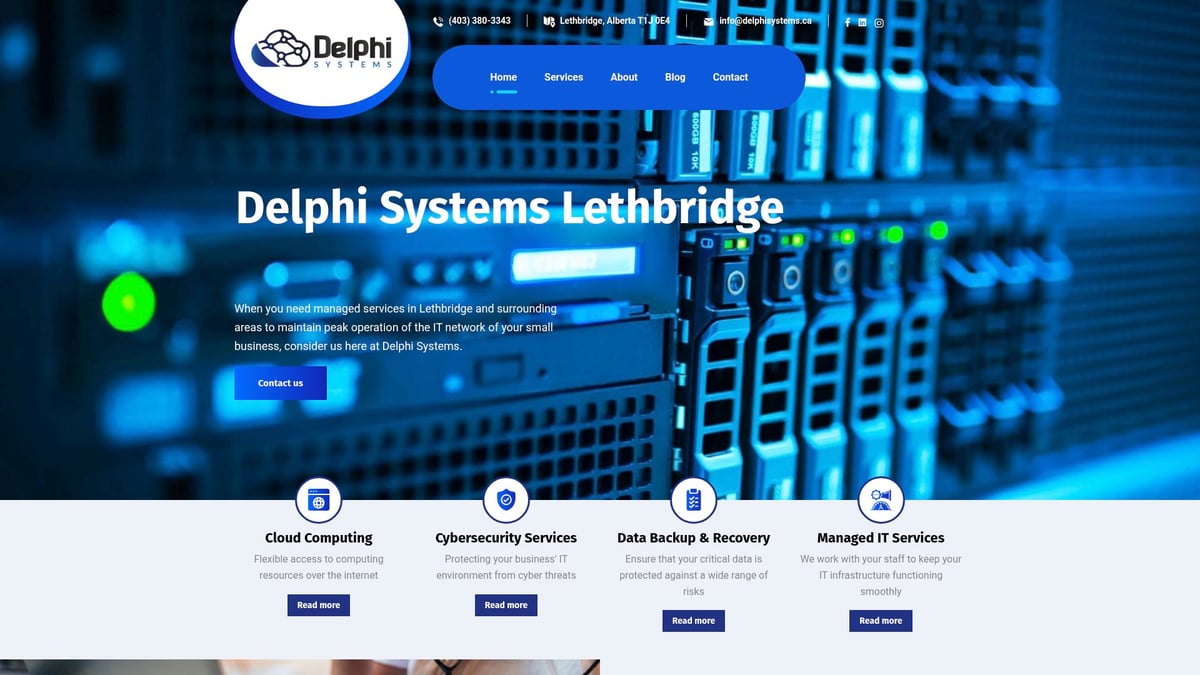
For businesses in Lethbridge and surrounding areas, Delphi Systems Inc. offers specialized remote it managed services with a local touch. Their fixed-rate pricing provides predictable budgeting and peace of mind.
Highlights include:
- Proactive monitoring and rapid threat detection
- Comprehensive cybersecurity and data backup solutions
- Strong partnerships with leading technology vendors
Delphi’s local team delivers personalized support and strategic guidance, making them a trusted choice among medical, engineering, and environmental firms. With Delphi Systems Inc., you can focus on business growth while your IT systems remain secure and efficient.
Maximizing Value: Best Practices & Optimization Strategies
Unlocking the full potential of remote it managed services in 2026 requires more than just outsourcing your IT. Strategic optimization and ongoing best practices can transform your technology from a cost center to a growth driver. The following proven strategies ensure you maximize value, drive productivity, and future-proof your investment.
Proactive Maintenance and Automated Updates
Regular maintenance is the foundation of effective remote it managed services. By scheduling routine updates and system checks, businesses minimize the risk of costly downtime and security vulnerabilities.
- Use remote monitoring and management (RMM) tools for real-time system health checks.
- Automate patch deployments to guarantee all devices are up to date.
- Generate weekly reports to track maintenance completion and outstanding issues.
Automated patch management not only reduces manual errors but also ensures compliance with industry standards. This proactive approach keeps your technology secure and efficient, empowering your team to focus on core business objectives.
Leveraging Advanced Analytics and Reporting
Remote it managed services deliver powerful analytics that help organizations make informed decisions. By implementing performance dashboards, you gain visibility into system health, security events, and user activity.
- Set up automated reporting to track key metrics, such as uptime and incident response times.
- Analyze trends to identify recurring issues and address root causes.
- Use data-driven insights to forecast future IT needs and allocate resources efficiently.
Weekly monitoring reports highlight system strengths and uncover potential risks. Leveraging analytics not only streamlines operations but also supports strategic planning and continuous improvement.
Enhancing Productivity Through IT Integration
Seamless integration of productivity tools is a hallmark of modern remote it managed services. Unified communications and cloud-based applications enable teams to collaborate from anywhere, accelerating project delivery.
- Deploy managed Office 365 for document sharing, email, and video conferencing.
- Integrate workflow automation tools to reduce manual tasks.
- Centralize communication channels for improved responsiveness.
These integrations streamline processes, eliminate silos, and empower employees to work more effectively. As a result, businesses experience higher productivity and improved morale across distributed teams.
Continuous Improvement and User Feedback Loops
Sustaining the value of remote it managed services requires ongoing evaluation and adaptation. Establishing feedback loops ensures your IT provider aligns with evolving business needs.
- Collect regular feedback from end-users about service quality and pain points.
- Schedule quarterly reviews with your managed services provider to assess performance.
- Adjust service levels and solutions based on changing requirements.
Continuous improvement fosters a culture of innovation and responsiveness. By acting on user input, businesses can refine IT strategies and enhance overall satisfaction.
Future-Proofing Your IT Strategy
Adapting to emerging technologies is critical for businesses leveraging remote it managed services. Agility and scalability ensure your IT infrastructure can support future growth and innovation.
- Monitor advancements in AI, IoT, and edge computing relevant to your industry.
- Invest in scalable cloud solutions that accommodate expansion and seasonal fluctuations.
- Develop cloud migration strategies to optimize long-term costs and flexibility.
Proactively planning for change keeps your business competitive and resilient. Remote it managed services provide the expertise and resources needed to navigate the evolving technology landscape with confidence.
As you look ahead to 2026, making the right decisions for your business’s IT management is more crucial than ever. We’ve explored how remote IT managed services can deliver real security, efficiency, and peace of mind—especially with a proactive partner who knows your needs. Whether you want to boost productivity, simplify budgeting, or strengthen your cybersecurity, you don’t have to navigate it alone. If you’re ready to turn these strategies into results and give your business the edge it deserves, let’s talk about how we can help you succeed. Call us now

