

Did you know that nearly half of all cyberattacks now target small businesses? The threat landscape for 2025 is more complex than ever, with both digital and physical risks evolving rapidly. Traditional defenses no longer suffice, and small business security solutions must adapt to keep up.
This guide provides practical, up-to-date strategies so you can protect your assets, employees, and sensitive data. Inside, you will find expert insights on emerging threats, essential technologies, compliance requirements, and cost-effective best practices.
Ready to secure your business’s future? Follow this guide to discover the small business security solutions you need for lasting success.
Understanding the 2025 Small Business Security Landscape
Small businesses in 2025 face a rapidly changing security landscape. The threats are more varied, persistent, and damaging than ever before. Understanding these risks is essential for any company looking to implement small business security solutions that truly protect assets, data, and people.
The Evolving Threat Environment
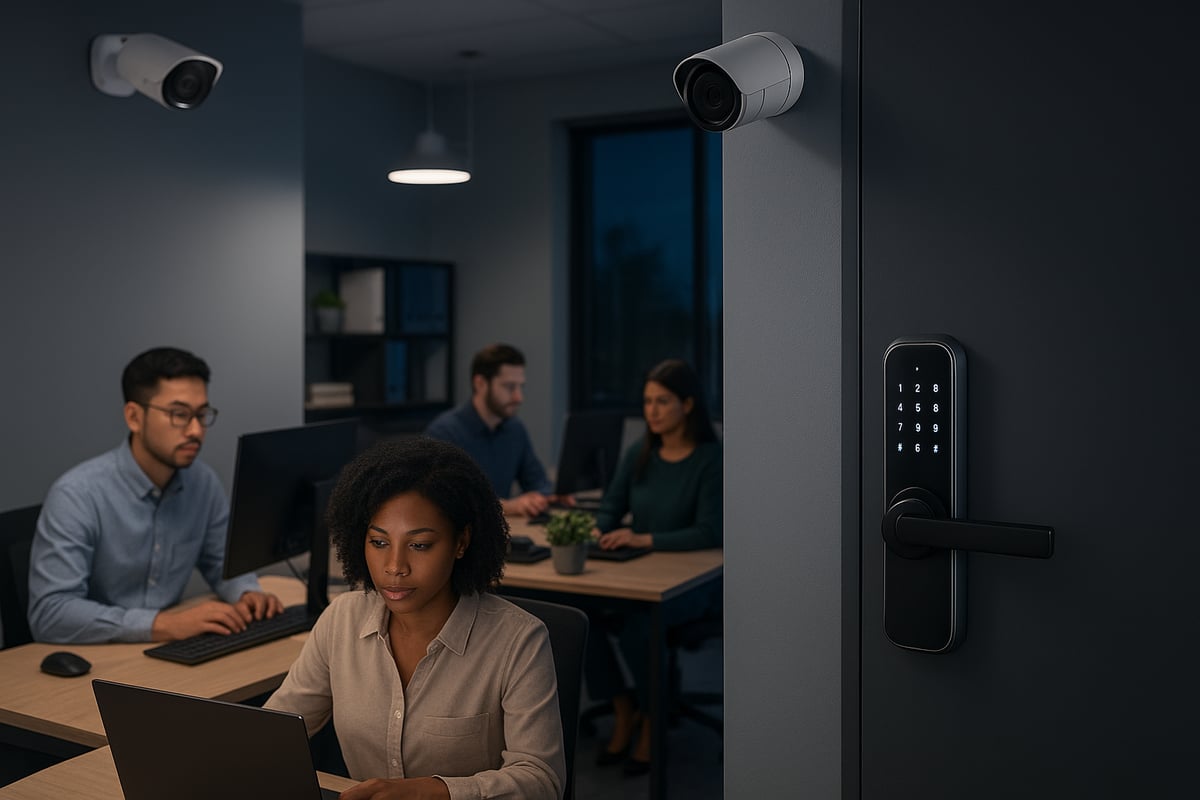
The threat landscape for small businesses is intensifying, with attacks growing in both frequency and complexity. Cybercrime, physical theft, and hybrid incidents now target organizations of all sizes. Over 43 percent of cyberattacks are aimed at small businesses, according to recent cyberattack statistics for small businesses. This alarming trend highlights why small business security solutions must address both digital and physical vulnerabilities.
Sophisticated intruders are leveraging AI-driven hacking tools, enabling them to breach traditional defenses with ease. Insider threats also continue to rise, as employees and contractors may inadvertently or deliberately compromise security. The shift to remote work and widespread adoption of bring-your-own-device (BYOD) policies further complicate the security equation, exposing new vulnerabilities that small business security solutions must address.
Many organizations underestimate how quickly threat actors adapt. Attackers exploit outdated systems, weak passwords, and unsecured endpoints. To counter these risks, small business security solutions must be comprehensive and proactive, not just reactive.
Regulatory and Compliance Pressures
Regulatory demands for small businesses have grown more stringent in 2025. New data privacy laws and updates to established regulations like GDPR and CCPA require businesses to implement robust small business security solutions to safeguard sensitive information. Non-compliance leads to steep fines and penalties, which can be devastating for organizations operating on tight margins.
Industry-specific standards, such as those in healthcare or finance, impose additional requirements for data handling, reporting, and breach notification. Insurance providers now factor in the presence and effectiveness of small business security solutions when evaluating coverage or determining premiums. Companies must document their security protocols and maintain audit-ready records to remain compliant.
Staying ahead means regularly reviewing legal obligations and ensuring that all implemented small business security solutions align with evolving regulations. This proactive approach not only protects against penalties but also builds trust with customers and partners.
The Cost of Security Incidents
The financial impact of security incidents is rising sharply. In 2024 and 2025, the average cost of a small business breach has reached tens of thousands of dollars, factoring in both direct losses and secondary effects. Downtime resulting from attacks can halt operations for days, while the reputational fallout may drive customers to competitors.
Real-world examples abound: businesses have suffered severe losses due to ransomware, data theft, and physical break-ins. The absence of effective small business security solutions often means that recovery takes longer and costs more. Customer trust, once lost, is difficult to regain, especially in highly competitive markets.
Small business security solutions must therefore be seen as an investment in resilience, not just an expense. The right measures can dramatically reduce both the likelihood and the impact of incidents.
Key Security Challenges
Despite the clear need for protection, small businesses face several persistent security challenges. False alarms remain a major issue, with up to 98 percent of triggered alarms proving unfounded, wasting time and sometimes resulting in fines. This makes it critical to select small business security solutions that include alarm verification and remote management.
Managing access for a growing workforce, especially across multiple locations, requires scalable systems. Fire, vandalism, and emergency response times also pose ongoing risks. Many businesses lack real-time monitoring, which delays detection and response to incidents.
To overcome these hurdles, organizations must prioritize small business security solutions that offer 24/7 monitoring, easy access management, and integration with emergency services. These features ensure rapid response and minimize disruption, allowing companies to focus on growth.
Must-Have Security Solutions for Small Businesses in 2025
Choosing the right small business security solutions is essential for protecting people, property, and data. In 2025, threats are more complex, and outdated systems simply cannot keep up. The following must-have technologies help businesses stay ahead, combining innovation, reliability, and compliance.
Intrusion Detection and Prevention Systems
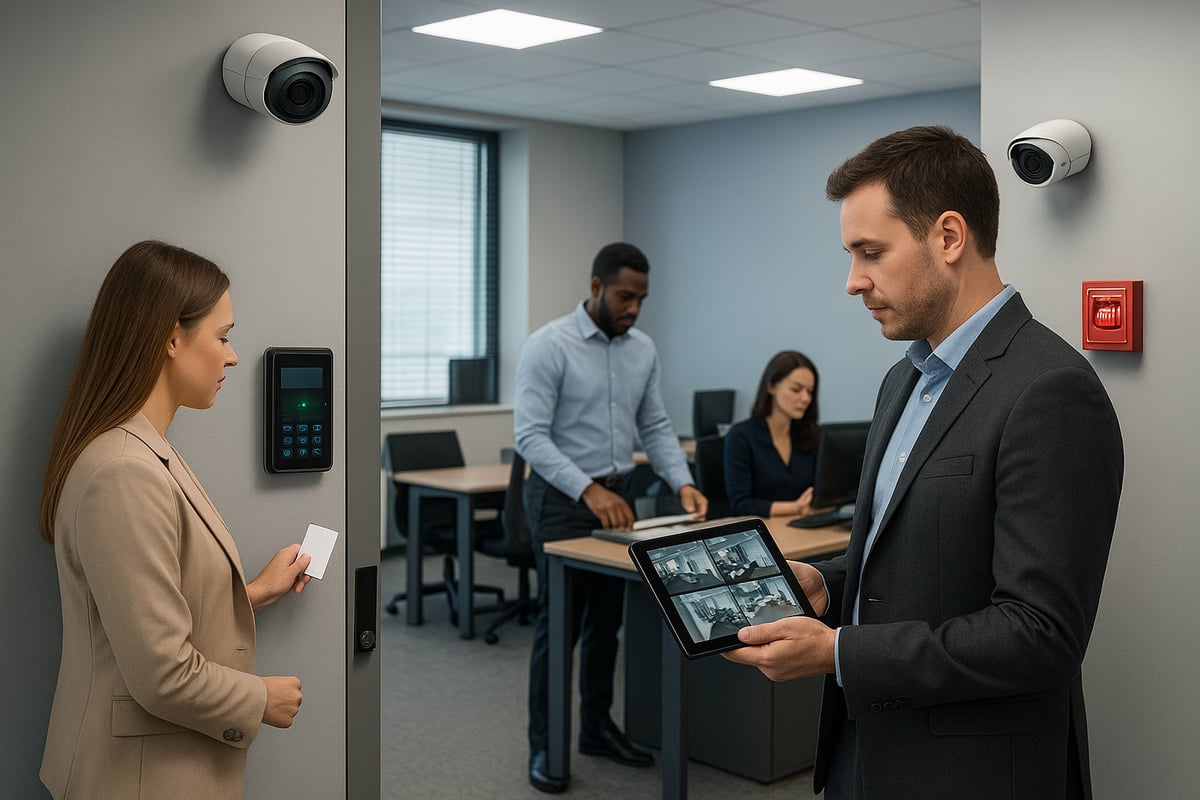
Modern intrusion detection is the foundation of effective small business security solutions. These systems deter unauthorized entry, alert owners instantly, and reduce false alarms through advanced verification.
Integration with video verification is now standard. This technology ensures only genuine threats prompt a police response, minimizing wasted resources. Verified video surveillance can improve apprehension rates by providing real evidence to authorities.
For businesses wanting accessible, enterprise-grade protection, solutions like NETGEAR’s enterprise-grade security for SMEs offer advanced yet manageable cybersecurity, tailored for small business needs.
Key features to consider:
- Smart sensors for doors and windows
- AI-powered threat analysis
- Mobile alerts for instant response
Video Surveillance and Monitoring
Video surveillance is a vital layer in small business security solutions. High-definition cameras with remote access allow owners to monitor premises from anywhere.
Cloud-based storage protects footage from tampering and provides easy access for insurance or legal claims. Many systems offer 24/7 monitoring with real-time alerts, enhancing situational awareness.
Benefits include:
- Clear evidence for incident investigations
- Deterrence of theft and vandalism
- Scalable solutions for multiple locations
Choose cameras with night vision, motion detection, and secure connectivity to maximize value.
Access Control and Visitor Management
Access control is central to small business security solutions, especially for sites with many employees or visitors. Web-managed and biometric systems make it easy to assign, update, or revoke permissions.
Automated visitor management logs every guest, supporting safety and compliance. This digital record simplifies audits and improves emergency response.
Consider:
- Keycards or mobile credentials
- Fingerprint or facial recognition
- Real-time tracking of entries and exits
These tools help prevent unauthorized access and ensure only approved individuals enter sensitive areas.
Fire Detection and Environmental Monitoring
Fire protection is a non-negotiable part of small business security solutions. Smart fire alarms detect smoke and heat quickly, while environmental sensors monitor for water leaks or hazardous gases.
Integration with emergency lighting and evacuation systems streamlines response during crises. Regular testing and maintenance keep systems reliable and compliant.
Recommended practices:
- Schedule monthly alarm checks
- Use interconnected detectors for full coverage
- Maintain detailed inspection records
Prompt detection limits damage and can save lives.
Time and Attendance Systems
Automated time and attendance tracking is now a core component of small business security solutions. These systems log employee hours, monitor overtime, and integrate with payroll to reduce errors.
Biometric or keycard-based systems prevent time theft and eliminate buddy punching. Digital records simplify HR management and support compliance with labor regulations.
Advantages:
- Improved staff accountability
- Streamlined payroll processing
- Real-time absence tracking
Regular audits of attendance data help identify patterns and optimize scheduling.
Security Monitoring and Managed Services
Ongoing monitoring is a must for modern small business security solutions. Outsourcing to managed service providers ensures 24/7 vigilance and rapid response to incidents.
Service plans often include system maintenance, software updates, and expert support. Businesses with managed security experience fewer disruptions and can focus on growth, not just protection.
Consider these benefits:
- Proactive threat detection
- Guaranteed system uptime
- Access to specialized expertise
A managed approach is especially valuable for small businesses without dedicated IT or security staff.
Step-by-Step Guide to Implementing Security Solutions
Implementing effective small business security solutions is a strategic process that requires careful planning and execution. By following this structured guide, owners can build a resilient security posture tailored to their unique needs. Each step is designed to ensure nothing is overlooked, from assessment to ongoing improvement.

Step 1: Assess Your Business’s Unique Security Needs
Begin by conducting a thorough risk assessment. Identify both physical and digital vulnerabilities, such as unlocked doors, outdated fire alarms, or unsecured Wi-Fi networks. Map out critical assets, including customer records, financial data, and inventory.
Consider factors like your business type, location, operating hours, and the number of employees. This evaluation is essential for prioritizing small business security solutions that address your specific risks. With the ransomware surge affecting SMBs, it is vital to consider cyber threats alongside physical concerns.
Use checklists or professional assessments to ensure all potential entry points and vulnerabilities are considered. A clear understanding of your risk landscape sets the foundation for every subsequent security decision.
Step 2: Develop a Comprehensive Security Plan
Once vulnerabilities are identified, develop a security plan aligned with your business objectives. Set specific goals, such as reducing false alarms or ensuring compliance with new regulations. Allocate a realistic budget for small business security solutions, balancing cost with impact.
Prioritize risks based on likelihood and potential impact. Establish clear incident response and recovery protocols. Document roles for each team member, including emergency contacts and escalation procedures.
Include regular reviews and updates as part of your plan. A well-crafted security plan ensures your business can respond efficiently to incidents and adapt as threats evolve.
Step 3: Select and Deploy Security Technologies
Choose integrated, scalable technologies that fit your needs. Consider intrusion detection, high-definition surveillance, and access control systems. Ensure interoperability with your existing IT infrastructure for seamless operation.
Evaluate the benefits of professional installation versus DIY solutions. Professional installers can optimize placement and configuration, reducing blind spots and minimizing false alarms.
When selecting small business security solutions, look for systems that offer remote management and real-time alerts. Cloud-based options provide flexibility and facilitate evidence storage, supporting both security and compliance objectives.
Step 4: Train Employees and Establish Security Policies
People are a crucial line of defense. Provide comprehensive security awareness training for all staff, covering topics like phishing, secure password management, and emergency procedures.
Establish clear onboarding and offboarding protocols to manage access as employees join or leave. Use written policies to define acceptable use of systems and devices, and require acknowledgment from all team members.
Regularly reinforce training with drills and update sessions. When employees understand and follow small business security solutions, your overall protection is significantly enhanced.
Step 5: Monitor, Maintain, and Update Systems
Security is not a one-time project. Schedule routine maintenance for all equipment and software to ensure optimal performance and reduce vulnerabilities. Set up dashboards and alerts for real-time monitoring.
Track incidents, false alarms, and system health to identify areas for improvement. Review your small business security solutions annually, incorporating lessons learned from incidents or near-misses.
Stay informed about new threats and best practices. Continuous refinement of your security approach keeps your business resilient in the face of evolving risks.
Leveraging Technology Trends for Enhanced Security
Staying ahead of security threats means leveraging cutting-edge tools designed for today’s risks. Small business security solutions are evolving quickly, offering new ways to protect assets and people with greater reliability and efficiency.
AI and Machine Learning in Security
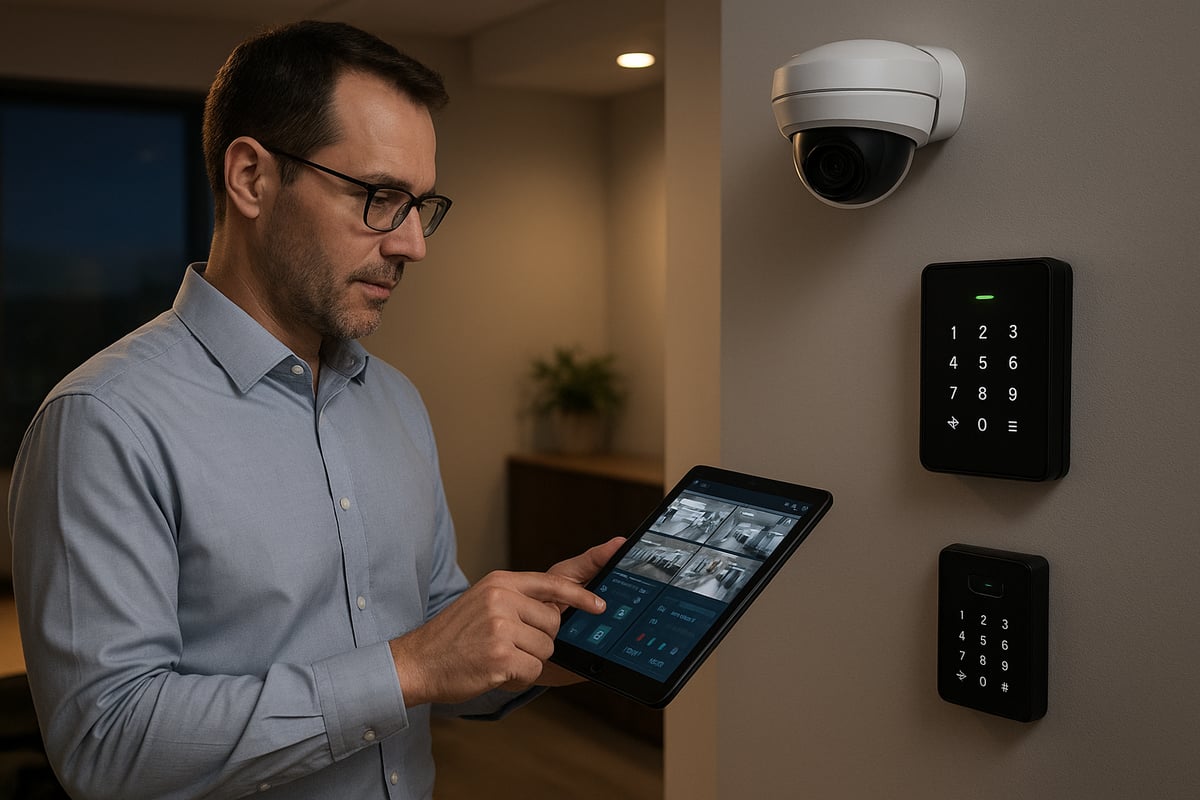
Artificial intelligence is transforming small business security solutions by automating threat detection and reducing manual oversight. AI-powered video analytics can identify suspicious behavior or unauthorized access in real time, sending instant alerts to business owners.
Machine learning algorithms help distinguish genuine threats from harmless activity, significantly lowering false alarm rates. For example, AI verification now flags only credible incidents, improving emergency response and saving valuable time.
- Real-time threat detection
- Automated incident verification
- Predictive system maintenance
Businesses adopting these advanced small business security solutions see improved efficiency and fewer disruptions.
Cloud-Based Security Solutions
Cloud technology is reshaping small business security solutions by making data storage and access more flexible. With cloud-based video and access logs, business owners can securely review incidents from anywhere, supporting rapid investigations and insurance claims.
Cloud platforms provide robust disaster recovery, ensuring data is safe even if local hardware fails. They also scale easily as your business grows, eliminating costly infrastructure upgrades.
| Feature | Benefit |
|---|---|
| Remote access | Monitor from any location |
| Automated backups | Enhanced data protection |
| Scalable storage | Supports business growth |
Cloud-based small business security solutions streamline operations and support compliance with evolving regulations.
Mobile and Remote Access
Today’s small business security solutions put control in the palm of your hand. Mobile apps let owners and managers monitor cameras, lock doors, and receive security alerts immediately, no matter where they are.
Real-time notifications mean you can respond to incidents after hours or while offsite. This flexibility boosts productivity and peace of mind.
- Manage systems via smartphone or tablet
- Instant alerts for critical events
- Remote troubleshooting and support
Mobile-enabled small business security solutions empower businesses to stay secure and agile.
Integration with Business Operations
Integrating security with daily operations unlocks new value for small businesses. Modern small business security solutions can connect with point-of-sale, HR, and facility management systems, providing actionable data and automating routine tasks.
For example, access control logs can sync with payroll systems to verify employee hours, while video analytics can optimize store layouts or monitor workflow bottlenecks.
Automation reduces manual labor, improves accuracy, and ensures security tasks are performed consistently. This integration makes small business security solutions an essential part of overall business success.
Cybersecurity and Physical Security Convergence
The line between digital and physical security is fading. Small business security solutions now protect both environments, ensuring IoT devices, cameras, and sensors are not weak links.
Unified security platforms monitor networks and physical spaces together, catching threats that might otherwise go unnoticed. As government support for small business cybersecurity decreases, such as CISA’s reduced outreach to small businesses, it is more important than ever for owners to adopt integrated solutions.
Forward-thinking small business security solutions minimize risk and help businesses adapt to the changing threat landscape.
Compliance, Insurance, and Legal Considerations
Meeting compliance, insurance, and legal standards is essential for any business in 2025. Small business security solutions must address these areas to reduce risk and build trust. This section explores the key requirements and steps you need to take.
Navigating Regulatory Requirements
In 2025, regulatory demands for small business security solutions have grown more complex. Laws like GDPR and CCPA continue to evolve, setting stricter standards for data protection and privacy. Sector-specific rules may also apply, depending on your industry.
To stay compliant, document every security measure, keep detailed access logs, and maintain clear audit trails. Regularly review regulatory updates and adjust your policies as needed. Many businesses benefit from resources like the Small Business Administration’s cybersecurity guide for up-to-date compliance tips.
Failing to meet these requirements can result in fines or legal action. Proactive management of small business security solutions protects your business and reputation.
Security and Business Insurance
Insurance providers now require businesses to implement robust small business security solutions to qualify for coverage. Insurers often evaluate your security protocols, such as alarm systems, surveillance, and access control, before setting premiums.
Businesses with advanced security measures may receive lower premiums. In the event of a claim, surveillance footage and detailed incident logs can expedite the process and support your case. Always keep documentation updated and accessible to streamline insurance claims.
Investing in small business security solutions is not just about protection, but also about financial resilience and operational continuity.
Data Privacy and Customer Trust
Protecting customer information is a core part of small business security solutions. Data breaches can lead to legal penalties and erode customer confidence. Clearly communicate your security practices to clients, highlighting your commitment to privacy.
Transparency builds trust, especially when you show how personal data is stored and protected. If a breach occurs, immediate and honest communication helps limit reputational damage. Remember, businesses that prioritize small business security solutions are more likely to retain loyal customers, even in challenging situations.
Preparing for Audits and Inspections
Regular audits are crucial for maintaining effective small business security solutions. Conduct internal reviews to check for policy gaps, outdated systems, or missed updates. Engage third-party assessors for unbiased evaluations and compliance validation.
Stay current with evolving standards by subscribing to industry newsletters or joining local business networks. Prepare records and logs in advance to ensure a smooth inspection. Consistent review and improvement of your small business security solutions will keep your business compliant and resilient.
Cost-Effective Security Best Practices for Small Businesses
Protecting your business does not have to break the bank. By following cost-effective small business security solutions, you can maximize protection while staying on budget. Let us explore practical approaches that deliver value and measurable results.
Prioritizing Investments for Maximum Impact
Start by identifying your most vulnerable areas. Focus on small business security solutions that protect critical entry points, cash registers, and data storage.
- Invest first in alarm systems and surveillance cameras for high-risk zones.
- Use scalable technologies that can grow with your business.
- Regularly reassess your needs as your operations expand.
Choosing the right small business security solutions ensures your resources are used where they matter most, minimizing waste and maximizing return.
DIY vs. Professional Installation
When considering small business security solutions, weigh the pros and cons of do-it-yourself versus professional installation.
- DIY systems are often affordable and quick to deploy.
- Professional installation guarantees optimal setup and integration.
- Evaluate your technical skills and time availability before deciding.
Many businesses start with DIY solutions, then upgrade to professional services as their security needs become more complex.
Employee Engagement and Security Culture
A strong security culture amplifies the effectiveness of small business security solutions. Engage your team with regular training and clear policies.
- Encourage all employees to report suspicious activity.
- Recognize staff who demonstrate proactive security behaviors.
- Make security part of onboarding and daily routines.
When everyone participates, the workplace becomes safer and more resilient.
Regular Reviews and Continuous Improvement
Schedule periodic assessments to keep your small business security solutions effective and up to date.
- Review incident logs and near-misses for lessons learned.
- Update protocols as technology and threats evolve.
- Involve employees in feedback sessions to refine procedures.
Continuous improvement ensures your defenses stay strong and adapt to new challenges.
Utilizing Managed Security Services
Outsourcing monitoring and maintenance is a smart way to enhance small business security solutions without hiring in-house experts.
- Managed services provide 24/7 oversight and rapid response.
- Routine system checks reduce downtime and maintenance costs.
- Access to expert advice helps you stay compliant with industry standards.
According to industry data, small businesses that upgraded to integrated security systems reduced losses by 30%. For more insights on choosing the right provider, visit Security Industry Association.
Future-Proofing Your Small Business Security Strategy
Staying ahead in today’s threat landscape means your small business security solutions must evolve. Future-proofing requires readiness for new risks, adapting to changes, and a mindset focused on resilience. By planning for tomorrow, you can protect your business and secure its future.
Adapting to Emerging Threats
New risks emerge constantly, from advanced cyber attacks to sophisticated physical breaches. Small business security solutions must stay updated with threat intelligence and technology trends. Join industry groups and subscribe to trusted security bulletins to keep informed.
Building flexibility into your defenses is crucial. Regularly review your systems and policies, adjusting them as the risk environment shifts. Encourage leadership to allocate time for security reviews, so updates never get overlooked.
Planning for Growth and Scalability
Your security strategy should grow alongside your business. Choose small business security solutions that are modular and scalable. This approach lets you add features, such as extra cameras or access controls, without replacing your entire setup.
Plan for future locations or increased staff by selecting systems that support expansion. Consider cloud-based platforms, as these make integration and upgrades easier. Regularly assess your needs so your protections never lag behind business growth.
Building Partnerships and Community Networks
Effective small business security solutions extend beyond your walls. Collaborate with local law enforcement, business associations, and neighboring companies. Sharing threat intelligence and best practices strengthens your collective defense.
Participate in community alert systems and join neighborhood watch programs. These partnerships can provide early warnings, foster support, and build a resilient security network that benefits everyone.
Embracing a Proactive Security Mindset
Moving from reactive to proactive security is essential. Train your team regularly and run scenario-based drills to prepare for incidents. A proactive approach ensures your staff knows how to respond quickly, reducing downtime and losses.
Conduct annual reviews of your security strategy and learn from any incidents or near-misses. Businesses with proactive security strategies recover faster and experience less disruption, highlighting the value of preparation.
You’ve seen just how quickly the landscape of small business security is changing—cyber threats are evolving, regulations are tightening, and the risks to your data and operations are higher than ever. With expert guidance and the right technology, you can protect your business, your people, and your reputation in 2025. If you want to take the next step and ensure your IT network runs securely and efficiently, we’re here to help you focus on what matters most—growing your business. For tailored advice and reliable support, Call us now.

