
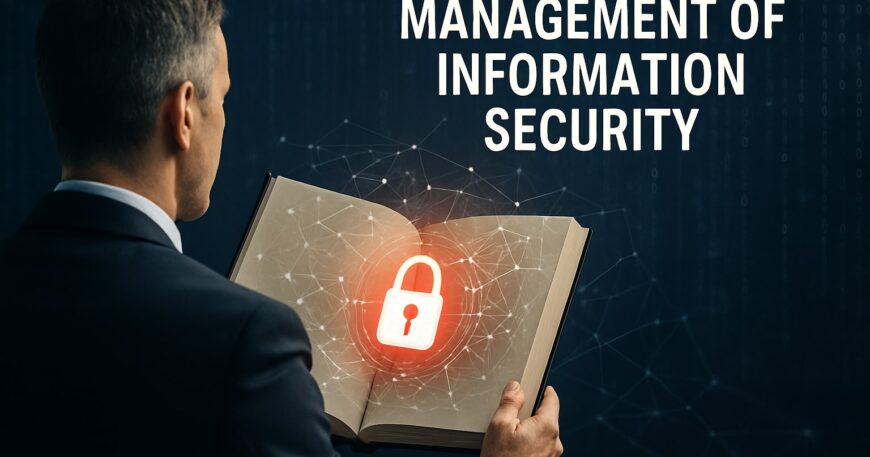
In 2025, cyber threats have reached unprecedented levels, with global ransomware attacks costing businesses over $20 billion just last year. As organizations face increasingly sophisticated attacks and stricter regulations, effective management of information security is more crucial than ever for every industry and size.
This guide offers a clear roadmap to navigate the evolving landscape, covering the latest challenges, compliance updates, risk management strategies, policy development, and actionable program implementation. Mastering these areas not only protects your organization but also builds trust and resilience for the future. Start now to secure your digital assets and stay ahead of emerging threats.
The Evolving Landscape of Information Security in 2025
The management of information security is facing unprecedented complexity in 2025. Organizations must adapt to a rapidly shifting threat landscape, evolving regulations, and advances in technology. Understanding these changes is essential for building resilient security strategies and protecting critical assets.
Key Threats and Attack Vectors
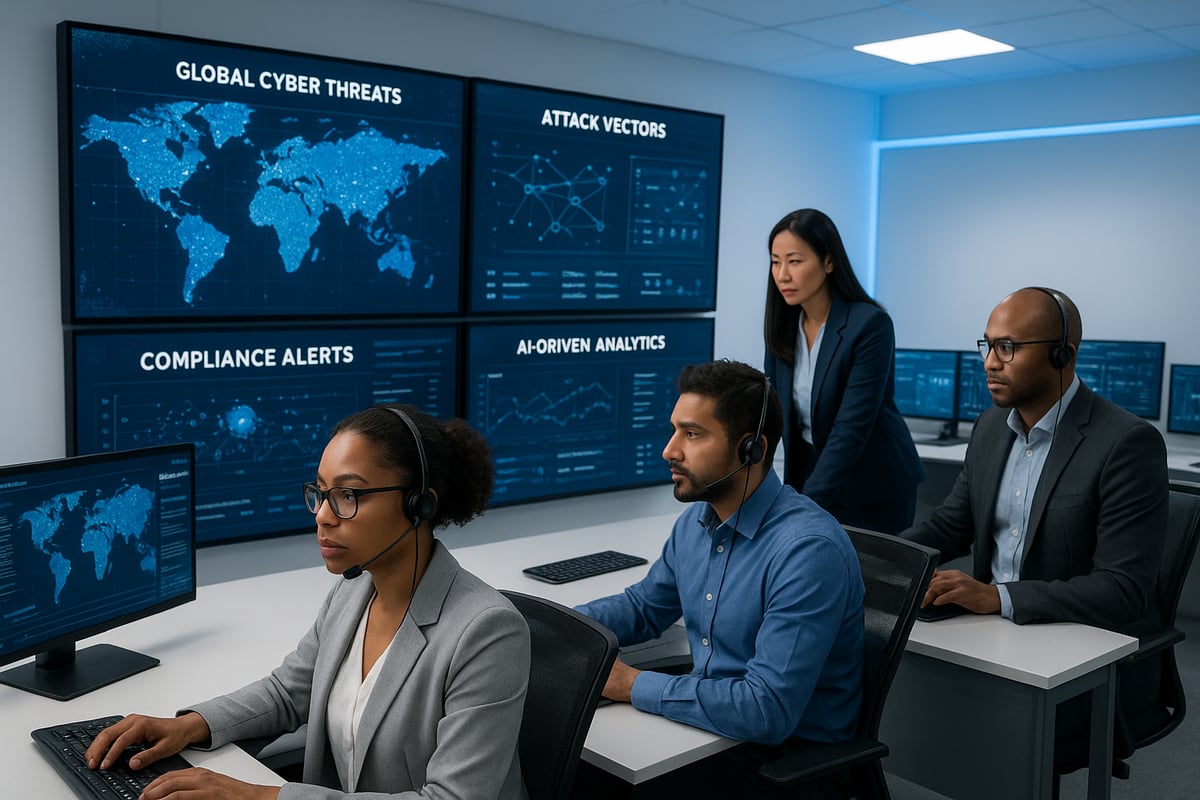
Cyber threats have grown more sophisticated in 2025. AI-driven cyberattacks and automated hacking tools are now common. Ransomware schemes have evolved, targeting both large enterprises and small businesses. Phishing attacks use deepfakes and advanced social engineering to bypass traditional defenses.
Supply chain vulnerabilities and third-party risks are major concerns. Cloud-based threats and security gaps from remote work continue to rise. Insider threats are amplified by hybrid work environments, making the management of information security even more challenging.
According to the IBM 2024 Cost of a Data Breach Report, the average cost of a breach has reached $4.45 million, highlighting the high stakes for organizations. Staying ahead of these threats requires vigilance, innovation, and a proactive approach.
Regulatory and Compliance Shifts
Global privacy regulations have expanded, with updates to GDPR, CCPA, and new laws in APAC regions. Stricter breach reporting requirements are now standard, increasing pressure on businesses to maintain compliance. Data sovereignty and localization rules demand careful planning.
Industry-specific mandates for healthcare, finance, and infrastructure add more layers to the management of information security. For example, new SEC cybersecurity disclosure rules are now enforced in the U.S. Non-compliance brings not only financial penalties but also serious reputational risks.
A recent trend shows that 72% of organizations expect more frequent regulatory audits in 2025. Keeping up with these changes is critical for maintaining trust and avoiding costly setbacks.
The Role of Emerging Technologies
Emerging technologies are reshaping the management of information security. AI and machine learning are now key tools for threat detection and automated response. Zero Trust architecture is gaining momentum, with 60% of enterprises planning adoption by the end of 2025.
Quantum computing poses new risks to encryption, prompting organizations to prepare for quantum-resistant security. The proliferation of IoT devices broadens the attack surface, while blockchain offers new ways to secure data integrity and manage identities.
Cloud-native security tools have become standard, enabling organizations to better protect digital assets in dynamic environments. Adapting to these technologies is essential for staying secure and compliant.
Workforce and Skills Challenges
The cybersecurity skills gap persists, with a global shortage of 3.5 million professionals. Upskilling and cross-training of IT staff are crucial for the management of information security. Security awareness training for all employees is now a regular practice, as human error remains a leading cause of breaches.
Remote onboarding and offboarding present new risks. Demand for certifications like CISSP, CISM, and cloud security continues to rise. Additionally, diversity and inclusion are recognized as key drivers of innovation within security teams.
Organizations that invest in workforce development are better positioned to respond to evolving threats and maintain robust security postures.
Business Impacts and Board-Level Attention
Security is now a core business enabler, not just an IT function. Boards and C-suites are increasingly accountable for the management of information security outcomes. Security metrics are integrated into business performance dashboards, and dedicated cybersecurity committees are becoming the norm.
Shareholder activism and customer trust are closely linked to an organization’s security posture. Insurance and risk transfer costs are rising, reflecting the increased frequency and severity of claims.
With 74% of boards now having a dedicated cybersecurity committee, the importance of security at the highest organizational levels cannot be overstated. Strong leadership and governance are essential for long-term success.
Governance, Compliance, and Strategic Planning
To navigate the increasing complexity of the management of information security in 2025, organizations must establish a robust foundation. Governance, compliance, and strategic planning are now essential pillars, not optional extras. Each area contributes to a holistic approach that protects data, ensures regulatory alignment, and builds resilience for the future.
Building a Governance Framework
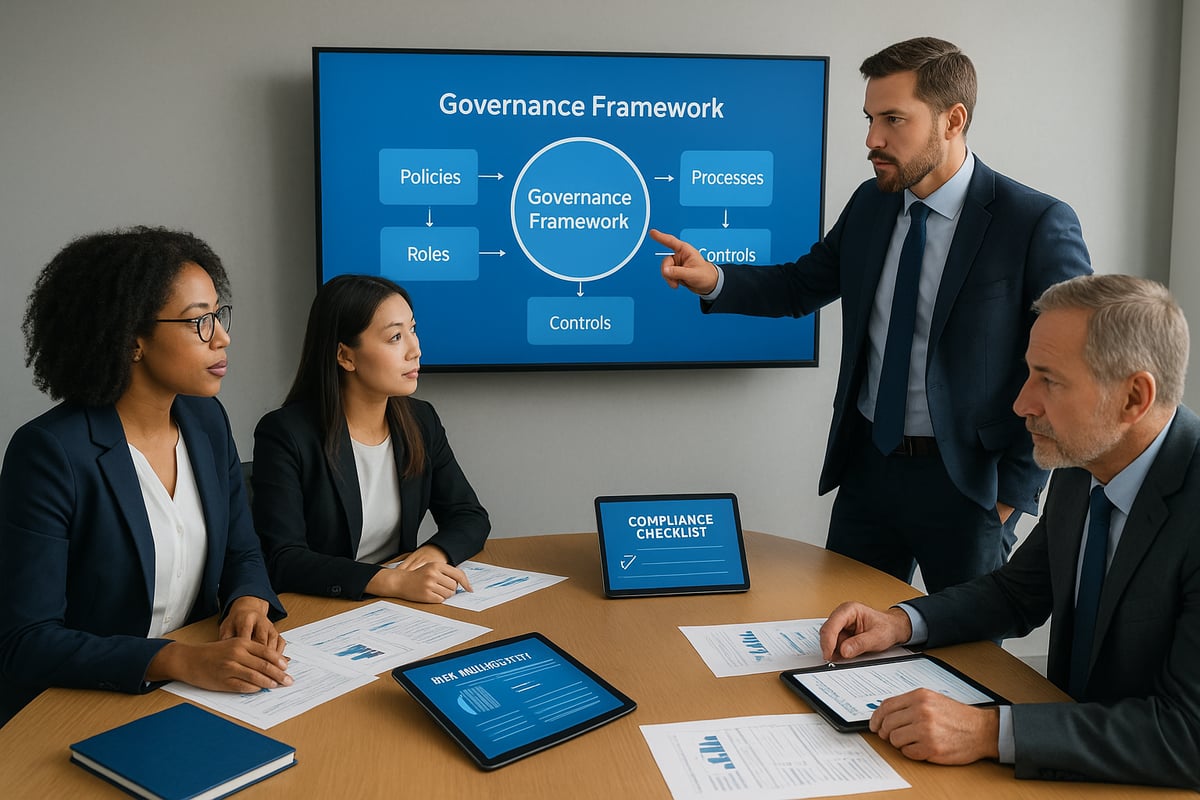
Effective governance aligns the management of information security with business goals. Widely adopted frameworks like ISO/IEC 27001:2022 and NIST provide structure for defining roles, responsibilities, and oversight. Having a Chief Information Security Officer (CISO), Data Protection Officer (DPO), and dedicated risk officers ensures security is embedded at every level.
Organizations with mature governance frameworks report up to 40 percent lower breach impact. According to the FBI 2024 Cybercrime Report, cybercrime costs surged by 33 percent last year, highlighting the urgent need for strong board oversight and regular reporting. Integrating security governance with enterprise risk management drives accountability and continuous policy enforcement.
Legal, Regulatory, and Ethical Considerations
The management of information security must address a complex web of global laws and regulations. GDPR, CCPA, HIPAA, and industry-specific mandates are evolving, while new legislation, such as Canada’s 2025 privacy law, introduces stricter breach notification requirements. Managing cross-border data flows and respecting data sovereignty are now critical.
Legal compliance also extends to digital forensics, incident response, and ethical data use. Organizations must follow professional codes of conduct, such as those from ISACA and ISC2, to minimize liability. Digital evidence management and transparency help maintain trust and prepare for audits or investigations.
Strategic Security Planning
Strategic planning is the backbone of effective management of information security. Organizations need to develop and regularly update a security strategy that aligns with overall business objectives. This involves setting measurable goals, conducting SWOT and risk assessments, and building a clear roadmap for technology adoption.
Annual reviews of strategic plans help reduce unplanned incidents by 30 percent. Engaging stakeholders at all levels ensures buy-in, while proper budgeting and resource allocation support long-term success. Documenting and communicating the strategy keeps everyone aligned and accountable.
Policy Development and Enforcement
Policies are the rules that guide the management of information security. These include acceptable use, data classification, remote work, and BYOD policies. The policy lifecycle covers drafting, approval, communication, and review, with automated tools increasingly used for enforcement.
A common pitfall is relying on outdated policies, as 90 percent of successful attacks exploit such gaps. Regular training and clear escalation procedures encourage employee buy-in. Monitoring and continuous improvement ensure policies remain effective as threats and business needs evolve.
Security Awareness and Culture
Building a security-first culture is vital for the management of information security. Regular training, phishing simulations, and gamified learning foster awareness and engagement across the organization. Leadership must model secure behaviors and promote transparent incident reporting.
Organizations with strong security cultures experience 50 percent fewer incidents. Recognition programs and non-punitive response channels reinforce positive actions. Measuring the effectiveness of awareness programs and adapting them over time supports a resilient, proactive workforce.
Risk Management: Assessment and Mitigation in 2025
Effective risk management is the backbone of the management of information security in 2025. Organizations face an evolving threat landscape, making comprehensive strategies essential for minimizing exposure and ensuring resilience.
Identifying and Assessing Risks
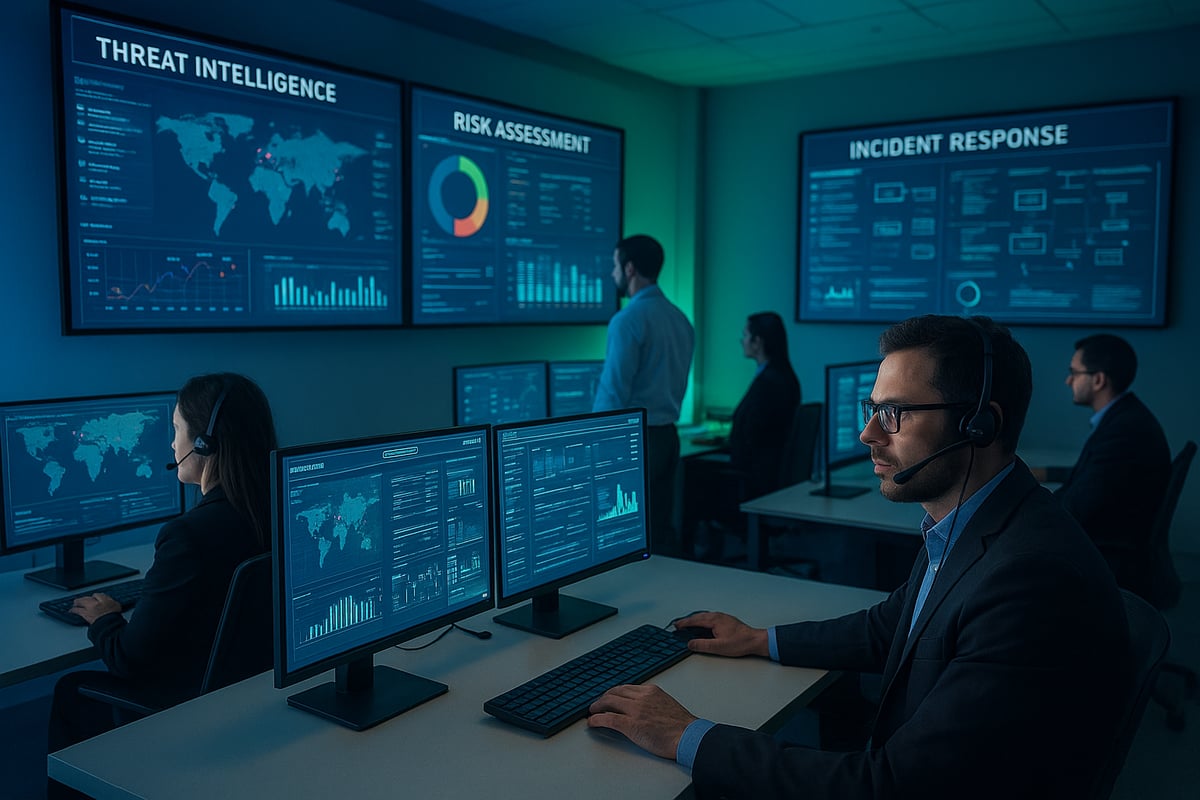
The first step in the management of information security involves identifying assets, classifying data, and understanding vulnerabilities. Threat modeling helps pinpoint where risks originate, while vulnerability assessments uncover weak points.
Automation is revolutionizing this process. Tools now handle inventory and scanning, reducing manual workload by 60 percent. With ransomware attacks in the U.S. rising by 146 percent according to the Zscaler 2025 Ransomware Report, continuous risk assessment is non-negotiable.
Organizations must also perform regular business impact analyses and assess third-party risks to maintain full visibility over their security posture.
Risk Treatment Strategies
Once risks are identified, the management of information security requires a balanced approach to treatment. Strategies include avoiding, mitigating, transferring, or accepting risks based on organizational priorities.
Technical, administrative, and physical controls are selected through a cost-benefit analysis. The surge in cyber insurance adoption, up 25 percent in 2024, demonstrates the importance of risk transfer. Documenting all treatment decisions and regularly reviewing risk posture ensures strategies remain effective.
Prioritization is key, focusing resources where they matter most for business continuity and compliance.
Implementing Controls and Safeguards
A layered defense is essential for robust management of information security. Using endpoint protection, firewalls, and intrusion detection systems helps block unauthorized access.
Access controls like least privilege and multifactor authentication (MFA) are now standard, with Microsoft reporting a 99.9 percent reduction in credential-based attacks due to MFA. Encryption for both data at rest and in transit, along with strict physical security, forms the foundation.
Automated patch management and rapid vulnerability remediation are vital for minimizing the attack surface across all environments.
Incident Response and Business Continuity
Preparation is critical for the management of information security when incidents occur. Effective incident response plans define roles, responsibilities, and communication protocols for all stakeholders.
Organizations that regularly test their plans recover 50 percent faster from breaches. Digital forensics and evidence preservation support investigations, while business continuity and disaster recovery plans keep operations running.
Post-incident reviews help identify lessons learned, driving continuous improvement and resilience.
Continuous Risk Monitoring and Reporting
Real-time monitoring is now a cornerstone of the management of information security. Security information and event management (SIEM) platforms, combined with SOAR tools, provide automated alerts and escalation workflows.
Integrating threat intelligence enables proactive defense against emerging risks. Organizations should track compliance and audit readiness, with regular risk reporting to executives and the board.
Continuous monitoring has been shown to reduce dwell time by 70 percent, helping teams respond swiftly to threats.
Case Study: Real-World Risk Management Success
In 2024, a global financial firm showcased effective management of information security during a sophisticated cyber attack. The team began with comprehensive assessment and mitigation, quickly deploying controls and activating their incident response plan.
Their proactive approach minimized losses, improved regulatory compliance, and reduced breach costs by 35 percent. Key lessons included the value of adaptability, regular reviews, and stakeholder engagement.
This case underscores the importance of continuous improvement and resilience in risk management for 2025.
Developing and Implementing Information Security Programs
Building a robust management of information security program is crucial for defending against today’s advanced threats. Effective programs require clear strategy, strong governance, and seamless integration with business priorities. Organizations must adapt their approach to stay resilient in the face of evolving risks.

Designing a Security Program
The foundation of any management of information security initiative is a well-structured program. Start by defining the core components: strategy, governance, risk management, compliance, and operations. Align these elements with business goals to ensure security supports, rather than hinders, growth.
Involve stakeholders from across departments to foster collaboration. Allocate resources efficiently, setting clear responsibilities and expectations. Document the program’s structure, processes, and objectives to maintain clarity and accountability. Use maturity models to regularly assess progress and identify areas for enhancement.
Security Program Implementation Steps
A stepwise approach streamlines the management of information security rollout. Begin with strong leadership and a cross-functional team. Clearly define the program’s scope, objectives, and metrics for success.
Develop comprehensive policies, procedures, and standards. Select and deploy technologies that meet your unique needs. Train staff using targeted awareness campaigns. Monitor and measure all components, adapting the program as threats evolve. Organizations that follow a structured implementation process often achieve faster returns on their security investments.
Security Operations and Monitoring
Effective management of information security depends on proactive operations and monitoring. Security operations centers (SOC) provide 24/7 threat detection, analysis, and incident response. Many organizations now leverage AI and automation to reduce false positives and rapidly identify threats.
Integrating log management and threat intelligence is essential for situational awareness. According to the Verizon 2023 Data Breach Investigations Report, understanding the latest attack patterns helps organizations fine-tune their defenses. Regular performance reviews and metrics ensure SOC effectiveness and drive continuous improvement.
Cloud and Remote Work Security
With the rise of cloud adoption and hybrid work, management of information security must extend to remote users and cloud platforms. Secure cloud infrastructure and SaaS applications using robust identity and access controls. Implement data loss prevention tools to safeguard sensitive information.
Consider replacing traditional VPNs with Software Defined Perimeter or Zero Trust Network Access. Protect remote devices through endpoint security solutions. Update policies to address the unique challenges of hybrid and remote work arrangements, ensuring consistent enforcement across environments.
Third-Party and Supply Chain Security
Supply chain vulnerabilities are a growing concern in the management of information security. Regularly assess and monitor the security posture of vendors and partners. Include detailed security requirements in contracts and service-level agreements.
Develop strategies to prevent supply chain attacks, such as segmenting networks and sharing threat intelligence with trusted partners. Maintain ongoing due diligence, with periodic reassessments. Legal and compliance issues should be addressed throughout the supply chain to reduce organizational risk.
Metrics, Auditing, and Continuous Improvement
Measuring the effectiveness of your management of information security program requires clear metrics and regular audits. Identify key performance indicators such as incident response times, compliance rates, and vulnerability remediation cycles.
Conduct gap analyses to uncover weaknesses and prioritize remediation. Use feedback from incidents and near-misses to refine controls. Transparent reporting keeps stakeholders informed and supports a culture of accountability. Continuous improvement ensures your security program evolves to meet new threats and regulatory changes.
Future-Proofing Information Security: Trends and Best Practices for 2025
Staying ahead in the management of information security means anticipating tomorrow’s threats and adopting leading-edge strategies. As cyber risks grow more sophisticated, organizations must future-proof their defenses by embracing innovation, best practices, and a proactive mindset.
AI, Automation, and Security Orchestration
Artificial intelligence and automation are transforming the management of information security. AI-driven tools excel at anomaly detection, threat hunting, and incident response, allowing security teams to shift from reactive to proactive defense. Security orchestration, automation, and response (SOAR) platforms streamline workflows, enabling faster and more consistent handling of threats.
Automated playbooks can reduce response times from hours to minutes. The balance between automation and human oversight is critical, as adversarial AI becomes a real concern. To stay resilient, organizations must continually update AI models and ensure staff are trained to interpret and act on automated insights.
Zero Trust Architecture and Identity Management
Zero Trust has become a cornerstone for the management of information security. The principle is simple: never trust, always verify. Organizations are rapidly adopting micro-segmentation and least privilege access, making identity the new perimeter.
Identity and access management (IAM), privileged access management (PAM), and single sign-on (SSO) solutions are central to this approach. By continuously authenticating users and monitoring behavior, Zero Trust minimizes lateral movement during breaches. Integrating Zero Trust with legacy systems can be challenging, but a phased adoption roadmap can help organizations achieve robust protection.
Quantum-Resistant Security and Encryption
Quantum computing poses a significant challenge to the management of information security. Current encryption standards may become obsolete as quantum capabilities advance. NIST’s post-quantum cryptography initiatives are guiding organizations to inventory and update cryptographic assets.
Early adopters of quantum-resistant algorithms are gaining a compliance edge and reducing future risk. During the transition, hybrid encryption models offer a practical solution. Careful vendor selection and migration planning are essential. For more on post-quantum standards, see NIST’s post-quantum cryptography project.
Privacy-Enhancing Technologies and Data Governance
Privacy-enhancing technologies (PETs) are vital for the management of information security in a regulatory-heavy landscape. Techniques like data minimization, anonymization, and pseudonymization help organizations reduce risk and build customer trust.
Automated data discovery and classification streamline compliance. Privacy by design is now a core expectation in software development. Consent management and user rights automation ensure adherence to privacy laws. A strong data governance framework, supported by regular effectiveness measurements, positions organizations for ongoing regulatory success.
Security for IoT and Edge Computing
Expanding networks of IoT and edge devices present unique challenges for the management of information security. These devices increase the attack surface, with scale and diversity complicating oversight. Secure device onboarding, patching, and decommissioning are critical steps.
In 2024, IoT devices accounted for 30% of new vulnerabilities. Network segmentation, device authentication, and firmware integrity checks are essential controls. Regulations now target IoT security, making compliance a business priority. Lifecycle management best practices ensure ongoing protection as devices are added or retired.
Building a Resilient Security Culture for the Future
A proactive culture is the foundation of effective management of information security. Leadership must visibly support security initiatives and embed secure behaviors into organizational values. Continuous learning and upskilling keep staff ahead of emerging threats.
Peer-driven awareness programs and security champions foster engagement. Recognizing and rewarding secure actions motivates positive change. Future-ready organizations are doubling investments in security culture, adapting their approach as technology and risks evolve. Measuring culture effectiveness helps maintain momentum and drive continuous improvement.
Now that you understand the challenges, best practices, and future trends shaping information security in 2025, it is clear that staying ahead requires expert support and proactive strategies. At Delphi Systems Inc., we are dedicated to helping small businesses in Lethbridge and surrounding areas safeguard their IT networks, so you can focus on what matters most—growing your business. If you are ready to strengthen your security posture, ensure compliance, and gain peace of mind with reliable managed IT services, let us guide you every step of the way. To get started, Call us now.

