



In 2025, cyber threats are evolving at an unprecedented pace, exposing organizations to greater risks than ever before. Staying ahead requires more than just basic defenses.
This guide delivers a step-by-step approach to mastering network security analysis, giving you the tools and knowledge to defend your business against modern attacks.
You will explore foundational concepts, proven analysis processes, the latest tools, industry trends, and expert strategies to keep your network secure.
If you want actionable solutions for lasting protection, follow this roadmap and take control of your organization’s cybersecurity future.
Understanding Network Security Analysis: Foundations & Importance
In 2025, the stakes for network security analysis are higher than ever. As cybercriminals adapt, organizations must strengthen their defenses to safeguard data, maintain trust, and ensure business continuity. Understanding the foundations and significance of network security analysis is the first step toward building a resilient network.

Defining Network Security Analysis
Network security analysis is the systematic process of monitoring, identifying, and mitigating threats within an organization’s digital infrastructure. Its primary objectives are to ensure confidentiality, integrity, and availability of data and network resources.
Unlike general IT monitoring, which focuses on performance and uptime, network security analysis targets potential vulnerabilities and malicious activity. It involves specialized techniques and tools designed to detect unauthorized access, data exfiltration, or abnormal behavior.
The discipline extends beyond simple observation. Analysts assess patterns, investigate anomalies, and respond to incidents to protect critical assets. By maintaining a security-focused lens, network security analysis helps organizations address risks proactively.
Why Network Security Analysis Matters in 2025
The modern threat landscape is more complex than ever. Ransomware, phishing, and supply chain attacks are on the rise, with 68% of businesses experiencing at least one breach in 2024. Compliance requirements such as GDPR and CCPA add further pressure to maintain robust security practices.
Financial and reputational consequences of breaches can be devastating. Lost revenue, regulatory fines, and damaged trust can cripple even established organizations. According to the Cisco Cybersecurity Readiness Index 2025, many companies still face significant gaps in network resilience, highlighting the urgency for comprehensive network security analysis.
Core Components of Network Security Analysis
Effective network security analysis relies on several core components:
- Asset identification and classification: Cataloging all devices, applications, and data repositories.
- Threat and vulnerability assessment: Regularly scanning for risks and weaknesses.
- Incident detection and response: Quickly identifying and addressing security events.
- Continuous monitoring and reporting: Maintaining real-time visibility and documenting findings.
Each component serves a vital role in building a layered defense. Together, they allow teams to detect threats early and respond swiftly, minimizing potential damage.
The Evolving Role of Security Analysts
The role of security analysts is shifting from reactive to proactive. Instead of waiting for alerts, analysts now anticipate threats, integrate with business continuity planning, and support strategic decision-making.
Organizations are investing more in skilled professionals, with a projected 35% increase in job openings for network security analysis by 2025. Analysts are expected to leverage advanced tools, collaborate across departments, and adapt to changing technologies.
Continuous learning and adaptability are now essential traits. Security analysts are not only technical experts but also key contributors to organizational resilience.
Real-World Examples
Consider a healthcare provider that suffered a major breach due to limited network visibility. Sensitive patient data was exposed, resulting in costly remediation and loss of public trust. In contrast, a small business avoided a ransomware attack by implementing proactive network security analysis, detecting abnormal traffic before data could be encrypted.
These examples show how a well-structured approach to network security analysis can make the difference between disruption and resilience. By applying foundational concepts and staying alert to evolving threats, organizations can protect their most valuable assets.
Step-by-Step Roadmap for Effective Network Security Analysis
Mastering network security analysis in 2025 demands a structured, repeatable process. By following these seven essential steps, you build a resilient defense that adapts to evolving threats. Each phase brings your organization closer to robust, proactive protection.

Step 1: Network Mapping & Asset Discovery
Begin your network security analysis by identifying every device, endpoint, and resource connected to your infrastructure. This inventory is the foundation for all subsequent steps.
- Use automated scanning tools such as Nmap or Lansweeper to detect servers, workstations, IoT devices, and cloud assets.
- Maintain accurate and up-to-date network diagrams to visualize connections and data paths.
- Regularly review and validate your asset list to catch new or decommissioned devices.
A comprehensive asset inventory ensures you know exactly what needs protection. Overlooking this step can leave hidden vulnerabilities open to attack.
Step 2: Establishing a Baseline
The next step in network security analysis is to define what "normal" looks like for your environment. Establishing a baseline helps you spot anomalies quickly.
- Analyze historical network traffic to determine typical bandwidth usage, communication patterns, and access times.
- Use baselining tools to automate this process and generate reports.
- Document baseline metrics for future comparison and auditing.
With a clear baseline, even subtle deviations can be flagged for further investigation, reducing the window of opportunity for attackers.
Step 3: Threat and Vulnerability Assessment
A critical element of network security analysis is identifying weaknesses before adversaries do. This proactive approach minimizes risk.
- Deploy vulnerability scanners like Nessus or OpenVAS to find outdated software and misconfigurations.
- Prioritize remediation efforts based on risk, asset criticality, and exploitability.
- Remember, 60% of breaches exploit unpatched vulnerabilities, underscoring the need for timely updates.
Regular vulnerability assessments ensure that your defenses stay ahead of the latest threats.
Step 4: Implementing Continuous Monitoring
Continuous monitoring elevates your network security analysis from periodic checks to ongoing vigilance. Real-time detection is essential in today's threat landscape.
- Implement intrusion detection and prevention systems (IDS/IPS) such as Snort or Suricata to monitor traffic for suspicious activity.
- Integrate logs from firewalls, servers, and applications into a SIEM platform for centralized analysis.
- Set up real-time alerts for unusual events, enabling swift response.
Modern continuous monitoring increasingly leverages AI-driven security solutions, which enhance detection accuracy and adapt to new attack patterns with machine learning.
Step 5: Incident Detection and Response Planning
Preparation is key in network security analysis. A well-defined incident response plan limits damage and accelerates recovery.
- Develop and routinely update response playbooks for common threats.
- Automate responses to reduce manual intervention and speed up containment.
- Conduct tabletop exercises and red teaming to test your readiness and improve procedures.
When incidents occur, a rehearsed team can act decisively, minimizing disruption and loss.
Step 6: Reporting and Documentation
Clear reporting is integral to network security analysis. It translates technical findings into actionable insights for stakeholders.
- Tailor reports for different audiences, from technical teams to executive leadership.
- Document regulatory compliance efforts to satisfy auditors and regulators.
- Capture lessons learned after incidents to fuel ongoing improvement.
Effective documentation not only demonstrates diligence but also supports legal and compliance requirements.
Step 7: Ongoing Review and Optimization
Continuous improvement is the hallmark of mature network security analysis. Security is not static; regular reviews keep your defenses agile.
- Schedule periodic audits and reassessments of your entire process.
- Integrate feedback and threat intelligence to refine controls and response strategies.
- For example, organizations that review and optimize their response plans often see a 40% reduction in incident response times.
By embracing ongoing optimization, your team stays ahead of attackers and regulatory changes alike.
Essential Tools & Technologies for Network Security Analysis in 2025
Selecting the right tools is critical for effective network security analysis. In 2025, organizations face increasingly complex threats that demand a combination of robust scanning, intelligent detection, and automated response. Equipping your team with the best technologies ensures your defenses stay ahead of attackers and compliance requirements.

Network Scanners and Mapping Tools
Network security analysis starts with a clear view of your digital terrain. Tools like Nmap, Angry IP Scanner, and SolarWinds provide automated asset discovery and network mapping. These tools identify all devices, endpoints, and open ports within your environment.
Maintaining an up-to-date network inventory is fundamental. Accurate network diagrams help analysts spot unauthorized devices and reduce blind spots. Integrating these tools into your workflow supports proactive monitoring and strengthens your overall network security analysis.
Vulnerability Assessment Platforms
Identifying weaknesses before they are exploited is central to network security analysis. Leading platforms such as Nessus, Qualys, and Rapid7 offer automated vulnerability scanning and risk scoring.
| Platform | Key Features | Best For |
|---|---|---|
| Nessus | Comprehensive scans, plugins | SMBs, Enterprises |
| Qualys | Cloud-based, continuous monitoring | Large enterprises |
| Rapid7 | User-friendly, integration | Mid-size businesses |
These tools help prioritize remediation based on real risk, ensuring your network security analysis targets the most critical vulnerabilities.
Intrusion Detection & Prevention Systems (IDS/IPS)
IDS and IPS technologies are pillars of network security analysis. Open-source solutions like Snort and Suricata offer flexibility, while commercial options provide advanced analytics and support.
Effective deployment means integrating IDS/IPS with your SIEM for real-time threat detection. By monitoring network traffic and blocking suspicious activity, these systems play a vital role in your network security analysis strategy.
Security Information and Event Management (SIEM)
SIEM platforms centralize log management and security events, making them indispensable for network security analysis. Top solutions include Splunk, IBM QRadar, and LogRhythm.
Key SIEM features:
- Real-time event correlation and analytics
- Automated alerting and incident escalation
- Compliance reporting and audit support
These platforms empower teams to detect threats quickly and respond efficiently, elevating the effectiveness of network security analysis.
Threat Intelligence Platforms
Threat intelligence enhances network security analysis by providing context on emerging threats. Platforms that integrate frameworks like MITRE ATT&CK enable analysts to map adversary tactics and techniques.
For advanced environments, adopting AI frameworks such as NetMoniAI: AI framework for network security can automate monitoring, enrich threat context, and coordinate response efforts across distributed networks. This supports a proactive and adaptive approach to network security analysis.
Automation & Orchestration Tools
Security orchestration, automation, and response (SOAR) platforms are transforming network security analysis. In 2024, 58 percent of enterprises use SOAR to automate repetitive tasks and streamline incident response.
SOAR tools reduce analyst workload, minimize manual errors, and accelerate remediation. Integrating automation into your network security analysis process ensures timely and consistent threat management.
Cloud Security Tools
With more organizations adopting hybrid and multi-cloud environments, specialized cloud security tools are now essential for network security analysis. Solutions like Azure Security Center and AWS GuardDuty provide continuous monitoring, vulnerability detection, and compliance management.
Key benefits:
- Centralized visibility across cloud assets
- Automated threat detection and alerting
- Simplified regulatory reporting
These tools help organizations adapt their network security analysis for the modern, distributed workforce.
Emerging Trends & Challenges in Network Security Analysis
In 2025, network security analysis faces a rapidly shifting landscape. New technologies, complex threats, and the changing nature of work are reshaping how organizations defend their digital assets. Staying ahead means understanding these trends and adapting strategies for continuous protection.
Rise of AI and Machine Learning
Artificial intelligence and machine learning are now central to network security analysis. These technologies enable faster detection of abnormal patterns and help analysts spot threats that traditional tools might miss.
For example, AI-driven behavioral analytics can flag subtle deviations in user activity. However, there are limitations, including the risk of false positives or adversarial AI tactics that attempt to evade detection.
A simple anomaly detection use case might look like this:
if traffic_volume > baseline * 2:
    alert("Potential data exfiltration detected")
Despite the promise, human expertise remains vital for interpreting results and fine-tuning models.
Zero Trust Network Architectures
Zero Trust principles are transforming network security analysis by requiring continuous verification of every user and device. This approach limits lateral movement within networks and helps contain breaches.
Organizations are increasingly adopting Zero Trust as the new standard. According to Zero Trust Architecture adoption in 2025, more companies are implementing strict access controls and micro-segmentation to minimize risk.
Transitioning to Zero Trust brings challenges, such as updating legacy systems and retraining staff. Best practices include phased rollouts and comprehensive policy reviews.
Cloud and Remote Work Environments
The shift to cloud infrastructure and remote work creates new attack surfaces. Network security analysis must account for distributed endpoints, cloud workloads, and unsecured home networks.
A notable trend is the surge in VPN attacks targeting remote employees. To address these risks, organizations are:
- Deploying cloud-native security tools
- Enforcing multi-factor authentication
- Monitoring user access across hybrid environments
Regular assessments ensure visibility and control remain strong as work patterns evolve.
Encryption and Privacy Regulations
End-to-end encryption is now the norm for protecting sensitive data in transit and at rest. While this strengthens privacy, it also complicates network security analysis by limiting visibility into encrypted traffic.
Navigating global privacy regulations, such as GDPR and CCPA, adds another layer of complexity. Security teams must balance effective monitoring with regulatory compliance, ensuring they respect user privacy while detecting threats.
Documenting processes and maintaining audit trails are essential for demonstrating compliance during regulatory reviews.
Increasing Threat Sophistication
Attackers are leveraging advanced persistent threats and supply chain compromises to bypass traditional defenses. The SolarWinds breach remains a stark reminder of how deeply embedded attackers can become.
Network security analysis now requires:
- Proactive hunting for subtle indicators of compromise
- Integration of threat intelligence feeds
- Regular validation of third-party vendors
A table summarizing recent threat trends:
| Threat Type | 2025 Trend | Example Incident |
|---|---|---|
| Ransomware | Targeted, automated | Healthcare sector |
| Supply Chain Attacks | Increasing | SolarWinds breach |
| Phishing & Social Engineering | Highly personalized | Executive spear phishing |
Timely detection and rapid response are more critical than ever.
Talent Shortage & Skills Gap
By 2025, the cybersecurity workforce gap is projected to reach 3.5 million unfilled positions worldwide. This talent shortage puts pressure on organizations to automate routine tasks and invest in upskilling existing staff.
Some solutions include:
- Leveraging automation platforms to reduce manual workload
- Partnering with educational institutions for talent pipelines
- Encouraging continuous learning and certification
Bridging the skills gap is essential for sustaining effective network security analysis in the face of evolving threats.
Building a Future-Ready Network Security Strategy
Creating a resilient network security analysis strategy is essential for organizations facing tomorrow’s threats. As attack surfaces expand, businesses need a holistic, adaptable approach that aligns with evolving risks and operational goals.
Risk-Based Approach to Security Investments
Adopting a risk-based approach ensures that network security analysis efforts deliver the greatest value. Instead of spreading resources thin, focus on assets and vulnerabilities that matter most to your business.
Consider this simplified cost-benefit table:
| Investment Area | Potential Impact | Estimated Cost | ROI Potential |
|---|---|---|---|
| Advanced Monitoring | High | $$$ | High |
| Staff Training | Medium | $$ | Medium |
| Basic Firewalls | Low | $ | Low |
By prioritizing investments, you maximize protection and justify spend. Regularly review your risk profile to keep your network security analysis aligned with business realities.
Integrating Network Security Analysis with Business Goals
Network security analysis is not just a technical exercise. It must support wider business objectives, such as uptime, customer trust, and regulatory compliance.
Align analysis metrics with KPIs like mean time to detect (MTTD) and mean time to respond (MTTR). Communicate how security efforts reduce downtime, protect data, and enable growth. This integration ensures network security analysis is valued at every level of your organization.
Continuous Training & Awareness
A strong network security analysis strategy relies on knowledgeable people. Regular training helps staff recognize threats and follow secure practices.
Offer security awareness programs for all employees. Invest in analyst upskilling, such as certifications and hands-on labs. When everyone understands their role, network security analysis becomes a shared responsibility, reducing human error and strengthening defenses.
Leveraging Managed Security Services
For many organizations, managed security services providers (MSSPs) are a smart extension of the team. MSSPs bring advanced tools, expertise, and round-the-clock monitoring, often at a predictable cost.
Assess your internal capabilities and consider outsourcing network security analysis functions that are resource-intensive or require specialized skills. Choose MSSPs with transparent reporting, proven track records, and tailored services to support your organization’s needs.
Collaboration & Threat Intelligence Sharing
Collaboration is vital for effective network security analysis. Join industry-specific groups like ISACs to exchange real-time threat intelligence. Sharing information about emerging threats, indicators of compromise, and best practices accelerates detection and response.
Encourage internal collaboration between IT, compliance, and executive teams. This unity strengthens network security analysis and builds organizational resilience.
Metrics for Measuring Security Analysis Success
Tracking the right metrics is crucial. Focus on indicators such as:
- Mean time to respond (MTTR)
- False positive and negative rates
- Threat coverage percentage
Benchmark these metrics against industry standards. Use the data to refine your network security analysis processes, demonstrate progress to stakeholders, and identify areas for improvement.
Adapting to Evolving Threats
The threat landscape never stands still. Build an agile security team that reviews and updates playbooks regularly. Incorporate new tools and threat intelligence as they emerge.
Continuous improvement ensures your network security analysis remains effective as attackers innovate. Stay proactive, and your organization will be prepared for whatever comes next.
Expert Insights: Tips for Small Businesses and Growing Teams
Small businesses face unique challenges when it comes to network security analysis. Understanding common pitfalls and expert strategies can help you build a resilient security foundation. Let us explore practical insights to empower your team and safeguard your digital assets.
Common Pitfalls in Network Security Analysis
Many small businesses underestimate the importance of comprehensive network security analysis. Overlooking asset inventory is a frequent mistake, leaving critical devices unprotected. Relying solely on automated tools without human oversight can also create blind spots.
Other pitfalls include neglecting regular updates, failing to monitor cloud environments, and lacking a clear incident response plan. These oversights can expose your organization to avoidable threats.
To avoid these issues, conduct frequent inventories, blend automated scanning with manual review, and establish clear security protocols. Staying vigilant is key to effective network security analysis.
Budget-Friendly Security Analysis Practices
Cost constraints are a reality for many growing businesses. However, budget limitations should not prevent robust network security analysis. Open-source tools such as Snort, Suricata, and OpenVAS provide effective security capabilities without high costs.
Adopting phased implementation allows you to prioritize critical assets and spread investments over time. Focus first on the most vulnerable areas, then expand your coverage as resources allow. Leveraging community support and free training resources can also stretch your security budget.
With the right approach, network security analysis can be both affordable and effective for small organizations.
Tailoring Analysis for Small Business Needs
Each business has unique security requirements. Tailoring your network security analysis means focusing on the assets and data most vital to your operations. Small businesses should identify their most sensitive information and ensure strong protections are in place.
Simplified reporting is essential for smaller teams. Use clear, actionable reports that highlight risks without overwhelming detail. Compliance is also crucial, especially for businesses handling customer data or working in regulated industries.
By customizing your network security analysis, you can address specific risks and maintain compliance with minimal complexity.
The Role of Local Managed IT Partners
Partnering with a local managed IT provider can fill expertise gaps for small businesses. These partners offer specialized knowledge and can manage day-to-day network security analysis, freeing your team to focus on core business functions.
Local providers understand your industry and regional regulations, ensuring tailored solutions. They can monitor your network around the clock and respond quickly to incidents. This partnership can be especially valuable if you lack in-house security staff.
Choosing a trusted local partner can greatly enhance your network security analysis capabilities and provide peace of mind.
Delphi Systems Inc.: Managed IT Security for Small Businesses
Delphi Systems Inc. specializes in managed IT services for small businesses in Lethbridge and the surrounding areas. Their approach to network security analysis includes proactive monitoring, real-time threat detection, and comprehensive data protection.
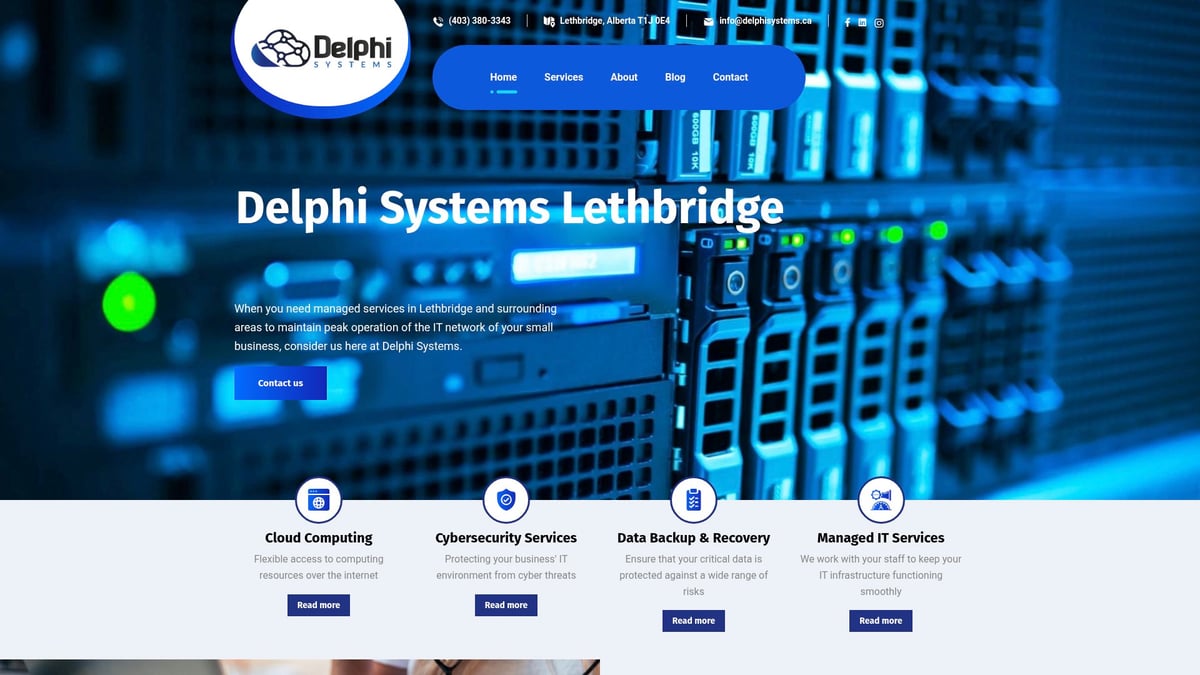
The company offers a fixed-rate, all-inclusive pricing model, making security costs predictable and manageable. By partnering with leading technology vendors, Delphi Systems delivers robust security solutions tailored to your unique business needs.
Local testimonials from healthcare and professional services clients highlight how expert-managed network security analysis safeguards critical operations and supports business growth.
Scaling Security Analysis as Your Business Grows
As your business expands, your network security analysis must evolve. Increased complexity brings new devices, applications, and compliance requirements. Plan for this growth by regularly reassessing your security posture and updating your asset inventory.
Recognize when to transition from in-house security to managed solutions. Outsourcing may become necessary as demands outpace internal resources. Proactively scaling your network security analysis ensures ongoing protection and regulatory compliance.
Staying ahead of growth-related risks will help your organization maintain a strong security foundation.
Resources for Continuous Learning
Continuous education is critical in the fast-changing world of network security analysis. Investing in staff training and certifications strengthens your defense against emerging threats. Popular certifications include:
| Certification | Focus Area |
|---|---|
| CompTIA Security+ | General security basics |
| CISSP | Advanced security |
| CEH | Ethical hacking skills |
Stay informed by following trusted industry news sources and subscribing to threat intelligence feeds. Ongoing learning will keep your team ready to tackle new challenges and adapt your network security analysis over time.
After walking through this expert roadmap for network security analysis, you can see how vital it is to stay ahead of modern cyber threats—especially as a small business looking to grow safely and efficiently. If you want to focus on your core operations while ensuring your network is protected and professionally managed, let’s talk. Delphi Systems Inc. specializes in proactive, fixed-rate IT support tailored for businesses in Lethbridge and beyond. We’re here to help you put these strategies into action, protect your data, and give you peace of mind.
Call us now

