
By 2026, global cybercrime damages are expected to soar to $10.5 trillion annually. As our digital systems grow more complex, the personal and business data they hold becomes even more valuable to cybercriminals.
Without robust system and data security, organizations face significant risks. These include financial loss, reputational harm, and strict regulatory penalties that can threaten business survival.
This guide delivers a comprehensive roadmap for system and data security in 2026, empowering you to safeguard your digital world with confidence.
You will discover the evolving threat landscape, core security principles, technical safeguards, organizational strategies, the latest technologies, and actionable steps for ongoing protection.
Understanding the 2026 Threat Landscape
The digital world is facing an unprecedented surge in cyber threats, making system and data security a top priority for organizations and individuals. As we look toward 2026, understanding the evolving landscape is crucial for building robust protection strategies.

Evolving Cyber Threats and Attack Vectors
Attackers are constantly refining their methods, targeting vulnerabilities across all levels of digital infrastructure. Common attack vectors in 2026 include phishing, ransomware, supply chain breaches, and insider threats.
Recent years have seen high-profile breaches, such as supply chain attacks that compromised trusted software updates and ransomware campaigns that crippled city governments. The sophistication of AI-driven cyberattacks has escalated, enabling automated scans and adaptive malware.
IoT devices, from smart home products to industrial sensors, present new vulnerabilities. Cloud adoption has introduced risks like misconfigurations and unauthorized access. With 68% of organizations experiencing at least one attack in 2025, system and data security must address these expanding threat surfaces.
Remote and hybrid work environments have increased risk by dispersing endpoints and reducing centralized control. Deepfakes and social engineering tactics further blur the line between real and manipulated information, making comprehensive defenses essential.
Regulatory and Compliance Landscape
The regulatory environment for system and data security is growing more complex. Major frameworks such as GDPR, CCPA, and updated PIPEDA in Canada set strict data protection standards. By 2026, new compliance requirements are emerging, demanding greater transparency and proactive controls.
Non-compliance can result in severe penalties, including hefty fines, lawsuits, and loss of business. Notable examples include companies fined millions for failing to safeguard customer data. Industry-specific rules, like HIPAA for healthcare and PCI DSS for payments, add further layers of obligation.
A recent surge in compliance-related breaches highlights the importance of aligning business practices with legal mandates. Organizations are increasingly investing in security to meet these requirements, recognizing that system and data security is not just an IT issue but a legal necessity.
The Human Element: Social Engineering and Insider Risks
Human error remains the leading cause of breaches, with over 85% involving a human element according to the Verizon DBIR. Social engineering tactics, such as pretexting, baiting, and tailgating, exploit trust and curiosity to bypass technical defenses.
Insider threats come in two forms: malicious insiders who act intentionally, and negligent insiders who unintentionally expose data. High-profile incidents have shown how a single compromised employee can result in massive data losses.
Security awareness training is vital for reducing these risks. However, detecting insider threats remains challenging, as attackers often mimic normal user behavior. Behavioral monitoring and continuous education are critical elements in a robust system and data security program.
The Cost of Insecurity: Business and Personal Impact
The financial consequences of weak system and data security are staggering. In 2025, the average cost of a breach reached $4.45 million, including direct loss, downtime, and recovery expenses.
Beyond financial loss, organizations face reputational damage and erosion of customer trust, which can take years to rebuild. Legal repercussions, such as lawsuits and regulatory fines, further compound the impact.
Small businesses are particularly vulnerable, often lacking resources for rapid recovery. On a personal level, individuals may suffer identity theft and loss of privacy. Recovery timelines are often long, requiring coordinated efforts across IT, legal, and communications teams.
Trends Shaping the Future of Cybersecurity
Several trends are redefining system and data security for 2026. AI-powered defense and attack tools are proliferating, automating both threat detection and exploitation. Quantum computing is on the horizon, threatening to break existing encryption methods.
Zero trust architecture is becoming the standard, requiring verification at every access point. Automation streamlines security monitoring and response, while biometrics and behavioral analytics provide stronger authentication.
Privacy-by-design is gaining traction in software development, embedding security controls from the outset. Staying ahead of these trends is essential for future-proofing system and data security strategies.
Core Principles of System and Data Security
Understanding the core principles of system and data security is essential for building robust defenses in today’s digital environment. These foundational concepts guide organizations and individuals in safeguarding valuable information, minimizing risks, and responding effectively to emerging threats.

Confidentiality, Integrity, and Availability (CIA Triad)
The CIA triad forms the backbone of system and data security. Confidentiality ensures only authorized users can access sensitive information. Integrity protects data from unauthorized modification, keeping information accurate and trustworthy. Availability guarantees that data and systems are accessible when needed.
Consider a healthcare provider storing patient records. If confidentiality is breached, private data could be exposed. Compromised integrity might lead to incorrect medical information, while poor availability could prevent doctors from accessing records during emergencies.
Balancing these principles is crucial. Each aspect supports the others, creating a holistic approach to system and data security in both business and personal contexts.
Defense in Depth: Layered Security Approach
A layered security model, known as defense in depth, provides multiple barriers against cyber threats. This approach addresses vulnerabilities at several levels: physical security, network defenses, application safeguards, endpoint controls, and user awareness.
For example, a company might use locked server rooms, firewalls, encrypted communications, and employee training to protect its assets. When one layer fails, others remain in place, reducing the likelihood of a breach.
Modern strategies increasingly incorporate Zero-Trust Architecture 2.0 evolution, requiring strict verification for every user and device. Implementing defense in depth is a best practice for system and data security, helping prevent complex, multi-stage attacks.
Least Privilege and Access Control
The principle of least privilege is vital for effective system and data security. It means granting users only the access they need to perform their roles, nothing more. This approach reduces the risk of accidental or malicious misuse of sensitive data.
Role-based access control (RBAC) assigns permissions based on job functions, limiting exposure. Breaches often occur when excessive privileges are left unchecked, allowing attackers to move freely within a network.
Identity and access management (IAM) tools, along with regular audits, help enforce least privilege. By reviewing privileges consistently, organizations can quickly identify and correct vulnerabilities, maintaining strong system and data security.
Security by Design and Continuous Improvement
Integrating security from the start—security by design—ensures that protections are embedded throughout the software and system development lifecycle. Privacy-by-design principles focus on minimizing data collection and securing information at every step.
Continuous improvement is essential, as threats evolve rapidly. Regular security assessments, updates, and adopting practices like DevSecOps help organizations stay ahead.
By embedding security into workflows and fostering a culture of learning, businesses and individuals can adapt to new challenges and enhance their system and data security over time.
Technical Safeguards and Tools for 2026
In 2026, robust technical safeguards are non-negotiable for effective system and data security. Organizations face increasingly sophisticated threats, making it essential to deploy advanced tools and strategies. The following subsections outline the critical technical components required to secure systems and data in the coming years.
Advanced Authentication and Identity Management
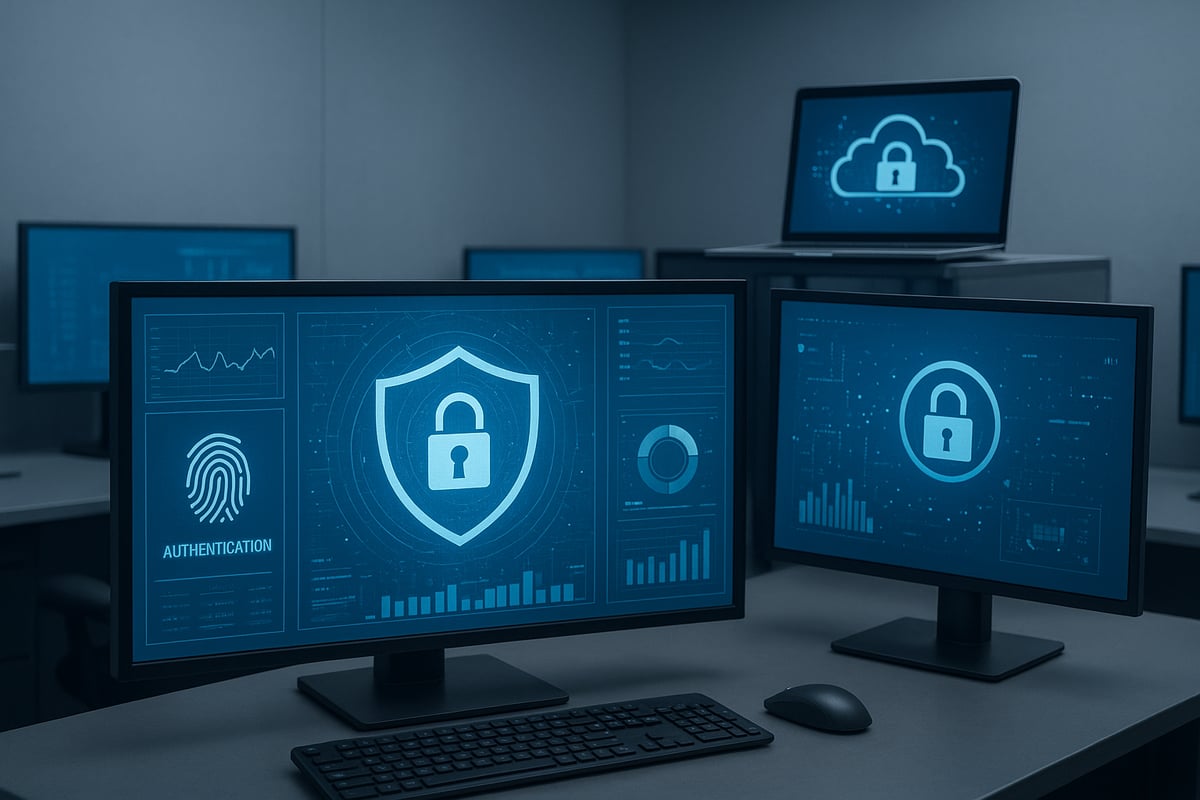
Strong authentication is the front line of system and data security. Multi-factor authentication (MFA) remains vital, but it has evolved. Modern MFA includes biometrics, security keys, and context-aware methods, making it much harder for attackers to compromise accounts.
Passwordless authentication is gaining traction, leveraging fingerprints, facial recognition, and hardware tokens. Identity and access management (IAM) platforms centralize user control, automating provisioning and deprovisioning to reduce risk. Adaptive authentication uses AI to analyze behavior and flag anomalies.
For example, implementing MFA can reduce compromised credentials by 99.9 percent. Businesses should regularly review access privileges, ensuring only authorized users can reach sensitive resources. These measures form the foundation of resilient system and data security.
Data Encryption and Secure Storage
Encryption is a cornerstone of system and data security. It protects information at rest, in transit, and end-to-end, ensuring data remains confidential even if intercepted. Organizations should use strong algorithms such as AES-256 and TLS 1.3.
Encryption best practices include:
- Encrypting all sensitive data, both on-premises and in the cloud
- Implementing robust key management policies
- Regularly rotating encryption keys
| Encryption Type | Purpose | Example Use Case |
|---|---|---|
| At Rest | Stored data | Database encryption |
| In Transit | Data in motion | Secure email, VPN |
| End-to-End | Point-to-point | Messaging apps |
Emerging trends like post-quantum cryptography are gaining attention. By prioritizing encryption, organizations strengthen their system and data security posture for the future.
Network Security and Segmentation
Effective network security is critical for system and data security. Firewalls, intrusion detection and prevention systems (IDS/IPS), and secure remote access solutions help shield networks from unauthorized access.
Network segmentation divides the network into smaller zones, limiting the lateral movement of attackers. For example, if ransomware infiltrates one segment, segmentation helps contain the threat and protect critical assets.
Zero trust network access (ZTNA) enforces verification for every user and device, regardless of location. Secure VPNs enable safe remote work. In 2025, segmentation played a vital role in limiting the impact of major ransomware attacks. Regular network assessments and updates keep defenses aligned with the evolving threat landscape.
Endpoint Protection and Device Security
Endpoints are frequent targets, making their protection essential to system and data security. Next-generation antivirus solutions and endpoint detection and response (EDR) platforms use AI to identify and neutralize threats in real time.
Mobile device management (MDM) tools secure smartphones and tablets, especially in bring-your-own-device (BYOD) environments. Automated patch management ensures all endpoints stay updated with the latest security fixes.
Device hardening and secure configuration minimize vulnerabilities. According to 2025 data, 70 percent of breaches involved endpoints. Organizations should inventory devices, enforce strong policies, and monitor for suspicious activity to maintain robust endpoint security.
Cloud Security Solutions
The rapid move to cloud computing demands focused system and data security strategies. The shared responsibility model requires businesses to secure their applications, data, and access, while cloud providers protect the infrastructure.
Cloud access security brokers (CASBs) help organizations monitor and control cloud usage. Secure backup and disaster recovery solutions ensure data can be restored if compromised. Encryption and tokenization protect sensitive data stored in the cloud.
Misconfigurations remain a top cause of data leaks. Automated tools can detect and remediate these issues quickly. For more about what the future holds, explore emerging cybersecurity technologies for 2026, which can help future-proof your security stack. Staying proactive in cloud security is essential for protecting digital assets.
Organizational Strategies and Best Practices
A strong organizational approach to system and data security is essential for resilience in today’s threat landscape. Best practices combine people, processes, and technology to create a robust defense. Let’s explore the strategies that help organizations stay ahead.
Security Awareness and Training Programs
Continuous education is a cornerstone of effective system and data security. Employees are often the first line of defense, so regular, role-specific training is crucial.
Organizations should use interactive modules, simulated phishing campaigns, and gamification to keep engagement high. Training effectiveness can be measured by tracking user responses and incident reduction rates.
- Frequent training reduces incidents by up to 50 percent.
- Simulated attacks help reveal real-world vulnerabilities.
- Tailored content ensures relevance for different roles.
By investing in awareness programs, businesses empower their teams to recognize threats and respond appropriately, strengthening system and data security from within.
Incident Response Planning and Management
A well-developed incident response plan is vital for minimizing the impact of security breaches. With system and data security at stake, organizations must clearly define roles, escalation paths, and communication protocols.
Each plan should include:
- Steps for detection, containment, eradication, and recovery
- Legal and regulatory considerations
- Regular tabletop exercises to test readiness
The increasing cost of cybercrime, projected to reach 10.5 trillion dollars by 2025, underscores the need for swift, coordinated responses. Post-incident reviews help organizations learn from events and continually enhance system and data security practices.
Third-Party and Supply Chain Risk Management
Vendors and partners often have access to critical systems, making supply chain security a key element of system and data security. Risks can arise from weak controls or compromised suppliers.
Best practices include:
- Conducting due diligence and regular security assessments
- Defining contractual security requirements
- Monitoring third-party activities and access
A single vulnerability in the supply chain can have wide-reaching consequences. Proactive management ensures that system and data security extends beyond organizational borders, protecting against indirect threats.
Security Metrics, Auditing, and Compliance
Measuring security performance is essential for continuous improvement. Organizations should track key performance indicators, such as incident frequency, mean time to detect, and compliance status, to assess the effectiveness of system and data security controls.
Regular audits and penetration tests identify gaps before attackers do. Automated compliance monitoring tools simplify adherence to evolving regulations.
A strong metrics-driven approach ensures that organizations adapt quickly, maintain regulatory compliance, and keep system and data security aligned with business goals.
Emerging Technologies and Future-Proofing Your Security
Staying ahead in system and data security requires adapting to new technologies and anticipating future risks. The coming years will see significant advances in artificial intelligence, quantum computing, IoT ecosystems, and privacy tools. Understanding these trends helps you prepare for tomorrow's threats and keep your security strategy resilient.
Artificial Intelligence and Machine Learning in Security
Artificial intelligence is transforming system and data security by enabling faster threat detection and smarter responses. AI-driven tools analyze massive data streams, recognizing patterns that signal cyberattacks in real time.
Machine learning models can automatically adapt to new threats, identifying anomalies that traditional tools might miss. For example, AI can detect zero-day malware by examining unusual behavior rather than relying on known signatures.
Key benefits of AI and machine learning in system and data security:
- Accelerated incident response with automation
- Improved detection of sophisticated attacks
- Reduced false positives through adaptive learning
However, adversaries are also using AI to craft more convincing phishing and automate attacks. Organizations must balance innovation with vigilance, ensuring that AI is a force multiplier for security, not a new attack vector.
Quantum-Resistant Security Measures
Quantum computing is poised to disrupt system and data security by breaking many current encryption algorithms. Preparing for this shift means adopting quantum-resistant cryptographic measures.
Research teams are developing new algorithms that can withstand quantum attacks. These algorithms, known as post-quantum cryptography, are being tested and standardized globally. Early adoption is crucial for organizations with long-term data confidentiality needs.
| Encryption Type | Vulnerable to Quantum? | Quantum-Resistant? |
|---|---|---|
| RSA | Yes | No |
| AES | Partially | With longer keys |
| Lattice-based | No | Yes |
Transitioning to quantum-safe protocols will be an essential part of any future-focused system and data security plan. Begin by assessing your current cryptography and monitoring updates from standards bodies.
Internet of Things (IoT) Security
The expansion of IoT devices increases the attack surface for system and data security. Smart thermostats, medical equipment, and industrial sensors all connect to networks, yet many lack robust security controls.
Common vulnerabilities include default passwords, unpatched firmware, and insecure communication channels. Attackers often exploit these weaknesses to gain unauthorized access or launch larger attacks.
Best practices for securing IoT environments:
- Change default credentials immediately
- Regularly update device firmware
- Segment IoT networks from critical systems
By integrating IoT security into your system and data security framework, you reduce the risk of breaches and protect both business and personal assets.
Privacy Enhancing Technologies and User Empowerment
Privacy is becoming a central pillar of system and data security. Privacy enhancing technologies (PETs) help organizations minimize data exposure and give users more control over their information.
Techniques such as data minimization, anonymization, and decentralized identity solutions are gaining traction. Privacy dashboards let users manage consent and view how their data is used.
Key features of modern privacy tools:
- Transparent user consent mechanisms
- Strong data anonymization
- Decentralized authentication options
Embracing privacy by design strengthens trust with customers and ensures your system and data security approach remains compliant and resilient in a changing landscape.
Practical Steps to Secure Your Digital World in 2026
Securing your digital environment in 2026 requires more than just good intentions. You need a clear plan, practical tools, and a commitment to ongoing improvement. This section walks you through the essential actions for system and data security, helping you safeguard your assets and minimize risk.
Assessing Your Security Posture
Start by evaluating where you stand with system and data security. Conduct a thorough risk assessment to identify vulnerabilities and threats unique to your environment.
Create an inventory of all assets, from laptops to cloud services, and map out critical data flows. Use established frameworks like NIST or ISO 27001 for structure and reliability.
Here is a simple checklist to guide your assessment:
- List all devices and software
- Identify sensitive data locations
- Review access permissions
- Check for outdated or unsupported systems
- Perform vulnerability scans and document findings
Regular assessments reveal gaps in your system and data security, making it easier to prioritize improvements.
Implementing a Security Roadmap: Step-by-Step
Once you know your risks, develop a clear security roadmap. Prioritize actions based on impact and urgency. Set achievable goals, assign responsibilities, and allocate resources.
A typical roadmap includes these steps:
- Address high-risk vulnerabilities first
- Implement essential controls, like multi-factor authentication
- Schedule regular reviews and updates
- Monitor progress and adjust plans as needed
Tracking your system and data security goals helps ensure continuous progress. Use project management tools to keep everyone accountable and on schedule.
Regular Backups and Disaster Recovery Planning
Backing up data is a cornerstone of system and data security. Determine the right backup frequency, whether daily, weekly, or monthly, based on your business needs.
Consider a mix of full, incremental, and differential backups to balance speed and storage. Store copies offsite or in the cloud for added resilience.
Test your restore procedures regularly to ensure you can recover quickly after an incident. A solid disaster recovery plan should include:
- Contact information for key team members
- Clear step-by-step recovery instructions
- Defined recovery time objectives (RTO) and recovery point objectives (RPO)
Proactive planning reduces downtime and protects your system and data security during unexpected events.
Keeping Systems and Software Up to Date
Outdated software is a common target for attackers. Make timely updates a standard practice to maintain strong system and data security.
Automate patch management when possible and track all software end-of-life dates.
Best practices include:
- Enable automatic updates on all devices
- Regularly review vendor security advisories
- Remove unsupported applications promptly
For example, an unpatched vulnerability in an old operating system led to a major breach in 2025. Staying current is one of the simplest ways to prevent similar incidents.
Leveraging Managed IT Services for Security
Many organizations choose managed IT services to enhance system and data security. Outsourcing to experts provides access to advanced monitoring, rapid incident response, and compliance support, all at predictable costs.
Managed service providers offer:
- 24/7 network monitoring
- Proactive vulnerability management
- Regular security audits and reporting
- Guidance on compliance with regulations
Small businesses benefit from professional oversight without the expense of a full-time internal team, making system and data security more accessible and reliable.
Delphi Systems Inc.: Managed IT Security Solutions for Small Businesses
Delphi Systems Inc. specializes in managed IT services for small businesses in Lethbridge and Alberta. Their offerings include proactive cybersecurity, secure data backup and recovery, network monitoring, and comprehensive IT support at a fixed monthly rate.
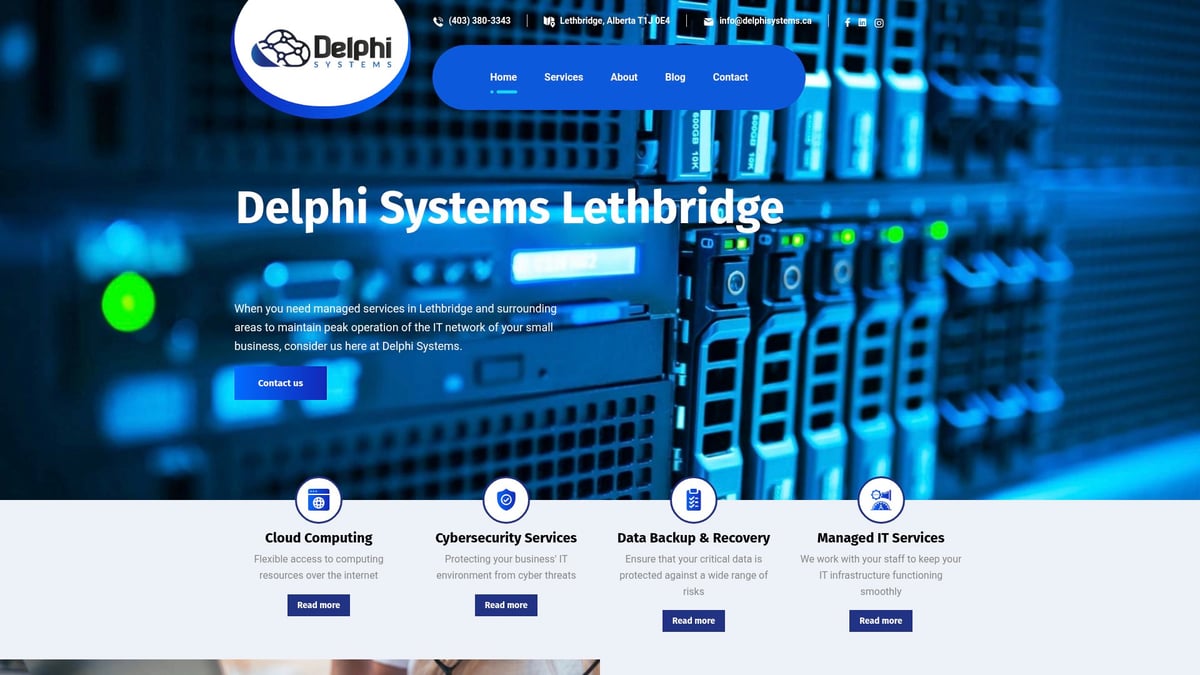
With an expert team focused on system and data security, Delphi Systems Inc. ensures your business remains protected and compliant with evolving standards.
Local companies trust Delphi Systems Inc. for their reliability and prompt support, allowing you to focus on core operations while minimizing risk and downtime.
As you’ve seen throughout this guide, protecting your digital world in 2026 means staying a step ahead of evolving cyber threats, maintaining robust security practices, and ensuring your business data is always safe and accessible. If you’re ready to take the next step or want expert support to simplify your IT security, we’re here to help. With Delphi Systems Inc. managing your IT needs, you can focus on what matters most—running your business—while we handle the complex world of cybersecurity and network protection. Let’s secure your future together—Call us now.

