

Modern businesses face an unprecedented volume of cyber threats that target everything from customer data to operational systems. For small businesses in particular, a single security incident can result in devastating financial losses, reputational damage, and regulatory penalties. The good news is that effective solutions to cyber security threats exist and are accessible to organizations of all sizes. By implementing a comprehensive security strategy that combines technology, training, and proactive monitoring, businesses can significantly reduce their vulnerability to attacks while maintaining the agility needed to compete in today's digital marketplace.
Understanding the Current Threat Landscape
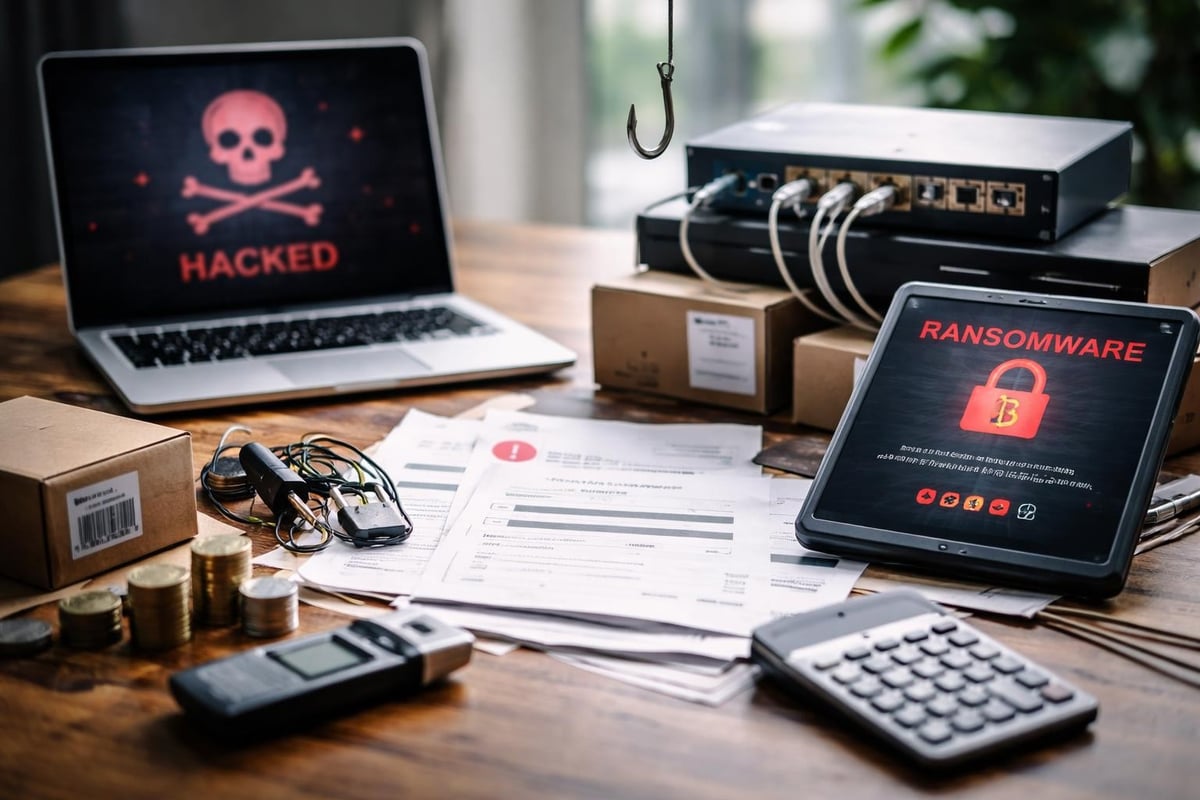
Cyber criminals continuously evolve their tactics to exploit new vulnerabilities and bypass traditional security measures. Ransomware attacks have become increasingly sophisticated, targeting not only large enterprises but also small businesses that may lack robust security infrastructure. Phishing schemes now leverage artificial intelligence to create convincing emails that deceive even cautious employees.
The Cybersecurity and Infrastructure Security Agency regularly updates information on emerging threats and vulnerabilities that businesses should monitor. These threats include:
- Advanced persistent threats (APTs) that maintain long-term access to networks
- Supply chain attacks that compromise trusted vendors and partners
- Insider threats from employees or contractors with system access
- Distributed denial-of-service (DDoS) attacks that disrupt operations
- Data breaches targeting sensitive customer and financial information
Small businesses often operate under the false assumption that they're too small to attract attention from cyber criminals. This misconception creates dangerous security gaps that attackers readily exploit.
Implementing Multi-Layered Defense Systems
Solutions to cyber security threats require a multi-layered approach that creates multiple barriers between attackers and valuable assets. This defense-in-depth strategy ensures that if one security measure fails, others remain in place to protect critical systems.
Network Security Fundamentals
Firewalls serve as the first line of defense by filtering incoming and outgoing traffic based on predetermined security rules. Modern next-generation firewalls combine traditional packet filtering with application awareness and intrusion prevention capabilities.
Implementing proper network segmentation divides your infrastructure into isolated zones, limiting the potential spread of malware or unauthorized access. For example, separating guest WiFi from business operations networks prevents visitors from inadvertently introducing threats to sensitive systems.
| Security Layer | Purpose | Implementation Priority |
|---|---|---|
| Perimeter Defense | Block external threats | Critical |
| Endpoint Protection | Secure individual devices | Critical |
| Access Controls | Manage user permissions | High |
| Data Encryption | Protect information in transit and at rest | High |
| Monitoring Systems | Detect anomalies and threats | Medium |
| Backup Solutions | Enable recovery from incidents | Critical |
Endpoint Protection and Management
Every device connected to your network represents a potential entry point for cyber threats. Comprehensive endpoint protection solutions include antivirus software, anti-malware tools, and advanced threat detection capabilities that identify suspicious behavior patterns.
Regular patch management ensures that operating systems and applications receive timely security updates. The Known Exploited Vulnerabilities Catalog maintained by CISA helps organizations prioritize which vulnerabilities require immediate attention.
Mobile device management (MDM) becomes essential as employees increasingly use smartphones and tablets for work purposes. These tools enforce security policies, enable remote data wiping, and ensure devices maintain current security configurations.
Access Control and Identity Management
Zero-trust architecture represents one of the most effective solutions to cyber security threats by assuming that no user or device should be automatically trusted. This approach requires verification for every access request, regardless of whether it originates from inside or outside the network perimeter.
Multi-Factor Authentication
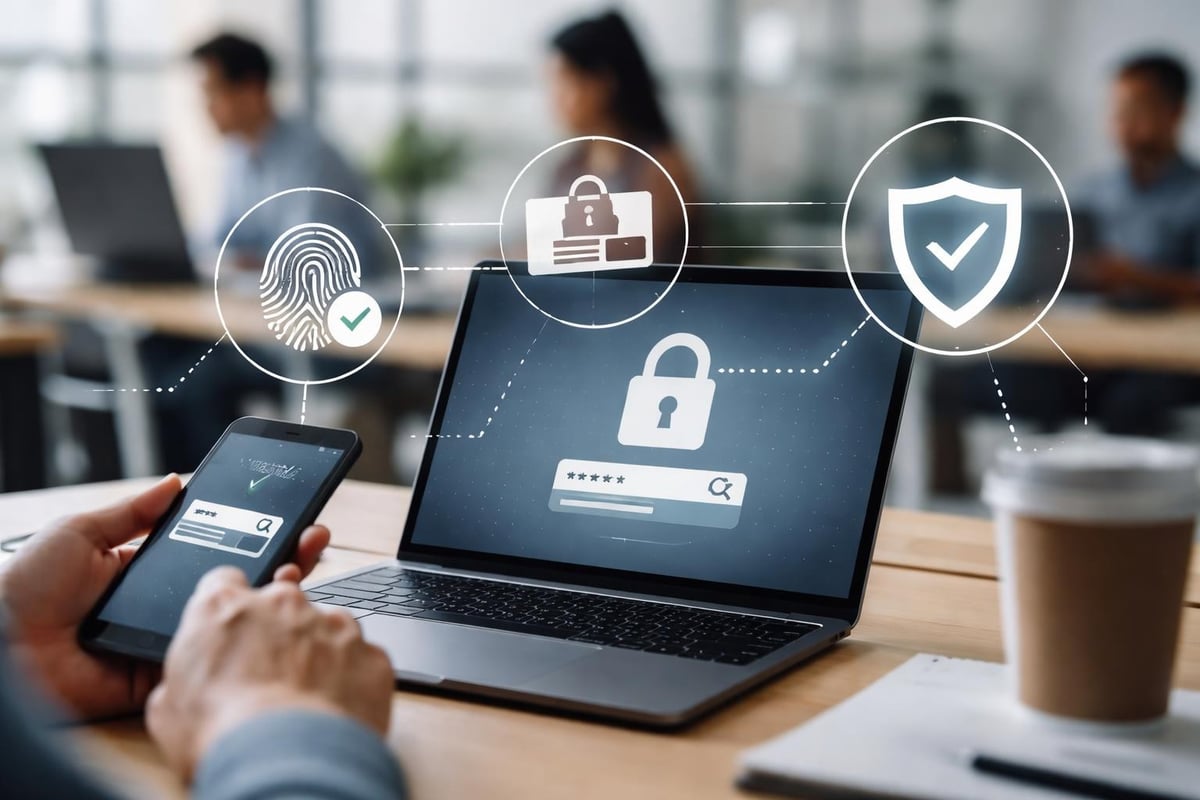
Passwords alone provide insufficient protection in 2026. Multi-factor authentication (MFA) requires users to provide two or more verification factors to gain access to systems or data. Common implementation methods include:
- Something you know (password or PIN)
- Something you have (smartphone app or security token)
- Something you are (biometric verification)
Implementing MFA across email accounts, cloud services, remote access tools, and administrative systems dramatically reduces the risk of unauthorized access, even when credentials become compromised.
Role-Based Access Controls
Limiting user permissions based on job responsibilities minimizes potential damage from both external attacks and insider threats. Employees should only access the systems and data necessary for their specific roles.
Regular access reviews ensure that permissions remain appropriate as employees change positions or leave the organization. Former employee accounts represent a common vulnerability that attackers exploit to gain unauthorized system access.
Employee Training and Security Awareness
Technology alone cannot provide complete protection against cyber threats. Human error remains the leading cause of successful security breaches, making employee education a crucial component of solutions to cyber security threats.
Developing a Security-Conscious Culture
Regular security awareness training helps employees recognize and respond appropriately to potential threats. Training programs should cover:
- Identifying phishing emails and suspicious links
- Creating and managing strong passwords
- Recognizing social engineering tactics
- Proper handling of sensitive information
- Reporting security incidents promptly
- Safe browsing and downloading practices
Simulated phishing exercises provide practical experience in a controlled environment. These tests reveal which employees require additional training while reinforcing lessons for those who successfully identify threats.
Clear Security Policies
Written security policies establish expectations and procedures for protecting organizational assets. These documents should address acceptable use of company resources, password requirements, data handling protocols, and incident reporting procedures.
Making policies easily accessible and requiring annual acknowledgment ensures employees understand their security responsibilities. Policy effectiveness depends on consistent enforcement and regular updates to address evolving threats.
Data Protection and Backup Strategies
Protecting data requires both preventing unauthorized access and ensuring availability when systems fail or attacks succeed. Comprehensive solutions to cyber security threats must address both aspects of data security.
Encryption Implementation
Data encryption transforms information into unreadable code that requires specific keys for decryption. Implementing encryption for data at rest (stored on devices and servers) and data in transit (moving across networks) protects sensitive information even if unauthorized parties intercept or access it.
Modern encryption standards like AES-256 provide robust protection without significantly impacting system performance. Cloud services, email communications, and stored files all benefit from encryption implementation.
Backup and Recovery Planning
The StopRansomware initiative emphasizes backup importance as a critical defense against ransomware attacks. Regular automated backups stored in separate locations enable business continuity when primary systems become compromised.
| Backup Type | Frequency | Retention Period | Storage Location |
|---|---|---|---|
| Full Backup | Weekly | 1 month | Off-site cloud |
| Incremental Backup | Daily | 2 weeks | On-site and cloud |
| Critical Systems | Real-time | 3 months | Geographic redundancy |
Testing backup restoration processes regularly confirms that recovery procedures work as expected. Many organizations discover their backups are incomplete or corrupted only when attempting recovery during an actual incident.
Threat Intelligence and Monitoring
Proactive threat detection identifies potential security incidents before they cause significant damage. Solutions to cyber security threats increasingly rely on artificial intelligence and machine learning to analyze vast amounts of network data for suspicious patterns.
Security Information and Event Management
SIEM systems collect and analyze log data from across your IT infrastructure, correlating events to identify potential security incidents. These platforms provide real-time alerts when detecting anomalous activity that may indicate an attack in progress.
Research on automated threat intelligence gathering demonstrates how AI-powered systems can process open-source intelligence to identify emerging threats relevant to specific organizations. This proactive approach enables faster response to new attack vectors.
Vulnerability Assessments and Penetration Testing
Regular security assessments identify weaknesses in your infrastructure before attackers exploit them. Vulnerability scans automatically check systems for known security flaws, missing patches, and configuration errors.
Penetration testing takes assessment further by simulating real-world attacks to evaluate how well security measures perform under pressure. These tests reveal not only technical vulnerabilities but also weaknesses in incident response procedures and security awareness.
You can explore additional resources about implementing comprehensive security strategies at Delphi Systems Inc..

Incident Response Planning
Despite best prevention efforts, security incidents may still occur. Having a documented incident response plan ensures your team responds quickly and effectively to minimize damage and recovery time.
Building an Effective Response Team
Your incident response team should include representatives from IT, management, legal, and communications departments. Each member needs clearly defined roles and responsibilities for different incident scenarios.
The response process typically follows these phases:
- Preparation – Establishing tools, procedures, and communication channels
- Detection and Analysis – Identifying and confirming security incidents
- Containment – Limiting incident spread and preventing further damage
- Eradication – Removing threats from affected systems
- Recovery – Restoring normal operations safely
- Post-Incident Review – Documenting lessons learned and improving defenses
Regular tabletop exercises simulate various incident scenarios, allowing team members to practice their roles and identify gaps in response procedures.
Communication Protocols
Clear communication during security incidents prevents confusion and ensures coordinated response efforts. Protocols should specify who communicates what information to which stakeholders at each incident phase.
External communication considerations include customer notification requirements, regulatory reporting obligations, and media relations. Many jurisdictions now mandate specific timelines for notifying affected parties when data breaches occur.
Compliance and Regulatory Considerations
Various regulations govern how businesses must protect sensitive information, and solutions to cyber security threats must address these compliance requirements. Failure to meet regulatory standards can result in substantial fines beyond the direct costs of security incidents.
Common Compliance Frameworks
Different industries face specific regulatory requirements, but several frameworks provide general security guidance:
- NIST Cybersecurity Framework – Comprehensive approach to managing cybersecurity risk
- ISO/IEC 27001 – International standard for information security management
- PCI DSS – Requirements for organizations handling payment card data
- PIPEDA – Canadian privacy law governing personal information handling
Aligning security initiatives with recognized frameworks demonstrates commitment to protecting customer data while providing structured improvement roadmaps.
Documentation and Audit Trails
Maintaining detailed records of security measures, policy changes, and incident responses supports compliance efforts and provides valuable information for improving security posture. Audit trails documenting who accessed what data and when help investigate incidents and demonstrate regulatory compliance.
Managed Security Services
Many small businesses lack the resources to maintain in-house security expertise across all necessary specializations. Managed security service providers offer access to experienced professionals and advanced security tools through subscription-based models.
Benefits of Professional Security Management
Outsourcing security operations provides several advantages:
- 24/7 monitoring by dedicated security operations centers
- Access to specialized expertise across various security domains
- Regular security assessments and vulnerability management
- Incident response support when breaches occur
- Predictable costs through fixed-rate fee structures
Research on organizational threat intelligence highlights how integrating global threat knowledge with local organizational context creates more effective security strategies. Managed service providers bring this broader threat intelligence perspective to smaller organizations.
Professional IT service providers understand that effective solutions to cyber security threats require ongoing attention rather than one-time implementations. Continuous monitoring, regular updates, and proactive threat hunting identify issues before they escalate into serious incidents.
Integration with Business Operations
Security measures should enhance rather than hinder business productivity. Effective solutions to cyber security threats balance protection with usability, ensuring employees can work efficiently while maintaining appropriate safeguards.
Cloud Security Considerations
Cloud computing offers significant benefits for small businesses but requires specific security considerations. Shared responsibility models mean cloud providers secure infrastructure while customers protect their data and applications.
Key cloud security measures include:
- Strong authentication for cloud service access
- Data encryption both in transit and at rest
- Regular access reviews to remove unnecessary permissions
- API security for application integrations
- Configuration management to prevent exposure through misconfiguration
Remote Work Security
Remote work environments expand the attack surface by extending network perimeters to employee homes and public spaces. Virtual private networks (VPNs) encrypt connections between remote devices and corporate networks, protecting data traveling across unsecured internet connections.
Endpoint security becomes even more critical when devices operate outside traditional network protections. Regular security updates, strong authentication, and monitoring tools help maintain security for distributed workforces.
Vendor and Supply Chain Security
Organizations increasingly rely on third-party vendors for various services, but these relationships introduce additional security risks. Solutions to cyber security threats must extend beyond your own infrastructure to encompass partner and vendor security practices.
Third-Party Risk Assessment
Before engaging new vendors, assess their security posture through questionnaires, certifications review, and security audits when appropriate. Key evaluation areas include:
| Assessment Area | Key Questions |
|---|---|
| Data Handling | How is our data stored, processed, and protected? |
| Access Controls | Who has access to our systems and data? |
| Incident Response | What procedures exist for security incidents? |
| Compliance | Which certifications and standards are maintained? |
| Insurance | What cybersecurity insurance coverage exists? |
Ongoing Vendor Management
Security assessments should continue throughout vendor relationships, not just during initial evaluation. Regular reviews ensure vendors maintain appropriate security standards as threats evolve and businesses grow.
Contractual agreements should specify security requirements, notification timelines for incidents, and audit rights. These provisions provide leverage for enforcing security standards and clearly establish responsibilities.
Collaborative resources like threat intelligence sources demonstrate the value of information sharing across organizations to improve collective security awareness.
Protecting your business from cyber threats requires comprehensive strategies that address technology, processes, and people. By implementing multi-layered defenses, maintaining vigilant monitoring, and fostering security-conscious culture, small businesses can significantly reduce their vulnerability to attacks. Delphi Systems Inc. provides managed IT services specifically designed to help Lethbridge area businesses implement and maintain robust cybersecurity solutions. With expertise in network monitoring, data backup, and security management delivered through predictable fixed-rate pricing, Delphi Systems enables you to focus on your core business while ensuring your IT infrastructure remains secure and efficiently managed.

