


Small businesses face an increasingly complex digital landscape where cyber security risks have become a critical concern for operational continuity and financial stability. As organizations in Lethbridge and across North America embrace cloud computing, remote work, and digital collaboration tools, they simultaneously expose themselves to sophisticated threats that can compromise sensitive data, disrupt operations, and damage client relationships. Understanding these risks and implementing appropriate safeguards is no longer optional but essential for businesses that depend on IT infrastructure for daily operations. The challenge lies not just in recognizing potential threats but in developing comprehensive strategies that protect assets without hindering productivity or overwhelming limited IT resources.
Understanding Modern Cyber Security Risks
The landscape of digital threats has evolved dramatically over the past decade, transforming from opportunistic attacks into sophisticated, targeted campaigns designed to exploit specific vulnerabilities. Ransomware attacks remain among the most devastating cyber security risks, with criminals encrypting business-critical data and demanding payment for restoration. These attacks have become more refined, with threat actors researching targets beforehand to maximize impact and payment likelihood.
Phishing schemes continue to be a primary attack vector, leveraging social engineering to trick employees into revealing credentials or downloading malicious software. Modern phishing attempts have moved beyond obvious spam emails to include highly convincing messages that mimic legitimate communications from trusted partners, vendors, or even internal executives.
The Human Factor in Security Vulnerabilities
Employee behavior represents one of the most significant cyber security risks for organizations of any size. Well-intentioned staff members can inadvertently compromise network security through several common actions:
- Clicking suspicious links in emails without verification
- Using weak or reused passwords across multiple accounts
- Connecting personal devices to business networks without proper security measures
- Sharing login credentials with colleagues for convenience
- Failing to install critical security updates promptly
Research from the Cybersecurity and Infrastructure Security Agency demonstrates that human error contributes to a substantial percentage of successful breaches, highlighting the importance of regular training and awareness programs.

Training programs must go beyond annual compliance modules to include regular simulations, real-world examples, and practical guidance that employees can apply immediately. Small businesses particularly benefit from creating a security-conscious culture where staff members feel empowered to report suspicious activity without fear of blame.
Critical Threats Facing Small Business Networks
Small businesses often operate under the mistaken assumption that their size makes them unattractive targets for cybercriminals. This perception creates dangerous complacency that increases vulnerability to cyber security risks specifically designed to exploit organizations with limited security resources.
Malware and Ransomware Attacks
Malicious software encompasses a broad category of threats that can infiltrate networks through various entry points. Trojans disguise themselves as legitimate software, spyware monitors user activity to steal sensitive information, and ransomware locks critical files until a ransom is paid.
The financial impact of ransomware extends beyond the ransom demand itself. Businesses face costs associated with downtime, data recovery efforts, regulatory compliance violations, and reputational damage that can persist long after systems are restored.
| Malware Type | Primary Threat | Business Impact |
|---|---|---|
| Ransomware | Data encryption | Operational shutdown, financial loss |
| Spyware | Information theft | Competitive disadvantage, client privacy breach |
| Trojans | Unauthorized access | System compromise, data manipulation |
| Adware | System performance | Reduced productivity, potential privacy issues |
Network Infrastructure Vulnerabilities
Outdated systems and unpatched software create significant cyber security risks that attackers actively scan for and exploit. Legacy applications that no longer receive security updates become permanent vulnerabilities that can provide entry points for sophisticated attacks.
Network security gaps often emerge from:
- Unsecured wireless networks that allow unauthorized access to internal resources
- Inadequate firewall configurations that fail to filter malicious traffic effectively
- Missing network segmentation that allows lateral movement after initial compromise
- Insufficient access controls that grant excessive permissions to standard users
- Lack of network monitoring that delays detection of suspicious activity
According to research exploring emerging threats and innovations in cybersecurity, attackers continuously develop new methods to bypass traditional security measures, requiring businesses to maintain vigilant, adaptive defense strategies.
Data Protection and Privacy Concerns
The accumulation of customer information, financial records, and proprietary business data creates substantial cyber security risks related to data breaches and privacy violations. Small businesses handle sensitive information that, if compromised, can result in regulatory penalties, legal liability, and irreparable damage to customer trust.
Data breach consequences extend far beyond immediate financial losses. Organizations face notification requirements, credit monitoring obligations for affected individuals, potential lawsuits, and regulatory investigations that consume significant time and resources.
Cloud Security Considerations
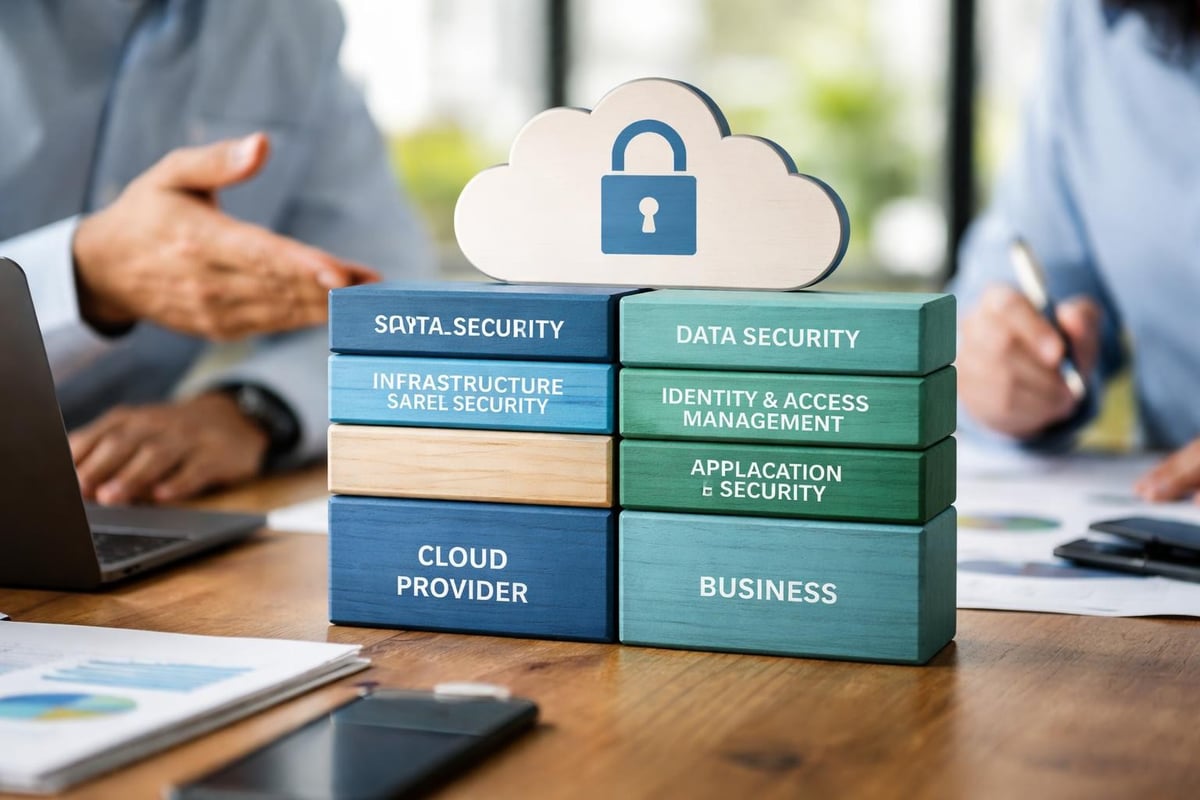
As businesses migrate operations to cloud platforms, they encounter unique cyber security risks that differ from traditional on-premises infrastructure. Shared responsibility models require organizations to understand which security aspects cloud providers manage and which remain the customer's obligation.
Common cloud security challenges include:
- Misconfigured storage buckets that expose sensitive data publicly
- Inadequate identity and access management controls
- Insufficient encryption for data in transit and at rest
- Lack of visibility into cloud service usage across the organization
- Compliance gaps when handling regulated information in cloud environments
Businesses utilizing cloud computing for email, file storage, and business applications must implement robust security policies that address these specific risks while maintaining operational flexibility.
Backup and Recovery Planning
Regular data backups represent a critical defense against multiple cyber security risks, particularly ransomware attacks that can encrypt production systems. However, backups themselves require protection to prevent attackers from encrypting or deleting recovery copies.
Effective backup strategies follow the 3-2-1 rule: maintaining three copies of data on two different media types, with one copy stored offsite. This approach ensures recovery capabilities even when primary systems and local backups are compromised simultaneously.
Supply Chain and Third-Party Risks
Modern businesses rely on networks of vendors, service providers, and partners that create indirect cyber security risks through their access to systems and data. A security breach at a trusted third party can provide attackers with pathways into your organization, even when your direct security measures are robust.
The challenges that Chief Information Security Officers face in managing organizational cyber risks include evaluating and monitoring third-party security postures. Small businesses must extend security considerations beyond their immediate control to encompass the entire ecosystem of connected partners.
Vendor Risk Assessment
Evaluating third-party cyber security risks requires systematic assessment of vendors' security practices, compliance certifications, and incident response capabilities. Organizations should request evidence of security controls, review service level agreements for security commitments, and establish clear expectations for breach notification.
Key vendor security questions include:
- What security certifications and compliance standards do you maintain?
- How frequently do you conduct security assessments and penetration testing?
- What data encryption methods protect information in transit and at rest?
- What is your incident response plan and notification timeline?
- How do you manage employee access to customer data?
Regulatory Compliance and Legal Obligations
Businesses face growing regulatory requirements related to cyber security risks and data protection. While large enterprises often have dedicated compliance teams, small businesses must navigate these obligations with limited expertise and resources.
Privacy regulations like GDPR, CCPA, and various industry-specific requirements impose obligations for data handling, breach notification, and security controls. Non-compliance can result in substantial fines, legal actions, and business restrictions that threaten viability.
| Regulation | Primary Focus | Small Business Impact |
|---|---|---|
| PIPEDA (Canada) | Personal information protection | Mandatory for Canadian businesses handling personal data |
| GDPR | EU citizen data privacy | Applies to any business serving EU residents |
| HIPAA | Healthcare information | Required for medical practices and health service providers |
| PCI DSS | Payment card security | Mandatory for businesses processing credit card transactions |
Understanding applicable regulations and implementing required controls helps businesses avoid penalties while reducing cyber security risks through structured security frameworks.
Proactive Defense Strategies
Addressing cyber security risks effectively requires moving beyond reactive responses to adopt proactive defense strategies that anticipate threats and minimize potential impact. Small businesses benefit from structured approaches that prioritize resources toward highest-impact security measures.
Multi-Layered Security Approach
Defense in depth strategies implement multiple security layers so that if one control fails, others continue providing protection. This approach recognizes that no single security measure offers complete protection against all cyber security risks.
Essential security layers include:
- Perimeter security through firewalls and intrusion detection systems
- Endpoint protection with antivirus software and application controls
- Network segmentation to limit lateral movement after compromise
- Access controls that enforce least-privilege principles
- Monitoring and logging for threat detection and forensic analysis
- Incident response planning to minimize damage when breaches occur
Reports indicate that 86% of cyber professionals cite unknown cyber risks as a top concern, emphasizing the importance of comprehensive monitoring and rapid response capabilities.
Regular Security Assessments
Periodic vulnerability assessments and penetration testing identify cyber security risks before attackers can exploit them. These evaluations should examine both technical controls and organizational processes to provide comprehensive risk visibility.
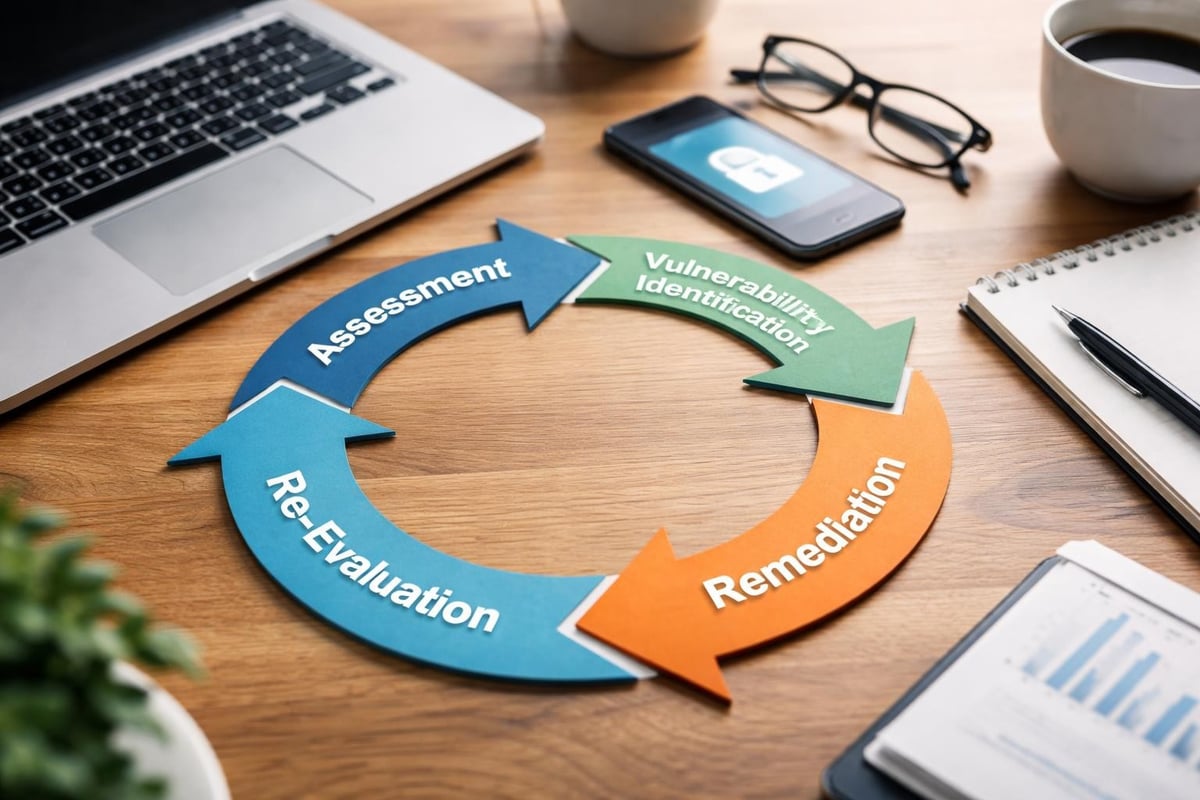
Assessment activities should include reviewing access permissions, testing backup restoration procedures, simulating phishing attacks, and evaluating incident response plan effectiveness. Small businesses can partner with managed IT service providers to conduct these assessments without maintaining specialized security expertise in-house.
Emerging Threats and Future Considerations
The cyber security landscape continues evolving as attackers develop new techniques and exploit emerging technologies. Businesses must stay informed about developing threats to adapt defenses appropriately and maintain protection against evolving cyber security risks.
Artificial Intelligence in Cyberattacks
Attackers increasingly leverage artificial intelligence to create more convincing phishing messages, automate vulnerability discovery, and develop malware that adapts to defensive measures. AI-powered attacks can operate at scale, targeting thousands of organizations simultaneously while customizing approaches based on victim responses.
Defensive applications of AI also offer promise for threat detection, anomaly identification, and automated response to common attacks. Small businesses should consider security solutions that incorporate machine learning for pattern recognition and threat intelligence.
Internet of Things Vulnerabilities
Connected devices from security cameras to smart thermostats introduce additional cyber security risks through often-minimal security controls and irregular update patterns. These devices can serve as entry points for network access or be conscripted into botnets for distributed attacks.
Securing IoT devices requires network segmentation that isolates these systems from critical business resources, regular firmware updates, and replacing default credentials with strong authentication.
Building a Security-Conscious Culture
Technical controls alone cannot eliminate all cyber security risks. Organizations must develop cultures where security awareness permeates all activities and employees understand their role in protecting business assets.
Ongoing Education and Training
Security training should evolve beyond initial onboarding to include regular updates on emerging threats, simulated phishing exercises, and practical guidance for common scenarios employees encounter. Microlearning approaches that deliver brief, focused lessons prove more effective than annual marathon training sessions.
Topics for regular security education include:
- Recognizing and reporting phishing attempts
- Creating and managing strong passwords
- Securing mobile devices and remote work environments
- Handling sensitive information appropriately
- Responding to suspected security incidents
Businesses can find additional resources and insights through managed IT service providers who specialize in security awareness training tailored to small business contexts.
Incident Response Planning
Despite best preventive efforts, organizations must prepare for security incidents through documented response plans that minimize damage and recovery time. Incident response procedures should define roles, communication protocols, containment steps, and recovery processes for various scenarios.
Regular tabletop exercises that simulate different attack scenarios help teams practice response procedures, identify plan gaps, and build confidence in their ability to manage actual incidents effectively. These exercises reveal coordination challenges and decision-making bottlenecks before they impact real crisis situations.
Risk Assessment and Prioritization
Not all cyber security risks pose equal threats to every organization. Effective security strategies require assessing which vulnerabilities present the greatest danger based on business operations, data sensitivity, and potential impact magnitude.
Conducting Risk Analysis
Systematic risk analysis evaluates threats based on likelihood and potential impact to prioritize mitigation efforts. This assessment considers factors including asset value, existing controls, threat actor capabilities, and business continuity requirements.
| Risk Level | Likelihood | Impact | Priority Action |
|---|---|---|---|
| Critical | High | Severe | Immediate remediation required |
| High | High | Moderate | Address within 30 days |
| Medium | Medium | Moderate | Plan remediation within quarter |
| Low | Low | Minor | Monitor and address as resources allow |
Organizations should revisit risk assessments quarterly or when significant infrastructure changes occur to ensure protection strategies remain aligned with current threat landscapes and business priorities.
Understanding and addressing cyber security risks requires ongoing vigilance, appropriate technical controls, and organizational commitment to security best practices. Small businesses in Lethbridge can protect their operations, customer data, and competitive position by implementing layered defenses, maintaining security awareness, and partnering with experts who understand the unique challenges facing resource-constrained organizations. Delphi Systems Inc. provides comprehensive managed IT services that include proactive cybersecurity monitoring, data backup and recovery, and network security management, allowing small businesses to focus on growth while maintaining secure, efficiently managed IT infrastructure with transparent, fixed-rate pricing.

