

In 2026, security offerings are transforming at an unprecedented pace as cyber threats become more advanced and unpredictable. Businesses and investors face a landscape that is both full of opportunity and fraught with new challenges.
This expert guide on security offerings will give you the clarity and confidence needed to navigate the latest regulations, powerful technologies, and dynamic investment trends. You will discover what security offerings mean today, the different types emerging, and how to participate successfully in a changing market.
Are you ready to future-proof your strategy? Explore the insights that will help you protect your interests, seize fresh opportunities, and stay ahead of the next wave of innovation.
Understanding Security Offerings in 2026
Security offerings are rapidly transforming in 2026, bridging traditional finance and digital innovation. Businesses and investors must grasp these changes to stay ahead and capitalize on new opportunities.
Definition and Key Concepts
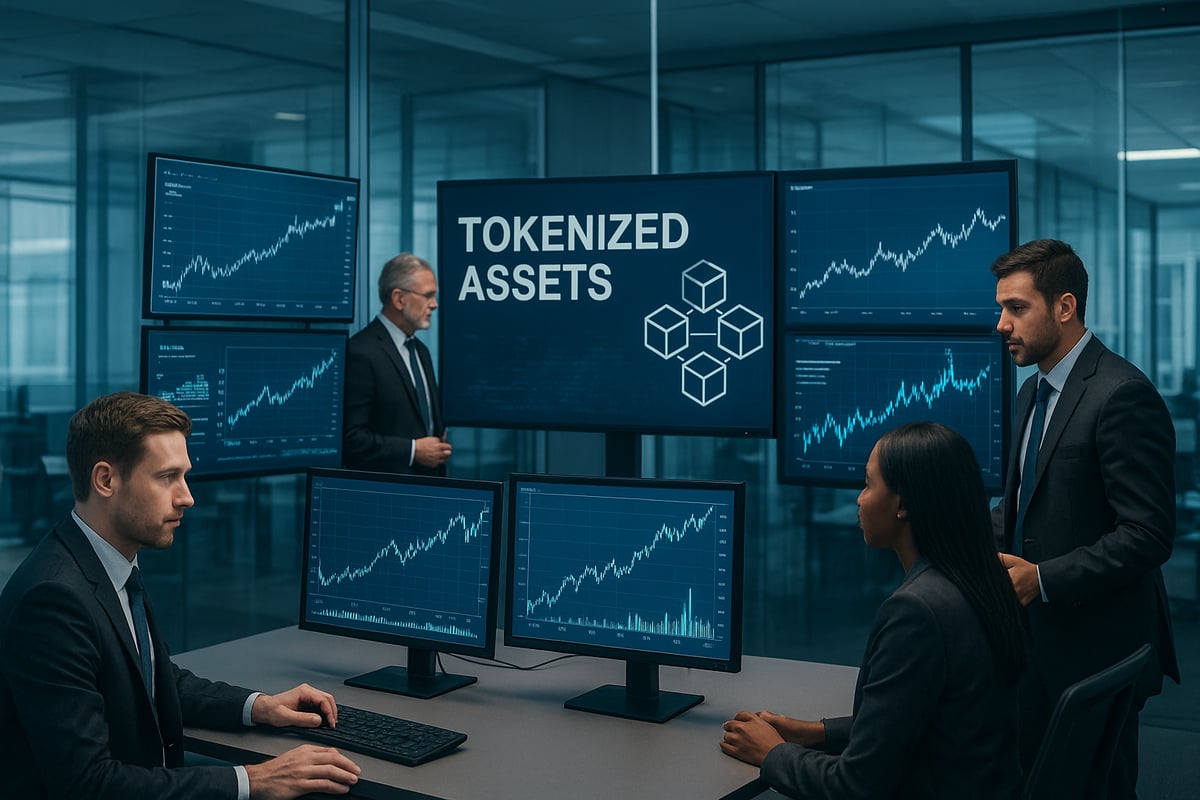
Security offerings represent the process by which companies raise capital by issuing financial instruments to investors. In 2026, this includes both traditional securities—such as stocks and bonds—and digital versions like tokenized assets and hybrid securities.
Digital security offerings are gaining traction, leveraging blockchain to provide transparency and efficiency. For example, tokenized real estate allows fractional ownership of properties, opening global investment access and liquidity. In fact, 2025 saw a 40% increase in digital security issuances, signaling a shift in how capital is raised and managed.
The rise of Real-World Asset Tokenization Trends highlights the profound impact of blockchain-based markets on security offerings. These innovations are redefining participation, valuation, and the overall role of security offerings in capital markets.
Types of Security Offerings
The landscape of security offerings in 2026 spans a range of methods:
| Type | Description | 2025–2026 Trend |
|---|---|---|
| Initial Public Offering | Traditional route to public markets | Stable, selective growth |
| Security Token Offering | Blockchain-based digital securities | Regulatory acceptance up |
| Private Placement | Direct to select investors | Vital for SMEs/startups |
| Direct Listing | Public trading without underwriters | Increasing transparency |
| Hybrid Offering | Mix of digital and traditional elements | Rapid adoption |
IPOs remain a cornerstone for established firms, while STOs are surging in popularity due to improved regulation and technological trust. Private placements offer tailored access, especially for startups. Direct listings, such as Coinbase’s, provide an alternative to traditional IPOs, while Robinhood’s IPO demonstrates the enduring relevance of classic public offerings. Hybrid offerings, combining digital and legacy structures, are becoming more common as companies seek flexibility.
Security offerings now provide diverse entry points for both issuers and investors, matching various risk profiles and capital needs.
Participants and Stakeholders
Multiple parties shape the world of security offerings:
- Issuers: Corporations, startups, and asset managers seeking capital.
- Investors: Institutional, retail, and accredited participants.
- Intermediaries: Investment banks, broker-dealers, and digital trading platforms.
- Regulators: Bodies like the SEC, FINRA, and global counterparts.
In 2026, platforms such as Nasdaq and tZERO are pivotal, facilitating seamless interaction between traditional and digital security offerings. These stakeholders collaborate to ensure efficient, compliant, and accessible capital markets.
Benefits and Risks
Security offerings in 2026 deliver a range of benefits:
- Access to capital: Companies tap global markets efficiently.
- Liquidity: Investors enjoy improved trading flexibility.
- Diversification: New asset types reduce portfolio concentration.
- Transparency: Blockchain and digital records enhance trust.
However, risks accompany these advances:
- Regulatory uncertainty: Evolving rules may affect compliance.
- Cybersecurity threats: Digital platforms face hacking and data breaches.
- Market volatility: Rapid price swings can impact investor confidence.
A notable case in 2025 involved a cyber breach at a digital securities platform, underscoring the need for robust security. According to Deloitte, 62% of investors now rank cybersecurity as their top concern. As the market evolves, balancing the promise of innovation with prudent investor protection remains essential for sustainable growth in security offerings.
Regulatory Landscape and Compliance in 2026
The regulatory landscape for security offerings in 2026 is more dynamic and complex than ever before. With global markets becoming increasingly interconnected, businesses and investors must navigate a web of evolving rules, compliance standards, and oversight mechanisms. Understanding the key regulatory shifts and their practical implications is essential for anyone participating in modern security offerings.
Evolving Global Regulations
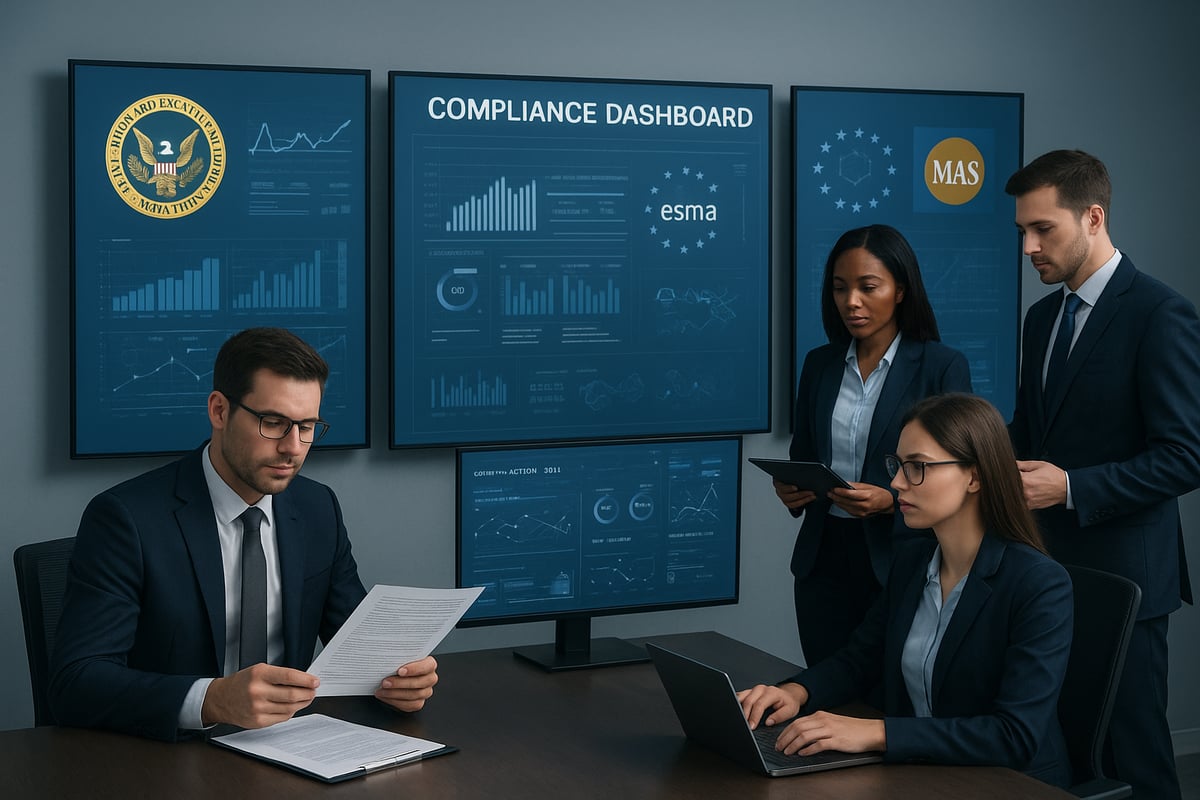
In 2026, global regulatory bodies such as the SEC in the United States, ESMA in the European Union, and MAS in Singapore are at the forefront of shaping the landscape for security offerings. Major changes have taken place since 2025, including the implementation of MiCA in the EU and modernization efforts by the SEC. These reforms are designed to bring greater clarity and harmonization to digital and traditional security offerings.
Cross-border compliance remains a significant challenge, as 75% of global offerings now require multi-jurisdictional regulatory alignment (Bloomberg 2026). For example, the impact of MiCA on European digital securities has been profound, driving a 68% increase in MiCA-compliant ICOs in 2025 according to MiCA Regulations and ICO Statistics. This trend signals a clear shift toward standardized frameworks that facilitate safer, more transparent security offerings across regions.
Regulators are working to streamline processes, but businesses must remain vigilant about local nuances and ongoing updates. Staying current on these changes is critical for successful participation in security offerings.
Compliance Requirements and Best Practices
Meeting compliance requirements in 2026 involves a mix of traditional and innovative approaches. KYC and AML standards have evolved, with many issuers now leveraging biometrics and AI-based verification to enhance onboarding and monitoring. Disclosure requirements are more stringent, demanding transparent communication of risks, financials, and operational details in all security offerings.
Ongoing reporting and audit obligations are enforced through both manual and automated methods. RegTech solutions play a critical role, enabling automated compliance checks and real-time monitoring. AI-driven platforms help issuers proactively identify irregularities, reducing the risk of unintentional breaches.
Best practices for security offerings include:
- Implementing robust digital identity verification.
- Maintaining an up-to-date compliance dashboard.
- Using third-party RegTech providers for independent oversight.
- Regularly updating internal policies to reflect regulatory changes.
By adopting these practices, businesses can mitigate compliance risks and build trust with investors participating in security offerings.
Impact of Regulations on Market Dynamics
Regulatory updates directly influence how security offerings are structured and accessed by investors. New rules have expanded investor eligibility in some markets while tightening controls in others. Regulatory sandboxes are encouraging innovation by allowing pilot projects under supervised conditions.
A notable example is the SEC’s 2025 pilot program for tokenized equity, which paved the way for broader acceptance of blockchain-based security offerings. As a result, there has been a 30% increase in compliant digital offerings following the 2025 reforms. These developments foster a more competitive and transparent market, though they also require continuous adaptation from all participants.
Future Trends in Security Regulation
Looking ahead, regulators are expected to focus on areas such as decentralized finance (DeFi), decentralized autonomous organizations (DAOs), and ESG-linked security offerings from 2026 to 2028. The ongoing debate between decentralization and investor protection remains central, as legal experts weigh the benefits of innovation against the need for market stability.
Global standards are gradually converging, but differences in enforcement and interpretation persist. The coming years will likely see further integration of technology, increased stakeholder collaboration, and the emergence of new compliance challenges. Businesses that anticipate these shifts will be best positioned to capitalize on the evolving landscape of security offerings.
Technology Transformations Shaping Security Offerings
Technology is revolutionizing security offerings, introducing new efficiencies, opportunities, and risks. In 2026, both businesses and investors must understand how digital innovation is reshaping the entire lifecycle of security offerings, from issuance to trading and compliance.

Blockchain and Tokenization
Blockchain is a foundational technology powering the next generation of security offerings. By enabling decentralized and tamper-resistant records, blockchain enhances transparency, streamlines settlement, and unlocks fractional ownership. In 2026, tokenized assets—like real estate, equities, and debt—are reshaping how investors access markets.
For example, tokenization platforms let investors buy fractions of commercial properties, lowering barriers to entry and boosting liquidity. The use of blockchain in security offerings also reduces administrative overhead, cuts settlement times, and minimizes reconciliation errors. According to PwC 2026, 60% of new security offerings now leverage blockchain technology.
| Year | % of Security Offerings Using Blockchain |
|---|---|
| 2024 | 38% |
| 2025 | 49% |
| 2026 | 60% |
These advances enable both issuers and investors to participate in markets with greater confidence and efficiency.
Cybersecurity Innovations
As security offerings become increasingly digital, they face new cyber threats. Attackers target trading platforms, wallets, and investor data, making robust cybersecurity essential. Organizations are adopting multiple layers of protection, including multi-factor authentication, zero-trust architectures, and advanced threat detection systems.
AI-driven analytics now monitor transactions in real time, identifying suspicious activity before it escalates. According to Gartner, advanced cybersecurity has reduced breaches in digital security offerings by 48% since 2025. For deeper insight into advanced firewall solutions that support these innovations, explore advanced firewall protection strategies.
Key cybersecurity protocols include:
- Multi-factor authentication
- End-to-end encryption
- Zero-trust network segmentation
- AI-powered threat detection
Cybersecurity remains a top concern for all participants in security offerings.
Smart Contracts and Automation
Smart contracts are self-executing agreements coded on blockchains, transforming how security offerings are managed. These digital contracts automate compliance checks, settlement, and even dividend distribution, reducing manual intervention and operational risk.
For example, a tokenized equity offering can use a smart contract to automatically distribute dividends to investors when profits are reported. This not only reduces costs but also ensures accuracy and transparency for all parties involved.
A simple smart contract for dividend distribution might look like:
if (profitReported) {
    distributeDividends();
}
Automation is driving greater trust and efficiency in modern security offerings.
Integration with Traditional Financial Systems
A major breakthrough in 2026 is the seamless integration of security offerings with traditional financial systems. APIs and secure data-sharing protocols allow legacy banks and modern digital platforms to interoperate, creating hybrid infrastructures.
Major banks now support trading and custody of both traditional and tokenized securities on unified platforms. This connectivity improves liquidity, widens access, and supports the regulatory needs of diverse market participants.
By bridging old and new systems, institutions make it easier for clients to diversify across all types of security offerings.
User Experience and Accessibility
The user experience of security offerings has improved significantly thanks to digital onboarding and intuitive mobile platforms. Investors can now open accounts, complete KYC, and access educational resources from their smartphones.
This accessibility has encouraged a surge in retail investor participation, as more people can engage with security offerings without complex paperwork or in-person visits. Mobile apps and educational tools are making capital markets more inclusive and user-friendly than ever before.
Market Trends and Investment Strategies for 2026
Security offerings in 2026 are at the center of a rapidly shifting financial landscape. To navigate this environment, investors must understand where the most significant opportunities and challenges lie. This section explores growth areas, investor behavior, valuation trends, liquidity advancements, and best practices for risk management in security offerings.

Growth Sectors and Hot Markets
Technology, green energy, and biotech are leading the surge in security offerings for 2026. These sectors attract both institutional and retail investors due to their innovation and growth potential. North America, the EU, and Southeast Asia remain the top geographic hotspots, drawing new issuers and investors.
Environmental, social, and governance (ESG) factors are increasingly important, with 35 percent of offerings tied to ESG-linked securities this year. According to Security Token Offering Market Growth, the global security offerings market is projected to grow at a 19 percent CAGR from 2025 to 2034. This robust growth reflects investor confidence and regulatory support for digital and tokenized assets.
Investor Behavior and Demand Drivers
Investor preferences for security offerings are shifting toward digital-first experiences. Retail investors, empowered by mobile platforms and fractional ownership, are participating in security offerings at record levels. This democratization is driven by easy access, lower minimum investments, and transparent processes.
Macroeconomic trends such as inflation and changing interest rates also influence demand. Tokenized assets, in particular, are attracting those seeking diversified portfolios and exposure to emerging sectors. Institutional investors are adapting strategies to include both traditional and digital security offerings, maximizing opportunities while managing risk.
Valuation and Pricing Trends
Valuing security offerings in 2026 requires new models that incorporate real-time data and artificial intelligence analytics. Platforms now use AI to assess market sentiment, historical performance, and on-chain activity to set dynamic prices, especially for tokenized assets.
For example, tokenized real estate platforms use live market feeds and smart contracts to adjust prices instantly based on demand and comparable sales. This approach increases transparency and aligns valuations with true market conditions. Investors benefit from more accurate pricing, reducing the risks associated with traditional, slower valuation methods in security offerings.
Liquidity and Secondary Markets
Liquidity is a defining feature of modern security offerings. Alternative trading systems (ATS) and digital exchanges have expanded, enabling 24/7 trading and seamless global access. In 2026, secondary trading volume for tokenized securities has increased by 50 percent, thanks to improved infrastructure and regulatory clarity.
These advancements allow investors to enter and exit positions quickly, enhancing flexibility and capital efficiency. Digital marketplaces support a broader range of assets, making security offerings more attractive to both short-term traders and long-term investors.
Risk Management and Portfolio Diversification
Effective risk management is crucial when participating in security offerings. Investors are adopting strategies such as diversification across traditional and digital assets to mitigate regulatory, market, and cyber risks. Portfolio monitoring tools now offer real-time analytics and automated alerts, empowering investors to respond swiftly to market changes.
Institutional investors are leading the way by building mixed-asset portfolios that balance innovation with stability. By leveraging technology and best practices, investors can capitalize on the evolving landscape of security offerings while safeguarding their capital.
Step-by-Step Guide to Participating in Security Offerings
Participating in security offerings in 2026 requires a strategic approach, blending due diligence, compliance, and technology awareness. This guide walks you through each critical step, ensuring you can identify, evaluate, and act on opportunities with confidence. Whether you are an individual or institutional investor, understanding each stage sets the foundation for success.
Step 1: Identifying Opportunities
The first step in engaging with security offerings is to discover and evaluate upcoming opportunities. Start by monitoring reputable digital platforms and financial news sources for new listings. Many investors now rely on AI-powered screening tools to filter offerings based on sector, issuer reputation, and historical performance.
Consider subscribing to platform alerts and leveraging data analytics to spot trends early. It's essential to perform in-depth due diligence, assessing both the market potential and the credibility of issuers. For ongoing updates and expert analysis, consult resources like the latest insights from the security blog. Staying informed helps you make timely, data-driven decisions about security offerings.
Step 2: Navigating Regulatory Requirements
Once you've identified promising security offerings, understanding the regulatory landscape is crucial. Determine whether you qualify as an accredited or retail investor, as eligibility impacts your access to certain opportunities. Completing Know Your Customer (KYC) and Anti-Money Laundering (AML) procedures is mandatory for most platforms.
Modern onboarding processes are streamlined, often using digital identity verification and biometrics for efficiency. Ensure you review disclosure documents and understand your rights and obligations as an investor. Being proactive about compliance not only secures your participation but also builds trust in the security offerings ecosystem.
Step 3: Assessing Technology and Security
With security offerings increasingly digital, evaluating the underlying technology is vital. Check if the platform employs robust cybersecurity protocols, such as multi-factor authentication and end-to-end encryption. Look for evidence of independent security audits and certifications like SOC 2, which demonstrate a commitment to safeguarding assets.
Platforms that integrate advanced IT security measures offer greater protection against cyber threats. For a deeper understanding of these safeguards, explore Understanding IT security solutions. Prioritizing secure, transparent platforms is essential for mitigating risk in security offerings.
Step 4: Executing the Investment
After completing due diligence and compliance, you are ready to invest in security offerings. Begin by funding your account through secure payment channels, ensuring your transactions are properly recorded. Use platform dashboards to place orders and monitor execution in real time.
Many modern platforms offer instant or near-instant settlement, especially when powered by blockchain technology. Always verify transaction confirmations and keep digital receipts for your records. By following these steps, you maintain control and clarity throughout the investment process in security offerings.
Step 5: Managing and Exiting Positions
Ongoing management is key to maximizing returns and minimizing risk in security offerings. Utilize portfolio monitoring tools that provide real-time analytics and automated alerts for market movements. Regularly review your positions and assess liquidity options, such as secondary markets, redemption programs, or buybacks.
Having an exit strategy ensures you can respond quickly to market changes or personal investment goals. Automation and analytics empower you to make informed decisions, keeping your participation in security offerings both agile and secure.
The Future of Security Offerings: Predictions and Innovations
As we look ahead, the landscape for security offerings is being shaped by rapid technological evolution and changing investor expectations. Future-focused organizations must anticipate these trends to stay competitive and compliant.
Emerging Technologies and Disruptors
Artificial intelligence and quantum computing are transforming how security offerings are evaluated and protected. AI-driven analytics now predict market movements, enabling smarter investment decisions. Quantum-safe encryption is becoming essential, with 20% of platforms expected to integrate it by 2026.
Nasdaq and other major exchanges are advancing tokenized assets, integrating blockchain into their infrastructures. For a closer look at these initiatives, see Tokenized Securities Integration. The adoption of these technologies is making security offerings more secure, transparent, and accessible than ever before.
Evolving Business Models and Platforms
Decentralized finance is upending traditional approaches to security offerings. Peer-to-peer platforms and decentralized autonomous organizations (DAOs) are enabling new forms of governance and investment. DAOs now lead security offerings, issuing governance tokens that let investors participate directly in decision-making.
Industry leaders predict a continued shift toward decentralized models, as these platforms reduce reliance on intermediaries. This evolution is expanding access to security offerings, empowering both issuers and investors to participate in a more open and efficient marketplace.
Societal and Regulatory Impacts
The democratization of security offerings is breaking down barriers to capital markets. Micro-investing platforms are now available to previously unbanked populations, offering fractional ownership and global access. Regulations are evolving to support broader participation while maintaining investor protections.
This shift is fostering financial inclusion, allowing more individuals and small businesses to benefit from security offerings. As participation grows, regulators are balancing innovation with the need for oversight, ensuring the market remains both dynamic and secure.
Key Challenges and Opportunities Ahead
Balancing innovation with risk remains the central challenge for security offerings in 2026. Cybersecurity and fraud prevention require constant vigilance, particularly as offerings move to digital and cloud-based platforms. Organizations are leveraging cloud security for digital offerings to safeguard sensitive data and transactions.
For early adopters, these changes present unique opportunities. Strategic investors who embrace new technologies and robust risk management can capitalize on the evolving landscape of security offerings, positioning themselves for long-term success.
As we’ve explored, navigating security offerings in 2026 requires up to date knowledge, strong cybersecurity, and reliable IT support—especially for small businesses aiming to stay ahead in a rapidly changing landscape. If you want to ensure your IT infrastructure is secure, efficient, and fully prepared for these new opportunities, you don’t have to figure it out alone. Let’s talk about how you can safeguard your business and maximize productivity with expert guidance and tailored solutions. Have questions or need support right away? Call us now.

