

In 2026, the digital world is under constant attack. Cyber incidents now strike every 39 seconds, with average breach costs soaring above $4.5 million. High-profile cases in healthcare and finance highlight the urgent need for robust defenses.
Businesses must stay ahead by partnering with the right network security providers. The stakes are higher than ever, and choosing the right partner can mean the difference between resilience and costly downtime.
This article explores the 12 leading network security providers shaping cyber defense in 2026. Discover their standout features, pricing, and ideal use cases to help you make an informed, confident decision.
The Evolving Landscape of Network Security in 2026
The digital battleground is constantly shifting in 2026. As organizations become more connected, they face an expanding spectrum of threats that challenge even the most advanced network security providers. Understanding these changes is essential for choosing the right partner in this high-stakes environment.
Key Threats and Challenges
Network security providers are contending with increasingly sophisticated threats. In 2026, cybercriminals are leveraging AI-driven malware that adapts in real time, and ransomware-as-a-service kits are more accessible than ever. The rise of hybrid work and the proliferation of IoT devices have vastly expanded the attack surface.
Regulatory demands such as GDPR and CCPA add pressure, especially for highly regulated sectors. According to 2025 data, cyber attacks now occur every 39 seconds, with the average breach costing over $4.5 million. High-profile incidents in healthcare and finance highlight the devastating impact of compromised data, pushing organizations to seek stronger defenses from network security providers.
Innovations and Trends in Network Security Solutions
To stay ahead, network security providers are embracing cutting-edge strategies. Zero Trust frameworks and Secure Access Service Edge (SASE) have moved from buzzwords to core requirements. AI and machine learning are now critical for rapid threat detection and automated response.
Organizations are adopting cloud-native security solutions and automating workflows to reduce manual errors. Security now extends seamlessly across on-premises, cloud, and edge environments. A notable trend is the adoption of Extended Detection and Response (XDR) for unified, comprehensive protection. For a deeper dive into these developments, see the Top 5 Network Security Trends of 2026.
Criteria for Evaluating Network Security Providers
Selecting among network security providers requires careful analysis. Core features to assess include:
- Firewalls and intrusion prevention
- Endpoint and cloud security
- Scalability and integration options
- Vendor support and responsiveness
Pricing models vary: some offer subscriptions, others provide pay-as-you-go or managed services. Reputation, industry certifications, and client testimonials are vital signals of reliability. Reviewing real-world case studies can also reveal how effectively a provider delivers on promises.
The Role of Managed IT Service Providers in Network Security
Managed IT service providers (MSPs) play a crucial role for organizations lacking dedicated security teams. MSPs offer proactive monitoring, rapid incident response, and help maintain regulatory compliance, making enterprise-grade protection accessible to small and midsize businesses.
Many small businesses now rely on MSPs for around-the-clock vigilance and cost-effective solutions. By partnering with experienced network security providers, these organizations close the expertise gap and minimize downtime from cyber incidents.
Why Choosing the Right Provider Matters
The choice of network security providers has a direct impact on business continuity and reputation. A trusted provider safeguards sensitive data, preserves client trust, and supports regulatory compliance.
Investing in robust security leads to significant long-term savings, as prevention is far less costly than remediation. In real-world cases, organizations with comprehensive security partnerships have recovered faster from breaches, highlighting the tangible benefits of aligning with the right network security providers.
12 Leading Network Security Providers to Know in 2026
The landscape of network security providers is more dynamic than ever in 2026. As threats evolve, businesses must carefully assess which partners offer the best fit for their needs. Below, we examine the key players shaping the future of cybersecurity, spotlighting their unique strengths, ideal use cases, and core offerings.
Delphi Systems Inc.
Delphi Systems Inc. stands out among network security providers in Southern Alberta. Based in Lethbridge, this managed service provider specializes in securing small business IT environments with a proactive approach.
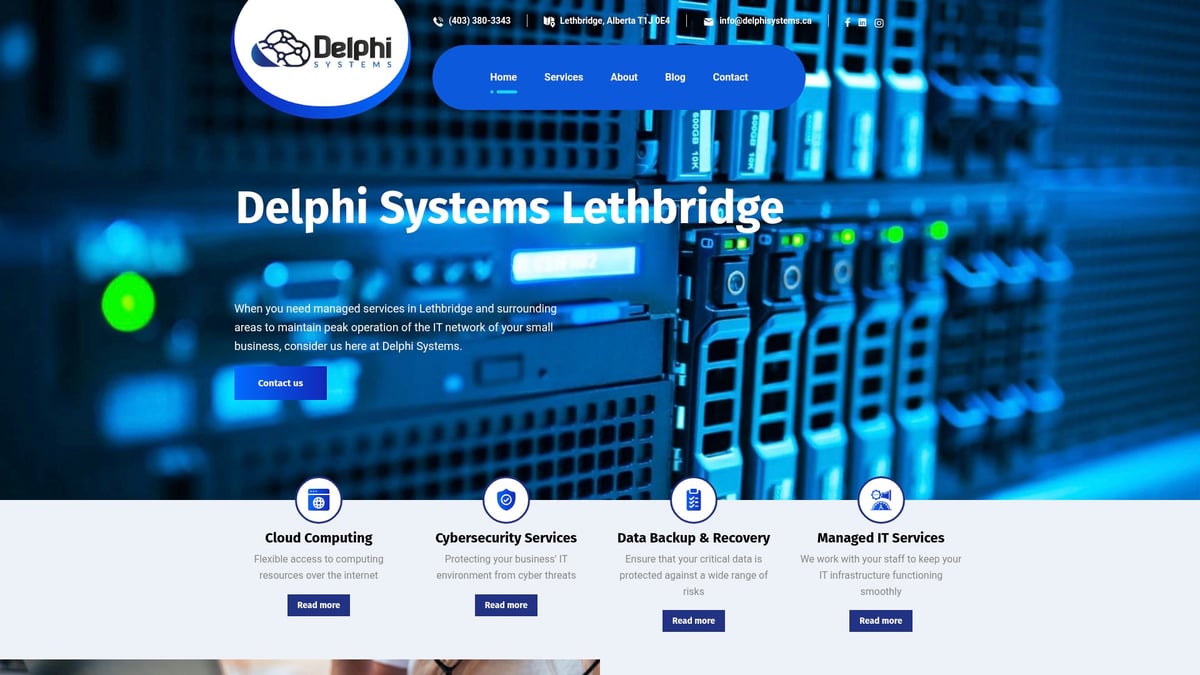
Their fixed-rate, all-inclusive monthly fee removes pricing surprises. For advanced needs, Delphi offers custom quotes to tailor protection to unique requirements.
Core features include managed IT, robust cybersecurity, cloud solutions, data backup, and 24/7 network monitoring. Local expertise ensures rapid response and personalized service. Strategic vendor partnerships enhance their security stack.
Delphi’s flat-rate pricing and proactive management make them ideal for small businesses seeking comprehensive, reliable IT security. Clients benefit from strong testimonials and consistent maintenance.
The main limitation is their regional focus, which may not suit large enterprises. For a detailed look at their service range, see the IT security solutions overview.
Palo Alto Networks
Palo Alto Networks is a global leader among network security providers, recognized for its next-generation firewalls and advanced cloud security. Their subscription-based model scales by features and deployment size, accommodating organizations of all sizes.

Key features include Zero Trust frameworks, AI-driven threat detection, SASE, and XDR capabilities. Automation and broad integrations help organizations respond to threats instantly and efficiently.
Palo Alto is ideal for enterprises, government agencies, and regulated industries requiring the highest levels of security. Their platform ensures robust cloud-native defense and seamless integration into complex environments.
Pros include cutting-edge innovation, high detection rates, and reliable support. However, premium pricing and complex deployments may challenge some SMBs.
Fortinet
Fortinet is renowned for its FortiGate firewalls and the comprehensive Security Fabric ecosystem, placing it among top network security providers in 2026. Their appliance-based and subscription pricing models offer flexibility, especially for bundled solutions.
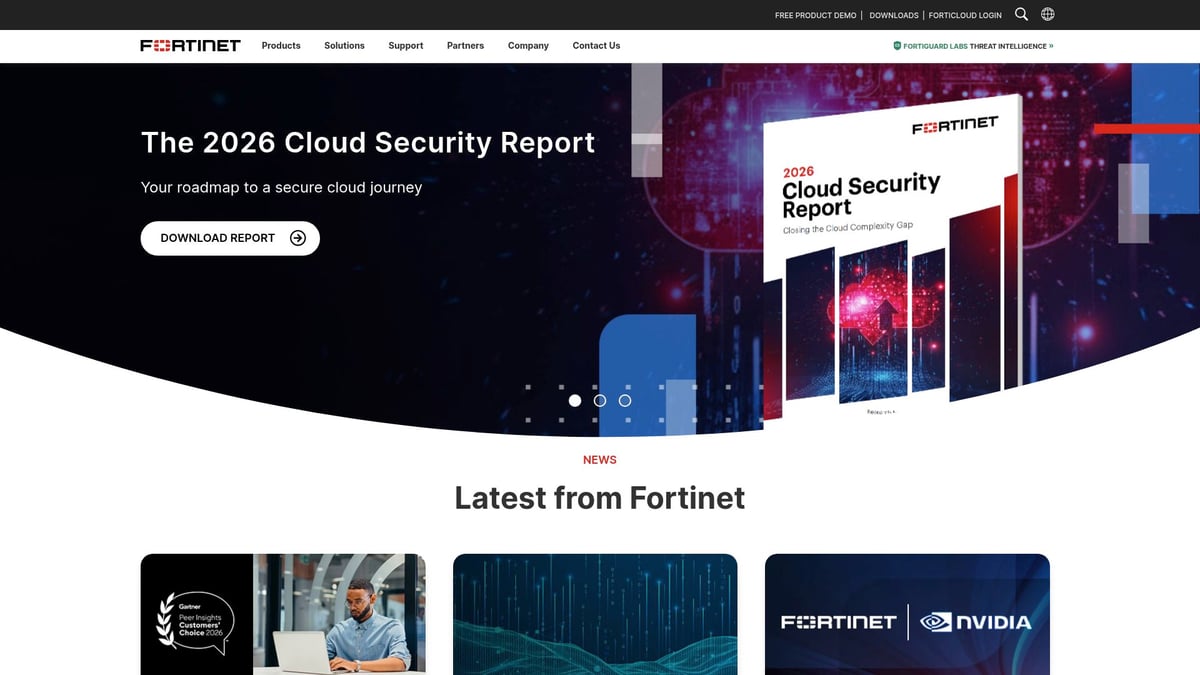
Fortinet’s platform integrates firewalls, endpoint security, cloud protection, and network access control. Unified management simplifies administration and scales easily for growing organizations.
Large enterprises, educational institutions, and healthcare providers benefit from Fortinet’s high performance and scalability. Pros include a broad product range, strong throughput, and ongoing educational initiatives.
The main drawback is the learning curve required to fully utilize the Fortinet ecosystem, especially for new adopters.
Check Point Software Technologies
Check Point Software Technologies is a pioneer among network security providers, particularly known for its firewall and VPN innovation. Their modular licensing and flexible bundles cater to diverse business needs.
Core features span threat prevention, cloud security, and mobile protection. Their Gen V security approach and centralized management streamline complex security environments.
Check Point is ideal for enterprises operating hybrid or multi-cloud infrastructures. The provider is praised for its strong research, history of innovation, and flexible deployment options.
However, advanced features may require specialized expertise, which could add to onboarding time for less experienced teams.
Cisco Systems
Cisco Systems delivers a comprehensive suite for organizations seeking reliable network security providers. Their pricing includes both subscription and perpetual licensing, supporting businesses from SMBs to large enterprises.

Key features include robust firewalls, intrusion prevention, cloud security, and advanced threat analytics. Cisco’s integration with networking hardware and global support infrastructure adds substantial value.
They are a trusted choice for enterprises, SMBs, and educational institutions. Pros include a vast product portfolio, strong brand reputation, and extensive support resources.
The primary downside is that some solutions may be cost-prohibitive for smaller businesses with limited budgets.
Trend Micro
Trend Micro is a unified cybersecurity platform with a global footprint, consistently ranking among top network security providers. Their tiered subscription model serves both SMBs and large organizations.

Core offerings include cloud security, endpoint protection, and actionable threat intelligence. AI-driven analytics and managed detection and response accelerate threat resolution.
Trend Micro is ideal for businesses seeking managed security services and 24/7 protection. Advantages include a strong cloud offering, responsive support, and global reach.
Some advanced features may require add-ons, which can increase overall costs for organizations with complex needs.
Zscaler
Zscaler is a leader among cloud-native network security providers, offering the Zero Trust Exchange platform. Their per-user or per-device subscription pricing is highly scalable for remote and distributed workforces.
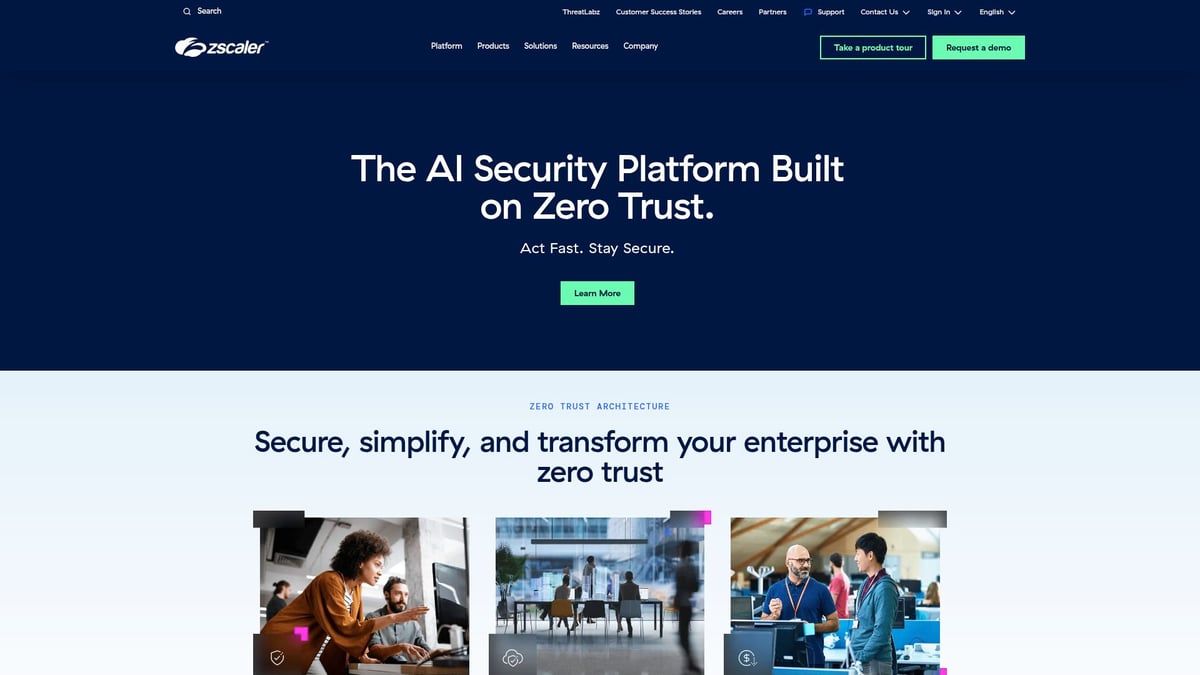
Key features include a secure web gateway, cloud firewall, SASE, and CASB. Zscaler excels at seamless cloud integration and rapid deployment, making it ideal for organizations with hybrid or remote teams.
Pros include a cloud-first approach, fast scaling, and strong support for hybrid work. The main limitation is that Zscaler’s focus is primarily on cloud environments, making it less suitable for organizations with strictly on-premises infrastructure.
Symantec (Broadcom)
Symantec, now part of Broadcom, delivers data-centric hybrid security for large organizations. Their enterprise agreements and custom pricing support complex, large-scale deployments, making them a prominent name among network security providers.
Key features cover endpoint, network, email, and information security, underpinned by an extensive threat intelligence network. Hybrid deployment options provide flexibility for diverse environments.
Symantec is best suited for large enterprises and regulated sectors seeking comprehensive, data-driven protection. Pros include decades of experience, vast telemetry, and a broad solution range.
The primary drawback is a focus on enterprise clients, which can make their offerings overly complex for smaller businesses.
Juniper Networks
Juniper Networks is recognized for simplifying security in the cloud and 5G era, securing its place among innovative network security providers. Their modular licensing and pay-as-you-grow model offer financial flexibility.
Key features include next-generation firewalls, threat intelligence, and automated policy management. Juniper emphasizes user-friendly experiences and rapid service delivery.
They are ideal for service providers, large enterprises, and telecommunications companies. Strengths include robust automation, scalable solutions, and innovation in 5G security.
However, their niche focus may not align with the needs of SMBs or organizations outside telecom and large-scale deployments.
McAfee
McAfee remains a household name among network security providers, offering endpoint and network security solutions for a wide range of users. Their pricing spans consumer and business plans, with bundled security suites for various needs.
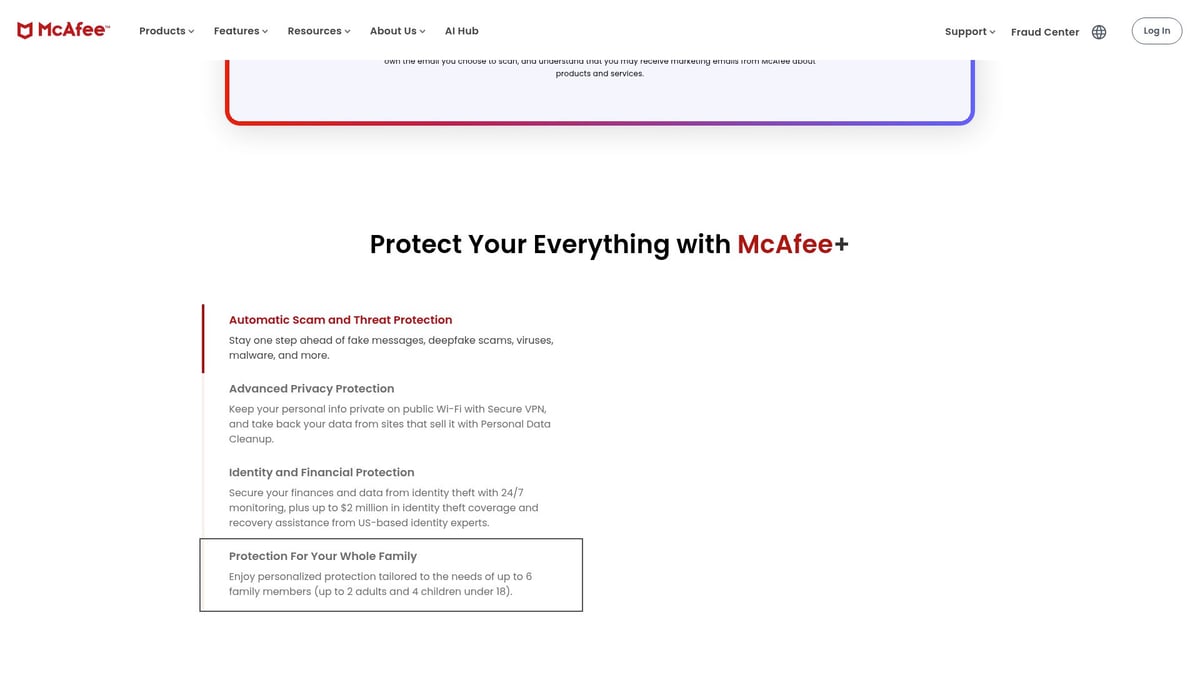
Core features include antivirus, firewall, web protection, and identity monitoring. McAfee’s solutions are user-friendly, with options for individuals, families, and small businesses.
Pros include easy setup, strong malware protection, and brand recognition. The primary limitation is that advanced enterprise features may not be as robust as those from competitors focused exclusively on the enterprise segment.
Trellix
Trellix introduces a living security platform with adaptive XDR architecture, positioning itself among forward-thinking network security providers. Their custom enterprise pricing targets large organizations with complex requirements.
Key features include extended detection and response, threat intelligence, and automation. Trellix’s continually adapting security stack and strong research team enhance incident response.
Ideal for enterprises seeking unified, adaptive protection, Trellix offers advanced XDR and global presence as key advantages. However, the platform may be more than what SMBs require and comes at a premium price.
CrowdStrike
CrowdStrike is a leader in cloud-native endpoint and network security providers, delivering scalable protection through their Falcon platform. Their subscription-based pricing offers modular add-ons for EDR and XDR.
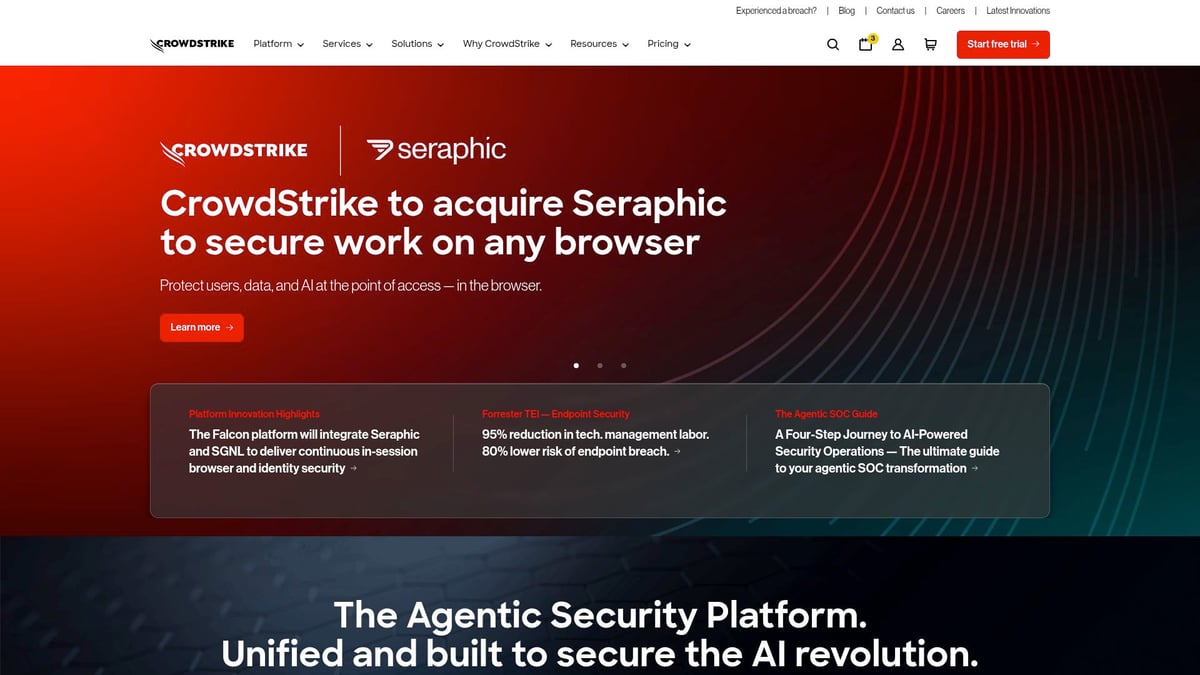
Features include real-time threat intelligence, managed threat hunting, and seamless cloud integration. CrowdStrike is renowned for fast deployment and high detection rates.
Best suited for organizations needing rapid, scalable endpoint protection, CrowdStrike excels in EDR/XDR and cloud environments. The main drawback is premium pricing and the need for cloud adoption, which may not fit every organization’s infrastructure.
How to Choose the Right Network Security Provider for Your Business
Selecting the right network security providers is a strategic decision that directly impacts your organization's resilience and long-term success. With threats evolving and business needs differing, a structured approach helps ensure you choose a provider aligned with your specific goals and risk profile.
Assessing Your Organization’s Security Needs
Start by evaluating your current security posture and identifying the most pressing threats facing your business. Review recent incidents, compliance obligations, and your organization's appetite for risk. Consider industry-specific regulations and whether you handle sensitive data, as these factors influence which network security providers will meet your requirements.
Think about your company size, growth plans, and the complexity of your IT environment. For example, a healthcare organization may prioritize HIPAA compliance and advanced threat protection, while a retail business might focus on PCI DSS and point-of-sale security. By mapping your unique needs, you can narrow the field of network security providers to those best equipped to address your critical risks and objectives.
Comparing Core Features and Capabilities
When comparing network security providers, focus on essential features such as firewalls, intrusion prevention, endpoint security, and cloud protection. Evaluate how these capabilities integrate with your existing infrastructure and whether they support hybrid or cloud-first strategies. For businesses migrating to the cloud, providers offering advanced cloud services for business security can deliver seamless, scalable protection.
Consider the use of AI-driven analytics, unified management dashboards, and automation for operational efficiency. Create a checklist of must-have features, then compare providers side-by-side to ensure they deliver the right balance of innovation, reliability, and ease of use. This step will help you identify network security providers that align closely with your operational and technical needs.
Evaluating Pricing and Total Cost of Ownership
Pricing models among network security providers vary widely, from subscription-based plans to fixed-rate and modular licensing. Analyze the total cost of ownership, factoring in deployment, training, support, and possible add-on services. Do not overlook hidden costs such as integration with legacy systems or scaling up as your business grows.
Many organizations find that managed service models offer predictable costs and reduce the burden on internal teams. According to industry data, companies can save up to 30% by choosing managed network security providers over piecemeal solutions. Carefully review contract terms and ensure there are no surprises in future billing cycles.
Importance of Vendor Support and Reputation
Reliable support and a strong reputation are critical when selecting network security providers. Look for 24/7 customer support, clear escalation procedures, and rapid response times for incident handling. Industry certifications such as ISO or SOC 2 demonstrate a provider's commitment to high standards.
Examine customer testimonials, analyst reports, and third-party reviews to gauge satisfaction levels. Organizations that select network security providers with proven incident response capabilities often recover more quickly from cyber events. Strong vendor partnerships can also provide ongoing education and updates to keep your defenses ahead of emerging threats.
Scalability and Future-Proofing Your Security Investment
Finally, ensure your chosen network security providers can scale with your business and adapt to new technologies and threats. Assess their ability to support hybrid environments, remote workforces, and cloud-native workflows. Providers that invest in automation, SASE, and Zero Trust frameworks are better positioned to keep your organization secure as the landscape evolves.
Reviewing the latest network security insights can help you stay informed about trends and best practices for future-proofing your investment. Choose a provider that not only meets your needs today but also has a clear roadmap for tomorrow, ensuring your security infrastructure remains robust and agile as your business grows.
Network Security Provider Comparison Matrix
Choosing among network security providers in 2026 requires a clear, side-by-side look at what each offers. This section provides a comprehensive comparison matrix, pricing insights, pros and cons, industry recognition, and guidance on the best fit for your organization. With evolving threats and technology, making the right selection is more crucial than ever.
Feature-by-Feature Comparison
Comparing network security providers starts with understanding their core capabilities. The table below summarizes essential features such as firewalls, endpoint protection, cloud security, XDR, and SASE. For businesses prioritizing robust firewall solutions, consider exploring Firewall and advanced protection as part of your evaluation process.
| Provider | Firewall | Endpoint | Cloud Security | XDR | SASE | Zero Trust | AI/ML Threat Detection |
|---|---|---|---|---|---|---|---|
| Delphi Systems Inc. | ✔ | ✔ | ✔ | ✔ | |||
| Palo Alto Networks | ✔ | ✔ | ✔ | ✔ | ✔ | ✔ | ✔ |
| Fortinet | ✔ | ✔ | ✔ | ✔ | ✔ | ✔ | ✔ |
| Check Point | ✔ | ✔ | ✔ | ✔ | ✔ | ||
| Cisco Systems | ✔ | ✔ | ✔ | ✔ | ✔ | ✔ | ✔ |
| Trend Micro | ✔ | ✔ | ✔ | ✔ | ✔ | ||
| Zscaler | ✔ | ✔ | ✔ | ✔ | ✔ | ||
| Symantec (Broadcom) | ✔ | ✔ | ✔ | ✔ | |||
| Juniper Networks | ✔ | ✔ | ✔ | ✔ | ✔ | ✔ | ✔ |
| McAfee | ✔ | ✔ | ✔ | ✔ | |||
| Trellix | ✔ | ✔ | ✔ | ✔ | |||
| CrowdStrike | ✔ | ✔ | ✔ | ✔ |
This matrix helps you quickly assess which network security providers deliver the features most critical to your business.
Pricing Overview
Pricing models among network security providers vary, making it important to evaluate both initial and long-term costs. Most providers offer subscription-based models, with options for fixed-rate, modular, or pay-as-you-go plans. Some, like Delphi Systems Inc., provide transparent flat-rate pricing, while others, such as Symantec or Trellix, use custom enterprise agreements. Transparent pricing helps businesses budget accurately, but custom quotes may offer tailored solutions for complex environments. Consider potential hidden costs, such as deployment, training, and support, when comparing network security providers to ensure a true apples-to-apples evaluation.
Pros and Cons Summary
Each of the leading network security providers offers unique strengths and potential limitations. Here’s a quick summary:
- Delphi Systems Inc.: Personalized service, proactive support, regional focus.
- Palo Alto Networks: Innovation leader, robust cloud security, premium pricing.
- Fortinet: Broad solutions, high performance, learning curve for ecosystem.
- Check Point: Research-driven, flexible, needs advanced expertise.
- Cisco Systems: Trusted, scalable, may be costly for small businesses.
- Trend Micro: Strong cloud offering, global reach, some features require add-ons.
- Zscaler: Cloud-first, rapid scaling, less for on-premises.
- Symantec (Broadcom): Vast intelligence, comprehensive, complex for SMBs.
- Juniper Networks: Automation, 5G focus, niche for large enterprises.
- McAfee: User-friendly, affordable, less robust for enterprises.
- Trellix: Adaptive XDR, strong research, premium pricing.
- CrowdStrike: Fast deployment, high detection, requires cloud adoption.
Evaluating these pros and cons helps organizations narrow down the best network security providers for their specific environment.
Industry Recognition and Customer Feedback
Industry recognition is a critical factor when assessing network security providers. Many of these companies are regularly featured in analyst reports from Gartner and Forrester, and hold certifications like ISO and SOC 2. Customer testimonials often highlight factors such as strong support, rapid incident response, and effective threat mitigation. For a broader view of the market and provider impact, the Network Security Market Size, Growth, Share & Forecast Analysis 2031 offers valuable insights into trends and leading players. Recognized providers typically deliver proven performance and inspire greater client trust.
Best Fit Scenarios and Use Cases
Selecting among network security providers depends on your organization’s size, industry, and threat profile. SMBs may benefit most from providers like Delphi Systems Inc. or McAfee, which offer simplicity and affordability. Enterprises with complex, hybrid environments often choose Palo Alto Networks, Cisco, or Fortinet for scalability and advanced features. Remote-first organizations and those leveraging cloud and SaaS platforms are well-suited to Zscaler or CrowdStrike. By mapping your needs to each provider’s strengths, you can confidently select among network security providers to safeguard your business.
As you’ve seen throughout this guide, choosing the right network security provider is crucial for protecting your business from ever-evolving cyber threats. Whether you’re a small business owner in Lethbridge or simply looking for peace of mind so you can focus on what you do best, proactive IT management and robust cybersecurity make all the difference. If you’re ready to take the next step in safeguarding your network and want expert guidance tailored to your needs, let’s start a conversation. Your business security deserves the best—Call us now.

