In 2025, seamless technology support is essential for every business aiming to thrive in a fast-paced digital world. The right managed it service desk is now the backbone of growth, resilience, and daily operations.
This guide will help you understand what a managed IT service desk is, why it matters, and how it can drive efficiency, security, and scalability. You will discover essential features, current trends, tips for choosing a provider, and step-by-step implementation strategies.
Reliable IT support can mean the difference between costly downtime and smooth, uninterrupted productivity. Use this guide to optimize your IT strategy and position your business for success in the year ahead.
What Is a Managed IT Service Desk?
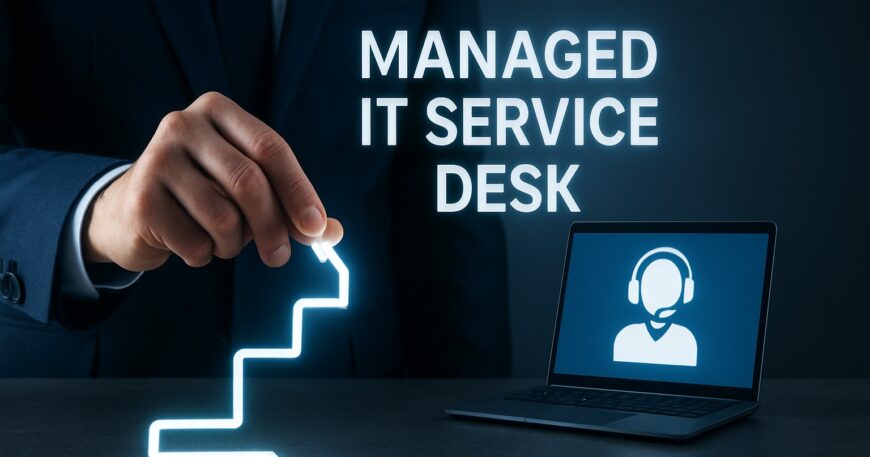
In 2025, the managed it service desk has become a cornerstone for organizations seeking reliable and efficient IT support. Unlike traditional help desks, a managed it service desk serves as a centralized hub that handles everything from troubleshooting to optimizing system performance.

Definition and Core Functions
A managed it service desk is a comprehensive IT support solution managed by a third-party provider. It is designed to address all IT-related issues for an organization, acting as the single point of contact for users experiencing problems or requiring assistance. This model differs from traditional help desks, which often handle only basic, reactive support.
The managed it service desk offers a suite of core functions:
- Incident management for immediate issue resolution.
- Handling service requests, such as software installations or access permissions.
- Providing user support through multiple channels, including phone, chat, and email.
- Implementing escalation protocols to ensure complex issues reach the right experts.
Certified and experienced engineers are critical to the success of a managed it service desk. Their expertise ensures fast, effective solutions and reduces the risk of recurring issues.
For example, many small and mid-sized businesses use a managed it service desk to streamline IT operations, freeing their in-house staff to focus on strategic projects instead of daily troubleshooting. This shift results in better resource allocation and reduced internal IT burdens.
Modern service desks leverage advanced tools for ticketing, workflow automation, and knowledge management. For a closer look at the platforms shaping IT support today, see the Top ITSM Tools of 2025.
How Service Desks Boost Business Efficiency
The managed it service desk plays a vital role in maximizing business efficiency. Rapid response to IT incidents minimizes downtime, which directly impacts productivity and revenue.
Proactive monitoring and regular maintenance are core features. The managed it service desk can identify and resolve issues before they escalate, preventing disruptions and costly outages. This proactive stance supports business continuity and helps organizations achieve their goals.
Key ways a managed it service desk boosts efficiency include:
- Reducing downtime through quick ticket resolution.
- Monitoring networks and systems in real time.
- Aligning IT support strategies with broader company objectives.
Industry data shows that companies using a managed it service desk report up to 40% faster resolution times compared to those relying on traditional support models.
Consider the case of a small business that adopted a managed it service desk: workflow interruptions decreased, end-user satisfaction improved, and IT staff could focus on projects that drive growth. These tangible benefits make the managed it service desk a strategic investment for organizations of all sizes.
Service Desk vs. Help Desk: Key Differences
While both help desks and service desks provide IT support, their scope and approach differ significantly. A help desk is primarily reactive, focusing on resolving specific user issues as they arise. In contrast, a managed it service desk emphasizes proactive management, continuous improvement, and alignment with business strategy.
The ITIL (Information Technology Infrastructure Library) framework has shaped the evolution of the modern managed it service desk. ITIL introduces best practices for service delivery, process optimization, and organizational alignment.
A side-by-side comparison:
| Feature | Help Desk | Managed IT Service Desk |
|---|---|---|
| Approach | Reactive | Proactive |
| Scope | Break/fix issues | Incident, service, strategy |
| Process Improvement | Limited | Continuous |
| ITIL Alignment | Rare | Standard |
Organizations undergoing digital transformation often upgrade from a help desk to a managed it service desk. This transition enables better support for new technologies, improved process integration, and a stronger foundation for future growth.
Why Managed IT Service Desk Solutions Are Essential in 2025
In 2025, the importance of a robust managed it service desk cannot be overstated. Organizations face a rapidly changing technological environment, mounting security threats, and shifting work models. Relying on outdated support models is no longer sufficient. Businesses need agile, proactive solutions that address modern demands and enable growth.

The Evolving IT Landscape
The managed it service desk is more essential than ever as businesses adapt to remote and hybrid workforces. Employees expect seamless access to systems from anywhere, making distributed IT support a necessity. At the same time, cyber threats have grown more sophisticated, targeting organizations of all sizes and sectors.
Compliance demands are also increasing, especially for industries like healthcare and finance. Around-the-clock monitoring and incident response are now standard in managed it service desk offerings, ensuring that businesses stay compliant and secure. According to industry benchmarks, organizations with modern service desks experience significantly fewer security incidents and faster recovery times.
Emerging trends—such as AI integration, cybersecurity enhancements, and hybrid cloud adoption—are shaping the future of IT support. For a deeper exploration of these trends and their impact on service desk solutions, see Future Trends in Managed IT Services. Ultimately, businesses that invest in managed it service desk solutions position themselves for resilience and agility in 2025.
Business Benefits of Outsourcing IT Support
Outsourcing to a managed it service desk delivers several immediate and long-term advantages. First, it reduces costs compared to maintaining a full in-house IT team. Businesses can access certified professionals and advanced technologies without bearing the expense of hiring and training specialized staff.
A managed it service desk also provides scalability. As your company grows or adapts to market changes, support levels can be adjusted quickly. This flexibility is especially valuable for organizations experiencing seasonal fluctuations or rapid expansion.
By offloading IT complexities, leaders can refocus on core business priorities. In fact, studies show that 70 percent of small and medium-sized businesses cite improved focus as a top benefit of managed it service desk solutions. The result is a more agile organization, with technology that supports, rather than hinders, progress.
Common Challenges Solved by Managed Service Desks
A managed it service desk addresses some of the most pressing challenges facing businesses today. Managing complex IT environments with limited internal resources can lead to frequent disruptions and user frustration. Service desks minimize downtime by providing rapid response and proactive maintenance, keeping systems running smoothly.
They also help organizations meet stringent regulatory and security standards. For example, manufacturing firms have used managed it service desk solutions to reduce production delays and maintain operational continuity. By centralizing support, businesses benefit from consistent, high-quality assistance that adapts to their unique needs.
Ultimately, the managed it service desk is a cornerstone for business continuity and user satisfaction. It transforms IT from a reactive cost center into a proactive partner that drives efficiency and protects against evolving risks.
Key Features and Capabilities of Modern Managed IT Service Desks
Staying competitive in 2025 means relying on a managed it service desk that delivers more than just reactive support. Today’s solutions combine proactive monitoring, robust cybersecurity, and seamless user experiences to help organizations thrive. Let’s explore the essential features that set modern service desks apart.

24/7 Technical Support and Rapid Response
A managed it service desk provides round-the-clock technical support, ensuring that IT issues are addressed at any hour. This continuous availability is crucial for businesses operating across time zones or supporting remote teams.
Support channels include:
- Phone support for urgent matters
- Email for detailed requests
- Live chat for real-time troubleshooting
- Secure customer portals for ticket tracking
With a managed it service desk, businesses experience minimized downtime and faster resolution, boosting productivity. Immediate access to certified engineers means problems are resolved before they escalate, creating a stable IT environment.
Proactive Monitoring and Maintenance
Proactive monitoring is a defining capability of any managed it service desk. Systems and networks are constantly observed for anomalies, performance dips, and early warning signs of failure.
Key activities include:
- Automated patch management to keep software secure
- Regular system updates for optimal performance
- Preventative maintenance to address issues before they impact users
This proactive approach reduces the need for emergency fixes and helps maintain business continuity. The managed it service desk team can alert stakeholders to potential problems and act swiftly, keeping operations running smoothly.
Cybersecurity Integration
Cybersecurity is a core feature of every modern managed it service desk. Sophisticated threat detection tools, firewall management, and ransomware protection are now standard.
Capabilities often include:
- Real-time event log monitoring
- Automated alerts for suspicious activity
- Incident response planning and execution
A managed it service desk reduces risk by integrating security into every aspect of IT support. According to industry data, 95% of providers now bundle cybersecurity with their service desk offerings, ensuring comprehensive protection for sensitive business data.
Service Level Agreements (SLAs) and Performance Metrics
Service Level Agreements are fundamental for measuring the value of a managed it service desk. SLAs define response and resolution times for different support requests, giving businesses clear expectations.
Performance metrics tracked include:
- Average response time
- Ticket resolution rates
- User satisfaction scores
Many organizations use a managed it service desk to enforce accountability and maximize return on IT investment. Transparent reporting enables informed decisions and continuous improvement.
Here’s a simple table comparing traditional and modern service desk SLAs:
| Feature | Traditional Help Desk | Managed IT Service Desk |
|---|---|---|
| 24/7 Support | Rare | Standard |
| SLA Enforcement | Limited | Robust |
| Performance Analytics | Minimal | Detailed |
IT Asset and Knowledge Management
A managed it service desk centralizes the management of hardware and software assets. This includes tracking device inventory, software licenses, and maintenance schedules.
Essential features:
- Asset lifecycle management
- Self-service knowledge bases for common issues
- Streamlined onboarding and offboarding for staff
By organizing assets and documentation, the managed it service desk empowers users to resolve routine problems independently, reducing the demand on IT staff.
Cloud and Remote Support Capabilities
Cloud and remote support are critical for today’s distributed workforces. A managed it service desk uses secure remote access tools to diagnose and fix issues from anywhere, supporting both on-premises and cloud-based applications.
Benefits include:
- Flexible support for hybrid and remote teams
- Seamless integration with cloud platforms
- Fast response regardless of user location
Emerging trends like omnichannel support and advanced self-service capabilities are shaping the future of managed it service desk solutions. For more on these innovations, see Service Desk Trends to Watch in 2025.
Compliance and Data Protection
Compliance is non-negotiable in industries with strict regulations. A managed it service desk helps organizations adhere to standards such as HIPAA, GDPR, and sector-specific rules.
Key services include:
- Regular backups and disaster recovery planning
- Support for regulatory audits and documentation
- Ongoing risk assessments and data protection strategies
A managed it service desk ensures that compliance is integrated into IT operations, safeguarding both data and reputation.
Latest Trends and Innovations in Managed IT Service Desks for 2025
Staying ahead in IT support requires embracing new technologies and practices. The managed it service desk is rapidly evolving, with 2025 bringing transformative trends that redefine efficiency, security, and user experience. Below are the key innovations shaping the future of IT service management.

Artificial Intelligence and Automation
Artificial intelligence is revolutionizing the managed it service desk by automating repetitive tasks and enabling smarter support. AI-powered chatbots now handle common queries instantly, freeing staff for more complex challenges. Intelligent ticket routing ensures the right expert addresses each issue promptly.
Automation tools streamline ticket creation, escalation, and resolution, reducing manual workload. Predictive analytics anticipate potential problems before they disrupt business operations. For more real-world insight on this topic, see AI and Automation in IT Management, which explores how these technologies drive efficiency and proactive maintenance.
Businesses adopting AI within their managed it service desk report faster response times and higher user satisfaction.
Enhanced Cybersecurity Measures
Security threats are growing more sophisticated each year. The managed it service desk now integrates advanced cybersecurity functions as a standard offering. Features include real-time threat intelligence, automated incident response, and continuous vulnerability scanning.
Many service desks provide centralized dashboards for monitoring security events. This allows IT teams to detect and neutralize threats quickly. Integrated firewall management and ransomware protection further strengthen defenses.
Organizations with a managed it service desk benefit from improved compliance and reduced risk of breaches. These innovations help businesses stay ahead of evolving cyber threats.
Self-Service and User Empowerment
Empowering users is a major trend for the managed it service desk in 2025. Enhanced self-service portals allow employees to resolve routine issues on their own schedule. AI-driven knowledge bases offer personalized solutions, guiding users step by step.
Interactive FAQs and troubleshooting wizards reduce the need for direct IT intervention. This not only saves time but also boosts user confidence. Employees are now able to solve password resets, software installations, and other common tasks independently.
By promoting self-service, the managed it service desk frees IT professionals to focus on strategic projects and complex incidents.
Omnichannel Support and User Experience
Modern businesses expect support on their terms. The managed it service desk now offers omnichannel capabilities, including phone, email, chat, and customer portals. This ensures users receive consistent assistance regardless of how they reach out.
A unified experience across channels minimizes frustration and speeds up resolution. Service desks track all interactions centrally, so users never repeat information. Companies embracing this approach see up to 30% higher user satisfaction rates.
Omnichannel support makes the managed it service desk more accessible, responsive, and user-friendly than ever before.
Analytics and Predictive Insights
Data-driven decision making is reshaping the managed it service desk. Advanced analytics tools track trends, ticket volumes, and resolution times. This visibility helps IT leaders identify recurring issues and optimize support processes.
Predictive insights enable proactive maintenance, preventing outages before they impact operations. Dashboards provide real-time performance metrics, supporting continuous improvement.
Organizations leveraging analytics within their managed it service desk see measurable reductions in incident rates year over year. These innovations ensure IT support remains aligned with business goals.
How to Choose the Right Managed IT Service Desk Provider
Selecting the right managed it service desk provider can transform how your business handles IT challenges and supports growth. With so many options, a clear evaluation process is essential to ensure your IT operations align with your goals and deliver measurable results.
Assessing Business Needs and Objectives
Start by mapping your organization's IT pain points and future objectives. A managed it service desk should directly address your most pressing support requirements, whether that means rapid point-of-sale troubleshooting, regulatory compliance, or supporting a hybrid workforce. Engage stakeholders from every department to gather diverse perspectives on current IT challenges.
List your business goals alongside IT demands. For example, a retailer may need fast support for transaction systems, while a healthcare provider requires strict compliance. The managed it service desk must be capable of scaling and adapting to these unique needs. Prioritize features such as 24/7 support, cybersecurity, and integration with your business processes.
Evaluating Provider Expertise and Reputation
Look for a managed it service desk provider with certified professionals and a proven track record. Review client testimonials, industry partnerships, and published case studies to gauge reliability. Providers with experience in your sector are more likely to understand your operational nuances.
Ask for references and specific examples of problem-solving in similar environments. A local presence often means faster onsite support and a deeper understanding of regional regulations. Reputation matters, so take time to verify credentials and past performance carefully.
Understanding Pricing Models and SLAs
It is crucial to compare pricing structures when choosing a managed it service desk. Providers may offer flat-rate pricing for predictable budgets or tiered options based on service levels. Evaluate which model best fits your company's financial strategy and support expectations.
Examine Service Level Agreements (SLAs) closely. Key components include guaranteed response times, uptime commitments, and escalation procedures. Transparent SLAs help hold providers accountable and measure your return on investment over time.
| Pricing Model | Description | Best For |
|---|---|---|
| Flat-Rate | Fixed monthly fee | Predictable budgeting |
| Tiered | Pay for levels of service | Flexible, scalable needs |
| Pay-As-You-Go | Billed per incident/hour | Variable or low-frequency |
Security, Compliance, and Data Protection
Your managed it service desk provider should demonstrate robust cybersecurity credentials and compliance expertise. Verify certifications relevant to your industry, such as HIPAA, GDPR, or PCI DSS. Ask about their approach to data backup, disaster recovery, and incident response.
Providers must offer regular audits, secure data handling, and clear policies for breach notification. This ensures your business not only meets regulatory standards but also reduces risks from cyber threats. Reliable data protection is a core expectation in today's environment.
Scalability and Future-Proofing
Choose a managed it service desk that adapts as your business evolves. The right provider supports technology upgrades, cloud integration, and workforce expansion. Confirm their ability to handle increased ticket volume and new service requirements without disruption.
Discuss future needs, such as advanced cybersecurity or support for emerging applications. A forward-thinking provider helps you stay ahead of technology trends, ensuring your IT support grows alongside your business goals.
Step-by-Step Guide to Implementing a Managed IT Service Desk Solution
Implementing a managed it service desk is a strategic move that can transform your IT operations. By following a structured approach, you ensure a smooth transition, minimize disruptions, and maximize value from your investment. Here, we break down each phase to help you deploy a managed it service desk effectively.
1. Assess Organizational IT Needs and Goals
Start with a comprehensive assessment of your current IT landscape. Conduct an IT audit to identify existing support gaps, recurring issues, and critical business objectives. This evaluation sets the foundation for a managed it service desk tailored to your unique needs.
Engage stakeholders from across departments. Their input ensures you do not overlook essential workflows or pain points. Prioritize systems and processes that are vital to daily operations.
Create a checklist of:
- Key applications
- User groups
- Infrastructure components
This groundwork enables informed decisions as you build your managed it service desk strategy.
2. Define Service Requirements and Success Metrics
Establish clear expectations for your managed it service desk by outlining required features and performance goals. List critical needs such as 24/7 support, cybersecurity integration, and compliance assistance.
Set measurable objectives for success. For example, aim to reduce ticket resolution time by 30 percent within the first year. Use a simple table to track these metrics:
| Metric | Baseline | Target |
|---|---|---|
| Ticket Resolution Time | 8 hours | 5 hours |
| User Satisfaction | 80% | 95% |
Defining these metrics ensures your managed it service desk delivers tangible business value.
3. Select the Right Managed Service Desk Provider
Shortlist providers based on relevant expertise, range of services, and industry reputation. Look for those with a proven track record in managed it service desk solutions, as well as positive client testimonials.
Request proposals and schedule demonstrations to evaluate technical capabilities and communication style. Assess cultural fit, ensuring the provider understands your industry and company values.
Use a comparison matrix to weigh each provider against your requirements. This step is crucial for selecting a managed it service desk partner that aligns with your goals.
4. Develop a Detailed Onboarding and Transition Plan
Create a structured onboarding plan for your managed it service desk implementation. Set a timeline for each phase, from initial discovery to full deployment.
Document all IT assets, current processes, and existing support workflows. Communicate upcoming changes to staff through meetings, emails, or training sessions.
Establish clear points of contact for both your team and the provider. Proactive planning reduces confusion and ensures your managed it service desk launch is smooth and efficient.
5. Integrate Service Desk with Existing IT Infrastructure
Ensure seamless integration of the managed it service desk with your current IT systems. Work with your provider to guarantee compatibility with existing applications, databases, and workflows.
Set up user accounts and define access controls for each team member. Establish escalation protocols for critical incidents, and test remote access tools if supporting a hybrid workforce.
Smooth integration allows your managed it service desk to support business continuity without disrupting daily operations.
6. Train Staff and Promote User Adoption
Provide comprehensive training sessions to introduce employees to the managed it service desk platform. Demonstrate how to submit tickets, use self-service portals, and access knowledge bases.
Develop FAQs and quick-reference guides for common issues. Encourage staff to share feedback and ask questions during the rollout phase.
User adoption is essential for maximizing the benefits of your managed it service desk investment and improving overall satisfaction.
7. Monitor Performance and Continuously Optimize
Track performance metrics such as ticket volume, response times, and user satisfaction rates. Use built-in analytics tools to gather actionable insights from your managed it service desk.
Schedule regular review meetings with your provider. Discuss potential improvements and implement changes based on user feedback and data trends.
Continuous optimization ensures your managed it service desk evolves with your business needs and technology landscape.
8. Plan for Ongoing Support and Future Enhancements
Stay informed about new features and best practices for your managed it service desk. Regularly review your service agreement to verify it meets changing business requirements.
Plan for scalability by anticipating growth or new technology adoption. Consider adding advanced modules, such as enhanced cybersecurity, as your needs evolve.
A proactive approach keeps your managed it service desk future-ready and aligned with long-term business goals.
Now that you understand how managed IT service desk solutions can drive efficiency, security, and growth for your business in 2025, you might be wondering what the next step is for your organization. If you are ready to improve your IT support, ensure round the clock protection, and free up your team to focus on what matters most, let’s talk about how this guide can become a reality for your business. I am here to help you map out the right strategy and answer any questions. For personalized guidance tailored to your needs, Call us now.

