


Modern businesses face unprecedented challenges protecting their digital assets from increasingly sophisticated cyber threats. Security services in information security provide the essential frameworks, tools, and processes organizations need to defend against data breaches, ransomware attacks, and unauthorized access. For small businesses in particular, implementing comprehensive security services is no longer optional but a critical requirement for survival in today's threat landscape. Understanding the various types of security services available and how they work together creates a robust defense strategy that protects everything from customer data to operational continuity.
Understanding Core Security Services in Information Security
Security services in information security encompass a broad range of protective measures designed to safeguard data confidentiality, integrity, and availability. These services form the foundation of any effective cybersecurity strategy, working together to create multiple layers of defense against both external and internal threats.
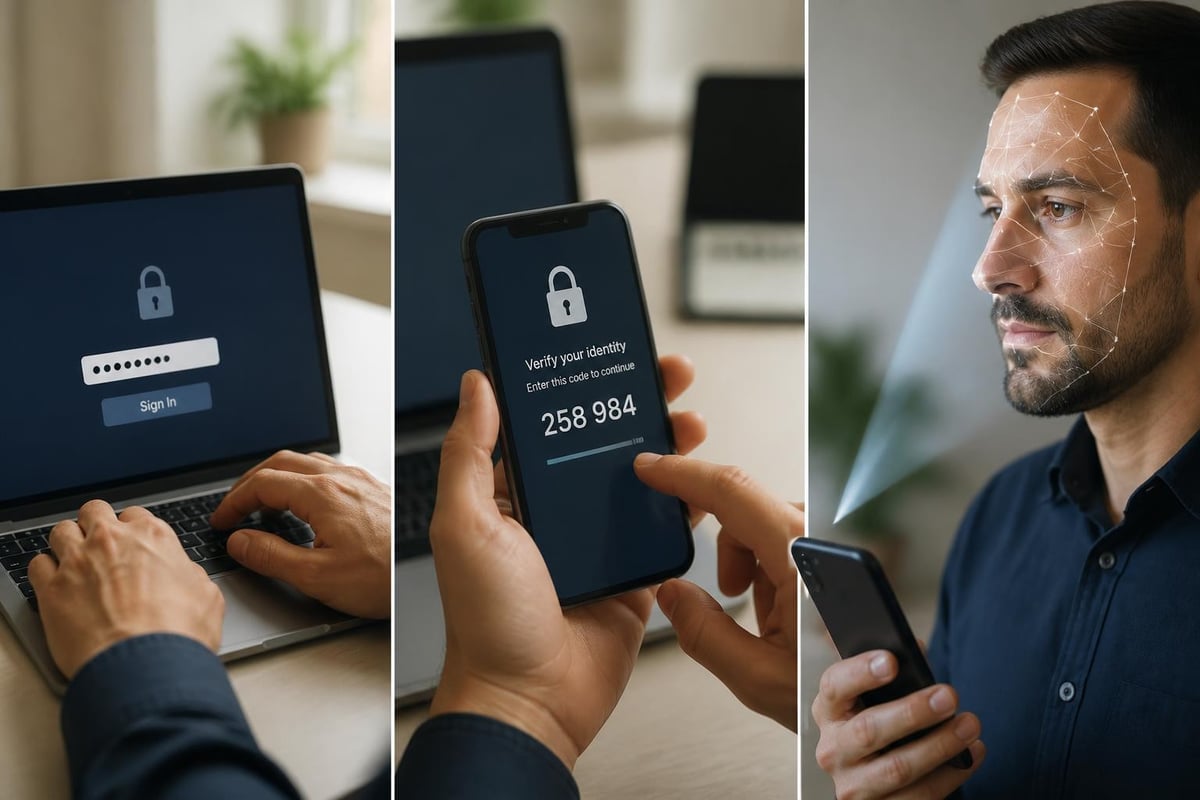
Access control services manage who can view or use resources within your IT environment. These services verify user identities through authentication mechanisms like passwords, multi-factor authentication, and biometric scanners. Authorization processes then determine what authenticated users can access based on their roles and responsibilities within the organization.
Encryption services protect data both in transit and at rest by converting information into unreadable code that only authorized parties can decipher. This security measure ensures that even if attackers intercept data, they cannot extract meaningful information without the proper decryption keys.
Authentication and Authorization Mechanisms
Modern authentication systems have evolved far beyond simple username and password combinations. Security services now incorporate multiple verification factors to confirm user identities with greater certainty.
- Single sign-on (SSO) solutions streamline access while maintaining security
- Multi-factor authentication (MFA) requires two or more verification methods
- Biometric authentication uses fingerprints, facial recognition, or iris scans
- Token-based authentication provides temporary access credentials
- Certificate-based authentication verifies identity through digital certificates
Authorization services work hand-in-hand with authentication to enforce the principle of least privilege. This approach ensures employees access only the specific resources needed for their job functions, minimizing potential damage from compromised accounts or insider threats.
| Security Service Type | Primary Function | Key Benefit |
|---|---|---|
| Access Control | User verification and permission management | Prevents unauthorized access |
| Encryption | Data scrambling and protection | Secures sensitive information |
| Intrusion Detection | Threat monitoring and alerting | Early threat identification |
| Vulnerability Management | System weakness identification | Proactive risk reduction |
Network Security Services and Monitoring
Network security services protect the infrastructure that connects your business systems, ensuring that data flows safely between devices, servers, and cloud resources. These services monitor traffic patterns, identify anomalies, and block malicious activities before they compromise your operations.
Firewall management serves as the first line of defense, examining incoming and outgoing network traffic based on predetermined security rules. Modern next-generation firewalls combine traditional packet filtering with advanced features like application awareness, intrusion prevention, and threat intelligence integration.
Intrusion detection and prevention systems (IDS/IPS) continuously scan network traffic for suspicious patterns that might indicate attacks. These systems can automatically block detected threats or alert security teams for investigation, depending on configuration and severity levels.
Real-Time Threat Detection and Response
Continuous monitoring has become essential as cyber threats operate around the clock. Security services in information security now incorporate real-time analysis capabilities that identify and respond to threats within seconds of detection.
Network behavior analysis establishes baselines for normal traffic patterns, making it easier to spot deviations that might signal compromise. When the system detects unusual data transfers, connection attempts from suspicious IP addresses, or communication with known malicious domains, it triggers immediate protective actions.
Small businesses particularly benefit from managed cybersecurity services that provide 24/7 monitoring without requiring in-house security teams. These services leverage advanced tools and experienced analysts to maintain constant vigilance over your network infrastructure.
Data Protection and Recovery Services
Protecting data throughout its lifecycle requires multiple security services working in concert. Data security extends beyond preventing unauthorized access to include backup systems, disaster recovery planning, and business continuity measures that ensure operations continue even after security incidents.
Data backup services create redundant copies of critical business information stored in separate locations. Modern backup solutions follow the 3-2-1 rule: maintaining three copies of data on two different media types with one copy stored off-site. This approach protects against hardware failures, ransomware encryption, and physical disasters.
Disaster recovery planning outlines specific procedures for restoring operations after various incident scenarios. These plans identify critical systems, establish recovery time objectives (RTOs), and define recovery point objectives (RPOs) that determine acceptable data loss thresholds.
Endpoint Security and Device Management
Every device connecting to your network represents a potential entry point for attackers. Endpoint security services protect laptops, desktops, mobile devices, and servers through comprehensive software agents that monitor activities and enforce security policies.
- Antivirus and anti-malware scanning detects known threats through signature databases
- Behavioral analysis identifies suspicious activities that might indicate new attack methods
- Application whitelisting permits only approved software to execute
- Patch management ensures all devices receive timely security updates
- Device encryption protects data on lost or stolen equipment
Organizations implementing comprehensive IT security strategies recognize that endpoints often present the weakest links in their security posture. Regular updates, strict access controls, and automated compliance checking strengthen these vulnerable points.

Cloud Security Services and Considerations
As businesses migrate operations to cloud environments, security services in information security must adapt to protect distributed infrastructure and data residing outside traditional network perimeters. Cloud security involves shared responsibility between service providers and customers, requiring clear understanding of who protects what.
Cloud access security brokers (CASBs) sit between users and cloud applications, enforcing security policies regardless of device location. These services provide visibility into cloud usage, detect shadow IT, prevent data leakage, and ensure compliance with regulatory requirements.
Identity and access management (IAM) systems become particularly critical in cloud environments where traditional network boundaries no longer exist. These services manage user identities across multiple platforms and applications while enforcing consistent security policies.
Securing Multi-Cloud and Hybrid Environments
Many organizations now operate across multiple cloud platforms and maintain on-premises systems, creating complex hybrid environments that require specialized security approaches.
- Unified security management provides centralized control across diverse platforms
- Data loss prevention (DLP) monitors and restricts sensitive information movement
- Encryption key management maintains control over data protection regardless of location
- Compliance monitoring ensures adherence to industry regulations and standards
- Security posture assessment identifies misconfigurations and vulnerabilities
The various types of cybersecurity required for cloud protection emphasize the importance of layered defenses that account for unique cloud-specific risks. Configuration errors, inadequate access controls, and insecure APIs consistently rank among the top cloud security concerns.
Compliance and Risk Management Services
Regulatory compliance drives many security service implementations, particularly in industries handling sensitive customer information. Security services in information security help organizations meet requirements established by standards like HIPAA, PCI DSS, SOC 2, and GDPR.
Vulnerability assessment services systematically identify security weaknesses across your infrastructure. These assessments use automated scanning tools combined with manual testing to discover missing patches, misconfigured systems, and other exploitable conditions before attackers find them.
Penetration testing takes vulnerability assessment further by actively attempting to exploit discovered weaknesses. Ethical hackers simulate real attack scenarios to determine whether vulnerabilities can actually be leveraged to compromise systems or access sensitive data.
| Compliance Framework | Target Industry | Key Security Requirements |
|---|---|---|
| PCI DSS | Payment processing | Encryption, access control, monitoring |
| HIPAA | Healthcare | Data protection, audit trails, disaster recovery |
| SOC 2 | Service providers | Security, availability, confidentiality |
| GDPR | EU data handlers | Privacy, breach notification, data rights |
Security Auditing and Assessment
Regular security audits provide objective evaluations of your current security posture, identifying gaps between existing controls and best practices or regulatory requirements. These assessments generate detailed reports that prioritize remediation efforts based on risk levels and potential business impact.

Third-party auditors bring fresh perspectives and specialized expertise that internal teams might lack. Their independent evaluations carry additional credibility with customers, partners, and regulators who require evidence of security due diligence.
Incident Response and Threat Intelligence
Despite best prevention efforts, security incidents will occur. Effective incident response services minimize damage by detecting breaches quickly, containing their spread, and restoring normal operations efficiently. Understanding information security fundamentals helps organizations prepare appropriate response capabilities.
Security information and event management (SIEM) systems aggregate logs and events from across your infrastructure, correlating information to identify potential incidents. These platforms use advanced analytics and machine learning to distinguish genuine threats from false positives, reducing alert fatigue while improving detection accuracy.
Threat intelligence services provide context about emerging threats, attack trends, and adversary tactics. This information helps security teams prioritize defensive measures and prepare for likely attack scenarios relevant to their industry and geographic region.
Building Effective Response Capabilities
Successful incident response requires preparation through documented procedures, assigned responsibilities, and regular practice. Organizations should establish clear escalation paths, communication protocols, and decision-making frameworks before crises occur.
Response team members need specific training on forensic tools, evidence preservation, and containment techniques. Tabletop exercises and simulated breach scenarios help teams develop muscle memory and confidence for handling real incidents under pressure.
Post-incident reviews extract lessons from security events, identifying process improvements and additional controls needed to prevent recurrence. These retrospectives transform negative experiences into valuable learning opportunities that strengthen overall security posture.
Managed Security Services for Small Businesses
Small businesses often lack resources to maintain full-time security staff with specialized expertise across all necessary disciplines. Managed security service providers (MSSPs) fill this gap by delivering enterprise-grade protection through subscription-based models that align costs with business needs.
Security Operations Center (SOC) services provide continuous monitoring and incident response capabilities without requiring on-premises infrastructure or dedicated personnel. Experienced analysts triage alerts, investigate suspicious activities, and coordinate responses to confirmed threats.
Vulnerability management programs conduct regular scans, prioritize discovered issues, and often assist with remediation efforts. These ongoing services ensure security postures keep pace with evolving threats and changing business requirements.
Businesses exploring cybersecurity service options should evaluate providers based on industry experience, service level agreements, communication practices, and technology platforms used. The right partner becomes an extension of your team rather than just a vendor.
Strategic Security Planning and Consulting
Beyond tactical services, security consulting helps organizations develop comprehensive strategies aligned with business objectives and risk tolerance. Consultants assess current capabilities, identify priority improvements, and create roadmaps for security maturity growth.
Strategic planning addresses questions like appropriate security budget allocation, technology selection, staff training requirements, and integration of security into business processes. These decisions have long-term implications that benefit from experienced guidance and industry benchmarking.
Email Security and Anti-Phishing Services
Email remains the most common attack vector, with phishing campaigns targeting employees daily. Email security services protect against malicious messages while ensuring legitimate communications flow smoothly.
Advanced threat protection analyzes email attachments and embedded links in sandbox environments before delivery. This process detects sophisticated malware that traditional antivirus signatures might miss, including zero-day exploits and polymorphic threats.
Anti-spam and anti-phishing filters use machine learning algorithms to identify fraudulent messages attempting to steal credentials or trick recipients into harmful actions. These systems continuously adapt to evolving attacker tactics, improving accuracy over time.
User education complements technical controls by teaching employees to recognize social engineering attempts. Security awareness training reduces successful phishing rates by helping staff develop healthy skepticism about unexpected requests and suspicious message characteristics.
Application Security and Secure Development
As businesses increasingly rely on custom applications and web-based tools, application security services protect these critical assets from exploitation. Secure development practices build protection into software from initial design through deployment and maintenance.
Security code review examines application source code for vulnerabilities like SQL injection, cross-site scripting, and authentication bypasses. Automated static analysis tools identify common issues quickly, while manual review catches logic flaws requiring human understanding.
Dynamic application security testing (DAST) probes running applications from an attacker's perspective, identifying vulnerabilities exploitable through user interfaces and APIs. These tests simulate real-world attack scenarios without requiring source code access.
Organizations implementing layered cybersecurity approaches recognize that application vulnerabilities can bypass network and endpoint protections. Web application firewalls (WAFs) provide runtime protection by filtering malicious requests before they reach vulnerable code.
Security Awareness and Training Programs
Technology alone cannot secure organizations when users inadvertently bypass controls or fall victim to social engineering. Security awareness programs educate employees about threats, safe practices, and their personal responsibility in maintaining organizational security.
Phishing simulation campaigns send controlled test messages to measure susceptibility and identify employees needing additional training. These exercises provide metrics for program effectiveness while reinforcing lessons through realistic scenarios.
Role-based training delivers relevant content tailored to specific job functions and access levels. Developers receive secure coding instruction, managers learn data classification requirements, and administrators study privilege management best practices.
Regular reinforcement through newsletters, posters, and brief refresher sessions maintains security awareness as a living part of organizational culture rather than an annual checkbox exercise. Engaged, informed employees become active participants in threat detection and prevention.
Implementing comprehensive security services in information security requires expertise, ongoing attention, and significant resource investment that challenges many small businesses. Organizations in Lethbridge and surrounding areas can protect their operations without maintaining specialized in-house teams by partnering with experienced providers who understand local business needs. Delphi Systems Inc. delivers managed IT services with robust cybersecurity capabilities, offering fixed-rate solutions that make enterprise-grade protection accessible and predictable for growing businesses focused on their core missions.

