

Small businesses face an increasingly complex cybersecurity landscape where threats evolve daily and the cost of a single breach can devastate operations. For organizations in Lethbridge and across Canada, partnering with an it security services provider has become essential rather than optional. These specialized firms deliver expertise, tools, and continuous monitoring that would be prohibitively expensive to build in-house. Understanding what these providers offer and how to select the right partner can mean the difference between secure operations and catastrophic data loss.
Understanding IT Security Services Provider Solutions
An it security services provider delivers comprehensive protection against cyber threats through a combination of technology, expertise, and proactive management. These firms go beyond simple antivirus software to create layered defense systems tailored to business needs.
Core Security Services Offered
Network Security and Monitoring
Continuous surveillance of network traffic identifies suspicious activity before it becomes a breach. This 24/7 monitoring detects anomalies, unauthorized access attempts, and potential vulnerabilities in real time.
Threat Detection and Response
Modern providers employ advanced threat intelligence platforms that analyze patterns across millions of endpoints. When threats emerge, response teams act immediately to contain and eliminate risks.
Vulnerability Assessment
Regular scanning identifies weaknesses in systems, applications, and configurations. These assessments provide actionable reports that prioritize remediation efforts based on risk levels.
The guide to information technology security services published by NIST outlines comprehensive frameworks for implementing these security measures effectively.
Managed Security Service Components
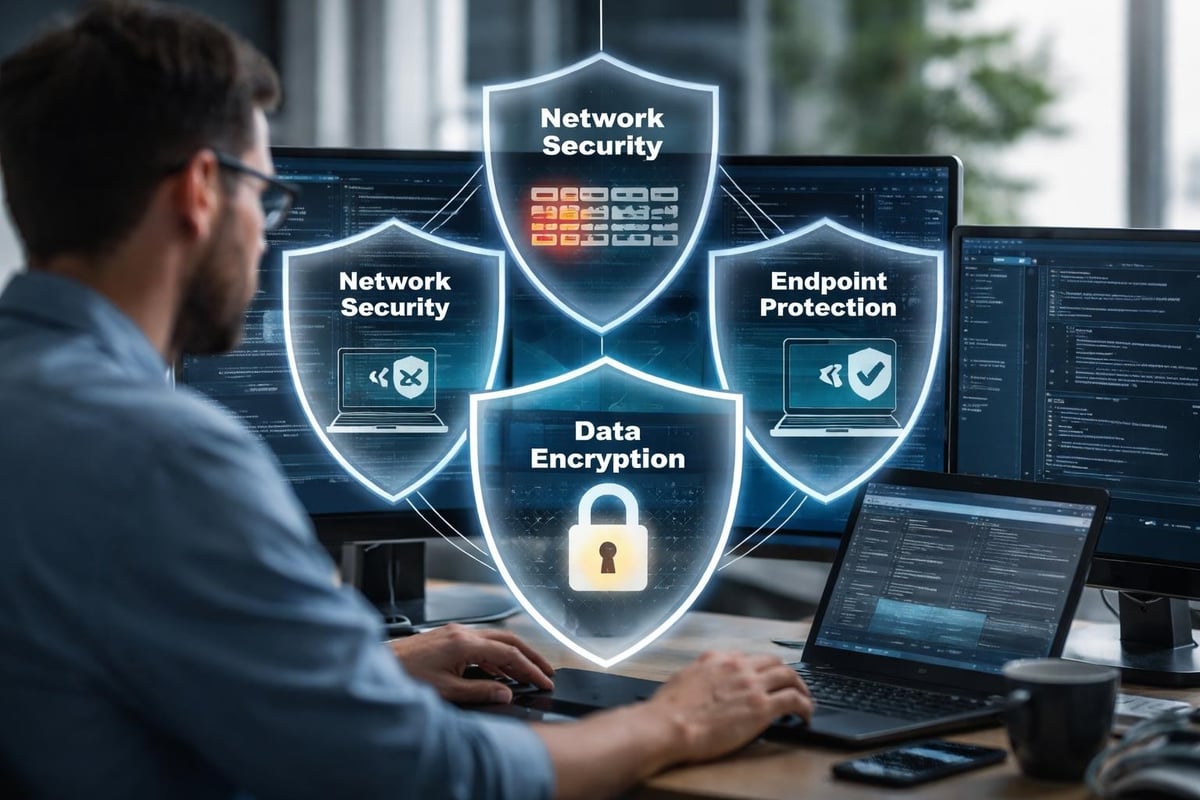
| Service Category | Key Features | Business Impact |
|---|---|---|
| Firewall Management | Configuration, updates, rule optimization | Prevents unauthorized network access |
| Endpoint Protection | Antivirus, anti-malware, device control | Secures individual computers and devices |
| Email Security | Spam filtering, phishing detection, encryption | Blocks 99% of malware delivery attempts |
| Access Control | Multi-factor authentication, privileged access management | Ensures only authorized users access sensitive data |
These components work together to create comprehensive protection. An it security services provider integrates these elements seamlessly, eliminating gaps that cybercriminals exploit.
Why Small Businesses Need Specialized Security Partners
Small businesses often assume they are too insignificant to attract cybercriminal attention. This misconception proves costly when attacks occur.
Resource Constraints
Hiring full-time security professionals remains financially unfeasible for most small organizations. A single certified security analyst commands salaries exceeding $80,000 annually, not including benefits and ongoing training costs.
Expertise Requirements
Cybersecurity demands specialized knowledge across multiple domains: network architecture, threat intelligence, compliance frameworks, and incident response. Building this expertise internally takes years and substantial investment.
Technology Complexity
Modern security tools require constant configuration, tuning, and updating. Without dedicated personnel, businesses struggle to maintain effective protection even when they purchase premium software.
The Cybersecurity and Infrastructure Security Agency (CISA) emphasizes assessing security practices of IT service providers to ensure third-party partnerships enhance rather than compromise security posture.
Compliance and Regulatory Requirements
Many industries face mandatory security standards. Healthcare organizations must meet PIPEDA requirements, while businesses handling credit cards need PCI DSS compliance. An it security services provider brings expertise in these frameworks, ensuring proper implementation and documentation.
- Regular compliance audits and reporting
- Policy development aligned with regulatory standards
- Employee training on compliance requirements
- Documentation maintenance for audit readiness
Evaluating IT Security Services Provider Capabilities
Selecting the right security partner requires careful assessment of capabilities, experience, and service delivery models.
Essential Provider Qualifications
Industry Certifications
Look for providers whose teams hold recognized certifications including CISSP, CISM, CEH, and CompTIA Security+. These credentials demonstrate validated expertise in security principles and practices.
Technology Partnerships
Leading providers maintain partnerships with major security vendors like Cisco, Palo Alto Networks, and Microsoft. These relationships ensure access to latest technologies and vendor support.
Proven Track Record
Request case studies from businesses similar in size and industry. A qualified it security services provider should demonstrate successful security implementations and measurable threat prevention.
Service Level Agreements and Response Times
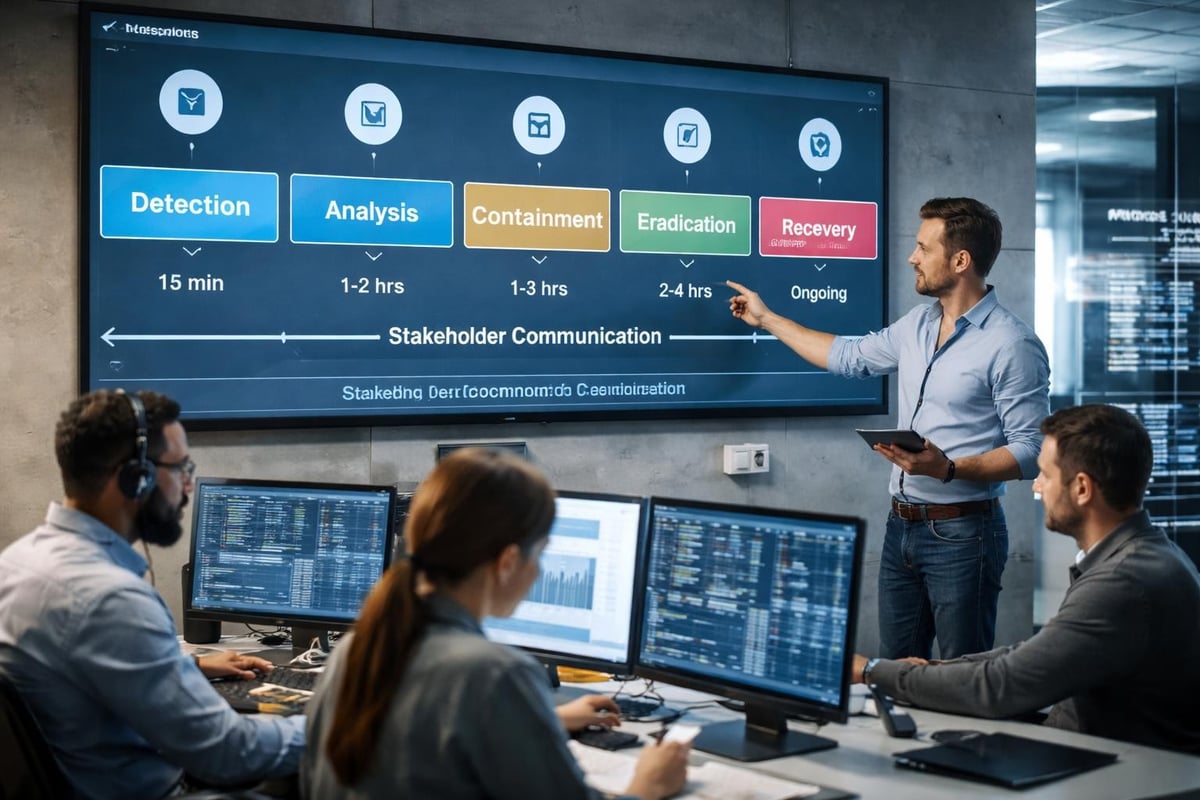
Response speed determines breach impact. Every minute counts when threats emerge.
| Incident Severity | Target Response Time | Resolution Expectation |
|---|---|---|
| Critical (Active breach) | 15 minutes | Immediate containment, resolution within 4 hours |
| High (Imminent threat) | 1 hour | Investigation and mitigation within 8 hours |
| Medium (Potential vulnerability) | 4 hours | Assessment and remediation plan within 24 hours |
| Low (General inquiry) | 24 hours | Resolution within 5 business days |
Review SLA documents carefully. Understand escalation procedures, communication protocols, and compensation for missed targets.
Comprehensive Security Service Offerings
Modern threats require multifaceted defenses. A complete it security services provider delivers protection across all attack vectors.
Cloud Security Management
As businesses migrate to cloud platforms, security complexity increases. Cloud security encompasses:
- Configuration management ensuring secure settings across AWS, Azure, or Google Cloud
- Identity and access management controlling who accesses cloud resources
- Data encryption protecting information at rest and in transit
- Compliance monitoring maintaining regulatory requirements in cloud environments
Cloud misconfigurations cause 70% of data breaches according to recent industry studies. Professional management eliminates these preventable vulnerabilities.
Data Backup and Disaster Recovery
Security extends beyond preventing attacks to ensuring business continuity when incidents occur. Comprehensive backup strategies include:
- Automated daily backups with multiple retention points
- Off-site storage protecting against physical disasters
- Ransomware-resistant architectures using immutable backup copies
- Regular recovery testing validating restoration procedures work
These elements create resilience that keeps businesses operational through various disaster scenarios.
Security Awareness Training
Human error contributes to 82% of security breaches. An effective it security services provider includes employee education covering:
Phishing Recognition
Teaching staff to identify suspicious emails, links, and attachments through simulated phishing campaigns and regular training sessions.
Password Hygiene
Promoting strong password practices, multi-factor authentication adoption, and secure credential storage.
Device Security
Educating employees on secure device usage, including mobile devices, remote work considerations, and public Wi-Fi risks.
Cost Structures and Budget Planning
Understanding pricing models helps businesses budget appropriately for security services.
Common Pricing Models
Fixed Monthly Fees
Predictable monthly costs cover defined services regardless of usage. This model simplifies budgeting and aligns with how Delphi Systems Inc. structures its managed IT services.
Per-User Pricing
Costs scale with employee count. This works well for growing businesses needing flexible pricing.
Tiered Service Packages
Multiple package levels offer different feature sets. Businesses select tiers matching their security requirements and budget constraints.
| Package Level | Monthly Investment | Included Services |
|---|---|---|
| Essential | $1,500 – $3,000 | Firewall, antivirus, basic monitoring |
| Professional | $3,000 – $6,000 | Enhanced monitoring, threat detection, vulnerability scans |
| Enterprise | $6,000+ | 24/7 SOC, advanced threat hunting, compliance management |
These ranges apply to small businesses with 10-50 employees. Actual costs vary based on infrastructure complexity and specific requirements.
Return on Investment Considerations
Security spending should be viewed as insurance against catastrophic loss. The average data breach costs small businesses $149,000 according to 2026 industry reports. Monthly security service fees represent a fraction of potential breach costs.
Quantifiable Benefits:
- Reduced downtime from security incidents
- Lower cyber insurance premiums
- Avoided regulatory fines
- Protected customer trust and reputation
Integration with Existing IT Infrastructure
An it security services provider must work seamlessly with current technology investments and business processes.
Assessment and Onboarding Process
Professional providers begin with comprehensive discovery:
- Infrastructure inventory documenting all hardware, software, and network components
- Security posture evaluation identifying current vulnerabilities and gaps
- Risk assessment prioritizing threats based on business impact
- Implementation roadmap outlining security improvements with timelines
This structured approach ensures security enhancements align with business objectives rather than disrupting operations.
Ongoing Management and Optimization
Security is not a one-time implementation but continuous improvement. Monthly activities include:
- Patch management applying security updates across all systems
- Security report reviews analyzing trends and emerging threats
- Policy updates adjusting rules based on new business requirements
- Technology refreshes upgrading outdated security tools
The comprehensive guidance on IT security services emphasizes the importance of continuous evaluation and improvement in security programs.

Advanced Threat Protection Strategies
Sophisticated attacks require equally sophisticated defenses. Leading providers employ advanced techniques beyond basic security measures.
Threat Intelligence Integration
Real-time threat intelligence feeds provide early warning about emerging attack methods. These services aggregate data from global sources, identifying threats before they reach your network.
Intelligence Sources Include:
- Government security agencies and alerts
- Industry-specific threat sharing groups
- Vendor research teams and security labs
- Dark web monitoring for compromised credentials
Zero Trust Architecture Implementation
The zero trust model assumes no user or device is automatically trustworthy. Every access request requires verification regardless of network location.
Key zero trust principles include:
- Verify explicitly using all available data points for authentication decisions
- Use least privilege access granting minimum necessary permissions
- Assume breach designing systems expecting attackers already have network access
This approach significantly reduces breach impact by containing threats and limiting lateral movement across networks.
Industry-Specific Security Considerations
Different sectors face unique security challenges requiring specialized knowledge from an it security services provider.
Healthcare and Professional Services
Protected health information demands stringent security under PIPEDA and provincial health privacy laws. Requirements include:
- End-to-end encryption for patient data
- Audit logging of all data access
- Secure communication channels
- Regular risk assessments
Financial and Legal Services
These sectors handle sensitive financial and confidential client information requiring:
- Multi-factor authentication for all access points
- Transaction monitoring and anomaly detection
- Secure document management systems
- Attorney-client privilege protection measures
Retail and Hospitality
Businesses processing credit cards must maintain PCI DSS compliance through:
- Secure payment processing environments
- Network segmentation isolating payment systems
- Regular security testing and vulnerability scans
- Formal security policies and procedures
Selecting Your Security Partner
Making the right provider choice impacts business security for years. Systematic evaluation prevents costly mistakes.
Questions to Ask Potential Providers
Service Delivery and Support:
- What are your guaranteed response times for security incidents?
- Do you provide 24/7 monitoring and support?
- How do you handle after-hours emergencies?
Technical Capabilities:
- Which security technologies and platforms do you specialize in?
- How do you stay current with emerging threats?
- What certifications do your technical staff maintain?
Business Alignment:
- Do you have experience with businesses our size?
- Can you provide references from our industry?
- How do you handle service escalation and account management?
Trial Periods and Pilot Programs
Reputable providers often offer evaluation periods allowing businesses to assess services before long-term commitments. These trials should include:
- Full access to core security services
- Regular reporting and communication
- Performance against defined success metrics
- Clear exit terms if services don't meet expectations
Measuring Security Program Effectiveness
An it security services provider should demonstrate measurable security improvements through comprehensive reporting.
Key Performance Indicators
| Metric | Measurement Method | Target Goal |
|---|---|---|
| Mean Time to Detect (MTTD) | Average time identifying security incidents | Under 15 minutes |
| Mean Time to Respond (MTTR) | Average time containing and resolving threats | Under 2 hours for critical |
| Vulnerability Remediation | Percentage of identified vulnerabilities patched within 30 days | Above 95% |
| Security Awareness | Employee performance on phishing simulations | Below 5% click rate |
These metrics provide objective evidence of security program performance and continuous improvement.
Regular Security Reviews
Quarterly business reviews should cover:
- Threat landscape updates and emerging risks
- Security incident summaries and lessons learned
- Compliance status and audit readiness
- Technology recommendations and upgrade paths
These discussions ensure security strategies evolve with changing business needs and threat environments.
Protecting your business from cyber threats requires expertise, technology, and vigilant monitoring that most small organizations cannot maintain independently. Working with a qualified it security services provider delivers enterprise-grade security at manageable costs while allowing you to focus on core business activities. Whether you need comprehensive security management, cloud protection, or regulatory compliance support, Delphi Systems Inc. provides the managed IT services and cybersecurity expertise that Lethbridge businesses rely on to maintain secure, productive operations. Contact our team today to discuss how we can strengthen your security posture with tailored solutions and fixed-rate pricing.

