

Small businesses increasingly rely on cloud platforms to store sensitive data, run applications, and support remote workforces. This shift brings tremendous operational benefits but also introduces complex security challenges that require specialized expertise and proactive management. Understanding cyber security with cloud computing has become essential for business leaders who want to protect their assets while maximizing the efficiency gains that cloud technologies provide. The intersection of these two domains creates both opportunities and vulnerabilities that demand careful attention and strategic planning.
Understanding the Cloud Security Landscape in 2026
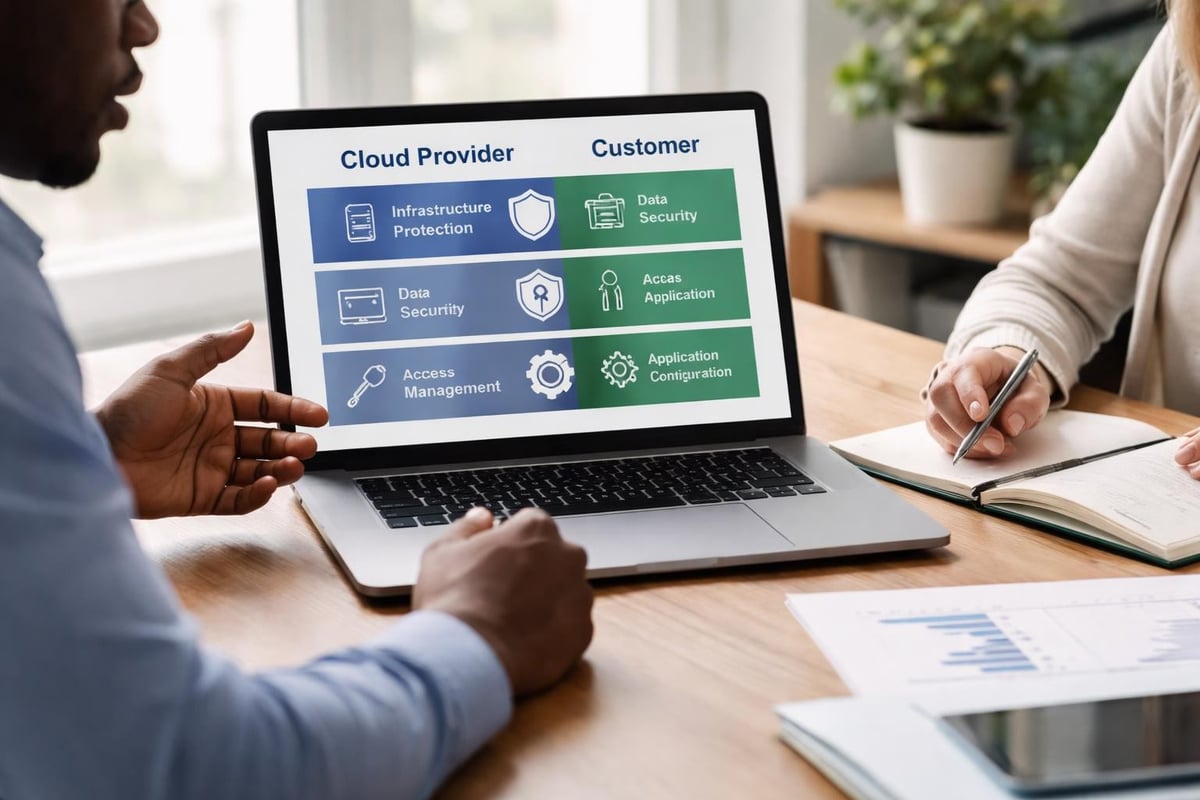
The cloud computing environment has evolved significantly over the past few years, with security frameworks becoming more sophisticated to counter emerging threats. Organizations now face a shared responsibility model where both the cloud service provider and the customer must actively participate in maintaining security.
Cloud service providers typically secure the underlying infrastructure, including physical servers, storage systems, and network architecture. However, businesses remain responsible for protecting their data, managing user access, configuring security settings, and ensuring compliance with industry regulations.
Key Security Challenges Facing Small Businesses
Small businesses encounter several distinct obstacles when implementing cyber security with cloud computing:
- Limited in-house expertise to configure and monitor security settings properly
- Budget constraints that make comprehensive security programs difficult to maintain
- Rapidly evolving threat landscapes that require constant vigilance and updates
- Compliance requirements that vary by industry and geographic location
- Integration complexity when connecting cloud services with existing systems
The Cloud Security Alliance provides comprehensive guidance that addresses these challenges through proven frameworks and best practices tailored to organizations of all sizes.
Essential Security Controls for Cloud Environments
Implementing robust security controls requires a multi-layered approach that addresses various threat vectors and vulnerabilities. These controls work together to create a defense-in-depth strategy that protects sensitive business information.
Identity and Access Management
Controlling who can access your cloud resources represents the first line of defense against unauthorized intrusions. Strong identity and access management (IAM) policies ensure that only authorized personnel can view or modify critical business data.
Multi-factor authentication (MFA) should be mandatory for all users accessing cloud systems. This additional security layer dramatically reduces the risk of credential theft and unauthorized access. Even if attackers obtain a password, they cannot proceed without the second authentication factor.
Role-based access control (RBAC) limits user permissions based on job responsibilities. Employees should only access the specific resources required for their duties, minimizing potential damage from compromised accounts or insider threats.
| Access Control Method | Security Level | Implementation Complexity | User Impact |
|---|---|---|---|
| Password Only | Low | Simple | Minimal |
| Multi-Factor Authentication | High | Moderate | Minor inconvenience |
| Biometric + MFA | Very High | Complex | Moderate adjustment |
| Zero Trust Architecture | Highest | Advanced | Requires training |
Data Encryption Strategies
Encryption transforms readable data into coded format that remains unreadable without the proper decryption keys. Cyber security with cloud computing demands encryption both for data at rest (stored in cloud servers) and data in transit (moving between systems).
Modern encryption standards like AES-256 provide military-grade protection that makes unauthorized access virtually impossible. Cloud platforms typically offer built-in encryption tools, but businesses must actively enable and configure these features rather than assuming default protection.
Key management becomes critical in encryption strategies. Organizations need secure methods to generate, store, rotate, and revoke encryption keys without creating vulnerabilities or losing access to their own data.
Network Security and Monitoring
Network security controls regulate how data flows between cloud resources and external systems. Properly configured firewalls, virtual private networks (VPNs), and network segmentation prevent unauthorized traffic from reaching sensitive assets.
Continuous Monitoring and Threat Detection
Real-time monitoring identifies suspicious activities before they escalate into serious breaches. Advanced threat detection systems analyze patterns, recognize anomalies, and alert administrators to potential security incidents.
Security Information and Event Management (SIEM) platforms aggregate logs from multiple sources, correlate events, and provide actionable intelligence about security posture. These systems help small businesses detect threats that might otherwise go unnoticed until significant damage occurs.
The NIST Special Publication 800-53 offers detailed controls for information systems that organizations can adapt to their specific cloud environments and risk profiles.
Automated responses can neutralize certain threats immediately without human intervention. When monitoring systems detect malicious activity, they can automatically isolate affected resources, block suspicious IP addresses, or terminate compromised sessions.

Compliance and Regulatory Considerations
Various industries face specific compliance requirements that affect how they implement cyber security with cloud computing. Healthcare organizations must comply with HIPAA, financial institutions with PCI DSS, and many businesses with data protection regulations like GDPR.
Meeting Industry Standards
Compliance frameworks provide structured approaches to security that satisfy legal requirements while protecting business interests. Understanding which standards apply to your organization helps prioritize security investments and avoid costly violations.
ISO/IEC 27017 specifically addresses information security controls applicable to cloud services, clarifying responsibilities between providers and customers to maintain secure cloud environments.
Documentation plays a crucial role in demonstrating compliance. Organizations need detailed records of security policies, access logs, incident responses, and regular audits to prove they meet regulatory standards.
Data Backup and Disaster Recovery
Even with robust security measures, businesses must prepare for potential data loss from security breaches, system failures, or human errors. Comprehensive backup strategies ensure business continuity when incidents occur.
Creating Resilient Backup Systems
Effective backup solutions follow the 3-2-1 rule: maintain three copies of data on two different media types with one copy stored offsite. Cloud environments facilitate this approach by offering geographically distributed storage options.
- Automated backups eliminate human error and ensure consistent data protection
- Incremental backups reduce storage costs and backup windows by only capturing changes
- Regular testing verifies that backups can actually restore data when needed
- Encryption protects backup data from unauthorized access
- Version control allows recovery from specific points in time before corruption occurred
Recovery Time Objectives (RTO) and Recovery Point Objectives (RPO) define how quickly systems must be restored and how much data loss is acceptable. Small businesses should establish these metrics based on operational needs and budget constraints.
Security Training and Human Factors
Technology alone cannot guarantee security. Human error contributes to most security breaches, making employee training an essential component of cyber security with cloud computing strategies.
Building a Security-Aware Culture
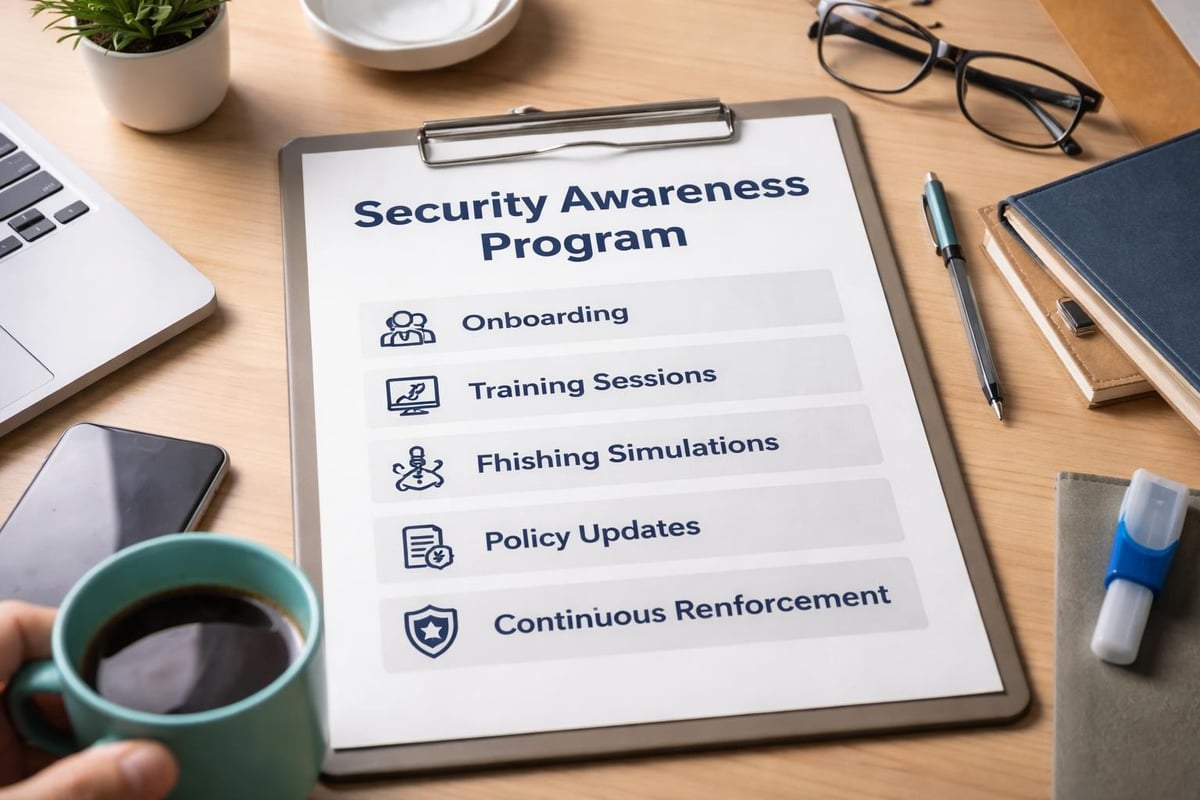
Regular training programs educate employees about phishing attacks, password security, social engineering tactics, and proper data handling procedures. When staff understand security risks, they become active participants in protecting business assets rather than weak links in the security chain.
Phishing simulations test employee vigilance and identify individuals who need additional training. These controlled exercises help organizations measure security awareness and track improvement over time.
| Training Method | Frequency | Effectiveness | Cost |
|---|---|---|---|
| Annual Seminars | Yearly | Low | Low |
| Quarterly Workshops | Quarterly | Moderate | Moderate |
| Monthly Micro-Learning | Monthly | High | Moderate |
| Ongoing Simulations | Continuous | Very High | Higher |
| Role-Based Certification | As Needed | Highest | Highest |
Security policies should be clearly documented, easily accessible, and regularly updated to reflect evolving threats. Employees need to understand not just what the rules are, but why they matter and how they protect both the business and individual workers.
Cloud Architecture Security Best Practices
How organizations architect their cloud infrastructure significantly impacts security outcomes. Thoughtful design decisions made during initial deployment prevent vulnerabilities that become expensive to fix later.
Implementing Zero Trust Architecture
Zero Trust security models assume that threats exist both outside and inside network perimeters. This approach requires continuous verification of all users and devices attempting to access resources, regardless of their location or previous authorization status.
Network segmentation divides cloud environments into isolated zones with controlled communication pathways. If attackers compromise one segment, they cannot easily move laterally to access other systems or data.
Microsegmentation takes this concept further by creating granular security zones around individual workloads or applications. This strategy limits the blast radius of security incidents and provides detailed visibility into traffic patterns.
Research exploring how leveraging cloud services can enhance an organization’s cyber resilience demonstrates that strategic cloud adoption, when properly secured, actually improves overall security posture compared to traditional infrastructure.
Incident Response Planning
Despite best efforts, security incidents will occasionally occur. Effective incident response plans minimize damage, reduce recovery time, and provide valuable lessons for improving future security measures.
Developing Response Protocols
Incident response protocols should clearly define roles, communication channels, escalation procedures, and specific actions for different types of security events. When incidents occur, teams need immediate clarity about who does what and when.
Detection and analysis represent the first phase where security teams identify incidents, assess their scope, and determine their severity. Quick, accurate assessment enables proportionate responses that address threats without overreacting to minor issues.
Containment strategies stop incidents from spreading while preserving evidence for later analysis. Organizations must balance the need to restore normal operations against the importance of understanding what happened and how to prevent recurrence.
Post-incident reviews examine what went wrong, what went right, and what should change. These retrospectives transform incidents into learning opportunities that strengthen overall security posture.
Vendor Management and Third-Party Risk
Most small businesses rely on multiple cloud service providers, software vendors, and technology partners. Each relationship introduces potential security risks that require careful evaluation and ongoing management.
Evaluating Vendor Security
Before adopting new cloud services, organizations should review vendor security certifications, compliance attestations, and incident history. Reputable providers willingly share security documentation and undergo regular third-party audits.
Service Level Agreements (SLAs) should explicitly address security responsibilities, incident notification timeframes, data ownership, and breach liability. Clear contractual terms prevent misunderstandings and provide recourse when vendors fail to meet security obligations.
Regular vendor assessments ensure that third-party security practices keep pace with evolving threats. Security that was adequate at contract signing may become insufficient as attackers develop new techniques or as business requirements change.
Emerging Technologies and Future Trends
The cyber security landscape continues evolving as new technologies emerge and threat actors develop more sophisticated attack methods. Staying informed about trends helps businesses anticipate future challenges and opportunities.
Artificial Intelligence in Security
AI and machine learning increasingly power security tools that detect anomalies, predict threats, and automate responses. These technologies analyze vast amounts of data far more quickly than human analysts, identifying patterns that might otherwise go unnoticed.
However, attackers also leverage AI to create more convincing phishing campaigns, automate vulnerability scanning, and evade detection systems. This arms race between defensive and offensive AI capabilities will intensify throughout 2026 and beyond.
Quantum computing poses both opportunities and threats for cyber security with cloud computing. While quantum systems might eventually break current encryption standards, they also enable new cryptographic approaches that could provide unprecedented security.
Cost-Effective Security for Small Businesses
Budget limitations force small businesses to prioritize security investments carefully. Understanding which controls provide the greatest risk reduction helps organizations maximize security outcomes within financial constraints.
Managed Security Services
Many small businesses lack the resources to maintain full-time security staff with specialized expertise. Managed security service providers offer access to experienced professionals, advanced tools, and 24/7 monitoring at predictable monthly costs.
Outsourcing security functions allows small businesses to focus resources on core competencies while ensuring their IT infrastructure receives expert attention. Fixed-rate fee structures eliminate surprise expenses and simplify budget planning.
Cloud-native security tools often provide better value than traditional on-premises solutions. These platforms scale automatically, receive continuous updates, and require minimal infrastructure investment while delivering enterprise-grade protection.
Integration with Existing Systems
Small businesses rarely migrate entirely to cloud platforms in single transitions. Most operate hybrid environments where cloud services interact with on-premises systems, creating security complexities at integration points.
Securing Hybrid Environments
Hybrid architectures require consistent security policies across all components. Data moving between cloud and on-premises systems needs encryption, access controls, and monitoring regardless of where it resides at any moment.
API security becomes critical as different systems communicate through application programming interfaces. Proper authentication, rate limiting, and input validation prevent attackers from exploiting API vulnerabilities to access sensitive data or functionality.
Legacy systems that cannot be immediately replaced may lack modern security features. Organizations must implement compensating controls like network isolation, additional monitoring, and strict access limitations to protect these vulnerable components.
Measuring Security Effectiveness
Security programs require ongoing assessment to ensure they actually reduce risk and protect business assets. Metrics help organizations understand whether their investments deliver expected returns and where improvements are needed.
Key Performance Indicators
Mean Time to Detect (MTTD) measures how quickly security teams identify incidents. Shorter detection times limit damage by enabling faster responses before attackers achieve their objectives.
Mean Time to Respond (MTTR) tracks how long it takes to contain and remediate security incidents. This metric directly correlates with financial impact, as prolonged incidents typically cause greater damage.
| Security Metric | Target Value | What It Measures | Why It Matters |
|---|---|---|---|
| MTTD | Under 1 hour | Detection speed | Limits attacker dwell time |
| MTTR | Under 4 hours | Response speed | Minimizes damage |
| Patch Compliance | Above 95% | Update timeliness | Reduces vulnerability window |
| Failed Login Attempts | Declining trend | Attack attempts | Indicates threat level |
| Security Training Completion | 100% | Staff preparedness | Reduces human error |
Vulnerability assessment results show how many security weaknesses exist in systems and how quickly they get resolved. Regular scanning combined with prompt remediation demonstrates proactive security management.
Protecting your business data in cloud environments requires comprehensive strategies that address technical controls, employee training, compliance requirements, and ongoing monitoring. Small businesses in Lethbridge and surrounding areas can leverage expert guidance to implement effective cyber security with cloud computing without maintaining expensive in-house security teams. Delphi Systems Inc. delivers managed IT services that keep your cloud infrastructure secure and operating efficiently, allowing you to focus on growing your business while we handle the complexities of modern cybersecurity.

