

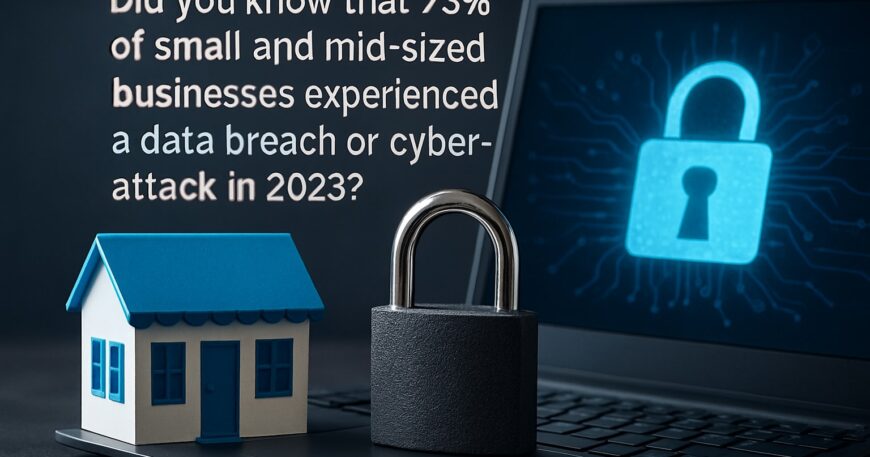
Did you know that 73% of small and mid-sized businesses experienced a data breach or cyberattack in 2023? As threats become more advanced, small business cyber security is no longer optional—it is essential to protect your company’s data, reputation, and daily operations.
This guide offers practical, up-to-date strategies to help you defend against evolving cyber risks in 2026. You will discover why small businesses are frequent targets, learn about the latest threats, and get step-by-step advice for building resilience.
Prepare to safeguard your business with actionable tips, affordable solutions, and clear response steps for any incident.
Why Small Businesses Are Prime Targets for Cyberattacks
Small businesses face an escalating threat from cybercriminals who see them as easy targets. The risk is no longer limited to large corporations. In fact, small business cyber security is now a top concern for owners across every industry. Understanding why your company is at risk is the first step toward effective protection.
The Changing Threat Landscape for SMBs
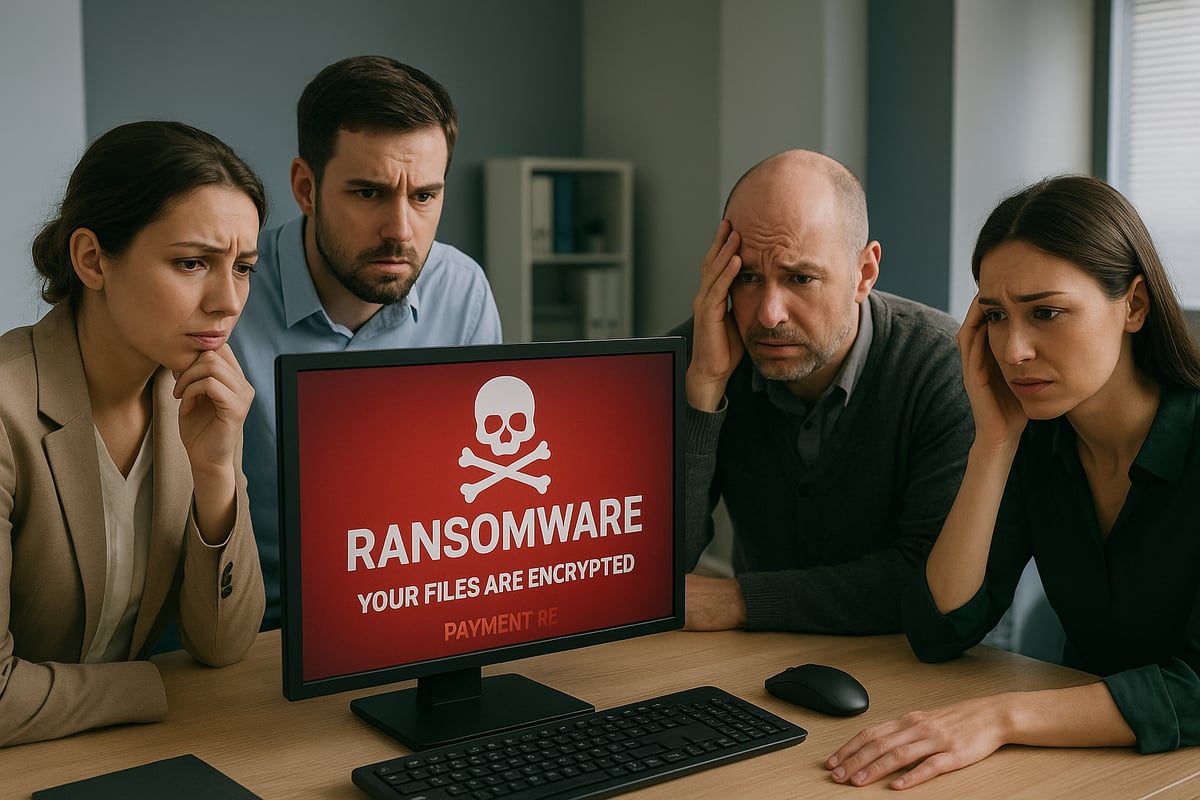
Cybercriminals have shifted their focus to small businesses, often due to perceived weaker defenses and limited resources. Attackers recognize that small business cyber security measures may not match those of large enterprises, making SMBs attractive entry points into bigger supply chains.
In 2023, 73% of small and mid-sized businesses experienced a breach or attack, highlighting the scale of the problem. Sophisticated threats like ransomware and phishing, once reserved for large companies, now frequently target smaller organizations. For example, a Lethbridge-based clinic was forced to pause operations for days due to a ransomware incident.
The reality is clear: SMBs must adopt an enterprise-grade approach to small business cyber security to stay protected.
Common Misconceptions About Cybersecurity for SMBs
Many owners believe they are "too small to be attacked," creating dangerous gaps in small business cyber security. Cost concerns often lead to underinvestment in protective tools and strategies.
Relying on outdated antivirus programs, lacking formal security policies, and not having dedicated IT staff are common pitfalls. Modern threats exploit vulnerabilities in cloud services, mobile devices, and remote work setups. These weak spots are often overlooked.
Statistics show that 63% of small businesses now face advanced threats such as ransomware. Every company, regardless of size, is a potential target, making robust small business cyber security essential.
The Business Impact of Cyberattacks
The consequences of a successful breach extend far beyond IT headaches. Financial losses from ransom payments, downtime, and lost revenue can be devastating for a small business cyber security incident.
Reputational harm often leads to customer churn, and legal or regulatory fines may follow a data breach. For many SMBs, the cost of recovery can threaten business survival. Notably, 76% of attacks occur after hours or on weekends, increasing the risk of extended damage.
A local engineering firm, for example, lost irreplaceable project files after a phishing attack. Proactive investment in small business cyber security is critical for ensuring business continuity and resilience.
Real-World Examples and Statistics
Case studies abound: an SMB struck by ransomware was unable to access its data for a week, resulting in losses exceeding $50,000. Healthcare, finance, and retail businesses face especially high risks.
Supply chain attacks are rising, with criminals exploiting third-party vendors. According to industry-wide averages, SMBs make up 43% of all cyberattack victims. Most attacks happen outside of business hours.
For more detailed figures, see Cyberattack Statistics Affecting Small Businesses. No sector is immune. Being prepared with strong small business cyber security practices is the only way forward.
The Top Cyber Threats Facing Small Businesses in 2026
Small business cyber security in 2026 faces a rapidly changing threat landscape. Attackers now use advanced tools and tactics, often targeting organizations with fewer resources. Understanding the most pressing threats is essential for every business leader determined to protect their data and reputation.
Ransomware and Advanced Malware
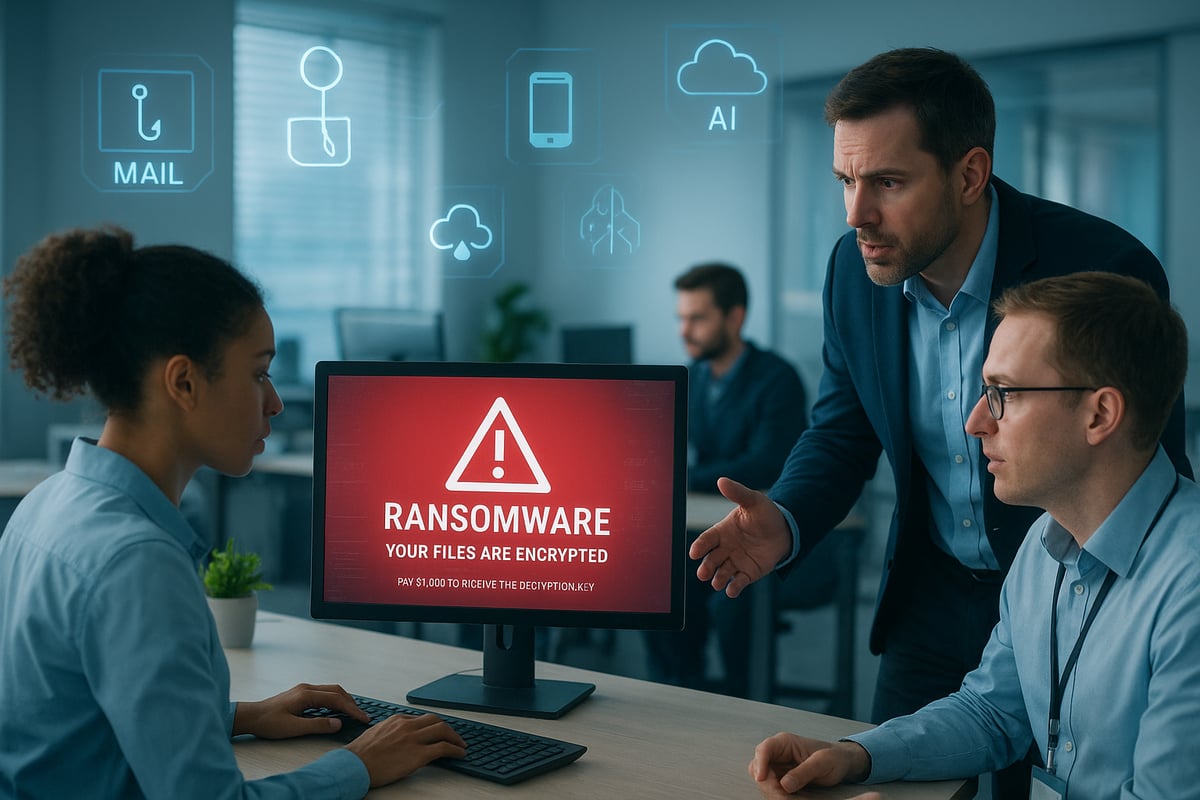
Ransomware continues to be one of the most destructive threats in small business cyber security. Attackers lock crucial files, halting business operations until a ransom is paid. Increasingly, cybercriminals use AI to evade traditional antivirus software, making old solutions ineffective. Many businesses lack segmented backups, which complicates recovery. The "double extortion" tactic is now common, where data is stolen and threatened for public exposure if the ransom is not paid. For example, a local retail business was forced to pay a hefty sum to regain access to its systems. Modern, AI-powered antivirus is now a must-have for small business cyber security.
Phishing and Social Engineering Attacks
Phishing remains the top entry point for breaches in small business cyber security. Attackers craft emails that closely resemble those from trusted contacts or vendors, tricking employees into revealing credentials or transferring funds. Social engineering schemes prey on human trust, and the rise of remote and hybrid work has widened the attack surface. For instance, a staff member sharing login details after a convincing email led to a costly data breach. Continuous employee education is crucial, as even a single click can open the door to attackers. Small business cyber security depends heavily on staff vigilance.
Insider Threats and Human Error
Insider threats and human error are often overlooked in small business cyber security strategies. Accidental data leaks may result from misaddressed emails or unsecured file sharing. Meanwhile, disgruntled employees may intentionally compromise sensitive information. Without strict access controls, the risk grows. One example is an employee downloading confidential client data to a personal device, leading to a compliance issue. Implementing clear policies and regular monitoring can help reduce these risks. Remember, both mistakes and malicious actions from within can be just as damaging as external attacks in small business cyber security.
Cloud, Mobile, and IoT Vulnerabilities
As businesses adopt new technologies, cloud, mobile, and IoT vulnerabilities have become central to small business cyber security concerns. Misconfigured cloud platforms can leak sensitive data. Mobile devices and bring-your-own-device policies introduce unsecured endpoints, while IoT devices such as smart cameras or thermostats often lack robust protections. A notable incident involved a breach through an unpatched smart thermostat, exposing critical business information. Security must extend beyond the office network, covering every device and connection. Regular audits and secure configurations are vital for small business cyber security in these environments.
Evolving Tactics: AI-Powered and Automated Attacks
Cybercriminals now leverage AI and automation to launch more sophisticated attacks against small business cyber security defenses. AI-driven spear-phishing targets specific employees with customized messages, while automated bots scan for unpatched systems at all hours. Many businesses may not even realize an attack is underway until significant damage has occurred. For example, an automated script exploited outdated software overnight, compromising sensitive data. Continuous monitoring and prompt patching are essential. To stay ahead, businesses must keep informed about Cybersecurity in 2026: Trends SMBs Can’t Ignore, ensuring their small business cyber security measures evolve with the threat landscape.
Step-by-Step Cybersecurity Plan for Small Businesses
Taking a strategic approach to small business cyber security can make the difference between resilience and lasting damage. Use this actionable, step-by-step plan to build a strong defense, improve your response capabilities, and protect your company’s future.
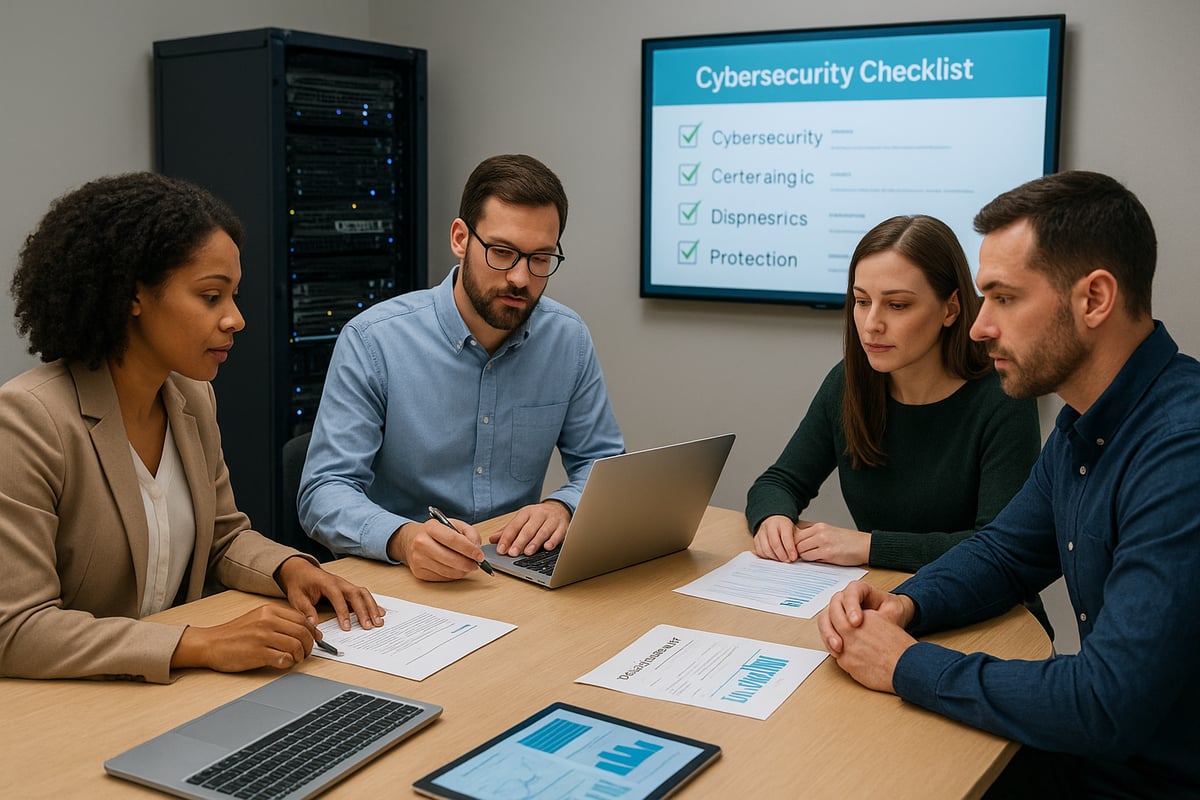
Step 1: Assess Your Current Cybersecurity Posture
Begin your small business cyber security journey with a thorough assessment. Inventory all hardware, software, cloud services, and data locations. Identify which business processes and data are most critical. Review your current security controls, policies, and any previous incidents. Conduct a basic risk assessment, or use free online tools to spot vulnerabilities. For example, a business in Lethbridge recently discovered an outdated firewall during a routine assessment, highlighting hidden risks. Understanding your baseline helps you prioritize improvements and allocate resources effectively. Remember, a clear picture of your environment is the first step toward a safer business.
Step 2: Implement Essential Cybersecurity Controls
Deploying the right controls is central to small business cyber security. Start by installing next-generation antivirus or endpoint protection, ideally with AI capabilities. Activate firewalls on every device and network. Require strong, unique passwords and enable multi-factor authentication for all accounts. Regularly update and patch systems to close security gaps. For rapid deployment and proven ransomware protection, many SMBs turn to IT Security Solutions for SMBs. These modern solutions are easy to manage, even without a dedicated IT team. Proactive controls greatly reduce your risk of cyber threats.
Step 3: Secure Cloud, Mobile, and Remote Work Environments
With remote work and cloud adoption on the rise, small business cyber security must extend beyond the office. Configure cloud platforms using least-privilege access. Encrypt all data in transit and at rest. Require secure VPN or zero-trust solutions for remote staff. Use mobile device management (MDM) tools to oversee smartphones and tablets. For instance, enforcing multi-factor authentication on cloud email can prevent unauthorized access. Make sure to review and update your security protocols regularly as your business evolves. Protecting every endpoint creates a cohesive, secure ecosystem for your team.
Step 4: Backup Data and Prepare for Recovery
A robust backup strategy is vital for small business cyber security. Schedule automated, encrypted backups both onsite and in the cloud. Test restoration processes regularly to ensure your data is recoverable. Segment backups from your main network to shield them from ransomware. Develop a disaster recovery plan, listing clear steps and contacts for emergencies. Businesses with tested backups can recover quickly, minimizing downtime and losses. Without a recovery plan, 60 percent of SMBs fail within six months of a major breach. Backups are your safety net when incidents occur.
Step 5: Establish Security Policies and Access Controls
Effective small business cyber security relies on clear policies and strict access controls. Draft written guidelines for acceptable use, remote access, and incident response. Apply the principle of least privilege, giving users access only to what they need. Review and update permissions on a regular schedule. Enforce secure password practices and require regular changes. For example, limiting administrator access has stopped malware from spreading in many organizations. Well-defined policies set expectations, foster accountability, and significantly reduce your risk of internal and external threats.
Step 6: Monitor, Detect, and Respond to Threats
Continuous monitoring is a cornerstone of small business cyber security. Use automated tools to spot unusual activity, such as unauthorized logins or data transfers. Set up real-time alerts so you can respond quickly to incidents. Designate a response team or external contact for emergencies. Document your response plan and rehearse it with tabletop exercises. In one case, early detection of a phishing attempt prevented a major breach for a local company. The faster you respond, the less damage and cost your business will face after an attack.
Step 7: Review and Update Your Cybersecurity Program Regularly
Cyber threats evolve constantly, so small business cyber security must be an ongoing effort. Schedule regular reviews—quarterly or annually—of your security posture. Stay informed about new threats and best practices through reputable sources. Update your software, policies, and employee training as needed. Run tabletop exercises to test your team’s readiness. For example, a recent policy update was prompted by the discovery of new phishing tactics. Treat cybersecurity as a journey, not a one-time project, to keep your business protected as it grows.
Employee Training and Building a Security-First Culture
Building a robust small business cyber security program begins with your people. Employees interact with sensitive data daily, and their actions can either fortify or undermine your security posture. By investing in training and fostering a vigilant workplace, you turn your staff into your strongest defense against cyber threats.
Why Employees Are the First Line of Defense
Human error is the leading cause of most breaches in small business cyber security. Staff members handle confidential information, financial records, and customer data as part of their daily tasks. A single careless click on a phishing link or an accidental file upload to an unsecured platform can trigger a major incident.
Attackers are well aware of this vulnerability. They frequently target employees with convincing emails or calls designed to extract passwords or sensitive information. For example, one employee clicking a malicious link could allow malware into your network. This is why continuous focus on small business cyber security is absolutely essential at every level.
Essential Topics for Employee Cybersecurity Training
Effective small business cyber security training should cover the most common and damaging threats. Focus on these core areas:
- How to spot phishing emails and suspicious messages
- Best practices for creating and managing strong passwords
- Safe handling and storage of sensitive data
- Proper use of cloud services and secure file sharing
- Steps to report incidents or unusual activity quickly
Regular training sessions empower employees to recognize threats. For example, a business that conducts quarterly workshops has seen a significant drop in phishing incidents. When employees understand their role in small business cyber security, they make better decisions every day.
Best Practices for Ongoing Security Awareness
Maintaining a high level of awareness is critical for small business cyber security. Consider these best practices:
- Require cybersecurity training for all new hires and annual refreshers for existing staff
- Run simulated phishing campaigns to reinforce learning
- Communicate updates to security policies clearly and promptly
- Recognize and reward employees who demonstrate good security habits
Encourage your team to stay up to date with the latest trends and threats. Resources like the Cybersecurity Insights Blog offer ongoing tips and industry news to keep security top of mind. Consistent reinforcement ensures that employees remain alert and proactive.
Creating a Culture of Accountability and Vigilance
Leadership plays a pivotal role in shaping small business cyber security culture. When managers and owners prioritize security, employees follow suit. Promote open conversations about mistakes and lessons learned, and integrate security checks into daily routines.
Share real-world stories during monthly briefings to illustrate the consequences of lapses. Encourage staff to ask questions and report concerns without fear of blame. With a culture rooted in accountability and vigilance, your organization’s small business cyber security posture will grow stronger over time.
Affordable Cybersecurity Solutions and Managed Services for SMBs
Protecting your organization does not have to break the bank. Today, a wide variety of affordable solutions exist, making small business cyber security achievable for companies of every size. Understanding your options and how to prioritize investments is key to building an effective defense.
Evaluating Cybersecurity Tools and Solutions for SMBs
Selecting the right tools is essential for small business cyber security. Today’s SMBs can choose from next-generation antivirus, advanced firewalls, and cloud-based platforms designed for simplicity and effectiveness.
| Solution Type | Benefits | SMB-Friendly Features |
|---|---|---|
| Next-gen Antivirus | Blocks ransomware, AI-powered | Easy install, auto updates |
| Firewalls | Network threat defense | Cloud management, low maintenance |
| Endpoint Detection | Monitors devices in real-time | Non-expert friendly dashboards |
When comparing solutions, look for user-friendly platforms that offer strong support, scalability, and proven results. For more guidance, the U.S. Small Business Administration provides actionable advice—see Strengthen Your Cybersecurity for tips tailored to small business cyber security needs.
The Value of Managed IT and Security Services
For many small businesses, hiring full-time IT staff is not practical. Managed Service Providers (MSPs) bridge this gap by delivering small business cyber security expertise on demand. MSPs monitor networks, respond to threats, and perform regular maintenance.
Benefits include:
- 24/7 proactive monitoring
- Rapid response to incidents
- Predictable, flat-rate pricing
By outsourcing, SMBs can focus on growth while experts handle the technical side. Many local businesses report reduced downtime and improved peace of mind thanks to MSP partnerships that prioritize small business cyber security.
Delphi Systems Inc.: Local Managed IT & Cybersecurity Partner
Delphi Systems Inc. specializes in supporting small business cyber security for organizations in Lethbridge and surrounding areas. Their team offers proactive network monitoring, cloud security, data backup, and disaster recovery—all under fixed, all-inclusive pricing.
With partnerships across leading technology vendors, Delphi Systems Inc. delivers enterprise-grade protection tailored to local industries such as medical and engineering. Clients consistently report improved uptime and confidence, knowing their small business cyber security needs are managed by trusted professionals.
Balancing Security Needs with Budget Constraints
Not every company has unlimited resources, but every business can make smart choices to strengthen small business cyber security. Start by prioritizing essential controls: endpoint protection, secure backups, multi-factor authentication, and employee training.
- Use free resources and government guides for guidance
- Implement critical protections first, then scale up as you grow
- Explore affordable, right-sized solutions for your specific needs
Affordable small business cyber security is achievable with a phased approach and the right support. By focusing on the essentials, you can protect your company without overspending.
How to Respond to a Cyber Incident: Action Steps for SMBs
A cyber incident can strike any business at any time, often when least expected. Knowing how to respond quickly and effectively is a vital part of small business cyber security. Early detection and decisive action can limit the impact, protect your data, and preserve customer trust.
Recognizing the Signs of a Cyberattack
Awareness is the first line of defense in small business cyber security. Common warning signs include unexpected system slowdowns, locked files, or sudden ransom messages. You might notice unauthorized accounts, unusual login times, or customers reporting suspicious activity linked to your business.
Stay alert for subtle changes, such as new software installations or unexplained data transfers. A sudden network slowdown could signal malware at work. Encourage employees to report anything unusual right away. The faster you identify a problem, the easier it is to minimize the damage.
Immediate Steps to Contain and Mitigate Damage
Once a threat is detected, swift action is critical for small business cyber security. Immediately disconnect affected systems from the network to prevent further spread. Preserve all evidence, including logs and emails, for future investigation.
Notify your internal team and IT support as soon as possible. Follow your incident response plan step by step. Quick isolation of infected devices can stop malware from moving through your network. Remember, prompt action not only limits damage but also reduces your recovery time and costs.
Notifying Affected Parties and Regulatory Compliance
Transparency is a cornerstone of small business cyber security. If sensitive customer or employee data is compromised, you are legally required to notify those affected. This includes following laws such as PIPEDA or GDPR, depending on your location and industry.
Inform relevant authorities or regulators as needed. Timely communication helps maintain trust and meets legal obligations. For instance, a healthcare provider must notify patients after a breach. Have a clear communication plan in place to ensure all parties are informed appropriately.
Recovery, Learning, and Preventing Future Attacks
Restoring your systems from clean backups is a crucial step in small business cyber security. Conduct a thorough post-incident review to identify what went wrong and where improvements are needed. Update your policies, controls, and employee training based on lessons learned.
Share the outcomes and new measures with your team to reinforce a security-first culture. Consider participating in educational events such as the Cybersecurity Essentials for Small Business Owners webinar to stay prepared for future threats. Every incident is a learning opportunity—use it to build stronger defenses.
After reading through these essential steps for safeguarding your small business, you can see that cyber threats in 2026 are more sophisticated than ever, and protecting your company requires more than just good intentions. The right partner makes all the difference—someone who understands the risks unique to small businesses in Lethbridge and can help you implement practical, affordable solutions. If you want to ensure your IT infrastructure is secure, resilient, and set up for success, let’s talk about how Delphi Systems Inc. can support your goals. For personalized advice or immediate assistance, call us now.

