


In 2026, cybercrime is reaching unprecedented levels, putting every organization at risk. Attackers now use advanced tactics, targeting networks with precision and speed.
This comprehensive guide is your roadmap to mastering network security and monitoring. You will discover the latest threats, core security principles, cutting-edge monitoring tools, and actionable steps to protect your systems.
Are you ready to defend your business against evolving risks? Explore this expert guide and take control of your network security and monitoring strategy today.
The 2026 Threat Landscape: Emerging Risks and Challenges
The world of network security and monitoring is facing an unprecedented wave of challenges in 2026. Attackers are more organized, threats are more complex, and the cost of even a single breach can be devastating. To protect your organization, it is crucial to understand how the threat landscape is evolving and what new risks demand your attention.
Evolving Cyber Threats and Attack Vectors
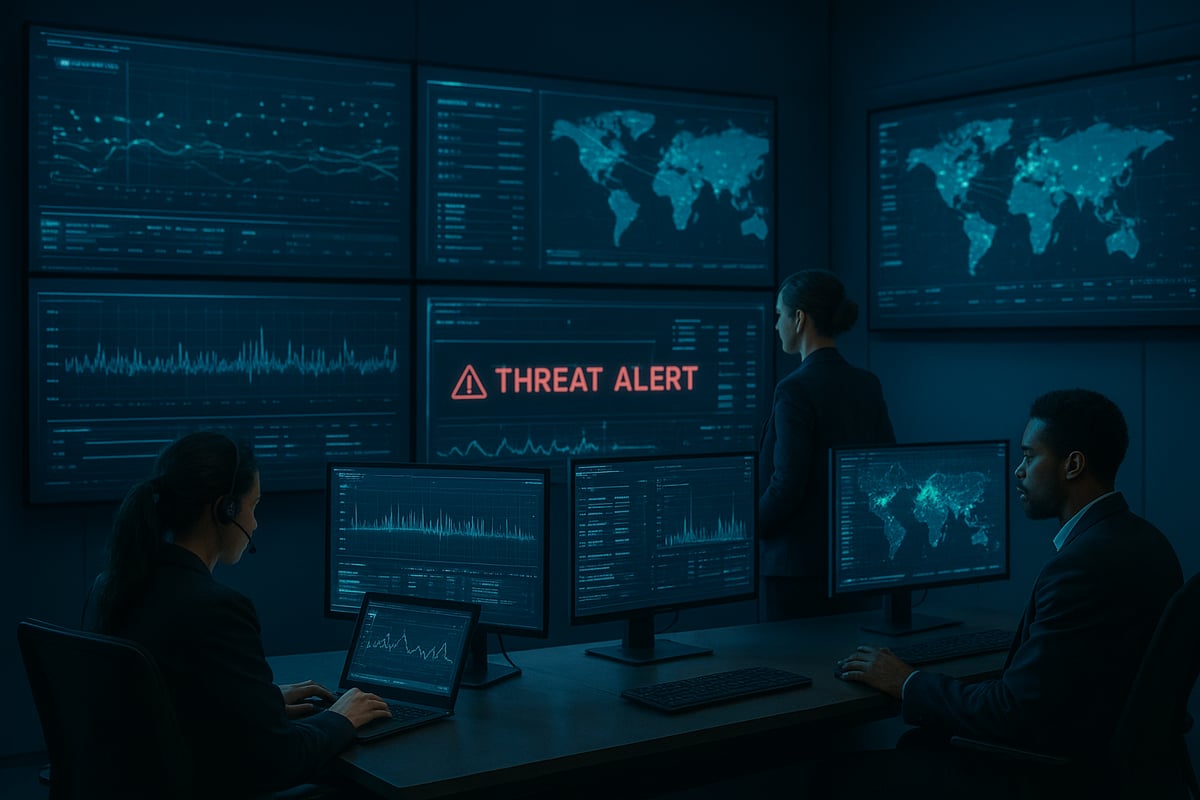
In 2026, the tactics used by cybercriminals have reached new heights of sophistication. Ransomware-as-a-service platforms are now widely available, making it easier for even low-skilled actors to launch devastating attacks. Supply chain attacks, such as the infamous 2025 SolarWinds-style breach, have shown how a single vulnerability in a trusted partner can compromise thousands of organizations.
Phishing campaigns have been transformed by AI-generated content, allowing attackers to craft highly convincing messages that bypass traditional filters. Internet of Things (IoT) devices continue to expand the attack surface, with many businesses struggling to secure vast fleets of connected sensors and equipment. Cloud infrastructure remains a key target, as misconfigurations and weak controls create openings for attackers. Insider threats and sophisticated social engineering tactics further complicate the picture.
According to the IBM Security report, 68 percent of businesses faced at least one cyberattack in 2025. The eSentire 2026 Cyber Threat Report highlights a surge in account compromise cases and the evolution of ransomware tactics, underscoring the need for robust network security and monitoring. As threats multiply, organizations must adapt quickly to defend against these complex risks.
Regulatory and Compliance Pressures
Regulatory requirements have intensified, putting additional pressure on organizations to maintain effective network security and monitoring. The expansion of privacy regulations, including updates to GDPR, CCPA, and several new mandates introduced in 2026, means that data protection is now a top priority worldwide.
Industry-specific standards such as HIPAA for healthcare, PCI DSS for payment card data, and NIST frameworks for government contractors set high bars for compliance. Failing to meet these standards can result in substantial fines and legal actions. In recent years, several organizations have faced multi-million dollar penalties following data breaches, highlighting the real financial and reputational risks at stake.
Staying compliant is not just about avoiding fines. It also demonstrates to clients, partners, and regulators that your network security and monitoring practices are up to date. This proactive approach helps build trust and ensures your business can operate smoothly in a landscape defined by ever-changing rules.
The Cost of Downtime and Data Breaches
The financial impact of cyber incidents is expected to reach new records in 2026. The average cost of a data breach is projected to exceed 5 million dollars, making prevention and rapid response more critical than ever. For many organizations, downtime caused by an attack can halt operations, disrupt supply chains, and erode customer confidence.
Business continuity is at risk when network security and monitoring are insufficient. Reputational damage often follows a major breach, with clients seeking more secure alternatives and investors questioning long-term stability. In the healthcare sector, for example, a single breach has the potential to expose sensitive patient data, disrupt care, and result in regulatory scrutiny.
To minimize these risks, organizations must invest in comprehensive network security and monitoring strategies. By doing so, they can reduce the likelihood of costly incidents and ensure a faster, more effective recovery if an attack does occur.
Foundations of Network Security: Core Principles and Best Practices
Building resilient network security and monitoring starts with a strong foundation. In 2026, organizations must adopt core principles that align with the latest threat landscape. These best practices are essential to safeguard data, maintain compliance, and minimize risk as cyber threats become more advanced. According to the World Economic Forum Cybersecurity Outlook 2026, organizations that invest in foundational controls are more likely to withstand modern attacks.
Defense-in-Depth Strategy
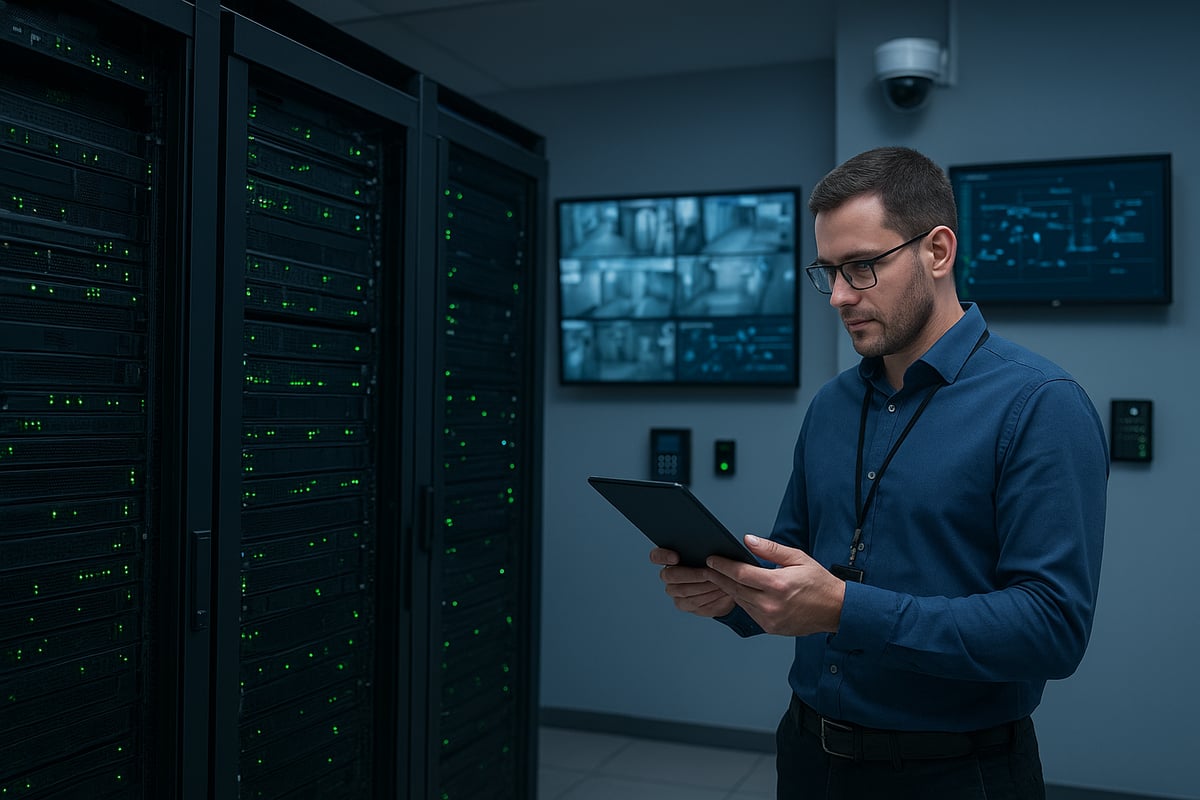
A defense-in-depth strategy is the backbone of network security and monitoring. This approach uses multiple layers of security controls across your environment, reducing the likelihood of a single point of failure.
Key layers include:
- Perimeter security (firewalls, gateways)
- Internal segmentation (VLANs, microsegmentation)
- Endpoint protection (antivirus, EDR)
- Application security (WAFs, code reviews)
- Data protection (encryption, DLP)
For example, segmenting the network limits lateral movement if an attacker breaches an initial layer. By integrating defense-in-depth into your network security and monitoring, you create overlapping safeguards that adapt to evolving threats.
Access Control and Authentication
Strong access control is vital for network security and monitoring. Multi-factor authentication (MFA) is now widely adopted, with studies showing it blocks 99% of credential-based attacks. Implement role-based access control (RBAC) to ensure users only access necessary resources, and enforce least-privilege policies throughout your organization.
Key practices:
- Enforce MFA for all critical systems
- Regularly review user permissions
- Use RBAC to define roles and responsibilities
By combining these controls, network security and monitoring significantly reduce the attack surface and mitigate insider threats.
Encryption and Data Protection
Safeguarding sensitive data is a non-negotiable aspect of network security and monitoring. Use end-to-end encryption for both data at rest and in transit. Effective key management ensures only authorized users can decrypt information.
Best practices include:
- Encrypt all backups, databases, and communications
- Rotate encryption keys regularly
- Restrict access to key management systems
For instance, encrypted backups can prevent ransomware from rendering data unrecoverable. Robust encryption is a pillar of strong network security and monitoring.
Patch Management and Vulnerability Assessment
Timely patching and vulnerability scanning are essential for network security and monitoring. Automated tools streamline deployment, while regular assessments help prioritize critical updates.
Key steps:
- Schedule automated patch rollouts
- Conduct weekly vulnerability scans
- Prioritize patches for internet-facing systems
Research shows unpatched systems are targeted in 60% of attacks. Consistent patch management is a proactive defense for network security and monitoring.
Security Awareness Training
Human error remains a leading cause of breaches. Ongoing security awareness training is fundamental for network security and monitoring. Simulated phishing campaigns and interactive modules keep staff alert to evolving threats.
Benefits include:
- 70% reduction in successful phishing attempts
- Improved reporting of suspicious activity
- Greater overall security culture
Trained staff act as a human firewall, enhancing the effectiveness of network security and monitoring.
Incident Response Planning
Preparedness is key to minimizing the impact of security incidents. Develop and regularly test incident response (IR) playbooks as part of network security and monitoring. Tabletop exercises and real-world drills help teams respond swiftly and effectively.
Best practices:
- Create detailed IR playbooks for various scenarios
- Run quarterly tabletop exercises
- Continuously update response plans based on lessons learned
Organizations with well-prepared IR teams experience less downtime and faster recovery, reinforcing the value of network security and monitoring.
Advanced Network Monitoring: Tools, Techniques, and KPIs
In 2026, advanced network security and monitoring are essential for organizations to identify, respond to, and mitigate sophisticated cyber threats. The evolving landscape demands not just robust defenses but also intelligent, automated monitoring solutions that adapt in real time. Understanding the available tools, techniques, and performance metrics is key to staying one step ahead.
Types of Network Monitoring Solutions
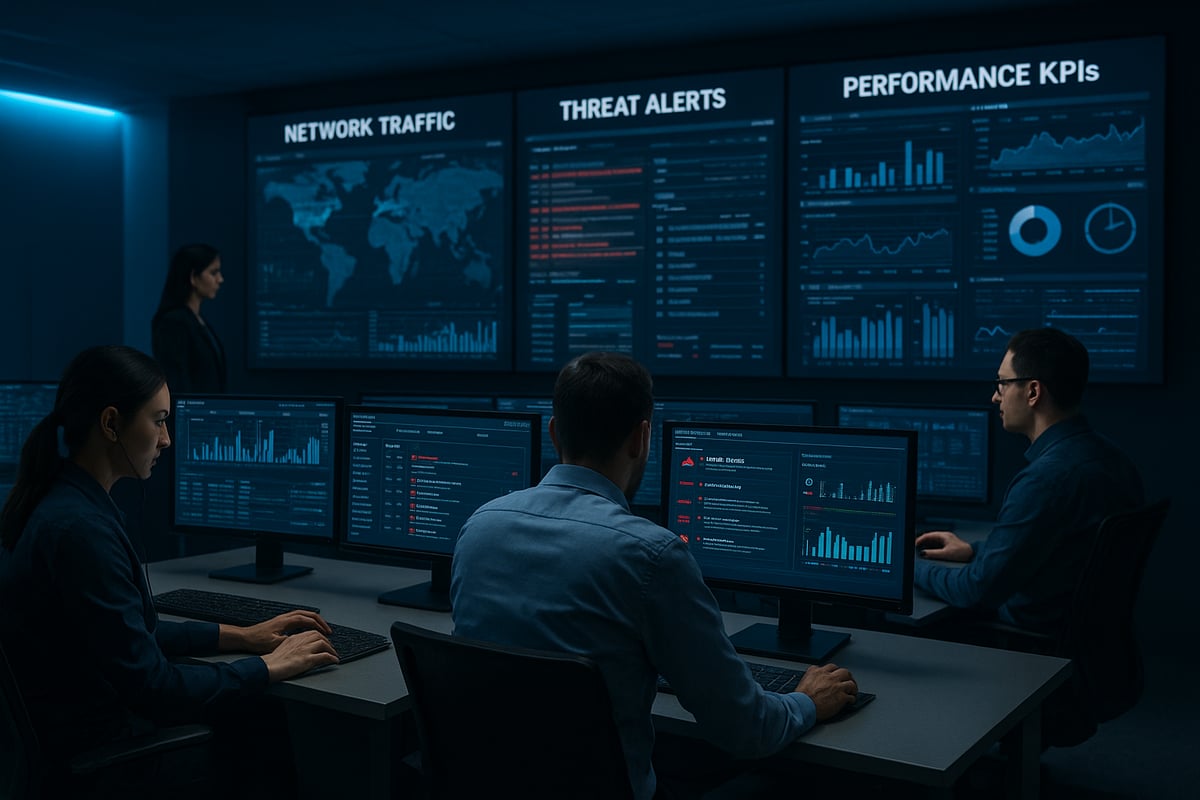
The foundation of network security and monitoring is a diverse toolkit designed to detect, analyze, and respond to threats. Key solutions include:
- Intrusion Detection and Prevention Systems (IDS/IPS): Monitor network traffic for suspicious activities and block malicious actions.
- Security Information and Event Management (SIEM): Aggregate and analyze logs from multiple sources, providing centralized visibility and correlation of security events.
- Network Traffic Analysis (NTA): Examine traffic patterns to detect anomalies, such as unexpected data flows or unauthorized access.
- Deep Packet Inspection (DPI): Inspect the content of network packets to identify threats that evade traditional detection methods.
A comparison table can clarify the strengths of these tools:
| Solution | Primary Function | Strength |
|---|---|---|
| IDS/IPS | Detect/block threats | Real-time prevention |
| SIEM | Log aggregation/analysis | Centralized visibility |
| NTA | Traffic pattern analysis | Anomaly detection |
| DPI | Content inspection | Granular threat detection |
By integrating these solutions, organizations create a layered approach to network security and monitoring, improving detection and response capabilities.
Real-Time Threat Detection and Automated Response
Modern network security and monitoring leverage artificial intelligence and machine learning to identify threats that traditional tools may miss. AI-driven systems analyze vast amounts of network data, recognizing subtle anomalies and emerging attack patterns.
Automated response workflows are vital. When a threat is detected, the system can trigger alerts, isolate affected devices, or block malicious traffic without human intervention. This reduces response times and limits potential damage.
Recent research, such as the AI-Driven Cybersecurity Threats Survey, highlights how AI-powered monitoring is catching zero-day exploits and adapting to new adversarial tactics. These innovations are transforming network security and monitoring by making defenses more proactive and adaptive.
Key Performance Indicators (KPIs) for Network Security
Tracking the effectiveness of network security and monitoring efforts requires clear, actionable metrics. Key performance indicators help organizations measure progress and identify areas for improvement.
Common KPIs include:
- Mean Time to Detect (MTTD): How quickly threats are discovered.
- Mean Time to Respond (MTTR): The speed of containment and remediation.
- Number of Detected Incidents: Total threats identified in a given period.
- False Positives: Frequency of benign events flagged as threats.
- Network Uptime and Availability: Percentage of operational time, reflecting the resilience of network security and monitoring.
Consistently monitoring these KPIs ensures organizations maintain an effective defense posture and can rapidly adjust strategies as threats evolve.
Integrating Monitoring with Security Operations Center (SOC)
Centralizing network security and monitoring through a Security Operations Center (SOC) provides visibility and unified incident management. A SOC aggregates alerts, correlates events, and coordinates responses across the organization.
Key benefits include:
- 24/7 Monitoring: Continuous oversight reduces breach dwell time.
- Incident Coordination: Streamlined processes improve collaboration and escalation.
- Centralized Reporting: Simplifies compliance and audit readiness.
Organizations that integrate network security and monitoring into a SOC benefit from faster detection, coordinated response, and improved situational awareness.
Case Study: Monitoring in Hybrid and Multi-Cloud Environments
As organizations adopt hybrid and multi-cloud architectures, network security and monitoring face new challenges. Decentralized infrastructure increases complexity, making unified visibility critical.
Solutions for seamless monitoring include:
- Cloud-native monitoring tools that integrate with on-premises systems.
- Unified dashboards for real-time insights across environments.
- Automated compliance checks to address regulatory requirements.
A healthcare provider, for example, combined on-premises SIEM with cloud-based NTA, enabling end-to-end visibility and rapid response to threats. This approach showcases how network security and monitoring can adapt to diverse, distributed infrastructures while maintaining robust protection.
Step-by-Step Roadmap: Implementing Robust Network Security and Monitoring in 2026
Building a resilient network security and monitoring strategy in 2026 requires a clear, methodical approach. Follow this step-by-step roadmap to ensure your organization is equipped to face modern threats, comply with regulations, and maintain business continuity.
Step 1: Assess Current Security Posture
Begin by evaluating your current network security and monitoring posture. Create an asset inventory to identify all devices, systems, and data flows in your environment. Prioritize critical assets, such as sensitive customer information and operational infrastructure.
Use vulnerability scanning tools to uncover weaknesses. Conduct risk assessments to understand potential threats, including those unique to your industry. Document existing controls and identify gaps. This foundational step ensures your network security and monitoring plan starts with an accurate understanding of your risks and resources.
Step 2: Define Security Policies and Compliance Requirements
Establish clear security policies that reflect both organizational needs and regulatory demands. Align your policies with industry frameworks and legal requirements like GDPR, HIPAA, or PCI DSS. For public administration or sector-specific guidance, resources such as the ENISA Public Administration Threat Landscape offer valuable insights into compliance and threat trends.
Document procedures for access control, data protection, and incident response. Use policy templates tailored to your sector to accelerate policy development. Regularly review and update policies as regulations evolve to maintain effective network security and monitoring.
Step 3: Design and Deploy Layered Security Controls
Implement a defense-in-depth approach by deploying multiple layers of protection. Begin with perimeter security, such as firewalls and intrusion prevention systems. Add internal segmentation to limit lateral movement in case of a breach.
Enforce endpoint security with antivirus, antimalware, and device management solutions. Apply zero-trust principles, ensuring all access is verified and least-privilege policies are in place. Choose controls that integrate seamlessly with your network security and monitoring systems for unified visibility.
Step 4: Choose and Integrate Monitoring Tools
Select monitoring tools that match your environment’s complexity. Evaluate solutions like Security Information and Event Management (SIEM), Intrusion Detection and Prevention Systems (IDS/IPS), and Network Traffic Analysis (NTA). Consider cloud-native tools if you operate hybrid or multi-cloud infrastructures.
Integration is crucial. Ensure your monitoring tools connect with existing IT infrastructure and support automated alerting. This step strengthens your network security and monitoring capabilities, enabling real-time threat detection and rapid response.
| Tool Type | Purpose | Example Feature |
|---|---|---|
| SIEM | Centralized log analysis | Correlates events across sources |
| IDS/IPS | Threat detection | Blocks suspicious activities |
| NTA | Traffic visibility | Deep packet inspection |
Step 5: Establish Incident Response and Recovery Protocols
Develop comprehensive incident response plans to address potential breaches. Define roles, communication workflows, and escalation procedures. Prepare recovery strategies, including data backup and system restoration protocols.
Test your response with tabletop exercises and simulated attacks. Regular drills ensure teams are prepared to act quickly and minimize damage. Well-structured incident response is crucial to effective network security and monitoring, reducing the impact of cyber incidents.
Step 6: Continuous Training and Awareness Programs
Schedule ongoing training sessions for all employees. Cover topics such as phishing, social engineering, and emerging attack techniques. Use simulated attacks to reinforce learning and assess readiness.
Encourage a security-first mindset by integrating awareness into daily routines. Informed staff are a vital line of defense, helping to strengthen your network security and monitoring framework over time.
Step 7: Monitor, Audit, and Optimize
Establish continuous monitoring across your network, endpoints, and cloud assets. Set up automated alerts for suspicious activity, and regularly review logs and reports. Conduct periodic audits to ensure compliance and effectiveness.
Analyze incidents and adjust controls as needed. Use analytics to identify trends and refine your network security and monitoring strategy. Continuous improvement is key to staying ahead of evolving threats and maintaining resilience.
The Role of Managed IT Services in Network Security and Monitoring
In today's digital environment, organizations face constant pressure to protect their data and systems. Managed IT services have become a critical component of modern network security and monitoring, providing businesses with the expertise and round-the-clock vigilance needed to counter evolving cyber threats.
How Managed IT Services Enhance Security and Monitoring
Managed IT service providers deliver comprehensive network security and monitoring solutions tailored to the unique needs of each organization. By leveraging advanced technologies and experienced professionals, these services offer several key advantages.
First, managed IT teams provide 24/7 proactive monitoring. This continuous oversight helps detect threats as soon as they emerge, reducing the risk of unnoticed breaches. Providers use state-of-the-art tools for intrusion detection, vulnerability assessments, and automated threat response, ensuring rapid action when suspicious activity occurs.
Second, partnering with a managed IT service ensures access to a pool of cybersecurity experts. These professionals stay current with the latest threats and compliance requirements, which is essential for maintaining robust network security and monitoring frameworks. They handle complex tasks such as patch management, incident response, and regulatory reporting on your behalf.
Finally, managed IT services are cost-effective, especially for small and mid-sized businesses. Instead of investing heavily in in-house staff and infrastructure, organizations can budget for predictable monthly costs, gaining enterprise-grade protection at a fraction of the price.
Benefits for Small Businesses and Local Organizations
Small businesses and local organizations often struggle with limited resources and IT expertise. Managed IT services address these challenges by simplifying network security and monitoring, allowing teams to focus on their core business activities.
One significant benefit is the predictable, fixed monthly cost. This helps organizations plan their budgets more effectively without worrying about unexpected expenses related to cyber incidents or compliance failures. Managed IT providers offer scalable solutions that grow with your business, ensuring ongoing protection as needs evolve.
Another advantage is the ability to shift responsibility for managing security tools, monitoring alerts, and responding to incidents to a dedicated team. This frees up internal staff and reduces the risk of errors due to inexperience. For example, a local medical clinic partnered with a managed IT provider to avoid a costly data breach, preserving patient trust and business reputation.
By outsourcing network security and monitoring, small businesses gain peace of mind knowing that experts are safeguarding their digital assets around the clock.
Delphi Systems Inc.: Your Local Network Security Partner
For small businesses in Lethbridge and the surrounding area, Delphi Systems Inc. stands out as a trusted provider of managed IT services focused on network security and monitoring. Their team specializes in proactive monitoring, incident response, cloud security, and comprehensive backup and recovery solutions.
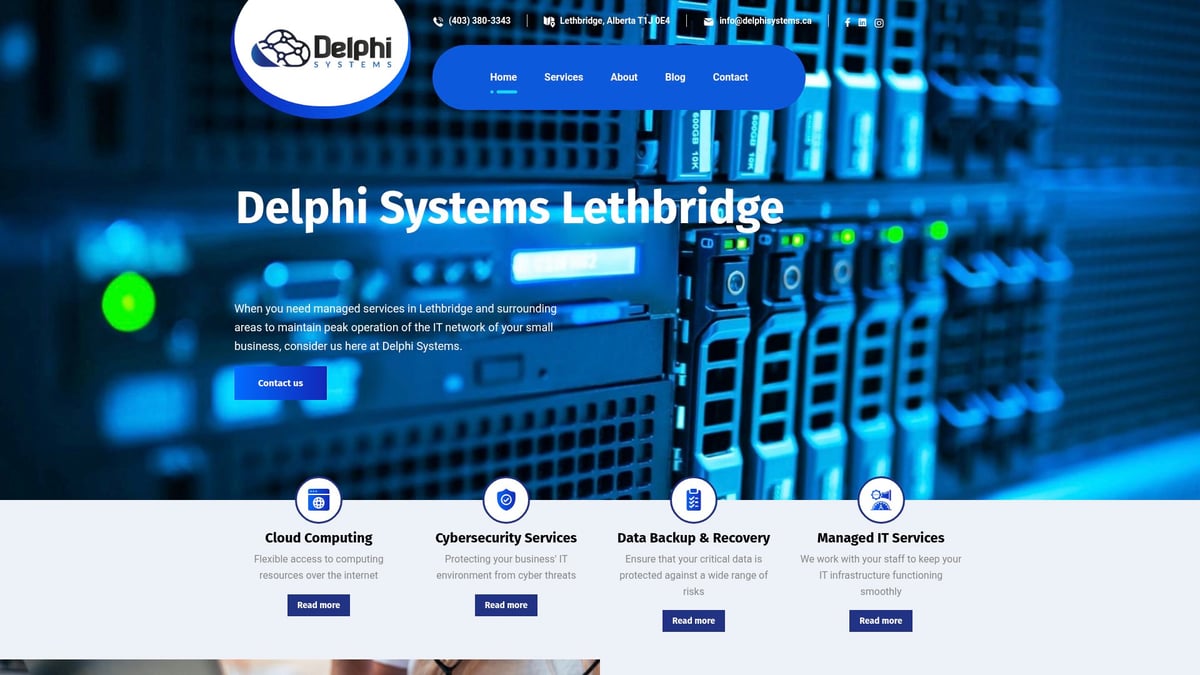
Delphi Systems Inc. delivers personalized support, combining local expertise with strategic partnerships from leading technology vendors. Their services are designed to meet the unique requirements of small businesses, ensuring network security and monitoring that aligns with industry standards and regulatory demands.
Clients consistently report improved security and greater peace of mind after partnering with Delphi Systems Inc. For example, a local business owner shared how the company's proactive approach identified and mitigated a ransomware attempt before any data was compromised. With Delphi Systems Inc., organizations benefit from reliable network security and monitoring that helps them stay ahead of emerging threats and focus on growth.
Future Trends: Network Security and Monitoring Beyond 2026
The future of network security and monitoring is being shaped by rapid advancements in technology, evolving threats, and shifting regulatory landscapes. To stay resilient, organizations must anticipate what lies ahead and adapt their strategies accordingly. Let’s explore the most impactful trends that will define the next era of network security and monitoring.
AI-Driven Security Automation
Artificial intelligence is transforming network security and monitoring. AI systems can analyze vast amounts of network data in real time, identifying unusual patterns that may signal a cyberattack. Predictive analytics enable organizations to anticipate threats before they escalate, reducing response times dramatically.
AI-powered solutions can autonomously block attacks, such as malware or phishing, before they reach critical systems. This automation not only improves detection rates but also frees up human analysts to focus on complex investigations.
Zero Trust and Identity-First Security Models
The zero trust approach is gaining momentum. Instead of trusting users or devices by default, systems require continuous verification of identity and intent. This model treats every access request as potentially hostile.
Identity-first security means that user identity becomes the new perimeter. Adaptive access controls adjust permissions based on user behavior, location, and device health. This reduces the risk of unauthorized access, especially in remote and hybrid work environments.
Quantum-Resistant Encryption and Emerging Technologies
Quantum computing presents both opportunities and risks for network security and monitoring. While quantum technology will speed up data processing, it also threatens current encryption standards. Cybersecurity experts are developing quantum-resistant algorithms to protect sensitive information.
Post-quantum cryptography is being adopted by forward-thinking organizations. These encryption methods are designed to withstand attacks from quantum computers, ensuring long-term data confidentiality and integrity.
Secure Access Service Edge (SASE) and Cloud-Native Security
SASE is revolutionizing how organizations deliver secure connectivity. By integrating networking and security functions into a unified cloud service, SASE supports the needs of distributed and hybrid workforces.
Cloud-native security tools provide real-time visibility and policy enforcement across multi-cloud environments. This trend enables businesses to scale network security and monitoring without adding complexity or overhead.
Comparison Table: Traditional vs. Future Approaches
| Feature | Traditional Security | Future Security (SASE, Cloud-Native) |
|---|---|---|
| Perimeter-based | Yes | No (cloud-centric, distributed) |
| Manual response | Common | Automated, AI-driven |
| Device trust | Implicit | Continuous verification |
| Scalability | Limited | Highly scalable |
Privacy-Enhancing Technologies and Data Sovereignty
Global privacy laws are evolving rapidly. Privacy-enhancing technologies (PETs) help organizations share and process data securely while complying with regulations. Techniques such as homomorphic encryption and secure multi-party computation are gaining traction.
Data sovereignty is another critical trend. As countries impose new rules on data storage and transfer, network security and monitoring strategies must adapt to ensure compliance and protect sensitive information across borders.
The Evolving Role of Human Expertise
While automation is advancing, human expertise remains vital in network security and monitoring. Security teams must learn to work alongside AI systems, interpreting complex alerts and making strategic decisions.
Upskilling is essential. Organizations are investing in continuous training to keep staff current with emerging threats and technologies. Collaboration between humans and intelligent systems leads to stronger, more adaptive defenses.
Preparing for the Unknown: Building Resilient Security Cultures
The future will bring unpredictable challenges. Organizations that foster a culture of security awareness and adaptability recover faster from incidents. Encouraging staff to report suspicious activity, participate in drills, and stay informed is key.
Building resilience into network security and monitoring ensures your organization can weather the storms of tomorrow. Embrace change, invest in people and technology, and always be ready to respond.
As you’ve seen throughout this guide, staying ahead of evolving cyber threats in 2026 means taking action—layering security, monitoring your network around the clock, and having a trusted partner by your side. If you want to protect your business, boost productivity, and gain peace of mind knowing your IT infrastructure is in expert hands, let’s talk about how we can help. Our team at Delphi Systems Inc. is ready to support you with tailored solutions right here in Lethbridge and surrounding areas. If you’re ready to strengthen your network security roadmap, Call us now.

