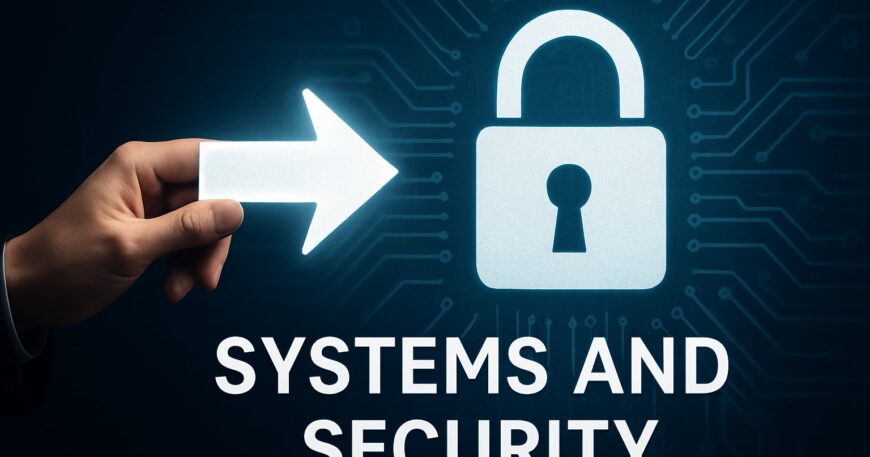
As digital threats continue to escalate and technology rapidly evolves, organizations and individuals face more complex challenges than ever before. Understanding systems and security is now essential to protect sensitive data, reduce cyber risks, and adapt to constant change.
This guide offers clear insights for 2026, covering the essentials of systems and security. You will explore foundational principles, new and emerging threats, best practices, advanced technologies, regulatory trends, and practical steps to strengthen your defenses.
With rising cyber attacks and a growing need for skilled professionals, the benefits of secure IT systems are clear. Take action now to future-proof your business and safeguard your reputation.
The Foundations of Systems and Security
Understanding the foundations of systems and security is essential for navigating the evolving digital landscape of 2026. As organizations increasingly rely on complex, interconnected environments, a robust approach to systems and security is critical for protecting data and ensuring business continuity.
Defining Systems and Security in 2026
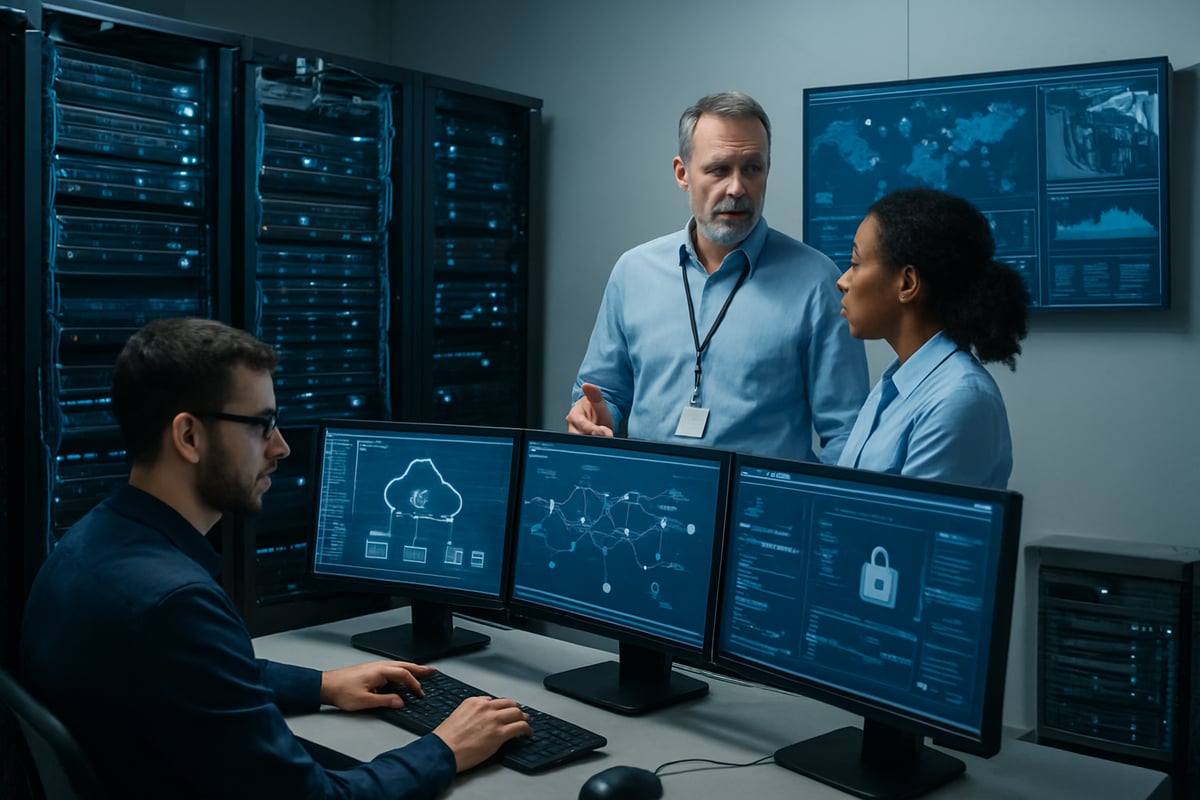
Modern IT systems now span cloud platforms, IoT devices, and hybrid infrastructures, resulting in highly interconnected networks. In 2026, systems and security must address not only these environments but also the merging of IT with operational technology, which manages everything from manufacturing lines to critical infrastructure.
Security is no longer a siloed activity. It is a holistic discipline guided by the CIA triad: confidentiality, integrity, and availability. This approach ensures that data is protected, accurate, and accessible only to authorized users. The convergence of IT and OT security has introduced new complexities, requiring organizations to rethink their strategies.
Traditional security models focused on perimeter defenses and isolated networks. Modern systems and security models, however, embrace dynamic environments and continuous risk assessment. The difference can be summarized in the following table:
| Aspect | Traditional Security | Modern Security |
|---|---|---|
| Network Model | Perimeter-based | Cloud/hybrid, zero trust |
| Scope | IT only | IT and OT integrated |
| Risk Approach | Periodic review | Continuous assessment |
| User Access | Static, role-based | Adaptive, least privilege |
Risk management is now central to security planning. Organizations must identify, evaluate, and prioritize risks, aligning security measures with business objectives. For example, a single vulnerability in a cloud-based system can expose sensitive customer data, leading to regulatory fines and reputational harm. According to the Bureau of Labor Statistics, demand for information security analysts is projected to grow by 35 percent by 2026, reflecting the critical need for strong systems and security expertise.
Core Security Principles and Frameworks
To build effective systems and security, organizations rely on principles such as least privilege, defense in depth, and zero trust. Least privilege limits user access to only what is necessary. Defense in depth layers controls across endpoints, networks, and applications. Zero trust assumes no entity is inherently trusted, requiring verification for every access request.
Several frameworks guide these practices. The NIST Cybersecurity Framework, ISO/IEC 27001, and CIS Controls are widely adopted, each offering structured approaches to managing systems and security risks. The trend toward continuous compliance and real-time monitoring is reshaping how organizations maintain security posture.
Case studies show that implementing zero trust can dramatically reduce breaches, especially in mid-sized enterprises. Automation and AI are increasingly important, streamlining routine tasks and enhancing threat detection. For more on the latest developments, including how AI and zero trust are shaping the future, see Top Cybersecurity Trends for 2026.
Ultimately, strong systems and security foundations enable organizations to adapt quickly to new threats and regulatory requirements, while supporting long-term business goals.
Emerging Threats and Challenges in 2026
The world of systems and security is changing rapidly as we approach 2026. Organizations face a wave of new threats and must adapt quickly to protect their assets. Understanding these evolving risks is crucial for anyone aiming to build a resilient security posture.
The Evolving Cyber Threat Landscape
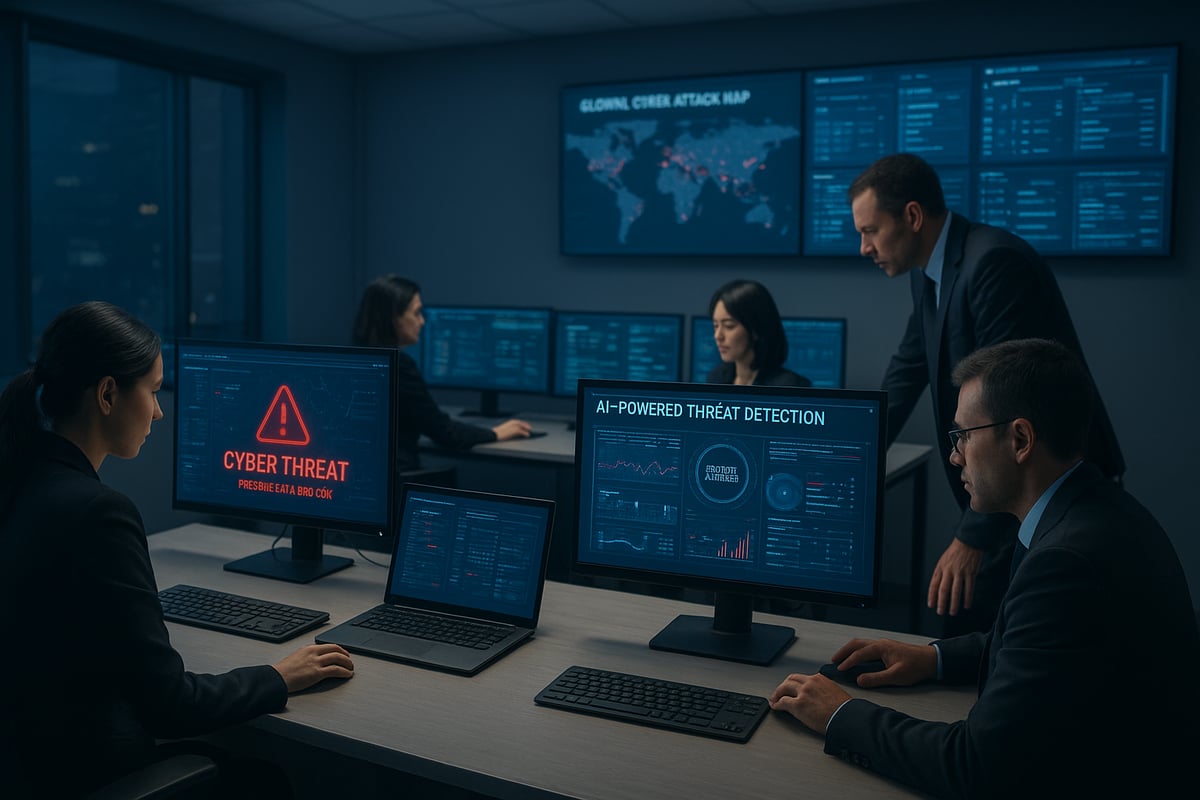
Cyber attackers are growing more sophisticated each year. In 2026, ransomware attacks are not only more advanced but also target critical infrastructure and supply chains. Supply chain breaches can ripple across thousands of organizations, causing broad data exposure and operational shutdowns.
AI-powered threats are reshaping the systems and security landscape. Malicious actors now use artificial intelligence to automate attacks, generate convincing deepfakes, and evade traditional defenses. As highlighted in AI-Driven Cybersecurity Threats: A Survey of Emerging Risks and Defensive Strategies, deepfakes and adversarial AI tools pose unique challenges for detection and response.
The expansion of remote work, bring-your-own-device (BYOD) policies, and the explosion of IoT devices have vastly increased attack surfaces. Phishing and social engineering tactics are more targeted and convincing, making it harder for users to distinguish real from fake communications.
A recent large-scale supply chain breach affected thousands of organizations, illustrating the interconnected risks present in modern systems and security environments. The average cost of a single data breach is projected to exceed $5 million by 2026, making prevention and rapid response more important than ever.
Regulatory and Compliance Pressures
Regulatory requirements for systems and security are expanding globally. New and updated data protection laws, such as GDPR, CCPA, and emerging 2026 regulations, are reshaping how organizations manage data and privacy.
Industry-specific compliance is also intensifying. Healthcare providers must adhere to HIPAA, financial institutions to GLBA, and critical infrastructure operators to sector-specific standards. Non-compliance can lead to significant fines, reputational harm, and operational disruptions.
Cross-border data transfers now face stricter privacy requirements, forcing organizations to reevaluate how they store and move sensitive information. One notable compliance failure recently resulted in multi-million dollar penalties and public scrutiny, highlighting the importance of aligning business processes with evolving regulatory standards.
Continuous monitoring and regular audits are essential for maintaining compliance. As the regulatory landscape shifts, systems and security teams must stay informed and agile, ensuring their controls and processes meet all legal obligations.
Skills Gaps and Resource Constraints
The demand for skilled professionals in systems and security far outpaces supply. Many organizations, especially small and mid-sized businesses, struggle to recruit and retain qualified cybersecurity experts.
Continuous training and security awareness programs are necessary to keep teams prepared for new threats. However, resource constraints often limit the ability to provide ongoing education. Managed security services have become a popular solution, offering expert support and proactive threat management for organizations that lack internal capacity.
For example, a small business that outsourced its systems and security operations was able to prevent a major breach by leveraging the expertise of a dedicated team. This approach allowed them to focus on core business activities while ensuring robust protection against evolving cyber risks.
Ultimately, bridging the skills gap and optimizing resources will be critical for organizations seeking to maintain strong systems and security in the face of emerging challenges.
Building a Robust Security Strategy
A robust security strategy is the cornerstone of effective systems and security. In 2026, organizations must evolve their defenses to address complex threats and safeguard their assets. Adopting a structured approach ensures that risks are identified, mitigated, and managed proactively.
Risk Assessment and Management
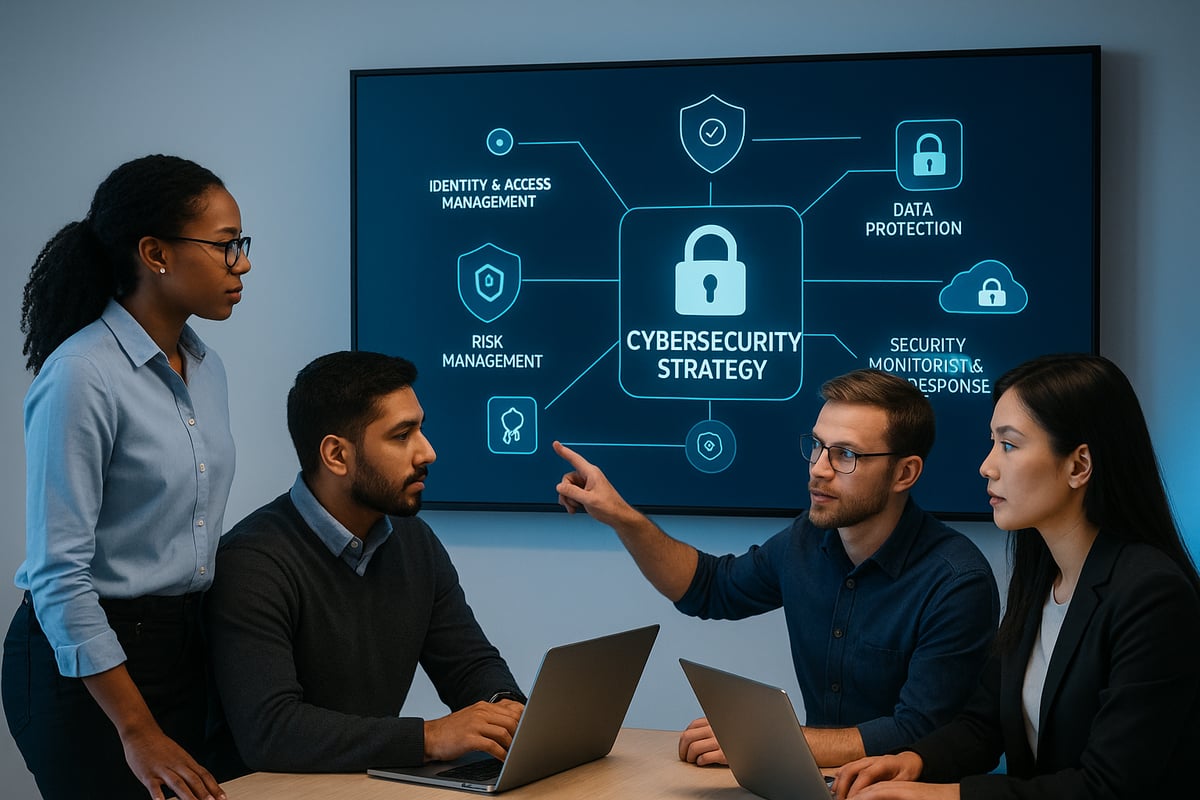
Effective risk assessment is the foundation of any systems and security program. Organizations should begin by identifying critical assets, mapping potential threats, and evaluating vulnerabilities. Key steps include:
- Asset inventory and classification
- Threat modeling and likelihood estimation
- Impact analysis and risk prioritization
Utilizing tools like risk matrices and automated threat modeling platforms streamlines this process. Integrating risk management into business workflows ensures that security is not an afterthought but part of daily operations. With emerging risks such as Shadow AI and deepfakes, staying informed is vital; for more on these trends, see Cybersecurity Trends in 2026: Shadow AI, Quantum & Deepfakes. A recent example: a thorough risk assessment led one company to prioritize patching, which significantly reduced their exposure to cyber attacks.
Layered Security Architecture
A layered approach, or defense in depth, is essential for resilient systems and security. Multiple security controls are deployed across network, endpoint, application, and data layers. This architecture limits the impact of any single point of failure.
Key components include:
- Firewalls and intrusion detection/prevention systems
- Endpoint protection and monitoring
- Network segmentation and micro-segmentation
Segmentation restricts lateral movement within the network, making it harder for attackers to reach sensitive assets. In one case study, a mid-sized business stopped a targeted attack by leveraging multi-layered controls, demonstrating the effectiveness of this design.
Security Policies and Governance
Well-defined policies are the backbone of strong systems and security. Comprehensive policies cover acceptable use, access controls, data handling, and incident response. Leadership buy-in fosters a security-focused culture and ensures accountability.
Elements of effective governance:
- Clear roles and responsibilities
- Regular policy reviews and updates
- Ongoing employee training and awareness
For example, policy-driven protocols enabled a swift and coordinated response to a phishing incident, containing the threat before damage occurred. Regular updates ensure policies remain effective against evolving threats.
Incident Response and Business Continuity Planning
Preparedness is critical for modern systems and security. Incident response plans outline steps for detection, containment, eradication, and recovery after a breach. Testing these plans regularly ensures teams can act decisively under pressure.
Key elements of business continuity planning include:
- Disaster recovery strategies and routine backups
- Communication protocols for internal and external stakeholders
- Continuous improvement based on lessons learned
Companies with tested incident response plans recover 50 percent faster after cyber attacks, reducing downtime and financial impact. Embedding these practices into systems and security frameworks strengthens organizational resilience and supports long-term success.
Advanced Technologies Shaping Security in 2026
As we move toward 2026, advanced technologies are redefining the landscape of systems and security. Organizations must adapt to new tools and threats, ensuring their strategies stay one step ahead. The following innovations are at the forefront, driving transformation and resilience.
Artificial Intelligence and Machine Learning in Security
AI and machine learning are revolutionizing how organizations defend their systems and security. These technologies enable rapid threat detection by analyzing vast datasets for anomalies, which traditional methods might miss.
- AI-driven Security Operations Centers (SOCs) automate incident triage.
- Machine learning models adapt to evolving threats in real time.
- Automated response tools quickly isolate compromised assets.
For example, when a zero-day exploit emerged, an AI system identified the anomaly and contained it before damage occurred. However, adversarial AI remains a concern, as attackers use similar tools to bypass defenses. Integrating AI into systems and security boosts speed and accuracy, but requires constant oversight and tuning to stay effective.
Cloud Security Innovations
Cloud adoption continues to reshape systems and security, introducing both opportunities and challenges. The shared responsibility model defines what cloud providers and customers each secure, making clarity essential.
- Cloud-native tools like CASB, CSPM, and CWPP monitor resources and enforce policies.
- Encryption and identity management protect data at rest and in transit.
- Automated compliance audits reduce human error.
A common risk involves cloud misconfigurations exposing sensitive data. In one incident, automated cloud security tools flagged a misconfigured storage bucket, allowing the team to remedy the issue before data was compromised. As organizations leverage cloud platforms, robust systems and security practices are non-negotiable for safety and compliance.
The Role of Zero Trust and SASE
Zero trust principles now underpin modern systems and security strategies. Instead of assuming trust within a network, zero trust requires every user and device to authenticate and be continuously validated.
- Micro-segmentation limits lateral movement within networks.
- Identity-based access controls verify users and devices.
- Secure Access Service Edge (SASE) integrates security and networking for remote workforces.
A mid-sized enterprise implemented SASE, reducing its remote access risks and streamlining security policies across locations. Zero trust and SASE enable organizations to manage complex, distributed environments more securely, aligning with the evolving demands of systems and security in 2026.
Quantum Computing and Cryptography
Quantum computing poses both a challenge and an opportunity for systems and security. While quantum computers could break current encryption algorithms, research into quantum-resistant cryptography is advancing rapidly.
- Quantum-resistant algorithms are being tested for future-proofing data.
- Organizations should inventory cryptographic assets and plan migration paths.
- Post-quantum security strategies are becoming a board-level concern.
Preparing for quantum threats means updating systems and security roadmaps today. By staying proactive, organizations can protect sensitive information against tomorrow’s computational power.
The future of systems and security will be shaped by how effectively organizations adopt, integrate, and govern these advanced technologies. Staying informed and agile is key to defending digital assets in 2026 and beyond.
Best Practices for Securing Systems in 2026
Protecting modern systems and security environments in 2026 requires a proactive, layered approach. As threats grow more complex, organizations must adopt a mix of technical controls, human vigilance, and continuous improvement. Below, we outline the essential best practices every organization should follow to keep their systems and security posture resilient and future-ready.
Proactive Threat Prevention
Staying ahead of cyber risks means regularly identifying and closing vulnerabilities in your systems and security infrastructure. Organizations should:
- Conduct frequent vulnerability assessments and penetration testing.
- Implement a robust patch management process for all devices and applications.
- Schedule regular security awareness training for all staff.
For example, companies investing in employee training have seen successful phishing attempts drop by up to 80 percent. This proactive approach ensures that systems and security defenses adapt to evolving threats and minimize the risk of breaches.
Data Protection and Privacy
Data is at the core of every organization's operations. Protecting it throughout its lifecycle is a cornerstone of effective systems and security management. Key steps include:
- Classifying sensitive data to determine appropriate protection levels.
- Using strong encryption for data at rest and in transit.
- Applying data masking and secure deletion practices.
- Embedding privacy by design into system development processes.
By taking these measures, organizations ensure compliance with regulations and build customer trust around systems and security.
Identity and Access Management (IAM)
Controlling access to systems and security resources is essential for minimizing risk. Modern IAM strategies incorporate:
- Multi-factor authentication (MFA) for all critical accounts.
- Single sign-on (SSO) for improved user experience and security.
- Privileged access management with continuous monitoring.
A real-world example is implementing MFA, which can stop credential-based attacks and drastically reduce unauthorized access incidents in systems and security environments.
Continuous Monitoring and Incident Detection
Continuous vigilance is necessary to detect threats before they escalate. Effective systems and security monitoring relies on:
- Deploying SIEM and SOAR platforms for centralized event management.
- Real-time monitoring for suspicious activity and anomalies.
- Automated alerting and response workflows to contain incidents quickly.
Organizations with mature monitoring can respond to threats rapidly, minimizing the impact on systems and security operations.
Third-Party and Supply Chain Risk Management
Vendors and partners often introduce risks into systems and security landscapes. To mitigate these risks:
- Assess and monitor the security posture of all third-party providers.
- Include cybersecurity requirements in contracts and agreements.
- Conduct regular vendor risk assessments before onboarding.
For instance, early identification of vendor vulnerabilities has prevented many organizations from experiencing downstream breaches, keeping their systems and security robust.
The Future of Security Careers and Education
The future of systems and security careers is rapidly evolving, shaped by technological innovation and the growing complexity of cyber threats. As organizations adapt to digital transformation, professionals in this field will find expanding opportunities and new areas of specialization. Understanding the landscape of systems and security careers is essential for anyone looking to thrive in the industry.
Growing Demand for Security Professionals
By 2026, the demand for systems and security specialists is expected to surge. The U.S. Bureau of Labor Statistics projects a 35% increase in information security analyst roles, with average salaries reaching $102,600 per year. New roles are emerging, including cloud security architect, AI security specialist, and compliance manager.
This growth is driven by the expanding attack surface, regulatory pressures, and the shift to cloud and hybrid environments. The skills gap remains a pressing concern. According to Cybersecurity Workforce Demand, employers struggle to find qualified professionals, making this an ideal time to enter the systems and security field.
Essential Skills and Certifications
Success in systems and security requires a blend of technical and soft skills. Core technical skills include network defense, cloud security, ethical hacking, and incident response. Equally important are soft skills such as communication, analytical thinking, and adaptability.
Top certifications for advancing a systems and security career include:
| Certification | Focus Area |
|---|---|
| CISSP | Security leadership |
| CISM | Risk management |
| CompTIA Security+ | Foundational security |
| AWS/Azure Security | Cloud security |
Staying current with certifications helps professionals stand out in a competitive job market.
Continuous Learning and Upskilling
The field of systems and security is dynamic, requiring ongoing education. Threats and technologies evolve quickly, so professionals must commit to continuous learning. Many pursue online master's degrees or specialized certification programs to deepen their expertise.
Advanced education can accelerate career advancement and open doors to leadership positions. Organizations increasingly value team members who keep their systems and security knowledge up to date, ensuring effective protection against emerging threats.
Diversity and Inclusion in Security
Diversity and inclusion are vital for innovation in systems and security. Teams with varied backgrounds bring fresh perspectives and creative solutions to complex security challenges. Industry initiatives aim to increase representation of women and minorities, helping to address the talent shortage.
By fostering inclusive environments, organizations enhance their ability to solve problems and adapt to the evolving systems and security landscape. Embracing diversity not only drives better outcomes but also strengthens the entire security ecosystem.
Managed IT Services for Small Businesses: The Role of Delphi Systems Inc.
Small businesses face increasing challenges in keeping their systems and security up to date. With the growing sophistication of cyber threats and limited internal resources, many organizations struggle to maintain a strong security posture on their own.
Managed IT services have become a vital solution for businesses looking to protect their systems and security in 2026. By partnering with an experienced provider, companies gain access to specialized expertise, advanced tools, and continuous monitoring.
How Managed IT Services Address Security Challenges
Managed IT service providers offer a comprehensive approach to systems and security. Key features include:
- Proactive monitoring of networks and devices to detect threats early.
- Threat prevention through regular vulnerability assessments and timely patch management.
- Rapid response to incidents, minimizing potential damage and downtime.
These services are designed to address the unique needs of small businesses that may not have dedicated IT staff. By outsourcing systems and security oversight, owners can focus on core operations while experts handle evolving risks.
The Benefits of a Local MSP: Delphi Systems Inc. Case Study
Working with a local managed service provider brings several advantages:
| Benefit | Description |
|---|---|
| Tailored Solutions | Customized to fit specific business needs and local regulations. |
| Cost Predictability | Fixed monthly fees reduce surprise expenses. |
| Expert Support | Access to skilled professionals with up-to-date knowledge. |
Delphi Systems Inc. stands out as a trusted partner for small businesses in Lethbridge and surrounding areas. Their offerings cover all aspects of systems and security, including:
- Comprehensive IT management and 24/7 support.
- Advanced cybersecurity measures such as multi-layered firewalls and endpoint protection.
- Cloud solutions with secure data backup and recovery.
Real-World Impact and Strategic Guidance
A recent example highlights Delphi Systems Inc.'s impact: After implementing proactive maintenance and layered security controls, a local retailer experienced zero downtime during a regional cyberattack that affected competitors.
Clients often report greater peace of mind and improved productivity, knowing their systems and security are in expert hands. Strategic guidance from Delphi Systems Inc. also helps businesses navigate vendor relationships and regulatory requirements.
Take Action for Future-Ready Security
In today’s landscape, robust systems and security are essential for business continuity and reputation. Consider engaging a managed IT service provider like Delphi Systems Inc. to safeguard your data, prevent breaches, and ensure your company is prepared for whatever 2026 may bring.
As you look ahead to 2026, it’s clear that protecting your business from evolving cyber threats and keeping your systems running smoothly are more important than ever. By taking the steps outlined in this guide—like staying proactive with risk management, adopting layered security, and focusing on continuous learning—you put your business in the best position to thrive. If you want expert support to manage these challenges and free up your time to focus on what you do best, let’s chat about how Delphi Systems Inc. can help. For personalized guidance and peace of mind, Call us now.

