
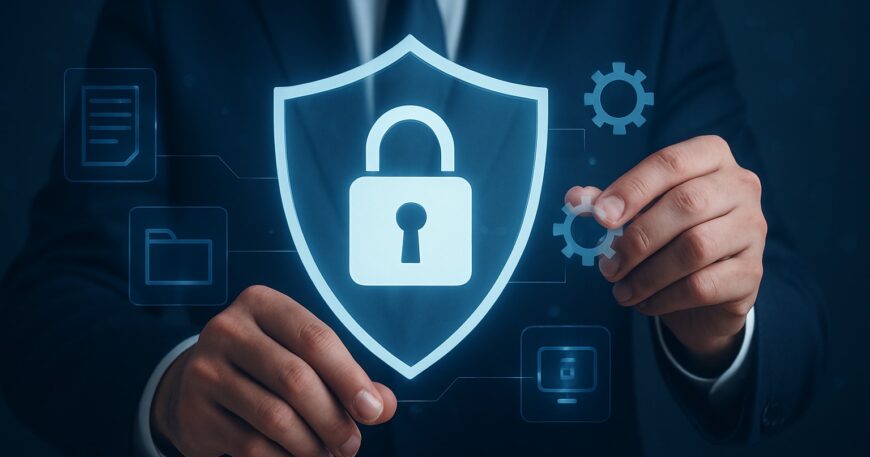
Cyber threats are growing more sophisticated every day, putting every organization at risk. In this climate, managing information security is not just a best practice—it is essential for protecting your business.
This guide gives you a clear path to managing information security, helping you defend sensitive data, meet compliance demands, and stay resilient as technology evolves.
Inside, you will discover the latest threat trends, the core principles of security, a practical management framework, compliance insights, emerging technologies, and actionable strategies for 2026.
Ready to secure your organization’s future? Let’s get started.
Understanding the 2026 Information Security Landscape
The landscape for managing information security in 2026 is both complex and fast-changing. Organizations face a barrage of new threats, evolving regulations, and technological advancements that demand a proactive approach. Understanding these dynamics is essential for building a resilient security strategy.
Evolving Threats and Attack Vectors
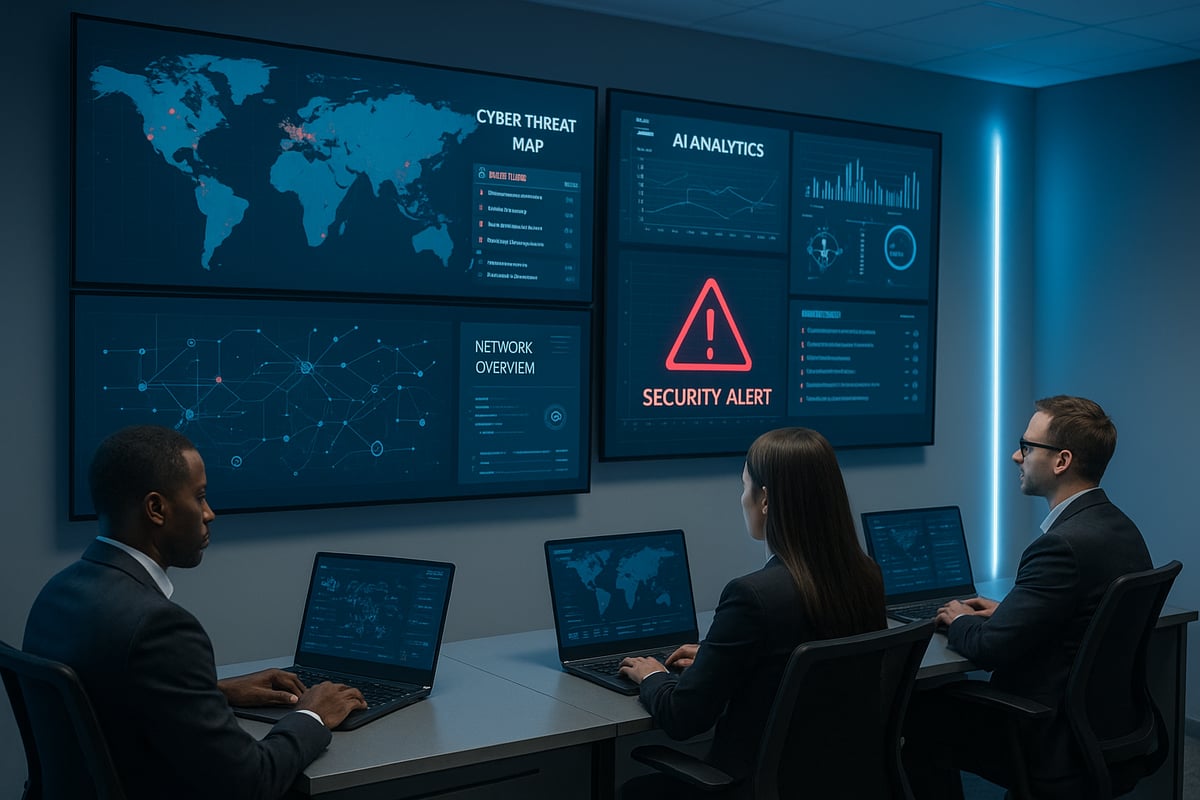
In 2026, managing information security means confronting a diverse range of sophisticated threats. Ransomware attacks have surged, with targeted campaigns increasing by 30% in 2025, according to IBM Security. Phishing remains a persistent risk, while supply chain attacks have become more prevalent, exploiting vulnerabilities in third-party vendors.
Advanced persistent threats (APTs), often sponsored by nation-states, now target critical infrastructure with precision. The proliferation of IoT devices and the normalization of remote work have greatly expanded attack surfaces. A notable example was the 2025 healthcare ransomware breach, affecting millions and highlighting the urgent need for robust defenses.
Key Industry Statistics and Trends
Industry data underscores the urgency of managing information security effectively. Global cybersecurity spending is projected to reach $250 billion by 2026, reflecting the scale of the challenge. In 2025, 60% of small businesses were targeted by cyberattacks, with 40% failing to recover afterward, based on Verizon's Data Breach Investigations Report.
Regulatory scrutiny is intensifying, with mandatory breach disclosures becoming commonplace. Organizations must stay informed about both financial and reputational risks, and adapt their security measures to meet rising expectations and requirements.
Impact on Businesses of All Sizes
The impact of security incidents extends far beyond immediate financial losses. Organizations risk reputational damage and legal liabilities, making managing information security a top priority. Small businesses are particularly vulnerable, often lacking the resources for comprehensive protection.
Consider the case of a small business that suffered a data breach, resulting in $200,000 in recovery costs. This example illustrates how even a single incident can threaten business continuity, emphasizing the need for strong, scalable security strategies.
Drivers for Enhanced Security Management
Several key drivers are pushing organizations to elevate their approach to managing information security. Digital transformation and widespread cloud adoption introduce new risks but also opportunities for innovation. Customers now expect stringent data privacy measures, holding businesses accountable for protecting personal information.
Compliance mandates, such as GDPR, CCPA, and PIPEDA, are evolving rapidly. Organizations must adapt their security frameworks to align with these regulations, ensuring both legal compliance and customer trust.
The Human Factor in Security Breaches
Human error remains a dominant cause of security breaches, accounting for 85% of incidents according to the Verizon DBIR. This statistic highlights the importance of integrating security awareness and training into every aspect of managing information security.
Employees are often the first line of defense, but without ongoing education, they can inadvertently become the weakest link. Regular training programs and simulated phishing exercises are essential for reducing risk and fostering a culture of vigilance.
The Role of Artificial Intelligence in Attacks and Defense
Artificial intelligence is reshaping both sides of the cybersecurity battle. Attackers are deploying AI-powered malware and automated phishing campaigns, increasing both speed and sophistication. According to Rise in AI-driven cyberthreats, automated scans now occur at unprecedented rates, forcing defenders to adopt AI-driven tools for threat detection and response.
Managing information security now requires leveraging advanced analytics and automation to identify threats in real time. Organizations investing in AI technologies can gain a significant edge in both defense and incident response.
The Future of Security: Proactive vs. Reactive Approaches
The future of managing information security lies in shifting from reactive incident response to proactive, continuous risk management. Real-time monitoring and threat intelligence are now essential for anticipating and mitigating emerging risks.
Organizations that embrace proactive strategies benefit from early detection, faster response times, and improved resilience. This approach not only reduces the impact of incidents but also positions businesses to adapt quickly as the threat landscape evolves.
Core Principles of Effective Information Security Management
In today's dynamic threat landscape, the foundation of managing information security lies in understanding and applying a set of core principles. These principles guide organizations as they build robust defenses, reduce risk, and foster a culture of security awareness. Let us explore each of these essential pillars.
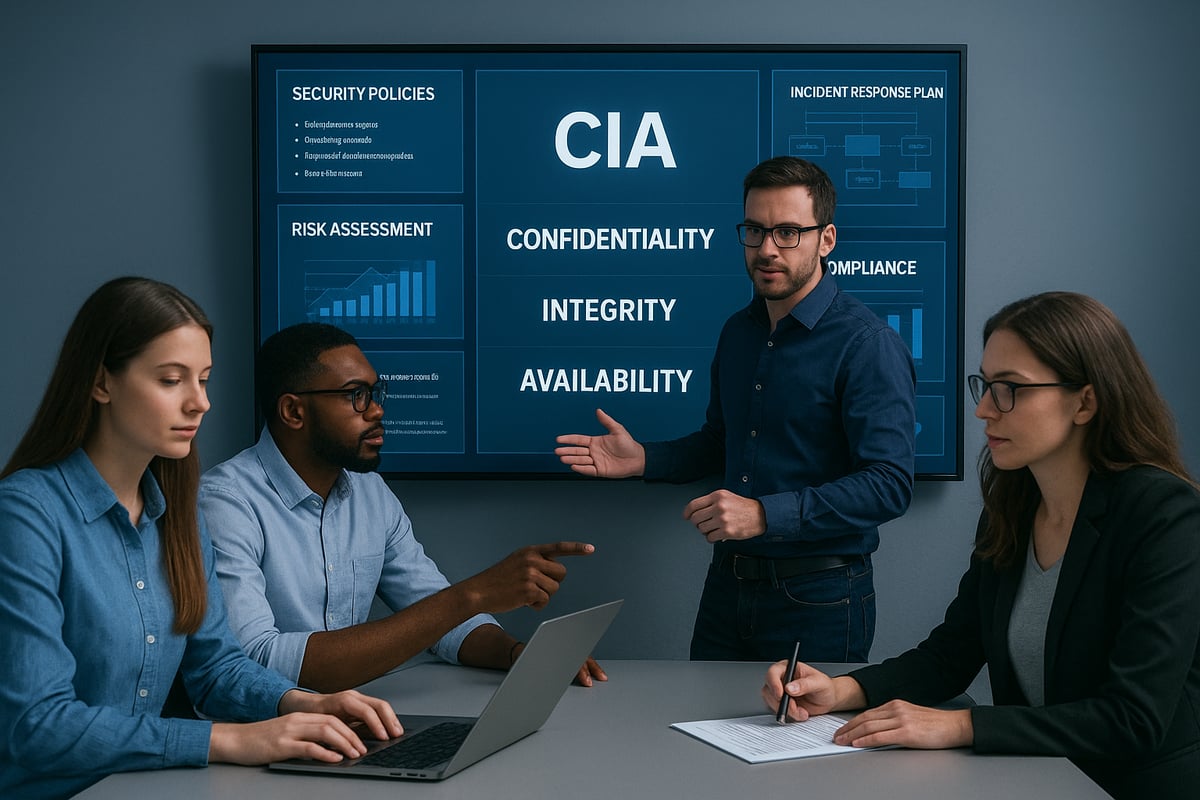
Confidentiality, Integrity, and Availability (CIA Triad)
The CIA triad forms the backbone of managing information security. Each element addresses a unique aspect of data protection:
| Principle | Definition | Real-World Impact |
|---|---|---|
| Confidentiality | Restricting data access to authorized users | Data leaks lead to privacy violations |
| Integrity | Ensuring data accuracy and trustworthiness | Tampered data can disrupt business decisions |
| Availability | Guaranteeing reliable access to information | System downtimes cause operational losses |
Failing to uphold the triad can result in financial damage, legal penalties, and loss of customer trust. Organizations prioritizing these principles establish a solid defense against evolving threats, a vital step in managing information security.
Risk Assessment and Management
Identifying, analyzing, and prioritizing risks is fundamental for managing information security. Organizations use both quantitative and qualitative risk assessments to evaluate vulnerabilities and potential impacts.
- Quantitative: Assigns numerical values to risks, aiding in cost-benefit analysis.
- Qualitative: Ranks risks based on likelihood and severity, supporting decision-making when data is limited.
A modern approach, such as the Vulnerability Management Chaining framework, streamlines risk prioritization and ensures resources target the most critical threats. Effective risk management leads to informed investments and a resilient security posture.
Defense in Depth: Layered Security Strategies
Defense in depth means applying multiple layers of protection to reduce the likelihood of a breach. This approach covers physical, technical, and administrative controls.
- Physical: Secure facilities, access badges, surveillance.
- Technical: Firewalls, encryption, intrusion detection.
- Administrative: Policies, training, incident response.
For example, implementing multi-factor authentication lowers the risk of unauthorized access by 99.9 percent. This layered strategy is key to managing information security in today's complex environment.
Security Policies and Governance
Clear policies, procedures, and governance frameworks provide direction for managing information security. Well-defined rules set expectations for data handling, access control, and acceptable use.
Regular policy reviews ensure alignment with evolving threats and regulations. Leadership involvement reinforces accountability and drives compliance across the organization. Effective governance is essential for consistent security practices.
Security Culture and Employee Engagement
Building a security-first culture is critical for managing information security. Employees at all levels must understand their roles in safeguarding data.
- Promote awareness through regular training.
- Encourage reporting of suspicious activity.
- Recognize and reward compliance efforts.
A strong culture reduces human error, which is responsible for the majority of breaches. Engaged employees become the first line of defense against cyber threats.
Incident Response and Business Continuity Planning
A robust incident response plan prepares organizations to handle security events swiftly. This includes clear steps for detection, containment, and recovery.
Testing disaster recovery plans ensures minimal downtime and data loss during disruptions. Organizations that invest in these preparations can maintain operations and protect their reputation when incidents occur.
Continuous Improvement and Security Maturity
Managing information security requires ongoing evaluation and enhancement. Regular audits, assessments, and feedback loops identify gaps and drive progress.
Benchmarking against standards like ISO 27001 or NIST helps organizations measure maturity and set targets for improvement. Continuous refinement ensures security practices remain effective as the threat landscape evolves.
Step-by-Step Framework for Managing Information Security
Effectively managing information security is not a one-time project, but a continuous journey. Organizations must take a structured and proactive approach to defend against evolving threats. This comprehensive framework provides a step-by-step roadmap to assess, build, and mature your security posture in 2026.

Step 1: Assess Current Security Posture
Begin managing information security by thoroughly evaluating your existing environment. Conduct detailed audits and vulnerability assessments to identify weak points. Use asset inventory tools to catalog hardware, software, and data flows. Classify sensitive data according to its regulatory and business impact.
- Map out all network assets and endpoints
- Review access privileges and legacy systems
- Identify unpatched software or unsupported devices
This assessment forms the foundation for targeted improvements and risk prioritization.
Step 2: Define Security Objectives and Requirements
Next, align security goals with your overall business strategy and regulatory obligations. Managing information security requires clear, measurable objectives that reflect your organization's risk tolerance and compliance needs.
- Set goals such as reducing phishing incidents or improving incident response times
- Consider sector-specific regulations and customer expectations
- Involve leadership and stakeholders in goal-setting
Well-defined objectives guide investment decisions and help track progress over time.
Step 3: Develop and Implement Security Policies
Developing robust security policies is essential for managing information security. Draft clear, actionable guidelines covering access control, data handling, and acceptable use. Engage stakeholders in the policy creation process to ensure buy-in.
- Policies should address password standards, remote access, device usage, and data disposal
- Regularly review and update policies to reflect new threats and technologies
- Communicate policies through onboarding and ongoing training
Strong policies establish baseline expectations and support regulatory compliance.
Step 4: Deploy Technical Controls and Solutions
With policies in place, deploy technical controls to safeguard your systems. Firewalls, intrusion prevention, encryption, and endpoint protection are core defenses. For remote workforces, cloud security tools and secure access management are vital.
Credential theft has surged by 160% in 2025, highlighting the need for robust access controls and credential theft surge in 2025 countermeasures.
- Implement multi-factor authentication (MFA) organization-wide
- Encrypt sensitive data at rest and in transit
- Monitor for unauthorized access or unusual activity
Technical controls must evolve as new threats and vulnerabilities emerge.
Step 5: Foster Security Awareness and Training
Employees are often the first line of defense in managing information security. Ongoing education helps build a security-first culture and reduces the risk of human error.
- Conduct regular phishing simulations and social engineering exercises
- Provide clear guidance on password hygiene and reporting suspicious activity
- Tailor training to different roles and responsibilities
Organizations see up to 70% fewer incidents after implementing robust training programs.
Step 6: Monitor, Detect, and Respond to Threats
Continuous monitoring is essential for early threat detection and rapid response. Implement Security Information and Event Management (SIEM) systems, leverage threat intelligence, and establish incident response teams.
- Set up real-time alerts for critical events
- Develop incident response playbooks for common scenarios
- Test and refine response procedures regularly
Effective monitoring transforms managing information security from reactive to proactive.
Step 7: Review, Audit, and Improve Continuously
Security management is an ongoing process. Schedule regular reviews, penetration tests, and compliance checks to identify gaps and areas for improvement.
- Use feedback and post-incident analysis to refine policies and controls
- Benchmark against standards like ISO 27001 or NIST
- Document lessons learned and share across teams
Continuous improvement drives greater resilience and maturity over time.
Delphi Systems Inc.: Managed Security for Small Businesses
For small businesses, managing information security can be challenging due to limited resources. Delphi Systems Inc. offers managed IT and cybersecurity services tailored for SMBs in Lethbridge.
- Proactive threat monitoring and rapid incident response
- Secure backup and disaster recovery solutions
- Strategic IT consulting and predictable monthly costs
Leveraging managed services empowers small organizations to achieve enterprise-grade security and peace of mind.
Navigating Compliance and Regulatory Requirements in 2026
In 2026, the regulatory environment for managing information security is more complex and demanding than ever. Organizations face a patchwork of global, regional, and sector-specific regulations, making compliance a critical part of any security strategy. Proactive navigation of these requirements is essential for avoiding costly penalties and maintaining customer trust.
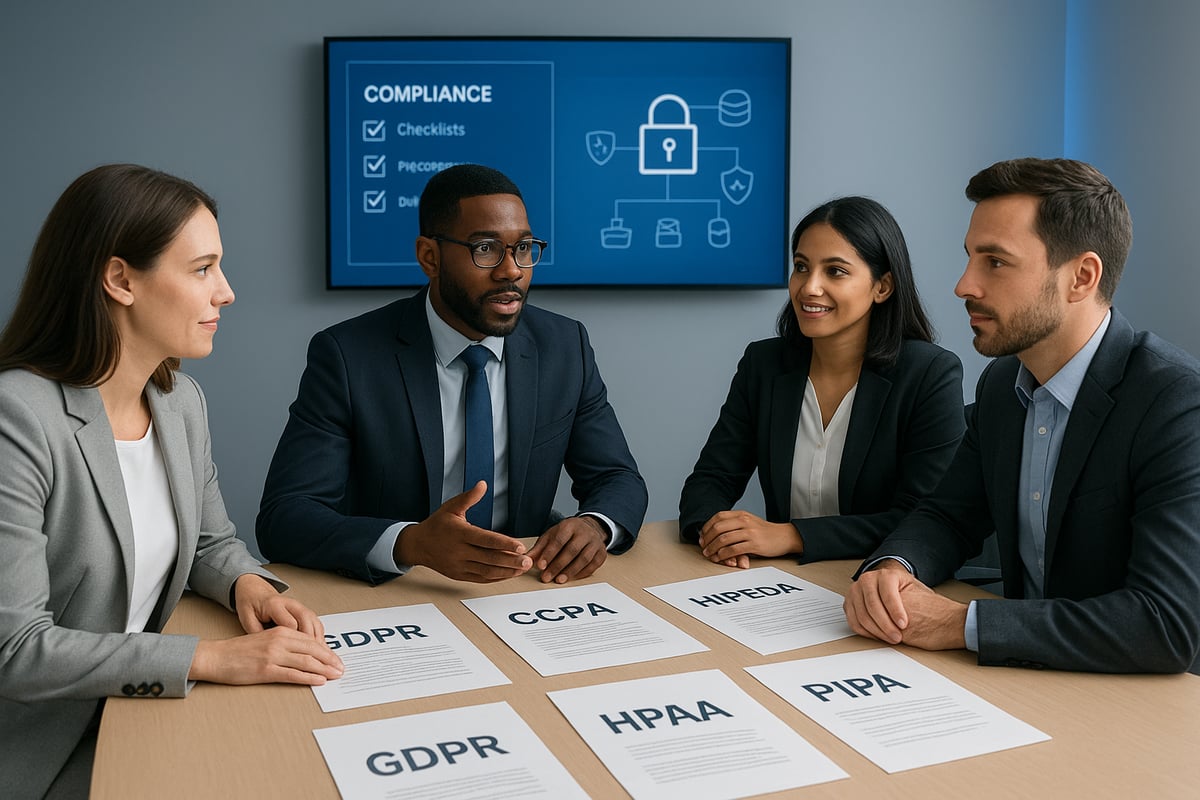
Major Regulations Affecting Businesses
Organizations must comply with a growing list of regulations, including GDPR, CCPA, PIPEDA, and HIPAA. New 2026 rules target emerging threats and data handling practices. Each regulation sets unique requirements for data protection, breach notification, and consumer rights.
Sectors like healthcare, finance, and energy also face industry-specific mandates. For example, HIPAA imposes strict controls on health data, while financial firms must meet PCI DSS. Understanding which laws apply is the first step in managing information security and building a compliant operation.
Building a Compliance-Ready Security Program
A robust compliance program links security controls directly to regulatory demands. Begin by mapping your organization’s security measures to each requirement. Maintain thorough documentation, clear audit trails, and timely reporting processes.
Resource constraints often challenge compliance efforts, especially with the ongoing cybersecurity workforce shortage. Leveraging automation and well-defined workflows can help fill these gaps and ensure managing information security remains a priority.
Consequences of Non-Compliance
Non-compliance can result in severe fines, penalties, and reputational harm. In 2025, GDPR penalties exceeded €1 billion, and high-profile breaches led to public scrutiny. A financial institution was fined millions for a delayed breach response, highlighting the risks of inadequate managing information security practices.
Legal liabilities and loss of customer trust can have long-term impacts. Prevention is always more cost-effective than remediation.
Best Practices for Maintaining Compliance
Regular compliance assessments and gap analyses are essential. Automate monitoring and evidence collection where possible. Keep detailed records to demonstrate diligence.
Best practices include:
- Scheduling periodic compliance reviews
- Using compliance management tools
- Training staff on regulatory updates
These steps help ensure managing information security aligns with current laws and industry expectations.
The Role of Third-Party Vendors in Compliance
Vendors can introduce significant risks. Assess each third party’s security and compliance posture, especially for critical services. Require contractual obligations for data protection and incident reporting.
Managing information security means monitoring your supply chain and enforcing standards across all partners. Neglecting vendor oversight can lead to unexpected compliance failures.
Keeping Pace with Changing Laws
Laws and regulations evolve rapidly. Stay informed by monitoring legal updates and engaging compliance experts. Review and adapt your policies regularly to reflect new mandates.
Ongoing education ensures your team is prepared for future changes. Managing information security is a continual process, not a one-time task, requiring vigilance and adaptability.
Leveraging Emerging Technologies for Enhanced Security
Staying ahead in managing information security means embracing transformative technologies that reshape how organizations defend against threats. As cyber risks multiply, integrating advanced solutions is crucial for robust, future-proof protection.
Artificial Intelligence and Machine Learning
Artificial intelligence and machine learning are revolutionizing managing information security. AI-driven platforms can detect threats in real time, automate responses, and analyze user behavior for anomalies. For example, IBM found that AI reduced the mean time to detect breaches by 60 percent. These tools adapt quickly to new attack patterns, giving organizations a powerful advantage. As cyber threats grow more complex, leveraging AI is becoming essential for proactive defense.
Zero Trust Architecture
Zero Trust Architecture is built on the principle of never trust, always verify. It enforces least privilege access, meaning users and devices only get the permissions they truly need. Implementing Zero Trust across cloud and hybrid environments ensures that every access request is authenticated and continuously monitored. This approach reduces the risk of lateral movement by attackers, helping organizations contain breaches before they spread.
Secure Access Service Edge (SASE) and Cloud Security
Secure Access Service Edge, or SASE, combines network and security functions in a unified cloud-based service. This approach is vital for managing information security in remote and distributed teams. SASE provides consistent protection, streamlines policy enforcement, and improves visibility across all users and devices. As more organizations shift to cloud infrastructure, SASE ensures secure connectivity without sacrificing performance or scalability.
Identity and Access Management (IAM) Innovations
Recent advances in Identity and Access Management include passwordless authentication, biometric verification, and adaptive access controls. These innovations help prevent credential theft and unauthorized access. For instance, companies adopting modern IAM systems have significantly reduced incidents of data breaches. By implementing these tools, organizations strengthen user verification and make it harder for attackers to exploit weak credentials.
Blockchain and Secure Data Sharing
Blockchain technology brings new opportunities for managing information security, especially in supply chain and data integrity scenarios. Its decentralized ledger records transactions transparently, making tampering extremely difficult. Organizations use blockchain to ensure the authenticity of shared data and track assets securely. This technology is proving valuable for industries where trust and traceability are critical.
Automation and Orchestration
Automation and orchestration streamline essential security tasks, from incident response to regulatory compliance. Automated workflows can quickly isolate infected systems, alert teams, and generate audit trails. This reduces manual effort, lowers error rates, and speeds up response times. By automating repetitive processes, organizations can focus resources on higher-level strategy and threat analysis.
Considerations for Adopting New Technologies
When managing information security with new technologies, balance innovation with risk management. Assess vendor reliability, compatibility with existing systems, and potential integration challenges. Pilot new solutions before full deployment, and involve stakeholders in decision-making. Staying informed about emerging trends helps organizations adapt quickly, but careful planning ensures technology investments deliver lasting security benefits.
Best Practices and Actionable Strategies for 2026
A proactive approach to managing information security is essential in 2026. Organizations must adopt proven best practices to defend against evolving threats, foster resilience, and maintain trust. The following strategies help ensure your security program remains robust and adaptable.
Building a Security-First Culture
A strong security culture is the foundation of managing information security. Start with executive buy-in, making security a shared responsibility from the top down.
Embed security protocols into onboarding and provide ongoing training. Encourage employees to report suspicious activities and reward positive security behaviors.
Foster open communication so staff feel comfortable discussing concerns. When everyone is engaged, your defenses become stronger.
Proactive Threat Intelligence and Risk Monitoring
Staying ahead of cyber threats is vital for managing information security. Leverage external threat intelligence feeds and internal analytics to spot emerging risks quickly.
Share threat intelligence with peer organizations to identify patterns and preempt phishing campaigns. Use automated tools to monitor network activity and flag anomalies.
Early detection is key to reducing the impact of incidents and keeping your organization safe.
Comprehensive Data Protection and Backup
Robust data protection measures are essential for managing information security. Regularly back up critical data using encrypted, offsite storage solutions.
Test disaster recovery plans to ensure they work during real incidents. Encrypt sensitive information both at rest and in transit.
Keep backup systems isolated from the main network to prevent ransomware from spreading. Regular reviews of backup processes help maintain data integrity.
Secure Remote Work and BYOD Policies
The shift to remote work demands new approaches to managing information security. Enforce strong device security for all endpoints, including smartphones and tablets.
Require VPN usage for accessing corporate resources. Implement endpoint management tools to monitor compliance and enforce security policies.
Statistics show that most breaches involve remote endpoints, so maintaining strict controls is crucial.
Regular Security Assessments and Penetration Testing
Routine assessments are vital for managing information security. Schedule regular security reviews, vulnerability scans, and penetration testing to uncover weaknesses.
Partner with third-party experts for unbiased evaluations. Address findings promptly and update your defenses as threats evolve.
Continuous testing helps identify gaps before attackers do.
Vendor and Supply Chain Security Management
Managing information security extends to your vendors and partners. Conduct thorough due diligence before onboarding new suppliers.
Monitor third-party security practices and require contractual security obligations. Regularly review vendor compliance and address risks quickly.
Supply chain attacks are on the rise, making this practice more important than ever.
Metrics and KPIs for Measuring Security Success
Tracking performance indicators is crucial for managing information security. Use dashboards to visualize trends and drive improvements.
| Metric | Description | Target Example |
|---|---|---|
| Incident Response Time | Time to detect and resolve threats | < 24 hours |
| User Compliance Rate | Employee adherence to policies | > 95% |
| Breach Frequency | Number of incidents per year | 0 major breaches |
Regularly review these metrics to ensure your security measures are effective and evolving with new challenges.
As you’ve seen throughout this guide, managing information security in today’s fast changing landscape is no small feat—especially for small businesses where every resource counts. You deserve the peace of mind that comes from knowing your IT infrastructure is secure, your data is protected, and your team can stay focused on what matters most. If you’re ready to strengthen your defenses, ensure compliance, and boost productivity with expert support, let’s talk about how we can help. Reach out and Call us now to start building a safer, more resilient future for your business.

