


Major data breaches and costly cyberattacks have become headline news, signaling a new age of digital vulnerability. As organizations face increasingly sophisticated threats, understanding the boundaries between different security domains is critical.
This article explores the complex relationship between information security and cyber security, providing clarity for businesses and professionals navigating 2026’s threat landscape. You will discover how these fields overlap and diverge, core principles like the CIA triad, and the evolving skills needed to stay ahead.
Are you ready to strengthen your defenses? Dive in for actionable insights, expert analysis, and future-focused recommendations to help your organization adapt and thrive.
Defining Information Security and Cyber Security
Understanding information security and cyber security is essential for anyone navigating today's digital landscape. These terms are often used interchangeably, yet they represent distinct domains that overlap and interact in critical ways.

Core Definitions and Scope
Information security and cyber security both focus on protecting valuable assets, but their scopes differ. Information security is the broader discipline, dedicated to safeguarding all forms of data—digital files, printed documents, even verbal conversations. Its goal is to prevent unauthorized access, use, disclosure, disruption, modification, or destruction of information, regardless of the format.
Cyber security, in contrast, is a specialized subset that concentrates on defending digital assets, networks, and computer systems from online threats. This includes combating malware, phishing, ransomware, and other cyberattacks that target electronic information.
To clarify their relationship, consider this table:
| Domain | Scope | Example Controls |
|---|---|---|
| Information Security | All information (digital and physical) | Locked file cabinets, encryption, access policies |
| Cyber Security | Digital assets and networks | Firewalls, antivirus, intrusion detection |
For instance, protecting a printed contract falls under information security, while defending against a phishing campaign is a matter of cyber security. According to Forbes, over 90% of business data now exists in digital form, which increases the overlap between these domains.
Industry experts highlight these distinctions. The SANS Institute defines information security as the protection of information and its critical elements, while Cisco emphasizes cyber security’s focus on technology-driven threats. For a more detailed breakdown of how these domains differ and intersect, see Cybersecurity vs. Information Security: Key Differences.
Understanding the nuances of information security and cyber security is foundational. Organizations need clarity on these concepts to create robust, compliant, and resilient security strategies.
The CIA Triad: Foundational Security Principles
At the heart of information security and cyber security lies the CIA triad: Confidentiality, Integrity, and Availability. These three principles serve as the baseline for evaluating and designing security policies in any context.
- Confidentiality ensures that sensitive data is accessible only to authorized individuals. Techniques like encryption and strict access controls are essential across both information security and cyber security.
- Integrity guarantees that information remains accurate and unaltered. Methods such as digital signatures and checksums help detect tampering, whether data is stored on paper or in the cloud.
- Availability means that data and systems are accessible when needed. Reliable backup systems and redundant network paths are critical to maintaining this principle.
A failure in any part of the CIA triad can lead to significant breaches. For example, a lost backup tape (information security) or a successful denial-of-service attack (cyber security) both threaten availability. In 2023, 70% of reported security breaches involved breakdowns in at least one CIA triad element.
Despite the evolving nature of threats, the CIA triad remains a relevant framework. It guides organizations in assessing risks and implementing controls that span both information security and cyber security domains.
Evolving Threat Landscapes: 2026 Outlook
The threat landscape for 2026 is rapidly transforming, making the distinction between information security and cyber security more urgent than ever. Organizations face increasingly complex risks as both digital and physical vulnerabilities evolve. Understanding how these domains overlap and differ is essential for building robust defenses.
Information Security Threats in a Hybrid World
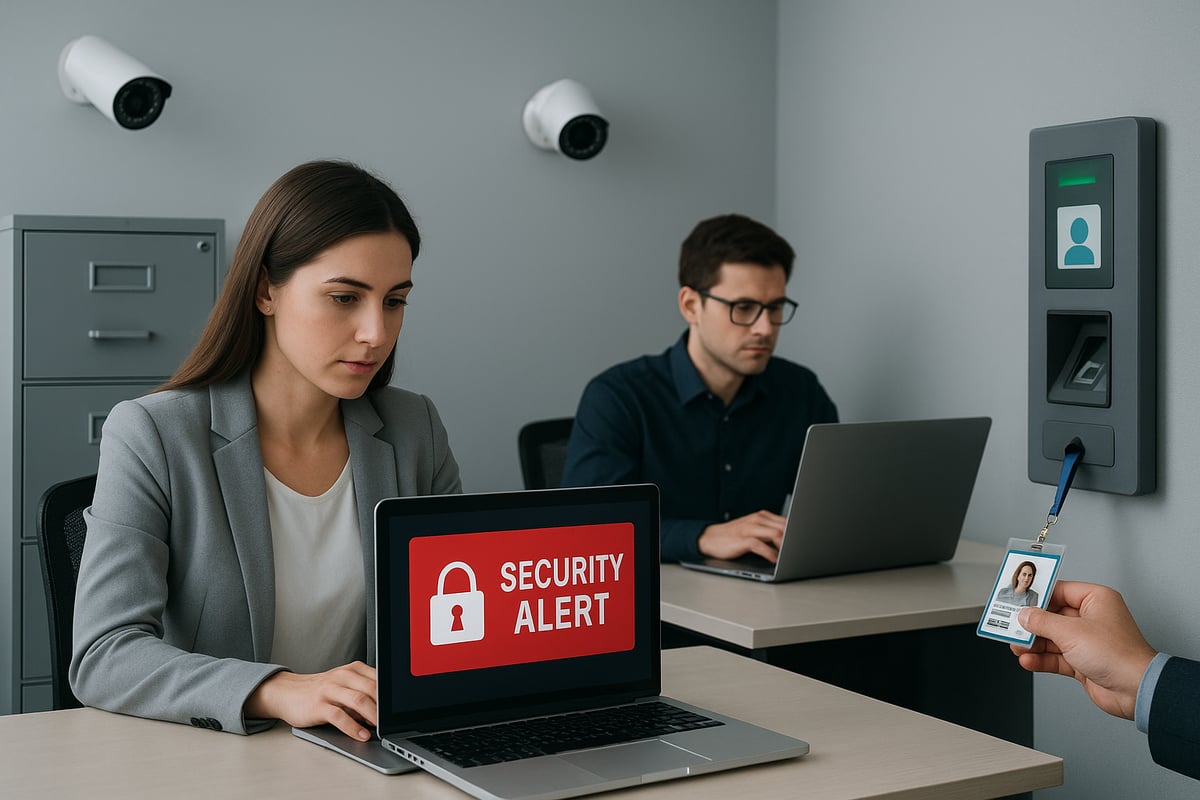
As organizations embrace hybrid work models, information security and cyber security must adapt to a changing environment. Information security threats now extend beyond digital data to include physical and verbal information.
Insider threats remain a leading concern. Employee negligence—such as misplaced documents or unsecured devices—can expose sensitive data. Additionally, malicious insiders may intentionally leak or steal information, exploiting both physical and digital channels.
Physical breaches are another risk. Unauthorized individuals might access offices, steal hardware, or remove confidential paper records. The 2024 healthcare data breach, which involved both stolen laptops and compromised physical files, highlighted how intertwined physical and digital risks have become.
Social engineering attacks are also on the rise. Attackers manipulate employees to gain access to restricted areas or sensitive information, often by impersonating trusted personnel. Training staff to recognize these tactics is critical to safeguarding all forms of information.
Remote work and bring-your-own-device (BYOD) policies have increased the attack surface. With employees accessing company data from various locations and devices, managing and monitoring information security and cyber security requires new strategies and tools.
Consider these key trends:
- 60% of organizations report a rise in insider incidents since 2020.
- Hybrid work has blurred boundaries between digital and physical assets.
- Physical and digital records are both frequent targets.
Addressing information security and cyber security threats in this hybrid world demands a holistic approach. Organizations must protect information in every format and location, ensuring policies and controls are comprehensive and adaptive.
Cyber Security Threats: Digital Frontlines
On the digital frontlines, information security and cyber security professionals face a relentless wave of sophisticated attacks. Ransomware, malware, and phishing campaigns continue to disrupt businesses, with attackers constantly refining their methods.
Denial-of-Service (DoS) attacks and advanced persistent threats (APTs) from nation-state actors increasingly target critical infrastructure and supply chains. The 2025 supply chain attack, which crippled global logistics networks, demonstrated how vulnerabilities in one link can cascade through entire industries.
The rapid adoption of Internet of Things (IoT) devices and cloud services introduces new risks. IoT devices often lack robust security controls, creating entry points for attackers. Meanwhile, cloud misconfigurations can expose vast amounts of sensitive data if not managed carefully.
Cybercrime damages are projected to reach $10.5 trillion annually by 2025, underscoring the scale of the challenge. As threat actors leverage automation and artificial intelligence, the battlefield is constantly shifting. To stay ahead, organizations must monitor trends and adopt proactive defenses, as discussed in Cybersecurity Trends in 2026: AI Defense to Digital Trust.
Key digital threats include:
- Ransomware and extortion attacks
- Sophisticated phishing and social engineering
- IoT and cloud vulnerabilities
- Persistent threats from organized groups
The convergence of information security and cyber security means that digital and physical risks can no longer be managed in isolation. A unified, forward-looking strategy is essential for resilience in 2026.
Frameworks, Standards, and Regulatory Requirements
An effective approach to information security and cyber security starts with robust frameworks, clear standards, and compliance with evolving regulations. As organizations face increasingly complex threats, these elements form the backbone of modern risk management.
Major Security Frameworks
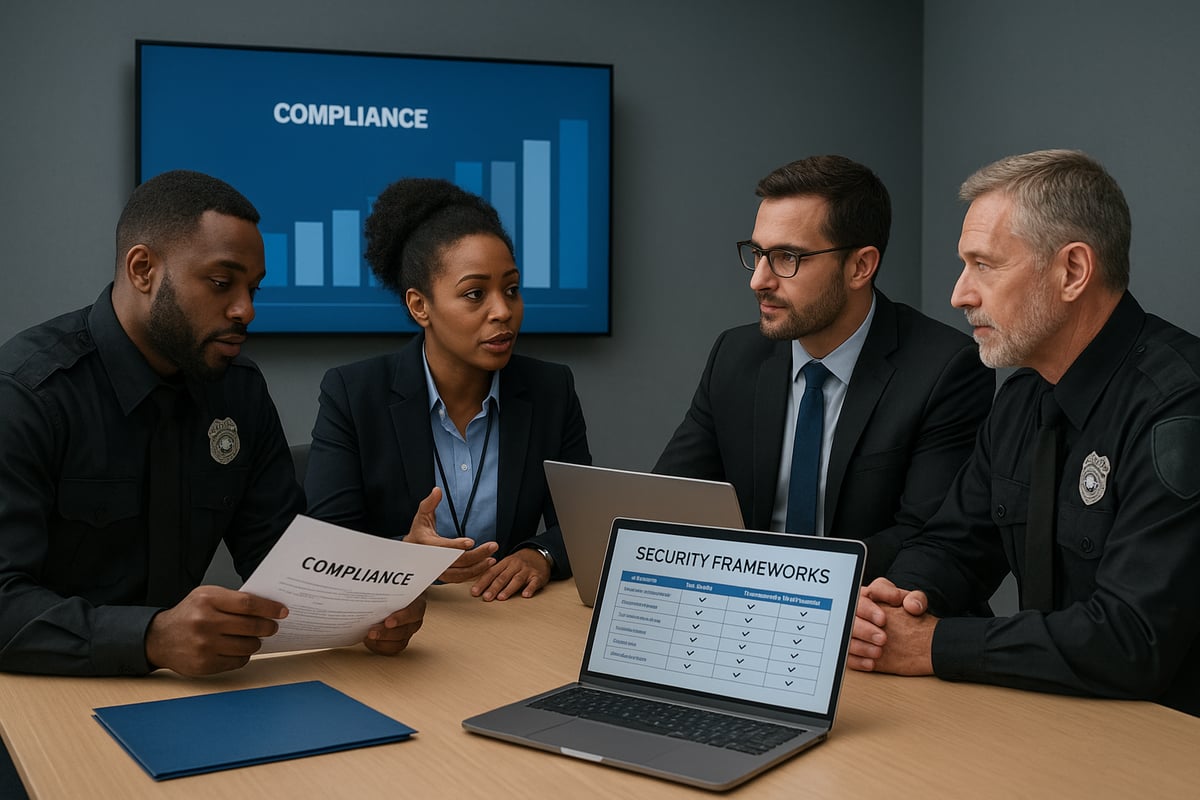
Frameworks provide the structure organizations need to safeguard information security and cyber security assets. Among the most widely adopted are ISO/IEC 27001, the NIST Cybersecurity Framework, and CIS Controls. Each offers unique strengths and targets different aspects of risk.
| Framework | Focus Area | Typical Use Case |
|---|---|---|
| ISO/IEC 27001 | Information Security Management | Comprehensive, all data forms |
| NIST Cybersecurity | Cyber Security, Digital Systems | Digital risk, US-centric sectors |
| CIS Controls | Practical Security Controls | Quick wins, operational guidance |
ISO/IEC 27001 is often chosen for its holistic approach, covering both physical and digital data. This makes it ideal for organizations seeking a unified information security and cyber security strategy. In contrast, the NIST Framework is tailored to managing digital threats and is especially popular in US government and regulated industries.
Compliance requirements also shape security strategies. Healthcare, finance, and government sectors must comply with laws like GDPR or CCPA, which dictate how data must be protected and reported. According to Forbes, 80% of organizations now identify compliance as a main driver for security investment.
Understanding the scope of these frameworks is critical. For example, ISO/IEC 27001 addresses everything from printed documents to cloud data, while NIST focuses on technical controls for digital environments. To explore foundational principles and definitions further, see the Information Security Definition by SANS Institute.
The Role of Security Policies and Procedures
Frameworks alone are not enough. Effective information security and cyber security depend on well-documented policies and procedures, ensuring that theory translates into daily practice.
Key areas include:
- Access control policies to define who can reach sensitive information
- Data classification schemes that identify and protect critical assets
- Incident response plans for quick, coordinated action during breaches
These policies must bridge both physical and digital domains. For example, multi-factor authentication strengthens digital access, while visitor logs protect physical spaces. Both are vital for a comprehensive information security and cyber security posture.
Policies should not remain static. As threats and technologies evolve, organizations must regularly review and update their procedures. This proactive approach keeps defenses aligned with emerging risks and regulatory changes.
In summary, combining frameworks with adaptive policies enables organizations to build trust, meet compliance demands, and ensure resilience in the face of ongoing security challenges.
Key Roles, Skills, and Career Paths in Security
The evolving landscape of information security and cyber security has transformed the skills and roles required to keep organizations safe. As threats grow more complex, career paths in security are expanding, blending traditional and digital expertise.

Information Security Roles and Responsibilities
Information security and cyber security teams begin with leadership at the top. The Chief Information Security Officer (CISO) provides strategic direction, policy oversight, and ensures both disaster recovery and business continuity plans are robust. The CISO’s decisions influence everything from technology investments to employee training programs.
Other vital roles include Information Security Analysts, Risk Analysts, Architects, and Managers. These professionals assess threats, design policies, and oversee compliance with laws and frameworks. For example, an Information Security Analyst might analyze access logs for unusual activity, while a Risk Analyst evaluates the likelihood and impact of potential breaches.
Key skills for these roles include:
- Risk management and assessment
- Knowledge of compliance standards (GDPR, ISO/IEC 27001)
- Physical security awareness, such as managing secure facilities
Demand for these professionals is rising rapidly. From 2022 to 2025, the need for information security and cyber security experts grew by 35 percent, reflecting a critical skills gap. Organizations now require teams who can bridge the gap between digital and physical security, ensuring all forms of sensitive information remain protected.
Cyber Security Careers and Specializations
While information security and cyber security share some roles, cyber security focuses intensely on digital threats. Common positions include Cyber Security Analyst, Penetration Tester, Incident Responder, and Security Engineer. These specialists detect, respond to, and mitigate digital attacks targeting networks, applications, and cloud infrastructure.
A Cyber Security Analyst, for instance, may simulate cyberattacks to uncover system vulnerabilities before adversaries exploit them. Incident Responders coordinate the technical and organizational response to breaches, while Penetration Testers probe defenses using the latest threat intelligence.
Essential cyber security skills include:
- Threat intelligence and digital forensics
- Malware analysis and vulnerability assessment
- Hands-on expertise with security tools and automation
Certification trends highlight the importance of ongoing professional development. Credentials such as CISSP, CEH, and CompTIA Security+ are now considered baseline for many roles. As the field evolves, blended skillsets are increasingly valued, especially as quantum computing and advanced technologies reshape job requirements. For example, professionals are encouraged to stay informed on Quantum Computing Readiness in Cybersecurity to anticipate future threats and adapt their expertise.
The convergence of information security and cyber security is creating new opportunities for those who can adapt quickly, integrate physical and digital controls, and foster a culture of security across the organization.
Emerging Trends and Technologies for 2026
The landscape of information security and cyber security is experiencing rapid transformation as organizations prepare for the challenges of 2026. Emerging technologies and evolving methodologies are reshaping how enterprises defend their data and systems. Staying ahead means not just adopting new tools, but also understanding the risks and opportunities these trends bring.
Artificial Intelligence and Automation in Security
Artificial intelligence is revolutionizing information security and cyber security. AI-driven tools can detect and respond to threats faster than traditional methods. Machine learning algorithms analyze vast datasets to spot anomalies, uncovering zero-day exploits that might otherwise go unnoticed.
Organizations are increasingly automating routine security tasks, such as log analysis and vulnerability scanning. This not only reduces human error but also allows security teams to focus on more complex threats. By 2026, 65% of enterprises plan to increase investments in AI security solutions, according to industry forecasts.
A practical example is the deployment of AI-powered Security Information and Event Management (SIEM) systems. These platforms can correlate events in real time, prioritize alerts, and even initiate automated responses. For more details on the role of AI in security, Gartner’s AI in Security offers a comprehensive overview.
Despite its benefits, AI is also a target. Adversaries are developing techniques to evade or corrupt machine learning models, creating a new layer of risk for information security and cyber security professionals. Maintaining a balance of automation and human oversight remains essential.
Cloud Security and the Rise of SaaS
As businesses migrate to the cloud and adopt Software-as-a-Service (SaaS) platforms, the scope of information security and cyber security continues to expand. Cloud environments introduce unique challenges, including shared responsibility models, data sovereignty, and complex access controls.
Multi-cloud strategies are now the norm, with 85% of organizations leveraging more than one cloud provider. This increases the attack surface, requiring robust security measures that cover both infrastructure and applications. Misconfigurations remain a leading cause of breaches in cloud environments, highlighting the need for continuous monitoring and automated compliance checks.
A notable incident in 2025 involved a major cloud provider experiencing a misconfiguration breach, impacting thousands of clients worldwide. This event underscored the importance of regular audits and advanced security tools designed specifically for cloud ecosystems.
To address these challenges, businesses are adopting cloud-native security solutions, such as Cloud Security Posture Management (CSPM) and Cloud Access Security Brokers (CASB). These technologies enhance visibility and control, ensuring information security and cyber security objectives are met.
Zero Trust Security Models
Zero Trust has emerged as a foundational principle for modern security architectures. The model operates on the concept of never trust, always verify, regardless of whether access requests originate inside or outside the network perimeter.
Implementing Zero Trust involves strict identity verification, continuous authentication, and granular access controls. Organizations are shifting from traditional perimeter-based defenses to models that prioritize users and devices.
A global enterprise deploying Zero Trust will integrate network segmentation, least privilege policies, and real-time monitoring. This layered approach helps minimize the impact of breaches and supports compliance with regulatory requirements.
Zero Trust is rapidly becoming the standard for information security and cyber security strategy. Adoption is accelerating as organizations recognize its effectiveness in a world where remote work and distributed systems are the norm.
Quantum Computing and Encryption Challenges
Quantum computing represents a paradigm shift for encryption and secure communications. Current cryptographic algorithms, such as RSA and ECC, are at risk of being broken by future quantum computers. This threat has prompted a global race to develop post-quantum cryptography.
NIST is leading initiatives to standardize quantum-resistant algorithms. By 2026, an estimated 10% of organizations will be piloting quantum-safe encryption solutions, preparing for the eventual arrival of practical quantum computers.
Organizations must assess their cryptographic assets and begin planning transitions to new standards. The intersection of information security and cyber security with quantum computing will define the next era of digital trust and confidentiality.
Human Element: Security Awareness and Culture
Despite advances in technology, the human factor remains a critical component of information security and cyber security. Social engineering, such as phishing and pretexting, continues to be a leading cause of breaches.
Regular employee training and simulated phishing exercises are essential for building a security-first culture. In Fortune 500 companies, these efforts have led to measurable reductions in successful attacks.
Technology alone is insufficient. A resilient security posture requires ongoing awareness, clear communication, and shared responsibility across all levels of the organization. By fostering a proactive culture, businesses can strengthen their defenses against both current and future threats.
Comparing Strategies: Building a Holistic Security Posture
Building a resilient defense in today's complex threat landscape requires more than just isolated measures. Organizations must bridge the gap between information security and cyber security to create a truly holistic security posture.
Integrating Information Security and Cyber Security Approaches
Effective protection starts by recognizing that information security and cyber security are not mutually exclusive. Instead, they must work in tandem to secure both physical and digital assets. A unified approach addresses threats from all angles, whether they originate from a stolen laptop or a sophisticated phishing attack.
A layered security strategy, often called defense-in-depth, combines people, processes, and technology. For example, an organization might implement physical access controls at office entrances while also using network segmentation to limit digital access. This dual approach ensures that a breach in one domain does not automatically compromise the other.
| Security Layer | Physical Example | Digital Example |
|---|---|---|
| Access Control | Badge readers | Multi-factor authentication |
| Monitoring | Visitor logs | Intrusion detection |
| Response | Security patrols | Automated incident response |
Statistics show that organizations adopting integrated frameworks for information security and cyber security reduce breach costs by 30% compared to those with siloed strategies. This underscores the importance of aligning policies and controls across all environments.
To further explore best practices for integration, resources like the NIST Cybersecurity Framework offer actionable guidance for aligning security measures.
Measuring Security Effectiveness and ROI
To ensure ongoing protection, organizations must regularly assess how well their information security and cyber security measures perform. Key performance indicators (KPIs) provide tangible metrics for tracking progress and identifying gaps.
Common KPIs include:
- Incident response time
- Compliance rates with industry standards
- User awareness training completion
- Number of detected and remediated vulnerabilities
Security audits and penetration testing are essential tools for evaluating real-world readiness. For example, annual security assessments are mandatory in many regulated industries to verify both physical and digital safeguards.
Continuous improvement is vital. Threats evolve, and so should your organization's approach to information security and cyber security. By monitoring results, updating strategies, and involving all stakeholders, companies can maintain a robust defense that adapts to changing risks.
The Future of Security: Predictions and Recommendations for 2026
As organizations look ahead, the future of information security and cyber security is set to become even more complex and vital. Staying ahead requires understanding the evolving landscape and preparing for both new risks and opportunities.
Anticipated Threats and Opportunities
The convergence of information security and cyber security is driving new types of threats. One major trend is the rise of cyber-physical attacks, where digital breaches can impact physical infrastructure like energy grids or healthcare systems. This intersection means that both digital and physical assets need equal attention.
Regulatory requirements are expanding globally, with new privacy laws shaping how organizations handle data. Security-as-a-service and managed security providers are on the rise, offering scalable solutions for companies of all sizes. This shift is transforming how organizations approach risk management and compliance.
Security is becoming a board-level priority across every sector. According to Forbes, 92% of executives plan to increase security budgets by 2026, reflecting the growing recognition of information security and cyber security as critical business enablers. New privacy regulations will require even more robust controls and cross-border collaboration.
Organizations that proactively monitor these trends will be better equipped to protect their assets and reputation. The future will favor those who can adapt quickly, invest in talent, and embrace innovation while maintaining a strong compliance posture.
Actionable Recommendations for Organizations
To thrive in 2026 and beyond, organizations must take a comprehensive approach to information security and cyber security. Here are key steps to consider:
- Invest in both information security and cyber security capabilities. Ensure your strategy covers physical, digital, and human factors.
- Regularly update and test incident response plans. Simulate real-world scenarios to identify gaps and improve resilience.
- Foster a security-first culture at all levels. Ongoing training and awareness programs are essential to reduce human error.
- Adopt adaptive, intelligence-driven security frameworks. Consider integrating standards such as NIST Cybersecurity Framework for continuous improvement.
- Embrace innovation while staying compliant. Leverage new technologies, but always align with evolving regulations and ethical standards.
A unified approach to information security and cyber security provides the best defense against emerging threats. By prioritizing investment, culture, and adaptability, organizations can ensure their security posture remains strong as the landscape changes.
As we’ve explored, navigating the evolving landscape of information security and cyber security is more critical than ever for your business’s future. Staying ahead means not just understanding threats, but building the right strategy that balances technology, people, and process. If you want confidence that your IT infrastructure is secure and expertly managed—so you can focus on what you do best—we’re here to help. Let’s talk about how you can safeguard your business and boost productivity with solutions tailored to your needs. If you’re ready for peace of mind, Call us now.

