
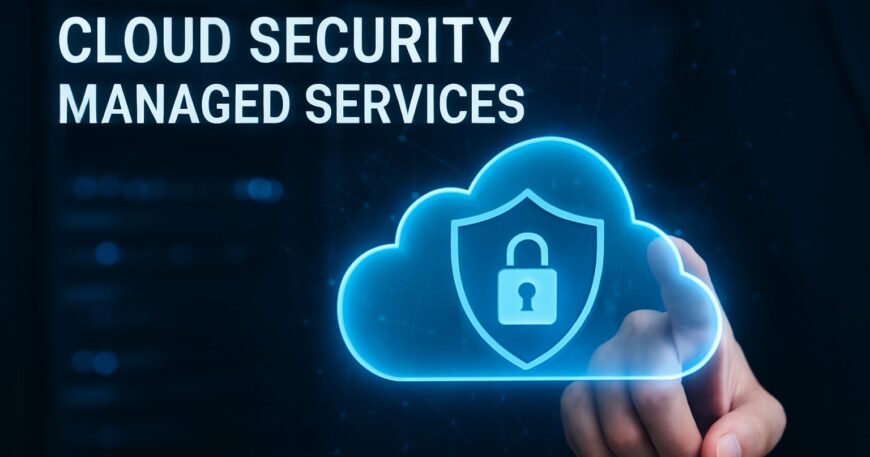
Businesses in 2026 face an unprecedented wave of sophisticated cloud-related cyber threats. As organizations across every industry increasingly rely on cloud infrastructure, the need for robust security has never been more critical.
Cloud security managed services offer substantial benefits, including continuous protection, comprehensive compliance support, and proactive risk mitigation. This article aims to provide essential insights and a practical, step-by-step guide for understanding and leveraging cloud security managed services in 2026.
Whether you are a business leader, IT manager, or decision-maker, you will gain actionable knowledge to select, implement, and optimize these services. We will explore current market trends, service components, common challenges, implementation strategies, compliance considerations, and future outlooks.
The Evolving Landscape of Cloud Security in 2026
The world of cloud security managed services is rapidly transforming as businesses face a surge of increasingly complex cyber threats. Organizations of all sizes are pushing deeper into cloud adoption for scalability and agility, but this growth brings new risks and challenges. In 2026, leaders must stay ahead of evolving threats and regulatory demands, driving the need for advanced, managed solutions.

Market Trends and Drivers
Several critical trends are shaping cloud security managed services in 2026. The ongoing surge in cloud adoption is driven by a need for flexibility, cost efficiency, and the ability to scale operations rapidly. However, the threat landscape is escalating in parallel. Sophisticated attacks—such as ransomware, distributed denial-of-service (DDoS), and insider threats—are becoming more frequent and harder to detect.
Hybrid and multi-cloud environments are now the norm, adding layers of complexity to security management. Businesses must secure data and applications across AWS, Azure, Google Cloud, and on-premises systems, often simultaneously. Regulatory pressures like GDPR, HIPAA, and PCI-DSS continue to intensify, pushing organizations to prioritize compliance and continuous monitoring.
AI and automation are now key drivers, enabling real-time detection and response. According to Cloud security trends for 2026, AI-driven cyber defense and autonomous response mechanisms are becoming essential tools in the security arsenal. The role of cloud security managed services is to help businesses navigate this shifting landscape with agility and confidence.
Key Statistics and Industry Data
Understanding the current state of the market is essential for any organization considering cloud security managed services. Recent industry reports reveal that 60% of digital champions have adopted proactive and predictive security systems, reflecting a strategic shift from reactive to real-time defense. Yet, only 7% of companies have reached advanced digital transformation maturity, suggesting there is significant room for growth and improvement.
Multi-cloud usage has soared, with a 30% year-over-year increase among both SMBs and enterprises. This expansion reflects the demand for flexible, best-of-breed solutions, but it also introduces new risks that require specialized expertise. Compliance remains a top concern, as evolving regulations demand more robust reporting and audit capabilities.
The numbers make it clear: investment in cloud security managed services is not just a trend but a necessity for organizations aiming to protect assets and maintain compliance in a fast-changing environment.
| Metric | 2026 Value |
|---|---|
| Proactive Security Adoption | 60% of digital leaders |
| Advanced Digital Maturity | 7% of organizations |
| Multi-Cloud Usage Growth (YoY) | 30% |
Emerging Technologies and Approaches
Innovation is at the heart of modern cloud security managed services. AI-powered security analytics are now embedded in most leading solutions, delivering faster detection of anomalies and threats. The adoption of zero trust frameworks ensures that no user or device is trusted by default, reducing the risk of unauthorized access and data breaches.
Cloud-native security tools are increasingly preferred, allowing seamless integration with diverse platforms. The use of Cloud Security Posture Management (CSPM) and Security Information and Event Management (SIEM) solutions has grown, providing centralized visibility and automated compliance monitoring.
These technologies empower organizations to be proactive rather than reactive. Automated threat detection, policy enforcement, and real-time remediation are now possible—helping companies stay resilient even as attackers evolve their tactics. The integration of these innovations within cloud security managed services is redefining what effective protection looks like in 2026.
Case Example
Consider a financial services provider that recently adopted cloud security managed services to strengthen its security posture. Facing strict regulatory requirements and frequent audit demands, the provider needed a solution that could deliver both operational resilience and compliance support.
Through managed services, the organization implemented 24/7 monitoring, automated incident response, and advanced vulnerability management. This approach not only reduced the risk of breaches but also streamlined compliance reporting for regulations such as PCI-DSS and GDPR.
The result was a marked improvement in both security and business continuity. With expert guidance and advanced technology at their disposal, the provider could focus on innovation and growth, confident that their critical assets were protected by a robust cloud security managed services framework.
Core Components of Cloud Security Managed Services
As organizations embrace digital transformation, understanding the core components of cloud security managed services becomes essential for safeguarding assets and ensuring compliance. These services are designed to address the unique challenges of cloud environments, offering comprehensive protection, expert guidance, and operational resilience.

Service Scope and Offerings
Cloud security managed services deliver a broad spectrum of protection and support for modern enterprises. At their core, these services provide:
- 24/7 monitoring and real-time incident detection
- Automated threat response and remediation
- Firewall management and intrusion prevention
- Anti-virus configuration and regular vulnerability scans
- Patch management, compliance reporting, and disaster recovery planning
By integrating these features, cloud security managed services ensure organizations can focus on their business objectives while experts handle daily security operations.
Managed vs. In-House Security: Cost and Expertise
Choosing between cloud security managed services and building an in-house security team involves careful cost-benefit analysis. In-house approaches require investment in skilled staff, software, hardware, and ongoing management.
| Cost Factor | In-House SOC | Managed Service Provider |
|---|---|---|
| Staffing | High recruitment costs | Access to specialized experts |
| Software/Hardware | Significant investment | Included in service fees |
| Ongoing Management | Continuous oversight | Vendor-managed operations |
Cloud security managed services offer access to specialized expertise, advanced tools, and economies of scale, often at a lower total cost than maintaining an in-house team.
Multi-Cloud and Hybrid Environments
Today’s businesses rarely rely on a single cloud provider. Managing security across AWS, Azure, Google Cloud, and on-premises systems requires cloud-agnostic solutions. Cloud security managed services excel in supporting multi-cloud and hybrid setups by:
- Unifying security policies across platforms
- Providing centralized dashboards for visibility
- Supporting open-source and proprietary tools
- Enabling seamless integration with DevOps pipelines
This flexibility ensures that cloud security managed services adapt to evolving infrastructure and business needs.
Service Level Agreements (SLAs) and Vendor Selection
Selecting the right provider for cloud security managed services hinges on robust SLAs and verified credentials. Key SLA components include:
- Guaranteed uptime and rapid response times
- Clear compliance guarantees and remediation support
- Defined escalation paths for incidents
- Ongoing reporting and transparency
When evaluating vendors, prioritize those with certifications like SOC-2, ISO 27001, and PCI-DSS. For deeper alignment with security frameworks, consult resources such as the Cloud Controls Matrix Implementation Guidelines, which help organizations assess provider controls and shared responsibilities.
Example: Clearwater’s healthcare-focused managed cloud services for Azure and Microsoft 365.
A strong example of specialized cloud security managed services is Clearwater’s offering for the healthcare sector. Their solutions for Azure and Microsoft 365 include:
- Continuous security monitoring tailored to HIPAA and HITRUST requirements
- Automated compliance reporting and audit preparation
- Integration with healthcare applications and data workflows
- Expert support in incident response and remediation
By leveraging cloud security managed services designed for healthcare, organizations can confidently meet regulatory demands and safeguard sensitive patient data.
Common Cloud Security Challenges and How Managed Services Address Them
As organizations accelerate their migration to the cloud, new security challenges continuously emerge. The complexity of cloud environments, coupled with evolving threats, demands a proactive and strategic approach. Cloud security managed services play a pivotal role in addressing these concerns, offering expertise, technology, and continuous oversight.
Top Security Risks in the Cloud
Organizations face a variety of security risks in cloud environments. Common threats include data breaches due to misconfigured storage, such as open S3 buckets or unencrypted databases. Overly permissive access controls and shadow admin accounts can provide attackers with unauthorized entry points.
Another significant risk is incomplete audit logging, which leads to a lack of visibility into user activity or potential breaches. Rapid cloud migrations and fast-paced DevOps processes can introduce vulnerabilities if security checks are overlooked.
Key risks include:
- Data breaches from misconfigurations
- Excessive permissions and shadow admin accounts
- Insufficient audit logs and visibility gaps
- Unaddressed vulnerabilities from rushed migrations
Cloud security managed services help organizations identify and remediate these risks before they escalate.
Compliance and Regulatory Hurdles
Navigating regulatory frameworks like HIPAA, PCI DSS, GDPR, and NIST 800-53 is a major challenge for businesses using cloud services. Each regulation has specific requirements for data protection, audit trails, and incident reporting.
Continuous compliance monitoring is essential, as regulations often evolve and audits can occur unexpectedly. Manual compliance processes are time-consuming and error-prone, increasing the risk of costly penalties.
Cloud security managed services automate compliance tracking, provide regular reporting, and ensure that organizations stay audit-ready. This support is especially valuable for industries with stringent data protection obligations.
Multi-Cloud and Hybrid Complexity
Many organizations deploy workloads across AWS, Azure, Google Cloud, and on-premises systems. This multi-cloud and hybrid approach increases flexibility but also introduces unique security challenges.
Keeping security policies consistent across platforms is difficult. Vendor lock-in concerns may limit the adoption of best-in-class tools. Each environment has distinct configurations, making unified management a challenge.
Cloud security managed services deliver cloud-agnostic solutions that centralize policy enforcement and monitoring. By supporting open-source tools and integrating with various platforms, these services simplify security management in complex environments.
Human Error and Insider Threats
Human error remains a leading cause of cloud security incidents. Misconfigured resources, accidental exposure of sensitive data, and privilege escalation can all result from simple mistakes.
Insider threats, whether intentional or accidental, are also a concern. Employees with excessive permissions may inadvertently or maliciously compromise data. Ongoing training and strict policy enforcement are crucial.
Cloud security managed services address these challenges by implementing automated guardrails, continuous monitoring, and regular policy reviews. They also facilitate employee education to reduce the likelihood of errors and insider threats.
How Managed Services Mitigate These Challenges
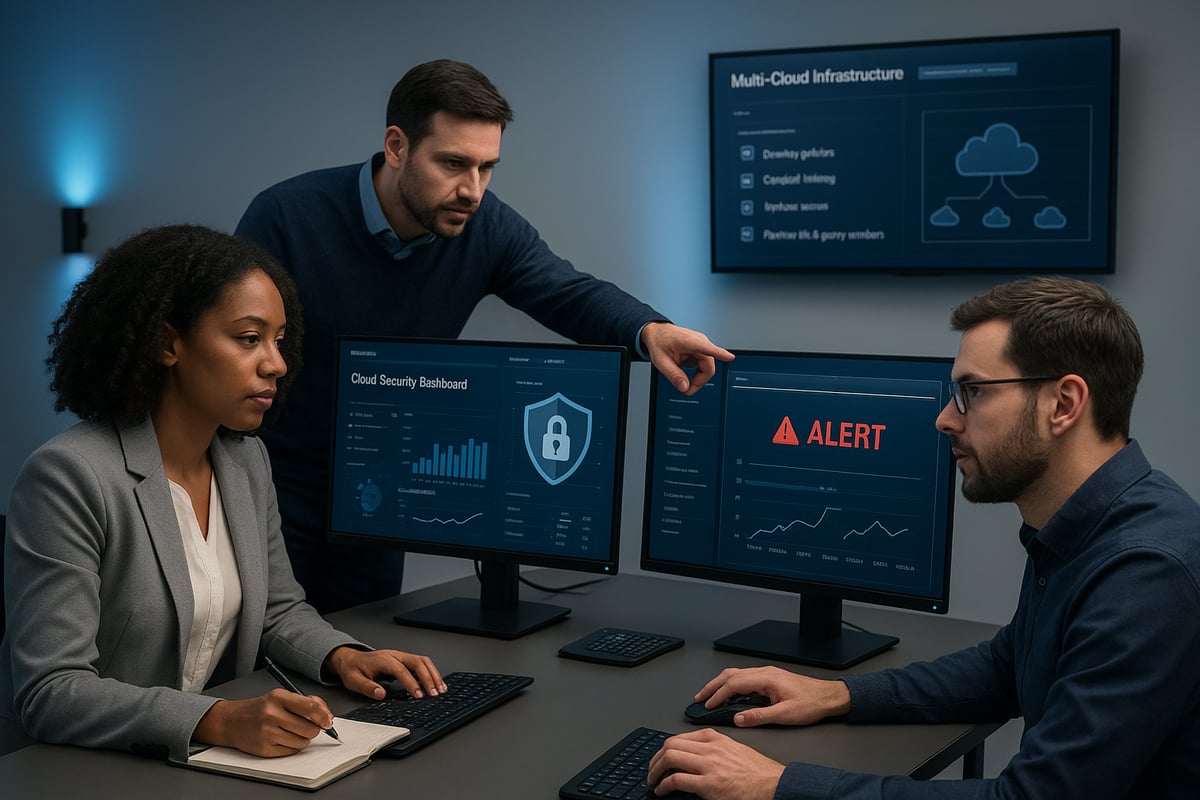
Cloud security managed services employ a range of strategies to address the risks outlined above. Proactive monitoring and automated threat response systems detect and neutralize threats in real time. Regular vulnerability assessments and compliance audits ensure ongoing protection.
Centralized dashboards provide unified visibility across cloud environments, making it easier to identify and resolve issues. Expert teams guide remediation efforts and coordinate rapid incident response, minimizing downtime and business impact.
For a deeper understanding of common pitfalls and practical solutions, explore common cloud security managed services mistakes.
Below is a summary table illustrating how managed services map to common challenges:
| Challenge | Managed Services Solution |
|---|---|
| Data breaches | Automated monitoring, risk remediation |
| Compliance gaps | Continuous compliance reporting |
| Complex environments | Centralized multi-cloud management |
| Human error | Automated guardrails, staff training |
| Insider threats | Privilege reviews, activity monitoring |
By leveraging cloud security managed services, organizations can prevent incidents, reduce downtime, and support business continuity. Real-time alerts and proactive interventions protect sensitive data and ensure regulatory compliance.
Step-by-Step Guide to Implementing Cloud Security Managed Services
Migrating to cloud security managed services requires a structured approach. The process involves careful planning, clear goal-setting, and collaboration between internal teams and external experts. The following guide breaks down each phase, enabling organizations to navigate the journey from assessment to ongoing optimization.

Step 1: Assess Your Cloud Security Needs
Begin your journey by conducting a comprehensive assessment of your current cloud environment. Catalog all cloud assets, including applications, databases, and data storage locations. Identify the sensitivity of data and classify it according to business and regulatory requirements.
Evaluate your organization’s existing security posture. This means reviewing current controls, recent incidents, and known vulnerabilities. Pay attention to gaps in coverage, such as unmonitored assets or outdated configurations.
Understanding these aspects is essential for aligning cloud security managed services with your unique risk profile. Consider involving stakeholders from IT, compliance, and business units to ensure a complete picture. This foundational step sets the stage for effective service adoption.
Step 2: Define Goals and Success Metrics
Once you have a clear understanding of your security landscape, define specific goals for adopting cloud security managed services. These goals could include improving incident response times, achieving compliance certifications, or reducing the number of security alerts.
Establish measurable key performance indicators (KPIs). Examples include average time to detect and respond to threats, compliance audit pass rates, and reduction in security incidents. KPIs provide clarity on what success looks like and allow you to track progress over time.
Align these objectives with broader business outcomes. For instance, if your organization is scaling rapidly, ensure goals reflect the need for agile and scalable security controls. This alignment helps justify investment and secures ongoing stakeholder support.
Step 3: Select the Right Managed Security Provider
Selecting the right partner for cloud security managed services is a critical decision. Evaluate providers based on their expertise, technology stack, and experience within your industry. Certifications such as SOC-2, ISO 27001, and PCI-DSS indicate a mature security posture.
Review each provider’s service level agreements (SLAs), focusing on response times, uptime guarantees, and compliance support. Ask for references and case studies relevant to your sector. As global cybersecurity spending continues to rise, as shown in Global cybersecurity spending projections, ensure your investment delivers measurable value.
Prioritize providers who offer tailored solutions for your cloud platforms, whether AWS, Azure, Google Cloud, or hybrid environments. The right partner should be able to scale with your business and adapt to evolving threats.
Step 4: Plan and Execute Onboarding
Effective onboarding is essential for a smooth transition to cloud security managed services. Collaborate closely with your chosen provider to develop a detailed transition plan. This plan should cover asset handover, access provisioning, and initial risk assessments.
Coordinate integration with existing IT and DevOps teams. Establish clear communication channels and define roles and responsibilities. Baseline reporting on security posture allows you to measure improvements over time.
Early identification of potential obstacles, such as legacy systems or compliance gaps, ensures a proactive approach. A thorough onboarding process minimizes disruption and accelerates the realization of security benefits.
Step 5: Continuous Monitoring and Optimization
Ongoing monitoring is the backbone of effective cloud security managed services. A 24/7 security operations center (SOC) provides round-the-clock threat detection and response. Regular vulnerability scans, patch management, and policy updates keep defenses current.
Leverage unified dashboards for centralized visibility across all cloud assets. Continuous compliance reporting supports audit readiness and regulatory obligations. Automated alerts and remediation workflows reduce manual workloads and accelerate response times.
Optimization is not a one-time event. Schedule regular reviews to assess the effectiveness of controls and adapt to new business requirements or emerging threats. This dynamic approach ensures sustained protection.
Step 6: Incident Response and Disaster Recovery
A comprehensive incident response plan is a vital component of cloud security managed services. Automated detection and response workflows enable rapid containment and mitigation of threats. Clearly defined escalation paths ensure incidents are addressed by the right experts.
Disaster recovery planning is equally important. Conduct regular drills to test recovery procedures and ensure business continuity. Documentation of lessons learned from incidents improves future response and resilience.
Having these processes in place reduces downtime, data loss, and reputational risk. It also demonstrates due diligence to regulators and customers.
Step 7: Review and Iterate
Continuous improvement is key to maximizing the value of cloud security managed services. Schedule performance reviews at regular intervals to assess service quality and security outcomes. Use feedback loops to identify areas for enhancement.
Update processes in response to new threats, regulatory changes, or business growth. Encourage collaboration between internal teams and your managed service provider. This adaptive approach ensures your security strategy remains relevant and effective.
Iterative refinement builds organizational resilience and keeps you ahead of evolving cyber risks.
Example: Timeline and Outcomes for a Small Business Migration
Consider a small business migrating to cloud security managed services. The process begins with a two-week assessment of cloud assets and security gaps. Next, the team defines clear goals, such as achieving SOC-2 compliance and reducing incident response times by 30 percent.
Provider selection takes another two weeks, focusing on industry experience and flexible SLAs. Onboarding is completed in one month, with seamless integration of existing workflows. Continuous monitoring quickly identifies and remediates vulnerabilities, while automated reporting supports compliance audits.
Within six months, the business achieves measurable improvements in security posture, reduced downtime, and increased customer trust. This example illustrates the tangible benefits and practical steps for successful implementation.
Compliance, Auditing, and Regulatory Considerations
Navigating compliance in today’s cloud landscape is a significant challenge for organizations of all sizes. Regulatory requirements are constantly evolving, and businesses must adapt rapidly to avoid penalties and maintain customer trust. With cloud security managed services, companies can address these needs systematically and proactively.
Navigating the Compliance Landscape
Regulatory frameworks such as HIPAA, GDPR, PCI DSS, NIST, and HITRUST set strict requirements for data protection and privacy. Each industry faces unique compliance hurdles. For instance, healthcare organizations must ensure patient data privacy under HIPAA, while financial institutions prioritize PCI DSS and GDPR.
The complexity increases for organizations operating in multiple regions or sectors. This variety of standards can overwhelm internal IT teams. Cloud security managed services help businesses interpret and implement these regulations efficiently.
| Regulation | Industry Focus | Key Requirement |
|---|---|---|
| HIPAA | Healthcare | Patient data confidentiality |
| GDPR | All/Europe | Data privacy and consent |
| PCI DSS | Finance/Retail | Payment data security |
| NIST | Government | Information security controls |
| HITRUST | Healthcare | Risk management framework |
Having experts who understand the compliance landscape is essential for reducing risk and ensuring continuous alignment with regulations.
Managed Services Role in Compliance
Cloud security managed services play a pivotal role in helping organizations meet compliance goals. These services offer automated compliance monitoring, real-time policy enforcement, and comprehensive documentation for audits.
Key features include:
- Continuous monitoring of cloud environments for compliance violations
- Automated alerts and remediation for policy breaches
- Detailed reporting to support audit readiness
With cloud security managed services, companies can maintain up-to-date compliance postures, even as standards evolve. This proactive approach helps prevent costly fines and reputational damage.
Choosing a provider with certifications such as SOC-2 or ISO 27001 further demonstrates a commitment to best-in-class compliance practices. For more on compliance-focused managed services, consider reviewing Clearwater’s compliance services.
Continuous Assessment and Improvement
Routine audits and ongoing security assessments are vital for sustainable compliance. Cloud security managed services enable organizations to schedule regular reviews, conduct vulnerability scans, and receive expert guidance on remediation.
Benefits of leveraging managed services include:
- Streamlined audit preparation
- Updated documentation and evidence trails
- Rapid response to regulatory changes
By integrating continuous assessment into daily operations, businesses stay ahead of compliance risks. Cloud security managed services ensure that organizations do not fall behind on new or revised mandates.
Examples and Data
Continuous compliance monitoring is proven to reduce the risk of regulatory fines. For example, a multi-cloud healthcare provider achieved HITRUST certification after partnering with cloud security managed services. The provider benefited from 24/7 compliance checks, automated reporting, and expert remediation support.
Data shows that organizations using cloud security managed services experience fewer audit failures and faster certification timelines. These results highlight the value of a managed approach for achieving and maintaining compliance in complex cloud environments.
Cloud security managed services are essential for organizations aiming to meet regulatory demands, reduce risk, and build customer trust in 2026.
Future Trends and Essential Insights for 2026 and Beyond
The future of cloud security managed services is rapidly evolving as organizations prepare for new digital threats and opportunities. Staying ahead requires understanding emerging technologies and best practices that will define the next generation of secure, scalable cloud operations.
AI, Automation, and Predictive Security
Artificial intelligence is fundamentally reshaping cloud security managed services. In 2026, AI-driven analytics deliver real time threat detection, while automation enables rapid incident response. Predictive models help anticipate vulnerabilities before they can be exploited, giving organizations an essential edge.
Providers now integrate machine learning to analyze network traffic, flag anomalies, and prioritize alerts. Automated workflows reduce manual intervention, freeing up security teams to focus on strategy. These advancements make cloud security managed services a proactive, rather than reactive, defense.
Zero Trust and Cloud-Native Security
Zero trust architecture is becoming a standard for cloud security managed services. This approach assumes no user or device is trusted by default, enforcing strict access controls at every layer. As cloud environments expand, zero trust enables granular policy enforcement and continuous authentication.
Cloud-native security tools are also on the rise. These solutions are built to integrate directly with cloud platforms, offering seamless protection for workloads and data. The combination of zero trust and cloud-native tools creates a robust foundation for secure operations.
The Role of Managed Services in Digital Transformation
Cloud security managed services play a pivotal role in supporting digital transformation. As businesses adopt new cloud technologies, managed services ensure security keeps pace with innovation. Providers offer expertise in securing complex, multi cloud environments and navigating regulatory requirements.
This partnership allows companies to focus on growth and agility without compromising security. By leveraging managed services, organizations can accelerate their cloud adoption and maintain a strong security posture throughout their transformation journey.
Evolving Threat Landscape
The threat landscape for cloud security managed services is growing more complex. Supply chain attacks and sophisticated phishing campaigns are expected to rise in 2026. Attackers are targeting interconnected cloud ecosystems, making comprehensive defense strategies essential.
Continuous security education and adaptive policies are critical. Managed service providers invest in ongoing training and real time intelligence to stay ahead of evolving threats. This ensures their clients benefit from the latest defenses and best practices in cloud security managed services.
Actionable Recommendations
To maximize the value of cloud security managed services, organizations should regularly review provider capabilities and SLAs. Investing in ongoing staff training and security awareness helps maintain a culture of vigilance. Prioritize scalable solutions that can adapt to business growth and changing regulatory demands.
| Recommendation | Benefit |
|---|---|
| Review provider SLAs annually | Ensures alignment with evolving needs |
| Invest in staff security training | Reduces risk from human error |
| Choose scalable managed service solutions | Supports business and regulatory changes |
A recent example highlights a business that scaled securely during rapid digital transformation by partnering with a proactive managed service provider. Their approach demonstrates how cloud security managed services enable innovation without sacrificing protection.
As we’ve explored, securing your cloud environment in 2026 means staying ahead of evolving threats and regulatory demands, while making sure your business runs smoothly. At Delphi Systems Inc., we understand how important it is for you to focus on what you do best—growing your business—while we handle the complexities of IT security, compliance, and uptime. If you’re ready to take the next step towards a robust, worry-free cloud infrastructure, let’s talk about how managed services can make a difference for you.
Call us now
and start building a more secure future for your business.

