As businesses race to stay competitive in a rapidly digitizing world, it managed solutions are no longer a luxury, they are essential for survival in 2026. This guide cuts through the complexity to help you understand the evolving landscape of it managed services. Explore what these solutions are, why they matter now, the trends shaping the future, and how to choose the right provider. With the market set to reach $879 billion by 2032, rising cyber threats, and the push for always-on operations, there has never been a better time to futureproof your IT strategy.
What Are IT Managed Solutions?
Understanding the role of it managed solutions starts with a clear definition. At its core, it managed refers to outsourcing the management, monitoring, and maintenance of your organization's IT systems to a specialist third-party provider. Unlike traditional break/fix models that only react to problems, it managed services take a proactive approach. Providers offer continuous monitoring, regular updates, expert support, and ensure your technology aligns with your business goals.
A critical foundation of it managed solutions is the service-level agreement (SLA). SLAs outline performance standards, response times, and accountability, giving businesses confidence that their IT needs are met with consistency and professionalism.

Defining IT Managed Solutions
It managed solutions are built to provide organizations with reliable, expert-driven oversight of their IT infrastructure. The key components include:
- Continuous system monitoring for early detection of issues
- Regular software and security updates
- 24/7 helpdesk and expert support
- Strategic alignment with business objectives
The proactive nature of it managed services means potential problems are addressed before they impact your operations. This shift from a reactive to a proactive model distinguishes it managed solutions from older, less efficient approaches.
Evolution of Managed IT Services
The journey of it managed services began in the 1990s with application service providers (ASPs), offering basic remote management. As technology advanced, so did the demands on IT teams. The rise of mobile devices, cloud computing, and remote work made IT environments more complex than ever.
These factors fueled rapid industry growth. For example, the managed services market is projected to reach $520 billion by 2032, reflecting the essential role of it managed solutions in modern business (Managed services market to reach $520 billion by 2032). Increasing cybersecurity threats and the shift to cloud-first strategies continue to drive adoption.
Managed Service Providers (MSPs)
MSPs are the backbone of the it managed services ecosystem. Their primary responsibilities include:
- Overseeing daily IT operations
- Monitoring networks and devices
- Providing technical support and troubleshooting
- Implementing security measures and compliance protocols
Leading global MSPs such as Accenture, IBM, and Tata Consultancy Services set industry standards, but local MSPs can offer more personalized, responsive service. Choosing between a local or global provider depends on your need for customization, specialized expertise, and the scale of your operations.
Types of Managed Solutions
It managed services cover a wide range of categories to address diverse business needs, including:
- End-user support and helpdesk services
- Infrastructure and network management
- Cybersecurity and threat detection
- Cloud management (public, private, hybrid)
- Strategic IT consulting
Specific examples include mobile device management, SaaS management, and private cloud hosting. These offerings can be bundled or customized to match your organization's requirements and growth plans.
Why IT Managed Solutions Matter in 2026
In 2026, the importance of it managed solutions has never been greater. As IT environments grow more complex, many organizations face staffing shortages and increased pressure to maintain 24/7 uptime. Regulatory compliance and cybersecurity threats are at an all-time high.
It managed services enable business agility by ensuring secure, always-on technology. They free internal teams to focus on innovation rather than firefighting, supporting digital transformation and long-term growth.
Key Trends and Innovations in IT Managed Solutions for 2026
As the digital landscape transforms at record speed, the world of it managed services is experiencing a wave of innovation. Several powerful trends are shaping how businesses approach technology, security, and operational resilience. Staying ahead of these trends is crucial for organizations seeking to maximize value from their it managed investments.

AI and Automation in IT Management
Artificial intelligence and automation are revolutionizing it managed solutions in 2026. Providers are harnessing AI-driven monitoring tools to detect anomalies and predict issues before they escalate. Predictive maintenance powered by machine learning helps prevent downtime, while automated remediation ensures rapid resolution of common incidents.
Robotic Process Automation (RPA) is streamlining routine IT tasks, freeing human experts to focus on strategic projects. This results in faster incident response, improved efficiency, and significant cost savings for organizations relying on it managed services.
Cybersecurity Evolution
Cyber threats are more sophisticated than ever, making cybersecurity a priority for every it managed provider. Managed Security Service Providers (MSSPs) are in high demand, offering real-time threat detection and rapid incident response.
Advanced tools such as Security Information and Event Management (SIEM), Managed Detection and Response (MDR), and zero trust frameworks are now standard in it managed offerings. These innovations enable businesses to maintain compliance and protect sensitive data against evolving risks.
Cloud-First and Hybrid IT Strategies
The shift toward cloud-first and hybrid IT strategies is accelerating. More organizations are migrating workloads to cloud and multi-cloud environments, seeking flexibility and scalability from it managed platforms. Managed cloud services now encompass Infrastructure as a Service (IaaS), Platform as a Service (PaaS), Software as a Service (SaaS), and even Function as a Service (FaaS).
Balancing on-premises infrastructure, public and private clouds, and edge computing environments is a top priority. It managed providers help businesses optimize this mix to meet performance, cost, and security goals.
Proactive and Predictive Support Models
Traditional reactive helpdesk models are giving way to proactive and predictive support. Modern it managed solutions leverage analytics and AI to forecast potential issues, automatically resolve incidents, and optimize resources.
According to AI’s impact on IT operations by 2030, artificial intelligence is expected to touch every aspect of IT work, fundamentally changing how support is delivered. Self-healing systems and continuous monitoring are becoming hallmarks of effective it managed strategies.
Industry-Specific IT Managed Solutions
One size no longer fits all in it managed services. Providers are developing tailored solutions for industries such as healthcare, finance, and energy, each with unique compliance and security requirements.
For example, healthcare organizations turn to it managed partners for HIPAA-compliant security, while financial firms demand support meeting SOC 2 standards. Industry-focused expertise ensures regulatory alignment and operational excellence.
Flexible and Transparent Pricing Models
Pricing models for it managed solutions are evolving to meet diverse business needs. Tiered, per-device, and per-user pricing structures offer flexibility and scalability. Many providers also offer a la carte options for customized service bundles.
Transparent, predictable costs are a key advantage, enabling organizations to budget effectively for it managed services without fear of hidden fees or unexpected expenses.
Sustainability and Green IT
Sustainability is emerging as a top concern in it managed strategies. Eco-friendly data centers, energy-efficient IT operations, and responsible e-waste management are now part of the value proposition.
It managed providers are helping clients achieve their own sustainability goals by minimizing environmental impact and promoting green practices throughout the technology lifecycle.
Core Categories of IT Managed Solutions
Navigating the core categories of it managed solutions is crucial for organizations seeking to optimize their IT environment. Each category addresses unique business needs, ensuring seamless operations, robust security, and strategic growth. Understanding these categories helps businesses select the right mix of services for future resilience.

End-User and Technical Support
End-user and technical support is the frontline of it managed services. This category includes helpdesk solutions, end-user computing (EUC), and mobile device management (MDM). These services ensure that employees have reliable access to the tools and support they need.
- 24/7 helpdesk for issue resolution
- Remote troubleshooting and software updates
- Management of desktops, laptops, and mobile devices
For many small and medium businesses, it managed support translates into higher uptime and fewer disruptions. SaaS management for platforms like Microsoft 365 and Google Workspace is also included, streamlining user access and security. Reliable support improves productivity and user satisfaction.
IT Infrastructure and Network Management
The backbone of any it managed solution is robust infrastructure and network management. This area covers the full hardware and software lifecycle, from procurement to configuration and maintenance.
- Network installation, monitoring, and performance optimization
- Cloud migration and private cloud hosting
- Remote infrastructure monitoring and troubleshooting
Proper infrastructure management ensures networks run smoothly, minimizing bottlenecks and downtime. Managed providers handle everything from patching to proactive performance monitoring, allowing businesses to focus on growth rather than IT firefighting.
Cybersecurity and Compliance
Cybersecurity and compliance are top priorities for it managed providers. With threats growing more sophisticated, businesses need advanced protection and adherence to regulatory standards.
- Threat detection and vulnerability management
- Incident response and security patching
- Compliance support for regulations like GDPR, HIPAA, and SOC 2
Research shows cybersecurity is a primary driver for it managed service adoption. Providers deliver continuous monitoring, penetration testing, and tailored compliance solutions, helping organizations safeguard sensitive data and avoid costly breaches.
Data Backup and Disaster Recovery
A critical component of it managed solutions is data backup and disaster recovery. These services protect vital business information and ensure rapid recovery from unexpected events.
- Automated, scheduled data backups
- Disaster recovery planning and execution
- Business continuity strategies
By minimizing data loss and downtime, it managed disaster recovery gives organizations peace of mind. Providers create and test recovery plans, ensuring that when disruptions occur, businesses can restore operations quickly and efficiently.
Strategic IT Planning and Consulting
Strategic IT planning and consulting is where it managed services drive long-term value. Providers offer guidance on aligning technology with business goals, enabling proactive growth.
- IT roadmapping and business continuity planning
- Vendor management and support for software development environments
- Technology alignment with evolving industry trends
According to Key IT operations trends for 2026, forward-thinking organizations use it managed consulting to anticipate change and leverage new opportunities. This approach supports digital transformation and keeps businesses ahead of competitors.
Examples of Service Bundles
Many providers offer flexible it managed service bundles to meet diverse organizational needs. Options typically include all-inclusive, tiered, and customized packages.
| Bundle Type | Features Included | Ideal For |
|---|---|---|
| All-Inclusive | Full support, security, backup, cloud | Growing SMBs, enterprises |
| Tiered | Selected core services at set levels | Budget-conscious businesses |
| Customized | Pick-and-choose services | Niche or evolving requirements |
For example, SMBs often select it managed bundles to access enterprise-level capabilities without the overhead. This enables predictable costs and scalable support as needs evolve.
Pricing Models and Cost Considerations in 2026
Navigating pricing for it managed solutions in 2026 requires clarity and strategy. With diverse service models and evolving business needs, understanding the landscape helps organizations make smart, future-focused decisions.
Common MSP Pricing Structures
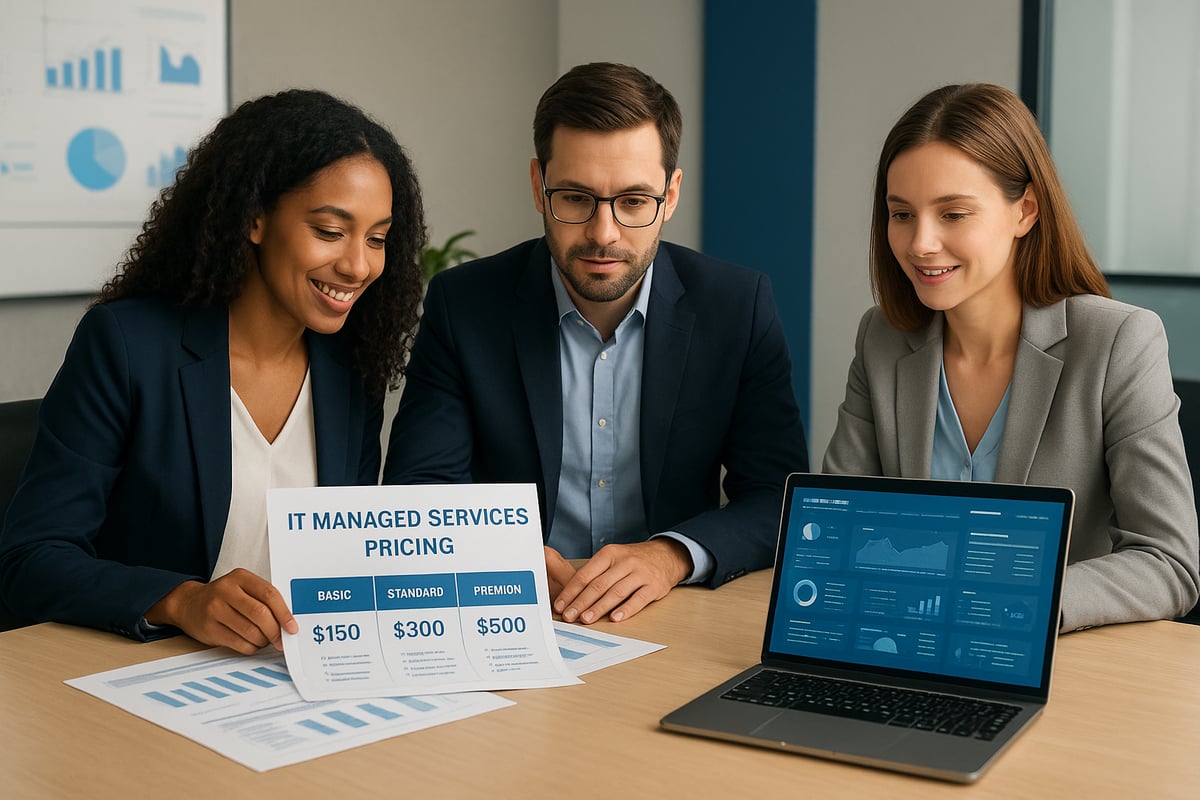
When evaluating it managed services, businesses encounter several standard pricing models. The most common is the all-you-can-eat (AYCE) monthly fee, which covers comprehensive support and maintenance for a fixed cost.
Tiered pricing offers bundles of services at different price points, allowing flexibility based on business size and requirements. Per-device and per-user models scale costs with your workforce or device count. For highly customized needs, a la carte pricing lets you select specific services.
| Pricing Model | Description | Best For |
|---|---|---|
| AYCE | Flat monthly fee for all services | Businesses wanting predictability |
| Tiered | Bundled service levels | Varying support needs |
| Per-Device/User | Charges per device or user | Growing organizations |
| A la Carte | Individual service selection | Custom requirements |
Cost-Benefit Analysis
Choosing it managed services often proves more cost-effective than hiring full-time, in-house IT staff. Organizations benefit from access to a broader skill set and advanced technologies without the overhead of salaries, training, and benefits.
Predictable monthly fees make budgeting easier and help avoid surprise expenses. Typical MSP fees range from $50 to $300 per user or device each month, depending on the scope and complexity of services.
As global IT spending is projected to hit $4.25 trillion by 2025, investing in it managed services is becoming a strategic priority for organizations seeking operational efficiency and resilience.
Value Drivers
The value of it managed solutions rests in more than just cost savings. Businesses gain:
- Access to expert knowledge and industry best practices
- Use of advanced tools and platforms otherwise out of reach
- 24/7 support for rapid issue resolution
- Reduced downtime and stronger security posture
- Improved productivity and focus on core business goals
These benefits combine to deliver a strong return on investment, especially as technology becomes more complex and essential.
Hidden Costs and Contract Considerations
While it managed services offer transparency, there are potential hidden costs to watch for. Be sure contracts clearly define service scope and expectations through detailed service-level agreements (SLAs).
Extra charges may apply for on-site visits, emergency support, or services outside the standard agreement. Review contract terms closely to avoid unexpected expenses and ensure alignment with your business needs.
Selecting the Right Pricing Model
To maximize the value of it managed solutions, align pricing models with your organization’s size, industry, and growth plans. Consider:
- Reviewing your current and future technology requirements
- Comparing pricing structures across providers
- Negotiating clear SLAs with defined response times and deliverables
- Seeking references and evaluating provider transparency
By following these steps, you can secure a partnership that supports both your budget and your long-term business objectives.
Benefits and Challenges of IT Managed Solutions
Navigating the world of it managed solutions means weighing both the tangible benefits and the potential challenges. As organizations evolve in 2026, understanding this balance is vital for making technology choices that support growth and resilience.
Major Benefits
The adoption of it managed solutions brings a host of advantages for organizations of all sizes. One of the most significant benefits is the ability to free up internal IT staff, allowing them to focus on strategic projects that drive business value rather than getting bogged down with routine maintenance.
Scalability is another key advantage. As companies grow or their needs shift, it managed services offer the flexibility to quickly adjust IT resources. This means adding or reducing user accounts, increasing storage, or expanding security measures without major disruptions.
Other benefits include:
- 24/7 support and rapid incident response
- Access to advanced security and compliance expertise
- Improved uptime and business continuity
- Enhanced return on investment (ROI)
A real-world example: many SMBs leverage it managed providers to bridge talent gaps, gaining access to enterprise-level technology and support while controlling costs.
Potential Challenges and Drawbacks
While it managed solutions offer substantial benefits, there are also challenges to consider. One common issue is the lack of on-site presence for certain technical problems, such as hardware failures, which may require physical support.
Scope limitations can also pose difficulties. Not every service is included in standard contracts, so businesses must clarify exactly what is covered to avoid unexpected gaps. Cost is another consideration, as reputable providers may charge more than initially anticipated, especially for advanced or specialized services.
There is also the risk of over-reliance on third parties for critical business systems. This can create dependencies that need to be managed carefully to maintain business control and continuity.
Mitigating Risks
To minimize the risks associated with it managed solutions, organizations should prioritize selecting providers with strong references and a proven track record. Transparency in processes, pricing, and escalation procedures is essential for building trust and avoiding misunderstandings.
Adopting a hybrid approach can also help. By combining in-house IT strengths with the specialized expertise of an it managed provider, businesses can balance control with the benefits of outsourcing.
Key steps for risk mitigation include:
- Reviewing service-level agreements (SLAs) in detail
- Establishing clear communication channels
- Conducting regular performance reviews
Industry Data and Perspectives
The it managed services industry is experiencing remarkable growth. According to recent projections, the global market value is set to nearly triple between 2025 and 2032, driven by increasing cybersecurity demands, the shift to remote work, and widespread cloud migration.
Surveys indicate that a majority of SMBs report improved performance, security, and productivity after adopting it managed solutions. These positive outcomes are fueling broader adoption and shaping how businesses approach technology management in the years ahead.
Understanding both the advantages and the challenges of it managed solutions equips organizations to make informed, strategic decisions that align with their long-term goals.
How to Choose the Right IT Managed Solutions Provider in 2026
Selecting the right it managed solutions provider is a pivotal decision for any organization aiming to futureproof its operations. The right partner brings expertise, reliability, and innovation, while a poor fit can hinder growth and security. Here is a structured approach to making an informed choice.
Evaluation Criteria for MSPs
When evaluating it managed service providers, prioritize technical expertise, industry certifications, and established partnerships. Look for MSPs with proven track records, positive references, and transparent operating procedures.
Key areas to assess include:
- Depth of technical knowledge and certifications
- Service-level agreements (SLAs) and escalation processes
- Responsiveness and availability of support
- Data center ownership and privacy policies
A provider’s reputation and operational transparency are essential for a successful it managed partnership.
Alignment With Business Goals
Your it managed provider should offer more than basic support. Seek alignment with your organization’s long-term objectives, ensuring the MSP can adapt to your evolving needs.
Consider these alignment factors:
- Customization of services to fit your workflows
- Scalability to support business growth or pivots
- Strategic consulting, including IT roadmapping and innovation planning
A strong alignment ensures your it managed strategy underpins both current operations and future ambitions.
Questions to Ask Potential Providers
Before signing any contract, ask direct questions to clarify what your it managed agreement will entail. This helps avoid surprises and ensures the provider meets your expectations.
Essential questions include:
- What services are included or excluded in the contract?
- How is support delivered: remote, on-site, or hybrid?
- What is your approach to cybersecurity and compliance?
- How do you handle emergencies and minimize downtime?
Open communication sets the tone for a successful it managed collaboration.
Red Flags and Pitfalls to Avoid
Not all it managed providers are created equal. Watch for warning signs that could indicate trouble ahead.
Be cautious of:
- Vague or incomplete SLAs
- Hidden fees or unclear pricing structures
- Lack of proactive monitoring or use of outdated technology
- Poor communication or limited support availability
Identifying these red flags early can save your organization time, money, and frustration.
Example Process: Selecting an MSP
A systematic process helps ensure the best choice. Start with a needs assessment, then shortlist potential it managed providers based on your requirements.
Typical steps include:
- Assess internal needs and goals
- Shortlist suitable providers
- Request and compare proposals
- Evaluate SLAs and service scope
- Check references and client testimonials
- Negotiate contract terms
- Onboard and regularly review performance
Following a structured approach reduces risk and maximizes the value of your it managed investment.
As you look toward 2026, having the right IT managed solutions in place can make all the difference in how smoothly your business runs and how well you adapt to new challenges. We’ve covered how proactive support, robust cybersecurity, and tailored cloud services can empower you to focus on what matters most—growing your business with confidence. If you’re ready to take the next step or have questions about securing your IT infrastructure, let’s talk. Reach out today and get expert guidance tailored to your unique needs—Call us now.

