
In 2026, the stakes for business continuity and security have never been higher. Recent studies reveal that organizations face millions in losses each year from cyber threats and unplanned downtime. As digital environments grow more complex, system and network monitoring has become a top priority for IT leaders.
This essential guide delivers a comprehensive, up-to-date overview of system and network monitoring. You will discover foundational concepts, effective monitoring approaches, must-have features, integration strategies, emerging trends, and a practical roadmap for implementation.
Explore actionable steps to safeguard your business, optimize performance, and stay ahead of evolving risks. Ready to strengthen your monitoring strategy? Let’s get started.
Understanding System and Network Monitoring in 2026
The landscape of system and network monitoring is evolving rapidly as organizations adapt to increasingly complex IT environments. In 2026, the boundaries between system and network monitoring are blurring, reflecting the rise of hybrid, cloud, and distributed architectures. Effective monitoring is now a foundational pillar for ensuring security, compliance, and uninterrupted business operations.

Defining System and Network Monitoring in Modern IT
System and network monitoring refers to the continuous observation and analysis of servers, endpoints, applications, network infrastructure, and data flows. Traditionally, system monitoring focused on the health and performance of devices and applications, while network monitoring concentrated on traffic patterns, connectivity, and security events. Today, these distinctions are less clear as tools converge to provide unified visibility across hybrid and distributed environments.
This convergence is driven by trends such as hybrid cloud adoption and the need for seamless operations, as highlighted in Gartner’s Top I&O Trends for 2026. Organizations are shifting from reactive monitoring to proactive and predictive approaches, leveraging analytics and automation to detect issues before they cause disruption. A recent industry report found that 70% of organizations have experienced increased monitoring complexity due to remote work and cloud integration.
System and network monitoring is also essential for meeting compliance requirements, maintaining security, and optimizing uptime. As environments become more dynamic, the need for comprehensive, integrated monitoring solutions only grows.
Why Monitoring is More Critical Than Ever
The importance of system and network monitoring has never been greater. Cyberattacks are on the rise, with threat actors targeting both infrastructure and endpoints. The cost of downtime in 2026 is staggering, with some estimates placing the average loss per minute in the thousands of dollars.
Regulatory pressures are intensifying, with stricter data privacy laws and industry-specific compliance mandates requiring real-time oversight and reporting. The proliferation of IoT devices, cloud services, and edge computing further expands the attack surface, making robust monitoring vital for early threat detection.
Real-world incidents highlight the value of advanced system and network monitoring. For example, organizations have prevented widespread outages by identifying unusual traffic spikes or unauthorized access attempts in real time. These capabilities enable teams to respond quickly, minimizing damage and avoiding costly disruptions.
Key Benefits for Organizations
Adopting modern system and network monitoring delivers measurable benefits for organizations of all sizes.
- Improved operational efficiency, as issues are detected and resolved faster.
- Enhanced security posture, with rapid identification of threats and vulnerabilities.
- Cost savings, due to early detection and optimized resource allocation.
- Real-time visibility, empowering informed and timely decision-making.
- Scalability and adaptability, supporting future growth and evolving technologies.
System and network monitoring supports business continuity by enabling IT teams to anticipate problems, maintain compliance, and safeguard critical assets. With the right tools and strategies, organizations can turn monitoring from a reactive chore into a proactive driver of resilience and success.
Core Approaches and Technologies in System and Network Monitoring
Staying ahead in system and network monitoring requires a clear understanding of both methodologies and technologies. As IT environments become more complex, organizations must choose the right mix of approaches to ensure visibility, efficiency, and security.
Monitoring Methodologies: Agent-Based vs. Agentless
One of the first decisions in system and network monitoring is whether to use agent-based or agentless methods.
Agent-based monitoring involves installing lightweight software agents directly on devices or endpoints. This approach offers highly granular data and real-time insights into performance, application health, and system events. However, it can introduce resource overhead and requires ongoing maintenance.
Agentless monitoring, on the other hand, relies on remote polling and standard protocols. It is easier to deploy and has minimal impact on system resources. The trade-off is that it may not provide the same depth of data, especially for application-level monitoring.
Organizations often combine both methods. For example, agent-based monitoring is ideal for critical servers where deep visibility is required, while agentless techniques work well for devices that cannot support agents or require rapid onboarding. Striking the right balance is crucial for effective system and network monitoring.
Protocols and Data Collection Techniques
Protocols and data collection methods form the backbone of system and network monitoring. SNMP (Simple Network Management Protocol) remains a staple for device status and performance. WMI (Windows Management Instrumentation) is widely used for Windows environments, enabling detailed monitoring of system health.
Flow-based protocols like NetFlow, sFlow, and IPFIX provide insights into network traffic patterns and security events. Packet capture and deep packet inspection offer even deeper analysis, though they require more resources to process.
API-based integrations have become essential for monitoring cloud platforms and SaaS applications. These allow for real-time data collection from services that do not expose traditional protocols. Emerging smart monitoring architectures, such as those described in the VINEVI: Smart Monitoring Architecture research, are advancing the field by enabling seamless monitoring across heterogeneous infrastructures and applications.
Choosing the right mix of protocols and techniques is key to comprehensive system and network monitoring.
Monitoring Across Hybrid, Cloud, and On-Premises Environments
The modern IT landscape spans on-premises data centers, multiple clouds, and edge locations. This diversity presents unique challenges for system and network monitoring.
Unified visibility is essential. Organizations are increasingly leveraging API integrations, cloud-native monitoring tools, and centralized dashboards to consolidate data from AWS CloudWatch, Azure Monitor, and on-premises network management systems. This approach helps break down silos and supports consistent monitoring policies across environments.
Hybrid and multi-cloud architectures demand flexible monitoring solutions that can adapt as infrastructure evolves. Ensuring compatibility, scalability, and security across all platforms is a foundational requirement for robust system and network monitoring.
Real-Time vs. Historical Monitoring and Analytics
Real-time monitoring is critical for detecting and responding to incidents as they happen. Instant alerts help IT teams address disruptions before they impact users or escalate into larger problems.
Historical monitoring, meanwhile, provides the data needed for trend analysis, capacity planning, and compliance verification. By analyzing logs and performance metrics over time, organizations can identify recurring issues, forecast resource needs, and uncover hidden security threats.
Combining real-time and historical perspectives allows organizations to optimize system and network monitoring, making both day-to-day operations and long-term planning more effective.
Automation and Orchestration in Monitoring
Automation is transforming system and network monitoring by streamlining repetitive tasks and reducing human error. Automated alerting ensures that the right personnel are notified immediately, while automated remediation can resolve common issues without manual intervention.
Orchestration takes this further by coordinating monitoring workflows across diverse systems and platforms. This integrated approach reduces mean time to resolution (MTTR), enhances efficiency, and allows IT teams to focus on higher-value activities.
By embedding automation and orchestration into their monitoring strategies, organizations gain the agility and resilience needed to thrive in rapidly changing environments.
Essential Features of Modern Monitoring Solutions
Modern system and network monitoring platforms are evolving rapidly to address the growing complexity of digital infrastructure. Selecting solutions with the right features is crucial for achieving robust visibility, rapid incident response, and long-term scalability.
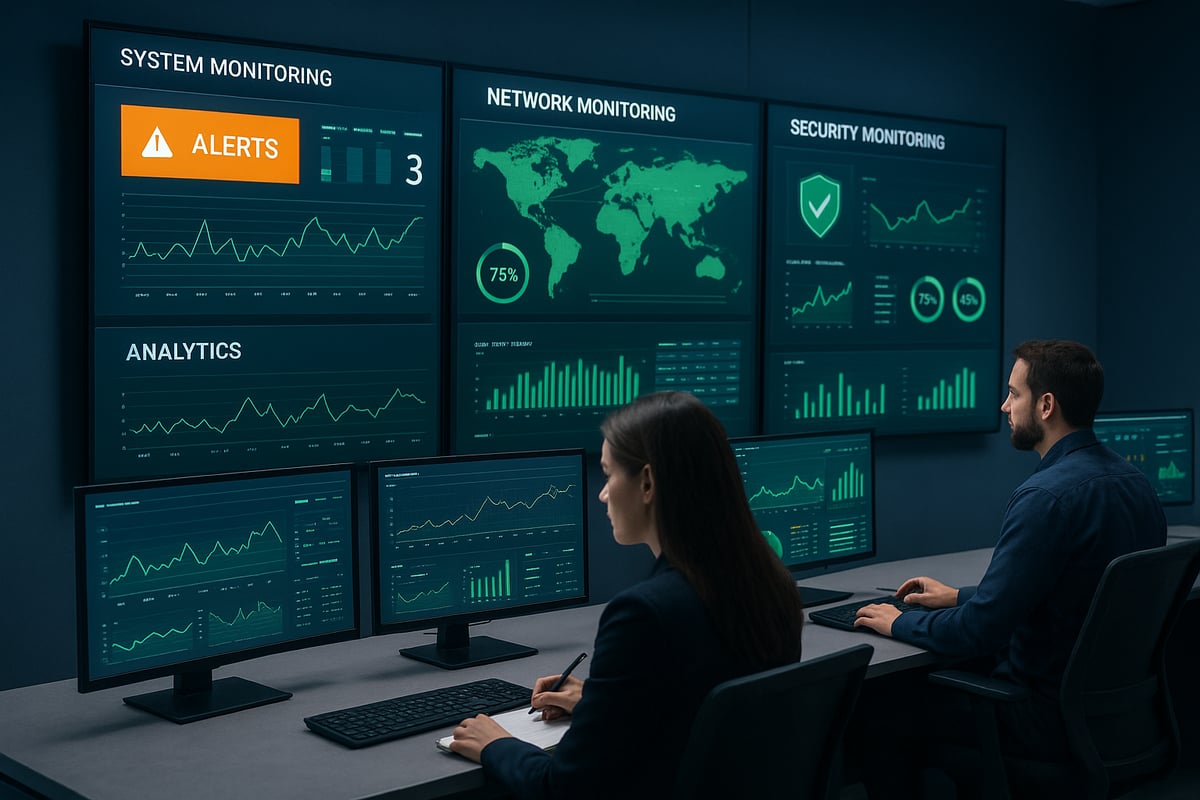
Real-Time Dashboards and Centralized Visibility
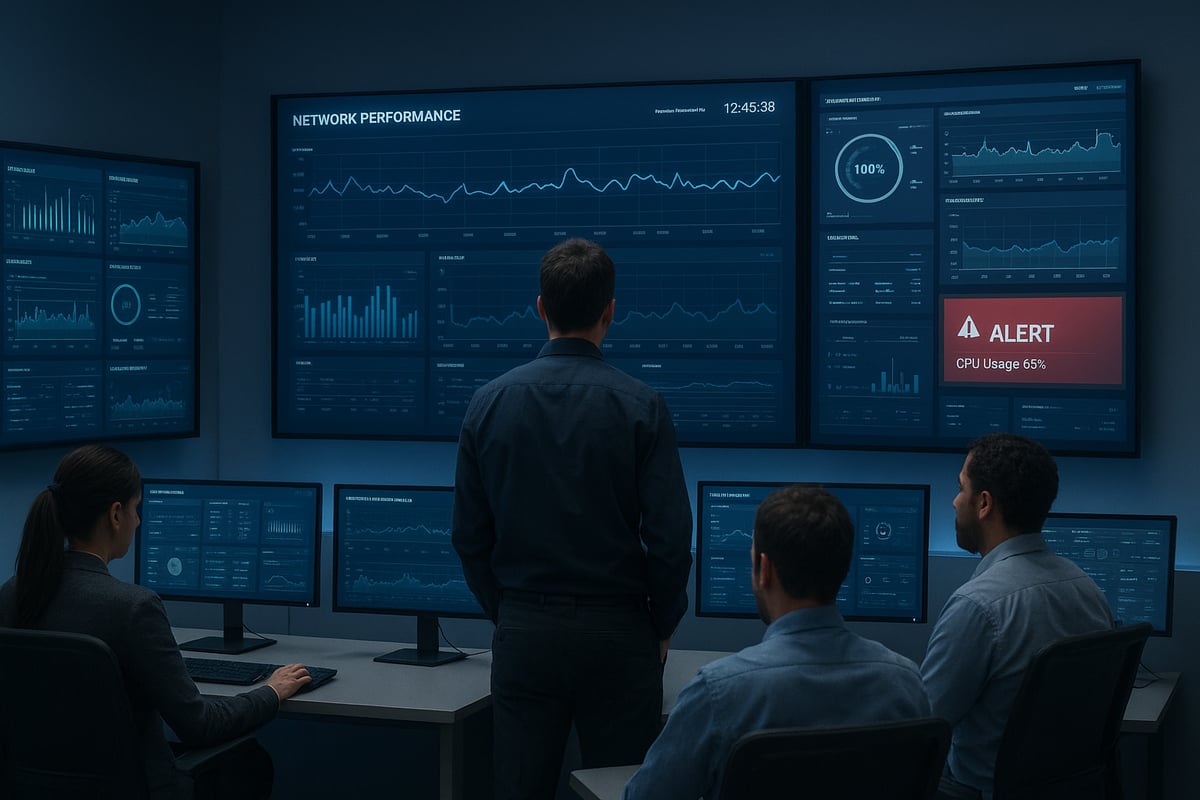
Unified dashboards are the backbone of effective system and network monitoring. They bring together data from servers, endpoints, applications, and network devices into a single, cohesive view.
Customizable dashboards allow IT and security teams to focus on what matters most. For instance, network administrators can track bandwidth usage while security analysts monitor threat indicators, all from the same platform.
Centralized visibility is especially vital for organizations with distributed workforces or hybrid environments. By consolidating monitoring data, teams can quickly identify anomalies, respond to incidents, and ensure high availability across all assets. This approach not only streamlines operations but also supports compliance and regulatory reporting.
Advanced Alerting and Incident Management
A modern system and network monitoring solution must offer intelligent, flexible alerting. Configurable thresholds, contextual notifications, and automated escalation paths ensure that teams respond only to actionable events, reducing alert fatigue.
Integration with ITSM platforms like ServiceNow or Jira enables automated ticket creation and seamless incident tracking. For example, when a critical server fails, an alert can trigger a workflow that assigns a ticket, notifies the on-call engineer, and begins remediation.
Emerging AI-driven capabilities further enhance incident management. According to AI and NetOps Trends for 2026, contextual alerting and machine learning algorithms are transforming how organizations detect and prioritize issues, making monitoring more proactive and efficient.
Scalability, Flexibility, and Extensibility
As organizations grow, their system and network monitoring needs change. Modern solutions are built to scale, supporting thousands of devices, endpoints, and cloud resources without performance loss.
Flexibility is essential for adapting to new technologies such as IoT, containers, and microservices. Extensible platforms offer plugin and API support, allowing teams to integrate custom data sources or third-party tools.
This adaptability ensures that businesses can future-proof their monitoring investments. Whether adding new locations, adopting hybrid architectures, or integrating emerging tech, scalable solutions keep operations running smoothly.
Security and Compliance Monitoring
Security and compliance are at the core of system and network monitoring today. Modern platforms integrate seamlessly with SIEM, log management, and threat detection tools, providing real-time insights into suspicious activity.
Automated compliance monitoring simplifies adherence to standards like GDPR, HIPAA, or PCI DSS. Features such as continuous log collection, audit trails, and automated reporting help organizations stay ahead of regulatory requirements.
For example, automated compliance reports can be generated on demand, reducing manual effort and supporting faster, more accurate audits. This strengthens the overall security posture and minimizes risk.
Reporting, Analytics, and Customization
Advanced reporting and analytics capabilities are essential for making sense of vast monitoring data. Solutions should support both scheduled and on-demand reports, offering deep insights into performance metrics, anomalies, and trends.
Customizable metrics and KPIs enable alignment with business goals and operational priorities. Sophisticated analytics engines can identify patterns, forecast resource needs, and detect emerging threats, all while supporting compliance documentation.
By leveraging historical data, teams can optimize resources, plan capacity, and make informed decisions. Ultimately, robust reporting and analytics turn raw monitoring data into actionable intelligence, driving continuous improvement in system and network monitoring.
Integration with IT Ecosystem and Security Tools
In 2026, successful system and network monitoring is no longer isolated. Instead, it thrives on seamless integration across diverse IT and security platforms. By connecting monitoring tools with broader IT ecosystems, organizations gain unified visibility, faster response times, and more resilient operations.
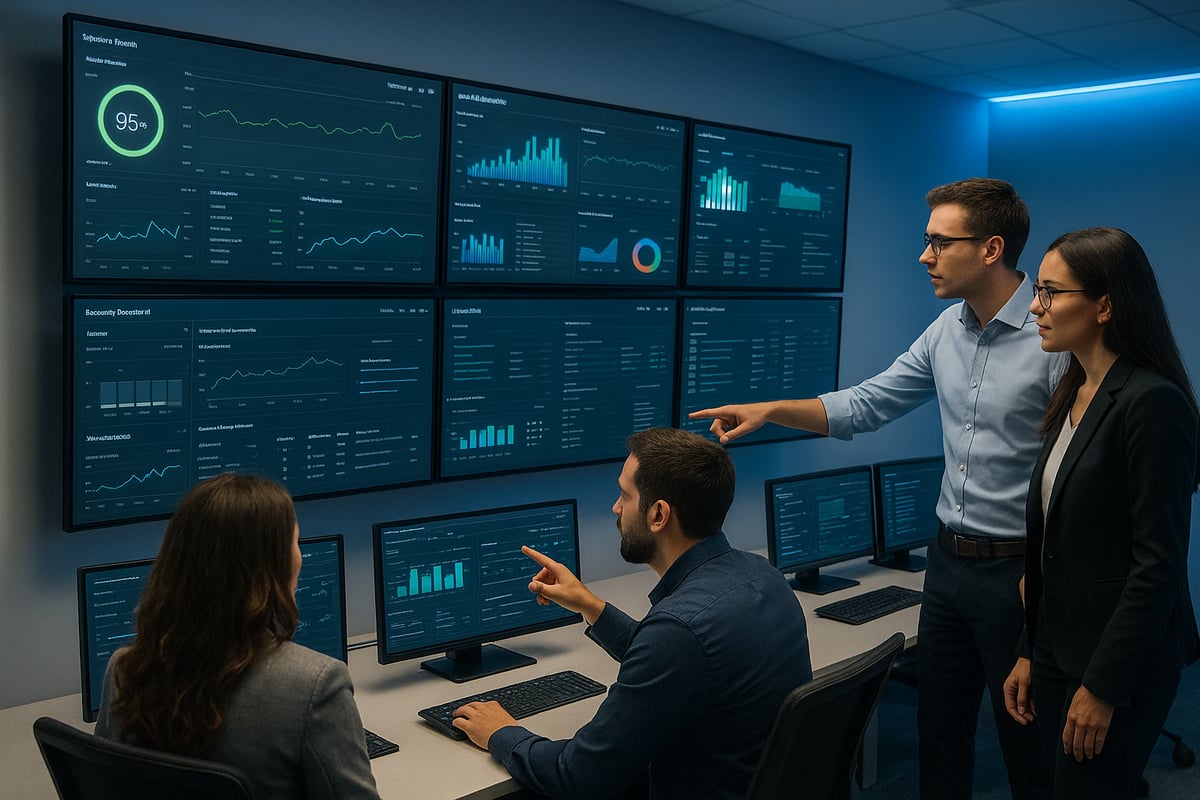
Seamless Integration with ITSM and Workflow Platforms
Integrating system and network monitoring solutions with IT Service Management (ITSM) platforms, such as ServiceNow and Jira, is essential for efficient incident management. This approach ensures alerts are automatically converted into actionable tickets and routed to the right teams.
- Streamlines incident response
- Reduces manual intervention and errors
- Promotes unified communication between technical teams
For example, when a server outage is detected through system and network monitoring, an automated workflow creates a ticket, assigns it based on severity, and tracks resolution progress. This tight integration minimizes downtime and supports business continuity.
Security Operations and SIEM Integration
A comprehensive system and network monitoring strategy must include robust integration with Security Information and Event Management (SIEM) platforms like Splunk and QRadar. This connection enables real-time forwarding of suspicious activity logs for advanced correlation and threat detection.
Security teams benefit from:
- Faster identification of threats
- Centralized analysis of security events
- Improved compliance and audit readiness
For instance, when unusual traffic patterns are detected, system and network monitoring tools instantly forward the relevant logs to SIEM systems. This enables immediate investigation and response, reducing the risk of breaches.
Log Management and Forensic Analysis
Centralized log management is a cornerstone of effective system and network monitoring. By consolidating logs from servers, endpoints, and network devices, organizations gain a unified view for troubleshooting and compliance.
Benefits include:
- Rapid root cause analysis
- Efficient forensic investigations
- Simplified audit processes
Consider a scenario where a security incident occurs. Integrated log management allows IT teams to trace the event timeline, identify affected systems, and document actions for regulatory purposes. This proactive approach enhances organizational resilience.
Cloud and SaaS Application Monitoring
Modern IT environments rely heavily on cloud and SaaS applications. Effective system and network monitoring must extend to these platforms, leveraging APIs to ensure real-time insights and SLA compliance.
Key strategies involve:
- Monitoring application performance across cloud services
- Detecting latency or availability issues before they impact users
- Integrating monitoring with cloud-native tools like AWS CloudWatch and Azure Monitor
For example, detecting slow response times in a cloud-hosted CRM can trigger automated alerts, allowing teams to address issues quickly and maintain a positive user experience.
Delphi Systems Inc.: Managed IT Services for Small Businesses in Lethbridge
Small businesses in Lethbridge benefit from managed IT services that prioritize system and network monitoring. Delphi Systems Inc. offers proactive network monitoring, cybersecurity, and cloud integration tailored for local needs.
Highlights include:
- Fixed-rate pricing for predictable costs
- Local expertise for fast, personalized support
- Real-world results, such as reduced downtime and improved business growth
By outsourcing system and network monitoring to trusted providers, small businesses ensure their IT environments remain secure, efficient, and ready for future challenges.
Emerging Trends and Future Directions in Monitoring (2026 and Beyond)
As technology evolves, so do the expectations and requirements for system and network monitoring. Organizations are embracing new tools and methodologies to keep pace with growing complexity, security threats, and regulatory demands. Let us explore the most significant trends shaping the future of monitoring.
AI and Machine Learning in Monitoring
AI and machine learning are revolutionizing system and network monitoring by enabling predictive analytics, intelligent anomaly detection, and automated remediation. These technologies help teams anticipate potential issues before they escalate, reducing false positives and improving response times. According to the SURF Tech Trends 2026 Report, AI/Ops is rapidly gaining traction, allowing organizations to process massive datasets and identify subtle patterns that humans might miss. This shift is transforming traditional monitoring into a more proactive, self-healing discipline.
Teams that leverage AI in system and network monitoring can expect enhanced accuracy and reduced operational overhead. Automated root cause analysis and intelligent alerting are becoming standard, streamlining workflows and freeing up valuable IT resources.
Observability and Full-Stack Monitoring
The conversation is moving beyond basic monitoring to full observability, integrating metrics, logs, and traces for a comprehensive view. Modern system and network monitoring tools now provide deep visibility into distributed architectures, including microservices and containers.
Observability platforms empower organizations to troubleshoot issues across the entire stack, accelerating incident resolution. For example, monitoring Kubernetes environments requires full-stack insights to understand interdependencies and performance bottlenecks. By adopting observability, teams can ensure optimal uptime and robust application performance in dynamic IT landscapes.
Edge, IoT, and Remote Workforce Monitoring
With the rapid proliferation of IoT, edge devices, and remote workforces, system and network monitoring faces new challenges. Monitoring solutions must now extend visibility to devices and endpoints that exist far beyond traditional network boundaries.
Organizations are deploying lightweight agents and leveraging cloud-native technologies to manage and secure these diverse environments. Effective system and network monitoring in this context ensures that performance, security, and compliance standards are met, even as the edge expands and users become more distributed.
Compliance, Privacy, and Data Sovereignty
Evolving data privacy regulations and regional data laws are reshaping how organizations approach system and network monitoring. Automated compliance reporting, audit trails, and data residency controls are essential to ensure adherence to GDPR, HIPAA, and emerging requirements.
Monitoring platforms now integrate with legal and compliance frameworks to provide continuous assurance. This proactive approach helps organizations avoid costly penalties and reputational risks. By embedding compliance into system and network monitoring processes, businesses can confidently navigate complex regulatory landscapes.
Sustainability and Green IT Monitoring
Sustainability is now a core business objective, and system and network monitoring plays a vital role in supporting green IT initiatives. Organizations are using monitoring tools to measure and optimize energy consumption, identify inefficient resources, and track carbon footprints.
Through actionable insights, IT teams can reduce data center energy usage and support broader environmental goals. As sustainability reporting becomes standard, integrating these capabilities within system and network monitoring solutions is essential for forward-thinking organizations.
Step-by-Step Guide to Implementing a Robust Monitoring Strategy
Effective system and network monitoring begins with a clear, structured approach. By following a series of well-defined steps, organizations can ensure that their monitoring strategy supports both current needs and future growth. Here is a step-by-step guide to help you build a robust monitoring framework.
Assessing Organizational Needs and Objectives
Start by conducting a thorough inventory of your assets, including servers, endpoints, applications, and network devices. Assess business requirements and identify critical systems that need system and network monitoring.
Engage stakeholders from IT, security, and business units to align monitoring goals with organizational objectives. Perform a risk assessment to prioritize areas that impact continuity and compliance.
A well-defined scope ensures that your monitoring efforts are focused and effective.
Selecting the Right Tools and Platforms
Choosing the right tools is essential for comprehensive system and network monitoring. Consider factors such as scalability, integration capabilities, security features, and cost.
Evaluate both open-source and commercial solutions. Create a decision matrix that compares tools based on your requirements, such as support for hybrid environments, alerting capabilities, and ease of use.
Select platforms that can adapt to changing technology landscapes and business needs.
Planning and Designing the Monitoring Architecture
Map your network topology to understand data flows and dependencies. Determine where to place sensors or agents for optimal visibility in your system and network monitoring setup.
Design the architecture with redundancy and scalability in mind. Plan for failover mechanisms to ensure monitoring continuity during outages.
Document the architecture visually, using diagrams to guide deployment and future upgrades.
Deployment, Configuration, and Integration
Deploy monitoring tools in a phased manner, starting with a pilot before rolling out organization-wide. Carefully configure alert thresholds and escalation policies to minimize false positives.
Integrate system and network monitoring with ITSM and SIEM platforms for automated incident response and compliance tracking.
Regularly review configurations to keep up with changes in your IT environment.
Ongoing Optimization and Continuous Improvement
System and network monitoring is not a set-and-forget task. Schedule regular reviews of monitoring policies, thresholds, and KPIs.
Gather feedback from users and stakeholders to identify gaps and areas for improvement. Stay updated on new technologies and best practices to enhance your monitoring strategy.
A continuous improvement mindset ensures your monitoring remains effective as your organization evolves.
As you’ve seen throughout this guide, staying ahead of cyber threats and minimizing downtime starts with a proactive approach to system and network monitoring. If you’re ready to put these strategies into action or want expert support tailored to your small business, we’re here to help. With Delphi Systems Inc., you benefit from local expertise, reliable managed IT services, and a transparent fixed-rate fee structure—so you can focus on growing your business without worrying about your IT infrastructure. If you have questions or want to discuss your monitoring needs, Call us now.

