

Cyber threats are rapidly evolving, and organizations are under more pressure than ever to safeguard their digital environments. The stakes are high, making managed security a crucial component of every business strategy for 2025.
With new attack methods and regulatory demands growing in complexity, companies need more than traditional defenses. Staying ahead requires proactive, adaptable solutions that can address both technical and compliance challenges.
This guide demystifies the managed security landscape. You’ll discover essential strategies, the latest advances in AI and automation, compliance best practices, and how to choose the right provider. Let’s chart a path to stronger protection for your organization.
The Managed Security Landscape in 2025
The managed security landscape in 2025 is defined by rapid change and escalating risks. Organizations must navigate a world where digital threats are more numerous, complex, and costly than ever before. Understanding this environment is critical for building effective managed security strategies that protect both assets and reputation.
The Evolving Threat Environment
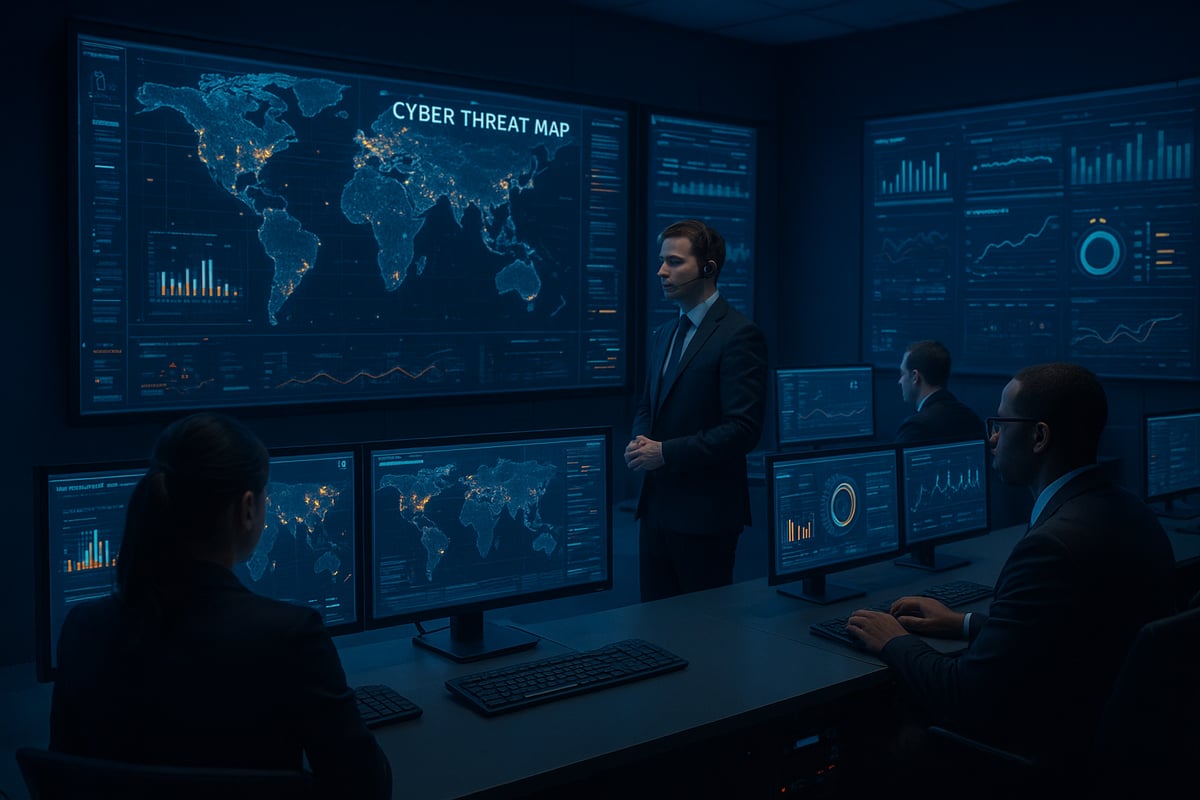
Cyber threats in 2025 have evolved at an unprecedented pace. Ransomware attacks continue to surge, with phishing campaigns and supply chain breaches growing more sophisticated. The expansion of remote and hybrid work has broadened the attack surface, making it easier for attackers to exploit vulnerabilities.
Notable incidents in 2024 and 2025 have demonstrated the severe business consequences of breaches, from operational disruptions to reputational damage. Healthcare organizations and SMBs are frequently targeted due to perceived vulnerabilities. The scale of the challenge is immense, with global cybercrime costs projected to reach $10.5 trillion annually by 2025, making managed security a top priority for every sector.
Key Components of Managed Security
Managed security services (MSS) encompass a comprehensive range of solutions designed to safeguard organizations against evolving threats. Core offerings include:
- Continuous monitoring of networks, endpoints, and cloud environments
- Rapid incident response and threat detection
- Proactive vulnerability management
- Compliance support for regulatory requirements
MSSPs differ from internal IT or security teams by offering specialized expertise, advanced tools, and around-the-clock coverage. Integration of cloud, endpoint, and network security is now standard, reflecting the interconnected nature of modern business.
| Aspect | MSSP | Internal Team |
|---|---|---|
| Coverage | 24/7 global monitoring | Limited to business hours |
| Expertise | Specialized security knowledge | General IT skills |
| Cost | Predictable, scalable pricing | High training/recruitment |
A recent case involved a mid-sized business recovering rapidly from a breach thanks to their MSSP’s incident response and remediation, highlighting the tangible value of managed security.
Drivers for Adoption
Several factors are accelerating the adoption of managed security. The global shortage of cybersecurity talent makes it difficult for organizations to maintain effective defenses internally. Managed security provides access to skilled professionals and advanced technologies without the burden of recruitment or training.
Cost efficiencies and predictable budgeting are key advantages, especially as regulatory pressures like GDPR, CCPA, and HIPAA intensify. The need for 24/7 monitoring and rapid response is universal, as threats rarely adhere to standard business hours.
Industry research shows that 60% of organizations plan to increase managed security spending in 2025, reflecting its role as a strategic investment in resilience. By leveraging managed security, businesses can confidently address evolving risks and compliance demands.
Essential Managed Security Strategies for 2025
Staying ahead of cyber threats in 2025 demands a layered, proactive approach. Organizations need to adopt managed security strategies that address modern risks, leverage advanced technologies, and ensure compliance. Let’s explore the core pillars every business should prioritize.
Proactive Threat Intelligence and Monitoring
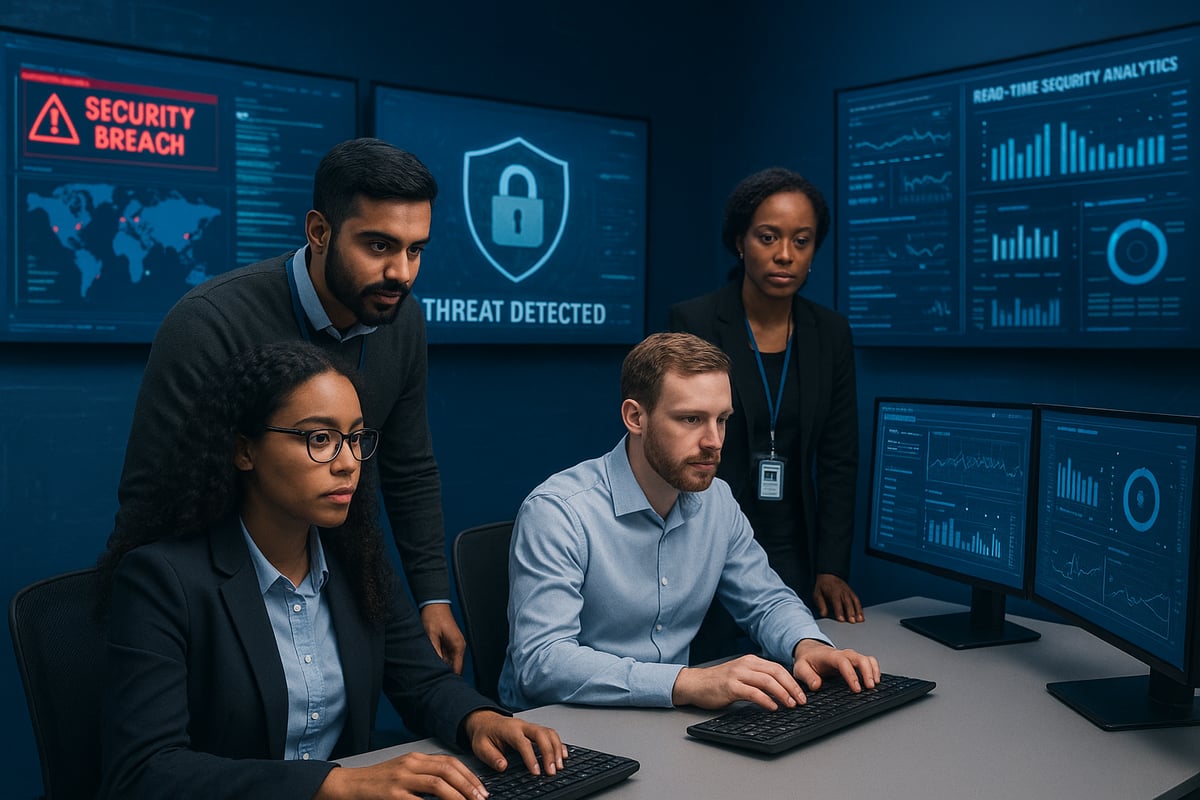
Modern attacks evolve rapidly, making real-time visibility critical. Managed security services deliver continuous monitoring across networks, endpoints, and cloud environments. By leveraging global threat intelligence feeds, these solutions detect and respond to suspicious activity as it unfolds.
Credential theft, for example, has seen a dramatic rise, emphasizing the need for early detection. According to recent reports, credential theft has surged 160% in 2025, making proactive monitoring indispensable. Managed security platforms use automated alerts and response mechanisms to stop attackers before damage occurs.
Consider a scenario where a managed SIEM identifies a zero-day exploit within minutes, allowing teams to contain the threat and prevent a breach. Without such measures, 80% of breaches remain undetected for weeks, resulting in significant losses. Proactive intelligence and monitoring form the foundation of any robust managed security strategy.
Zero Trust Architecture Implementation
Zero Trust is shifting from a best practice to a regulatory expectation. The principle is simple: never trust, always verify. Managed security strategies now incorporate Zero Trust by enforcing network segmentation, least-privilege access, and continuous identity verification.
Deploying Zero Trust means segmenting networks so that even if attackers gain entry, their movement is restricted. Managed security providers help integrate these controls into existing infrastructure, ensuring that every user and device is authenticated before accessing sensitive resources.
For distributed workforces, Zero Trust ensures secure access regardless of location. This approach not only mitigates insider threats but also meets emerging compliance standards. Managed security teams guide businesses through the transition, balancing security with user productivity.
Advanced Endpoint and Cloud Security
Endpoints and cloud workloads represent expanding attack surfaces. Managed security strategies must include advanced EDR (Endpoint Detection and Response) and XDR (Extended Detection and Response) solutions to protect devices, servers, and cloud resources.
Cloud-related breaches have climbed 30% year-over-year, underscoring the need for robust controls. Managed security providers deliver cloud workload protection, SaaS security posture management, and BYOD (Bring Your Own Device) security to safeguard remote and mobile endpoints.
Key components include continuous monitoring, automated threat detection, and rapid isolation of compromised assets. By integrating managed security for endpoints and cloud, organizations reduce risk and enable secure digital transformation.
Automated Incident Response and Recovery
Speed is essential during a cyber incident. Managed security services offer automated playbooks to address ransomware, phishing, and insider threats. These playbooks orchestrate response actions, minimizing manual intervention and reducing response times.
SOAR (Security Orchestration, Automation, and Response) platforms streamline workflows by connecting detection tools to response mechanisms. For example, when a phishing email is detected, the system can automatically quarantine affected mailboxes and notify users.
Disaster recovery and business continuity planning are also critical. Managed security teams ensure organizations can restore operations quickly after an incident, limiting downtime and financial impact. Automation empowers small teams to effectively counter complex threats.
Regular Vulnerability Assessments and Penetration Testing
Unpatched vulnerabilities remain a primary entry point for attackers. Managed security includes scheduled vulnerability scans, risk assessments, and penetration testing to identify and address weaknesses before they are exploited.
Red teaming, offered as a managed service, simulates real-world attack scenarios and tests incident response readiness. By prioritizing remediation based on business risk, organizations focus resources where they matter most.
Statistics show that 57% of breaches are linked to unpatched vulnerabilities. Regular testing and assessment by managed security providers close these gaps and strengthen overall defense.
Compliance-Driven Security Operations
Compliance is a top driver for managed security adoption. Regulations like PCI DSS, HIPAA, and GDPR require continuous monitoring, audit trails, and data protection protocols. Managed security teams provide compliance monitoring, automated reporting, and evidence collection for audits.
Healthcare, financial, and retail sectors rely on managed security to maintain regulatory alignment. Providers offer tailored solutions, including managed compliance dashboards and real-time alerts for policy violations.
A strong managed security program ensures organizations stay ahead of evolving standards, protecting sensitive data and maintaining customer trust. By embedding compliance into daily operations, businesses reduce risk and demonstrate accountability.
The Role of AI, Automation, and Analytics in Managed Security
Artificial intelligence, automation, and analytics are transforming managed security in 2025. As threat actors become more sophisticated, organizations must leverage these technologies to detect, prevent, and respond to cyber risks faster than ever before. Managed security providers are integrating AI and automation to deliver proactive, adaptive defenses that keep pace with the evolving threat landscape.
AI-Driven Threat Detection and Prevention
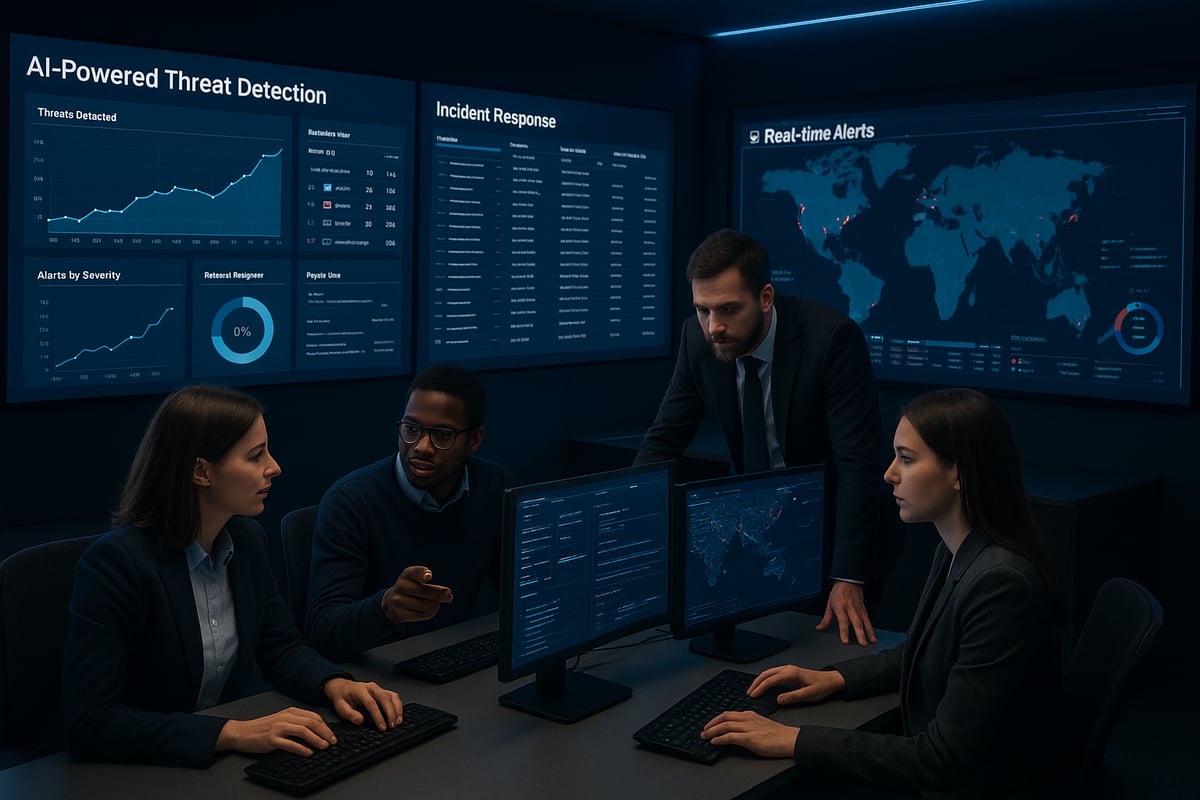
AI is now integral to managed security, powering advanced threat detection and prevention systems. Machine learning algorithms analyze behavioral patterns, identify anomalies, and detect zero-day exploits in real time.
AI-driven tools rapidly scan vast amounts of data across networks, endpoints, and cloud environments. They can recognize subtle indicators of compromise that traditional tools miss. For example, AI can halt polymorphic ransomware within seconds, preventing widespread damage.
The scale and speed of AI in cybersecurity are staggering. According to AI powering a “dramatic surge” in cyberthreats as automated scans hit 36,000 per second, threat actors are also leveraging AI, making defensive AI even more critical. Managed security solutions must stay ahead by using AI to reduce detection times by up to 90%, ensuring threats are contained before they can escalate.
Security Automation and Orchestration
Automation is a force multiplier for managed security teams, streamlining processes and reducing manual errors. Security Orchestration, Automation, and Response (SOAR) platforms enable organizations to automate incident response workflows, from alert triage to containment and remediation.
Automated playbooks address common threats such as phishing and ransomware, allowing rapid, consistent response. Integration with existing security stacks ensures seamless operation and reduces mean time to respond (MTTR).
Benefits of automation in managed security include:
- Faster incident resolution
- 24/7 threat monitoring without fatigue
- Consistent application of security policies
By automating routine tasks, managed security providers allow skilled analysts to focus on more complex threats, improving overall security posture.
Advanced Analytics and Reporting
Analytics are essential for turning raw security data into actionable insights. Managed security platforms use real-time dashboards to visualize threats, vulnerabilities, and compliance metrics.
Predictive analytics help organizations anticipate risks and allocate resources effectively. Automated reporting streamlines compliance, offering executive summaries and detailed audit trails for regulations like PCI DSS and HIPAA.
A sample analytics dashboard might include:
| Metric | Value | Trend |
|---|---|---|
| Detected Incidents | 125/mo | ↑ 15% |
| Average Response Time | 7 min | ↓ 25% |
| Compliance Status | Pass | Stable |
Advanced analytics in managed security empower organizations to prioritize investments and demonstrate measurable improvements to stakeholders.
Human-AI Collaboration
While AI and automation drive efficiency, human expertise remains vital in managed security. Security analysts interpret complex alerts, investigate nuanced threats, and make strategic decisions that machines cannot.
Human-AI collaboration enhances threat hunting and incident response. Analysts must continuously upskill to work alongside AI tools, ensuring oversight and adapting to emerging attack techniques.
Managed security providers invest in training their teams to leverage AI while maintaining human judgment. This balance delivers robust protection, combining technological speed with analytical depth and experience.
Compliance, Privacy, and Regulatory Considerations
The regulatory landscape for managed security is shifting rapidly in 2025. Organizations must adapt to new laws, stricter enforcement, and growing privacy expectations. Staying compliant is not just a checkbox activity, but a core part of risk management and business continuity.

Navigating the Regulatory Landscape
Regulations such as GDPR, CCPA, HIPAA, NIST, and ISO 27001 set the foundation for managed security programs. In 2025, new mandates around data sovereignty, AI governance, and industry-specific controls are emerging.
Businesses must track updates and proactively assess how these changes affect their managed security obligations. For example, healthcare and financial sectors face unique privacy and reporting requirements. Adapting to evolving laws ensures both legal protection and customer trust.
Managed Security for Compliance Assurance
Managed security providers support ongoing compliance through tools and expertise. Continuous monitoring, real-time gap analysis, and automated audit support help organizations maintain standards year-round.
A healthcare firm, for instance, may use managed security to achieve HIPAA compliance by tracking access logs and automating incident reports. Providers also help interpret regulations and tailor solutions that fit each client’s risk profile. Compliance is no longer reactive—it is built into every security operation.
Data Privacy and Protection Strategies
Protecting sensitive data is a critical pillar of managed security. Encryption, data loss prevention, and secure storage are essential tactics for defending privacy. Managing cross-border data transfers is increasingly complex, especially with stricter regional laws.
Employee awareness is just as vital. Regular vulnerability assessments and phishing training, as highlighted in Sustaining Cyber Awareness: The Long-Term Impact of Continuous Phishing Training and Emotional Triggers, reinforce a culture of security and reduce risk. In fact, 70% of organizations now cite compliance as the top driver for managed security adoption.
Reporting and Documentation
Accurate reporting and thorough documentation are vital for effective managed security and regulatory compliance. Automated compliance reporting simplifies internal and external audits, while audit trails and incident logs provide transparency.
For example, managed security platforms can streamline PCI DSS reporting and maintain records for years. This not only demonstrates due diligence but also enables organizations to respond quickly to inquiries from regulators or clients.
Selecting and Partnering with a Managed Security Provider
Choosing the right managed security provider is a pivotal decision for any organization. With threats evolving rapidly, aligning your needs with the right partner can make all the difference in your defense posture.
Defining Business Needs and Risk Profile
Start with a clear assessment of your organization's current managed security posture. Identify gaps in coverage, critical assets, and regulatory requirements.
Consider factors like company size, industry, and risk tolerance. For example, small businesses may prioritize affordability and essential protections, while enterprises seek advanced, scalable solutions.
Align your managed security objectives with business goals to ensure that investments deliver measurable risk reduction.
Evaluating Provider Capabilities
When evaluating providers, focus on certifications, technology stack, and experience with your industry. Look for service level agreements that guarantee 24/7 support and rapid response times.
Ask about incident response processes, threat intelligence integration, and reporting features. According to industry data, 48% of breaches involve third-party providers, making thorough vetting essential.
For a comprehensive comparison of leading providers, consult resources like the Gartner Magic Quadrant for Managed Security Services to inform your decision.
Understanding Service Models and Pricing
Managed security offerings often come in fully managed or co-managed models. In fully managed scenarios, the provider handles all aspects of security, while co-managed options allow for collaboration with your in-house team.
Pricing structures may be fixed-rate or usage-based. Review contracts for transparency and watch for hidden fees that could impact your budget.
Selecting the right service model ensures your managed security investment aligns with both operational needs and financial constraints.
Onboarding and Integration Best Practices
Effective onboarding is crucial for a smooth transition to managed security services. Begin with a detailed implementation plan, including asset inventory, data migration, and staff training.
Ensure seamless integration with existing IT infrastructure and workflows. Collaboration between your internal team and the provider will accelerate adoption and minimize disruption.
A well-structured onboarding process sets the stage for long-term managed security success.
Ongoing Communication and Collaboration
Establish clear points of contact and escalation procedures with your managed security provider. Regular reviews of your security posture and strategy updates are vital.
Track performance using agreed-upon metrics, such as incident response times and compliance status. Open communication fosters a proactive approach to evolving threats.
Strong collaboration ensures your managed security partnership remains effective as your business grows.
Future Trends and Innovations in Managed Security
The managed security landscape is rapidly evolving as organizations adapt to emerging threats and technologies. Looking ahead to 2025 and beyond, several key innovations are shaping how businesses defend their assets.
Rise of Managed Detection and Response (MDR) and SOC-as-a-Service
MDR is quickly becoming a cornerstone of managed security for organizations seeking advanced threat detection and response. By leveraging 24/7 monitoring, threat hunting, and rapid incident containment, MDR addresses the growing sophistication of cyberattacks.
SOC-as-a-Service offers similar benefits, especially for small and mid-sized businesses lacking in-house resources. With MDR adoption set to grow by 20 percent annually through 2027, these services provide scalable solutions for businesses of all sizes.
AI and Quantum-Driven Security Solutions
Artificial intelligence is dramatically enhancing managed security capabilities. AI enables real-time anomaly detection, automated malware analysis, and adaptive defense strategies. These advancements help reduce response times and improve accuracy.
Quantum computing presents both opportunities and risks. While it can strengthen encryption, it also challenges current cryptographic standards. Early pilots of quantum-resistant algorithms are underway, preparing managed security providers for the next era of cyber defense.
Expansion of Security for IoT and OT Environments
The proliferation of IoT and operational technology (OT) devices introduces unique risks. Managed security services are evolving to protect industrial, healthcare, and smart building systems.
Case studies show how securing manufacturing plant IoT devices prevents disruptions. Specialized managed security measures address device vulnerabilities, network segmentation, and regulatory compliance for these environments.
Increasing Focus on User Awareness and Human Risk
Human error remains a leading cause of breaches. As a result, managed security now emphasizes user training and phishing simulation services.
Behavioral analytics help detect insider threats by monitoring unusual user activity. Regular awareness programs and interactive training modules further reduce the likelihood of successful attacks.
Predictive and Preventative Security Approaches
The future of managed security is proactive rather than reactive. Predictive analytics and big data are used to forecast risks and prevent incidents before they occur.
For example, predictive models can alert teams to supply chain vulnerabilities. By shifting to preventative strategies, organizations can stay one step ahead of evolving threats.
As you plan your security strategy for 2025, it’s clear that navigating evolving threats, compliance requirements, and new technologies can feel overwhelming. But you don’t have to do it alone. At Delphi Systems Inc., we help small businesses in Lethbridge and beyond stay focused on their core goals while we manage the complexity of IT security—from proactive monitoring and cloud protection to compliance and rapid response. If you’re ready to secure your business against tomorrow’s risks and enjoy peace of mind with a trusted partner, Call us now.

