Running a small business in 2026 requires more than just excellent products or services. Business owners face an increasingly complex landscape of threats ranging from cyberattacks and data breaches to equipment failures and natural disasters. Effective protection for business operations isn't optional anymore; it's a fundamental requirement for survival and growth. Organizations that implement comprehensive protective measures gain competitive advantages through improved reliability, enhanced customer trust, and reduced operational disruptions. This guide explores essential strategies for safeguarding your business infrastructure, with particular focus on IT systems that keep modern enterprises running smoothly.
Understanding the Critical Need for Business Protection
Small businesses often underestimate their vulnerability to various threats. Many owners assume that hackers target only large corporations or that disasters won't affect their specific location. This false sense of security leaves countless organizations exposed to preventable losses.
The financial impact of inadequate protection for business assets can be devastating. According to recent data, the average cost of a data breach for small businesses exceeds $200,000, and 60% of companies that experience a major data loss close within six months. These statistics highlight why proactive protection strategies are essential investments rather than unnecessary expenses.
Types of Threats Facing Modern Businesses
Today's business environment presents numerous risks that demand attention:
- Cybersecurity threats including ransomware, phishing attacks, and malware infections
- Data loss events caused by hardware failures, human errors, or malicious actions
- Network downtime resulting from equipment malfunctions or connectivity issues
- Compliance violations leading to regulatory penalties and legal consequences
- Natural disasters such as floods, fires, or severe weather events
- Employee-related risks including accidental data deletion or insider threats
Understanding these threat categories helps businesses develop comprehensive protection strategies. Each risk type requires specific countermeasures and preventive approaches.

Essential Components of Protection for Business IT Infrastructure
Modern businesses depend heavily on technology infrastructure, making IT protection a cornerstone of overall business continuity. A well-designed IT protection strategy addresses multiple layers of vulnerability simultaneously.
Network Security and Monitoring
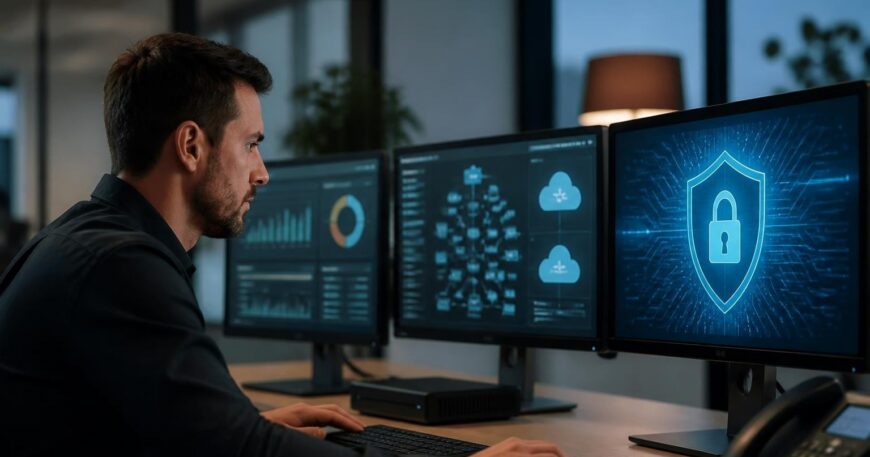
Continuous network monitoring serves as your first line of defense against intrusions and performance issues. Professional monitoring systems track network traffic patterns, identify anomalies, and alert administrators to potential security breaches before they escalate into major incidents.
Advanced network security includes several critical elements:
- Firewall configuration to control incoming and outgoing traffic
- Intrusion detection systems that identify unauthorized access attempts
- Regular security audits to identify and patch vulnerabilities
- Access control policies limiting system access to authorized personnel only
- Network segmentation to contain potential breaches and limit damage
Implementing proper cybersecurity risk management frameworks provides structured approaches for identifying, assessing, and mitigating IT security threats systematically.
Data Backup and Recovery Solutions
No protection for business operations is complete without robust data backup systems. Regular automated backups ensure that critical information remains accessible even when primary systems fail or fall victim to attacks.
| Backup Type | Recovery Speed | Storage Location | Best For |
|---|---|---|---|
| Local Backup | Fastest (minutes) | On-site servers | Quick restores |
| Cloud Backup | Moderate (hours) | Remote data centers | Disaster recovery |
| Hybrid Backup | Variable | Both locations | Comprehensive protection |
The 3-2-1 backup rule remains a gold standard: maintain three copies of data, on two different media types, with one copy stored off-site. This approach protects against hardware failures, site-specific disasters, and ransomware attacks simultaneously.
Recovery time objectives (RTO) and recovery point objectives (RPO) define acceptable downtime and data loss parameters. Small businesses should establish these metrics based on operational requirements and financial constraints.
Developing a Comprehensive Risk Management Strategy
Effective protection for business assets requires systematic risk management planning that identifies vulnerabilities and implements appropriate countermeasures. This process goes beyond technology to encompass operational, financial, and strategic considerations.
Risk Assessment and Identification
Begin by conducting thorough assessments of your business environment:
- Catalog all critical assets including servers, workstations, data repositories, and applications
- Identify potential threats specific to your industry and geographic location
- Evaluate existing security measures and their effectiveness
- Determine the potential impact of various risk scenarios on operations
- Prioritize risks based on likelihood and potential damage
Documentation throughout this process creates valuable reference materials for ongoing security improvements and compliance requirements.
Implementing Protective Measures
Once risks are identified, deploy layered protection strategies addressing each vulnerability category. This multi-faceted approach ensures that single-point failures don't compromise entire systems.
Technical safeguards form the foundation of IT protection. These include encryption for data at rest and in transit, multi-factor authentication for user access, regular software updates and patch management, and automated security monitoring tools.
Administrative controls establish policies and procedures guiding employee behavior. Develop comprehensive acceptable use policies, incident response protocols, and regular security training programs. Staff awareness significantly reduces risks from phishing attempts and social engineering attacks.
Physical security measures protect hardware and facilities. Implement access controls for server rooms, surveillance systems for sensitive areas, and environmental controls preventing damage from temperature, humidity, or power fluctuations.

Insurance and Legal Protection for Business Operations
While IT security focuses on preventing incidents, insurance and legal structures provide financial protection when problems occur. These complementary approaches work together to minimize business exposure.
Business Insurance Coverage
Different insurance types address specific risk categories. Business insurance options vary based on industry, size, and operational characteristics, but certain coverages benefit most small businesses:
General liability insurance protects against third-party claims for bodily injury or property damage. This coverage is essential for any business interacting with customers or vendors.
Cyber liability insurance addresses the unique risks of digital operations, covering costs associated with data breaches, including notification expenses, credit monitoring for affected parties, legal fees, and regulatory fines.
Business interruption insurance compensates for lost income during periods when operations cannot continue normally due to covered events. This protection proves invaluable when disasters force temporary closures.
Professional liability insurance (also called errors and omissions insurance) protects service-based businesses against claims of negligent work or failure to deliver promised services.
Legal Structures and Asset Protection
Choosing appropriate business entity structures creates legal separation between personal and business assets. This separation limits personal liability exposure when business problems arise.
Corporations and limited liability companies (LLCs) provide liability shields protecting owners' personal assets from business debts and legal judgments. Maintaining this protection requires strict adherence to corporate formalities including separate bank accounts, regular meetings, and proper documentation of business decisions.
Employee Training and Security Awareness
Human error remains a leading cause of security incidents, making employee education critical for effective protection for business systems. Even sophisticated technical defenses fail when employees fall victim to social engineering or fail to follow security protocols.
Building a Security-Conscious Culture
Transform security from an IT department responsibility into an organization-wide priority. Regular training sessions should cover:
- Recognizing phishing emails and suspicious communications
- Creating strong passwords and using password managers
- Identifying social engineering tactics used by attackers
- Proper handling of sensitive information both digital and physical
- Reporting procedures for suspected security incidents
Interactive training methods including simulated phishing exercises provide practical experience identifying threats. These exercises measure employee awareness while reinforcing important concepts.
Access Management and User Privileges
Implement the principle of least privilege, granting employees only the system access necessary for their specific job functions. This approach limits potential damage from compromised accounts or malicious insiders.
Regular access reviews ensure that permissions remain appropriate as roles change. Former employees should have system access revoked immediately upon departure to prevent unauthorized access.
Cloud Computing and Modern Protection Strategies
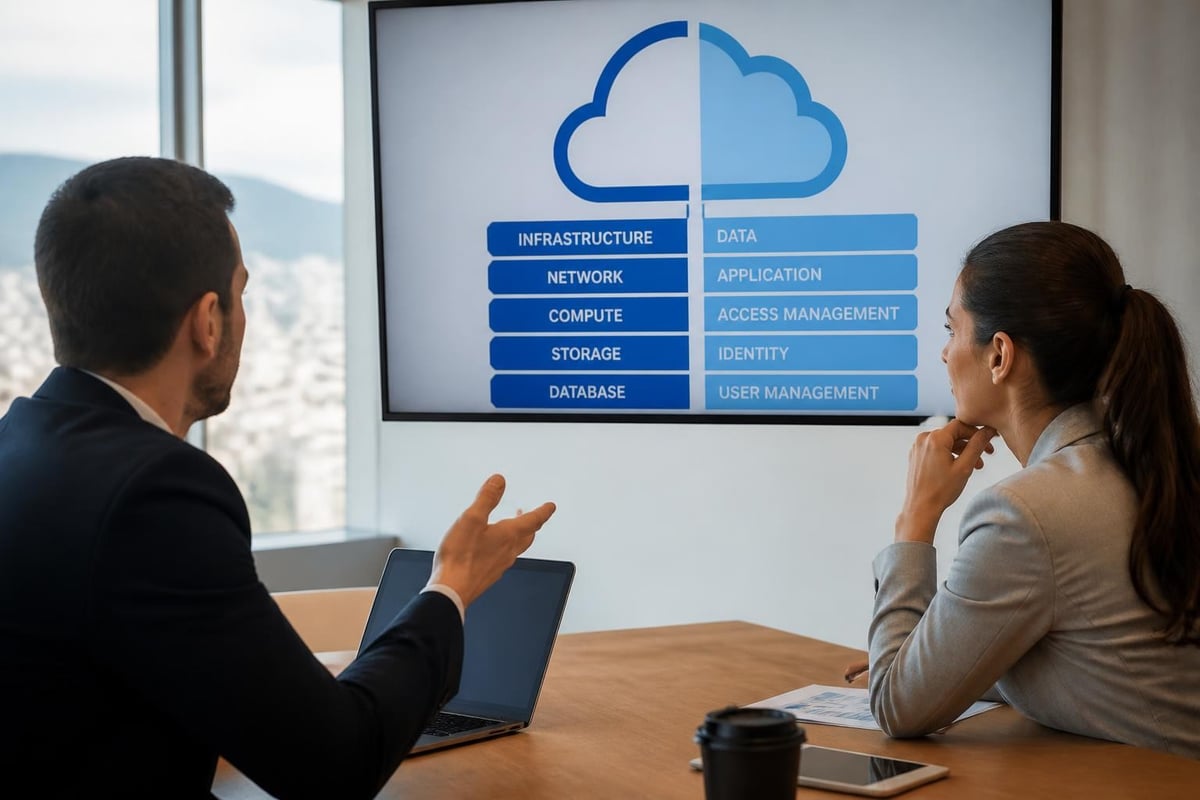
Cloud services have transformed how businesses operate, offering scalability, flexibility, and cost efficiency. However, cloud adoption requires careful attention to security best practices ensuring that data remains protected in shared environments.
Cloud Security Considerations
Cloud providers offer robust security infrastructure, but responsibility for data protection remains shared between provider and customer. Understanding this shared responsibility model prevents dangerous security gaps.
Data encryption should occur before information leaves your premises, ensuring that even cloud providers cannot access sensitive business information without proper authorization. End-to-end encryption protects data throughout its lifecycle.
Identity and access management systems control who can access cloud resources and what actions they can perform. Multi-factor authentication adds critical protection layers for cloud accounts.
Regular security audits of cloud configurations identify misconfigurations that could expose data. Many breaches result from improperly configured storage buckets or overly permissive access policies rather than sophisticated attacks.
| Cloud Security Element | Purpose | Implementation Priority |
|---|---|---|
| Encryption | Protect data confidentiality | Critical |
| Access Controls | Limit unauthorized access | Critical |
| Activity Monitoring | Detect suspicious behavior | High |
| Backup Verification | Ensure recovery capability | High |
| Compliance Validation | Meet regulatory requirements | Medium to High |
Compliance and Regulatory Requirements
Many industries face specific regulatory requirements governing data protection and privacy. Non-compliance can result in substantial fines, legal liabilities, and reputation damage, making regulatory adherence an essential aspect of protection for business operations.
Common Compliance Frameworks
Different regulations apply based on business activities and customer types:
- PIPEDA (Personal Information Protection and Electronic Documents Act) governs how Canadian businesses handle personal information
- PCI DSS (Payment Card Industry Data Security Standard) applies to organizations processing credit card transactions
- HIPAA (Health Insurance Portability and Accountability Act) protects healthcare information in the United States
- GDPR (General Data Protection Regulation) affects businesses serving European Union residents
Understanding which regulations apply to your operations ensures appropriate protective measures are implemented. Compliance frameworks often provide valuable security guidance even when not legally required.
Documentation and Audit Trails
Comprehensive documentation demonstrates compliance efforts and provides evidence during audits or investigations. Maintain detailed records of:
- Security policies and procedures
- Employee training completion
- System access logs and changes
- Incident response activities
- Vendor security assessments
- Regular backup verification tests
Automated logging systems capture this information without requiring manual effort, ensuring completeness and accuracy. Risk management planning incorporates these documentation requirements into overall business processes.
Vendor Management and Third-Party Risk
Modern businesses rarely operate in isolation. Relationships with vendors, service providers, and partners introduce additional risks requiring careful management as part of comprehensive protection for business ecosystems.
Evaluating Vendor Security Practices
Third-party access to your systems or data creates potential vulnerability points. Before granting such access, evaluate vendors' security practices through:
Security questionnaires assessing their policies, procedures, and technical controls. Request evidence of security certifications like ISO 27001 or SOC 2 compliance.
Contractual provisions should clearly define security responsibilities, incident notification requirements, and liability for breaches. Service level agreements (SLAs) establish performance expectations and consequences for failures.
Regular reviews ensure that vendor security practices remain adequate as threats evolve. Annual assessments identify degradation in security posture before problems occur.
Managing Service Provider Relationships
When working with managed service providers, clarify the scope of their protection responsibilities. Quality providers offer:
- Proactive monitoring and threat detection
- Regular security updates and patch management
- Incident response capabilities
- Clear communication channels for security concerns
- Transparent reporting on system health and security status
Establishing these expectations upfront prevents misunderstandings about responsibility boundaries. Delphi Systems Inc. provides clearly defined service agreements outlining protection responsibilities for Lethbridge-area businesses.
Incident Response and Business Continuity Planning
Despite best prevention efforts, security incidents and disruptions will occasionally occur. Preparation through incident response and business continuity planning minimizes damage and accelerates recovery.
Developing Incident Response Procedures
Structured response procedures ensure consistent, effective handling of security events:
- Detection and identification of the incident type and scope
- Containment to prevent spread or additional damage
- Eradication of the threat from affected systems
- Recovery of normal operations with verified clean systems
- Post-incident review identifying lessons and improvement opportunities
Document these procedures in accessible formats ensuring that staff can reference them during high-stress situations. Regular testing through tabletop exercises reveals gaps before real incidents occur.
Business Continuity and Disaster Recovery
Business continuity planning extends beyond IT systems to address all aspects of operations. Comprehensive plans identify:
- Critical business functions and their dependencies
- Alternative operating procedures during disruptions
- Communication protocols for employees, customers, and stakeholders
- Recovery time objectives for different operational components
- Resource requirements for maintaining essential activities
Testing these plans annually validates assumptions and builds organizational muscle memory for crisis situations. Legal protections against lawsuits include demonstrating reasonable preparation for foreseeable risks.
Technology Infrastructure Maintenance
Ongoing maintenance represents a critical but often overlooked aspect of protection for business technology systems. Deferred maintenance creates vulnerabilities that attackers readily exploit.
Patch Management and Updates
Software vulnerabilities emerge continuously as researchers discover flaws in existing code. Vendors release patches addressing these vulnerabilities, but patches provide no protection until actually installed on affected systems.
Establish systematic patch management processes including:
- Automated vulnerability scanning to identify systems requiring updates
- Testing procedures ensuring patches don't disrupt critical applications
- Scheduled maintenance windows for applying updates with minimal operational impact
- Emergency patching protocols for critical zero-day vulnerabilities
Delaying patches by even a few days provides attackers opportunities to exploit known vulnerabilities. Automated patch deployment balances security needs with operational stability.
Hardware Lifecycle Management
Aging equipment increases failure risks and often lacks security features found in modern alternatives. Develop replacement schedules based on:
| Equipment Type | Typical Lifespan | Replacement Trigger |
|---|---|---|
| Servers | 4-5 years | Warranty expiration |
| Workstations | 3-4 years | Performance degradation |
| Networking Equipment | 5-7 years | End of vendor support |
| Backup Systems | 3-5 years | Capacity limitations |
Proactive replacement prevents unexpected failures during critical periods. Budgeting for regular equipment refresh cycles spreads costs predictably rather than forcing emergency purchases at premium prices.
Measuring Protection Effectiveness
Implementing security measures without measuring their effectiveness wastes resources and creates false confidence. Establish metrics tracking protection for business systems performance over time.
Key Performance Indicators
Track meaningful metrics revealing security posture trends:
- Mean time to detect (MTTD) security incidents
- Mean time to respond (MTTR) to detected threats
- Percentage of systems with current patches within target timeframes
- Successful backup verification rate ensuring recoverability
- Security awareness training completion percentages
- Number of detected versus prevented security incidents
Regular reporting of these metrics to leadership demonstrates security program value and justifies continued investment in protective measures.
Continuous Improvement Processes
Security effectiveness improves through iterative refinement based on measurement results and evolving threat landscapes. Schedule quarterly reviews assessing:
- Emerging threats relevant to your industry
- Changes in regulatory requirements
- Effectiveness of current controls
- Resource allocation optimization opportunities
- Employee feedback on security procedures
This continuous improvement cycle ensures that protection strategies remain relevant and effective as business needs and threat environments evolve.
Effective protection for business operations requires comprehensive strategies addressing technology, people, processes, and governance. By implementing layered defenses, maintaining current systems, and fostering security-conscious cultures, small businesses can significantly reduce their vulnerability to various threats. Delphi Systems Inc. helps Lethbridge-area businesses implement robust IT protection strategies through managed services including cybersecurity, network monitoring, and data backup solutions. With fixed-rate pricing and proactive support, local businesses can focus on growth while ensuring their technology infrastructure remains secure and reliable.

