

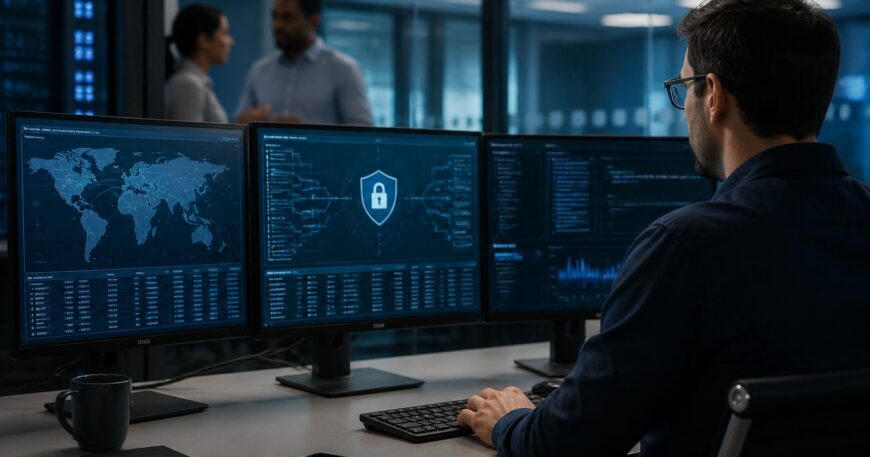
Computing security has evolved from a technical afterthought into a critical business imperative that directly impacts operational continuity, customer trust, and financial stability. As cyber threats grow more sophisticated in 2026, small businesses face unprecedented challenges protecting their digital assets, customer data, and network infrastructure. Understanding the fundamentals of computing security and implementing comprehensive protection strategies is no longer optional but essential for survival in today's interconnected business landscape.
The Evolving Computing Security Landscape
The threat environment facing businesses in 2026 differs dramatically from just a few years ago. Cybercriminals now leverage artificial intelligence to automate attacks, create convincing phishing campaigns, and identify vulnerabilities faster than traditional security measures can respond. AI-powered cyberattacks represent a growing concern as malicious actors use machine learning to bypass conventional defenses.
Traditional computing security approaches that relied on perimeter defense and periodic updates no longer provide adequate protection. Modern threats require continuous monitoring, real-time threat intelligence, and adaptive security measures that evolve alongside emerging risks.
Multi-Layered Defense Architecture
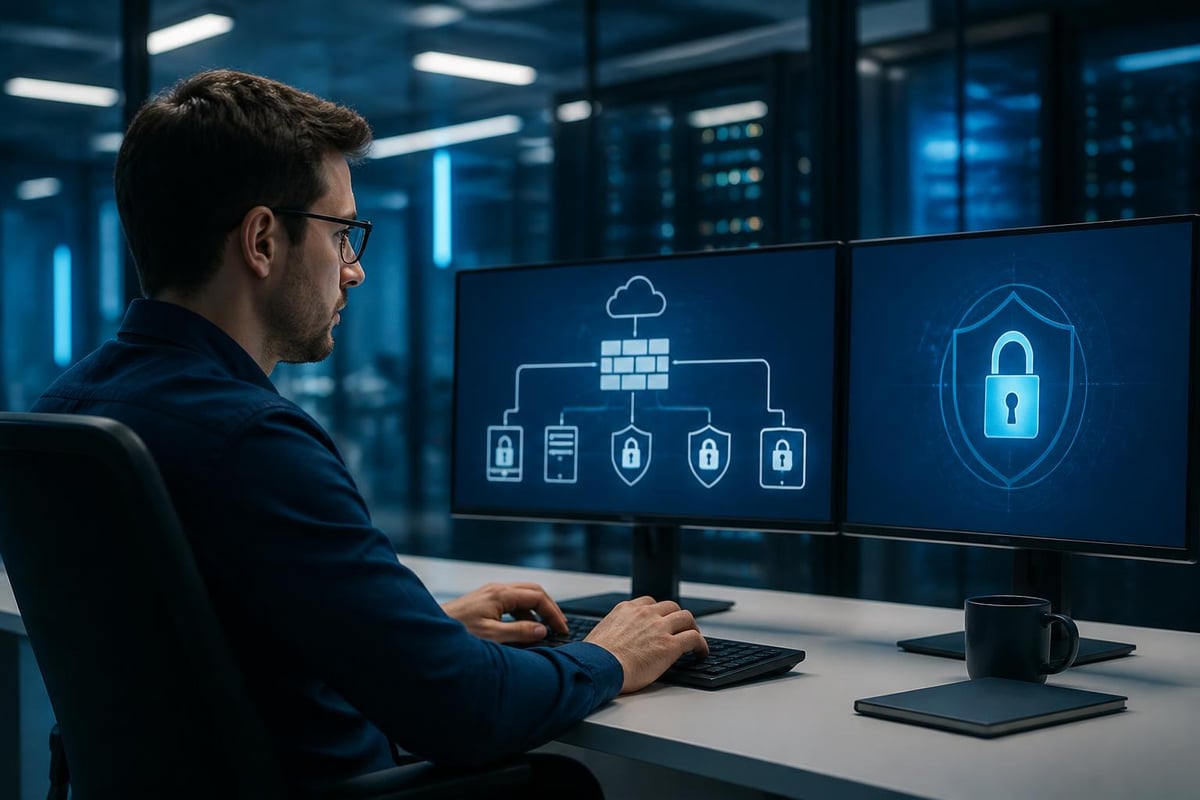
Effective computing security requires multiple protective layers working in concert. A single point of failure can compromise an entire network, which is why businesses must implement redundant security controls across different system levels.
Essential security layers include:
- Network-level firewalls and intrusion detection systems
- Endpoint protection on all devices accessing business systems
- Application-level security controls and secure coding practices
- Data encryption both in transit and at rest
- Identity and access management with multi-factor authentication
Each layer serves a specific purpose while reinforcing the others. Network firewalls prevent unauthorized external access, endpoint protection secures individual devices, and encryption ensures data remains protected even if other defenses are breached.
Cloud Computing Security Challenges
Cloud adoption has transformed how businesses operate, but it has also introduced unique computing security considerations. Many small businesses assume that cloud service providers handle all security responsibilities, creating dangerous gaps in protection. The shared responsibility model means businesses remain accountable for securing their data, configuring access controls properly, and monitoring cloud environments.
Complex cloud environments present significant security challenges that require specialized expertise and unified security platforms. Organizations using multiple cloud providers or hybrid environments face particular difficulty maintaining consistent security policies across different platforms.
Cloud Security Best Practices
Securing cloud infrastructure demands proactive configuration management and continuous oversight. Misconfigurations represent one of the most common causes of cloud security breaches, often resulting from default settings that prioritize convenience over protection.
| Security Control | Implementation | Risk Mitigated |
|---|---|---|
| Access Management | Role-based permissions, MFA | Unauthorized access |
| Data Encryption | End-to-end encryption, key management | Data exposure |
| Network Segmentation | Virtual private clouds, subnet isolation | Lateral movement |
| Audit Logging | Comprehensive activity monitoring | Threat detection |
| Backup Strategy | Automated, geographically distributed backups | Data loss |
Regular security assessments help identify misconfigurations before they can be exploited. Automated compliance scanning tools can flag common issues like publicly accessible storage buckets, overly permissive access policies, or unencrypted data stores.
Businesses should also implement cloud access security brokers (CASBs) to maintain visibility and control over cloud applications. These tools enforce security policies, detect anomalous behavior, and provide centralized management across multiple cloud services.
Integration of IT and Security Operations
The separation between IT management and computing security functions has become a liability in 2026. IT and security teams must integrate their workflows to respond effectively to sophisticated attacks that exploit gaps between operational and security processes.
Traditional organizational structures where security operates independently from IT create communication delays, duplicate efforts, and inconsistent policy enforcement. Modern threat actors move too quickly for siloed teams to coordinate effective responses.
Building Unified Security Frameworks
Successful integration requires cultural changes, shared metrics, and collaborative tools that enable seamless cooperation between IT operations and security personnel. When these teams work together, they can identify vulnerabilities during system deployment, implement security controls without disrupting operations, and respond to incidents with coordinated action.
Managed service providers offer particular value here, bringing expertise in both IT operations and computing security while maintaining the unified perspective that in-house teams struggle to achieve. Small businesses lacking dedicated security staff benefit enormously from this integrated approach.
Employee Training and Human Factors
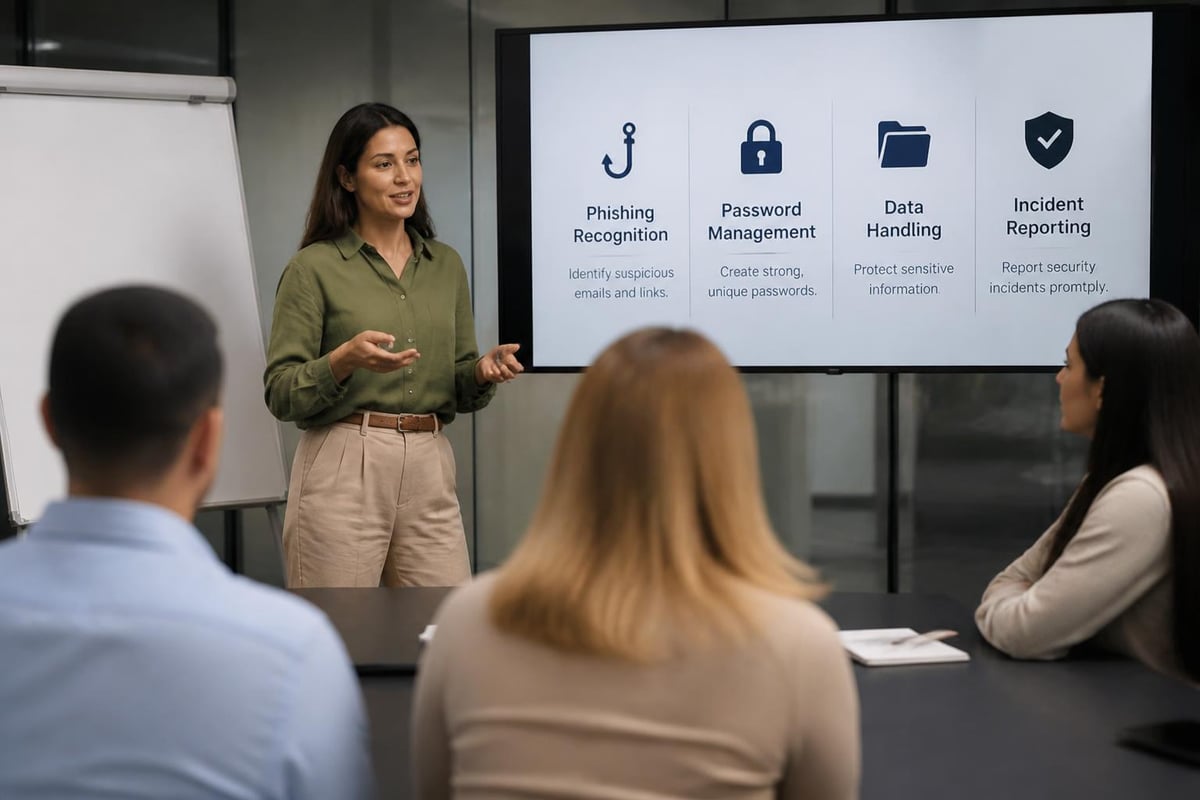
Technology alone cannot guarantee computing security. Human error remains the leading cause of security breaches, with employees inadvertently clicking malicious links, using weak passwords, or mishandling sensitive data. Comprehensive security awareness training transforms employees from vulnerabilities into active defense participants.
Effective training programs address:
- Recognizing phishing attempts and social engineering tactics
- Creating and managing strong, unique passwords
- Handling sensitive data according to security policies
- Reporting suspicious activity promptly
- Understanding mobile device security requirements
Training should be ongoing rather than a one-time event. Quarterly refreshers, simulated phishing exercises, and timely updates about emerging threats keep security awareness at the forefront of employee consciousness.
Creating Security-Conscious Culture
Beyond formal training, organizations should cultivate a culture where security is everyone's responsibility. This means encouraging questions about suspicious emails, rewarding employees who identify potential threats, and making security policies easily accessible and understandable.
Regular communication from leadership about computing security priorities reinforces its importance. When executives demonstrate commitment to security through their actions and resource allocation, employees follow suit.
Network Monitoring and Threat Detection
Passive security measures provide baseline protection, but active monitoring enables early threat detection and rapid response. Modern computing security requires continuous surveillance of network traffic, system logs, and user behavior to identify anomalies indicating potential compromises.
Security information and event management (SIEM) systems aggregate data from multiple sources, correlate events, and alert security teams to suspicious patterns. For small businesses, managed SIEM services provide enterprise-grade monitoring without requiring specialized in-house expertise.
Implementing Effective Monitoring
Successful network monitoring balances comprehensive coverage with manageable alert volumes. Too few alerts mean threats slip through unnoticed, while excessive false positives cause alert fatigue and delayed responses to genuine incidents.
Baseline normal activity patterns help distinguish legitimate behavior from potential threats. Machine learning algorithms excel at identifying subtle deviations that human analysts might miss, such as unusual data transfers, login attempts from unexpected locations, or irregular application usage.
Response playbooks ensure consistent, efficient handling of detected threats. Documented procedures for common scenarios reduce response time and minimize damage when incidents occur.
Data Protection and Recovery Strategies
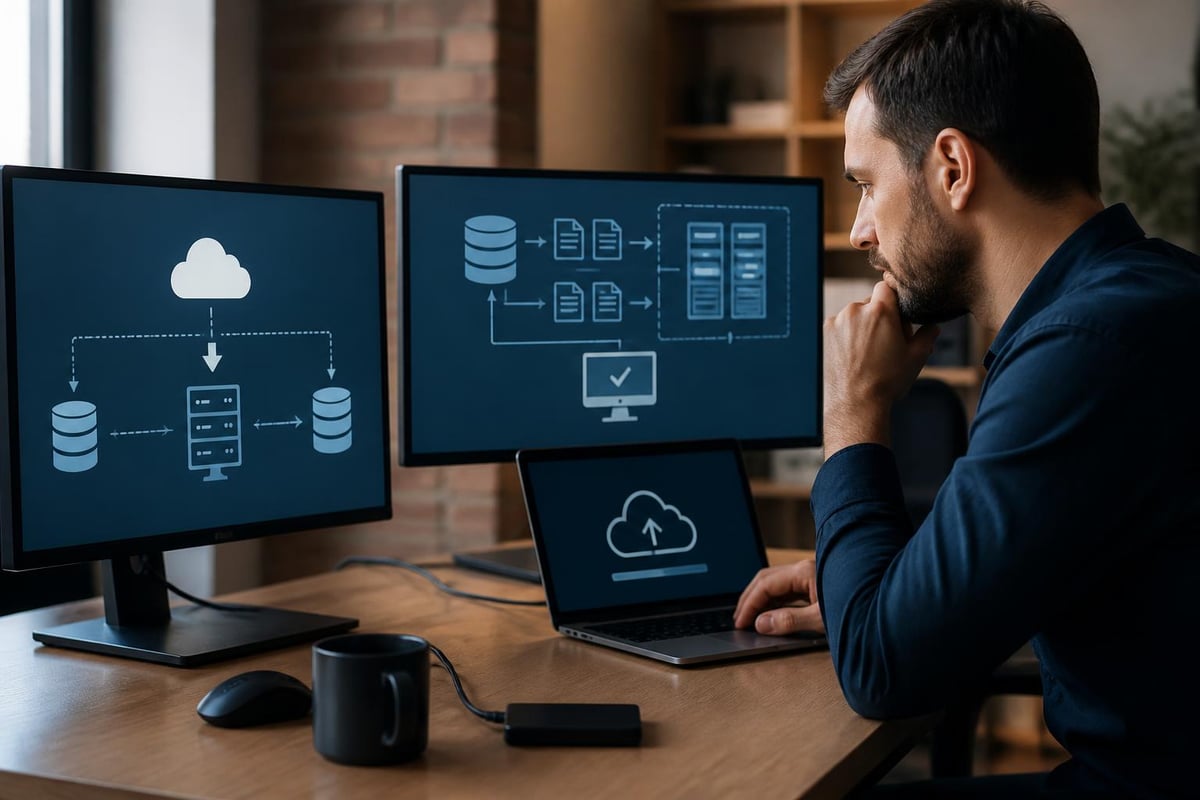
Computing security extends beyond preventing breaches to ensuring business continuity when incidents occur. Comprehensive backup and recovery strategies protect against ransomware, hardware failures, natural disasters, and human errors that could otherwise result in catastrophic data loss.
The 3-2-1 backup rule remains foundational: maintain three copies of important data, store them on two different media types, and keep one copy offsite. Cloud-based backup solutions simplify offsite storage while providing rapid recovery capabilities.
| Backup Approach | Recovery Time | Cost | Best For |
|---|---|---|---|
| Continuous replication | Minutes | High | Critical systems |
| Daily incremental | Hours | Medium | Standard operations |
| Weekly full backup | Days | Low | Archived data |
| Cloud-based hybrid | Variable | Medium | Balanced protection |
Testing recovery procedures regularly ensures backups function correctly when needed. Many organizations discover backup failures only when attempting recovery, by which point it's too late to correct the problem.
Encryption of backup data protects against unauthorized access, particularly important for cloud-stored backups or removable media. Recovery point objectives (RPO) and recovery time objectives (RTO) should align with business requirements and acceptable data loss tolerances.
Emerging Threats and Future Considerations
The future of cybersecurity presents both challenges and opportunities as new technologies create novel attack vectors while enabling more sophisticated defenses. Quantum computing, in particular, threatens to render current encryption methods obsolete, requiring development of quantum-resistant cryptographic systems.
Small businesses must stay informed about emerging threats without becoming paralyzed by the pace of change. Partnering with experienced managed service providers helps organizations adapt security strategies as the threat landscape evolves, accessing expertise that would be prohibitively expensive to maintain in-house.
Proactive Security Posture
Waiting until after a breach to address computing security results in significantly higher costs than investing in prevention. Beyond direct remediation expenses, businesses face regulatory fines, customer notification requirements, reputational damage, and potential legal liability.
Following established security checklists provides a solid foundation for businesses beginning their security journey. Regular security assessments, penetration testing, and vulnerability scanning identify weaknesses before attackers can exploit them.
Cyber insurance has become an increasingly important component of comprehensive risk management. However, insurers now require evidence of basic security hygiene before providing coverage, including multi-factor authentication, regular backups, and security awareness training.
Regulatory Compliance and Standards
Industry regulations and data protection laws impose specific computing security requirements on businesses handling customer information, financial data, or healthcare records. Compliance frameworks like PCI DSS, HIPAA, and GDPR establish minimum security standards that organizations must meet to avoid penalties.
Even businesses not subject to specific regulations benefit from following established security frameworks. Standards like NIST Cybersecurity Framework or ISO 27001 provide structured approaches to building robust security programs aligned with industry best practices.
Key compliance requirements typically include:
- Data inventory and classification systems
- Access control and audit logging
- Incident response and notification procedures
- Regular security assessments and updates
- Vendor security management
- Employee background checks and training
Documentation plays a crucial role in demonstrating compliance. Maintaining records of security policies, training completion, system configurations, and incident responses provides evidence of due diligence should audits or investigations occur.
Vendor and Third-Party Risk Management
Modern businesses rely on numerous vendors, contractors, and service providers who access systems or handle sensitive data. Each third-party relationship introduces potential computing security risks that must be assessed and managed appropriately.
Vendor security assessments should evaluate technical controls, security policies, incident response capabilities, and compliance certifications before granting system access. Contractual agreements should specify security requirements, liability allocation, and notification procedures for security incidents affecting either party.
Regular reviews ensure vendors maintain security standards over time. Organizations should audit critical vendors annually and review access permissions quarterly to remove unnecessary privileges.
Supply Chain Security
Recent high-profile breaches exploiting software supply chains highlight the importance of scrutinizing all components in technology stacks. Even trusted vendors can introduce vulnerabilities through compromised updates or insecure third-party libraries.
Software bills of materials (SBOMs) provide visibility into application dependencies, enabling faster response when vulnerabilities are discovered in commonly used components. Automated scanning tools continuously monitor for known vulnerabilities in deployed software, alerting teams to patch available updates.
Mobile and Remote Work Security
The shift toward remote and hybrid work models has expanded the computing security perimeter beyond traditional office networks. Employees accessing business systems from home networks, coffee shops, and mobile devices create new attack surfaces that require specific security controls.
Virtual private networks (VPNs) encrypt traffic between remote devices and corporate networks, protecting data from interception on public networks. However, VPNs alone don't address compromised endpoint devices or weak authentication practices.
Zero-trust architecture provides enhanced security for distributed workforces by verifying every access request regardless of origin. This approach assumes no implicit trust based on network location, requiring continuous authentication and authorization for all users and devices.
Mobile device management (MDM) solutions enforce security policies on smartphones and tablets accessing business data. Capabilities include remote wipe for lost devices, application whitelisting, and containerization separating personal and business data.
Incident Response Planning
Despite best efforts, security incidents will occasionally occur. Prepared organizations minimize damage through rapid, coordinated response guided by documented incident response plans. These plans outline roles, responsibilities, communication procedures, and technical steps for containing and remediating various incident types.
Effective incident response includes:
- Detection and analysis of the incident
- Containment to prevent further damage
- Eradication of the threat from systems
- Recovery and restoration of normal operations
- Post-incident review and lessons learned
Regular tabletop exercises test incident response procedures without the pressure of actual emergencies. These simulations identify gaps in plans, clarify responsibilities, and build muscle memory for coordinated response.
External resources like forensic specialists, legal counsel, and public relations firms should be identified before incidents occur. Attempting to locate these resources during an active breach wastes valuable time when minutes matter.
Computing security demands ongoing attention, specialized expertise, and comprehensive strategies that address both technical controls and human factors. Small businesses in Lethbridge and surrounding areas need reliable partners who understand the evolving threat landscape and can implement effective protection measures without disrupting operations. Delphi Systems Inc. provides the managed IT services and cybersecurity expertise that keeps your business secure while allowing you to focus on core activities, with fixed-rate pricing that makes enterprise-grade security accessible and predictable.

