



Cyber security networking represents the critical intersection of network infrastructure and protective measures that safeguard business data from increasingly sophisticated threats. For small businesses in Lethbridge and across North America, understanding this convergence has become essential rather than optional. As cybercriminals develop more advanced attack methods, organizations must implement comprehensive security strategies that protect their network perimeter, internal systems, and valuable data assets. The challenge lies not only in deploying the right technologies but also in creating a cohesive security framework that adapts to evolving threats while maintaining business productivity.
Understanding the Foundation of Cyber Security Networking
Cyber security networking extends beyond traditional firewalls and antivirus software. It encompasses the architectural design, policy implementation, and continuous monitoring required to create a resilient network environment. Network security architecture forms the blueprint for how data flows through your organization, where controls are placed, and how different security layers interact to provide comprehensive protection.
Modern approaches integrate multiple defensive strategies working simultaneously. These include perimeter security, internal network segmentation, access controls, and threat detection systems that operate in concert. According to authoritative cybersecurity resources, organizations should reference established best practices from government and industry sources when building their security frameworks.
The Core Components of Secure Networks
Building effective cyber security networking requires several fundamental elements working together:
- Firewalls and intrusion prevention systems that filter traffic and block malicious activity
- Network segmentation that isolates critical systems from general user access
- Encrypted communication channels protecting data in transit
- Access control mechanisms ensuring only authorized personnel reach sensitive resources
- Continuous monitoring tools that detect anomalies and potential breaches
The implementation sequence matters significantly. Organizations must first establish baseline security, then layer additional protections based on specific risk profiles and compliance requirements.
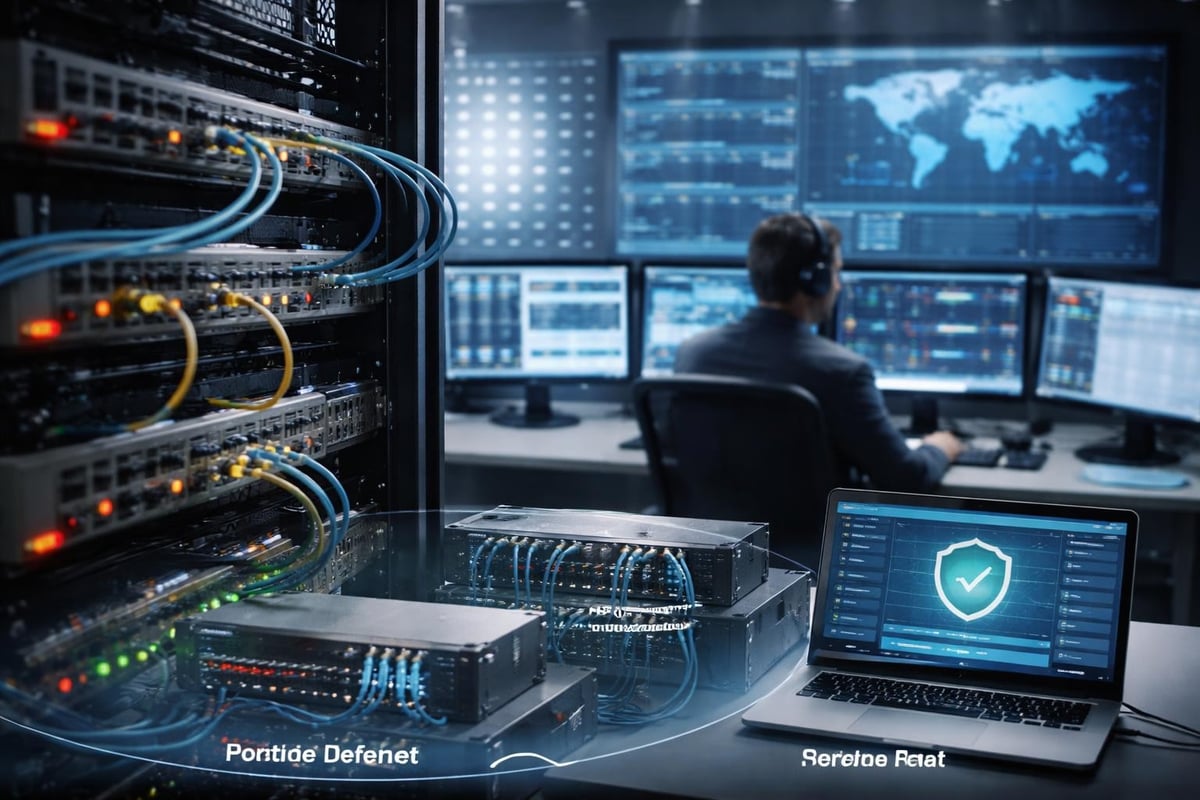
Network Segmentation Strategies for Enhanced Protection
Network segmentation represents one of the most effective cyber security networking practices available to small businesses. This approach divides your network into smaller, isolated segments that limit an attacker's ability to move laterally after gaining initial access. Proper segmentation can contain breaches, reduce compliance scope, and improve overall network performance.
Implementing Effective Segmentation
Small businesses should consider segmenting networks based on function, user groups, and data sensitivity. A typical implementation might separate guest WiFi, employee workstations, servers, and IoT devices into distinct network zones.
| Segment Type | Purpose | Security Level | Access Controls |
|---|---|---|---|
| Guest Network | Visitor internet access | Low | No internal resource access |
| User Workstations | Daily employee operations | Medium | Role-based access to resources |
| Server Environment | Critical applications and data | High | Strict authentication, limited access |
| IoT/Device Zone | Printers, cameras, sensors | Medium-High | Isolated from business systems |
Each segment requires specific firewall rules, monitoring configurations, and access policies. The boundaries between segments become critical control points where traffic inspection and logging occur. This granular approach to cyber security networking enables organizations to apply appropriate protections based on risk levels rather than treating the entire network as a single security domain.
Monitoring and Threat Detection in Modern Networks
Proactive monitoring forms the backbone of effective cyber security networking. Real-time visibility into network traffic patterns, user behaviors, and system activities enables rapid detection of potential security incidents before they escalate into major breaches.
Advanced monitoring solutions employ several techniques:
- Baseline establishment – Learning normal network behavior patterns
- Anomaly detection – Identifying deviations from established baselines
- Signature-based scanning – Recognizing known attack patterns
- Behavioral analysis – Detecting unusual user or system activities
- Correlation engines – Connecting related events across multiple systems
These monitoring capabilities generate alerts when suspicious activities occur, enabling security teams to respond quickly. For small businesses without dedicated security personnel, managed IT services can provide this crucial oversight through 24/7 network monitoring and rapid incident response.
Key Metrics for Network Security Health
Tracking specific performance indicators helps organizations understand their security posture. Failed login attempts, traffic volume anomalies, unauthorized access attempts, and unusual data transfer patterns all provide valuable insights into potential security issues.
Establishing regular reporting rhythms ensures that security receives appropriate attention. Weekly reviews of security events, monthly trend analysis, and quarterly comprehensive assessments create a structured approach to cyber security networking management.
Access Control and Authentication Methods
Strong access controls represent a fundamental cyber security networking principle. Identity verification and authorization processes determine who can access network resources and what actions they can perform once authenticated.
Modern authentication approaches include:
- Multi-factor authentication requiring multiple verification methods
- Single sign-on reducing password fatigue while maintaining security
- Privileged access management for administrative accounts
- Certificate-based authentication for device and application access
- Biometric verification for high-security environments
Organizations should implement the principle of least privilege, granting users only the minimum access necessary to perform their job functions. This approach significantly reduces the potential damage from compromised credentials or insider threats. The NIST glossary emphasizes the importance of authoritative sources for identity verification in cybersecurity frameworks.

Wireless Network Security Considerations
WiFi networks introduce unique challenges to cyber security networking. Wireless signals extend beyond physical walls, creating potential access points for unauthorized users. Securing these networks requires specific protocols and configurations beyond standard wired network protections.
Essential Wireless Security Measures
| Security Element | Implementation | Benefit |
|---|---|---|
| WPA3 Encryption | Latest wireless security standard | Stronger encryption, better protection |
| Hidden SSIDs | Network name broadcasting disabled | Reduced visibility to casual attackers |
| MAC Address Filtering | Device-level access control | Additional authentication layer |
| Separate Guest Networks | Isolated visitor access | Protects internal resources |
| Regular Password Rotation | Scheduled credential updates | Limits compromise window |
Small businesses should never operate wireless networks with default settings or weak passwords. The convenience of open or poorly secured WiFi creates significant vulnerabilities that attackers can exploit to gain network access. Implementing enterprise-grade wireless security doesn't require enterprise-level budgets when managed properly.
Virtual Private Networks and Remote Access Security
The shift toward remote work has made VPN technology a critical component of cyber security networking. Secure remote access enables employees to connect to organizational resources from any location while maintaining data protection and network security.
VPN solutions encrypt all traffic between remote devices and the corporate network, preventing interception and eavesdropping. Organizations should require VPN use for any remote access to business systems, applications, or data.
Configuration considerations include:
- Strong encryption standards (AES-256 minimum)
- Split tunneling policies determining which traffic uses the VPN
- Connection timeout settings balancing security and usability
- Multi-factor authentication before VPN access
- Regular software updates addressing security vulnerabilities
Many small businesses benefit from cloud-based VPN solutions that eliminate on-premises hardware requirements while providing enterprise-grade security. These solutions integrate with existing cyber security networking infrastructure and scale easily as organizational needs grow.
Cloud Integration and Hybrid Network Security
Cloud computing has fundamentally changed cyber security networking requirements. Hybrid environments combining on-premises infrastructure with cloud services require coordinated security approaches that protect data regardless of location.
Key considerations for cloud-integrated networks include:
- Identity federation ensuring consistent authentication across platforms
- Data encryption both in transit and at rest
- Cloud access security brokers monitoring and controlling cloud service usage
- Secure API connections between cloud applications and internal systems
- Regular security assessments of cloud service provider controls
Organizations must understand their responsibilities versus cloud provider responsibilities in the shared security model. While cloud providers secure the underlying infrastructure, businesses remain responsible for protecting their data, managing access controls, and configuring security settings properly.

Backup Systems as Network Security Infrastructure
Data backup and recovery systems represent often-overlooked components of comprehensive cyber security networking. Resilient backup strategies provide the ultimate safety net when prevention and detection measures fail to stop an attack.
Modern backup approaches should include:
- Automated daily backups minimizing data loss windows
- Off-site or cloud storage protecting against physical disasters
- Air-gapped backups isolated from network to prevent ransomware encryption
- Regular restoration testing verifying backup integrity
- Version retention enabling recovery from different time points
The 3-2-1 backup rule remains relevant: maintain three copies of data, on two different media types, with one copy off-site. This approach ensures data survivability across various disaster scenarios. Integrating backup systems into your cyber security networking strategy transforms them from recovery tools into proactive security measures.
Compliance and Regulatory Requirements
Many industries face specific cyber security networking requirements through regulatory frameworks. Compliance obligations vary by sector but generally mandate specific security controls, documentation practices, and reporting requirements.
Common frameworks include:
| Framework | Industry | Key Requirements |
|---|---|---|
| HIPAA | Healthcare | Patient data encryption, access controls, audit trails |
| PCI DSS | Payment processing | Cardholder data protection, network segmentation |
| SOC 2 | Service providers | Security controls, availability, confidentiality |
| GDPR | EU data handling | Privacy protections, breach notification |
Understanding applicable regulations helps organizations prioritize cyber security networking investments. Compliance requirements often drive security improvements that benefit the organization beyond mere regulatory adherence. Staying informed through reliable cybersecurity information sources helps organizations maintain current knowledge of evolving standards.
Vendor and Third-Party Risk Management
Modern businesses rarely operate in isolation. Third-party connections to vendors, partners, and service providers create potential security vulnerabilities that require careful management within cyber security networking strategies.
Organizations should implement vendor security assessment processes evaluating:
- Security certifications and compliance status
- Data handling and protection practices
- Incident response capabilities and track records
- Network access requirements and justification
- Insurance coverage for security incidents
Limiting vendor network access to only necessary systems and implementing time-bound access credentials reduces risk exposure. Regular reviews of vendor access and security postures ensure ongoing protection as relationships and technologies evolve.
Employee Training and Security Awareness
Technology alone cannot secure networks completely. Human factors remain the most common vulnerability in cyber security networking, with phishing attacks and social engineering exploiting employee trust and lack of awareness.
Effective security awareness programs include:
- Initial onboarding training covering security policies and procedures
- Regular phishing simulation exercises testing employee vigilance
- Quarterly security updates addressing emerging threats
- Role-specific training for employees handling sensitive data
- Incident reporting procedures encouraging prompt communication
Creating a security-conscious culture transforms employees from potential vulnerabilities into active defenders. When staff understand how cyber security networking protects their jobs, customer data, and business continuity, they become more engaged participants in organizational security.
Emerging Threats and Future Considerations
The cyber security networking landscape continues evolving as attackers develop new techniques and technologies create new vulnerabilities. Zero-trust architecture has emerged as a leading approach, eliminating assumptions about trusted internal networks and requiring continuous verification.
Artificial intelligence and machine learning are being deployed both by defenders for threat detection and by attackers for more sophisticated attacks. Organizations must stay informed about emerging threats through authoritative cybersecurity resources and adapt their security strategies accordingly.
Internet of Things devices, operational technology systems, and edge computing introduce new attack surfaces requiring specialized security approaches. Small businesses should evaluate these technologies carefully, implementing appropriate security controls before deployment rather than attempting to retrofit protection afterward.
Incident Response Planning Within Network Security
Even the most robust cyber security networking implementations cannot guarantee perfect protection. Incident response planning prepares organizations to respond effectively when security events occur, minimizing damage and recovery time.
Comprehensive incident response plans address:
- Detection and analysis procedures for identifying security incidents
- Containment strategies limiting incident spread and damage
- Eradication steps removing threats from network environments
- Recovery processes restoring normal operations
- Post-incident analysis improving future security
Regular tabletop exercises testing incident response plans reveal gaps and improve team coordination before real incidents occur. Documenting lessons learned from security events, whether actual incidents or exercises, strengthens organizational resilience over time.
Budget Allocation for Network Security Investments
Small businesses often struggle with cyber security networking budget decisions. Strategic investment in security infrastructure, services, and personnel protects against costly breaches while enabling business growth.
Priority spending areas typically include:
- Core security infrastructure (firewalls, authentication systems, monitoring tools)
- Backup and disaster recovery capabilities
- Employee training and awareness programs
- Professional security assessments and penetration testing
- Managed security services supplementing internal capabilities
Fixed-rate managed IT services provide budget predictability while ensuring comprehensive security coverage. This approach often proves more cost-effective than building internal security teams, particularly for organizations with limited IT resources. Research from cyber threat intelligence studies demonstrates the complexity of modern threats, supporting the value of professional security expertise.
Protecting your business through comprehensive cyber security networking requires expertise, constant vigilance, and the right combination of technologies and processes. Small businesses in Lethbridge don't need to face these challenges alone. Delphi Systems Inc. provides managed IT services specifically designed for organizations like yours, delivering enterprise-grade network security, proactive monitoring, and expert support with transparent, fixed-rate pricing. Let our team handle your IT security so you can focus on growing your business with confidence.

