



In 2026, organizations are navigating a digital landscape where threats are more advanced and persistent than ever. The surge in complex cyberattacks, coupled with stricter regulations, puts immense pressure on leaders to act.
Yet, confusion persists around the roles of network information security and cybersecurity. Are they the same, or do they demand different approaches?
This article brings clarity. We will define each discipline, compare their unique scopes, examine key 2026 trends, and share real-world lessons. By the end, IT leaders and decision-makers will gain actionable strategies to strengthen their defenses and future-proof their organizations.
Defining Network Information Security and Cybersecurity
In today’s digital world, organizations must navigate a complex security landscape. Understanding the differences and intersections between network information security and cybersecurity is crucial for building effective defenses.

Key Concepts and Definitions
Network information security refers to safeguarding data as it moves across and resides within networked environments. This discipline focuses on protecting information as it is transmitted, processed, and stored within an organization’s network infrastructure. In contrast, cybersecurity is the broader practice of defending systems, networks, and digital assets from cyber threats and malicious attacks.
While these terms are sometimes used interchangeably, they have distinct scopes. Network information security primarily addresses the protection of data in transit and the integrity of network infrastructure. Cybersecurity encompasses a wider range of threats, including malware, social engineering, and attacks on endpoints.
Authoritative sources, such as the SANS Institute’s Information Security Glossary, highlight these distinctions and provide clear definitions. As digital ecosystems grow more complex, understanding these nuances becomes vital for effective risk management.
Historical Evolution and Context
The concept of network information security has evolved significantly over time. Initially, information security focused on physical safeguards—locked rooms, paper files, and restricted access. With the advent of the internet, the focus shifted toward securing digital data and network infrastructure.
Cloud computing accelerated this transformation, making it necessary to secure information that resides both on-premises and in the cloud. The rise of remote work added another layer of complexity, requiring organizations to rethink traditional boundaries. Today, network information security and cybersecurity are increasingly intertwined, as threats can originate from anywhere and target any layer of the digital environment.
Core Objectives and Methodologies
At the heart of network information security lies the CIA triad: confidentiality, integrity, and availability. These three principles guide the design and implementation of security controls within networked environments. For instance, confidentiality is ensured through encryption and access controls. Integrity is maintained by monitoring for unauthorized changes, while availability is achieved by implementing redundancy and failover systems.
Cybersecurity adopts a broader approach, addressing threats like malware, phishing, and ransomware. While network information security often relies on firewalls, intrusion detection systems, and VPNs, cybersecurity leverages advanced threat intelligence, incident response, and vulnerability management tools. Both disciplines require specialized expertise and a commitment to continuous improvement.
Industry Perspectives and Overlap
Industry experts frequently debate whether network information security is a subset of cybersecurity or vice versa. The SANS Institute’s umbrella model suggests that information security encompasses both physical and digital protections, with network security as a core component. In contrast, Cisco defines cybersecurity as the comprehensive practice of protecting digital assets across all environments.
This ambiguity often leads to confusion in job titles and responsibilities. For example, a Network Security Engineer may focus on firewall management, while a Cybersecurity Analyst addresses a broader range of threats. Clarity in definitions is essential for compliance, effective risk management, and building multidisciplinary teams capable of addressing modern security challenges.
Comparing Scopes, Roles, and Frameworks
The boundaries between network information security and cybersecurity continue to shift as digital ecosystems expand. Understanding their unique scopes, roles, and frameworks is essential for IT leaders looking to safeguard assets in 2026.

Areas of Focus and Responsibility
Network information security primarily targets the protection of data as it flows through network infrastructure and during transit. Its scope is narrower, often limited to routers, switches, and protocols that govern data movement. Cybersecurity, on the other hand, covers a broader landscape, including endpoints, applications, cloud services, and IoT devices.
Information security serves as the overarching umbrella, encompassing both physical and digital data protection. The interplay among these disciplines is well explained in Cisco’s Overview of Information Security, which highlights the layered approach needed for robust defense.
Network information security remains foundational, but organizations must address the full range of digital threats that cybersecurity covers.
The CIA Triad in Practice
Both network information security and cybersecurity are built on the confidentiality, integrity, and availability (CIA) triad. Each principle is put into practice through specific controls and technologies:
| Principle | Network Information Security Example | Cybersecurity Example |
|---|---|---|
| Confidentiality | VPN encryption | Data loss prevention (DLP) |
| Integrity | Message authentication codes | File integrity monitoring |
| Availability | Redundant network paths | DDoS mitigation |
According to Techopedia, the CIA triad serves as the baseline for industry standards. By applying encryption, access controls, and robust monitoring, both disciplines ensure that information is secure, accurate, and accessible when needed.
Threats and Risk Landscapes
Network information security teams typically confront threats like unauthorized access, man-in-the-middle attacks, and distributed denial-of-service (DDoS) incidents. Cybersecurity professionals address a wider range of risks, including ransomware, phishing, insider threats, and supply chain attacks.
Recent years have seen a surge in hybrid attacks that target multiple layers simultaneously. For instance, a ransomware group may exploit a network vulnerability, then pivot to compromise cloud data or endpoints. These evolving tactics make it crucial for organizations to build defenses that span both network information security and broader cybersecurity domains.
Organizational Roles and Job Functions
Modern security teams include a variety of specialized roles:
- Network Security Administrator: Focuses on network information security, managing firewalls and intrusion prevention.
- Information Security Officer: Oversees policy, compliance, and risk across all digital assets.
- Cybersecurity Analyst: Detects, investigates, and responds to diverse cyber threats.
Job titles often overlap, leading to confusion in responsibilities, especially in job postings and team structures. LinkedIn data reveals growing demand for multidisciplinary teams skilled in both network information security and cybersecurity. As threats evolve, organizations benefit from cross-functional expertise and collaboration.
2026 Trends Impacting Network Information Security
As organizations adapt to a complex threat environment, network information security is undergoing rapid transformation in 2026. Emerging technologies, evolving attack vectors, and regulatory shifts are redefining how businesses defend their data. Let us explore the critical trends shaping network information security this year.
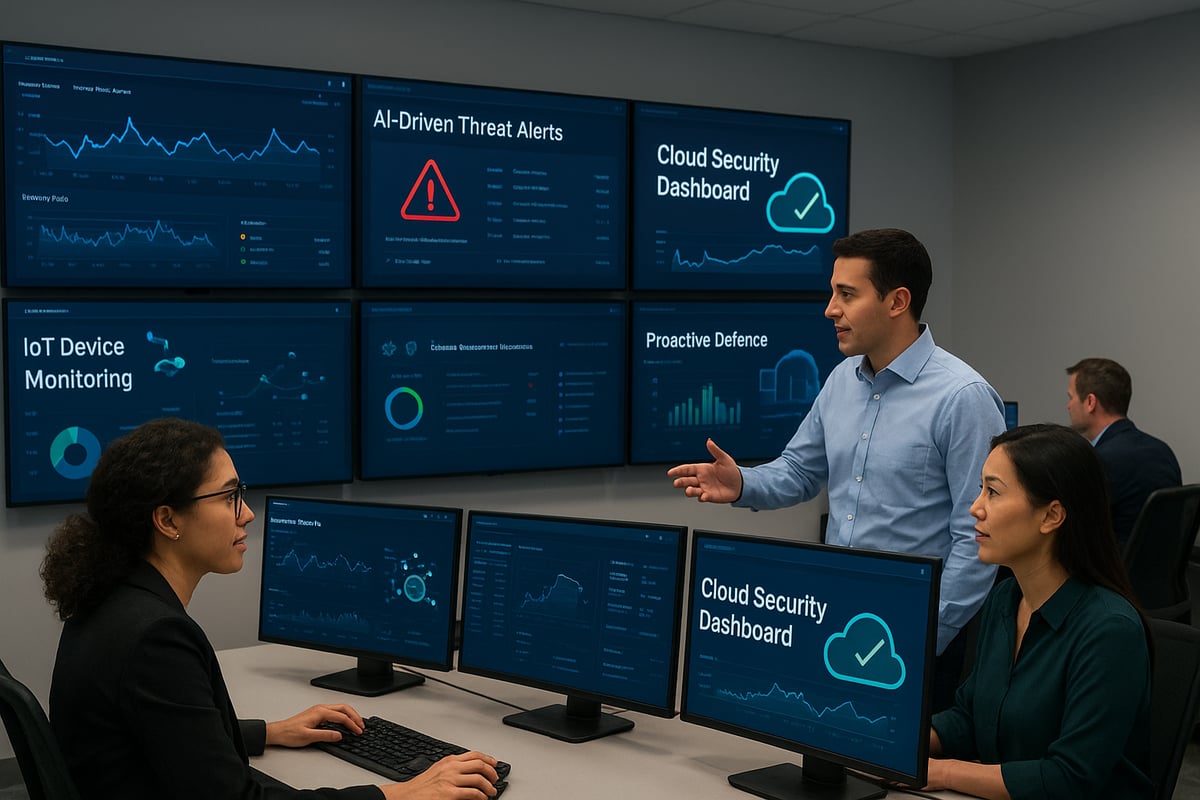
Proactive Defense and AI-Driven Security
The adoption of artificial intelligence is revolutionizing network information security in 2026. Organizations are implementing AI-powered tools that detect threats in real time, reducing the window for attackers to exploit vulnerabilities. Solutions like the Darktrace ActiveAI Security Platform exemplify this shift, offering continuous monitoring and automated response capabilities.
AI-driven security enables teams to move from a reactive stance to a proactive one. Automated incident triage accelerates threat mitigation, while machine learning models adapt to new attack patterns. According to Gartner’s Top Cybersecurity Trends for 2026, AI is now essential for identifying complex, multi-stage attacks that evade traditional defenses. As attackers employ more sophisticated tactics, network information security must leverage automation and intelligence to stay ahead.
Zero Trust Architectures
Zero trust frameworks are becoming foundational to network information security strategies. Instead of relying on perimeter-based defenses, zero trust requires all users, devices, and applications to verify their identities continuously, regardless of their location.
Network segmentation and micro-segmentation are gaining traction, limiting the spread of threats within the organization. By restricting lateral movement, zero trust architectures reduce the risk of large-scale breaches. Industry surveys in 2026 reveal that over 70 percent of enterprises are actively implementing zero trust models to enhance their network information security posture.
Zero trust also supports remote and hybrid workforces, ensuring secure access for employees anywhere. This approach is instrumental in addressing the challenges posed by distributed environments and dynamic endpoints.
Cloud and Hybrid Network Security
Cloud adoption is accelerating, making cloud-native security tools a top priority for network information security teams. Hybrid and multi-cloud environments introduce new complexities, as data travels across a mix of public, private, and on-premises networks.
Organizations are deploying cloud-based firewalls and Secure Access Service Edge (SASE) solutions to maintain visibility and control. These technologies help enforce consistent security policies, regardless of where data resides. By 2026, more than 80 percent of companies are pursuing cloud-first strategies, driving demand for adaptable network information security frameworks.
Continuous monitoring and automated compliance checks are essential for detecting misconfigurations and unauthorized access. As cloud ecosystems expand, network information security must evolve to secure every layer of connectivity.
IoT and Edge Security Challenges
The proliferation of IoT devices and edge computing is reshaping network information security priorities. Unmanaged endpoints introduce unique vulnerabilities, as many IoT devices lack robust built-in protections.
A recent attack on an IoT-enabled facility revealed how compromised sensors could serve as entry points for broader network intrusions. This incident highlights the need for enhanced device authentication, segmentation, and monitoring.
Spending on IoT security is projected to grow significantly in 2026, reflecting the urgency to address these risks. Network information security teams are developing specialized protocols and automated tools to safeguard edge environments. As IoT adoption increases, maintaining visibility and control becomes even more critical.
Regulatory and Compliance Pressures
Tighter data protection laws are reshaping network information security practices. Regulations such as GDPR, CCPA, and industry-specific mandates now require more rigorous audits and reporting.
Network information security is central to demonstrating compliance, as organizations must document controls and respond promptly to breaches. The number of mandatory breach notifications and regulatory fines rose sharply in 2025 and is expected to climb further this year.
Compliance-driven security is not just about avoiding penalties; it also builds trust with customers and partners. Effective network information security frameworks help organizations achieve and maintain compliance, reducing legal and reputational risks.
2026 Trends Shaping Cybersecurity
The cybersecurity landscape for 2026 is rapidly evolving, with organizations facing increasingly complex threats that challenge traditional network information security strategies. As attackers adopt new tactics and technologies, defenders must adapt by embracing innovation and comprehensive risk management. Let’s explore the key trends shaping the future of cybersecurity and their impact on network information security.

Advanced Persistent Threats and Ransomware Evolution
Advanced persistent threats (APTs) are growing in sophistication, targeting organizations with stealthy, long-term campaigns. In 2026, ransomware attacks are not only more frequent but also leverage double extortion, threatening both data encryption and public exposure. Attackers now use automation to bypass traditional network information security measures and exploit vulnerabilities across the entire digital ecosystem.
For example, ransomware-as-a-service (RaaS) platforms enable less skilled actors to launch devastating attacks. Recent case studies highlight that hybrid threats often bypass perimeter defenses, making layered protection critical. The surge in these incidents underscores the importance of integrating network information security with broader cybersecurity practices to detect, contain, and recover from such attacks.
AI and Machine Learning in Cyber Defense
Artificial intelligence and machine learning are transforming cyber defense, enabling organizations to detect anomalies and respond to threats faster than ever before. Behavioral analytics powered by AI can identify subtle deviations in user activity, providing early warning of breaches that might otherwise evade network information security controls.
Platforms now utilize predictive analytics to anticipate attack patterns, while automated response systems handle incidents at machine speed. According to Nomios Group’s Cybersecurity Trends for 2026, the convergence of AI, network information security, and identity security will be decisive in defending against emerging threats. As AI adoption increases, security teams must focus on continuous learning and adaptation to stay ahead of attackers.
Supply Chain and Third-Party Risk Management
Supply chain vulnerabilities have become a prime target for cybercriminals. Attacks exploiting third-party vendors, such as the SolarWinds and Kaseya breaches, demonstrate that network information security alone cannot protect against all risks. In 2026, organizations are investing in automated tools to assess and monitor third-party risk, recognizing that a single weak link can compromise the entire ecosystem.
Emerging best practices include rigorous vetting, real-time monitoring, and contractual security requirements for partners. Integrating network information security with comprehensive supply chain risk management is vital to prevent cascading breaches and maintain trust with customers and stakeholders.
Endpoint and Identity Security
The expansion of remote and hybrid workforces has increased the attack surface, making endpoint and identity security top priorities. Devices outside the traditional perimeter often lack robust network information security controls, exposing organizations to phishing, credential theft, and malware.
To mitigate these risks, companies are adopting identity and access management (IAM), multi-factor authentication (MFA), and passwordless solutions. Phishing-resistant authentication methods are gaining traction, reducing reliance on vulnerable credentials. Data from 2026 shows a sharp uptick in IAM adoption, reflecting its critical role in safeguarding digital assets and supporting network information security initiatives.
Cyber Insurance and Risk Quantification
With the escalation of cyber threats, demand for cyber insurance has surged. Insurers now require robust network information security controls as a prerequisite for coverage, pushing organizations to adopt advanced protections and regular risk assessments. Quantifying cyber risk has become essential for executive decision-making and board-level reporting.
Trends indicate rising premiums and more stringent claim requirements, as insurers respond to increasing claim volumes and larger payouts. A data-driven approach to risk quantification not only improves coverage eligibility but also strengthens the overall security posture by aligning network information security with broader business objectives.
Real-World Applications and Case Studies
In today's digital environment, practical examples underscore the importance of network information security. Organizations face a diverse range of threats, and real-world incidents highlight how both network information security and cybersecurity strategies work in tandem to mitigate risks.
Ransomware and Network Intrusion Examples
In 2025, a major manufacturing firm experienced a sophisticated ransomware attack. Cybercriminals exploited a vulnerability in the company's VPN, bypassing basic defenses. As the attackers moved laterally, network information security controls such as segmentation and intrusion detection systems detected unusual activity.
Despite these measures, encrypted files were discovered across critical servers. The incident response team quickly isolated affected segments, limiting the attack's spread. This real-world scenario illustrates the necessity of layered defenses, with network information security acting as the first line of containment.
- Early detection with network monitoring
- Rapid segmentation to contain threats
- Post-incident review to strengthen protocols
Organizations learned that a robust network information security posture can significantly limit ransomware impact, but must be continually tested and updated.
Cloud Data Breach Scenarios
A 2026 breach involved sensitive data exfiltration from a misconfigured cloud storage bucket at a healthcare provider. The network information security team identified unusual outbound traffic patterns, triggering an automated alert. Cybersecurity analysts coordinated with cloud engineers to investigate, revealing that an access control list had been improperly set.
Immediate remediation included tightening permissions, rotating credentials, and increasing monitoring. This collaboration between network information security and cybersecurity demonstrated the value of cross-functional teamwork.
Key takeaways:
- Automated monitoring is critical for cloud environments
- Rapid response minimizes data loss
- Ongoing configuration audits reduce future risk
This case reinforces how network information security principles extend into cloud infrastructure, protecting both data in transit and at rest.
Insider Threats and Human Factors
In another recent example, an employee misused privileged credentials to access confidential records, resulting in a significant data leak. Network information security measures, including access logs and user behavior analytics, flagged the anomaly. Security teams conducted a swift investigation, confirming unauthorized access.
Statistics from 2025 show a rise in insider-driven incidents, emphasizing the importance of user education and stringent access management. Organizations now combine technical controls with regular security awareness training to mitigate these risks.
- Monitor and review privileged access
- Educate staff on security best practices
- Implement least privilege principles
This case highlights how network information security is essential for detecting and responding to insider threats.
Regulatory Response and Compliance-Driven Security
Following a data breach, a financial institution underwent a regulatory audit to assess compliance with GDPR and other standards. The audit focused on network information security controls, such as encryption, incident logging, and breach notification processes. The organization provided detailed evidence of response actions and improvements.
Steps taken included:
- Reviewing and updating security policies
- Enhancing monitoring and reporting systems
- Training staff on compliance requirements
Maintaining strong network information security practices is crucial for passing audits and avoiding penalties. For more insights, the SANS Institute offers guidance on aligning security measures with regulatory expectations.
These real-world cases demonstrate that comprehensive network information security, combined with effective cybersecurity strategies, is vital for resilience in 2026.
Building a Unified Security Strategy for 2026 and Beyond
As organizations face growing risks, building a unified security strategy is essential. Aligning network information security with broader cybersecurity efforts creates a strong defense against emerging threats. This unified approach ensures that data, systems, and processes work together to protect digital assets.
Integrating Network Information Security and Cybersecurity
Integration requires a holistic mindset. Network information security forms the backbone of data protection, while cybersecurity addresses threats across systems, applications, and users. When these disciplines collaborate, organizations create layered defenses that reduce risk.
Cross-functional teams are vital. IT, compliance, and security must share intelligence and align processes. Using frameworks like NIST and ISO 27001 gives structure to this integration. A unified strategy supports compliance, risk management, and adaptability, ensuring network information security remains central to resilience.
Key Technologies and Best Practices
Modern security stacks blend traditional and emerging tools. Next-gen firewalls, SIEM, EDR/XDR, SASE, and zero trust solutions are foundational. These technologies automate threat detection and response, reducing time to containment.
Continuous monitoring is critical. Sharing threat intelligence across teams ensures early warnings. Automated incident response playbooks streamline containment and recovery. By embedding network information security controls at every layer, organizations build robust, adaptive defenses that can evolve with changing threats.
Skills, Training, and Workforce Development
A unified strategy depends on skilled professionals. Upskilling IT and security teams is crucial to keep pace with new threats. Certifications like CISSP, CISM, and CompTIA Security+ are in high demand for both network information security and cybersecurity roles.
Ongoing training helps close the workforce gap. Industry reports project a global shortage of security professionals by 2026. Investing in education, mentorship, and cross-training fosters agile teams ready to respond to evolving risks and technologies.
Future Outlook: Anticipating Emerging Threats
Looking ahead, organizations must prepare for AI-powered attacks, quantum computing risks, and shifting regulations. A flexible security posture, anchored by strong network information security, is essential for resilience.
Regular risk assessments and continuous innovation will keep defenses relevant. Organizations should invest in emerging tools, monitor global threat trends, and prioritize adaptability. By staying proactive, leaders ensure their unified strategy remains effective in an unpredictable landscape.
As we’ve seen, the security landscape is only growing more complex, and staying ahead of both network information security and cybersecurity trends is crucial for every small business. The right expertise can make all the difference when it comes to protecting your data and ensuring business continuity. If you’re ready to strengthen your IT infrastructure and want guidance tailored to your unique needs in Lethbridge and beyond, let’s talk about how you can leverage the latest solutions for peace of mind. Feel free to Call us now to get started on building a resilient, future-ready security strategy.

