

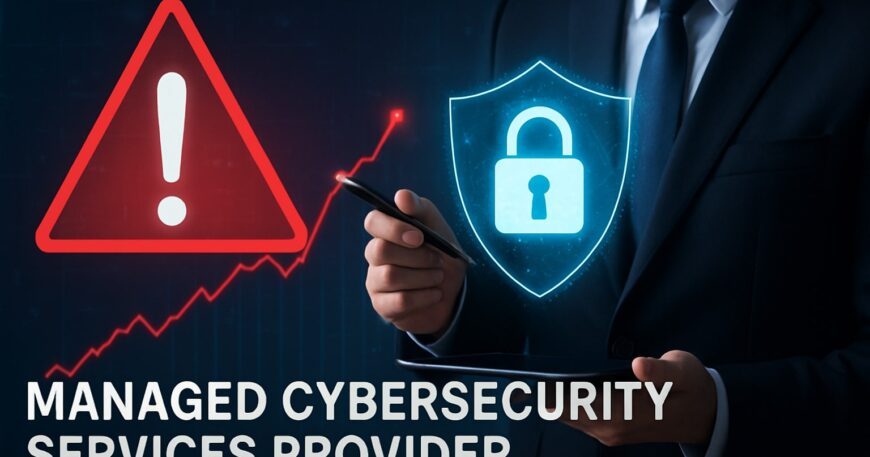
Cyber threats are evolving at a record pace, placing every business at higher risk in 2026. With the stakes rising, choosing the right managed cybersecurity services provider is more critical than ever to safeguard sensitive data and maintain trust.
This expert guide equips you with actionable steps to select and leverage a provider for optimal protection and compliance. You will discover the latest threat trends, core MCSP services, key selection criteria, implementation best practices, future developments, and real-world business outcomes.
Prepare to strengthen your defenses and take decisive action against today’s complex digital risks.
The 2026 Cybersecurity Threat Landscape
The cybersecurity landscape in 2026 has reached an unprecedented level of complexity. Businesses of every size face new challenges as threats evolve at a rapid pace. Understanding these risks is crucial for any organization considering a managed cybersecurity services provider. This section breaks down the latest threat trends, regulatory pressures, and the real costs of cyber incidents.
The Escalation of Cyber Threats
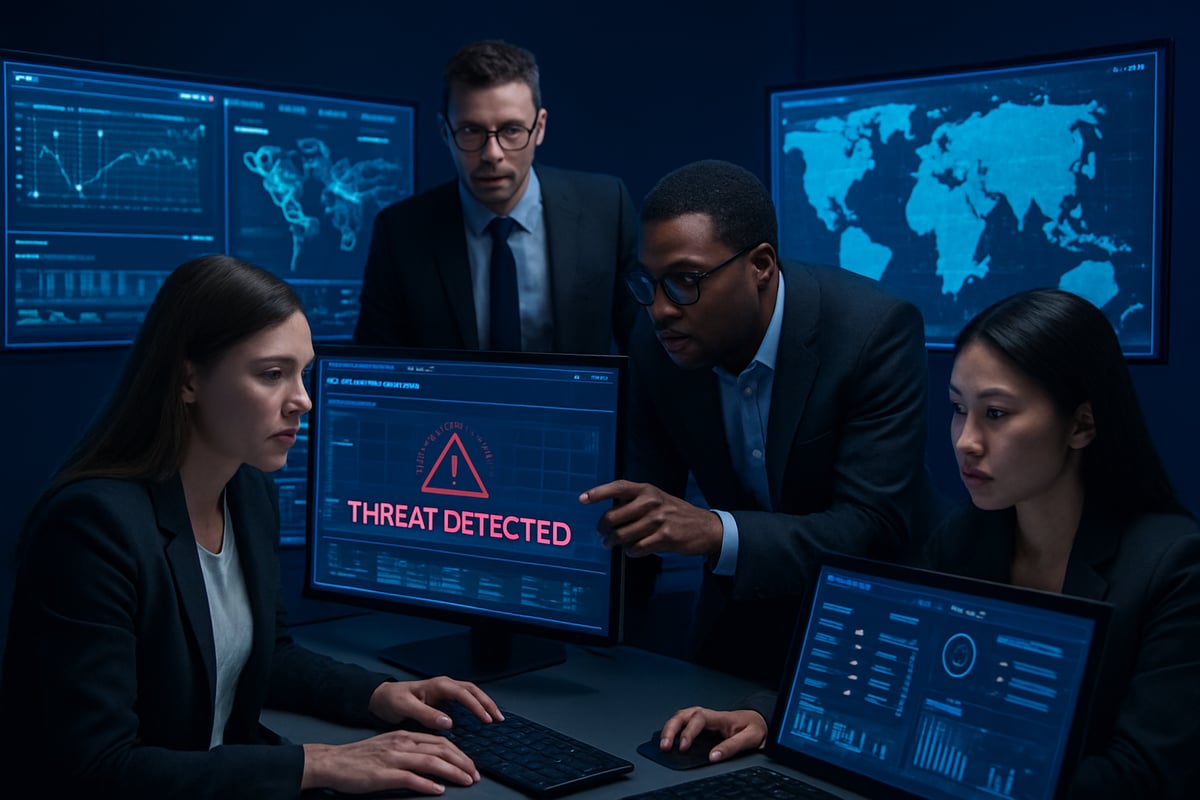
Cyber threats have intensified globally, with ransomware attacks surging by 40% year-over-year. Attackers increasingly use AI-driven malware to bypass traditional security controls, launching sophisticated phishing campaigns that target both individuals and organizations. According to the Global Cybersecurity Outlook 2026, automated scans now reach 36,000 per second, amplifying the scale of attacks.
The shift to remote and hybrid work environments has introduced new vulnerabilities. Employees often access sensitive data from less secure networks. This exposes organizations to additional risks, making the role of a managed cybersecurity services provider even more critical. Supply chain attacks have also become more common, with third-party vendors acting as entry points for cybercriminals.
Consider the real-world impact: A mid-sized business recently suffered a $1 million loss due to a data breach. The attack exploited weak third-party controls, highlighting the need for robust monitoring and proactive defense. These trends emphasize why businesses must rethink their cybersecurity strategies and consider ongoing partnerships with a managed cybersecurity services provider.
Regulatory and Compliance Pressures
Regulatory frameworks have evolved in response to rising cyber risks. Updates to GDPR, CCPA, and new sector-specific mandates have imposed stricter requirements on data protection and breach notification. Non-compliance is costly, with average penalties exceeding $4.5 million in 2025. For many organizations, meeting these standards is a top priority when selecting a managed cybersecurity services provider.
Continuous compliance monitoring and reporting are now essential. Organizations must demonstrate that they follow best practices and maintain audit-ready documentation. A managed cybersecurity services provider can help navigate complex regulatory landscapes by offering real-time risk assessments and ongoing policy updates.
Key compliance challenges in 2026 include:
- Keeping pace with changing laws.
- Ensuring third-party vendors comply with standards.
- Providing timely breach notifications.
With regulators increasing scrutiny and customers demanding transparency, businesses must prioritize compliance. The right managed cybersecurity services provider offers tools and expertise to reduce risk and avoid costly fines.
The Cost of Cyber Incidents
The financial and reputational costs of cyber incidents continue to rise. In 2026, the average data breach is projected to cost over $5 million. Beyond direct expenses, downtime and lost trust can be devastating. Studies show that 60% of small and midsize businesses close within six months of a major cyberattack, underscoring the urgent need for a managed cybersecurity services provider.
The healthcare sector offers a stark example. Breach costs in this industry have soared, with patient care often disrupted and sensitive information exposed. The damage extends beyond finances, impacting patient safety and organizational reputation.
A managed cybersecurity services provider helps organizations minimize these risks by offering proactive threat detection, rapid incident response, and business continuity planning. By investing in expert support, businesses can protect their assets, reputation, and future growth.
What is a Managed Cybersecurity Services Provider (MCSP)?
Understanding what a managed cybersecurity services provider offers is fundamental for businesses navigating today's complex threat landscape. As cyber risks intensify, organizations need more than just basic IT support—they require specialized protection and proactive defense tailored to their unique needs.
Definition and Core Functions
A managed cybersecurity services provider is a third-party partner dedicated to safeguarding an organization's digital assets and sensitive data. Unlike traditional managed service providers that focus on general IT support, an MCSP specializes in comprehensive security operations.
The core functions of a managed cybersecurity services provider include continuous threat monitoring, rapid incident response, vulnerability management, and compliance assistance. These experts maintain a vigilant watch over networks and systems, ensuring that potential threats are identified and neutralized before they escalate.
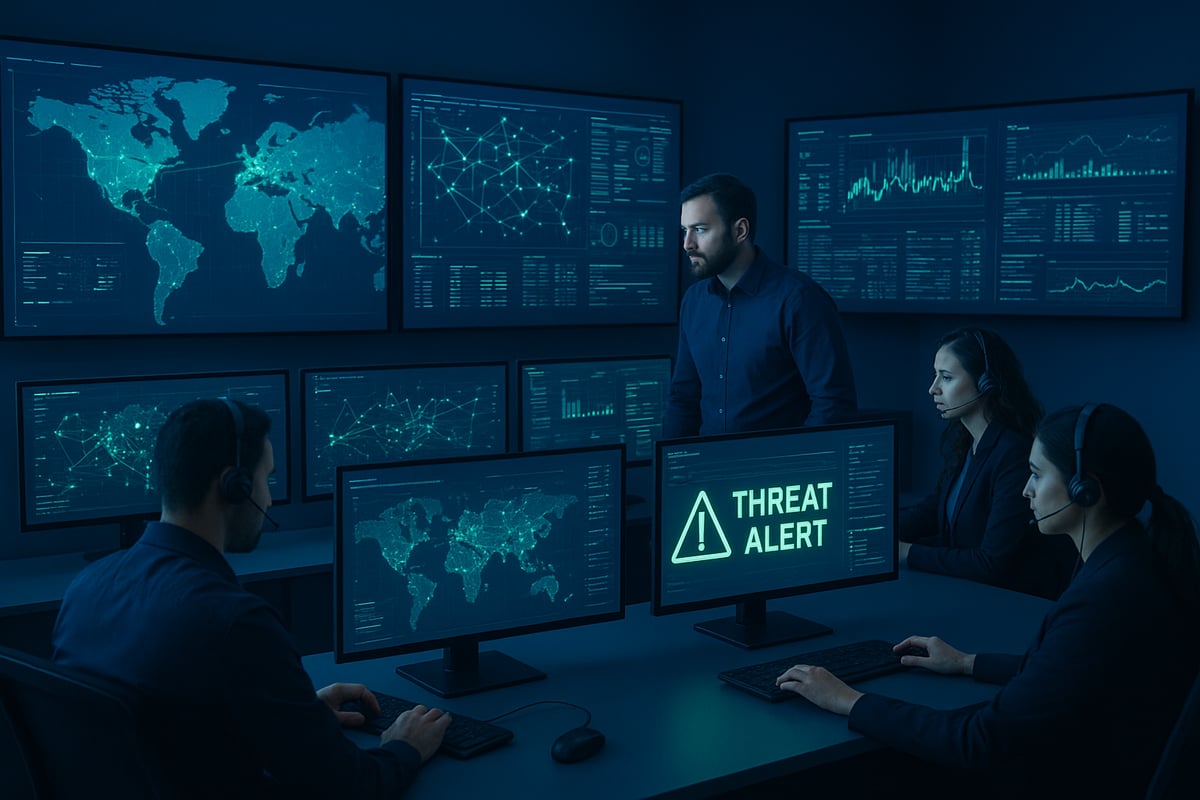
One key differentiator is the presence of a 24/7 Security Operations Center, or SOC. This facility enables real-time detection and response, minimizing the window of opportunity for attackers. With a managed cybersecurity services provider, businesses benefit from round-the-clock protection and expert guidance.
By leveraging advanced tools and industry best practices, MCSPs help organizations navigate evolving risks, maintain regulatory compliance, and build strong security foundations.
Core Services Offered by MCSPs
Managed cybersecurity services providers deliver a wide range of solutions tailored to the needs of modern businesses. Their offerings extend beyond simple monitoring, encompassing proactive and responsive measures to secure all aspects of IT infrastructure.
Key services include:
- Security assessments and risk analysis
- Advanced threat detection and incident response
- Endpoint, network, and cloud security solutions
- Data backup, disaster recovery, and business continuity planning
- Security awareness training for employees
The following table summarizes these core services:
| Service Area | Description |
|---|---|
| Threat Monitoring | Real-time detection of cyber threats |
| Incident Response | Immediate action when breaches occur |
| Vulnerability Management | Identifying and patching security gaps |
| Compliance Support | Assistance with regulatory requirements |
| Employee Training | Teaching staff to recognize and avoid risks |
For a deeper look at the range of IT security solutions overview offered by leading MCSPs, review the dedicated service portfolios that address the latest business risks.
With these comprehensive capabilities, a managed cybersecurity services provider is equipped to address both current and emerging security challenges.
Benefits of Partnering with an MCSP
There are several compelling reasons to partner with a managed cybersecurity services provider. First, organizations gain immediate access to specialized expertise and cutting-edge security tools—resources that are often costly to build internally.
Additionally, MCSPs offer predictable, scalable cost structures, enabling businesses to budget effectively without surprise expenses. Proactive threat mitigation and rapid response minimize downtime, reduce the risk of financial loss, and safeguard reputation.
Another advantage is the reduced burden on internal IT teams. With a managed cybersecurity services provider handling security, staff can focus on core business operations and innovation.
Consider the example of a retailer that avoided a costly ransomware payout because their MCSP detected and contained the threat early. This real-world scenario illustrates the tangible value of professional security partnerships.
Choosing the right provider ensures that your organization is prepared for whatever the cyber landscape brings next.
How to Choose the Right Managed Cybersecurity Services Provider in 2026
Selecting a managed cybersecurity services provider in 2026 is a decision that can define your organization's digital future. As cyber threats evolve and regulatory pressures mount, businesses must approach this choice with a strategic mindset.
This section guides you through the steps, criteria, and questions that matter most. By understanding your needs and scrutinizing potential partners, you ensure your business is protected, compliant, and ready for tomorrow's risks.

Assessing Your Organization’s Needs
Before choosing a managed cybersecurity services provider, it's vital to assess your organization's unique risk landscape. Begin with a comprehensive cybersecurity risk assessment to pinpoint vulnerabilities in your network, endpoints, and cloud environments.
Map out your regulatory obligations, such as GDPR, CCPA, or industry-specific mandates. This ensures any managed cybersecurity services provider you consider can support ongoing compliance and reporting.
Clarify your business priorities. Are you concerned about ransomware, phishing, or data loss? Do you need endpoint security, cloud protection, or both? Identifying these needs helps you narrow down the scope of services required from your managed cybersecurity services provider.
Key steps in this assessment process:
- Inventory digital assets and sensitive data.
- Evaluate existing security controls and gaps.
- Document business continuity requirements.
- Set clear goals for protection, detection, and response.
With this foundation, you can confidently approach providers and align their offerings to your operational reality.
Key Evaluation Criteria for MCSPs
Not all providers are created equal. To choose the right managed cybersecurity services provider, compare candidates using objective, industry-standard benchmarks.
Key criteria include:
- Certifications: Look for ISO 27001, SOC 2, or staff with CISSP credentials.
- Industry Experience: Review client references, especially within your sector.
- SLAs: Strong service level agreements with clear response times.
- Technology Stack: Integration with your existing security tools.
- Transparency: Frequent, clear reporting and open communication.
| Criteria | Why It Matters | What to Look For |
|---|---|---|
| Certifications | Proven expertise | ISO 27001, SOC 2, CISSP |
| SLAs | Reliable protection | Guaranteed response times |
| Technology Stack | Seamless integration | Compatibility with your IT |
| Industry Experience | Relevant insights | References from your sector |
| Reporting | Accountability | Regular, detailed reports |
For a deeper dive into what to evaluate, consult this Managed Security Services Selection Criteria guide, which expands on key factors and real-world considerations.
When comparing providers, ensure their solutions align with your assessment findings. The right managed cybersecurity services provider will demonstrate both technical acumen and a proven commitment to your business’s ongoing security.
Questions to Ask Potential Providers
Your conversations with a managed cybersecurity services provider should go beyond sales pitches. Ask targeted questions to reveal their capabilities and fit:
- How do you gather and use threat intelligence?
- What is your incident response process and timeline?
- How do you support compliance and audits?
- Can services scale for business growth or seasonal peaks?
- What is your approach to zero-day threats?
For example, imagine comparing two providers. One offers automated, AI-driven detection but lacks dedicated incident responders. Another combines advanced monitoring with a 24/7 human-led team. The distinction could mean the difference between rapid containment and costly downtime.
Use these questions to test each managed cybersecurity services provider’s transparency, adaptability, and commitment. The right answers will reflect a mature, client-focused operation that can adapt as your risks and needs evolve.
Red Flags and Common Pitfalls
Amid the search for a managed cybersecurity services provider, watch for warning signs that could jeopardize your security investment.
Common red flags include:
- Overpromising absolute security guarantees.
- No 24/7 monitoring or only offshore support.
- Hidden fees or unclear contract terms.
- Minimal documentation or poor reporting habits.
Avoiding these pitfalls requires diligence. Demand clear service descriptions and transparent pricing. Insist on detailed reports and regular reviews. A trustworthy managed cybersecurity services provider will welcome scrutiny and provide reassurance at every step.
Ultimately, your choice should foster confidence, resilience, and a partnership that grows with your business. Take the time to vet each candidate thoroughly, and you’ll lay a strong foundation for long-term cybersecurity success.
Implementing Managed Cybersecurity Services: Step-by-Step Guide
Partnering with a managed cybersecurity services provider is a strategic decision that can transform your organization’s security posture. To maximize the benefits, a structured approach is essential. This step-by-step guide outlines the key phases to ensure a seamless, effective implementation, from risk assessment to continuous improvement.

Step 1: Initial Assessment and Goal Setting
The journey with a managed cybersecurity services provider starts by evaluating your current security landscape. Comprehensive security audits identify vulnerabilities across systems, networks, and processes.
Begin by mapping out your business objectives and compliance requirements. Align security goals with your organization’s risk tolerance and regulatory obligations. Establish metrics for success, such as reduced incident rates or improved audit scores.
This foundational step ensures your provider tailors solutions to your specific needs, setting the stage for a proactive security strategy.
Step 2: Selecting and Onboarding Your MCSP
Choosing the right managed cybersecurity services provider requires careful evaluation. Review certifications, industry experience, and client testimonials. Negotiate clear service level agreements that define response times, escalation protocols, and support availability.
During onboarding, coordinate closely with your internal teams. Assign roles for communication, reporting, and incident management. Establish secure channels for sharing sensitive information.
A smooth onboarding process minimizes disruption and accelerates the path to enhanced protection and compliance.
Step 3: Deployment of Security Solutions
Once onboarded, your managed cybersecurity services provider will implement a suite of security tools tailored to your environment. This includes endpoint protection, network security, and cloud safeguards. Integration with existing IT infrastructure is critical to avoid gaps.
Advanced solutions such as firewall and advanced threat protection are deployed to monitor and block malicious activity in real time.
Proper configuration ensures seamless defense across all digital assets, reducing the risk of breaches and downtime.
Step 4: Ongoing Monitoring and Incident Response
With defenses in place, continuous monitoring becomes the frontline of your security strategy. Your managed cybersecurity services provider delivers 24/7 threat detection, analyzing logs and network traffic for signs of compromise.
Incident response workflows, both automated and manual, are activated at the first sign of a threat. Rapid containment and remediation minimize potential damage.
Regular communication keeps your leadership informed and supports swift decision-making when incidents arise.
Step 5: Employee Training and Security Culture
Technology alone cannot defend against all threats. Your managed cybersecurity services provider will launch ongoing security awareness programs for all employees.
Interactive training, simulated phishing campaigns, and real-world scenarios help staff recognize and respond to evolving risks. Building a security-first culture reduces human error, a leading cause of breaches.
Empowering your workforce is essential for lasting protection and compliance.
Step 6: Review, Reporting, and Continuous Improvement
A top-tier managed cybersecurity services provider emphasizes continuous improvement. Regular reviews assess the effectiveness of security controls and identify new risks.
Comprehensive reporting provides insights into incident trends, compliance status, and areas for enhancement. Adaptive strategies, informed by the latest threat intelligence, keep your defenses current.
This feedback loop ensures your organization evolves alongside the ever-changing cyber threat landscape.
Future Trends in Managed Cybersecurity Services
The cybersecurity landscape is rapidly evolving, presenting new challenges for every managed cybersecurity services provider. Staying ahead means adapting to emerging technologies, threat intelligence, and security models that will define the industry in 2026 and beyond.
AI and Automation in Cyber Defense
Artificial intelligence is revolutionizing how a managed cybersecurity services provider detects and responds to threats. AI-powered solutions analyze massive volumes of data at speeds humans cannot match, identifying anomalies and potential attacks before they escalate.
Automated response systems now handle routine incidents, freeing experts to focus on complex cases. Predictive analytics is enabling proactive defenses, reducing average response times by up to 60 percent in recent years. According to a recent AI-Powered Cyberthreat Surge, automated attacks are also on the rise, requiring even more sophisticated countermeasures from providers.
For businesses, this means faster, more accurate threat detection and less downtime. Every managed cybersecurity services provider must continuously invest in AI research and automation to stay effective.
Zero Trust Security Models
The Zero Trust approach is becoming a standard for any managed cybersecurity services provider. Rather than relying on traditional network perimeters, Zero Trust assumes that threats can exist both inside and outside the organization.
This model requires continuous verification of every user and device, enforcing least-privilege access at every layer. Managed cybersecurity services providers implement identity-centric controls, such as multi-factor authentication and real-time monitoring, to prevent lateral movement within networks.
Real-world adoption of Zero Trust has helped organizations reduce the impact of breaches, as attackers cannot easily move from one system to another. For any managed cybersecurity services provider, offering Zero Trust frameworks is now a clear differentiator.
Integration with Cloud and IoT Security
As businesses migrate more operations to the cloud and deploy IoT devices, a managed cybersecurity services provider must expand its expertise. Cloud-native security tools and IoT-specific protocols are essential for protecting sensitive data and maintaining regulatory compliance.
Providers are now developing solutions that seamlessly monitor cloud environments, enforce encryption, and secure device communications. Addressing the unique vulnerabilities of remote and hybrid workforces is also a growing priority.
When evaluating a managed cybersecurity services provider, it is crucial to ensure they offer comprehensive coverage for both cloud and IoT assets. This integration is no longer optional but a necessity in the modern threat landscape.
The Rise of Industry-Specific MCSPs
Tailored services are becoming a hallmark of the managed cybersecurity services provider market. Different sectors, such as healthcare, finance, and retail, face unique regulatory pressures and threat profiles. Industry-specific providers offer customized solutions that align with these requirements.
For example, healthcare organizations require HIPAA-compliant measures and rapid breach response, while retailers need robust payment security and anti-fraud technologies. By partnering with a managed cybersecurity services provider specializing in their industry, businesses gain access to relevant expertise and compliance-driven offerings.
This trend is expected to accelerate as regulatory frameworks become more complex and sector-specific.
Evolving Threat Intelligence and Collaboration
Collaboration is shaping the future for every managed cybersecurity services provider. Crowdsourced threat intelligence and global data sharing allow providers to identify and respond to new attack patterns more rapidly.
Industry alliances and cross-border partnerships are leading to more effective defenses against large-scale threats. According to the Global Cybersecurity Outlook 2026, collaborative responses have played a critical role in recent ransomware group takedowns.
As the threat landscape grows more complex, a managed cybersecurity services provider must leverage these networks to deliver the best possible protection. Businesses benefit from this collective knowledge, experiencing fewer successful attacks and faster recoveries.
Case Studies: Success Stories and Lessons Learned
In the rapidly changing world of cyber threats, partnering with a managed cybersecurity services provider is no longer optional for most organizations. Real-world examples highlight not only the risks but also the measurable value an MCSP brings to business resilience, compliance, and security culture. The following case studies illustrate how organizations leveraged a managed cybersecurity services provider to overcome attacks, achieve compliance, and build a proactive defense strategy.
Small Business Overcomes Ransomware Attack
A regional accounting firm learned firsthand how devastating a ransomware attack could be when their network was locked and client files were held hostage. Within minutes of detection, their managed cybersecurity services provider activated incident response protocols.
- Immediate network isolation limited the spread.
- Data recovery processes restored backup files.
- Communication plans reassured clients and regulators.
Thanks to the MCSP’s rapid response, the business avoided paying the ransom and resumed operations within 24 hours. The managed cybersecurity services provider also conducted a post-incident review, implementing stronger endpoint protection and updating employee training. This case underscores the critical importance of swift action and expert guidance in minimizing both downtime and reputational damage.
Healthcare Provider Achieves Compliance with MCSP Support
A mid-sized healthcare clinic faced mounting regulatory pressure to maintain HIPAA compliance while protecting sensitive patient data. By partnering with a managed cybersecurity services provider, the organization gained access to advanced compliance tools and ongoing audit support.
- The MCSP deployed encryption for all patient records.
- Automated compliance monitoring flagged potential issues.
- Staff received tailored security awareness training.
As a result, the provider passed its annual audit with zero findings and reported a significant reduction in attempted breaches. The managed cybersecurity services provider’s understanding of healthcare regulations helped the clinic meet evolving standards and demonstrate due diligence to both patients and regulators. This partnership also freed the internal IT team to focus on patient care technology.
Retail Chain Enhances Security Culture
A national retail chain recognized that employees were often the first line of defense against cyber threats. Their managed cybersecurity services provider introduced a comprehensive security awareness program.
- Quarterly simulated phishing campaigns tested staff response.
- Regular workshops addressed social engineering tactics.
- Incident reporting was streamlined with new digital tools.
Over six months, the company saw a 40 percent increase in employee-reported phishing attempts and a measurable drop in successful attacks. The managed cybersecurity services provider provided actionable feedback after each simulation, fostering a culture of vigilance. Leadership noted improved morale, as staff felt empowered to contribute to the company’s security posture.
Lessons Learned and Best Practices
These case studies reveal essential lessons for organizations considering a managed cybersecurity services provider. Ongoing communication, regular reviews, and a commitment to continuous improvement are vital. Importantly, businesses with MCSP partnerships report 50 percent fewer successful attacks, as highlighted in the Global Cybersecurity Outlook 2026.
Best practices include:
- Establishing clear roles and escalation paths.
- Scheduling quarterly security reviews.
- Investing in ongoing employee education.
- Leveraging real-time threat intelligence.
For organizations seeking similar results, engaging with a trusted managed cybersecurity services provider is a proven path to resilience and regulatory success.
As we’ve explored, the cybersecurity landscape in 2026 is more challenging than ever, with evolving threats and increasing compliance demands. Protecting your business isn’t just about having the right technology—it’s about choosing a partner who truly understands your needs and keeps your operations running smoothly. If you’re ready to strengthen your defenses and free up time to focus on what matters most, let’s have a conversation about how managed cybersecurity services can help your business thrive. For personalized guidance and support, Call us now to take the next step toward a more secure future.

