
In today's digital-first world, information security management forms the backbone of business continuity and trust. As data breaches become more frequent and costly, organizations must prioritize security to stay resilient and reliable.
This guide explores the essential principles, frameworks, strategies, and future trends shaping information security management in 2026. You will learn about core concepts, risk management, leading standards, implementation strategies, key technologies, and emerging challenges.
- Attention: Data breaches are rising globally.
- Interest: Every business, regardless of size, needs effective protection.
- Desire: Mastering security means less risk, better compliance, and a competitive edge.
- Action: Follow this guide for clear, actionable steps to secure your organization in 2026.
Understanding Information Security Management: Core Concepts and Principles
In today’s digital economy, information security management is at the heart of every organization’s defense strategy. Whether you’re a global enterprise or a local startup, understanding the key concepts behind information security management is critical for protecting your assets and ensuring business continuity.

Defining Information Security Management (ISM)
Information security management is a systematic approach to safeguarding an organization’s data, processes, and technology. Its primary goal is to ensure the confidentiality, integrity, and availability (CIA triad) of information.
- Confidentiality means protecting sensitive data from unauthorized access.
- Integrity ensures information remains accurate and unaltered.
- Availability guarantees that information is accessible when needed.
Unlike cybersecurity, which focuses solely on protecting digital assets from cyber threats, information security management encompasses both digital and physical security measures. IT security, on the other hand, is more narrowly concerned with protecting IT systems and networks.
A fundamental principle of information security management is asset identification and valuation. Organizations must know what data, systems, and resources are most valuable to their operations. Stakeholders, from executives to end users, play crucial roles in shaping and supporting ISM processes.
For example, in healthcare, information security management protects patient records and ensures compliance with regulations. In finance, it secures transactions and client data. The adoption of frameworks like ISO/IEC 27001, which has shaped global cybersecurity for over two decades, demonstrates the growing importance of structured ISM practices (ISO/IEC 27001: 20 Years of Global Cybersecurity).
Recent years have seen a sharp rise in data breach incidents. The impact on organizations ranges from financial loss to reputational damage, making robust information security management essential across industries.
The Evolving Threat Landscape in 2026
The threat landscape for information security management is continuously evolving. Organizations face increasingly sophisticated cyber threats, including ransomware, phishing, insider threats, and supply chain attacks.
Widespread remote work and rapid cloud adoption have introduced new vulnerabilities. As employees access company resources from various locations and devices, information security management must adapt to secure data beyond traditional perimeters.
Regulatory pressures are mounting worldwide. Laws like GDPR and CCPA impose strict requirements on data protection. Non-compliance can result in significant financial penalties and loss of trust.
Continuous threat assessment is necessary to stay ahead. Industry analysts project that global cybercrime costs will reach $10.5 trillion annually by 2025. High-profile breaches, such as those targeting large financial institutions or healthcare providers, highlight the severe consequences of inadequate information security management.
Ultimately, proactive information security management is not optional. It is a business imperative that safeguards assets, ensures compliance, and maintains stakeholder confidence in a dynamic digital landscape.
Risk Management and Mitigation Strategies in Information Security
In today's interconnected landscape, risk management sits at the core of effective information security management. Organizations face an expanding array of threats, making it crucial to take a structured and proactive approach to safeguard their data and systems. Understanding the lifecycle of risk management and how to implement tailored mitigation strategies is essential for building resilience and maintaining business continuity.
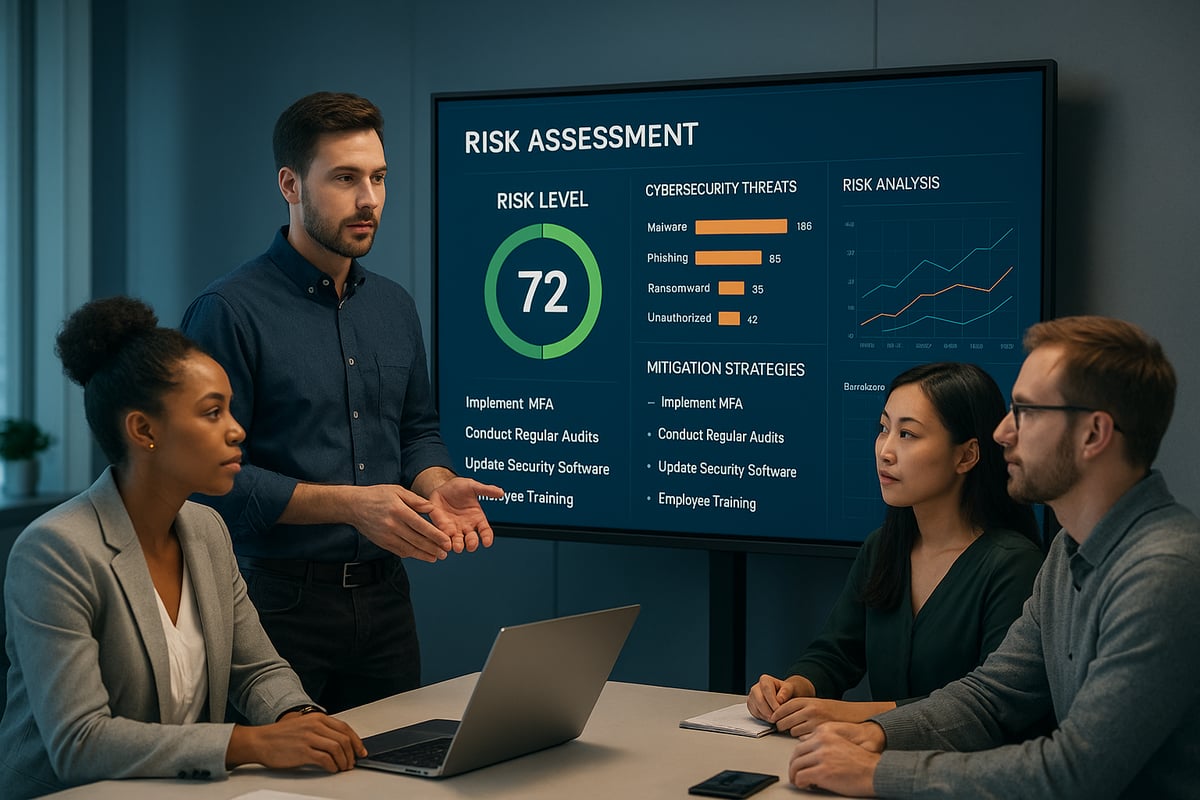
The Risk Management Lifecycle
The foundation of information security management lies in a systematic risk management lifecycle. This process begins with identifying all critical assets within the organization, such as sensitive data, intellectual property, and infrastructure. Accurate asset identification and valuation help prioritize protection efforts.
Next, organizations perform threat and vulnerability assessments. This step involves analyzing which risks are most likely to impact operations and how severe those impacts could be. Protection Motivation Theory (PMT) is often applied here, helping security leaders assess both the severity of threats and their perceived vulnerability.
Following this, a detailed risk analysis is conducted. Teams evaluate the probability and potential consequences of each risk. They then develop mitigation strategies and monitor their effectiveness over time. Risk management is not static, so organizations must continuously reassess and adapt to new threats and changing business environments.
A practical example is the difference between handling physical threats, like unauthorized facility access, versus cyber threats, such as phishing attacks. While both require robust controls, the risk responses and mitigation steps will differ based on the nature of the threat.
Consider that 60% of small businesses close within six months of experiencing a cyberattack. This statistic highlights the business imperative of robust information security management. Investment in this area is increasing globally, with Gartner’s 2024 Global Information Security Spending Forecast projecting continued growth as organizations recognize the need for ongoing risk management.
Risk management in information security management is an iterative process. Regular reviews and updates ensure that controls remain effective and address emerging threats.
Implementing Effective Mitigation Plans
After assessing risks, the next step in information security management is to implement targeted mitigation plans. Organizations must select strategies based on risk assessment outcomes, ensuring that resources are allocated to areas of greatest impact.
Mitigation strategies typically fall into three categories:
- Technical controls (e.g., firewalls, access controls)
- Administrative controls (e.g., policies, training)
- Physical controls (e.g., secure facilities)
A cost–benefit analysis helps determine which controls offer the best protection relative to their expense. The seven IT domains—user, workstation, LAN, LAN-to-WAN, WAN, remote access, and system/application—each present unique risk profiles that require specific controls.
For example, to address user apathy, organizations might implement regular security awareness training, while network scanning threats might be countered with advanced intrusion detection systems. Tailored mitigation is more effective than a one-size-fits-all approach, allowing organizations to adapt to their specific risk environment.
The effectiveness of mitigation depends on continuous monitoring and improvement. As new threats emerge, strategies must evolve. Information security management thrives when mitigation is proactive, dynamic, and aligned with organizational goals.
Building an Information Security Management System (ISMS)
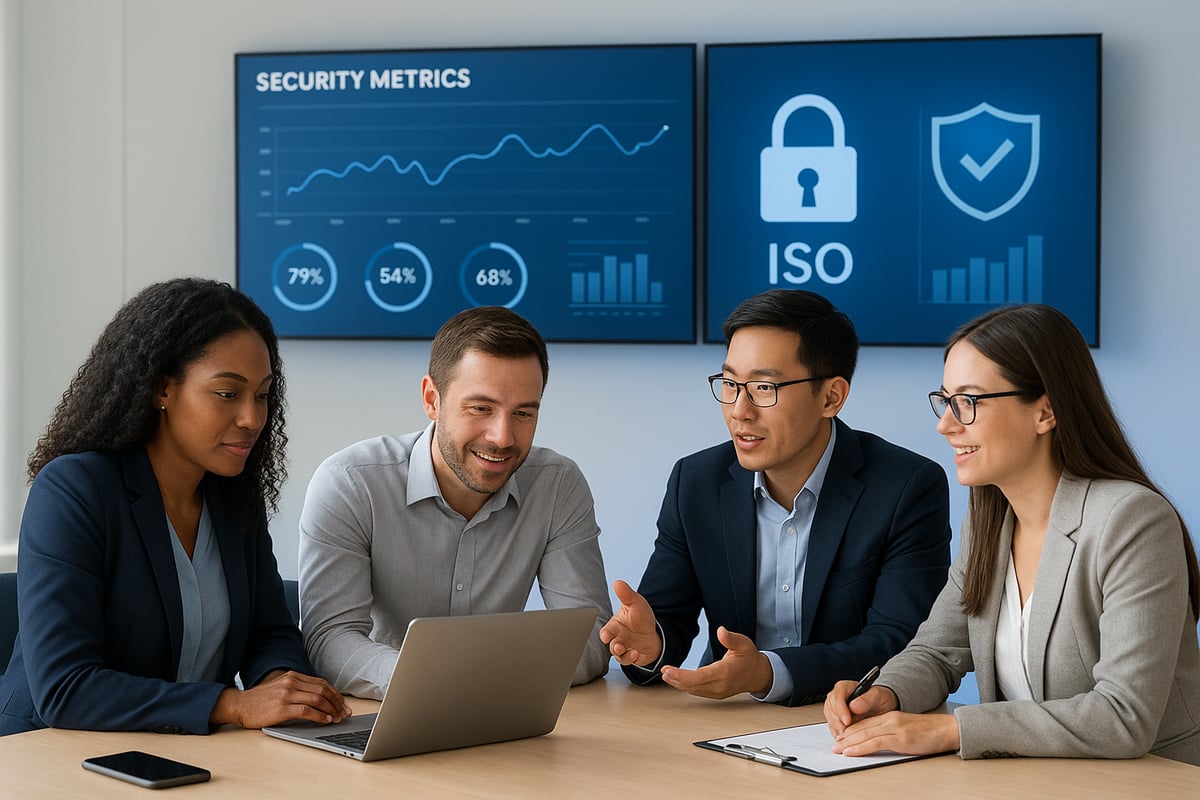
An effective information security management system (ISMS) is the cornerstone of proactive risk management. Organizations rely on a robust ISMS to create a structured framework for protecting their critical information assets. In today's environment, information security management is not just a technical requirement, but a business essential that supports trust, compliance, and operational resilience.
ISMS Frameworks and Standards
An ISMS provides the blueprint for information security management, aligning organizational processes and controls under a unified strategy. The most widely adopted frameworks are the ISO/IEC 27000 series, which define global standards for establishing, implementing, maintaining, and continually improving an ISMS.
Below is a summary of key ISO standards:
| Standard | Purpose | Key Focus Areas |
|---|---|---|
| ISO/IEC 27001 | ISMS requirements and certification | Policies, risk, controls |
| ISO/IEC 27002 | Implementation guidance for controls | Best practices, controls |
| ISO/IEC 27035 | Incident management processes | Response, recovery |
The core components of an ISMS include:
- Policies: High-level intentions and direction for information security management.
- Processes: Steps and workflows to achieve security objectives.
- Procedures: Detailed instructions for implementing controls.
- Controls: Safeguards to mitigate risks.
Continuous improvement is at the heart of information security management, guided by the Plan Do Check Act (PDCA) cycle. This iterative approach ensures that security controls evolve with emerging threats and business needs.
Achieving ISO/IEC 27001 certification involves a structured process:
- Define scope and objectives.
- Conduct risk assessments.
- Implement controls and document procedures.
- Perform internal audits and management reviews.
- Undergo external certification audit.
Adoption is rising, with over 44,000 organizations certified to ISO/IEC 27001 globally as of 2023. This growth highlights the increasing recognition of information security management as a driver of trust and market advantage.
Implementation Best Practices
Successful implementation of an information security management system requires more than technical measures. Leadership commitment and resource allocation set the foundation for lasting change. Engaging stakeholders across departments ensures that information security management aligns with organizational goals.
Integration with business processes is essential. An ISMS should enhance, not disrupt, daily operations. Regular training and awareness programs empower employees to recognize and respond to security threats, strengthening the overall security posture.
Documentation plays a vital role, providing evidence for audits and supporting continuous improvement. Organizations should maintain clear records of policies, risk assessments, and control effectiveness.
Consider the example of a mid-sized company implementing information security management. By prioritizing leadership involvement, providing tailored training, and embedding security into project lifecycles, the company achieved ISO/IEC 27001 certification. This not only improved resilience but also enhanced client confidence and opened new business opportunities.
A well-built ISMS is more than compliance—it is a strategic asset that enables organizations to adapt, compete, and thrive in a rapidly changing risk landscape.
Key Technologies and Tools for Modern Information Security Management
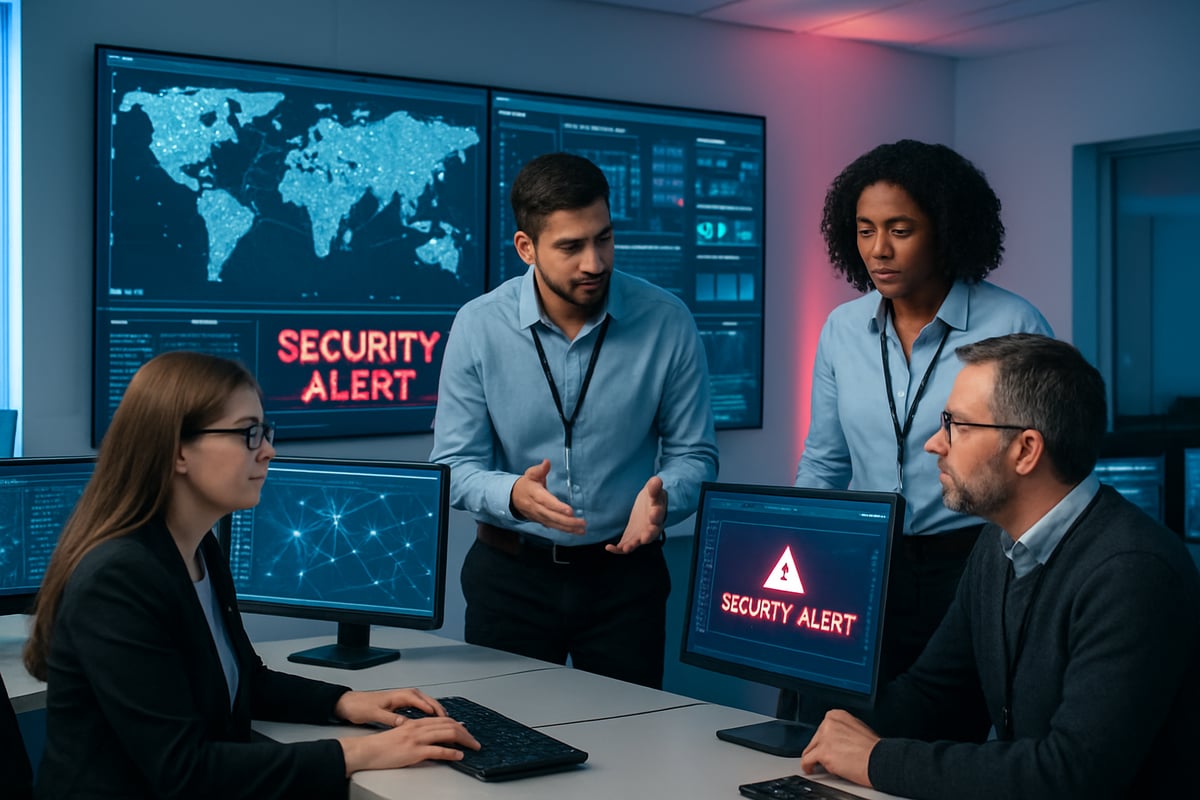
Modern organizations face a rapidly shifting threat landscape, making robust information security management essential. The right technologies not only defend against attacks but also enable teams to respond with speed and precision.
Essential Security Technologies
A strong information security management strategy hinges on a layered approach, utilizing several core technologies. Each tool addresses specific vulnerabilities and collectively forms a resilient defense.
Key technologies include:
- Firewalls: These act as the first line of defense, filtering incoming and outgoing network traffic.
- Intrusion Detection and Prevention Systems (IDS/IPS): IDS/IPS monitor network activity for suspicious patterns and help block attacks in real time.
- Endpoint Protection: Safeguards devices like laptops and mobile phones, which are common targets for attackers.
- Encryption: Protects sensitive data both at rest and in transit, ensuring only authorized users can access information.
- Identity and Access Management (IAM): Centralizes user authentication and permissions, reducing the risk of unauthorized access.
- Security Information and Event Management (SIEM): Collects and analyzes security data from across the organization, enabling faster threat detection. Organizations using SIEM report 30% faster breach detection, a significant advantage for information security management.
- Cloud Security Tools: Address vulnerabilities unique to cloud environments, providing visibility and control over distributed resources.
Multi-factor authentication (MFA) is a practical example. By requiring a second verification step, MFA drastically lowers the risk of credential theft. As businesses invest more in these solutions, global spending on information security is projected to reach $213 billion in 2025, according to Gartner’s 2025 Information Security Spending Forecast. This financial commitment underlines the growing importance of information security management worldwide.
Automation and AI in ISM
As threats become more sophisticated, automation and artificial intelligence are transforming information security management. These technologies help organizations process vast amounts of data, respond to incidents, and maintain compliance efficiently.
Key benefits of automation and AI include:
- Faster Threat Detection: Machine learning analyzes patterns to identify threats that humans might overlook.
- Automated Compliance Monitoring: Ensures that security controls meet regulatory standards without manual intervention.
- Orchestrated Incident Response: Coordinates actions across multiple systems to contain and remediate breaches quickly.
AI-driven phishing detection systems are already reducing the impact of email-based attacks. Automation also scales security operations, allowing teams to focus on strategic tasks instead of repetitive monitoring. For information security management in 2026, leveraging automation and AI is critical to staying ahead of evolving cyber threats.
Implementation Roadmap: Steps to Establish Robust Information Security Management
Establishing robust information security management requires a structured approach. By following a clear roadmap, organizations can systematically reduce risks and strengthen their defenses. This section outlines the essential steps for building a resilient security posture in today's threat landscape.
Step 1: Assess Current Security Posture
The first step in effective information security management is a comprehensive assessment of your current security posture. Begin by cataloging critical assets, including hardware, software, and sensitive data. Identify potential threats and vulnerabilities that could impact these assets.
Conduct a gap analysis against recognized industry standards to uncover weaknesses. Use a structured audit checklist to ensure every area is reviewed:
| Audit Area | Key Questions |
|---|---|
| Asset Inventory | Are all assets documented? |
| Access Controls | Who can access what data? |
| Incident Response | Is there a response plan in place? |
| Compliance | Are regulations being met? |
| Training | Are staff trained on security? |
Information security management at this stage sets the foundation for all subsequent actions. Many organizations discover hidden risks that could otherwise go unaddressed. By taking a detailed, honest look at your environment, you prepare your business for a proactive security journey. Information security management assessments should be repeated as threats evolve.
Step 2: Define Security Policies and Objectives
Once you understand your current posture, the next step in information security management is to develop clear, actionable security policies. These policies should align with your business goals and compliance requirements.
Start by involving leadership and key stakeholders to ensure buy-in. Draft policy templates covering essential areas, such as data protection, acceptable use, and access controls. Make sure each policy is concise, specific, and easy to understand.
Here are examples of policy topics:
- Data classification and handling
- Password management
- Remote work protocols
- Incident reporting procedures
Effective policies provide a roadmap for daily operations and help maintain consistency throughout the organization. When objectives are well-defined, employees know what is expected and how to respond in critical situations.
Step 3: Design and Deploy Security Controls
With policies in place, information security management moves to the design and deployment of security controls. Controls can be technical, administrative, or physical. Select controls based on the risks identified and the potential business impact.
Prioritize controls that address your most significant threats. For example, implementing network segmentation can limit lateral movement by attackers. Integrate these controls with your existing IT infrastructure to avoid disruption.
Consider the following types of controls:
- Technical: Firewalls, encryption, multi-factor authentication
- Administrative: Security policies, user training, background checks
- Physical: Secure access to server rooms, surveillance cameras
A tailored approach ensures resources are used efficiently and risks are mitigated effectively. Continually review and update controls as your environment changes.
Step 4: Educate and Train Employees
People are often the weakest link in information security management. Ongoing security awareness programs are essential for reducing the risk of human error. Offer role-based training for both IT and non-IT staff, ensuring everyone understands their responsibilities.
Use simulated phishing campaigns and incident response exercises to test and reinforce learning. Highlight real-world examples of breaches caused by common mistakes, such as weak passwords or falling for social engineering scams.
Remember, 90% of breaches involve human error. By investing in education, you create a security-conscious culture that supports your overall strategy. Employees who understand the importance of security are less likely to become accidental entry points for attackers.
Step 5: Monitor, Review, and Improve
Continuous monitoring is the backbone of effective information security management. Use tools like Security Information and Event Management (SIEM) systems to detect suspicious activity in real time. Regular internal audits and compliance checks help ensure controls remain effective.
Develop incident response plans and test them frequently. Document findings and use feedback to drive continuous improvement. Monthly security dashboards can track key metrics and highlight trends.
For organizations seeking deeper guidance, consider referencing the ISO/IEC 27001 official guidelines for best practices. The journey does not end with implementation; ongoing vigilance and adaptation are vital for long-term success.
Regulatory Compliance and Industry Standards in 2026
In 2026, regulatory compliance remains a critical pillar of information security management. Organizations face growing scrutiny as data privacy laws and industry standards continue to evolve globally. Staying ahead of these changes is essential for maintaining trust and business continuity.
Navigating the Regulatory Landscape
The regulatory environment for information security management is more complex than ever. Key regulations such as the General Data Protection Regulation (GDPR), California Consumer Privacy Act (CCPA), and Health Insurance Portability and Accountability Act (HIPAA) set stringent standards for data handling and protection. In 2026, additional regional and industry-specific mandates are reshaping compliance expectations for businesses worldwide.
Non-compliance can result in substantial penalties and damage to reputation. For example, global data privacy fines exceeded $1.25 billion in 2023, underscoring the financial risks. High-profile GDPR fines have forced organizations to reevaluate their practices and prioritize information security management across all operations.
Businesses must also address new requirements related to cloud security, cross-border data transfers, and supply chain transparency. Regulatory bodies are introducing stricter audit protocols, demanding more robust documentation and evidence of compliance. As threats evolve, so do legal obligations, making continuous monitoring and adaptation a necessity.
| Regulation | Focus Area | Applicability |
|---|---|---|
| GDPR | Data privacy, EU | All businesses with EU data subjects |
| CCPA | Consumer data, California | Companies serving CA residents |
| HIPAA | Health data, US | Healthcare providers and partners |
Robust information security management is essential to navigate this landscape, ensuring legal compliance and safeguarding organizational reputation.
Aligning ISM with Compliance
Aligning information security management with regulatory demands is a strategic priority for modern organizations. Mapping ISMS controls to legal requirements, such as those set by GDPR or HIPAA, is essential for demonstrating due diligence during audits. Effective documentation and evidence management streamline this process, minimizing audit stress and enabling rapid response to regulatory inquiries.
Third-party assessments and certifications, like ISO/IEC 27001, provide external validation of an organization’s information security management system. These certifications not only support compliance efforts but also elevate market credibility and customer trust.
Using established frameworks makes it easier to identify gaps and implement corrective actions. For example, leveraging ISO/IEC 27001 as a compliance foundation enables organizations to align technical, administrative, and physical controls with regulatory expectations. This structured approach fosters a culture of continuous improvement and positions compliance as a driver for security investment and process maturity.
Ultimately, integrating information security management with regulatory compliance ensures resilience in a rapidly changing environment.
Future Trends and Emerging Challenges in Information Security Management
As information security management moves into 2026, organizations must prepare for a rapidly evolving landscape. New technologies, changing work environments, and sophisticated adversaries are transforming how businesses approach security. Understanding these future trends is critical for staying ahead.
The Rise of Zero Trust and Adaptive Security
Zero Trust has become a cornerstone of information security management. The principle is simple: never trust, always verify. Instead of assuming everything inside the network is safe, Zero Trust requires continuous authentication, strict access controls, and micro-segmentation.
Adaptive security architectures are also gaining traction. These systems use real-time analytics to adjust defenses as threats change. For hybrid cloud environments, this means security policies follow users and data wherever they go.
Key elements include:
- Multi-factor authentication for all users
- Least-privilege access by default
- Continuous monitoring of user behavior
Organizations adopting these strategies strengthen their information security management, making it harder for attackers to exploit traditional trust boundaries.
The Impact of Artificial Intelligence and Automation
Artificial intelligence is reshaping information security management. Machine learning models now detect threats faster than manual methods, analyzing vast amounts of data for signs of compromise.
AI can automate incident response, reducing reaction times and limiting damage. Predictive analytics anticipate attacks before they occur, giving defenders a crucial edge. By 2026, it is forecast that AI will power 80 percent of SOC operations.
However, attackers also use AI to craft convincing phishing emails and evade detection. Automation must be carefully managed to avoid new risks.
Embracing AI in information security management can boost efficiency, but a balanced approach is essential for long-term success.
Supply Chain and Third-Party Risk Management
The complexity of modern supply chains increases risk for information security management. Third-party vendors often have access to sensitive data and systems, making them potential weak points.
Best practices include:
- Conducting thorough vendor security assessments
- Requiring compliance with recognized standards
- Monitoring third-party activities continuously
High-profile breaches, such as supply chain attacks on software providers, highlight the need for vigilance. Companies must integrate supply chain risk into their information security management to avoid costly disruptions and reputational damage.
Human Factors and the Evolving Workforce
People remain a critical factor in information security management. As remote and hybrid work become standard, new challenges emerge. Employees may access systems from unsecured networks or fall victim to social engineering.
Building a strong security culture is vital. This involves:
- Regular training on current threats
- Simulated phishing exercises
- Open communication about security expectations
Managing insider threats and maintaining engagement requires ongoing effort. A workforce that understands its role in information security management is a powerful defense against evolving risks.
Preparing for the Unknown: Resilience and Business Continuity
Resilience is now a key goal of information security management. Organizations must plan for the unexpected, from ransomware to nation-state attacks.
Effective strategies include:
- Business continuity planning with clear recovery procedures
- Scenario planning for emerging threats like quantum computing
- Regular testing of disaster recovery processes
Investing in resilience ensures that information security management supports business operations, even in the face of disruptive events. Building this capability is essential for long-term sustainability.
As you’ve seen throughout this guide, mastering information security management is essential in today’s fast-changing digital landscape. From understanding the latest threats and compliance requirements to building robust systems and educating your team, each step brings you closer to a safer, more productive business environment. If you’re ready to take the next step and want expert guidance tailored to your unique needs, we’re here to help. Let’s ensure your IT infrastructure is as resilient and efficient as possible—reach out to us today at Call us now for a conversation about how Delphi Systems Inc. can support your business.

