



In 2026, organizations face a surge in cyber threats, with global data breaches costing over $10 trillion annually. The need for robust operation security has never been more urgent, as attackers exploit new technologies and target both individuals and companies.
Poor security can lead to devastating losses, reputational harm, and regulatory fines. This guide offers proven, up-to-date strategies for mastering operation security, providing the tools needed to defend against evolving risks.
Explore the fundamentals, step-by-step implementation, advanced tactics, and best practices to safeguard your digital and physical assets in the year ahead.
Understanding Operation Security: Concepts and Importance
Operation security, often abbreviated as OPSEC, is a comprehensive approach to protecting critical information from adversaries. Originally rooted in military strategy, operation security has rapidly evolved to meet the demands of our increasingly digital world. Today, it is vital for organizations and individuals alike, as threats now span from traditional espionage to sophisticated cyber attacks.
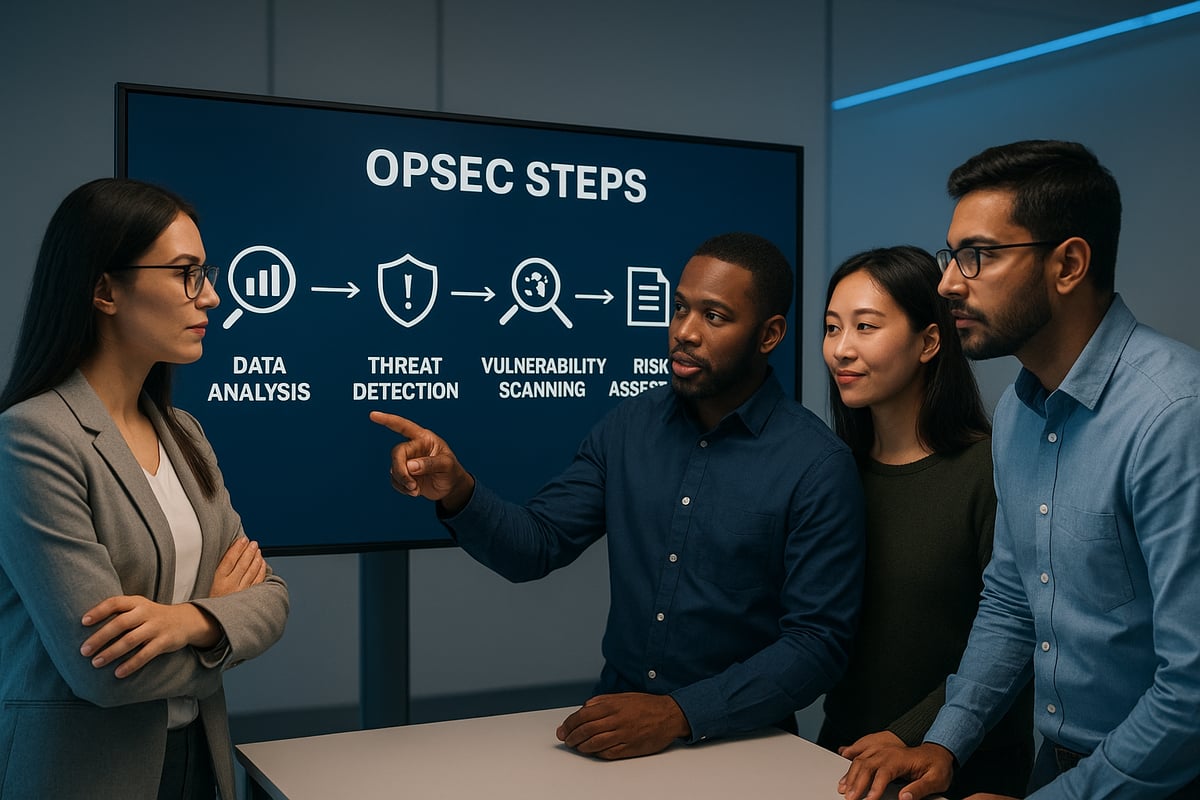
At its core, operation security relies on a structured five-step process. This process includes:
| OPSEC Step | Description |
|---|---|
| Identification | Determine what information is truly critical to protect |
| Threat Analysis | Assess who might want to access that information |
| Vulnerability Analysis | Find weaknesses that could be exploited |
| Risk Assessment | Measure potential impact and likelihood of threats |
| Countermeasures | Implement safeguards to reduce or eliminate risk |
Each step is essential for building a resilient operation security program. By identifying what matters most, organizations can focus resources where they are needed most.
Why is operation security so important in 2026? The pace of digital transformation has accelerated, with cloud storage, remote work, and interconnected supply chains introducing new vulnerabilities. Artificial intelligence is powering both attack and defense, increasing the complexity of the threat landscape. As a result, operation security must be adaptive and proactive.
The consequences of poor operation security are severe. Organizations face:
- Data breaches that expose sensitive customer or business data
- Industrial or corporate espionage, leading to loss of competitive edge
- Damage to reputation and trust, which can take years to rebuild
- Regulatory penalties for failing to protect personal or proprietary data
History offers clear lessons. During the Vietnam War, the Purple Dragon operation formalized OPSEC to counter enemy intelligence efforts. In recent years, high-profile corporate leaks and data thefts have shown that operation security is not just a military concern. Many private companies now use OPSEC principles to safeguard trade secrets and maintain a competitive advantage.
Statistics underline the urgency. According to NIST SP 800-53, operation security is defined as the set of safeguards designed to prevent unauthorized disclosure of critical information. The Cybersecurity Statistics 2025 report highlights a dramatic rise in the exploitation of unclassified but sensitive data, emphasizing the need for robust countermeasures.
Operation security also plays a key role in compliance. Regulations like GDPR, CCPA, and industry-specific standards require organizations to demonstrate adequate protection of sensitive data. Failure to implement effective operation security controls can result in substantial fines and legal consequences.
Both public and private sectors recognize the growing importance of operation security frameworks. As cyber threats become more advanced, organizations must integrate OPSEC into their culture and daily operations to safeguard their most valuable assets.

The Five Steps of Effective Operation Security in 2026
Mastering operation security in 2026 means following a proven, systematic approach. The five-step OPSEC process helps organizations and individuals identify what matters most, understand risks, and build resilient defenses against evolving threats. Let us break down each step and see how you can apply them for stronger operation security.
1. Identifying Critical Information
The first step in operation security is recognizing which information truly matters. Critical information includes anything that, if exposed, could harm your organization or give competitors an advantage.
Examples include intellectual property, customer databases, and internal procedures. Use data classification tools to label and track sensitive assets. Remember, employee awareness is vital. Often, data is overlooked because staff are not trained to spot what is critical.
With cloud storage and remote access, data visibility can become blurred. Studies show that over 60% of breaches stem from poorly identified assets. Regular reviews, clear policies, and staff training ensure critical data is not missed.
2. Threat Analysis: Who Wants Your Information?
Next, you need to understand who might target your operation security. Threat actors range from cybercriminals and competitors to nation-states and insiders.
Modern attackers use social engineering, phishing, and open-source intelligence (OSINT) to gather information. Increasingly, AI is used for data scraping and supply chain infiltration. Watch for signs like unusual access requests or suspicious emails.
Small and mid-sized businesses are seeing a 40% rise in targeted attacks. Tools for threat intelligence help you monitor risks and spot new tactics. Knowing your adversaries is key to proactive operation security.
3. Vulnerability Analysis: Where Are You Exposed?
Vulnerability analysis means finding weak spots in your systems, processes, and people. Common vulnerabilities include outdated software, weak passwords, and unsecured devices.
Remote work setups and IoT devices add new risks. Regular audits and penetration testing uncover hidden exposures. Did you know that 57% of breaches are linked to unpatched vulnerabilities?
Make vulnerability management part of daily routines. Use tools that scan for issues and alert you in real time. This ongoing process keeps your operation security posture strong.
4. Risk Assessment: Measuring the Impact
Risk in operation security is about understanding both the likelihood and impact of a threat. Use risk matrices to visualize and prioritize risks. Both qualitative and quantitative methods help you measure what is at stake.
Potential impacts include financial loss, business disruption, or legal penalties. Prioritize risks based on your objectives and the current threat landscape. For example, the average cost of a data breach in 2025-2026 is projected to exceed $5 million.
Communicate risks clearly to stakeholders. Effective risk assessment allows you to focus resources where they matter most and strengthen your operation security.
5. Implementing Countermeasures: Building Your Defenses
Finally, put your plan into action with targeted countermeasures. These include technical controls like encryption, physical security such as access badges, and administrative steps like employee training.
Layered defenses, or defense-in-depth, provide resilience even if one control fails. Adapt your countermeasures as threats evolve. For expert guidance, review SOC Best Practices for 2026, which highlights effective security operations for the coming year.
Continuous improvement and regular feedback loops ensure your operation security adapts to future challenges. Remember, strong defenses are built on both technology and people.
Advanced Operation Security Strategies for 2026
Modern organizations face an evolving landscape where operation security is not just a technical challenge, but a holistic discipline requiring strategic, human, physical, and supply chain considerations. In 2026, the sophistication of cyber threats demands advanced operation security strategies that blend technology, people, and processes for robust protection.

Integrating Technology: AI, Automation, and Threat Intelligence
AI and automation are transforming operation security by enabling proactive threat detection and rapid response. Machine learning models now analyze user behavior and network traffic to identify anomalies that signal potential breaches. Automated systems can respond to incidents in real time, isolating compromised assets before widespread damage occurs.
Threat intelligence platforms aggregate data from global sources, providing situational awareness that helps organizations anticipate and neutralize emerging threats. For example, AI-driven phishing detection tools flag suspicious emails, while user behavior analytics alert teams to unusual access patterns.
According to recent industry reports, the number of AI-powered attacks has grown by over 40 percent since 2024, challenging defenders to adapt quickly. Automation boosts efficiency, but it is not a cure-all. Overreliance on automated tools without proper oversight can introduce new vulnerabilities.
To maximize benefits, organizations should follow best practices such as integrating automation with human oversight, regularly updating AI models, and ensuring interoperability with existing security infrastructure. The CISA International Strategic Plan 2025-2026 outlines objectives for enhancing operation security resilience, offering a strategic blueprint for technology adoption.
Human Element: Training, Awareness, and Insider Threats
Despite technological advances, the human element remains central to operation security. Employees are both the first line of defense and a potential source of risk. Comprehensive training programs are essential for building a security-conscious culture. Phishing simulations, regular security briefings, and clear communication channels help reduce human error.
Insider threats, whether malicious or accidental, account for a significant percentage of breaches. Monitoring access, enforcing least-privilege principles, and utilizing behavioral analytics can help detect suspicious activities early. For example, organizations that implement ongoing awareness campaigns see a marked decline in successful social engineering attacks.
Building a culture of accountability is key. Encourage staff to report anomalies, reward secure behavior, and foster open dialogue about security challenges. Operation security is most effective when every employee understands their role in protecting critical information.
Physical Security and Facility Protection
Physical security is a foundational pillar of operation security. Protecting facilities, equipment, and physical assets is as important as defending digital infrastructure. Access controls such as badges, biometrics, and surveillance systems restrict unauthorized entry to sensitive areas.
Securing endpoints, including laptops and mobile devices, is crucial as remote and hybrid work environments expand. Asset tracking and device management software help organizations maintain visibility and control. For example, data center security protocols often include multi-factor authentication and continuous video monitoring.
Incidents involving stolen or compromised devices remain a leading cause of data breaches. Integrating physical and cyber security measures ensures a comprehensive defense. Regular audits of physical security policies and procedures are recommended to adapt to evolving threats.
Supply Chain and Third-Party Risk Management
Operation security extends beyond organizational boundaries to include vendors and partners. Supply chain attacks, such as the SolarWinds breach, highlight the risks of interconnected digital ecosystems. Identifying and managing third-party risks is essential for maintaining security integrity.
Due diligence processes should include security assessments, contract clauses specifying compliance requirements, and ongoing monitoring of vendor practices. According to recent studies, over 60 percent of breaches in 2025 involved third-party vendors. Implementing continuous monitoring and incident response plans that cover the entire supply chain helps organizations react swiftly to potential threats.
Best practices include segmenting networks, limiting third-party access, and regularly reviewing vendor security postures. Operation security is strengthened when organizations treat their supply chain as an extension of their own security perimeter.
Incident Response and Continuous Improvement
A robust incident response plan is a cornerstone of effective operation security. Preparation involves defining roles, establishing communication protocols, and conducting regular tabletop exercises. When an incident occurs, swift detection, containment, eradication, and recovery are critical.
Real-world scenarios show that organizations with mature incident response capabilities reduce breach impact and recovery time. The average time to detect and contain a breach in 2026 is 27 days, down from previous years due to improved processes and technologies.
Continuous improvement is vital. Post-incident analysis uncovers root causes and informs updates to policies and controls. Incorporating feedback loops ensures that operation security strategies evolve alongside emerging threats. Organizations that prioritize ongoing evaluation and adaptation maintain a resilient security posture.
Operation Security for Small and Medium Businesses
Small and medium businesses are increasingly in the crosshairs of cybercriminals, making operation security a non-negotiable priority in 2026. Despite lacking the resources of large enterprises, SMBs handle valuable data and often serve as entry points into larger supply chains, which amplifies their risk and responsibility.

Facing Unique Challenges
SMBs contend with unique operation security challenges. Limited budgets, few dedicated IT staff, and reliance on third-party vendors can leave gaps in protection. Cybercriminals exploit these weaknesses, knowing that SMBs often lack robust defenses and formal security protocols. The rapid adoption of remote work and cloud services further complicates visibility and control over sensitive assets, making proactive security planning essential.
Most Common Attack Vectors and Practical Strategies
The most frequent threats targeting SMBs include phishing emails, ransomware attacks, and supply chain compromises. Attackers use deceptive emails and malicious attachments to gain access, while ransomware can paralyze operations and demand hefty payments. Supply chain attacks exploit less-secure partners to infiltrate broader networks.
To combat these risks, SMBs should focus on cost-effective operation security strategies:
- Use managed security service providers (MSSPs) to access professional expertise.
- Implement cloud-based security solutions with multi-factor authentication.
- Conduct regular employee security training to recognize phishing and social engineering.
- Schedule frequent software updates and patch management.
- Limit access to critical information based on roles.
Recent data shows that 43% of breaches now involve SMBs, with average losses reaching $120,000 per incident—figures that can be devastating for smaller organizations.
| Breach Statistic | SMBs | Enterprises |
|---|---|---|
| Share of Breaches (%) | 43 | 57 |
| Avg. Loss per Incident ($) | 120,000 | 4,000,000 |
Building and Sustaining Effective OPSEC
Establishing a solid operation security program does not require a massive investment. Start by identifying your most valuable data, then assess vulnerabilities and prioritize the most significant risks. Leverage affordable tools, such as automated cloud monitoring and secure password managers.
Case studies highlight SMBs that successfully reduced incidents by appointing a security champion, conducting quarterly training, and enforcing strict access controls. For those adopting machine learning or AI-driven workflows, frameworks like the SecMLOps Framework for MLOps Security can help integrate security throughout the technology lifecycle.
Compliance and Leadership Buy-In
SMBs must also track evolving data privacy regulations. Laws such as GDPR and CCPA apply regardless of company size, and non-compliance can lead to severe penalties. Leadership engagement is crucial—when executives champion operation security, it sets a tone of accountability and drives adoption across the organization.
Moving Forward
By prioritizing operation security, SMBs can protect their future, build customer trust, and meet regulatory demands in a rapidly changing threat landscape.
Emerging Trends and Future Challenges in Operation Security
The landscape of operation security is shifting rapidly as we move toward 2026. New technologies and evolving threats are reshaping how organizations protect their critical assets. Understanding these emerging trends is essential for anyone responsible for operation security.
The Rise of AI-Driven Attacks and Deepfakes
AI-powered attacks are becoming more sophisticated every year. Attackers now use machine learning to automate phishing, analyze targets, and create convincing deepfakes. These tools make social engineering attempts more believable and harder to detect.
For operation security professionals, deepfakes represent a unique challenge. Malicious actors can impersonate executives or employees in video calls, tricking teams into sharing sensitive information. AI-driven malware can also adapt in real time, evading traditional defenses.
Organizations must update operation security protocols to include tools for detecting deepfakes and AI-generated threats. Training employees to recognize these risks is now a critical part of any strategy.
Hybrid Work, Regulatory Shifts, and Privacy Laws
With hybrid and remote work models here to stay, operation security faces new complexities. Employees access sensitive systems from various locations and devices, increasing the attack surface for cybercriminals.
At the same time, privacy regulations are evolving. Anticipated changes in laws like GDPR and CCPA are driving organizations to reassess data handling and protection practices. Non-compliance with these regulations can result in severe penalties and reputational harm.
Operation security teams must balance user convenience with robust access controls. Regular audits and compliance checks are essential to meet both internal standards and external legal requirements.
Quantum Computing and Zero Trust in Operation Security
Quantum computing is on the horizon, promising to disrupt current encryption standards. Many experts believe that quantum algorithms could break traditional cryptography, putting confidential data at risk.
To counter this, organizations are exploring quantum-resistant encryption and adopting zero trust architectures. Zero trust means verifying every user and device, regardless of their location or network.
Integrating zero trust into operation security frameworks helps limit the damage from breaches and insider threats. Organizations should start planning for quantum-safe solutions today to stay ahead of future risks.
Real-World Incidents, Data, and Proactive Recommendations
Recent incidents highlight the dangers of neglecting operation security. For example, AI-generated phishing campaigns have successfully breached even well-defended networks. According to Cybersecurity Ventures, global cybercrime costs are projected to reach $10.5 trillion by 2026.
To remain resilient, organizations should:
- Conduct frequent operation security reviews and risk assessments
- Invest in AI-based threat detection and response tools
- Train employees on the latest social engineering tactics
- Monitor regulatory changes and adjust policies promptly
For more on the impact of quantum computing and zero trust, consider reviewing NIST’s Post-Quantum Cryptography Project.
Staying proactive and adaptive is key. By anticipating new challenges, operation security leaders can safeguard their organizations against the next generation of threats.
Operation Security Best Practices Checklist for 2026
A robust operation security program relies on consistent routines and clear best practices. In 2026, evolving threats make it essential to embed operation security into every layer of your organization. This practical checklist will help you maintain strong defenses, adapt to new risks, and ensure operational resilience.
Comprehensive Operation Security Checklist
| Task Frequency | Action Item | Purpose |
|---|---|---|
| Daily | Review system access logs | Detect unauthorized activity |
| Daily | Update and patch key systems | Minimize vulnerabilities |
| Weekly | Conduct brief team security awareness sessions | Reinforce operation security culture |
| Weekly | Inspect physical entry points and secure devices | Prevent physical breaches |
| Annual | Perform full vulnerability assessments and audits | Identify and address new risks |
| Annual | Update operation security policies | Reflect evolving threats and compliance |
Regularly following these steps strengthens your operation security posture and keeps sensitive assets protected.
Integrating Operation Security into Business Processes
For effective operation security, weave security practices into daily operations. Assign roles and responsibilities for each checklist item, and automate recurring tasks where possible. Encourage open communication among teams about potential threats or unusual activity.
Adopting a culture of vigilance empowers employees to recognize and report risks promptly. Leadership commitment is vital for reinforcing operation security as an organizational priority.
Examples: Model Policies, Training, and Audit Routines
Develop clear policies outlining access controls, data handling, and incident response. Schedule quarterly phishing simulations and annual refresher training sessions to keep staff informed. Regular internal audits, combined with external assessments, validate that operation security measures are effective and up-to-date.
A sample training schedule might include monthly micro-learning modules and semi-annual tabletop exercises. These practices ensure that operation security knowledge remains fresh and actionable throughout the organization.
Tools, Resources, and Adapting the Checklist
Leverage trusted resources such as the NIST OPSEC guidelines for detailed frameworks and self-assessment tools. Cloud-based security platforms can help automate monitoring and reporting.
Tailor the checklist to your industry’s unique requirements and your organization’s size. Small businesses may prioritize managed security services, while larger enterprises can benefit from dedicated OPSEC teams. Regardless of size, schedule regular reviews to update your checklist as threats evolve.
Organizations with consistent operation security reviews experience up to 40% fewer incidents, according to recent industry reports. Make it a habit to revisit your checklist, ensuring your defenses stay ahead of emerging challenges.
As you’ve seen, operation security in 2026 is more than just a checklist—it’s a proactive, ongoing commitment to protecting your business, your clients, and your future. Whether you’re navigating new regulations, managing remote teams, or trying to stay a step ahead of cyber threats, the right support can make all the difference. If you want expert guidance tailored to your unique needs, or are ready to strengthen your IT defenses without the stress, let’s talk about how we can help your business thrive. Call us now to get started.

