
Did you know that by 2026, businesses will manage over 50 billion connected devices worldwide? In today’s rapidly evolving digital landscape, mastering system and network fundamentals is essential for resilience and growth. This guide delivers actionable insights to help you understand, manage, and optimize these critical IT foundations.
We will define key concepts, explore modern architectures, share security best practices, uncover emerging trends, and outline proven administration strategies. Stay with us to gain expert guidance and prepare for the future challenges shaping your organization’s success.
Understanding Systems and Networks: Core Concepts for 2026
In the digital landscape of 2026, understanding the difference between a system and network is foundational for every IT professional. These concepts underpin how organizations operate, connect, and secure their infrastructure. As technology evolves, clear definitions and up-to-date perspectives are essential for effective management.
A system in IT refers to an integrated set of components—hardware, software, and processes—working together to accomplish specific functions. For instance, an enterprise resource planning (ERP) platform is a system, combining databases, applications, and workflows to manage business operations. Systems may be physical, virtual, or cloud-based, and often involve complex interactions between various modules.
A network, on the other hand, is the structure that enables communication and data exchange between devices, systems, or users. Examples range from a simple office Wi-Fi setup to sprawling global wide area networks (WANs) connecting cloud data centers. Networks are defined by their ability to link endpoints, route information, and provide secure, efficient connectivity.
While both terms are closely related, their core purposes differ. A system focuses on processing and control, managing resources and tasks within a defined boundary. A network emphasizes connectivity, ensuring that information moves reliably between systems or devices. In modern organizations, the system and network intersect frequently, especially as cloud services and hybrid architectures become the norm.
Consider the example of a hospital IT environment. The electronic health record (EHR) system manages patient data and clinical workflows. The underlying hospital network connects EHR workstations, lab devices, and remote clinics. Together, the system and network deliver seamless care and data access, but each has distinct roles and requirements.
Recent years have brought significant changes to how we define these concepts. The rise of cloud computing, virtualization, and edge devices has blurred traditional boundaries. In 2026, a system may span multiple clouds, while a network might incorporate AI-driven routing and automated security. According to Gartner, by 2026, over 75 percent of enterprise data will be created and processed outside traditional data centers, emphasizing the need to rethink system and network strategies (Gartner’s Top I&O Trends for 2026).
Let us clarify some common misconceptions. Many equate the system and network, using the terms interchangeably, but this oversimplifies their functions. For example, a cloud-based file storage service is a system relying on a vast, distributed network to deliver files. Conversely, a network is not a system by itself, but it is essential for enabling multiple systems to interact.
To highlight their distinctions, consider this table:
| Aspect | System | Network |
|---|---|---|
| Primary Focus | Function, process, control | Connectivity, data flow |
| Examples | Operating system, CRM platform, IoT devices | LAN, WAN, VPN, cloud interconnects |
| Organization | Modules, components, internal logic | Topology, protocols, endpoints |
| Role in IT | Executes tasks, manages resources | Transfers data, links devices/systems |
In 2026, the convergence of system and network is accelerating. Hybrid environments, where on-premises and cloud resources blend, are now standard. This complexity requires IT teams to understand both the system and network, ensuring business continuity, security, and digital transformation success.
Statistics underline this shift. IDC reports that the number of connected devices worldwide is projected to exceed 41 billion by 2026, driving exponential growth in network complexity and system integration. As organizations adopt AI, IoT, and edge computing, the system and network will become even more interdependent.
Misunderstandings often arise around terminology. For example, "networked systems" refer to systems designed for distributed operation, while "system networks" may describe interconnected platforms within a larger digital ecosystem. Clarity in language helps teams collaborate and innovate effectively.
In summary, a strong grasp of system and network fundamentals is crucial for navigating the challenges and opportunities of 2026. As boundaries blur and new technologies emerge, IT professionals must adapt their understanding, ensuring resilient, scalable, and secure digital infrastructure.
Architectural Foundations: Building Robust Systems and Networks
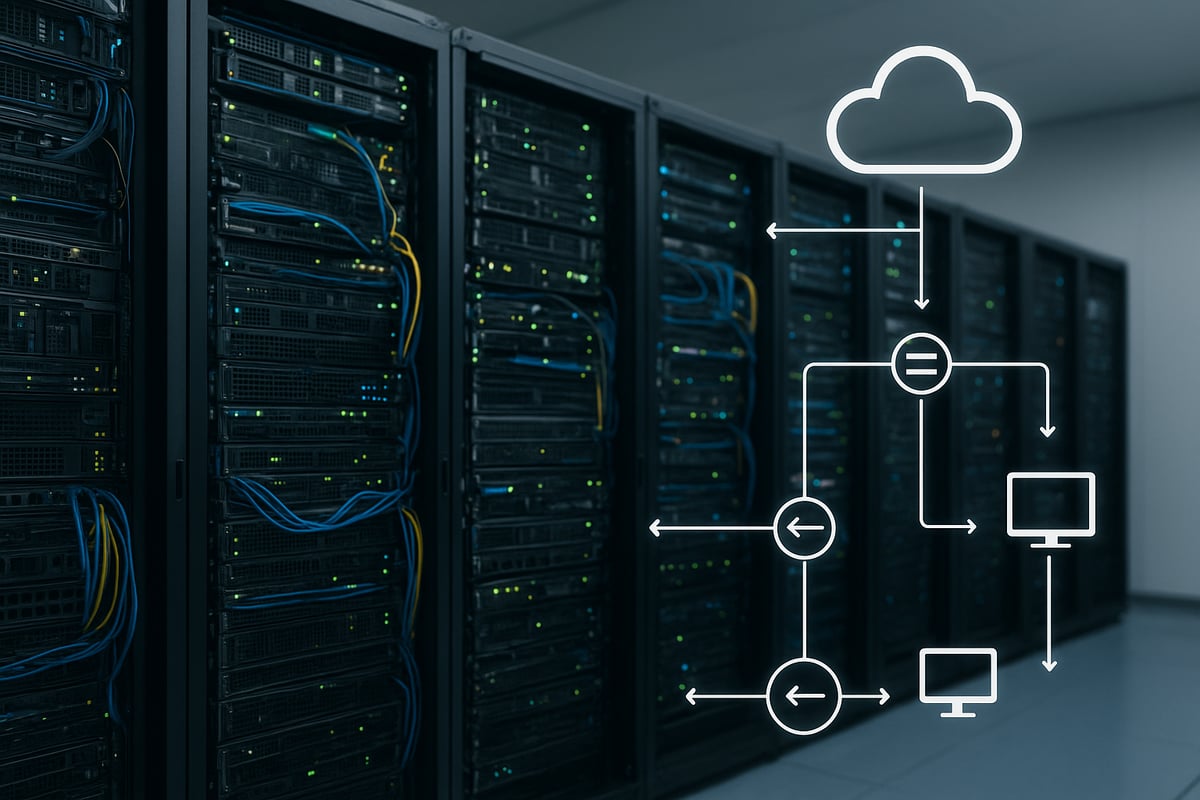
A resilient system and network architecture is the backbone of digital operations in 2026. As organizations face growing complexity and demand, building robust foundations is no longer optional. Effective architectures minimize downtime, optimize performance, and support business goals in a hybrid, always-on world.
Architectural choices today shape how well a system and network can adapt to evolving needs. With the rise of cloud, AI, and edge computing, foundational decisions are more critical than ever. Let us explore the essential elements that make up a strong system and network architecture.
Core Components and Their Functions
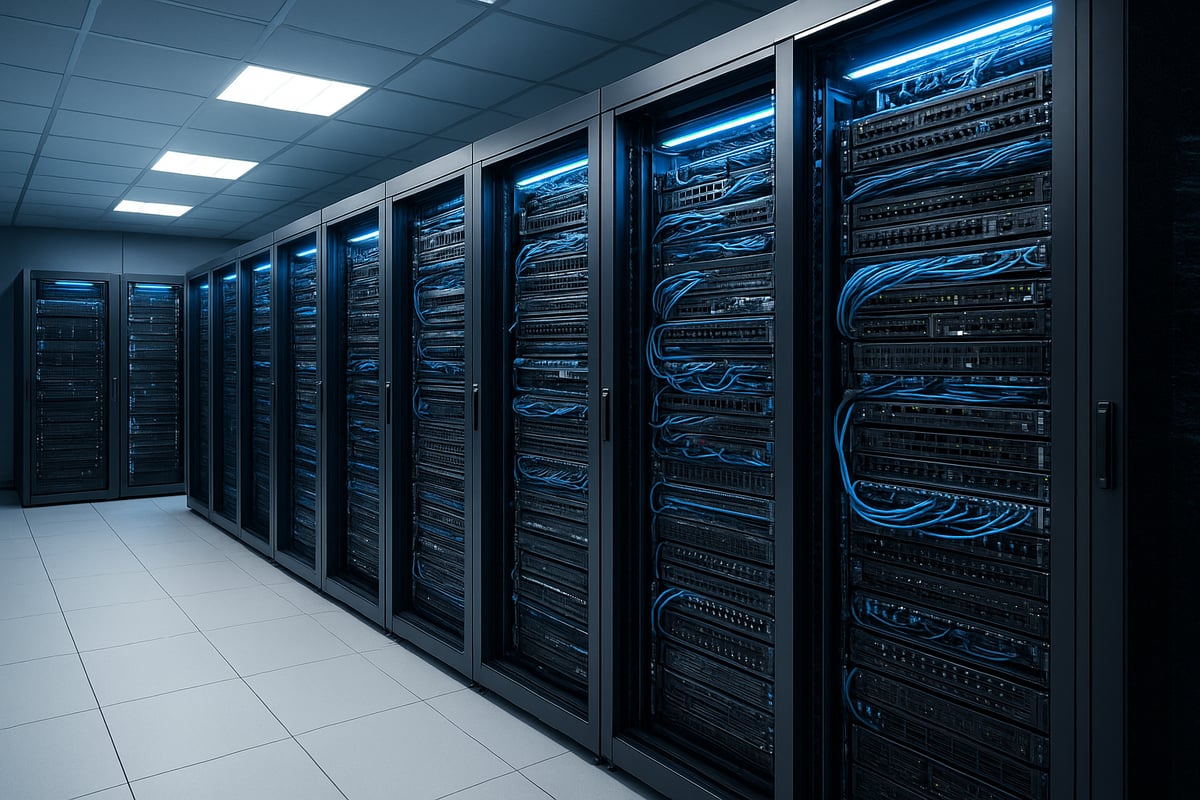
Every robust system and network relies on a set of core components. These elements work together to deliver stability, performance, and secure connectivity.
- Servers: The central engines that process data, run applications, and host services.
- Endpoints: Devices such as desktops, laptops, mobile phones, and IoT sensors that interact with the system and network.
- Routers and Switches: Essential for directing data between devices and ensuring efficient communication.
- Firewalls: Protect the system and network by controlling traffic and blocking threats.
- Protocols: Rules and standards like TCP/IP, HTTPS, and SNMP that enable devices to communicate reliably.
- Software Layers: Operating systems, middleware, and applications that provide functionality and management.
Here is a summary of how these components contribute:
| Component | Function | Example Use Case |
|---|---|---|
| Server | Data processing, service hosting | Cloud database, web hosting |
| Endpoint | User access, data input/output | Employee workstation, IoT sensor |
| Router/Switch | Data routing, traffic management | Office LAN, branch connectivity |
| Firewall | Threat detection, access control | Perimeter security, segmentation |
| Protocol | Standardized communication | Secure web browsing, monitoring |
| Software Layer | Resource management, application delivery | Virtualization, ERP platforms |
In modern enterprise environments, these components are tightly integrated. For example, a cloud-based system and network might utilize virtualized servers, automated switches, and endpoint detection for seamless operations. As device counts rise and workflows become more distributed, the complexity of managing these elements grows.
The interplay between these components ensures that the system and network remain stable even as demands shift. Regular updates, configuration management, and monitoring are essential to prevent vulnerabilities and maintain performance.
Designing for Scalability and Reliability
Scalability and reliability are the pillars of a future-proof system and network. Organizations must anticipate growth, evolving workloads, and unexpected disruptions.
Key design strategies include:
- Redundancy: Deploying backup servers, network paths, and power supplies to eliminate single points of failure.
- Failover Planning: Automatic switchover to backup systems during outages ensures minimal disruption.
- Disaster Recovery: Regular backups and tested recovery procedures protect against data loss and downtime.
- Modularity: Building in interchangeable components allows for easy upgrades and maintenance.
- Interoperability: Ensuring all parts of the system and network can communicate smoothly, even across hybrid and multi-cloud environments.
Virtualization and containerization have revolutionized how businesses approach architecture. By isolating workloads and enabling rapid scaling, these technologies drive agility and cost efficiency. According to recent studies, businesses leveraging these approaches report up to 50% faster recovery times and 30% fewer outages.
The convergence of high-performance computing and AI is also transforming architectural strategies. As explored in HPC and AI Converging Infrastructures, modern data centers now blend traditional system and network resources with AI-driven optimization, unlocking new levels of resilience and efficiency.
Integrating legacy systems remains a challenge, requiring careful planning and phased migration. However, with the right architectural mindset, organizations can bridge old and new technologies, ensuring their system and network remain robust, adaptable, and secure for the future.
Security and Risk Management in 2026: Best Practices
In 2026, the system and network landscape faces unprecedented security risks. Cyberattacks have surged, with global damages projected to reach $10.5 trillion annually. This rise in threats demands organizations adopt advanced security strategies to protect their digital assets. Robust security and risk management are essential for ensuring business continuity and maintaining stakeholder trust.

Essential Security Principles for 2026
Organizations must embrace a layered approach to system and network security. Defense-in-depth remains vital, combining multiple protective measures across endpoints, networks, and cloud environments. Zero trust architecture is now mainstream, requiring strict identity verification and continuous access validation. Network segmentation limits lateral movement, containing breaches before they spread. These principles are foundational for safeguarding complex digital ecosystems.
A recent industry report highlights that 81% of enterprises have adopted zero trust strategies, reflecting its critical role in modern system and network protection. For an in-depth look at evolving security practices, see 2026 Security Trends: From Complexity to Control.
AI-Driven Security and Automated Monitoring
Artificial intelligence has transformed how organizations approach system and network defense. AI-driven tools analyze patterns, detect anomalies, and respond to threats in real time. Automated monitoring reduces response times, enabling teams to address incidents before damage escalates. Machine learning models adapt to evolving attack techniques, providing continuous improvement in threat detection.
According to recent studies, 67% of IT leaders now rely on AI-driven monitoring for their system and network environments. This shift improves efficiency and strengthens overall security posture.
Patch Management, Access Control, and Endpoint Protection
Effective patch management is non-negotiable. Organizations must promptly apply software and firmware updates to close vulnerabilities. Automated patching tools help minimize human error and ensure consistency. Strong access control policies, such as multi-factor authentication, restrict unauthorized access to sensitive resources.
Endpoint protection has also advanced. Modern solutions include real-time monitoring, behavioral analysis, and rapid isolation of compromised devices. In 2026, 74% of successful breaches exploit unpatched systems or weak access controls, emphasizing the need for diligent management of every system and network component.
Compliance Requirements and Regulatory Pressures
The regulatory environment for system and network security continues to evolve. Organizations face stringent requirements under GDPR, CCPA, and sector-specific frameworks. Compliance demands robust audit trails, comprehensive documentation, and transparent data practices.
Failure to meet these obligations can result in significant financial penalties and reputational harm. For example, a leading healthcare provider incurred a $5 million fine in 2025 after a data breach exposed patient records due to inadequate access controls. Investing in compliance tools and regular audits is essential for risk mitigation.
Breach Examples and Lessons Learned
Recent high-profile breaches underscore the importance of proactive system and network security. In one case, a global retailer suffered a ransomware attack that encrypted critical systems, halting operations for days. Investigation revealed outdated software and insufficient network segmentation as root causes.
Lessons learned from such incidents include the value of regular vulnerability assessments, thorough employee training, and robust backup strategies. Organizations that prioritize continuous improvement in their system and network defenses recover faster and retain customer trust.
Actionable Steps for Risk Assessment and Mitigation
To minimize risk in 2026, organizations should follow a structured approach:
- Conduct comprehensive risk assessments for all system and network assets.
- Implement layered security measures, including firewalls, intrusion detection, and endpoint protection.
- Regularly update and patch all software and hardware.
- Enforce strict access controls and monitor user activities.
- Develop and test incident response plans.
- Provide ongoing cybersecurity training for employees.
By integrating these steps, businesses can enhance their resilience and maintain a secure system and network infrastructure in the face of evolving threats.
In summary, as the threat landscape grows more complex, adopting best practices for system and network security is critical. Staying informed, leveraging advanced technologies, and fostering a culture of vigilance will position organizations to thrive securely in 2026.
Administration, Monitoring, and Optimization: Steps for Success
Effective system and network administration is the backbone of digital operations in 2026. Proactive management ensures uptime, security, and performance while supporting business goals. To achieve this, IT teams must follow a structured approach, combining foundational practices with modern tools and continuous improvement.

Step 1: Inventory and Documentation
Maintaining a precise inventory is the first step in robust system and network management. Accurate records of hardware, software, licenses, and configurations form the foundation for all other administrative activities.
Use asset management platforms to track devices, applications, and network components. Documentation should include network diagrams, access controls, and change logs for every system and network element.
Popular tools like Microsoft Visio, NetBox, or open-source solutions streamline documentation. Templates for device inventories and topology diagrams help standardize records. This level of organization empowers teams to respond swiftly during audits, upgrades, or incidents, minimizing risk across the system and network landscape.
Step 2: Routine Maintenance and Updates
Regular maintenance keeps the system and network secure and efficient. Schedule software, firmware, and security patch updates to close vulnerabilities and optimize performance. Automated patch management tools can reduce manual effort and ensure consistency.
Neglecting updates often leads to breaches or downtime. According to recent industry reports, over 60% of cyber incidents stem from unpatched systems and network components. Establishing a routine for updates, combined with documented maintenance windows, reduces disruptions and enhances reliability.
By prioritizing maintenance, organizations protect their system and network investments, ensuring compliance and reducing support costs.
Step 3: Monitoring and Performance Analysis
Continuous monitoring provides real-time visibility into system and network health. Tools like Nagios, Zabbix, and SolarWinds track uptime, throughput, latency, and resource utilization.
Key metrics to monitor include CPU and memory usage, network bandwidth, and error rates. Automated alerts notify administrators of anomalies, enabling rapid intervention before issues escalate.
Reporting dashboards help visualize trends and support capacity planning. By analyzing monitoring data, teams can optimize the system and network infrastructure for peak performance, proactively addressing bottlenecks and potential failures.
Step 4: Troubleshooting and Incident Response
A structured troubleshooting process is vital for resolving system and network issues quickly. Begin by identifying symptoms, isolating affected components, and consulting documentation for known issues.
Escalation protocols ensure complex problems reach the right experts. Clear communication channels—such as incident response platforms—facilitate collaboration during critical events.
Common incidents include hardware failures, misconfigurations, or security alerts. Effective responses involve root cause analysis, resolution, and post-incident reviews. This disciplined approach minimizes downtime and builds resilience into every system and network operation.
Step 5: Backup, Recovery, and Business Continuity Planning
Reliable backups are essential for protecting system and network data from loss or corruption. Implement a mix of full, incremental, and differential backups to balance speed and storage needs.
Test recovery procedures regularly to ensure data integrity. According to industry surveys, organizations with tested backup strategies recover from incidents 80% faster than those without.
Business continuity planning extends beyond data to cover critical system and network processes. By preparing for disasters, organizations safeguard operations and maintain client trust.
Step 6: Ongoing Training and Certification
Continuous learning is crucial for system and network administrators. Evolving technologies and threats require up-to-date skills and knowledge.
Pursue certifications such as CompTIA Network+, Cisco CCNA, or Microsoft Certified: Azure Administrator. Many organizations offer training platforms and labs for hands-on experience.
Investing in professional development reduces errors and increases efficiency. Well-trained administrators elevate the system and network environment, ensuring long-term organizational success.
Emerging Trends and Technologies Shaping Systems and Networks
The system and network landscape is transforming at an unprecedented pace, driven by next-generation technologies and shifting business needs. Organizations are rethinking their IT strategies as disruptive trends reshape how infrastructure is designed, managed, and secured.
AI and Automation Redefining System and Network Management
Artificial intelligence is rapidly changing the system and network landscape, enabling smarter, more adaptive infrastructure. AI-driven platforms are now automating routine administration, predictive maintenance, and threat detection. According to recent research on AI-Native Multi-Access Future Networks, next-generation networks will rely on AI at every layer, from traffic optimization to security enforcement. This integration allows teams to proactively identify issues, streamline workflows, and dramatically reduce downtime. As automation becomes embedded in daily operations, businesses experience improved resilience and efficiency.
The Expansion of Edge Computing, IoT, and 5G
Edge computing, IoT, and 5G are converging to push data processing closer to the source. This shift is transforming system and network design, especially for industries that require real-time analytics or remote operations. With billions of IoT devices projected to be online by 2026, edge architectures are essential for managing data flow and ensuring low latency. 5G networks provide the bandwidth and reliability needed to support massive device connectivity. This expansion is unlocking new use cases in healthcare, manufacturing, and smart cities, but it also increases the complexity of system and network management.
Cloud-Native and Serverless Architectures: The New Normal
Cloud-native and serverless technologies have become the foundation for scalable, agile IT environments. Organizations are migrating critical workloads to cloud platforms, leveraging containers and microservices for flexibility. Serverless computing abstracts infrastructure management, allowing teams to focus on application development and innovation. These trends empower businesses to dynamically scale resources in response to demand, optimizing both cost and performance. The system and network paradigm now emphasizes modularity and rapid deployment, making legacy architectures less relevant.
Adoption, Challenges, and Opportunities
Adoption rates for these emerging technologies are climbing. Surveys show that over 70 percent of enterprises have implemented at least one cloud-native solution, and edge computing deployments are expected to triple by 2026. However, integrating new technologies introduces challenges such as interoperability, data privacy, and skills shortages. Organizations must update their system and network strategies to address fragmented architectures and evolving compliance requirements. Those that adapt quickly gain a competitive edge, delivering faster services and enhanced user experiences.
Security, Scalability, and Future Outlook
As system and network environments become more distributed and intelligent, security and scalability are top priorities. AI-powered threat detection, automated patching, and micro-segmentation are now essential for safeguarding assets. The future will see increased investment in self-healing networks and autonomous operations. Experts predict that by 2028, most routine system and network management tasks will be handled by intelligent platforms, freeing IT teams for higher-value initiatives. Staying informed and agile is critical for navigating the ever-changing digital landscape.
Future Challenges and Opportunities in System and Network Management
The landscape of system and network management is entering a new era defined by complexity, rapid change, and unprecedented opportunities. As organizations prepare for 2026, understanding these evolving dynamics is essential for sustained success.
Growing Complexity and Evolving Threats
Modern IT environments are more intricate than ever. Hybrid clouds, IoT deployments, and distributed teams have expanded the system and network perimeter. This complexity increases the risk of misconfigurations, vulnerabilities, and blind spots.
Threat actors are leveraging automation, AI, and social engineering to breach defenses. According to industry reports, the average time to identify a breach is still over 200 days, underscoring the need for robust system and network vigilance.
Automation and AI: The New Backbone
To manage scale and complexity, automation and artificial intelligence are becoming foundational in system and network operations. Automated patching, intelligent monitoring, and AI-driven threat detection reduce human error and accelerate response times.
For example, machine learning algorithms can analyze network traffic patterns in real time, flagging anomalies before they escalate. Organizations adopting these tools are reporting measurable gains in uptime, efficiency, and system and network resilience.
Innovation in System and Network Design
The push for innovation is reshaping how architectures are built. Modular design, microservices, and infrastructure as code are enabling agile, scalable environments. Edge computing and 5G are extending the system and network to new frontiers.
A recent study found that over 60% of enterprises are investing in cloud-native solutions to improve flexibility and performance. These innovations allow organizations to adapt quickly to business needs and market demands.
| Challenge | Opportunity |
|---|---|
| Increased complexity | Automation and orchestration |
| Talent shortages | Upskilling and AI-powered management |
| Regulatory pressures | Proactive compliance tools |
| Evolving threats | Advanced, adaptive defense technologies |
Skills, Workforce, and Adaptation
The demand for skilled professionals in system and network roles is outpacing supply. Automation can fill some gaps, but human expertise remains vital for strategic decision-making and innovation.
IT leaders are investing in continuous training, certifications, and cross-functional teams. According to Gartner, organizations with robust learning cultures are 30% more likely to adapt successfully to new system and network challenges.
Global Events Shaping IT Strategies
Global disruptions, such as supply chain delays and the rise of remote work, are forcing organizations to rethink system and network strategies. Flexible architectures and resilient connectivity are now business imperatives.
Companies are diversifying vendors, adopting multi-cloud approaches, and focusing on business continuity. These changes are ensuring that system and network operations remain stable, even in unpredictable conditions.
Recommendations for the Future
To stay ahead in system and network management, organizations should:
- Embrace automation and AI for routine tasks and threat detection.
- Invest in workforce development and certifications.
- Prioritize modular, scalable architectures.
- Strengthen compliance monitoring and documentation.
- Plan for global disruptions with robust continuity strategies.
By focusing on these areas, organizations can turn future challenges into opportunities for growth and innovation in system and network management.
As you look ahead to 2026, having a reliable system and network strategy is more important than ever. We’ve explored the essentials—from building resilient architectures and embracing new technologies to prioritizing security and proactive management. If you want peace of mind knowing your IT infrastructure is secure, efficient, and ready for future challenges, let’s talk about how managed services can help your business thrive. You don’t have to navigate these complexities alone—reach out and tap into expert support tailored to your needs.
Call us now

