
In 2026, cyberattacks have reached record levels, with businesses facing threats that are both more frequent and more complex than ever before. No organization, regardless of size or industry, is immune to these evolving risks.
This guide delivers a comprehensive approach to secure it services, designed to help you protect your business, maintain resilience, and ensure ongoing compliance.
You will discover the latest threat trends, essential defenses, and best practices for managed IT, as well as compliance updates and strategies to future-proof your operations.
Armed with expert insights and actionable steps, you can confidently navigate today’s digital landscape and take control of your company’s security.
Understanding the 2026 Threat Landscape
The digital threat landscape in 2026 is more complex than ever before. Businesses face a relentless wave of cyberattacks, with threat actors using advanced tools and tactics. To maintain secure it services, understanding these risks is the first step toward effective protection.
Rise of Advanced Persistent Threats (APTs)
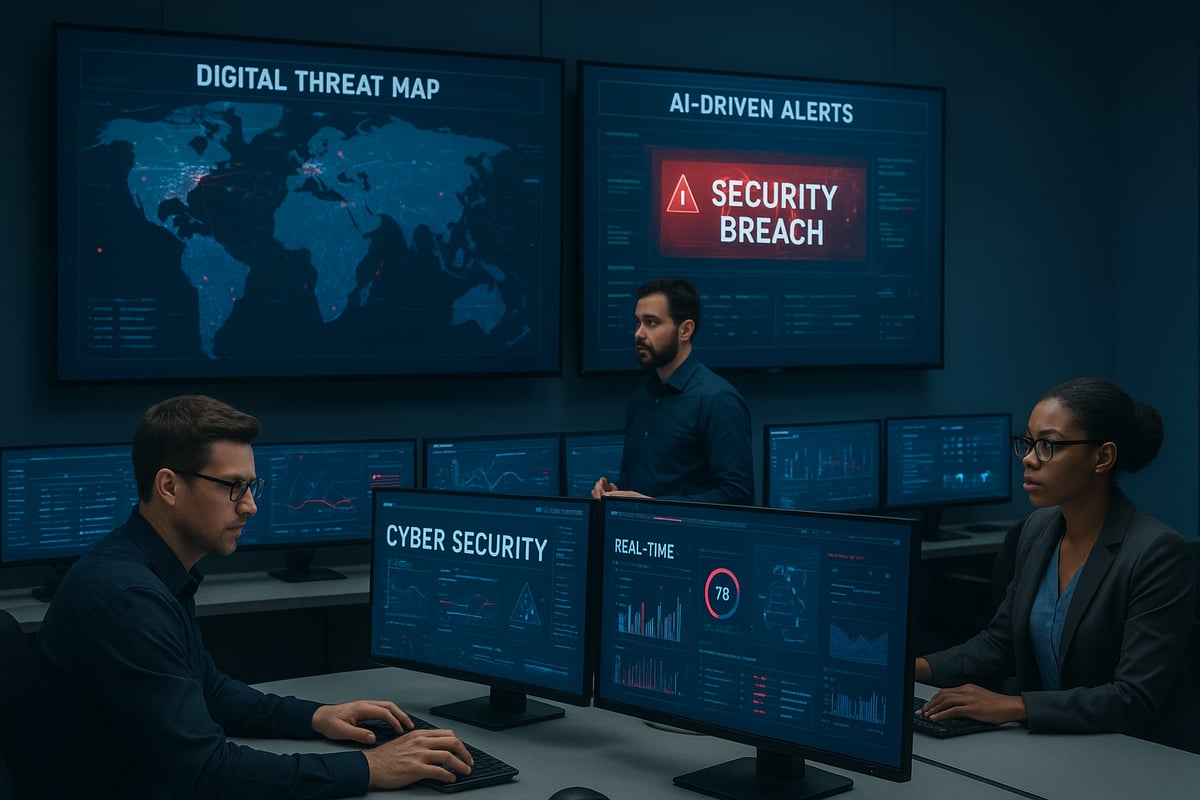
Advanced Persistent Threats are now a top concern for organizations seeking secure it services. APTs are sophisticated, targeted attacks where adversaries infiltrate networks and remain undetected for months, often using AI to automate and disguise their movements. In 2026, even small and medium businesses have been hit, such as a regional retailer suffering a six-month data exfiltration campaign. Attackers leverage automated phishing, deepfake communications, and adaptive malware, making traditional defenses less effective. For a closer look at these evolving tactics, review the Top Cybersecurity Trends for 2026.
Ransomware Evolution and Impact
Ransomware attacks have become more aggressive in their methods and impact on secure it services. Modern ransomware groups now use double extortion, threatening to leak sensitive data unless paid. In 2025, ransomware incidents increased by 25 percent, with attackers targeting backup systems to hinder recovery. The financial consequences are severe, often including regulatory fines and lost customer trust. Businesses of every size must prioritize secure it services to defend against these evolving threats.
Insider Threats and Human Error
The shift to hybrid work has magnified insider threats for companies aiming to maintain secure it services. Employees can unintentionally expose data by falling for phishing scams or misconfiguring cloud tools. Real-world cases include a logistics firm where shared passwords led to unauthorized access and a costly breach. Human error remains a leading cause of incidents, making security awareness and access controls critical for all organizations.
Supply Chain Vulnerabilities
In 2026, attackers increasingly exploit third-party vendors to compromise secure it services. Supply chain breaches, like the 2025 attack on a major software provider, had ripple effects across thousands of businesses. Malicious code inserted into trusted updates or compromised credentials can provide attackers with broad access. Organizations must vet vendors, require security certifications, and continuously monitor for suspicious activity throughout their supply chain.
Regulatory and Compliance Pressures
Compliance requirements for secure it services have tightened in response to new privacy laws. Updates to GDPR, CCPA, and other regulations in 2026 mean stricter controls and more frequent audits. Non-compliance can lead to heavy fines, legal actions, and reputational damage. For example, a healthcare provider faced sanctions after failing to encrypt patient data under updated rules. Keeping up with evolving compliance standards is essential for every business.
Key Takeaways for Business Owners
The evolving threat landscape demands a proactive, layered approach to secure it services. Regular threat intelligence, employee training, and robust monitoring are non-negotiable. Business owners must stay informed, invest in security solutions, and foster a culture of vigilance. By taking these steps, organizations can reduce risk, maintain compliance, and protect their most valuable assets.
Core Components of Secure IT Services
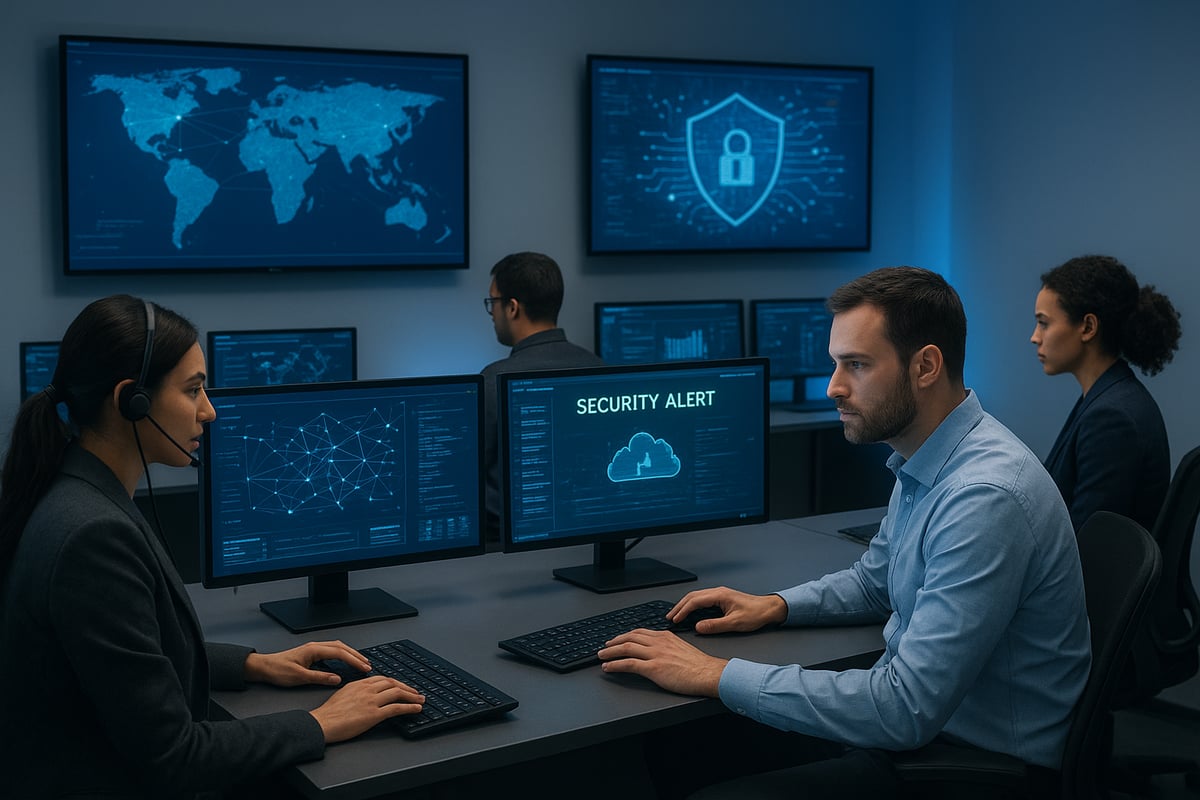
Building secure IT services requires a multi-layered approach that addresses every facet of modern business technology. Each core component plays a vital role in protecting data, minimizing threats, and ensuring compliance. Understanding how these elements work together is essential for any organization aiming to achieve robust secure IT services.
Network Security Fundamentals
Network security forms the backbone of secure IT services. Firewalls, intrusion detection and prevention systems, and secure network architecture are essential to defend against unauthorized access. A well-designed network segments sensitive data, reducing the risk of lateral movement during a breach.
For example, multi-segmented networks allow organizations to isolate critical assets from general user traffic. This limits exposure if one segment is compromised and supports compliance mandates.
Key elements of network security include:
- Perimeter firewalls and internal segmentation
- Regular vulnerability assessments
- Secure Wi-Fi and remote access controls
Staying ahead of evolving threats means regularly reviewing network configurations to keep secure IT services resilient.
Endpoint Protection and Management
Endpoints are often the first target in cyberattacks. Effective secure IT services depend on strong endpoint protection, including antivirus solutions, endpoint detection and response (EDR), and mobile device management.
According to industry reports, 74% of breaches in 2025 involved compromised endpoints. This highlights the importance of proactive endpoint defense.
Best practices for endpoint protection:
- Deploy EDR and advanced antivirus on all devices
- Enforce policies for device encryption and remote wipe
- Regularly update and patch operating systems and applications
A comprehensive endpoint management strategy ensures all devices connected to your network are monitored and secure.
Cloud Security Best Practices
Cloud adoption introduces unique risks, making cloud security a critical pillar of secure IT services. Secure configurations, strict access controls, and full encryption are essential for protecting data stored or processed in the cloud.
A notable case study involved a cloud misconfiguration that exposed customer data, underscoring the need for regular audits. Organizations must also address supply chain risks and AI threats, as outlined in the World Economic Forum’s 2026 Global Cybersecurity Outlook.
Cloud security best practices include:
- Enforcing least privilege access
- Enabling encryption for data at rest and in transit
- Conducting regular security assessments
Maintaining secure IT services in the cloud requires ongoing vigilance and adaptation.
Data Backup and Disaster Recovery
Data loss can cripple operations. Secure IT services must include automated, offsite, and immutable backups to ensure business continuity. Key metrics like Recovery Time Objective (RTO) and Recovery Point Objective (RPO) help organizations set clear expectations for recovery after an incident.
Best practices for backup and disaster recovery:
- Schedule frequent, automated backups
- Store backups in geographically separate locations
- Test disaster recovery plans regularly
A resilient backup strategy minimizes downtime and data loss, keeping secure IT services reliable.
Identity and Access Management (IAM)
Identity and Access Management is foundational for secure IT services, controlling who can access which resources. Multi-factor authentication (MFA), single sign-on (SSO), and the principle of least privilege are core IAM practices.
Adopting MFA reduced phishing-related breaches by 60%, according to recent studies. IAM also streamlines compliance by documenting access controls and changes.
IAM essentials:
- Implement MFA for all accounts
- Restrict admin privileges to essential personnel
- Audit access logs frequently
Strong IAM practices protect sensitive data and reinforce secure IT services.
Security Monitoring and Incident Response
Continuous monitoring is essential for early threat detection. Secure IT services should include Security Information and Event Management (SIEM) tools, automated alerts, and rapid incident response protocols.
An incident response plan outlines steps for identifying, containing, and eradicating threats. Regular testing ensures teams are prepared when incidents occur.
Key elements:
- 24/7 monitoring with SIEM
- Predefined escalation procedures
- Post-incident reviews for improvement
Having a robust monitoring and response framework strengthens secure IT services against emerging threats.
Compliance and Risk Management
Compliance requirements are growing more complex. Secure IT services must map technical controls to relevant regulations, conduct ongoing risk assessments, and maintain thorough documentation.
Regular reviews ensure that controls remain effective and aligned with industry standards. Risk management is a continuous process, not a one-time task.
Compliance and risk management steps:
- Perform annual and ad hoc risk assessments
- Document policies and procedures
- Address findings promptly
By integrating compliance and risk management, organizations future-proof their secure IT services.
Step-by-Step Guide to Securing Your Business IT in 2026
Protecting your digital assets in 2026 requires more than just basic antivirus software. Effective secure it services demand a comprehensive, structured approach that evolves with the threat landscape. This step-by-step guide will help business owners and IT leaders build robust defenses, improve resilience, and maintain compliance as new risks emerge.

Step 1: Assess Your Current Security Posture
Begin by thoroughly evaluating your existing IT environment. A comprehensive cybersecurity audit is the foundation of secure it services and reveals vulnerabilities before attackers can exploit them.
Use automated vulnerability scanning tools to identify gaps in your defenses. Consider referencing research like AI-Driven Cybersecurity Threats: A Survey of Emerging Risks and Defensive Strategies to understand how advanced threats, including AI-powered attacks, are evolving.
Prioritize assets based on business impact. Map out all endpoints, cloud applications, and data repositories. Document findings and prepare a risk register to guide your next actions.
Step 2: Develop a Tailored Security Strategy
Once you understand your risk profile, align your secure it services strategy with overall business objectives. Involve key stakeholders from across departments to ensure buy-in and shared responsibility.
Design policies that address your unique environment, whether remote, hybrid, or on-premises. Start with templates for access control, incident response, and acceptable use.
Key elements to include:
- Defined security goals and success metrics
- Roles and responsibilities for IT and staff
- Clear escalation procedures for incidents
A tailored strategy ensures your security investments support growth and compliance.
Step 3: Implement Foundational Security Controls
Now, deploy essential tools and practices to establish baseline protection. Secure it services should include:
- Firewalls and intrusion prevention systems
- Endpoint protection for all devices
- Secure configurations for servers, networks, and cloud platforms
Encrypt sensitive data at rest and in transit. Set up patch management processes to keep software current and reduce exposure to known vulnerabilities.
Automate routine updates and monitor for unauthorized changes. This proactive approach keeps your defenses strong and adaptable.
Step 4: Train and Empower Employees
Employees are both a frontline defense and a potential risk. Make security awareness a core part of your secure it services plan.
Provide ongoing training on phishing, social engineering, and safe data practices. Run simulated phishing campaigns to test readiness and reinforce learning.
- 85% of breaches involve human error (Verizon DBIR 2025)
- Update training regularly to address new threats
- Recognize employees who demonstrate security best practices
Empowered staff are less likely to fall for scams and more likely to report suspicious activity.
Step 5: Engage with Managed IT Services Providers
Partnering with experts can elevate your secure it services and free up internal resources. Managed IT services providers offer:
- 24/7 monitoring and rapid incident response
- Compliance support for evolving regulations
- Strategic guidance on emerging technologies
Checklist for choosing a provider:
- Proven experience in your industry
- Transparent, fixed-rate pricing
- Local support with remote capabilities
- Access to the latest security technologies
A reliable partner ensures ongoing protection and business continuity.
Step 6: Establish Incident Response and Recovery Plans
Preparation is key to minimizing business disruption. Develop and test incident response procedures as part of your secure it services framework.
Business continuity planning should include regular disaster recovery drills. Define clear roles, communication plans, and escalation paths.
Compare two critical metrics:
| Metric | Definition | Purpose |
|---|---|---|
| RTO | Recovery Time Objective | Maximum acceptable downtime after an incident |
| RPO | Recovery Point Objective | Maximum data loss tolerance (in time) |
Document lessons learned after each drill and refine your plans accordingly.
Step 7: Monitor, Review, and Improve Continuously
Security is not a one-time project. Continuous monitoring and improvement are hallmarks of effective secure it services.
Schedule regular security reviews and penetration tests to uncover new vulnerabilities. Stay informed about emerging threats by subscribing to industry threat intelligence feeds.
Track key performance indicators such as:
- Incident response times
- Number of detected threats
- User compliance rates
Adapt policies and controls to address evolving risks, ensuring your business remains resilient and protected year-round.
Best Practices for Ongoing IT Security Management
Maintaining secure it services is not a one-time effort. Continuous management and adaptation are essential as threats evolve and technologies advance. By adopting best practices, businesses can minimize risks, maximize uptime, and instill confidence in clients and stakeholders.

Proactive Threat Detection and Response
Effective secure it services rely on 24/7 threat monitoring and rapid response capabilities. Automated alerts, AI-driven analytics, and real-time threat intelligence help identify anomalies before they escalate. Integrating tools that leverage machine learning enables businesses to detect sophisticated attacks, including those described in the Cybersecurity Trends in 2026: Shadow AI, Quantum & Deepfakes video by IBM Technology.
Incident response playbooks should be kept current and tested regularly. Quick action minimizes downtime and data loss, strengthening the overall security posture.
Regular Security Audits and Penetration Testing
Scheduled audits and penetration tests are foundational to secure it services. Annual and quarterly assessments uncover vulnerabilities that may be missed by automated tools. For example, a recent pen test at a retail business exposed an overlooked misconfiguration, allowing for timely remediation.
Document all findings and implement corrective actions. This proactive approach ensures ongoing compliance and prepares your business for evolving threats.
Patch Management and Software Updates
Unpatched systems are a leading cause of breaches. Secure it services must include automated patch management to reduce the attack surface. Establish a routine for updating operating systems, applications, and firmware across all devices.
Regularly review patch deployment logs to verify completion. This practice closes security gaps quickly and supports business continuity.
Third-Party and Vendor Risk Management
Vendors and partners can introduce hidden risks to secure it services. Assess each third party’s security practices before integration. Maintain an inventory of all vendors, and require them to meet your business’s security standards.
Ongoing monitoring and periodic reviews help identify changes in vendor risk profiles. Establishing clear communication channels ensures quick mitigation of emerging issues.
Secure Remote Work Infrastructure
As remote work becomes standard, secure it services must address new risks. Implement VPNs, zero trust network access, and encrypted collaboration tools. Enforce strict policies for BYOD environments to prevent unauthorized access.
Conduct regular reviews of remote access logs and educate staff on secure practices. This layered approach protects sensitive business data wherever employees work.
Documentation and Policy Management
Comprehensive documentation is vital for secure it services. Keep security policies updated and easily accessible to all employees. Use onboarding and offboarding checklists to manage access rights effectively.
Review and revise documentation after each incident or audit. Clear policies foster a culture of accountability and make compliance easier to demonstrate.
Metrics and KPIs for IT Security Performance
Tracking performance metrics is essential to measure the effectiveness of secure it services. Common KPIs include:
| Metric | Description | Target |
|---|---|---|
| MTTD | Mean Time to Detect | <1 hour |
| MTTR | Mean Time to Respond | <4 hours |
| Incident Rate | Number of security incidents monthly | Decrease |
Use these metrics to identify trends, set improvement goals, and demonstrate value to stakeholders. Regularly reviewing KPIs supports continuous security enhancements.
Navigating Compliance and Regulatory Requirements in 2026
Staying compliant with the latest regulations is essential for any business relying on secure it services. The regulatory landscape in 2026 is more complex than ever, and organizations must keep pace to avoid costly penalties and reputational risks.
Key Regulations Affecting Businesses
In 2026, new and updated data privacy laws are reshaping how companies use secure it services. The General Data Protection Regulation (GDPR) has been strengthened, requiring even stricter data handling practices. The California Consumer Privacy Act (CCPA) now includes broader rights for consumers, while Canada's PIPEDA mandates transparent data processing for all digital transactions.
Industry-specific standards, such as HIPAA for healthcare and PCI DSS for financial services, demand additional controls. Businesses using secure it services must map their processes to these regulations, ensuring data security and privacy at every step.
Achieving and Maintaining Compliance
To maintain compliance, organizations should follow a structured approach. Start with a gap analysis to identify areas where current secure it services fall short of regulatory demands. Document all policies, procedures, and technical controls.
Regular monitoring is critical. Automated compliance management tools help track changes, generate reports, and flag non-compliant activities. Training staff on these processes ensures that secure it services remain up-to-date and aligned with evolving laws.
Consequences of Non-Compliance
Ignoring compliance requirements can have severe consequences for businesses utilizing secure it services. Fines for GDPR violations can reach up to 4% of annual turnover or €20 million, whichever is higher. Legal actions may follow, leading to further financial loss.
For example, in 2025, a small business was fined for failing to notify authorities about a data breach within the required timeframe. The resulting reputational damage led to lost customers and strained partner relationships, underlining the risks of neglecting secure it services compliance.
Building a Culture of Compliance
A strong compliance culture starts with leadership. Executives must champion secure it services as a business priority and allocate resources for regular staff training. Embedding compliance into daily operations requires clear communication, ongoing education, and accountability at every level.
Regular policy reviews and employee onboarding checklists help reinforce best practices. When compliance becomes part of the company culture, secure it services drive trust and resilience, enabling organizations to thrive in a fast-changing regulatory environment.
Future-Proofing Your IT Security Strategy
The digital landscape is changing rapidly, and future-proofing your secure it services is essential for long-term business success. Staying ahead requires more than patching vulnerabilities; it demands a proactive approach that adapts to new risks and technologies. The following strategies will help ensure your organization remains protected in an unpredictable world.
Adapting to Emerging Technologies
Emerging technologies such as artificial intelligence, the Internet of Things, and edge computing are reshaping how organizations operate. While these advancements offer new efficiencies, they also introduce complex security challenges that require robust secure it services.
AI-driven attacks can bypass traditional defenses, making it crucial to implement adaptive security controls. IoT devices, often lacking strong security protocols, can become entry points for cybercriminals. Edge computing expands your attack surface, demanding vigilant monitoring and segmentation.
Quantum computing is on the horizon, bringing potential risks to current encryption methods. Forward-thinking organizations are already exploring quantum-resistant algorithms to safeguard sensitive data.
Investing in Scalable Security Solutions
As your business grows, its needs evolve. Investing in scalable secure it services ensures that protection keeps pace with expansion, whether you operate on-premises, in the cloud, or a hybrid environment.
Modular security platforms allow you to add or adjust protective layers as requirements change. For instance, transitioning to hybrid cloud models demands flexible controls for both local and remote assets. Scalable solutions also support regulatory compliance as new laws emerge.
A strategic investment in adaptable technology not only secures your current environment but also prepares you for future digital transformations.
Building Cyber Resilience
Cyber resilience means more than preventing attacks; it is about ensuring your business can rapidly recover and continue operating. Secure it services should include comprehensive incident response plans, regular backup testing, and business continuity strategies.
Consider the benefits of cyber insurance as part of your risk management toolkit. This coverage can help offset financial losses and support recovery after significant breaches. Regular disaster recovery drills will prepare your team to respond confidently during real-world incidents.
A resilient organization minimizes downtime, protects its reputation, and maintains customer trust even in the face of evolving cyber threats.
Fostering a Security-First Culture
A strong security posture requires more than technology; it thrives on a culture where every team member understands their role in safeguarding data. Leaders must champion security initiatives and ensure ongoing education is part of the workplace routine. Embedding secure it services practices into daily workflows reinforces collective responsibility.
Encourage open communication so employees feel comfortable reporting incidents or suspicious activity. Recognize and reward proactive behavior to motivate staff engagement.
Security awareness training, role-based access controls, and clear policies are foundational to a resilient security culture.
Staying Informed and Agile
The threat landscape never stands still. To keep your secure it services effective, leverage real-time threat intelligence feeds and participate in industry forums. Regularly update your security roadmap to address emerging risks and incorporate lessons learned from recent incidents.
Continuous improvement means scheduling periodic reviews, penetration tests, and risk assessments. This agile approach ensures your defenses evolve alongside the tactics of would-be attackers.
By staying informed and responsive, your organization can adapt quickly to new challenges and maintain robust security protection.
Collaboration with Industry Partners
No business stands alone in the fight against cybercrime. Collaboration with industry partners, local associations, and national cybersecurity initiatives strengthens your collective defense.
Sharing threat intelligence and best practices helps raise the bar for everyone. Participating in joint exercises or workshops can uncover hidden vulnerabilities and foster innovation.
Building a trusted network of partners enhances your organization's ability to respond to incidents and anticipate future threats. A collaborative approach is a cornerstone of any forward-looking IT security strategy.
After exploring the latest threats and essential steps to protect your business in 2026, you know how critical it is to have a resilient IT security strategy. With everything from ransomware to new compliance rules, it can feel overwhelming to keep up—but you don’t have to do it alone. At Delphi Systems Inc., we’re dedicated to helping local businesses like yours stay secure, productive, and future-ready. If you want clarity on your current IT infrastructure or need expert guidance on the next steps, let’s talk. We’re here to help—just Call us now.

