
Unpredictable IT costs and constant technology headaches are keeping business leaders up at night as 2026 approaches. Every hour of downtime, security breach, or surprise expense can disrupt operations and erode trust.
This guide is designed to demystify managed it services plans, giving you the clarity to make informed choices for your company's operations, security, and budget. We'll explore what managed IT services are, the most common plan structures, pricing models, key cost drivers, and how to select the right provider for your needs.
Unmanaged IT leaves your business open to downtime, cyber threats, and spiraling costs. Managed IT services offer a proactive, predictable, and secure alternative. With the right plan, you gain tailored support, cost savings, and business continuity.
Ready to take control? Use this guide to confidently choose a managed IT services plan that sets your business up for success in 2026.
Understanding Managed IT Services Plans in 2026
Choosing the right managed IT services plans is essential as technology becomes more complex and critical to business success. In 2026, organizations seek solutions that go beyond simple troubleshooting. Modern managed IT services plans offer comprehensive support, security, and strategy, helping businesses stay resilient and competitive.

What Are Managed IT Services?
Managed IT services plans involve outsourcing the complete management, support, and security of your technology environment to a specialized provider. Unlike reactive support, which only addresses issues as they arise, managed IT services plans focus on proactive monitoring, maintenance, and prevention.
Core components of managed IT services plans include network management, cybersecurity, cloud services, data backup, and responsive helpdesk support. By adopting managed IT services plans, businesses experience less downtime, enhanced productivity, and the freedom to focus on core goals. For example, a small business that switched to managed IT services plans reported 99.9% uptime, compared to frequent outages with their previous setup.
Key Trends Shaping Managed IT Services in 2026
The landscape for managed IT services plans is rapidly evolving. In 2026, about 64% of businesses now leverage managed IT services plans, a figure driven by increased reliance on digital operations and the need for robust cybersecurity. Advanced threat protection has become a standard in managed IT services plans, as cyber risks escalate and regulatory requirements tighten.
Cloud-first strategies are now the default, with hybrid and multi-cloud environments supported by managed IT services plans. Compliance is more complex, especially for industries like healthcare and finance. AI and automation are also key, enabling predictive maintenance and faster incident response. According to IT Managed Services Market Growth, the growing demand for managed IT services plans is fueled by these very trends. For instance, healthcare firms pay 15 to 20 percent more for managed IT services plans due to strict compliance needs.
Types of Managed IT Service Plans
Businesses can select from several managed IT services plans to suit their needs. Fully managed IT services plans place all IT responsibilities with the provider, ideal for organizations without in-house teams. Co-managed IT services plans blend internal and external expertise, giving flexibility and support for growing businesses.
À la carte managed IT services plans allow companies to choose only the services they require, ensuring a custom fit. Industry-specific managed IT services plans are tailored for sectors like healthcare, finance, or legal, addressing unique compliance and operational demands. For example, a manufacturing company using a tailored managed IT services plan reduced technology costs by 37 percent while improving efficiency.
| Plan Type | Who It’s For | Key Benefits |
|---|---|---|
| Fully Managed | No in-house IT teams | Complete coverage |
| Co-Managed | Growing businesses | Flexibility, support |
| À La Carte | Custom needs | Pay for what you use |
| Industry-Specific | Regulated industries | Compliance, expertise |
Benefits of Managed IT Services Over Traditional IT Support
Managed IT services plans offer significant advantages over traditional break-fix IT models. With predictable monthly costs, managed IT services plans eliminate surprise expenses and simplify budgeting. Companies gain access to a broader range of expertise and enterprise-level tools, without the burden of recruiting or training specialized staff.
Security and compliance management are also enhanced with managed IT services plans, reducing the risk of costly breaches. Studies show that managed IT services plans can lower overall technology costs by 25 to 45 percent, making them a strategic investment for long-term business growth.
Managed IT Services Pricing Models Explained
Understanding how managed it services plans are priced is crucial for making informed decisions that protect your business, control costs, and minimize risk. The right pricing model can mean the difference between efficient IT spending and unexpected expenses. Let's break down the most common models, their impact on your budget, and which factors should shape your choice.
Common Pricing Structures and Their Pros & Cons
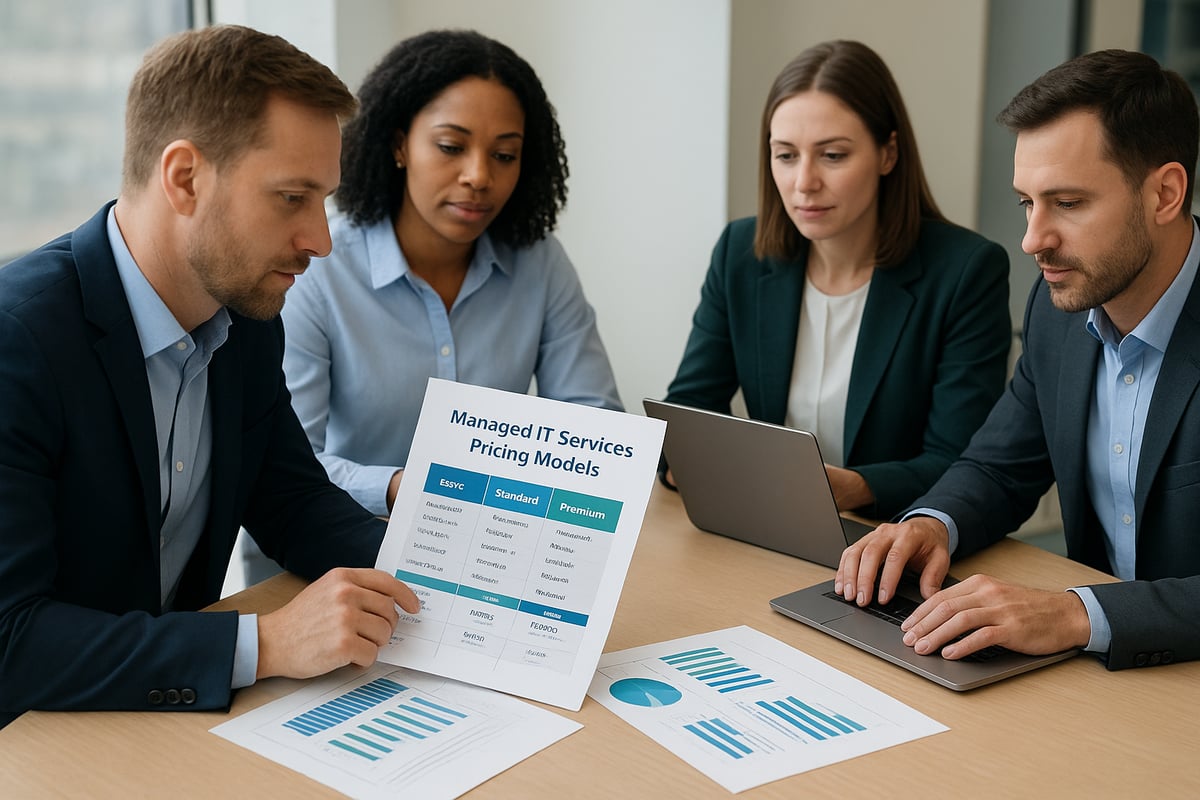
Managed it services plans typically use several pricing structures, each with distinct advantages and drawbacks. The most prevalent models are per-user, per-device, tiered, and à la carte.
- Per-user: Charges a flat fee per employee per month. Ideal for organizations where each user has multiple devices. Offers simplicity and scalability.
- Per-device: Bills based on the number of devices supported. Effective for businesses with a high device-to-user ratio but can become costly as device counts rise.
- Tiered: Provides bundled service levels (basic, standard, premium). Offers clear upgrade paths but may include features your business does not need.
- À la carte: Lets you select specific services. Offers flexibility but risks missing critical coverage.
| Model | Best For | Drawbacks |
|---|---|---|
| Per-user | SMBs, remote teams | Costly for high user counts |
| Per-device | Device-heavy businesses | Adds up as devices increase |
| Tiered | Growing companies | Possible unused features |
| À la carte | Niche needs, startups | Coverage gaps, complexity |
When evaluating managed it services plans, it is important to consider how each model aligns with your organizational structure and technology usage. For a deeper dive into these structures, visit this Managed IT Services Pricing Models resource, which explores real-world scenarios and model comparisons.
How Pricing Models Affect Your IT Budget
The pricing model you choose for your managed it services plans directly impacts your financial planning and operational flexibility. Most providers offer predictable monthly billing, which simplifies budgeting and reduces the likelihood of surprise expenses.
As your business grows, the right model scales with you, helping to avoid overspending or under-provisioning. However, the wrong choice can lead to either gaps in coverage or unnecessary costs. For example, a per-device model may seem affordable at first, but as your team adds more technology, expenses can escalate quickly.
On average, small businesses dedicate about 4 percent of their revenue to managed it services plans. Careful selection ensures you pay for what you need, while still protecting your operations.
Factors That Influence Pricing Model Choice
Several factors will determine which managed it services plans are the best fit for your organization. These include:
- Number of users and devices: More endpoints typically mean higher costs.
- IT environment complexity: Hybrid or legacy systems often require specialized support.
- Compliance and security requirements: Industries like finance or healthcare face higher costs due to regulatory demands.
- On-site versus remote support: On-site services are generally 30 to 50 percent more expensive.
- Business growth projections: Rapidly expanding companies need scalable options.
For example, financial institutions tend to pay more for managed it services plans because of their rigorous compliance needs. Evaluating these factors ensures you select a model that aligns with your goals and future growth.
What Determines the Cost of Managed IT Services Plans?
Understanding what drives the cost of managed it services plans is essential for making informed IT investment decisions. Pricing can vary widely, so knowing the underlying factors helps businesses anticipate and control expenses.
Core Cost Drivers in Managed IT Services
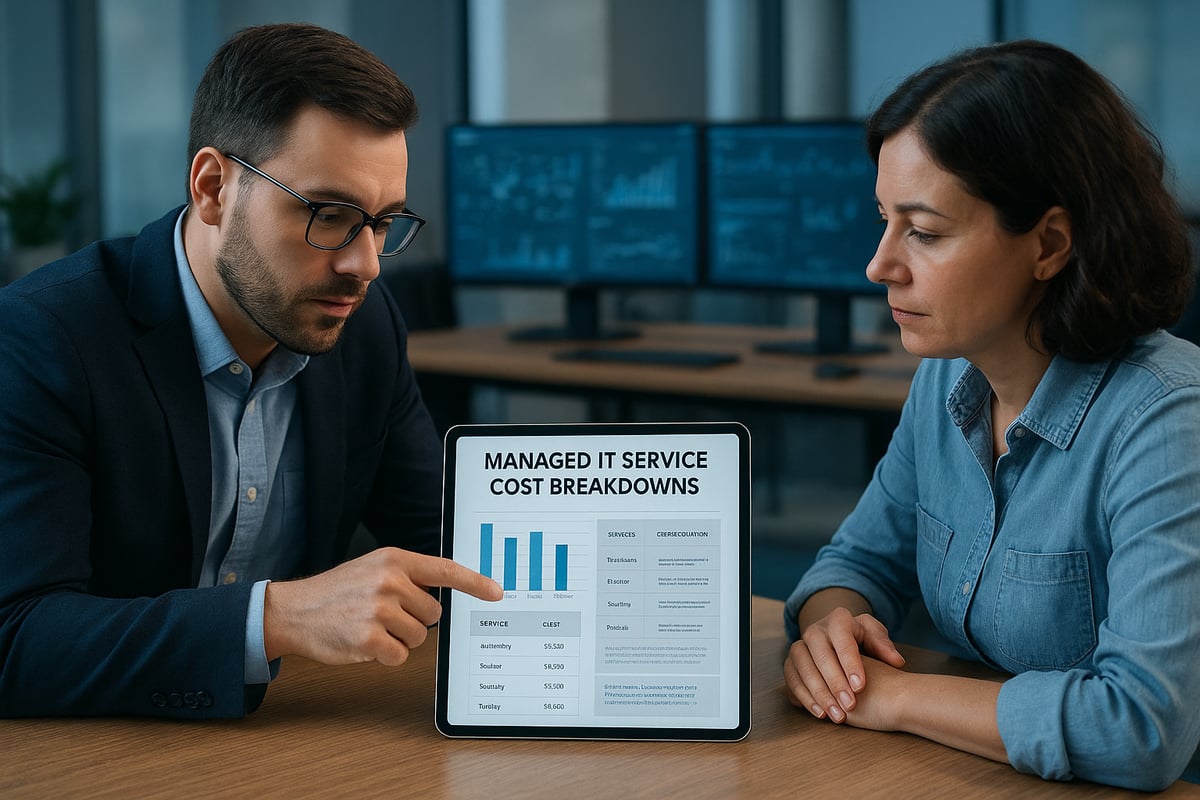
Several core factors influence the cost of managed it services plans. Business size is a primary driver, as more users and devices require greater management and support. Industry regulations, such as HIPAA or PCI requirements, add complexity and increase costs due to strict compliance standards.
Cybersecurity needs are another key consideration. Advanced threat protection, multi-factor authentication, and ongoing vulnerability assessments all raise monthly fees. The type of support also matters; on-site assistance typically costs 30 to 50 percent more than remote-only plans.
Service level agreements play a significant role, too. Faster response times and higher uptime guarantees often come with premium pricing. For example, a company opting for remote-only support may save money, but this setup might not be suitable for all operational needs. When selecting managed it services plans, businesses should weigh these factors to find the right balance between cost and coverage.
Service Components That Impact Pricing
The specific services included in managed it services plans directly affect monthly costs. Continuous 24/7 monitoring and proactive maintenance are standard offerings that help prevent downtime and security incidents. Data backup and disaster recovery services, critical for safeguarding business continuity, can increase fees but offer essential protection.
Cloud services and infrastructure management are often bundled, providing scalable resources and reducing capital expenses. Helpdesk and user support vary in scope, with some plans offering unlimited assistance and others capping support hours.
Vendor management and IT consulting may be included or offered as add-ons, depending on the provider. For instance, adding disaster recovery capabilities to managed it services plans will raise monthly costs but significantly reduces the risk of extended outages. Businesses should carefully review which components are necessary to match their operational priorities and risk tolerance.
Hidden Costs and How to Avoid Them
When evaluating managed it services plans, it is important to look beyond the advertised rates and consider potential hidden costs. Common surcharges include setup or onboarding fees, which can be significant during initial implementation. After-hours or emergency support may incur additional charges if not covered by the standard agreement.
Hardware and software purchases outside the scope of the plan can also add up unexpectedly. Transparent service agreements are critical to understanding the full financial commitment. Always ask providers for a detailed breakdown of included services and potential extras. According to IBM, the average cost of a single data breach can reach $200,000, making it crucial to ensure comprehensive coverage in your managed it services plans and avoid costly surprises.
Real-World Pricing Benchmarks for 2026
To help businesses benchmark their managed it services plans, consider these typical 2026 pricing ranges:
| Plan Type | Monthly Cost | Best For |
|---|---|---|
| Per-user | $110-$400/user | Small to midsize businesses |
| Per-device | $50-$250/device | Device-heavy environments |
| Full-service | $3,000-$6,000 | Midsize companies |
| Small business (10-24) | $1,500-$3,000 | Basic to advanced needs |
| Large business (100+ ) | $10,000+/month | Enterprise-level support |
For a deeper dive into typical pricing and plan structures, see the Managed IT Services Cost Guide. For example, a professional services firm that switched to managed it services plans saved $132,600 annually, demonstrating the tangible financial impact of choosing the right model.
Managed IT Services vs. In-House IT: Cost and Value Comparison
As businesses evaluate how to optimize their technology budgets in 2026, the debate between managed it services plans and in-house IT teams is more relevant than ever. Understanding the true cost and value of each model is essential for making a confident, future-proof decision.
Direct Cost Comparison: Managed vs. In-House IT
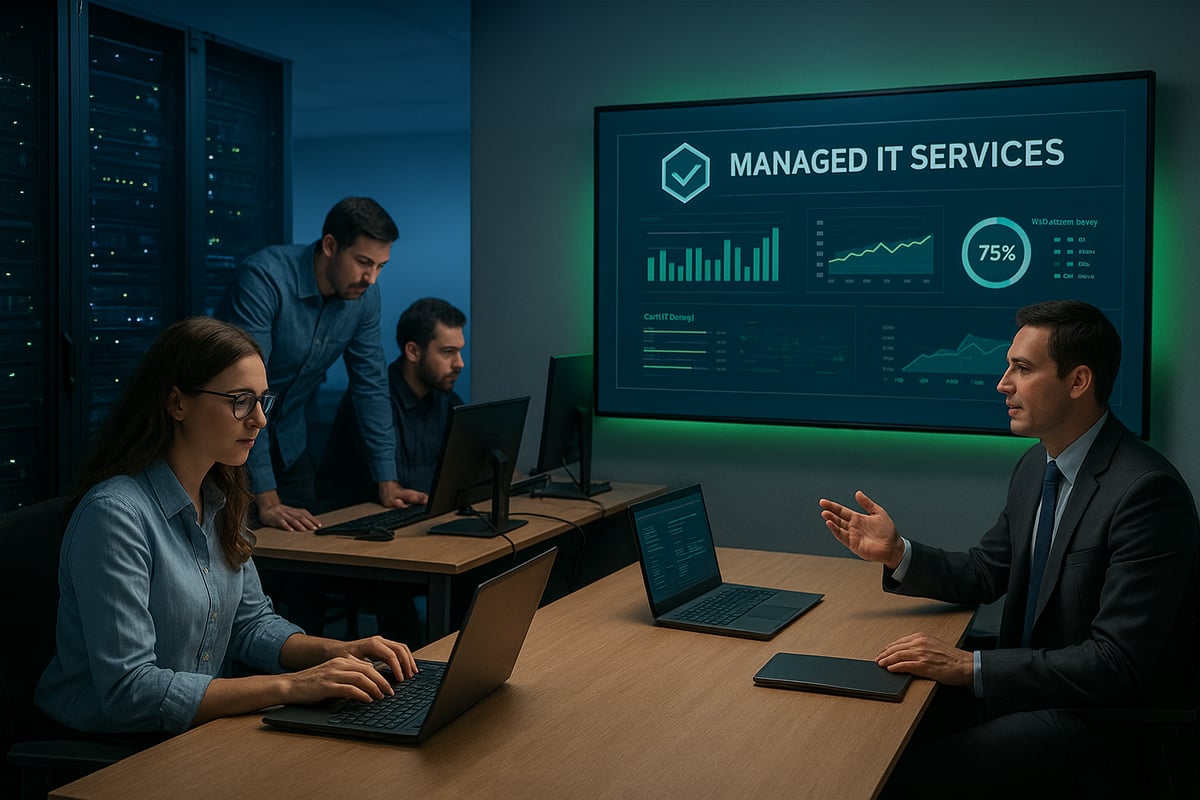
When comparing managed it services plans to maintaining an in-house IT department, the numbers quickly reveal the differences. In-house IT typically costs between $80,000 and $120,000 per staff member each year, not including recruitment, training, or benefits. For mid-sized businesses, managed it services plans usually range from $36,000 to $72,000 annually, offering broader coverage at a lower cost.
Here is a simple comparison:
| Model | Annual Cost (Mid-Sized Biz) | Inclusions | Extra Costs |
|---|---|---|---|
| In-House IT | $80,000–$120,000 per staff | Salary, basic tools | Training, benefits |
| Managed IT | $36,000–$72,000 total | Full coverage, expertise | Setup, hardware outside plan |
A hybrid approach is also possible, mixing on-site staff with managed it services plans for backup and specialized support. This flexibility can help organizations manage costs as they grow.
Value Beyond Cost: Expertise, Tools, and Risk Reduction
The advantages of managed it services plans extend far beyond financial savings. Businesses gain access to enterprise-grade tools, deep expertise, and a broader knowledge base than a single IT hire can offer.
- Expertise: Managed providers bring specialized skills in cybersecurity, cloud, and compliance.
- Reduced Downtime: Proactive support leads to up to 85% less downtime.
- No Recruitment Hassles: No need to hire, train, or cover vacation absences.
- Security and Compliance: Enhanced protection, often with 24/7 monitoring.
As global cybersecurity spending trends rise, managed it services plans help businesses address the increasing skills gap and stay ahead of threats.
Case Study: Business Transformation with Managed IT Services
Consider a manufacturing company that struggled with unpredictable IT expenses and frequent outages. By switching to managed it services plans, they stabilized costs and achieved 99.9% system uptime. Another professional services firm leveraged managed it services plans to access advanced cybersecurity, saving over $100,000 each year.
These examples highlight how managed it services plans can transform operations, improve reliability, and enhance client service delivery.
Strategic Considerations for 2026
Looking ahead, organizations must weigh several strategic factors when choosing between in-house IT and managed it services plans:
- Scalability: Can your IT support business growth and new demands?
- Security: Are you prepared for evolving compliance and cyber threats?
- Alignment: Does your IT approach match your business goals?
- Total Cost: Have you considered all hidden and long-term costs?
Evaluating these questions will help ensure your investment in managed it services plans delivers true value, resilience, and peace of mind as you move into 2026.
How to Choose the Right Managed IT Service Provider in 2026
Selecting the best partner for your managed it services plans can shape your business’s productivity, security, and long-term growth. With so many providers and options on the market, knowing what to look for is essential for a successful partnership.
Key Criteria for Evaluating Providers
When comparing managed it services plans, focus on criteria that directly impact your business outcomes. Start by evaluating the provider's service level agreements. Clear response times and uptime guarantees are critical for minimizing disruptions.
Check the provider’s scalability. Can they support your business as you grow or adapt to changes? Security and compliance expertise should never be overlooked, especially if your industry is regulated. Look for certifications and a proven track record.
Assess support availability, such as 24/7 helpdesk vs. standard business hours. Finally, ask for client references and testimonials to verify the provider’s reputation and success with businesses similar to yours.
Steps to Selecting the Best-Fit MSP
Choosing the right managed it services plans requires a structured approach. Begin by assessing your business needs: number of users, devices, compliance requirements, and risk profile.
Next, compare available plan structures and pricing models. Request detailed proposals with transparent pricing to avoid surprises. Evaluate the provider’s technology partnerships and toolsets, ensuring they align with your operational goals.
Schedule interviews with shortlisted providers and ask for case studies demonstrating successful outcomes. This step-by-step process increases the chances of finding a managed it services plans provider that matches your business needs and culture.
Questions to Ask Potential MSPs
Before signing any agreement, ask direct questions about their managed it services plans. Important questions include:
- What is included and excluded in the service plan?
- How is after-hours or emergency support managed?
- What is the process for scaling services up or down as your business grows?
- How does the provider handle compliance requirements and audits?
- Can they supply references from businesses in your industry?
These questions help clarify the provider’s capabilities and ensure you select a partner who meets your expectations for managed it services plans.
Common Pitfalls to Avoid
Many businesses make mistakes when choosing managed it services plans. Avoid selecting a provider based solely on price, as this can lead to gaps in coverage or poor service quality.
Overlooked hidden costs or complex contract terms can lead to unexpected expenses. Ensure the provider’s expertise matches your industry’s specific needs. Failing to consider scalability and future-proofing can create challenges as your business evolves. Always verify security and compliance credentials before making a final decision.
By steering clear of these common pitfalls, you can safeguard your investment in managed it services plans and ensure a smoother technology experience.
Example: Successful MSP Selection Process
Consider a healthcare clinic in Lethbridge that needed HIPAA-compliant, scalable managed it services plans. The clinic started by assessing its IT requirements, then shortlisted providers with relevant healthcare experience.
They compared service level agreements, carefully reviewed references, and evaluated each provider’s ability to deliver 24/7 support. The clinic ultimately selected a partner offering a fixed-rate, all-inclusive plan and continuous monitoring.
As a result, the clinic improved system reliability, achieved ongoing compliance, and reduced technology headaches. This example illustrates the value of a careful, criteria-driven selection process for managed it services plans.
Frequently Asked Questions About Managed IT Services Plans
Choosing managed it services plans can raise many questions for business owners. Below, we address the most common concerns to help you make informed decisions for your organization. Each answer is tailored to provide clarity and practical insights.
Why do managed IT service prices vary so much between providers?
Prices for managed it services plans differ due to multiple factors. Providers may offer basic support or comprehensive solutions with advanced security, cloud management, and compliance services.
Some companies invest in highly trained staff, better tools, and faster response times. Others may focus on essential services only. Well-known providers with a strong reputation may charge more, reflecting their expertise and service quality.
For example, plans with advanced compliance or security features generally cost more than basic packages. Always compare what is included in each plan before making a decision.
Are there hidden costs I should be aware of when signing up for managed IT services?
When evaluating managed it services plans, always ask about potential hidden costs. These may include setup or onboarding fees, after-hours support charges, or on-site visit expenses.
Some providers exclude hardware or software purchases from their standard plans, so these costs can add up unexpectedly. To avoid surprises, insist on a transparent, written service agreement that lists all possible fees.
Reputable providers will disclose all costs upfront and help you understand the total investment required for your business IT needs.
How do managed IT service costs compare for small vs. large businesses?
The cost of managed it services plans depends on the size and needs of your business. Small businesses with basic requirements might pay $1,000 to $2,500 each month, while larger enterprises could spend $8,000 to $15,000 or more monthly.
Larger organizations often benefit from economies of scale, reducing the per-user cost as more employees are covered. In contrast, small businesses pay more per user but still gain access to professional IT support and security.
Regardless of size, managed IT services can provide predictable costs and improved operational stability.
Does switching to a managed IT provider require an upfront investment?
Most managed it services plans require an initial investment. Common upfront costs include onboarding, network assessments, or infrastructure adjustments. These fees typically range from $1,000 to $5,000, depending on the complexity of your IT environment.
Some providers may offer to spread these costs over the contract term or waive fees if you commit to a longer agreement. Always clarify the onboarding costs before signing to ensure your budget covers the transition.
Careful planning helps you avoid surprises and ensures a smooth switch to managed services.
What happens if my business outgrows the pricing plan I choose?
Scalability is a key advantage of managed it services plans. Most reputable providers offer flexible, scalable options that adapt as your business grows or changes.
If you need to add users, devices, or new services, your provider should reassess your needs and adjust your contract accordingly. This process often includes prorated charges, so you only pay for what you use.
Choosing a scalable plan prevents disruptions and allows your IT support to evolve alongside your business goals.
Additional FAQs
Businesses often ask about managed it services plans and their support processes. Common questions include issue resolution speed, handling major outages, plan customization, and support for remote or hybrid workforces.
Most providers offer detailed reporting and analytics as part of their standard plans. These insights help businesses track performance and ensure IT aligns with operational needs.
Customizable options and responsive support make managed IT services a valuable asset for organizations of all sizes.
After exploring the essentials of managed IT services plans and seeing how they can bring you greater security, predictable costs, and peace of mind heading into 2026, you might be thinking about the next step for your business. If you want expert guidance tailored to your unique needs in Lethbridge and the surrounding area, let's talk it through together. We can walk you through your options, answer your questions, and help you find a plan that truly supports your goals and growth. Ready to get started or just want to chat with a local expert? Call us now.

