
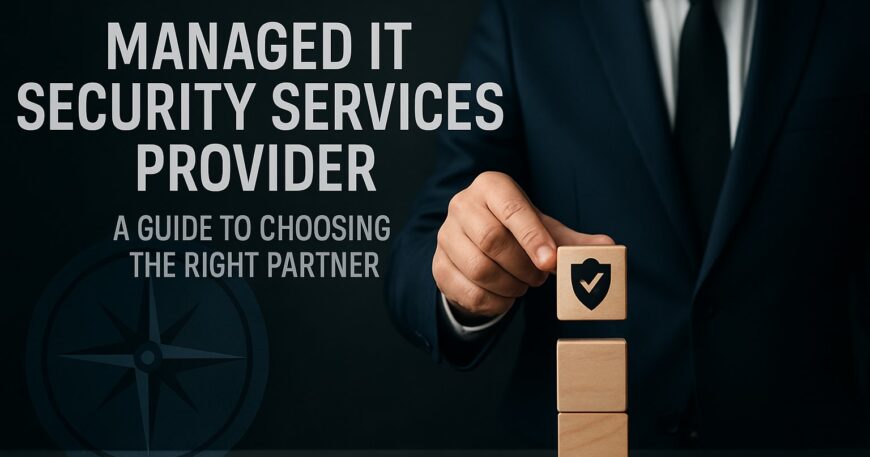
In 2026, cyber threats are evolving at a pace never seen before, making every organization a potential target. The stakes are high, and the risks are real for businesses of all sizes.
Choosing the right managed it security services provider is now a mission critical decision. This guide is designed to help you cut through complexity, offering practical steps and expert insights tailored to your unique needs.
Discover what to expect from today’s providers, how to evaluate your options, and the keys to building a partnership that keeps your operations secure. Let’s take action to protect your future.
Understanding Managed IT Security Services in 2026
The digital threat landscape in 2026 is more volatile than ever. Understanding what a managed it security services provider offers is crucial for organizations seeking to defend against modern risks. As threats grow in sophistication and frequency, informed decisions about security partnerships are essential.

The Evolving Cyber Threat Landscape
Cyber threats in 2026 are rapidly evolving, with ransomware, phishing, and AI-powered attacks now striking organizations of all sizes. Remote and hybrid work models have expanded attack surfaces, making endpoints and cloud environments more vulnerable. According to Cybersecurity Ventures, global cybercrime costs are projected to hit $10.5 trillion annually by 2025.
Ransomware incidents have become more targeted, while phishing campaigns leverage social engineering and AI to bypass traditional defenses. Real-world breaches continue to disrupt both SMBs and enterprises, resulting in financial loss, reputational damage, and regulatory penalties.
The latest Cybersecurity Trends for 2026 highlight the rise of zero trust architectures and the growing use of autonomous AI in threat detection. For any organization, partnering with a managed it security services provider is now a critical defense strategy.
What Are Managed IT Security Services?
A managed it security services provider is a partner that takes responsibility for your organization’s security operations. Their scope includes proactive monitoring, threat detection, incident response, compliance management, and ongoing risk assessment.
It’s important to distinguish between MSPs (Managed Service Providers) and MSSPs (Managed Security Service Providers):
| Service Type | Focus Area | Typical Offerings |
|---|---|---|
| MSP | IT management | Network, server, and device support |
| MSSP | Security services | 24/7 monitoring, threat response |
A managed it security services provider can deliver the following:
- Network security (firewalls, intrusion detection)
- Endpoint protection (laptops, mobile, IoT)
- Cloud security (AWS, Azure, GCP)
- Data loss prevention and compliance support
- Incident response and disaster recovery
This comprehensive approach ensures organizations are protected across all digital touchpoints.
Why Businesses Need Managed Security Providers Now
The demand for a managed it security services provider has never been higher. There’s a severe shortage of skilled cybersecurity professionals, leaving many organizations unable to build robust in-house teams. Modern IT environments, with their mix of cloud platforms, IoT devices, and remote endpoints, add layers of complexity.
Regulatory requirements such as GDPR, HIPAA, and CCPA place additional pressure on businesses to maintain strict security controls. For many, outsourcing to a managed it security services provider offers cost-effective scalability and access to advanced security tools.
Key drivers include:
- Bridging the cybersecurity talent gap
- Meeting regulatory and audit obligations
- Supporting business growth without compromising security
- Reducing operational costs while maintaining resilience
Choosing the right managed it security services provider can transform your security posture and help your business stay ahead of emerging threats.
Core Services to Expect from a Managed IT Security Services Provider
Choosing the right managed it security services provider means understanding the essential services that protect your organization. These core offerings form the backbone of resilient, modern cybersecurity strategies and help businesses navigate evolving digital threats.
Network Security and Zero Trust Architectures
A managed it security services provider delivers advanced network security, including firewalls, intrusion detection, and prevention. Zero Trust models are now essential, restricting access based on verification rather than location. Secure Access Service Edge (SASE) combines network and security functions for seamless protection. Real-time monitoring and threat isolation are standard. With Zero Trust Adoption Statistics showing 81% of organizations plan to adopt these models by 2026, it is vital to ensure your provider offers these robust defenses.
Endpoint and Device Security
Securing every device connected to your network is crucial. A managed it security services provider protects laptops, smartphones, and IoT endpoints through managed antivirus, regular patch management, and device encryption. Reducing technology friction is key, so solutions must be efficient and non-intrusive. Automated updates and centralized control streamline security for remote and hybrid teams, ensuring all endpoints remain protected against evolving threats.
Cloud Security Solutions
Cloud environments require specialized defense. A managed it security services provider secures public, private, and hybrid clouds, including AWS, Azure, and GCP. Services include multi-tenant cloud security, data encryption, and granular access controls. Providers implement best practices for identity management and compliance. By protecting workloads and ensuring secure connections, they prevent unauthorized access and data breaches in dynamic cloud infrastructures.
Security Operations Center (SOC) and Threat Monitoring
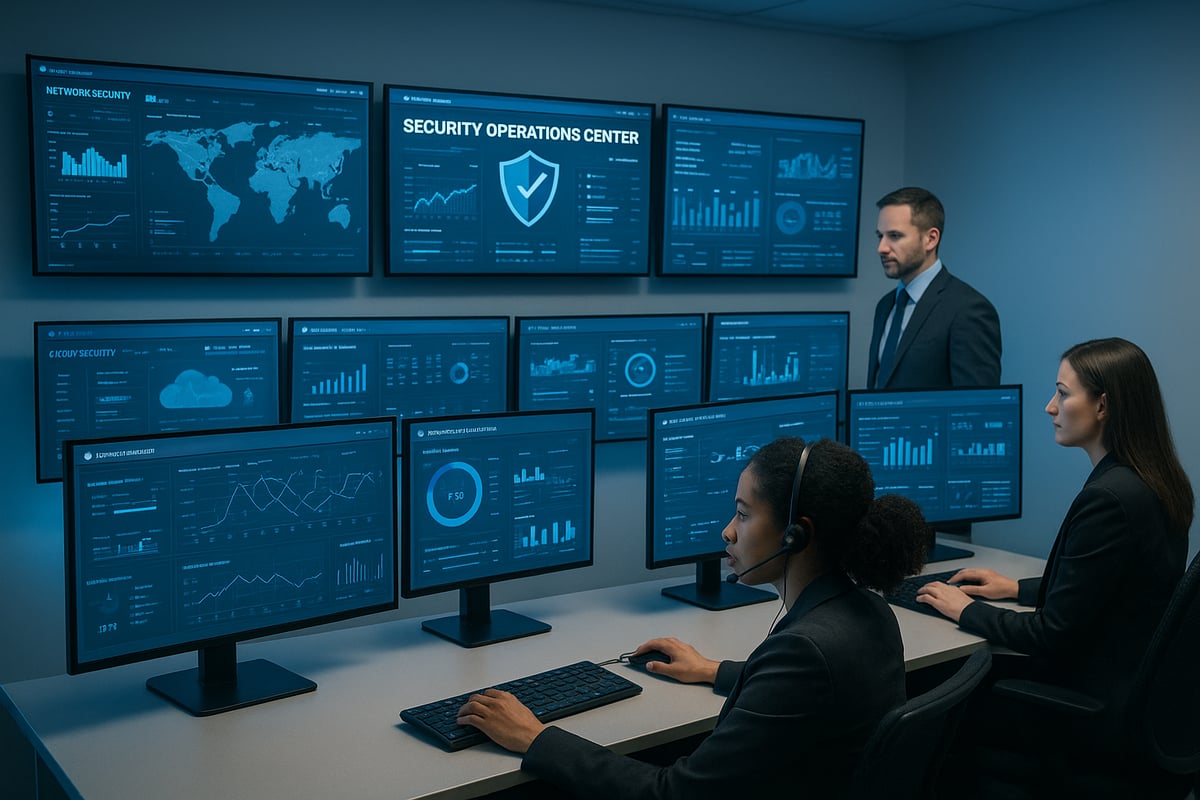
Round-the-clock monitoring is a hallmark of a managed it security services provider. SOC teams use threat intelligence, AI, and automation to detect and respond to incidents quickly. Security Orchestration, Automation, and Response (SOAR) tools accelerate actions, minimizing risks. Persistent’s SOC, for example, leverages cutting-edge automation to improve response times. This proactive approach ensures threats are identified and neutralized before causing harm.
Data Backup, Recovery, and Business Continuity
Protecting data against ransomware and disasters is a critical service. A managed it security services provider offers automated backup, rapid recovery solutions, and business continuity planning. Regular testing ensures recovery strategies work as expected. By minimizing downtime and preventing data loss, organizations maintain operations even after significant disruptions. These strategies are essential for resilience and peace of mind.
Compliance and Regulatory Support
Navigating complex regulations is challenging. A managed it security services provider assists with audits, policy documentation, and aligns processes with frameworks like GDPR, HIPAA, or CCPA. They provide detailed reporting and maintain up-to-date compliance records. This support reduces legal risks and ensures your organization meets industry standards, making regulatory adherence a seamless part of your security program.
Step-by-Step Guide to Choosing the Right Provider
Selecting the right managed it security services provider can feel complex, but a clear, structured approach brings confidence and results. Follow these steps to ensure your organization finds a partner equipped to protect your digital assets, support your growth, and meet evolving security demands.

Step 1: Assess Your Organization’s Security Needs
Begin by understanding your unique security landscape. Map your digital assets, including sensitive data, intellectual property, and critical business systems. Perform a risk assessment to identify vulnerabilities and likely attack vectors.
Consider the regulatory requirements that apply to your sector, such as GDPR, HIPAA, or CCPA. Document your business objectives and clarify which security outcomes matter most. This groundwork ensures your managed it security services provider will align solutions with your real-world needs.
Step 2: Research and Shortlist Potential Providers
Next, search for reputable providers through industry directories, peer referrals, and security certifications. Look for experience in your industry or geographic region, as regulations and threat profiles vary.
Evaluate whether the managed it security services provider partners with leading technology vendors and maintains up-to-date certifications. Create a shortlist of providers who demonstrate a strong track record and offer the services you require.
Step 3: Evaluate Service Offerings and Capabilities
Compare the service catalog of each managed it security services provider. Ensure coverage of critical domains, such as network, endpoint, cloud, and SOC operations. Ask if their solutions can be customized to your environment or if they rely on one-size-fits-all packages.
Investigate the underlying technology stack. Are best-in-class tools and platforms in use? Advanced capabilities like AI-driven threat detection are now essential. Providers that leverage AI in Cybersecurity Operations can offer faster, more accurate threat response and automation.
Step 4: Assess Provider Credentials and Reputation
Review the credentials of each managed it security services provider. Industry-recognized certifications such as ISO 27001, SOC 2, and others demonstrate commitment to best practices.
Seek out client testimonials, published case studies, and third-party reviews. Awards and recognitions are additional indicators of a provider’s reliability and expertise. This due diligence helps you trust your future partner.
Step 5: Understand Pricing Models and Contracts
Carefully examine pricing structures. Some managed it security services providers offer fixed-rate packages, while others use usage-based models. Clarify what is included and whether extra fees might arise for special services.
Review the Service Level Agreements (SLAs) for guarantees on response times, system uptime, and performance. Transparent contracts and clear terms will prevent surprises and foster a trusting relationship.
Step 6: Request and Review Proposals
Prepare a detailed Request for Proposal (RFP) outlining your requirements, compliance needs, and reporting expectations. Ask each managed it security services provider to submit a proposal that addresses your specific goals.
When reviewing proposals, assess completeness and alignment with your business objectives. Compare how each provider plans to meet your needs and evaluate their ability to deliver on promises.
Step 7: Conduct Interviews and Due Diligence
Finally, meet with your shortlisted providers. Prepare questions about incident response processes, escalation paths, onboarding, and ongoing support. Explore how the managed it security services provider communicates and whether their culture fits yours.
Assess the onboarding and transition process. Strong communication and a collaborative approach are crucial for long-term success. Due diligence at this stage ensures you select a partner who will protect your interests today and in the future.
Key Factors to Evaluate When Comparing Providers
Selecting the right managed it security services provider is a decision that impacts your organization’s resilience, compliance, and future growth. To make an informed choice, it is essential to compare providers across several core factors, ensuring your business receives robust, scalable, and transparent protection.

Security Expertise and Resources
A leading managed it security services provider must demonstrate deep expertise, both in headcount and skillset. Look for teams with advanced certifications such as CISSP, CISM, and CEH. The provider should offer access to real-time threat intelligence and proven experience in your industry.
For sectors like manufacturing, the demand for cyber expertise is particularly urgent. According to Cybersecurity Skills Demand in Manufacturing, 81% of organizations in this field now prioritize cybersecurity knowledge when selecting partners.
Evaluate the provider’s investment in ongoing training, participation in threat intelligence networks, and ability to scale resources during incidents.
Technology and Automation
The technology stack a managed it security services provider uses can significantly impact your security posture. Providers should leverage AI and machine learning for advanced threat detection and response. SOAR platforms automate routine tasks, allowing security analysts to focus on critical incidents.
Integration capabilities are equally important. Your provider should be able to connect seamlessly with your existing IT systems, cloud platforms, and applications. This ensures efficient data sharing, streamlined workflows, and minimal disruption.
Assess their use of best-in-class tools, support for automation, and proactive deployment of emerging technologies.
Customization and Scalability
Every organization has unique needs, so flexibility is key. A managed it security services provider should offer customizable service tiers, allowing you to select only what your business requires. As your organization grows or your risk profile changes, the provider must be able to scale services up or down.
Look for evidence of tailored solutions in client case studies. Ask how they handle onboarding, transitions, and future service adjustments. The ability to adapt ensures your security investment remains effective and efficient.
Regulatory and Industry Alignment
With regulations evolving and varying across industries, your managed it security services provider must have experience navigating frameworks such as HIPAA, PCI DSS, GDPR, and CCPA. Providers familiar with your industry’s security challenges can better anticipate risks and compliance needs.
Review their track record supporting organizations in your sector. Confirm their understanding of both global and local regulatory requirements. This alignment reduces your compliance burden and enhances your security posture.
Transparency, Reporting, and Communication
Clear communication and transparent reporting are essential for building trust. Your managed it security services provider should provide regular, detailed security reports, including threat detection activities, incident response actions, and recommendations.
Look for proactive alerts and dedicated account management. Providers should offer periodic review meetings and be available for strategic discussions. Transparency ensures you always understand your current security status and upcoming priorities.
Incident Response and Recovery Capabilities
A provider’s ability to detect and respond to incidents quickly is critical. Evaluate their average Mean Time to Detect (MTTD) and Mean Time to Respond (MTTR). Proven recovery strategies, such as tested disaster recovery plans, demonstrate a commitment to minimizing downtime and data loss.
Ask for examples of past incident management, including communication protocols and escalation paths. A reliable managed it security services provider will have a documented process and a history of successful recoveries.
Quick Comparison Table
| Factor | What to Look For | Why It Matters |
|---|---|---|
| Security Expertise | Certified, skilled teams | Effective defense against threats |
| Technology & Automation | AI, SOAR, integration capabilities | Rapid, proactive threat response |
| Customization & Scalability | Flexible service tiers, adaptability | Grows with your business |
| Regulatory Alignment | Industry compliance experience | Reduces risk of fines, breaches |
| Transparency & Communication | Detailed reports, proactive alerts | Informed, confident decision-making |
| Incident Response | Fast detection and recovery | Minimizes impact, ensures continuity |
By evaluating each managed it security services provider on these key factors, you can confidently select a partner that aligns with your organization’s needs and long-term goals.
Building a Successful Partnership with Your Managed IT Security Provider
Establishing a strong relationship with your managed it security services provider is crucial for long-term protection and business resilience. A collaborative, transparent approach helps align security operations with your goals, ensuring both sides understand responsibilities and expectations.
Setting Clear Expectations and SLAs
To begin, define precise roles, responsibilities, and escalation paths with your managed it security services provider. This clarity ensures all parties know who handles which tasks, especially during incidents.
Set measurable KPIs aligned with your business objectives. Examples include response times, uptime guarantees, and regular reporting schedules.
- Establish clear Service Level Agreements (SLAs)
- Schedule routine performance reviews
- Document escalation procedures
These foundational steps create a shared understanding, minimizing confusion and building confidence from the outset.
Ongoing Collaboration and Communication
A proactive relationship with your managed it security services provider fosters mutual trust and agility. Schedule regular meetings to review your security posture and discuss strategic improvements.
Effective communication channels are essential. Designate primary contacts and ensure both sides are accessible for urgent issues or routine queries.
- Hold quarterly security reviews
- Share threat intelligence updates
- Provide feedback loops for continuous enhancement
This ongoing dialogue keeps your security strategy aligned with evolving business needs.
Continuous Improvement and Innovation
Cyber threats change rapidly, so your managed it security services provider must prioritize continuous improvement. Encourage regular updates to security policies, tools, and procedures.
Leverage the provider’s expertise to stay ahead of new threats. Ask about their adoption of emerging technologies, such as AI-driven threat detection or automated response solutions.
- Monitor industry trends together
- Evaluate new security frameworks as needs evolve
- Test and adopt innovative security solutions
Continuous innovation ensures your defenses remain robust and adaptable.
Handling Incidents and Emergencies
Preparation is key for effective incident response. Work with your managed it security services provider to develop clear protocols for breach notification, containment, and recovery.
Conduct joint exercises, such as tabletop simulations, to test your processes. This practice helps both teams respond efficiently under pressure.
- Define breach notification timelines
- Assign incident response roles
- Schedule regular incident response drills
A well-practiced plan reduces downtime and limits potential damage from security incidents.
Measuring Success and ROI
To assess the value of your managed it security services provider, track improvements in your security posture and operational resilience. Use quantifiable metrics, such as reductions in security incidents, mean time to recovery, and business continuity during disruptions.
Consider compiling results in a simple table:
| Metric | Before Partnership | After Partnership |
|---|---|---|
| Incident Response Time | High | Low |
| Number of Breaches | Frequent | Rare |
| Downtime (hours/year) | Significant | Minimal |
Regularly review these metrics to ensure your partnership delivers measurable benefits and supports your long-term goals.
Future Trends in Managed IT Security Services
The landscape for managed IT security services provider solutions is shifting quickly. As cyber threats grow more advanced, providers are adopting powerful tools and approaches to stay ahead. Understanding these future trends will help organizations choose a partner ready for tomorrow’s challenges.
AI and Automation in Cybersecurity
Artificial intelligence is transforming how managed IT security services provider teams detect and respond to threats. AI-driven analytics can sift through millions of events, spotting suspicious activity in real time.
Automation, especially in Security Operations Centers (SOC), accelerates incident response. Tasks like alert triage, containment, and reporting can be handled at machine speed. This not only reduces response times but also frees up experts to focus on complex threats.
For a practical example, Persistent Systems uses AI and SOAR to streamline their SOC offerings, providing rapid, accurate threat mitigation.
The Rise of Zero Trust and SASE
Zero Trust is quickly becoming a standard strategy for every managed IT security services provider. This model assumes no user or device is trustworthy by default, enforcing strict identity verification at every access point.
Secure Access Service Edge (SASE) solutions combine network security functions with wide area networking. This supports the distributed workforce and cloud adoption trends. Together, Zero Trust and SASE deliver scalable protection for organizations with remote teams and hybrid infrastructures.
It is essential to ensure your managed IT security services provider offers robust Zero Trust and SASE support for future-proof security.
Industry-Specific Security Solutions
Every industry faces unique regulatory and threat challenges. Modern managed IT security services provider offerings now include tailored packages for healthcare, finance, manufacturing, and more.
These solutions address compliance requirements, such as HIPAA, PCI DSS, or GDPR, alongside sector-specific risks. Providers often develop custom controls, monitoring, and reporting to ensure organizations meet both operational and legal standards.
Choosing a managed IT security services provider with industry expertise ensures your defenses align with real-world risks.
Evolving Regulatory Landscape
Regulations around data privacy and cybersecurity are evolving rapidly. A managed IT security services provider must keep pace with new laws like CCPA, GDPR amendments, and sector-specific mandates.
Providers need to offer proactive compliance management, continuous monitoring, and timely reporting. This helps businesses avoid penalties and maintain customer trust.
Staying compliant is no longer optional; it is a core part of strategic security planning.
The Role of Managed Security in Business Resilience
Security is moving from a cost center to a business enabler. A managed IT security services provider now plays a key role in supporting resilience against sophisticated threats.
Providers help organizations minimize downtime, recover from incidents, and maintain operations during crises. With 24/7 monitoring, automated response, and robust backup strategies, businesses can focus on growth, knowing their assets are protected.
Embracing these future trends empowers organizations to build lasting resilience in a changing threat landscape.
As you navigate the complex world of managed IT security in 2026, it’s clear that partnering with the right provider can make all the difference for your business. We’ve explored the threats, services, and key evaluation criteria you need to consider—but finding a team that truly understands your unique needs is crucial. At Delphi Systems Inc., we focus on keeping your IT network secure, efficient, and worry free, so you can concentrate on what matters most: growing your business. If you’re ready to take the next step toward resilient, future proof security, call us now.

